
Rival Trial Boosts Bristol Myers Stock | Analysis by Brian Moineau

When a Rival’s Win Becomes Your Windfall

Bristol Myers Squibb (BMY) got a bump on Monday — not because of its own press release, but because Bayer released what analysts called a “surprisingly positive” update on its experimental blood thinner, asundexian. The result: investors breathed new life into the broader class of Factor XIa inhibitors and pushed Bristol Myers shares higher. It’s one of those market moments that shows how biotech is often a group sport — your competitor’s breakthrough can validate your pipeline overnight.

Why a Bayer trial moved Bristol Myers

  • Bayer’s Phase III OCEANIC‑STROKE trial reported that asundexian (50 mg daily), given with standard antiplatelet therapy, significantly reduced recurrent ischemic stroke risk in patients after a non‑cardioembolic ischemic stroke or high‑risk transient ischemic attack — and crucially, without increasing major bleeding. (bayer.com)
  • Factor XIa inhibitors (the drug class) aim to uncouple thrombosis from normal hemostasis — meaning they could prevent clotting events like stroke while lowering bleeding risk compared with existing anticoagulants. That mechanism is precisely what drug developers such as Bristol Myers (milvexian) and others are trying to prove. (bayer.com)
  • Investors treat successful late‑stage results for one program as partial proof‑of‑concept for the whole class. Bayer’s win raised the perceived odds that similar molecules — including Bristol Myers’ milvexian — can succeed in at least some indications, which translated into a multi‑percent pop in BMY stock. (investors.com)

A quick look at the players and timeline

  • Bayer: announced positive topline results from OCEANIC‑STROKE on November 23, 2025, and said detailed results will be presented at an upcoming scientific congress. The company plans to engage regulators about potential marketing applications. (bayer.com)
  • Bristol Myers Squibb: developing milvexian, another oral Factor XIa inhibitor. Milvexian had an earlier setback when an acute coronary syndrome (ACS) trial was halted for likely futility, but analysts now see greater odds for success in secondary stroke prevention after Bayer’s news. Bristol Myers expects key readouts for atrial fibrillation and stroke indications in 2026 (stroke) and late 2026 (AF study topline timing noted by analysts). (investors.com)
  • Regeneron and other firms: also saw small moves after Bayer’s announcement, reflecting industry‑wide implications for the FXIa inhibitor class. (investors.com)

Why investors care beyond a single trial result

  • The unmet-need math is compelling: recurrent stroke risk remains high, and current oral anticoagulants (like Factor Xa inhibitors) come with bleeding tradeoffs that limit use in some patients. A therapy that meaningfully lowers ischemic stroke risk without increasing major bleeding could shift practice and command large market share. (bayer.com)
  • Drug development in cardiovascular and stroke indications often translates into multibillion‑dollar peak sales if regulators and clinicians accept the benefit/risk profile — which is why analysts quickly remapped revenue forecasts after Bayer’s topline. (investors.com)
  • But “class validation” isn’t a guarantee. Molecules differ in pharmacology, trial designs matter, and regulatory hurdles remain. A positive headline helps, but each candidate must prove itself on its own data.

What to watch next

  • Full data release: details on event rates, absolute risk reduction, subgroup analyses, and bleeding definitions (ISTH major bleeding vs. other metrics) will determine how convincing the result really is. Bayer said full results will be presented at a scientific meeting. (bayer.com)
  • Bristol Myers’ milvexian readouts: timing and endpoints for milvexian’s stroke and atrial fibrillation trials — and whether milvexian reproduces asundexian’s safety/efficacy balance. Analysts have already increased probability estimates for some milvexian indications; the market will watch for Bristol’s own numbers. (investors.com)
  • Regulatory feedback: Bayer plans to engage health authorities about applications; regulators’ responses (and any requests for additional data) will shape the approval timeline and commercial prospects. (reuters.com)

Market and scientific nuance

  • Proof‑of‑concept at large scale: OCEANIC‑STROKE reportedly enrolled over 12,000 patients — a sizable dataset that, if robust, gives the result weight beyond small, early trials. Large phase III success can be a genuine inflection point. (bayer.com)
  • Not all indications are equal: Bayer’s win was in secondary stroke prevention; earlier failures (e.g., atrial fibrillation) remind us that efficacy can vary by disease context. Analysts noted Bayer’s prior AF setback and cautioned extrapolating to every indication. (reuters.com)
  • Competitive landscape: multiple companies are racing to develop FXIa inhibitors. A first approval for the class would change competitive dynamics rapidly, but differentiation (oral dosing, safety, efficacy in key subgroups) will matter for long‑term market share.

A few bite‑sized takeaways

  • Bayer’s OCEANIC‑STROKE topline appears to validate the therapeutic potential of FXIa inhibition for secondary stroke prevention. (bayer.com)
  • That validation lifted investor sentiment for peers, including Bristol Myers, which benefits from a stronger belief in milvexian’s prospects despite prior setbacks. (investors.com)
  • Full data, regulatory reviews, and individual trial differences still determine winners — a class win is helpful, but not decisive.

My take

This is what makes biotech markets both thrilling and maddening: a single credible late‑stage readout can switch narratives overnight. Bayer’s result is an important proof‑point for Factor XIa inhibition and opens the door for rivals — but each program still needs to clear its own clinical and regulatory hurdles. For long‑term investors or clinicians, the sensible posture is curiosity plus scrutiny: welcome the class validation, then ask for the full data and watch how each molecule performs in its own trials.

Sources


Related update: We recently published an article that expands on this topic: read the latest post.


Related update: We recently published an article that expands on this topic: read the latest post.

Avocado Chicken Salad | Made by Meaghan Moineau

Avocado Chicken Salad

Intro

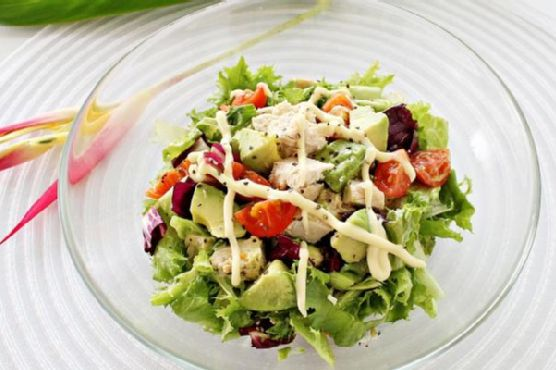
There’s something incredibly comforting about a hearty salad that satisfies both the taste buds and the soul. This Avocado Chicken Salad is more than just a meal; it’s a journey back to my grandmother’s sunny kitchen, where the aroma of freshly cooked chicken and the zest of lime filled the air. I remember sitting at her wooden table, the afternoon sun streaming through the windows, eagerly awaiting the delightful concoction she would prepare. With each bite, I felt wrapped in warmth and love. This recipe is my attempt to recreate that magic and share it with you.

Why You’ll Love It

This Avocado Chicken Salad is a delightful blend of flavors and textures that will leave you craving more. Here’s why you’ll love it:

  • Quick and Easy: This recipe is perfect for a busy weekday lunch or a light dinner. It comes together in under 30 minutes!
  • Healthy and Nutritious: Packed with protein from the chicken and healthy fats from the avocado, it’s a balanced meal that supports a healthy lifestyle.
  • Flavorful: The combination of creamy avocado, tender chicken, and fresh lime juice creates a refreshing and satisfying dish.
  • Versatile: It’s perfect on its own, or you can serve it with crusty bread or in a wrap for a more filling option.

Ingredients

  • 2 ripe avocados
  • 1 cup cherry tomatoes
  • 2 tablespoons extra virgin olive oil
  • 2 limes, juiced
  • 2 tablespoons mayonnaise
  • Black pepper to taste
  • 4 cups shredded mixed salad greens
  • 1 skinless boneless chicken breast

Instructions

  1. Season the chicken breast with a little salt and pepper.
  2. Place the chicken in a pot of boiling water and cook until done, approximately 12-15 minutes.
  3. Remove the chicken from the water and allow it to cool, then cut into cubes and set aside.
  4. Cut the avocados into cubes.
  5. In a large bowl, combine the mixed salad greens with olive oil and lime juice. Toss well.
  6. Divide the mixed salad into two serving bowls.
  7. Evenly distribute the avocado cubes, chicken, and cherry tomatoes over the salad in each bowl.
  8. Drizzle mayonnaise and sprinkle a dash of black pepper over the salad.
  9. Serve immediately and enjoy!

Tips

  • Ripe Avocados: Make sure to use ripe avocados for the best texture. They should yield slightly when pressed.
  • Perfectly Cooked Chicken: To ensure the chicken is cooked perfectly, use a meat thermometer. The internal temperature should reach 165°F (74°C).
  • Fresh Ingredients: Use fresh lime juice and high-quality olive oil for the best flavors.

Variations & Substitutions

This salad is wonderfully versatile. Here are some ideas to make it your own:

  • Spicy Kick: Add a pinch of cayenne pepper or some sliced jalapeños for a spicy version.
  • Herbs: Fresh herbs like cilantro or basil can add an extra layer of flavor.
  • Vegan Option: Replace chicken with chickpeas and use vegan mayonnaise to make it plant-based.
  • Cheesy Delight: Sprinkle some feta or goat cheese for added creaminess.

Storage

This salad is best enjoyed fresh. However, if you have leftovers, store them in an airtight container in the refrigerator for up to two days. Keep the salad dressing separate if possible to prevent the greens from becoming soggy.

FAQ

Can I use grilled chicken instead of boiled?

Absolutely! Grilled chicken adds a smoky flavor to the salad and works perfectly. Just ensure it’s cooked through and cooled before cutting into cubes.

What can I use instead of mayonnaise?

If you’re not a fan of mayonnaise, you can substitute it with Greek yogurt or a light vinaigrette for a different but equally delicious taste.

Nutrition

This Avocado Chicken Salad is not only delicious but also nutritious. It’s high in protein and healthy fats, making it a great option for a balanced meal. Avocados are a great source of vitamins C, E, K, and B-6, as well as riboflavin, niacin, folate, pantothenic acid, magnesium, and potassium. Remember, nutritional values can vary based on the specific ingredients and quantities used.

Conclusion

This Avocado Chicken Salad is a celebration of fresh, wholesome ingredients and simple preparation. It’s a dish that brings a touch of nostalgia and comfort with every bite. Whether you’re enjoying it for lunch, dinner, or a gathering with friends, it’s sure to impress with its vibrant flavors and satisfying texture. I hope it becomes a cherished favorite in your home, just as it is in mine. Enjoy your culinary journey!

Related update: Avocado Chicken Salad

Related update: Best Baked Macaroni and Cheese

Steam Machine Priced Like Regular PCs | Analysis by Brian Moineau

Valve’s Steam Machine won’t be subsidised — expect PC-like prices

You remember the moment Valve teased a living-room-sized PC that felt more like a console than a tower? That shiny little box — the Steam Machine — promises to live on your TV bench, boot into SteamOS, and bring much of your Steam library to the sofa. The catch, according to Valve, is that its price tag is going to be less “console launch loss leader” and more “what an equivalent PC costs.” That distinction matters more than you might think.

Why the price line matters

  • Console makers traditionally sell hardware at or below cost at launch and make profit on software and services. That lets companies push a low entry price to build install base quickly.
  • Valve is saying it will not subsidise the Steam Machine in that way. Instead, the device will be priced roughly in the same window as a PC with comparable CPU/GPU/RAM/storage.
  • That framing shifts how consumers, press and competitors think about the product: it’s not a budget console alternative, it’s a curated, compact PC experience with a living-room focus.

What Valve actually said

Valve engineer Pierre-Loup Griffais told the Friends Per Second (Skill Up) podcast that the Steam Machine’s pricing will be “more in line with what you might expect from the current PC market,” and that Valve aims to be competitive at that level of performance. He emphasised Valve won’t subsidise the hardware the way console makers often do, and noted features like small form factor and low noise as added value that justify a PC-equivalent price. Several outlets have reported and analysed this explanation. Sources later reiterated Valve’s reluctance to set a concrete number while market conditions (component prices, supply) are still fluctuating. (See Sources.)

The practical fallout for buyers

  • Expect one or more configurations (likely different storage and maybe a “Pro” later), with base models probably sitting above the cheapest consoles and closer to mid-range gaming PCs.
  • Convenience vs. bang-for-buck: the Steam Machine sells convenience (plug-and-play living-room experience, quiet small form factor, TV integration) that a DIY small-form-factor PC has a hard time matching — but that convenience comes at a premium.
  • For price-conscious buyers, building or buying a desktop might still give more raw performance per dollar. For people who want a tidy, TV-focused Steam experience, the trade-off might be worth it.

Market context and timing

  • Component price volatility (RAM, storage, GPUs) makes precise pricing hard right now; Valve acknowledged that directly.
  • Valve’s position is different from the Steam Deck era: the Deck launched with strong subsidies and aggressive pricing that helped it find a wide audience. Valve has signalled it won’t repeat that playbook for the Steam Machine.
  • Competing consoles (PlayStation, Xbox) often use hardware pricing strategies tied to exclusive games and massive ecosystem investments. Valve is betting on Steam’s ecosystem and optional hardware advantages rather than subsidised entry prices.

A few reasonable price guesses (not official)

Analysts and outlets are speculating widely — numbers in the discussion range from roughly mid-$500s up to $800–$1,000 for higher-spec variants. Much depends on the final internal specs and whether Valve decides to offer a slimmer or “Pro” model later. Whatever the final tags are, remember the anchor: Valve says “PC-equivalent” pricing, not “console-priced.”

What this means for Steam’s strategy

  • Valuing hardware parity with PC suggests Valve intends the Steam Machine to sit alongside desktops rather than undercut them.
  • It positions Valve as offering a premium, integrated hardware option to access Steam — like the Steam Deck did for handhelds, but with less emphasis on low launch pricing.
  • Valve retains flexibility: they can still adjust SKUs, storage options and promotions, but the commitment to non-subsidised pricing signals a different commercial calculus.

Quick takeaways

  • The Steam Machine will be priced like a comparable PC, not like a subsidised console.
  • Valve emphasises added hardware value (small form factor, low noise, TV integration) to justify that price.
  • Final prices are TBD because component costs are still volatile; speculation ranges widely but tends to sit above typical console launch prices.
  • Buyers need to weigh convenience and living-room integration against pure price-per-performance.

Final thoughts

Valve has earned goodwill by making clever hardware bets before (hello, Steam Deck). Saying the Steam Machine will track PC prices is honest and sets expectations early. It also reframes who the Steam Machine is for: not bargain hunters, but people who want a polished, compact, sofa-friendly PC experience without fiddling with mini-ITX builds or cables behind the TV. If you want the cheapest possible way to play PC games on a TV, building or buying a prebuilt PC may still win. If you want a tidy, Valve-curated living-room box that “just works,” you might be willing to pay for that convenience.

Sources

(Note: quotes and reporting above are drawn from Valve’s recent public comments and multiple technology outlets reporting on them.)


Related update: We recently published an article that expands on this topic: read the latest post.


Related update: We recently published an article that expands on this topic: read the latest post.


Related update: We recently published an article that expands on this topic: read the latest post.

Easy Thanksgiving Entertaining | Made by Meaghan Moineau

Easy Thanksgiving Entertaining

Intro

Thanksgiving has always been a time for family, friends, and unforgettable meals. As a child, I remember the warmth of the kitchen, the smell of spices, and the sound of laughter that filled our home. My grandmother would always have a special treat ready for us kids—a homemade pumpkin spice ice cream that was both comforting and delicious. Now that I host Thanksgiving, I’ve adapted her recipe to make it even easier, so I can spend more time with my loved ones and less time in the kitchen. This Easy Thanksgiving Entertaining recipe brings together the flavors of the season with minimal fuss, making it the perfect addition to your holiday table.

Why You’ll Love It

This ice cream recipe is a delightful twist on traditional Thanksgiving desserts. Here are a few reasons why you’ll fall in love with it:

  • Simple Ingredients: With just a handful of ingredients, you can create a dessert that’s both luxurious and comforting.
  • Quick Preparation: Spend less time cooking and more time enjoying with family and friends.
  • Seasonal Flavors: The combination of pumpkin spice and creamy goodness captures the essence of fall.
  • Kid-Friendly: This treat is a hit with kids and adults alike, making it perfect for gatherings.

Ingredients

  • 2 cups heavy cream
  • 1 cup whole milk
  • 1/2 cup sugar
  • 1 teaspoon vanilla extract
  • Pinch of salt
  • 1 cup crushed pumpkin spice cookies

Instructions

  1. In a large mixing bowl, whisk together the heavy cream, whole milk, sugar, vanilla extract, and salt until the sugar has completely dissolved.
  2. Gently fold in the crushed pumpkin spice cookies, ensuring they are evenly distributed throughout the mixture.
  3. Pour the mixture into an ice cream machine and freeze according to the manufacturer’s instructions.
  4. Once the ice cream reaches a soft-serve consistency, transfer it to an airtight container and freeze until firm, about 2-4 hours.
  5. When ready to serve, scoop into bowls and garnish with an additional pumpkin spice cookie for an extra touch of festivity and crunch.

Tips

For the best results, make sure your ice cream mixture is well chilled before adding it to the ice cream machine. This will help it freeze faster and achieve a creamier texture. If you don’t have an ice cream machine, you can pour the mixture into a shallow dish, freeze it, and stir every 30 minutes until it reaches the desired consistency.

Variations & Substitutions

If you’re looking to switch things up, consider these delicious variations:

  • Spiced Apple Cider: Replace the pumpkin spice cookies with crushed gingersnap cookies and add a teaspoon of cinnamon.
  • Chocolate Pumpkin: Stir in 1/2 cup of mini chocolate chips for a chocolatey twist.
  • Dairy-Free Option: Substitute coconut milk for heavy cream and almond milk for whole milk to make it dairy-free.

Storage

Store any leftover ice cream in an airtight container in the freezer for up to two weeks. To prevent ice crystals from forming, press a piece of plastic wrap directly onto the surface of the ice cream before sealing the container.

FAQ

Can I make this ice cream without an ice cream machine?

Yes, you can! Simply pour the mixture into a shallow dish and freeze, stirring every 30 minutes to break up ice crystals until it reaches the desired consistency.

How can I make this recipe more festive?

Consider adding a tablespoon of your favorite liqueur, such as bourbon or rum, for an adult version. You can also top the ice cream with caramel sauce or whipped cream for an extra indulgent treat.

Is there a way to make this ice cream less sweet?

Feel free to reduce the sugar to 1/4 cup if you prefer a less sweet dessert. The cookies will still provide plenty of flavor and sweetness.

Nutrition

While this ice cream is a treat, it can be enjoyed in moderation as part of a balanced diet. A single serving (1/2 cup) contains approximately:

  • Calories: 250
  • Fat: 18g
  • Carbohydrates: 22g
  • Protein: 3g

Conclusion

This Easy Thanksgiving Entertaining dessert is more than just ice cream—it’s a memory in the making. Perfect for sharing with loved ones, it’s a sweet reminder of the warmth and togetherness that the holiday season brings. Whether you’re serving it to a crowd or enjoying a quiet evening in, this ice cream is sure to become a cherished part of your Thanksgiving tradition. So go ahead, scoop up some joy, and savor the flavors of the season!

Related update: Easy Thanksgiving Entertaining

Related update: Cacao-Pecan Shortbread Cookies

Thai Cucumber Salad (By Roz) | Made by Meaghan Moineau

Thai Cucumber Salad (By Roz)

Intro

Welcome to my kitchen! Today, I’m sharing a delightful recipe that has been a staple in my family for generations: Thai Cucumber Salad. This dish is a vibrant medley of flavors and textures that will transport your taste buds straight to the bustling streets of Bangkok. I still remember the first time I tasted this salad at a family reunion—it was love at first bite. The refreshing crunch of cucumbers, the zing of lime, and the subtle heat from the peppers made it an unforgettable experience. I’m thrilled to bring this taste of Thailand into your home. Let’s dive in!

Why You’ll Love It

Thai Cucumber Salad is the perfect combination of sweet, spicy, and tangy. It’s incredibly refreshing and makes for a fantastic side dish or a light main course. You’ll love how simple it is to prepare, yet how complex and satisfying the flavors are. This salad is also highly customizable, allowing you to adjust the spice level and ingredients to your liking. Whether you’re a seasoned cook or a kitchen newbie, this recipe is sure to impress.

Ingredients

  • Cilantro
  • Canned cucumbers
  • Jalapeno pepper
  • Lime juice
  • Lime zest
  • Red white onions
  • Red pepper flakes
  • Rice wine vinegar
  • Dry unsalted chopped roasted peanuts
  • Salt
  • Coconut oil
  • Sesame oil
  • Soy sauce
  • Sugar
  • Thai garlic chili pepper sauce
  • White pepper

Instructions

  1. Blend all the dressing ingredients together: lime juice, lime zest, rice wine vinegar, coconut oil, sesame oil, soy sauce, sugar, Thai garlic chili pepper sauce, and white pepper. Adjust the ingredients to suit your taste.
  2. In a large bowl, mix in all of the chopped vegetables, herbs, and peanuts, if desired: canned cucumbers, cilantro, jalapeno pepper, red white onions, and dry unsalted chopped roasted peanuts.
  3. Add more of any of the flavors that you prefer, which is the true Thai way. Taste and adjust seasoning as needed.
  4. Garnish each plate with cilantro leaves and sliced limes for an added burst of freshness.
  5. Serve with a platter of add-ins: lime slices, red pepper flakes, chopped cilantro, chopped peanuts, Thai sweet chili sauce, sugar, salt, etc., for your guests to customize their plates.

Tips

To ensure your Thai Cucumber Salad is as delicious as possible, here are a few tips:

  • Use fresh lime juice for the best flavor. Bottled lime juice can be a bit too acidic.
  • Canned cucumbers can be substituted with fresh ones for an added crunch.
  • If you prefer less heat, remove the seeds from the jalapeno pepper before chopping.
  • Let the salad sit for at least 30 minutes before serving to allow the flavors to meld together.

Variations & Substitutions

This Thai Cucumber Salad is highly versatile. Here are some variations and substitutions you might consider:

  • Protein Boost: Add grilled chicken or shrimp for a more filling meal.
  • Vegetarian Option: Swap out the fish sauce for a vegetarian soy sauce or tamari.
  • Nut Allergy: Leave out the peanuts or substitute with toasted sunflower seeds.
  • Extra Veggies: Feel free to add additional vegetables such as bell peppers or carrots for more color and texture.

Storage

This salad is best enjoyed fresh, but you can store any leftovers in an airtight container in the refrigerator for up to two days. Keep in mind that the cucumbers may lose some of their crunch over time. If making in advance, consider storing the dressing separately and mixing just before serving.

FAQ

Can I make this salad ahead of time?

Yes, you can prepare the dressing and chop the vegetables a few hours in advance. However, for the best texture, it is recommended to combine the ingredients and add the dressing just before serving.

How can I adjust the spice level?

To adjust the spice level, start by adding a small amount of jalapeno and red pepper flakes, then taste and add more if desired. You can also serve additional red pepper flakes on the side for those who prefer a spicier salad.

What can I serve with Thai Cucumber Salad?

This salad pairs beautifully with grilled meats like chicken, pork, or beef. It also makes a refreshing side to accompany curries or as part of a larger Thai-inspired meal.

Nutrition

While the exact nutritional content will depend on the specific quantities and brands of ingredients used, Thai Cucumber Salad is generally low in calories and rich in vitamins A and C. It’s a great source of hydration and antioxidants, making it both a healthy and delicious choice.

Conclusion

There you have it—a simple yet irresistibly tasty Thai Cucumber Salad that brings a burst of flavor with every bite. Whether you’re making it for a family gathering or a quiet dinner at home, this dish is sure to please. I hope this recipe brings as much joy to your table as it has to mine. Happy cooking, and enjoy your culinary journey to Thailand!

Related update: Thai Cucumber Salad (By Roz)

Related update: Avocado Chicken Salad

Rangers Reset: Semien Traded for Nimmo | Analysis by Brian Moineau

A changing of the guard: Marcus Semien heads to the Mets, Brandon Nimmo to Texas

Baseball trades always come with a little drama — nostalgia for what was, curiosity about what’s next, and an inventory of both dollars and intangibles changing hands. The Rangers’ decision to send Marcus Semien to the New York Mets in exchange for outfielder Brandon Nimmo (plus cash) feels like all of that wrapped into one roster-clearing, future-facing move.

A hook: why this trade stopped me

Semien signed a seven-year, $175 million deal with Texas before the 2022 season and spent four seasons anchoring the middle infield. That kind of commitment usually signals a long-term identity: this is “our” player, our leader on and off the field. Trading him now — while he still has three years left on that deal and fresh off another Gold Glove — signals the Rangers are more interested in reshaping their roster and payroll structure than preserving continuity for its own sake.

What happened — the essentials

  • Marcus Semien, 35, goes to the New York Mets.
  • The Rangers receive Brandon Nimmo (32) and cash considerations in return.
  • Semien had signed a seven-year, $175 million contract with Texas before 2022 and spent four seasons there.
  • Nimmo waived his no‑trade clause to facilitate the deal and still has several years left on his extension with a significant salary commitment.

(Details and reporting on the transaction appeared across major outlets on Nov. 23–24, 2025.)

Why the Rangers made the move

  • Roster reset: Texas went all‑in around the Corey Seager–Semien middle infield earlier in the decade and won the franchise’s first World Series in 2023. But the team has been trying to translate that into sustained contention. Moving Semien frees the Rangers to reshape that core and allocate roster spots and playing time differently.
  • Payroll flexibility and timelines: Semien still carries guaranteed money for multiple seasons. Swapping him for Nimmo — plus cash considerations flowing the other way in some versions of the deal — changes positional needs and the mix of guaranteed salary; it might also be a bid to balance present competitiveness with longer-term roster flexibility.
  • Defensive and clubhouse value for New York: Semien is still an elite defender up the middle. For the Mets, adding a sure-handed, veteran presence at second base improves run prevention and covers holes the team wants to fix without waiting for development.

What the Mets gain (and gamble on)

  • Improved run prevention: Marcus Semien remains one of the better defensive middle infielders in baseball — the kind of player who can cut opponent scoring and stabilize an infield.
  • Veteran leadership: Semien brings championship experience and steady daily play. For a Mets roster that has chased pitching and run prevention, that’s a natural fit.
  • Offense is a question mark: Semien’s best offensive years were earlier in the decade (notably 2019 and 2021). His production dipped in recent seasons, so the Mets are betting that his defense and remaining offensive tools provide enough net value to justify the acquisition.

What the Rangers get (and what they’re counting on)

  • A left-handed outfielder with pop and on-base skills: Nimmo is a steady, well-regarded presence who has produced strong counting numbers in recent seasons. He offers a different offensive profile than Semien.
  • A clubhouse change and lineup shuffle: Nimmo's addition shifts lineup construction — more emphasis on outfield defense and plate discipline, less on middle‑infield offense. It also gives the Rangers the flexibility to explore internal options or free agency for middle infielders.
  • A longer-term contract to manage: Nimmo still has years left on his deal, meaning the Rangers are swapping one multi-year commitment for another with different timing and risk.

Bigger picture: what this says about both teams

  • The Rangers are moving from nostalgia toward pragmatism. Even players who helped deliver a championship aren’t immune to strategic retooling when the front office believes a different mix gives the best chance to return to the postseason.
  • The Mets are prioritizing run prevention and veteran stability. They signaled that defense up the middle and reliable at-bats are worth trading a longtime fan favorite to try to improve their short-term chances.

A few things to watch next season

  • Who plays second in Texas? Semien’s departure opens the door to prospects, trade market pickups, or internal solutions. How the Rangers replace his defense will be telling.
  • How Semien ages in New York. Can he remain a defensive anchor while providing enough offense to help the Mets push for a playoff spot?
  • Nimmo’s role in Arlington. Will the Rangers get consistent production from him in the middle of the lineup, and how will his contract years affect future roster moves?

What I’m taking away

Trades like this are rarely purely about on-field performance. They’re chess moves that account for payroll, contract horizons, clubhouse culture, and a team’s timeline for contention. Moving Marcus Semien — a recent World Series contributor and $175 million signee — is a clear statement from the Rangers: they’re willing to reconfigure the pieces that brought them success to chase a different path forward. The Mets, meanwhile, are saying they want a veteran defensive upgrade now rather than waiting for a longer, riskier rebuild in the infield.

This deal won’t be judged in headlines; it will be judged in April and September — in runs saved, clubhouse cohesion, and whether either front office got the long-term math right. Either way, it reminds us why the offseason is the most fascinating part of baseball: fortunes (and fan feelings) can pivot on a single phone call.

Final thoughts

Baseball’s churn can feel merciless — beloved players move, fan rituals shift, and narratives reset. But that churn is also the sport’s creative engine. The Semien–Nimmo swap reshapes two contenders and sets the table for another season of surprises. Expect emotions in the short term, and analytic verdicts in the long term.

Sources


Related update: We recently published an article that expands on this topic: read the latest post.


Related update: We recently published an article that expands on this topic: read the latest post.