Steam Goes Fully 64‑Bit on Windows | Analysis by Brian Moineau

Steam finally goes fully 64‑bit on Windows — and it actually matters

A small, quiet change rolled out in December 2025 that will make a surprising number of problems less annoying over time: Valve has converted the Windows Steam client to a native 64‑bit application. If that sounds like a nerdy footnote, stick with me — this is the kind of technical housekeeping that unlocks better stability, simpler development, and fewer edge-case crashes for millions of PC gamers.

What to know right away

  • The Steam desktop client for Windows 10 (64‑bit) and Windows 11 is now a native 64‑bit application (stable rollout in December 2025).
  • Valve will continue delivering a 32‑bit build only to systems that require it until January 1, 2026; after that date 32‑bit Windows installs will no longer receive updates or support.
  • The update also bundled several quality‑of‑life fixes and controller/input improvements (friends/chat reporting tweaks, recording/export fixes, better controller support, Big Picture/Remote Play bug fixes).

Why this upgrade matters

Upgrading an app from 32‑bit to 64‑bit is more than a checkbox for developers. For Steam, the switch brings practical benefits:

  • Better memory handling. A 64‑bit client can address far more memory, which makes it harder for leaks or memory‑hogging bugs to bring the whole Steam client (and sometimes the running game) to its knees.
  • Cleaner toolchain and testing. Valve no longer has to maintain two separate native builds for modern Windows installs, which reduces platform complexity and frees engineering time.
  • Compatibility with modern platform pieces. Many modern libraries, browser engines, and drivers are optimized for 64‑bit Windows — moving the client to 64‑bit aligns Steam with that ecosystem and avoids fragile edge cases.
  • A path for future features. Removing a legacy constraint lets Valve adopt newer subsystems or optimizations that assume 64‑bit execution.

Put simply: this is an investment in long‑term stability and fewer weird failures for the vast majority of Steam users.

What else shipped with the December update

Valve didn’t stop at the binary switch. The release notes and coverage show a batch of smaller but tangible fixes and additions:

  • Friends & Chat: new reporting options for suspicious or harassing messages inside group chats (right‑click to report and optionally block/unfriend).
  • Game recording: fixes for exporting H.265 videos and clipboard issues on certain NVIDIA 50xx GPUs.
  • Steam Input: expanded controller support — including Nintendo Switch 2 controllers over USB, improved GameCube adapter behavior in Wii U mode (with rumble), and pairing improvements for high‑end controllers like DualSense Edge and Xbox Elite.
  • Big Picture / Remote Play: stability and usability fixes (fewer in‑game purchase failures for some titles, Remote Play mouse movement fixes across multiple monitors when using touch).
  • Miscellaneous stability fixes: for the embedded browser helper and other components that could occasionally spawn stray windows.

These are the small wins that make day‑to‑day Steam use more pleasant.

Who’s affected (and who isn’t)

  • Practically everyone on modern Windows is unaffected in a painful way — if you’re on Windows 10 64‑bit or Windows 11 you get the 64‑bit client automatically.
  • A vanishingly small group of users on 32‑bit Windows 10 (Valve’s telemetry puts this at around 0.01% of the user base) will still be able to run Steam for a short while, but their client will stop receiving updates and security fixes after January 1, 2026. If you’re in that group, upgrading to a 64‑bit OS is the practical recommendation.
  • 32‑bit games remain supported. This change affects the Steam client binary and support lifecycle for 32‑bit Windows OSes — it doesn’t mean Valve is suddenly dropping older games.

The broader context

The move fits a larger trend across the industry: operating systems and large platform apps are shedding 32‑bit legacy support. Microsoft’s push and the natural hardware turnover means most PCs now run 64‑bit Windows, and browser engines and middleware are drifting away from 32‑bit compatibility. For Valve, consolidating around 64‑bit simplifies interactions with anti‑cheat vendors, browser components, and controller vendors — all of which tend to favor 64‑bit builds.

It’s also a subtle signal about priorities: Valve is choosing engineering simplicity and future readiness over maintaining obscure legacy setups. For a platform serving hundreds of millions of users, that pragmatism makes sense.

My take

This isn’t flashy, but it’s the kind of under‑the‑hood improvement that compounds. You won’t see a headline getting you excited about a new feature, but you will notice fewer random crashes, smoother controller behavior, and a slightly cleaner Steam client experience over time. For power users and developers, it removes a constraint that used to complicate troubleshooting and testing. For the tiny fraction still on 32‑bit Windows, the deadline of January 1, 2026 makes upgrading unavoidable if you want continued support.

Sources


Related update: We recently published an article that expands on this topic: read the latest post.

Related update: We recently published an article that expands on this topic: read the latest post.
Fish Pie With Fresh and Smoked Salmon | Made by Meaghan Moineau

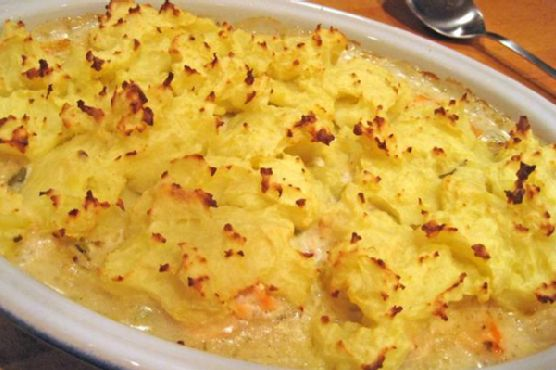
Fish Pie With Fresh and Smoked Salmon

Intro

There is something inherently comforting about a fish pie, especially when it’s cold outside and the days grow shorter. This Fish Pie with Fresh and Smoked Salmon takes me back to cozy evenings at my grandmother’s kitchen, where the scent of baking fish pie filled the air, promising warmth and nourishment. The combination of fresh and smoked salmon brings a delightful depth of flavor, reminiscent of those cherished family gatherings. Whether you’re an experienced cook or a kitchen novice, this recipe will guide you in creating a dish that warms both the heart and the stomach.

Why You’ll Love It

This fish pie is a celebration of flavors and textures, perfect for sharing with family and friends. The blend of fresh and smoked salmon creates a rich, smoky profile, while the creamy mashed potatoes provide a comforting topping. The addition of savoy cabbage and a touch of horseradish adds a unique twist that makes this pie stand out. Not only is it delicious, but it’s also a nutritious meal option that’s packed with healthy omega-3s and vitamins from the salmon and vegetables.

Ingredients

  • 3 large potatoes, peeled and cut into chunks
  • 2 tablespoons butter
  • 2 tablespoons prepared horseradish
  • 1/4 cup milk, plus more if needed
  • 1 pound fresh salmon
  • 1/2 lemon, juiced
  • 1 bay leaf
  • 5 black peppercorns
  • 1/4 pound dry smoked salmon, roughly chopped
  • 1 onion, chopped
  • 1 tablespoon olive oil
  • 1/2 small savoy cabbage, chopped
  • 1/2 cup white wine
  • 1/2 cup chicken stock
  • 1 teaspoon dried chives
  • 1 teaspoon dried tarragon
  • 1 tablespoon cornstarch, dissolved in water
  • 1/2 cup plain Greek yogurt

Instructions

  1. Preheat your oven to 400°F (200°C).
  2. In a large pot, boil the peeled and chopped potatoes in salted water until tender, about 15 minutes. Drain and return to the pot.
  3. Add butter, horseradish, and 2 tablespoons of milk to the potatoes. Mash until smooth, adding more milk if needed for a creamy consistency. Set aside.
  4. In a medium skillet, place the fresh salmon and add enough water to almost cover it. Add lemon juice, bay leaf, and peppercorns. Cover and poach over medium heat for 12-15 minutes, until the salmon is opaque and flakes easily. Remove the salmon and cut it into large chunks.
  5. Heat olive oil in a pan over medium heat. Sauté the onion until tender, then add the chopped cabbage. Sauté for 2-3 minutes, stirring occasionally.
  6. Add white wine, chicken stock, chives, and tarragon to the cabbage mixture. Cover and simmer for 10 minutes.
  7. Stir in the cornstarch mixture until the sauce thickens. Remove from heat and add Greek yogurt, stirring well to combine.
  8. Gently fold both the fresh and smoked salmon into the cabbage mixture. Spoon the mixture into a baking dish.
  9. Top with the mashed potato mixture, spreading it evenly over the surface.
  10. Bake in the preheated oven for 15 minutes or until the top starts to brown.

Tips

For a perfectly mashed potato topping, make sure the potatoes are well-drained before mashing. If you prefer a crispier top, consider brushing the mashed potatoes with a bit of melted butter before baking. To save time, you can prepare the salmon and cabbage mixture ahead of time and refrigerate until ready to assemble the pie.

Variations & Substitutions

If you don’t have fresh salmon, feel free to use thawed frozen salmon fillets. You can also experiment with different herbs like dill or parsley for a fresh twist. For a dairy-free version, substitute the Greek yogurt with a plant-based yogurt alternative and use olive oil instead of butter in the mashed potatoes.

Storage

Leftover fish pie can be stored in an airtight container in the refrigerator for up to 3 days. To reheat, cover with foil and bake in a preheated oven at 350°F (175°C) until heated through. You can also freeze the pie before baking for up to 2 months. When ready to eat, thaw overnight in the fridge and bake as directed.

FAQ

Can I use other types of fish in this pie?

Yes, you can substitute the salmon with other firm white fish like cod or haddock. Just ensure the fish you choose is suitable for poaching and flaking.

What can I serve with fish pie?

Fish pie is a complete meal on its own, but it pairs wonderfully with a simple green salad or steamed vegetables for added freshness and crunch.

Is it necessary to use smoked salmon?

While smoked salmon adds a unique depth of flavor, you can omit it if you prefer. Simply increase the quantity of fresh salmon or add another type of fish for variety.

Nutrition

This fish pie is a nutritious option, rich in omega-3 fatty acids from the salmon, which are beneficial for heart health. The addition of cabbage provides fiber and vitamins, making this dish a well-rounded choice for a balanced meal.

Conclusion

This Fish Pie with Fresh and Smoked Salmon is more than just a meal; it’s a comforting embrace on a plate. The harmonious blend of flavors and the nostalgia it brings make it a delightful addition to any dining table. Whether you’re reliving cherished memories or creating new ones, this dish is sure to become a family favorite. Enjoy every bite of this heartwarming classic!

Related update: Fish Pie With Fresh and Smoked Salmon

Related update: Italian Beef Braciole

Galaxy S26 Unpacked: February in SF | Analysis by Brian Moineau

You might be surprised by when and where Samsung will Unpack the Galaxy S26

Hook: Imagine expecting Samsung’s next Galaxy S reveal in its usual late-January slot — and then discovering the company may pick a late-February date and fly the show to San Francisco. That’s the latest rumor swirl, and it’s already reshaping how fans and press are thinking about the S26 launch.

Why this leak matters

Samsung’s Galaxy Unpacked events are more than product launches — they set the tone for mobile trends for the year. A change from the firm’s familiar January cadence to a late-February event would do three things at once:

  • Shift Samsung’s product calendar (affecting marketing, supply, and retail timings).
  • Signal a stronger emphasis on U.S.-centered messaging — and especially AI messaging — if San Francisco is indeed the venue.
  • Give rivals and carriers an extra few weeks to react, price, and plan promotions.

Those are small-sounding shifts but they ripple across reviews, preorder timing, and even holiday-season inventory planning for carriers and retailers.

What the leak says (and where it came from)

  • A recent PhoneArena piece summarized the rumor landscape and highlighted a leak pointing to a late-February unveiling for the Galaxy S26 series. (phonearena.com)
  • Multiple Korean outlets (reported in English by sites like Android Authority, Gadgets360, and SamMobile) have pointed to February 25, 2026, as a likely Unpacked date, with San Francisco named as the host city. These outlets trace the detail back to South Korean reports such as Money Today and ET News. (androidauthority.com)
  • Not every source agrees: other reports have suggested a return to Samsung’s normal late-January rhythm, so the timeline is still unsettled. Expect revised leaks and pushback from official channels until Samsung confirms anything. (sammobile.com)

Context: why San Francisco and why February?

  • San Francisco’s technology ecosystem is synonymous with AI startups, platforms, and investor attention. If Samsung plans to spotlight Galaxy AI features and deeper on-device AI tooling in One UI, the city is a logical stage. Several leaks explicitly connect the San Francisco choice to Samsung’s desire to emphasize AI. (gadgets360.com)
  • Timing-wise, a late-February reveal would be a modest delay from Samsung’s historic January Unpacked cadence. Insider chatter suggests lineup tweaks (model strategy changes, chip decisions) may have prompted the shift — a plausible reason given past years’ last-minute product adjustments. (phonearena.com)

What to expect from the S26 family (short preview)

  • Product lineup: Reports point to a trio similar to recent years — S26, S26+, and S26 Ultra — rather than exotic restructuring. Rumors about Edge models ebb and flow, but the core three-model strategy appears intact for now. (phonearena.com)
  • Chips and performance: Leaks suggest Samsung may continue a dual-chip strategy (Exynos in many regions, Snapdragon in the U.S./Canada), and chatter about Samsung’s new Exynos 2600 and Qualcomm’s chips has already featured in rumor threads. Expect Samsung to highlight performance and power-efficiency gains. (androidcentral.com)
  • AI features: Early coverage already hints at One UI and Galaxy AI improvements being a headline theme. If so, pick a venue like San Francisco and a slightly later date to maximize developer and partner presence. (androidcentral.com)

What this means for buyers, reviewers, and industry watchers

  • Buyers: If the event shifts to late February, shipping and preorder windows could be pushed back a few weeks. Keep an eye on Samsung’s official channels for confirmation before planning upgrades or trade-ins.
  • Reviewers and journalists: A San Francisco event would be convenient for many U.S.-based media and analyst partners, but international press will still need to coordinate review schedules and loaner phones.
  • Competitors and carriers: A moved date changes the competitive calendar — promotional campaigns and handset launches from other OEMs may respond accordingly.

Things to watch next

  • Official confirmation from Samsung (date and location).
  • Which SoCs Samsung lists for each market (Exynos vs Snapdragon split).
  • Early leaks about camera hardware, battery, and One UI Galaxy AI demonstrations.
  • Samsung’s messaging: will the event be branded heavily around “AI in the handset” or present a more traditional camera/performance story?

My take

A late-February Unpacked in San Francisco would be a smart theatrical move if Samsung’s priority is to frame the S26 as the company’s “AI smartphone” for 2026. It gives the company more time to lock down hardware changes, builds a narrative that ties into the Bay Area’s AI zeitgeist, and creates fresh media momentum after an already cluttered tech-news January. That said, until Samsung posts the invite, treat February 25 as a plausible leak — not a confirmed date.

Sources


Related update: We recently published an article that expands on this topic: read the latest post.

Chocolate Peppermint Cookies | Made by Meaghan Moineau

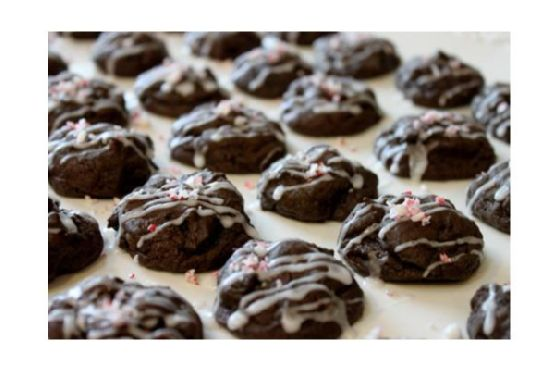
Chocolate Peppermint Cookies

Intro

Chocolate Peppermint Cookies are a holiday favorite in my household, a tradition that brings back fond memories of festive gatherings and cozy winter evenings. I remember the first time I baked these delightful treats was with my grandmother, who had a knack for creating magic in the kitchen. The aroma of chocolate and peppermint swirling through the house signaled the beginning of holiday celebrations. As we sat around the fireplace, enjoying these cookies with a cup of hot cocoa, it felt like all was right with the world. Today, I’m excited to share this cherished recipe with you, so you too can create sweet memories with your loved ones.

Why You’ll Love It

These Chocolate Peppermint Cookies are the perfect blend of rich chocolate and refreshing peppermint. They are soft and chewy with a slight crunch on the outside, making them irresistible to both kids and adults. Whether you’re looking to impress at a holiday party or simply want to treat yourself, these cookies are sure to become a staple in your dessert repertoire. With their delightful glaze and festive flavor, they capture the essence of the holiday season in every bite.

Ingredients

  • 1 teaspoon baking soda
  • 1 cup confectioners sugar
  • 2 large eggs
  • 2 cups all-purpose flour
  • 2 tablespoons half and half
  • 1 cup light brown sugar
  • 1 teaspoon peppermint extract
  • 1/2 teaspoon salt
  • 1 cup sweet semi chocolate chips
  • 1 cup granulated sugar
  • 1 cup unsalted butter, softened
  • 1/2 cup unsweetened cocoa powder
  • 1 teaspoon vanilla extract

Instructions

  1. Preheat your oven to 350 degrees F.
  2. In a medium bowl, sift together the flour, cocoa powder, baking soda, and salt. Set this aside.
  3. In a mixer, beat together the butter with the granulated and light brown sugars until fluffy, about 2 minutes.
  4. Add the eggs one at a time, beating until smooth after each addition and scraping the sides of the bowl as necessary.
  5. Add the vanilla extract and mix well.
  6. On a low speed, gradually beat in the flour mixture a little at a time until well combined.
  7. Gently fold in the chocolate chips with a spatula or wooden spoon.
  8. Drop teaspoons of the batter onto an ungreased cookie sheet, spacing them about 2 inches apart.
  9. Bake the cookies until just cracked on top, about 8 minutes, rotating the pan halfway through the cooking time.
  10. Remove from the oven and flatten the cookies slightly with a spatula. Allow them to cool completely on a wire rack.
  11. For the glaze, mix together the confectioners sugar, peppermint extract, and half and half in a small bowl until smooth.
  12. Transfer the glaze mixture to a medium resealable plastic bag and snip off a tiny bit of the corner.
  13. Drizzle the glaze over the cooled cookies and let them stand until set, about 10-20 minutes.

Tips

To ensure your cookies are perfectly soft and chewy, avoid overbaking. They should just be cracked on top when you take them out of the oven. Also, make sure your butter is at room temperature for easy mixing and a smooth batter. Using a cookie scoop can help in creating uniform cookies, ensuring even baking.

Variations & Substitutions

Feel free to experiment with this recipe to suit your preferences. If you prefer a stronger peppermint flavor, you can increase the peppermint extract in the glaze. For a different twist, try adding crushed candy canes on top of the glaze for extra crunch and color. You can also substitute white chocolate chips for the semi-sweet chocolate chips for a different flavor profile.

Storage

These cookies can be stored in an airtight container at room temperature for up to a week. If you want to enjoy them for longer, they freeze beautifully. Simply layer them between sheets of parchment paper in a freezer-safe container and they’ll keep for up to three months. Thaw at room temperature before serving.

FAQ

Can I use dark chocolate chips instead of semi-sweet?

Absolutely! Dark chocolate chips can provide a richer flavor and work wonderfully in this recipe. Adjust according to your taste preference.

Can I make the dough ahead of time?

Yes, you can prepare the dough in advance and refrigerate it for up to 48 hours. This can actually enhance the flavor as the ingredients have more time to meld together. Just be sure to let the dough come to room temperature before baking.

Nutrition

While these cookies are a treat and should be enjoyed in moderation, they do provide some nutritional value. Each cookie contains approximately 150 calories, 8g of fat, 20g of carbohydrates, and 2g of protein. The exact nutritional content can vary based on specific brands and measurements used.

Conclusion

I hope this Chocolate Peppermint Cookies recipe brings as much joy to your family as it does to mine. Whether you’re baking them for a holiday gathering or simply to indulge your sweet tooth, these cookies are sure to be a hit. With their perfect balance of chocolate and peppermint, they encapsulate the spirit of the season in every bite. Happy baking, and may your home be filled with warmth, love, and delicious cookies this holiday season!

Related update: Chocolate Peppermint Cookies

Related update: Dump Cake

Broccoli and Cheese Phyllo Pie | Made by Meaghan Moineau

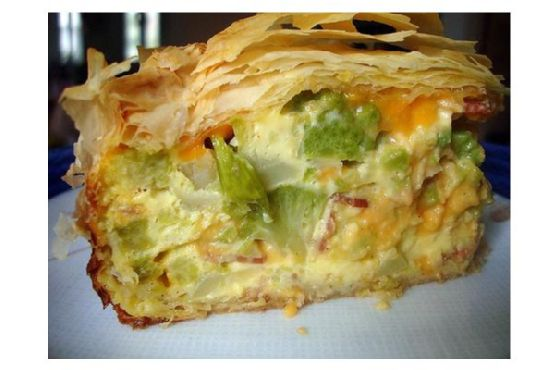
Broccoli and Cheese Phyllo Pie

Intro

There’s something incredibly comforting about a warm, savory pie coming out of the oven, especially when it’s packed with delightful flavors like smoky cheddar and crispy bacon. My love for this Broccoli and Cheese Phyllo Pie dates back to Sunday dinners at my grandmother’s house. She would spend the afternoon preparing a spread that filled the house with mouth-watering aromas. One of my favorite dishes was her phyllo pie, a recipe she brought over from the Old World. I’ve added a modern twist to her classic by incorporating smoked cheddar and broccoflower to give an extra punch of flavor.

Why You’ll Love It

This Broccoli and Cheese Phyllo Pie is a showstopper for several reasons:

  • Flavorful Layers: The combination of crispy phyllo, smoked cheddar, and savory bacon is simply irresistible.
  • Vegetable Boost: Broccoflower adds a healthy touch without compromising on taste.
  • Perfect for Any Occasion: Whether it’s a family gathering or a potluck, this pie is sure to impress.
  • Make-Ahead Friendly: Prepare it in advance and bake when needed, making your life easier.

Ingredients

  • 1 broccoflower, chopped
  • 4 eggs
  • 1 cup cooked bacon, chopped
  • 1/2 teaspoon salt
  • 1/4 cup flour
  • 1 cup milk
  • 1/4 cup mayonnaise
  • 1/4 cup green onions, sliced
  • 1/4 teaspoon cayenne pepper
  • 1/4 teaspoon black pepper
  • 2 cups shredded smoked cheddar cheese
  • 1 package phyllo dough sheets
  • Butter or cooking spray for greasing

Instructions

  1. Preheat your oven to 350 degrees Fahrenheit.
  2. In a pot, cover the broccoflower with water and cook for 5 minutes. Drain and set aside to cool.
  3. In a large bowl, combine the chopped bacon, green onions, and shredded cheese. Mix well.
  4. In a medium bowl, beat together the eggs, salt, cayenne pepper, black pepper, flour, mayonnaise, and milk until smooth. An immersion blender works well for this step.
  5. Unroll the phyllo dough and cover with a damp paper towel to prevent drying out.
  6. Grease an 8-inch springform pan with cooking spray or melted butter.
  7. Layer two sheets of phyllo in the pan, brushing with butter to adhere them to the sides. Rotate the pan and repeat until you have used 14-16 sheets, creating a thick phyllo nest.
  8. Chop the cooled broccoflower and mix it into the bacon and cheese mixture. Place this mixture into the phyllo nest and gently pat down.
  9. Remix the egg mixture and pour over the broccoli mixture in the pan.
  10. Top with remaining phyllo sheets, two layers at a time, brushing with butter between layers. Roll the edges to create a crust edge.
  11. Brush the top with butter and bake for 1 hour and 15 minutes, covering with foil after 1 hour if needed to prevent overbrowning.
  12. Allow the pie to sit for 15 minutes before slicing to prevent it from oozing out.
  13. Use a serrated knife to gently cut through the pie, being careful with the delicate phyllo layers.

Tips

  • Keep the phyllo dough covered with a damp towel to prevent it from drying out and becoming brittle.
  • An immersion blender helps achieve a smooth mixture when combining the eggs and mayonnaise with cold milk.
  • If the edges of the phyllo start browning too quickly, cover them with aluminum foil to slow down the browning process.

Variations & Substitutions

If you’re looking to switch things up, consider these variations and substitutions:

  • Cheese: Swap out smoked cheddar with Gruyère or feta for a different flavor profile.
  • Meatless Option: Omit the bacon for a vegetarian-friendly version.
  • Veggies: Substitute broccoflower with broccoli or cauliflower.
  • Spice: Add a touch of smoked paprika for an additional smoky flavor.

Storage

This pie keeps well in the refrigerator for up to 3 days. Simply cover it with aluminum foil or plastic wrap. To reheat, place slices in a preheated 350-degree oven for about 10-15 minutes. Avoid the microwave to keep the phyllo crisp.

FAQ

Can I make this pie ahead of time?

Yes, you can assemble the pie a day in advance and store it in the refrigerator. Just bake it when you’re ready to serve. The flavors will meld beautifully overnight.

What is the best way to cut the pie without damaging the phyllo?

Use a sharp, serrated knife and gently saw through the layers. Start cutting from the top and work your way down to avoid tearing the delicate phyllo.

Can I freeze the leftovers?

While it’s possible to freeze this pie, the texture of the phyllo may change upon thawing. If you do freeze it, wrap the slices tightly in plastic wrap and foil, and consume within a month.

Conclusion

This Broccoli and Cheese Phyllo Pie is a delicious and comforting dish that brings warmth to any table. Its crispy, buttery layers and savory filling are sure to become a family favorite. Whether you’re savoring it fresh from the oven or enjoying leftovers, each bite is a delightful combination of textures and flavors. So, gather your ingredients, embrace the process, and enjoy the heartwarming experience of making and sharing this wonderful pie. Bon appétit!

Related update: Broccoli and Cheese Phyllo Pie

Related update: Fish Pie With Fresh and Smoked Salmon

Tales of Xillia Remastered: Smooth Return | Analysis by Brian Moineau

Tales of Xillia Remastered: A Comfortable Return to Rieze Maxia

When a game you loved on an older platform reappears on modern systems, the question is rarely “should it be released?” and more often “how should it be released?” Tales of Xillia Remastered answers that with a pragmatic, player-first approach: keep the heart of the 2011 classic intact, polish the rough edges, and add conveniences that make a 50+-hour JRPG feel less like a relic and more like a ready-to-play favorite.

This remaster isn’t trying to reinvent the wheel. Instead, it smooths the bumps—auto-save, waypoint markers, skippable cutscenes, easier access to the Grade Shop—so both veterans revisiting Jude and Milla and newcomers discovering them for the first time can focus on what matters: characters, combat, and story.

What makes the remaster click

  • The Dual Raid Linear Motion Battle System still hums: combat remains responsive, action-oriented, and satisfying to tame.
  • Quality-of-life (QoL) upgrades remove friction: modern features like auto-save and better mini-map usability let you slip into the game without fighting legacy UI.
  • The character-driven narrative and skits retain the series’ charm: Xillia’s cast is the remaster’s emotional engine, and their interactions still land.

Why this remaster feels “right” now

Tales of Xillia arrived originally on PS3 (2011 in Japan, 2013 internationally) and some of its systems aged alongside the platform. With the Remastered release (October 31, 2025), Bandai Namco wrapped in the game’s original DLC, improved visuals and performance options, and sensible QoL features that reflect modern JRPG expectations. That makes Xillia accessible in ways the PS3 release could never be for today’s players—no awkward backwards-compatibility gymnastics required.

A quick tour of the good stuff

  • Combat: Tight, fast, and still the highlight. The real‑time party synergy and combo systems hold up, and the remaster doesn’t mess with what works.
  • Accessibility: Options to disable random encounters, add waypoint markers, and skip cutscenes let you pace the game how you like—important for a long, story-heavy JRPG.
  • DLC and extras: Including previously released costumes and items in the package gives fans the complete experience without hunting legacy content.
  • Visual/performance upgrades: Cleaner visuals, smoother framerates, and modern platform support make exploration more pleasant.

Where the Remaster still shows its age

  • Some systems weren’t thoroughly modernized: certain map and menu systems remain clunky, and the pleasure of “shopping around” is diminished when store browsing is overly streamlined.
  • Titles feel depersonalized: shifting character titles into generic, achievement-like items loses some of the personality and narrative flavor they had in earlier Tales games.
  • Design quirks persist: a few dungeons and the mascot character Teepo still divide opinion and remind you the core design choices are original, not reimagined.

The bigger picture: remasters, preservation, and limits

Remastering a decade-old JRPG is rarely simple. Developers sometimes must hunt for source code and assets scattered across studios or lost to time—Bandai Namco has admitted the process can be messy. The Tales Remaster Project has prioritized titles that are quicker to bring forward, which explains why Xillia landed now rather than as part of a full chronological reissue. That pragmatic approach yields accessible releases more often, though it can mean some old limitations remain.

There have also been practical release hiccups: some physical editions (notably an Xbox physical edition) ran into last-minute cancellations in certain regions, underscoring real-world distribution constraints even as the digital remaster reaches multiple platforms. These issues don’t change the product itself, but they shape availability and fan sentiment around a nostalgic relaunch.

What fans and newcomers should expect

  • Veterans: A smoother replay with flexible difficulty and save options. Bring your knowledge of the story and combat, but leave time saved for exploration if you want the full emotional beats.
  • New players: An approachable entry to the Tales series—especially since the remaster bundles the original’s strongest elements with modern niceties and the DLC extras.
  • Completionists: Expect familiar progression systems; some UX choices (titles, menu layouts) are more streamlined now, which can be a plus or a minus depending on how much you liked old micro‑systems.

Taking stock: the highs and lows in one bite

  • Highs:
    • Faithful combat that still thrills.
    • QoL features that dramatically reduce tedium.
    • A lovable, character-focused story that rewards investment.
  • Lows:
    • A few interfaces and systems feel dated or overly simplified.
    • Some personality in small mechanical touches (like character titles) was lost.
    • Distribution hiccups affected physical availability in certain markets.

My take

Tales of Xillia Remastered smartly balances preservation and modernization. It doesn’t rework the game into something it never was; it refines the existing experience so that playing it in 2025 feels natural rather than archaic. If you care about JRPG storytelling, fast-paced party combat, and character chemistry, this is a remaster that respects the original while inviting new players in. It’s not flawless, but it’s a considerate and welcome next life for a solid entry in the series.

Sources


Related update: We recently published an article that expands on this topic: read the latest post.


Related update: We recently published an article that expands on this topic: read the latest post.


Related update: We recently published an article that expands on this topic: read the latest post.