Shiffrin’s Fifth Straight Slalom Triumph | Analysis by Brian Moineau

Mikaela Shiffrin’s night in Semmering: five-from-five and a reminder that dominance still has edges

There are performances that look effortless on paper and fights that reveal a champion’s guts. Sunday night in Semmering gave us both. Mikaela Shiffrin — the skier who has made technical alpine racing look like a science — added another headline to an already absurd résumé, but this win came with grit, complaint and a reminder that even the best can be pushed to the limit. (fis-ski.com)

Why this race mattered

  • Shiffrin won the Semmering slalom to make it five wins from five slalom starts this 2025–26 season — a perfect start in the discipline that keeps the “Mother of Slalom” label feeling earned. (fis-ski.com)
  • It was career World Cup victory number 106 for Shiffrin, and her sixth consecutive slalom win counting the final race of last season — milestones that stack up into historical territory. (reuters.com)
  • The race was not a stroll: tricky snow, course debates and a razor-thin margin of 0.09 seconds to Camille Rast made this one of the tougher tests she’s faced this season. (fis-ski.com)

The night unfolded like this

The first run felt chaotic. Softer, breaking snow left the lower section especially treacherous and the field visibly frustrated; many racers struggled and race officials even tweaked the course before the second run after skier input. Shiffrin herself called the piste “pretty rotten” and later said parts of the course were “past the limit.” (fis-ski.com)

Shiffrin came out for run two with a different tone — more urgency, fresher aggression. Where the first descent left her fourth and 0.54 seconds behind the leader, her second run was a strategic, full‑throttle masterclass: crisp, snappy turns and one fewer mistake than her nearest rival. That was enough to claw back the deficit and edge ahead by 0.09 seconds for the win. (fis-ski.com)

Camille Rast pushed hard all night and nearly nudged Shiffrin off the top; Lara Colturi continued her breakout season with another podium for Albania, and the race felt like a microcosm of the shifting slalom guard — brilliance from Shiffrin, but not uncontested. (fis-ski.com)

What this says about Shiffrin right now

  • Consistency and adaptability: Winning five slaloms from five starts is about more than speed — it’s judgment, recovery and the ability to read conditions and opponents. This Semmering win highlighted all three when it counted. (fis-ski.com)
  • Experience under pressure: Several rivals matched or even outskied her at points, but Shiffrin’s race management and capacity to deliver when it mattered turned a tense night into another victory. (reuters.com)
  • The narrative is changing around the field: younger names like Lara Colturi are no longer surprises but real threats; Camille Rast’s form shows that margins are getting thinner. That’s good for the sport and makes future matchups more compelling. (fis-ski.com)

The controversy and safety question

This wasn’t just a drama about timing. Skiers criticized the condition of the piste — Shiffrin included — saying parts of the course were beyond acceptable limits and that the snow was breaking down early in the start list. Officials adjusted the course, but the episode revived conversation about athlete safety, course setting and how organizers should respond in night races when temperature swings can wreck the surface. Those debates will likely follow into the next events. (fis-ski.com)

What to watch next

  • Kranjska Gora on 4 January will be the first slalom after the New Year and the next chance to measure whether this perfect slalom run continues. The pressure is accumulating on competitors to find a way past Shiffrin — and on organisers to deliver fair, safe racing. (fis-ski.com)
  • The duel between established dominance (Shiffrin) and rising stars (Colturi, Rast) will be the storyline to follow; the slalom podium is tightening into a true battlefield. (snowindustrynews.com)

My take

Shiffrin’s win in Semmering felt like a hallmark of greatness: not the effortless triumph that becomes a comfortable stat, but a teeth‑gritted, high‑stakes reply to adversity. That’s compelling sport. The race also underlined an important tension for alpine skiing in 2025–26 — the thrill of elite performance versus the real need for consistent, athlete‑first course management. If we get more nights like Semmering, we’ll get drama and historic numbers, but we’ll also have to keep asking where the safety line is drawn.

Sources


Related update: We recently published an article that expands on this topic: read the latest post.

Related update: We recently published an article that expands on this topic: read the latest post.
Upside-Down Blueberry Puffs Brunch | Made by Meaghan Moineau

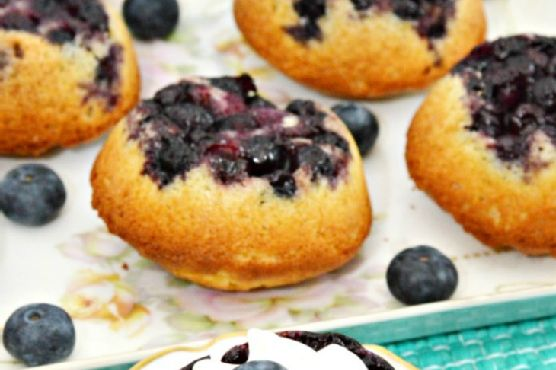
Upside-Down Blueberry Puffs Brunch

Intro

There’s something magical about a lazy Sunday brunch at home, where the air is filled with the aroma of freshly baked delights. Growing up, my grandmother would often whip up her famous Upside-Down Blueberry Puffs for our family brunches. The anticipation would build as the delectable scent wafted through the house, drawing everyone to the kitchen. These delightful puffs are a cherished family recipe that I’m excited to share with you today. I hope they bring as much joy to your table as they have to mine over the years.

Why You’ll Love It

This Upside-Down Blueberry Puffs recipe is a delightful fusion of simplicity and indulgence. With a tender, buttery crumb and the sweet tang of blueberries, these puffs are the perfect addition to any brunch spread. You’ll love how the blueberries caramelize at the bottom, creating a juicy, flavorful topping once the puffs are flipped. Not only are they delicious, but they are also visually stunning, sure to impress your family and guests alike. Plus, they’re surprisingly easy to make, which means you can enjoy a gourmet brunch experience with minimal effort.

Ingredients

  • 1 teaspoon baking powder
  • 1 cup blueberries, plus 6 extra for topping
  • 1/2 cup butter, softened
  • 1 teaspoon butter vanilla bakery emulsion
  • 1/4 teaspoon cream of tartar
  • 2 large eggs, separated
  • 1 1/2 cups all-purpose flour
  • 1/2 cup milk
  • 1/4 teaspoon salt
  • 3/4 cup sugar

Instructions

  1. Preheat your oven to 375 degrees Fahrenheit.
  2. Wash the blueberries and gently pat them dry.
  3. Spray six 6-ounce custard cups with baking spray and divide the blueberries among the cups, reserving 6 berries to top the cakes later.
  4. In a mixing bowl, combine the flour, salt, and baking powder, then set aside.
  5. Beat the egg whites until foamy, then add the cream of tartar and continue beating until stiff peaks form. Set the beaten egg whites aside.
  6. In a separate bowl, cream the butter, gradually adding the sugar and continuing to cream until light and fluffy.
  7. Add the egg yolks and butter vanilla bakery emulsion to the creamed mixture and mix until well blended.
  8. Alternately add the flour mixture and milk to the butter mixture, beating until well combined. The batter will be thick.
  9. Gently fold the beaten egg whites into the batter until fully incorporated.
  10. Spoon the batter into the prepared custard cups over the blueberries, filling no more than 3/4 full.
  11. Place the custard cups on a baking sheet and bake for 30 minutes, or until a toothpick inserted near the center of the cakes comes out clean.
  12. Turn out the cakes directly from the oven onto wire racks and allow them to cool slightly. Serve warm or at room temperature, optionally with whipped cream or ice cream topped with a blueberry.

Tips

To ensure your Upside-Down Blueberry Puffs turn out perfectly, consider these tips:

  • Use fresh, ripe blueberries for the best flavor. If fresh blueberries are unavailable, you can substitute with frozen ones, but make sure to thaw and drain them first.
  • When beating the egg whites, make sure your bowl and beaters are completely clean and dry to achieve stiff peaks.
  • Let the butter soften at room temperature before creaming to achieve a smooth, creamy texture.

Variations & Substitutions

Feel free to customize this recipe to suit your taste or dietary needs:

  • Fruit Substitution: Swap out the blueberries for other berries like raspberries or blackberries for a different flavor profile.
  • Gluten-Free Option: Use a 1:1 gluten-free flour blend in place of all-purpose flour.
  • Dairy-Free Version: Substitute the butter with a dairy-free margarine and the milk with almond or oat milk.

Storage

If you have any leftovers, store the Upside-Down Blueberry Puffs in an airtight container at room temperature for up to two days. For longer storage, cover them and place in the refrigerator for up to a week. Reheat them in the oven at a low temperature to enjoy them warm again.

FAQ

Can I make these puffs ahead of time?

Yes, you can prepare the batter and divide the blueberries into the custard cups the night before. Store them in the refrigerator and bake fresh in the morning for a warm brunch treat.

What can I serve with these puffs?

These puffs pair beautifully with a side of crispy bacon, a fresh fruit salad, or a simple arugula salad with a lemon vinaigrette to balance the sweetness.

Can I use frozen blueberries?

Yes, you can use frozen blueberries if fresh ones are not available. Make sure to thaw and drain them well before using to prevent excess moisture in the batter.

Nutrition

Each serving of Upside-Down Blueberry Puffs contains approximately:

  • Calories: 250
  • Fat: 12g
  • Carbohydrates: 32g
  • Protein: 4g
  • Sugar: 15g
  • Fiber: 1g

Conclusion

Upside-Down Blueberry Puffs are a delightful way to start your day with a touch of nostalgia and a burst of flavor. Whether you’re hosting a brunch or simply treating yourself to a special breakfast, these puffs are sure to become a favorite in your household. Easy to make and even easier to enjoy, they offer a perfect balance of sweetness and texture. I hope this recipe brings as much warmth and joy to your home as it has to mine. Happy baking!

Related update: Upside-Down Blueberry Puffs Brunch

Star Tribune Plant Closure Ends Local Era | Analysis by Brian Moineau

End of an era: the Star Tribune shuts its Minneapolis printing plant

There’s a particular sound and smell to a morning newspaper — the whirr of presses, the crinkle of fresh pages, the ink-scented air in a loading bay. This December, that sensory thread that tied generations of Minneapolis readers to their daily paper was cut. The Minnesota Star Tribune announced it will close its Heritage printing facility in Minneapolis and move production to a Gannett-operated plant in Des Moines, ending local printing that traces back 158 years.

Why this matters

  • The closure is more than a cost-cutting move; it marks a shifting relationship between newsrooms and their communities.
  • About 125 workers face layoffs, and the change reshapes how and when news physically reaches readers.
  • The decision reflects long-term declines in print circulation and the economics of modern news publishing, but it also raises questions about local control, local jobs, and the symbolism of a city losing a part of its media infrastructure.

What happened

  • In September 2025 the Star Tribune announced the Heritage printing plant in Minneapolis would close at year’s end and that printing would be outsourced to Des Moines. (startribune.com)
  • The company said the plant was operating at roughly 18% capacity, that moving production would save “several million dollars” annually, and that print subscribers should not experience delivery interruptions. (startribune.com)
  • State filings and later local reporting indicated the number of affected workers may be higher than early estimates, with updated WARN notices showing additional job losses tied to the closure. (patch.com)

The human side: workers and rituals

There’s a reason these stories hit hardest when they’re about presses and parking lots. Printing plants are workplaces with long memories — multi-generational jobs, early-morning rituals, a culture all their own. Workers laid off from specialized roles like press operators and maintenance technicians face an uncertain market; their skills don’t always transfer easily to other industries.

Local reporters who’ve covered the plant described the closure as “an end of an era” — not just an operational change but the loss of a neighborhood landmark where the city’s news was literally produced. Editors and production staff will also adapt: earlier deadlines, different workflows, and the psychological shift of no longer seeing the physical paper roll off the presses down the street. (startribune.com)

The broader context: why newspapers outsource printing

  • Print circulation has been declining for decades; production facilities increasingly run well below capacity.
  • Outsourcing to shared-print facilities is a common consolidation strategy to reduce overhead while preserving print editions.
  • The tradeoff is local jobs and control over production timing; outsourcing often means earlier editorial deadlines and potential delays for late-breaking coverage in print. (startribune.com)

What this means for readers and local journalism

  • Readers may see digital-first delivery for late-night developments, since physical production will be farther away and print deadlines earlier.
  • Cost savings can free money for digital investments — but only if savings are actually reinvested in reporting capacity rather than serving short-term financial targets.
  • The symbolic loss — a physical newsroom and press in the city — can weaken civic ties. Local infrastructure matters: producing news in a community strengthens accountability and presence in ways remote production does not.

Lessons from other closures

  • Other newspapers that consolidated printing often preserved daily print availability while shrinking local staffing and logistics. The result frequently includes a leaner local footprint and increased reliance on digital platforms for breaking coverage. (gxpress.net)
  • Labor and community responses vary. Some communities mobilize to demand reinvestment in local journalism; others accept the shift as inevitable and work to preserve coverage via nonprofit or alternative news models.

Things to watch next

  • How the Star Tribune allocates the projected savings: staffing, reporting budgets, or only operational balance sheets.
  • Whether delivery times or print quality change and how subscribers react.
  • Local economic ripple effects from job losses and the future use (or sale) of the Heritage plant property.

Key takeaways

  • The Star Tribune’s printing shift ends 158 years of locally printed newspapers in the Twin Cities and closes a long-standing Minneapolis facility. (startribune.com)
  • About 125 workers were initially reported affected; state filings later suggested higher figures as the timeline for layoffs became clearer. (patch.com)
  • The move is financially driven by steep capacity underuse and declining print readership; it saves money but costs local jobs and local production presence. (startribune.com)

My take

Change in the news business has long been incremental; this felt abrupt because it carries visible, local consequences. Outsourcing printing makes economic sense in an industry under pressure, yet each consolidation chips away at the ecosystem that supports robust local reporting. If savings result in stronger investigative work, more local beats, and better digital storytelling, the decision could be framed as pragmatic reinvention. If the savings simply shore up short-term balance sheets while newsroom capacity erodes, the community loses twice: jobs now, and scrutiny later.

A city loses more than a building when its presses stop rolling — it loses a place where stories were made tangible. That makes it all the more important for news organizations, civic leaders, and residents to pay attention to whether the next chapter strengthens the local journalism the community still needs.

Sources


Related update: We recently published an article that expands on this topic: read the latest post.

Bourbon Street Beignets | Made by Meaghan Moineau

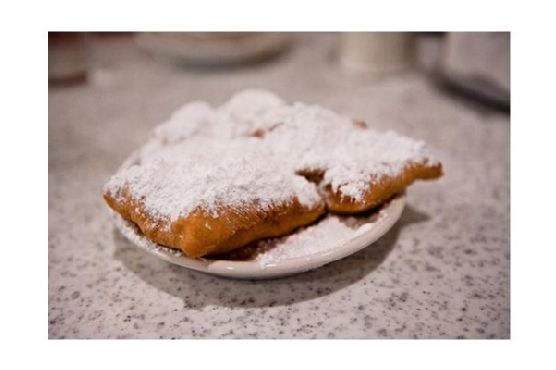
Bourbon Street Beignets: A Taste of New Orleans

Intro

There’s something magical about the first bite of a warm beignet, dusted with a generous layer of powdered sugar. My first encounter with these delightful pastries was on a humid summer evening in New Orleans. The air was filled with the lively sounds of jazz, and the sweet aroma of these golden bites wafted through the streets. Every bite took me back to that bustling corner of the French Quarter, where laughter mingled with the sounds of trumpets and saxophones. Today, I’m thrilled to share with you a recipe that brings a piece of Bourbon Street right into your kitchen.

Why You’ll Love It

This Bourbon Street Beignets recipe is a love letter to New Orleans’ vibrant culinary scene. You’ll love the simplicity and authenticity of this recipe, which captures the essence of traditional beignets found in the heart of the French Quarter. The light, airy texture paired with the delicate sweetness of powdered sugar is an unbeatable combination. Plus, making these at home is a delightful way to bring a touch of Southern charm to your dessert table.

Ingredients

  • 1 egg
  • 3 1/2 cups flour, divided
  • 1 cup heavy cream
  • Vegetable oil, for frying
  • Powdered sugar, for dusting
  • 1/2 teaspoon salt
  • 2 tablespoons shortening
  • 1/4 cup sugar
  • 1 cup hot water
  • 1 package (or 2 1/4 teaspoons) active dry yeast

Instructions

  1. Dissolve the yeast in warm water according to package instructions and set aside.
  2. In a large bowl, combine sugar, shortening, salt, and hot water. Stir until the shortening is melted and the sugar is dissolved. Allow the mixture to cool to lukewarm.
  3. Add the heavy cream, egg, 3 cups of flour, and the yeast mixture to the sugar-shortening mix.
  4. Attach the bowl to a stand mixer with a dough hook. Turn to speed “2” and mix for 2 minutes.
  5. Add the remaining flour, 1/2 cup at a time, mixing until the dough clings to the hook and cleans the sides of the bowl, about 5 minutes longer.
  6. Place the dough on a lightly floured board and roll into a 10×24 inch rectangle.
  7. Using a sharp knife, cut the dough into 2-inch squares.
  8. In a large heavy saucepan or deep fat fryer, heat the oil to 360 degrees Fahrenheit.
  9. Fry the doughnuts, turning to brown on both sides, about 3 minutes.
  10. Drain on absorbent towels and sprinkle generously with powdered sugar while warm.

Tips

For the best results, ensure your water is warm but not too hot when dissolving the yeast, as excessively hot water can kill the yeast. When frying, maintain a consistent oil temperature to achieve that perfect golden brown color. A candy thermometer can be a helpful tool to ensure the oil stays at the right temperature.

Variations & Substitutions

If you’re feeling adventurous, try adding a splash of vanilla extract or a hint of nutmeg to the dough for additional depth of flavor. For a gluten-free version, substitute the all-purpose flour with a gluten-free flour blend, keeping in mind that the texture might vary slightly. You can also experiment with different toppings; a drizzle of chocolate or caramel sauce can add a decadent twist.

Storage

Beignets are best enjoyed fresh and warm, but if you have leftovers, store them in an airtight container at room temperature for up to 2 days. To reheat, pop them in a preheated oven at 350 degrees Fahrenheit for a few minutes until warmed through. Avoid the microwave, as it can make them tough.

FAQ

Can I make the dough ahead of time?

Yes, you can prepare the dough ahead of time. Once the dough is mixed and kneaded, cover it tightly with plastic wrap and store it in the refrigerator for up to 24 hours. Allow it to come to room temperature before rolling and cutting.

Why are my beignets greasy?

Greasy beignets are often a result of oil that’s not hot enough. Make sure your oil is at 360 degrees Fahrenheit before frying. If the temperature drops too low, the beignets will absorb more oil instead of cooking quickly on the outside.

Can I freeze beignets?

Yes, you can freeze beignets. After frying, allow them to cool completely, then place them in a single layer on a baking sheet and freeze until solid. Transfer to a freezer-safe bag or container. To reheat, bake in a preheated oven at 350 degrees Fahrenheit until heated through.

Nutrition

While beignets are a treat to be savored, it’s worth noting that they are an indulgent dessert. High in carbohydrates and sugar, they are best enjoyed in moderation. Pairing them with a cup of coffee can create a balanced experience, reminiscent of a New Orleans café.

Conclusion

Making Bourbon Street Beignets at home is a delightful adventure that brings the spirit of New Orleans right to your kitchen. With their crisp exterior and soft, airy center, these beignets are sure to become a family favorite. Whether you’re reminiscing about a past visit to the French Quarter or simply looking to enjoy a taste of the South, this recipe is your ticket to a sweet escape. So go ahead, dust off that powdered sugar, and let the good times roll!

Related update: Bourbon Street Beignets

Vegetarian Ratatouille | Made by Meaghan Moineau

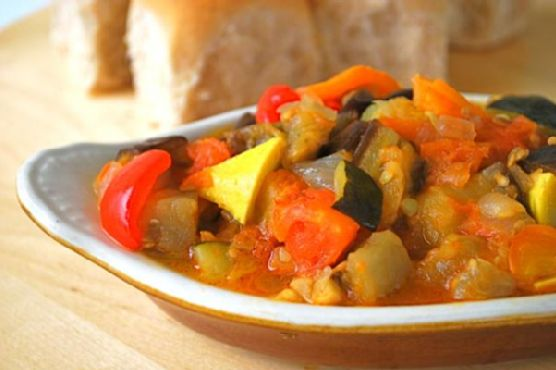
Vegetarian Ratatouille: A Classic French Delight

Intro

Ah, ratatouille! This classic French dish transports me back to my grandmother’s kitchen, where the air was always filled with the comforting aroma of roasted vegetables and fresh herbs. As a child, I would spend summer afternoons on her porch, watching her expertly dice eggplants and zucchini, her hands moving with the rhythm of someone who had perfected the art of cooking over decades. The vibrant colors of the vegetables were as captivating as the dish itself, and the first bite was always a revelation: a warm, hearty medley of flavors that seemed to capture the very essence of summer.

This vegetarian ratatouille recipe is my tribute to those cherished memories. It’s a simple yet flavorful dish that combines fresh vegetables and herbs in a way that epitomizes rustic French cooking. Whether you’re a seasoned chef or a beginner in the kitchen, this recipe is sure to delight your senses and become a cherished addition to your culinary repertoire.

Why You’ll Love It

  • Healthy and Nutritious: Packed with fresh vegetables and herbs, this dish is a nutritious powerhouse that’s perfect for any meal.
  • Easy to Make: With simple ingredients and straightforward instructions, this ratatouille is accessible for cooks of all skill levels.
  • Versatile: Enjoy it as a main dish, a side, or even a topping for pasta or rice.
  • Seasonal Delight: Make the most of summer’s bounty with this recipe that showcases fresh produce at its best.
  • Make-Ahead Friendly: Its flavors deepen over time, making it ideal for meal prep or next-day leftovers.

Ingredients

  • 1 eggplant, diced
  • 1 zucchini, sliced
  • 1 yellow squash, sliced
  • 2 tomatoes, chopped
  • 1 red bell pepper, chopped
  • 1 orange bell pepper, chopped
  • 1 onion, diced
  • 2 cloves garlic, minced
  • Fresh basil leaves, torn
  • 1 teaspoon thyme
  • 1 teaspoon dried oregano
  • 3 tablespoons extra virgin olive oil
  • Sea salt, to taste

Instructions

  1. In a large saucepan over medium-low heat, warm the extra virgin olive oil.
  2. Add the diced onion and minced garlic. Sauté until the onions are translucent, stirring occasionally to prevent sticking.
  3. Stir in the chopped tomatoes and let them cook for about 5 minutes, allowing their juices to release.
  4. Add the diced eggplant, sliced zucchini, yellow squash, and chopped bell peppers to the saucepan.
  5. Sprinkle in the thyme, dried oregano, and sea salt. Stir to combine all the ingredients.
  6. Reduce the heat to low and cover the pan. Let the mixture simmer for about 30 minutes, stirring occasionally, until the eggplant is tender and the flavors have melded together.
  7. Remove from heat and stir in the fresh basil leaves just before serving.
  8. Taste and adjust the seasoning if necessary. Serve warm and enjoy!

Tips

For the best flavor, use fresh, ripe vegetables. If possible, visit your local farmer’s market for ingredients. Cut your vegetables uniformly to ensure even cooking, and be patient with the simmering process to allow the flavors to fully develop. Remember, the key to a good ratatouille is in its simplicity and the quality of its ingredients.

Variations & Substitutions

Feel free to experiment with this recipe by adding or substituting vegetables based on what’s in season or your personal preferences. Mushrooms and carrots can add depth and sweetness. If you prefer a bit of heat, consider adding a pinch of red pepper flakes. For a protein boost, toss in some chickpeas or serve the ratatouille over quinoa.

Storage

Ratatouille stores beautifully. Once cooled, transfer it to an airtight container and refrigerate for up to 5 days. Reheat gently on the stovetop or in the microwave. It can also be frozen for up to 3 months. Thaw in the refrigerator overnight and reheat before serving.

FAQ

Can I make ratatouille ahead of time?

Absolutely! Ratatouille is one of those dishes that tastes even better the next day as the flavors continue to meld. It’s perfect for meal prep or an easy make-ahead option for a gathering.

What should I serve with ratatouille?

Ratatouille is versatile and can be served with a variety of accompaniments. It pairs well with crusty bread, rice, or pasta. You can also serve it as a side dish with grilled fish or chicken for a more substantial meal.

Is ratatouille vegan?

Yes, this ratatouille recipe is completely vegan, making it a great option for those following a plant-based diet. It’s naturally gluten-free as well, accommodating a range of dietary needs.

Nutrition

This dish is not only delicious but also a health-conscious choice. It’s low in calories and rich in vitamins, antioxidants, and fiber. The combination of fresh vegetables provides a wealth of nutrients, while the olive oil adds healthy fats that are beneficial for heart health.

Conclusion

Incorporating this vegetarian ratatouille into your culinary repertoire is like inviting a touch of Provence into your home. It’s a dish that’s not only steeped in tradition but also vibrant with the colors and flavors of fresh produce. Whether you’re savoring it on a warm summer evening or cozying up with it on a cooler day, ratatouille is a celebration of simplicity and flavor. So, gather your ingredients, embrace the art of slow cooking, and enjoy making a dish that’s as delightful to prepare as it is to eat. Bon appétit!

Related update: Vegetarian Ratatouille

Relive Arsenal’s 90-Minute Brighton Win | Analysis by Brian Moineau

Watch the full 90 minutes: Arsenal’s win over Brighton replayed and why it matters

There’s something quietly addictive about watching a full match replay — the little patterns, the substitutions that change momentum, the missed chances that keep you gritting your teeth. Arsenal’s recent 2-1 victory over Brighton at the Emirates is one of those games worth soaking up in full. If you missed it live or just want to relive the tension from start to finish, the club has published the full 90 minutes — and it’s a great way to understand how Arteta’s team are shaping up this season.

What to look for in the full match replay

  • Team shape and control
    • Early passages show Arsenal’s intent to dominate possession and pin Brighton back through quick transitions and wide overloads.
  • Key moments that decided the match
    • Martin Ødegaard’s opener and a second-half own goal that ultimately separated the sides are best appreciated in context — the build-up play, pressing triggers and delivery into the box.
  • Defensive resilience and goalkeeper saves
    • Arsenal’s defending under pressure late on and the intervention from David Raya highlight how small margins mattered.
  • Substitute impact and game management
    • Watching substitutions unfold in real time reveals how Arteta managed the game clock and personnel to close out the win.

Why this match matters for Arsenal’s season

  • Momentum and league position
    • The win pushed Arsenal back to the top of the Premier League table, reinforcing their title credentials and providing a confidence boost at a demanding stage of the campaign. (See match coverage.) (reuters.com)
  • Squad depth and resilience
    • With injuries and hectic scheduling, full-match replays let you see which squad players can step up and how the core starters are coping when forced to do more of the heavy lifting. (arsenal.com)
  • Tactical lessons
    • Watching every minute helps fans and analysts spot recurring patterns — pressing triggers, how Arsenal create overloads on the flanks, and how they deal with counter-attacks — which are often lost in highlights packages.

Highlights that don’t feel like highlights when you watch them live

  • Ødegaard’s finish
    • The strike that opened the scoring is cleaner and more clinical when you see the space he was afforded and the movement that created it.
  • The own goal off a corner
    • An own goal can feel like a fluke on replay, but the replay shows the pressure from the corner routine and why Brighton’s defender ended up turning it into his own net.
  • Brighton’s late reply
    • Diego Gómez’s goal and the tense final minutes are best appreciated in sequence — how Arsenal reacted, what chances Brighton worked and how the tempo shifted.

A fan’s checklist for watching the replay

  • Watch the opening 15 minutes twice: first for general flow, then to study movement and pressing.
  • Note player combinations (e.g., Saka/Ødegaard interplay) in different phases: build-up, final third, and transition.
  • Time substitutions and their immediate effects — who changes the rhythm?
  • Observe set-piece defending and attacking: corners and free-kicks often decide tight games.

Things the replay quietly confirms

  • Arsenal’s attacking ideas are producing chances consistently, but finishing still requires ruthlessness.
  • Defensive discipline matters: small lapses invite Brighton’s dangerous counters.
  • Game management from the bench is evolving; substitutes are becoming a strategic tool, not just fresh legs.

A few takeaways from watching everything

  • Winning tight games is a hallmark of title contenders; Arsenal showed the composure to do that here.
  • Individual quality (like Ødegaard) plus collective structure (pressing, set-piece routines) makes the difference.
  • Full-match replays remain one of the best learning tools for fans who want more than highlight reels.

Final thoughts

If you want to really understand how Arsenal are building their season, skip the 30-second clips for 90 minutes of context. The full replay doesn’t just show the goals — it reveals the patterns, the stresses and the little moments of craft that add up to a result. Whether you’re studying tactics or just savouring the feels of a home win, press play and enjoy the kind of granular storytelling only a full match replay can provide.

Sources


Related update: We recently published an article that expands on this topic: read the latest post.


Related update: We recently published an article that expands on this topic: read the latest post.