
Packers’ Week 18: Rest or Play to Prep | Analysis by Brian Moineau

Banged up and bracing for the playoffs: what the Packers should do in Week 18

Introduction

The last game of the regular season usually carries either celebration or heartbreak. For the 2025 Green Bay Packers, Week 18 is instead a logistical puzzle: their playoff fate is set (No. 7 seed), but the roster looks like it’s been through a war. Do you rest stars and prioritize health, or play enough to fix glaring problems before a hostile playoff road trip? That tension — between protection and preparation — will shape the next seven days in Green Bay.

Where we are and why it matters

  • The Packers clinched a playoff berth but will enter as the NFC’s No. 7 seed, which means an immediate road game in the wild-card round.
  • A string of recent injuries and a three-game slide have left the roster thin: season-ending injuries (including Achilles and ankle losses), concussions, and multiple players exiting the most recent game. That makes the Week 18 decision more complicated than a simple “rest everyone” approach.
  • Coach Matt LaFleur and staff have signaled discussions are ongoing; nothing is decided. The memory of last season’s finale — when starters suffered injuries that affected postseason availability — is very much on the staff’s mind.

What the practical choices look like

  • Rest the primary starters who are healthy enough to sit.

    • Pros: Reduces risk of new injuries to top contributors (QB, key defenders, lead RB), gives time to recover nagging issues.
    • Cons: With a 53-man roster and many hurt players already, resting too many starters could force inexperienced backups into key roles and upset team rhythm heading into a hostile playoff matchup.
  • Play to correct schematic and assignment issues.

    • Pros: Fixes mental mistakes and alignment problems that showed up recently — especially on run defense — and helps build game-time sharpness before a road playoff game.
    • Cons: Increased injury risk; may not be worth it for players with obvious long-term value.
  • A hybrid approach: rest the most injury-prone or fragile starters, play others to keep timing intact.

    • Pros: Balances health management with necessary prep; allows coaches to evaluate depth and tweak assignments.
    • Cons: Hard to pull off cleanly on a shorthanded roster; some “rested” players may still need limited reps to stay in rhythm.

Key factors the Packers must weigh

  • Medical clearance and concussion protocol timelines for Jordan Love and other injured starters.
  • The severity and timing of season-ending injuries already sustained — those change what the team can realistically rest.
  • Depth chart reality: the Packers are not a 90-man roster in Week 18; they have limited active bodies. If backups would be thrown into critical snaps, the risk shifts.
  • The opponent and matchup context: Minnesota’s tendencies and whether Week 18 looks like a realistic dress rehearsal for the likely playoff matchup.
  • Psychological and momentum considerations: a team that plays crisp, confident football can carry that energy. Conversely, resting everyone can leave players cold or disrupt continuity.

What I’d expect the Packers to do

  • Protect the most critical long-term assets (e.g., starters with lingering injuries or concussion concerns) — let them rest if medical staff advises.
  • Keep enough veterans on the field to work out schematic breakdowns and get the defense’s fundamentals — especially to shore up run defense and assignment discipline.
  • Use targeted reps for players who need timing (quarterback-room backups practicing with starters in situ, special-teams drills for core units).
  • Lean on the depth chart to give younger players meaningful snaps, but avoid risking premium players for vanity reps.

A few smart management moves

  • Turn Week 18 into a prioritized rehearsal: run the basic, high-frequency plays the team will rely on in the playoffs rather than trying to invent or fix everything at once.
  • Emphasize communication and assignment fundamentals in walkthroughs and practice — many of the recent problems were mental errors, not lack of effort.
  • Schedule minute-by-minute medical evaluations and clear communication with players so decisions are transparent going into gameday.
  • Prepare contingency plans for short yardage, red zone and special teams scenarios so backups aren’t surprised if thrust into the game.

Things to watch during Week 18

  • Official injury reports and any updates to Jordan Love’s concussion status.
  • Who actually gets a game-day rest designation and who plays limited snaps.
  • Whether the coaching staff simplifies play-calls to protect players from overthinking and reduce the chance of mistakes.
  • How the run defense responds if starters play — that was an acute problem recently and could decide whether the unit feels playoff-ready.

What this means for playoff outlook

  • Resting judiciously could preserve the roster’s top talents for the wild-card game, but doing too much may leave the team ill-prepared for an aggressive, physical playoff opponent.
  • Conversely, playing too many starters in a bid to “fix” problems risks new injuries that would be much costlier in a single-elimination setting.
  • The ideal result is a middle path: maintain health while fixing the most glaring, fixable issues and giving key backups a chance to prove they can handle emergency roles.

A few quick takeaways

  • The Packers are stuck between risk and reward: protecting star players versus maintaining competitive sharpness.
  • Medical clearance — especially for the quarterback — will drive much of the Week 18 plan.
  • Given a thin roster, expect a blended strategy: rest where necessary, but play enough veterans to clean up assignment mistakes and stabilize the team’s identity heading into the playoffs.

Final thoughts

This is one of those coaching dilemmas that reveals organizational priorities. Do you prioritize long-term availability over short-term readiness? The smart move is rarely binary. With memories of last season’s finale still fresh and key players banged up, Green Bay’s staff should optimize for availability of their top contributors while using Week 18 as a focused rehearsal: address the defensive misalignments, shore up the run defense principles, and give select backups meaningful reps. If they can find that balance, the Packers will have increased their odds of surviving the first road hurdle — and that’s what matters when you’re the No. 7 seed.

Sources


Related update: We recently published an article that expands on this topic: read the latest post.

Related update: We recently published an article that expands on this topic: read the latest post.

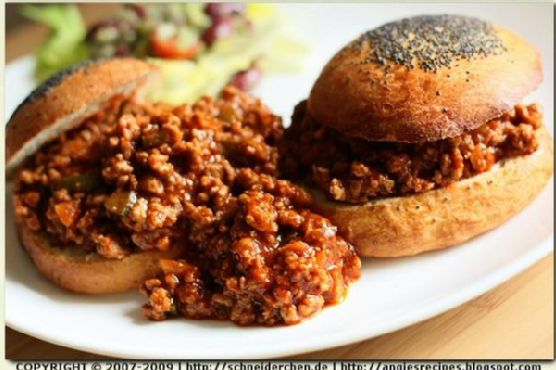
All American Sloppy Joes | Made by Meaghan Moineau

All American Sloppy Joes

Intro

Growing up, there was nothing quite like the excitement of Sloppy Joe night in our household. The rich, tangy aroma of the slow-simmering sauce would fill the kitchen, drawing us in like a magnetic force. My mom would always serve them with a side of her famous homemade coleslaw and a cold glass of lemonade. It was a meal that brought the family together at the table, where laughter and stories were shared between messy bites. There’s something wonderfully nostalgic about Sloppy Joes; they remind us of simpler times, when the most pressing matter was how to keep the filling from spilling out of the bun.

Why You’ll Love It

If you’re in search of a meal that’s both heartwarming and ridiculously simple to prepare, look no further. These All American Sloppy Joes are the epitome of comfort food. With minimal ingredients and a quick preparation time, they’re perfect for busy weeknights or casual gatherings. The combination of savory and tangy flavors, with just a hint of spice, makes this dish appealing to both kids and adults alike. Plus, they’re an excellent way to feed a crowd without breaking the bank.

Ingredients

  • 2 tablespoons olive oil
  • 2 garlic cloves, minced
  • 2 shallots, finely chopped
  • 1 green bell pepper, diced
  • Salt and black pepper, to taste
  • 1 1/2 pounds ground beef
  • 1 cup tomato sauce
  • 1/2 cup American barbecue sauce
  • 2 tablespoons Worcestershire sauce
  • 1 teaspoon hot sauce (optional for extra heat)
  • 6 split burger buns

Instructions

  1. Heat the olive oil in a large skillet over medium heat.
  2. Add the minced garlic, shallots, and diced green bell pepper. Stir until fragrant and tender, about 3 minutes.
  3. Season the vegetables with salt and black pepper.
  4. Add the ground beef to the skillet. Stir and cook for about 5 minutes, until the meat is no longer pink and fully cooked.
  5. Add the tomato sauce, barbecue sauce, Worcestershire sauce, and hot sauce into the skillet. Stir to combine thoroughly.
  6. Reduce heat and simmer the mixture until it thickens, about 10 minutes.
  7. To serve, spoon the sloppy meat onto the toasted, buttered bun bottoms and cover with the bun tops. Enjoy with your favorite side dish or pickles.

Tips

For the best Sloppy Joes, use fresh, high-quality ground beef with a good balance of fat to keep the mixture juicy. Don’t rush the simmering process; giving the sauce time to thicken will enhance the flavors. Toasting the buns adds a delightful crunch that complements the softness of the filling.

Variations & Substitutions

If you prefer a healthier version, you can substitute ground turkey or chicken for the beef. For a vegetarian option, use lentils or a plant-based ground meat substitute. Add a dash of smoked paprika or cumin for an extra layer of flavor. You can also incorporate additional vegetables like mushrooms or carrots to bulk up the filling.

Storage

Leftover Sloppy Joe mixture can be stored in an airtight container in the refrigerator for up to 3 days. Reheat in a skillet over medium heat, adding a splash of water if the mixture becomes too thick. You can also freeze the mixture for up to 3 months; just thaw it overnight in the fridge before reheating.

FAQ

Can I make Sloppy Joes ahead of time?

Yes, Sloppy Joes are a great make-ahead meal. You can prepare the meat mixture a day in advance and store it in the refrigerator. Reheat it on the stove before serving for a quick and easy meal.

What are some good side dishes to serve with Sloppy Joes?

Sloppy Joes pair wonderfully with classic sides like coleslaw, potato salad, or corn on the cob. For something a little different, try serving them with sweet potato fries or a fresh green salad.

How can I make the Sloppy Joes spicier?

If you like a bit more heat, feel free to increase the hot sauce or add some chopped jalapeños to the mixture. A sprinkle of red pepper flakes can also kick up the spice level to your liking.

Nutrition

While the exact nutritional content will vary based on specific ingredients and portion sizes, on average, a serving of Sloppy Joes can provide approximately 400-500 calories, with a good balance of protein, carbohydrates, and fats. To make it a more balanced meal, consider adding a side of vegetables or a fresh salad.

Conclusion

All American Sloppy Joes are a timeless classic that brings warmth and joy to any meal. Whether you’re feeding a hungry family or hosting a casual get-together, this dish is sure to please. With its rich flavors and easy preparation, it’s a recipe that you’ll return to time and time again. Enjoy the taste of nostalgia and savor the moments shared over these deliciously messy sandwiches!

Related update: All American Sloppy Joes

Related update: How to make the World’s Greatest Lasagna Roll Ups

T‑Mobile Tacks $3 Monthly for Apple TV | Analysis by Brian Moineau

Don’t forget: T‑Mobile’s “Apple TV On Us” will cost $3 a month starting January 1, 2026

You might have assumed your carrier perk would quietly stay free forever. If you’re on certain T‑Mobile postpaid plans and have been enjoying Apple TV “On Us,” don’t be surprised to see a new line on your bill next year: the benefit will no longer be entirely free — it becomes a $3/month charge on January 1, 2026.

Here’s what’s changing, why it matters, and what you can do about it.

What’s happening (quick snapshot)

  • T‑Mobile is ending the fully free Apple TV “On Us” benefit for most eligible plans. Effective January 1, 2026, customers who previously received Apple TV at no charge will see a $3/month fee.
  • T‑Mobile will continue to apply a $9.99/month discount toward Apple TV for qualifying plans; after Apple raised Apple TV+ to $12.99/month, subscribers will pay the remaining $3.
  • The change affects customers on plans such as Experience More, Experience Beyond, Go5G Plus / Next, Magenta MAX, Magenta Plus, ONE Plus, and similar tiers.
  • T‑Mobile still appears to offer a six‑month trial for some customers, and subscribers can manage or cancel the add‑on in T‑Life or via their T‑Mobile account. (t-mobile.com)

Why T‑Mobile is doing this

  • Apple increased Apple TV+’s price from $9.99 to $12.99 (U.S.) in 2025. That $3 hike is the direct reason the “On Us” perk can’t remain truly free unless T‑Mobile absorbs the full increase. (reuters.com)
  • Carriers regularly reassess bundled perks to protect margins as third‑party services raise prices or as promotional windows end. T‑Mobile is keeping a substantial discount — it’s just passing some of the recent Apple price increase through to customers. (appleinsider.com)

Who this affects

  • Current T‑Mobile postpaid customers on qualifying plans who redeemed Apple TV “On Us” or receive it as a plan benefit.
  • Customers billed for Apple TV through T‑Mobile (not via Apple directly): their bill will reflect the $12.99 price or the $9.99 discount plus the $3 customer share starting Jan 1, 2026.
  • People who have the Apple TV subscription through Apple directly aren’t managed by T‑Mobile’s billing unless they choose to redeem the carrier offer. If you redeem T‑Mobile’s $3 offer, your Apple‑billed subscription may be paused and T‑Mobile’s billing will take over. (t-mobile.com)

Practical steps to avoid surprises

  • Check your T‑Mobile messages and the T‑Life app for account notices that mention “Apple TV just $3/month” or a price‑change notification. T‑Mobile has been sending texts to affected customers. (androidauthority.com)
  • If you don’t want to pay $3/month, cancel the T‑Mobile–managed Apple TV subscription before January 1, 2026. Manage it in T‑Life or via your T‑Mobile ID. (t-mobile.com)
  • Compare alternatives: Apple still offers free trials (often three months for device purchases), Apple One bundles may make sense if you use multiple Apple services, and Apple’s new Apple TV + Peacock bundle (or other streaming bundles) can be more economical depending on which services you use. (tomsguide.com)

The bigger picture for carrier perks

  • This is part of a wider pattern: carriers trim or restructure perks when content partners raise prices or change promotional strategies. What felt like a permanent “freebie” can be temporary. (mactrast.com)
  • For customers, it’s a reminder to treat carrier‑bundled streaming perks like subscriptions: set a calendar reminder before the trial or promotional period ends, and review whether the perk still delivers value.

My take

T‑Mobile’s move is pragmatic — it preserves a meaningful discount ($9.99 off the new $12.99 price) while shifting a small portion of the cost to customers. For users who casually watch Apple TV originals, $3/month is a modest fee to keep the service. But for budget‑minded subscribers who only used the perk because it was free, that three dollars is an inflection point: keep it, switch to a trial, or cancel and reallocate that money to another streaming option.

If you’ve forgotten you had the perk, treat this as a friendly billing nudge: check your account, decide whether you want Apple TV after January 1, 2026, and act before the charge appears.

Sources


Related update: We recently published an article that expands on this topic: read the latest post.


Related update: We recently published an article that expands on this topic: read the latest post.

Perfect fish cakes | Made by Meaghan Moineau

Perfect Fish Cakes: A Hearty Homestyle Delight

Intro

There’s something about the aroma of fish cakes sizzling in a pan that instantly transports me back to my grandmother’s cozy kitchen. Every Sunday, she would whip up her famous fish cakes, and the entire family would gather around the table, eagerly waiting for the first bite. These tender, golden-brown cakes were more than just a meal; they were a tradition, a warm embrace on a plate. Today, I’m thrilled to share my version of her beloved recipe with you. These perfect fish cakes are easy to make, delightfully crispy on the outside, and melt-in-your-mouth tender on the inside. Whether you’re looking to recreate a nostalgic favorite or try something new, these fish cakes are sure to become a cherished addition to your recipe collection.

Why You’ll Love It

This recipe is a celebration of simple, fresh ingredients coming together to create something truly special. Here’s why you’ll love it:

  • Easy to prepare: With straightforward steps and minimal prep time, you can have these delicious fish cakes ready in no time.
  • Full of flavor: The combination of fresh herbs, zesty lemon, and a creamy homemade sauce makes these fish cakes incredibly flavorful.
  • Perfect for any occasion: Whether you’re serving them as a weeknight dinner or a party appetizer, these fish cakes are versatile and always impressive.
  • Nostalgic comfort food: These fish cakes bring a touch of home-cooked comfort to your table, reminiscent of cozy family gatherings and cherished memories.

Ingredients

  • 2 tablespoons mayonnaise
  • 1 tablespoon salted capers, rinsed and chopped
  • 1 tablespoon creamed horseradish
  • 1 tablespoon Dijon mustard
  • 1 shallot, finely chopped
  • 2 tablespoons parsley, chopped
  • 400g cod fillets
  • 2 bay leaves
  • 300ml milk
  • 300ml water
  • 400g potatoes, peeled and chopped
  • Salt, to taste
  • Zest of 1 lemon
  • 2 tablespoons fresh parsley, chopped
  • 2 tablespoons chives, finely chopped
  • Freshly ground pepper, to taste
  • Flour, for dusting
  • 1 large egg, beaten
  • 100g breadcrumbs
  • Sunflower oil, for frying
  • Lemon wedges, to serve

Instructions

  1. In a small bowl, mix together the mayonnaise, salted capers, creamed horseradish, Dijon mustard, shallot, and chopped parsley. Set aside.
  2. Place the cod fillets and bay leaves in a frying pan. Pour over the milk and water. Cover, bring to a boil, then lower the heat and simmer for 4 minutes. Remove from heat and let stand, covered, for 10 minutes to gently finish cooking the fish.
  3. Lift the fish out of the milk with a slotted spoon and place on a plate to cool. Discard the bay leaves.
  4. Meanwhile, in a separate pot, cook the potatoes in salted water for 10 minutes or until tender but not broken up. Drain and return them to the hot pan on the lowest heat, letting them dry out for 1 minute. Mash with a fork until light and fluffy.
  5. Remove potatoes from heat and stir in 1 tablespoon of the sauce, lemon zest, fresh parsley, pepper, and chives. Set aside.
  6. Drain any excess liquid from the fish, then flake it into large chunks and add to the mashed potatoes. Gently mix together with your hands until just combined, being careful not to break up the fish too much. Allow to cool.
  7. On a lightly floured board, shape the mixture into 4-6 cakes, each about 2.5 cm thick. Dip each cake in beaten egg, then coat with breadcrumbs.
  8. Transfer the cakes to a plate, cover, and chill for at least 30 minutes or up to a day ahead.
  9. Heat sunflower oil in a pan over medium heat. Fry the fish cakes for about 5 minutes on each side or until crisp and golden.
  10. Serve with the remaining sauce (add a squeeze of lemon zest to taste) and lemon wedges.

Tips

  • For extra crispiness, double-coat the fish cakes by repeating the egg and breadcrumb steps.
  • Ensure the oil is hot enough before frying to achieve the perfect golden crust.
  • Don’t overcrowd the pan while frying; work in batches if necessary.

Variations & Substitutions

Feel free to get creative with this recipe:

  • Fish: While cod is classic, you can also use haddock, salmon, or any firm white fish you prefer.
  • Herbs: Swap parsley and chives for dill or coriander for a different flavor profile.
  • Gluten-Free: Use gluten-free flour and breadcrumbs to accommodate dietary restrictions.

Storage

These fish cakes can be made ahead and stored in the refrigerator for up to 24 hours before frying. After cooking, store leftovers in an airtight container in the fridge for up to 3 days. To reheat, place them in a preheated oven at 180°C (350°F) for about 10 minutes or until heated through. These fish cakes also freeze well; just freeze before frying for up to 3 months.

FAQ

Can I use canned fish for this recipe?

Yes, you can use canned fish, such as salmon or tuna, as a convenient alternative. Just make sure to drain it well before mixing it with the potatoes.

What can I serve with these fish cakes?

These fish cakes pair beautifully with a fresh green salad, steamed vegetables, or a side of tartar sauce. For a heartier meal, serve them with rice or mashed potatoes.

How do I prevent the fish cakes from falling apart?

Ensuring the mixture is cool and not over-mixed will help the fish cakes hold their shape. Chilling them before frying also helps them maintain their form while cooking.

Nutrition

Each serving of these fish cakes is approximately 350 calories, with 15g fat, 35g carbohydrates, and 20g protein. They are a great source of omega-3 fatty acids, essential vitamins, and minerals.

Conclusion

These perfect fish cakes are more than just a meal; they are a tribute to cherished memories and the joy of sharing good food with loved ones. With their crispy exterior and tender, flavorful interior, they are sure to become a favorite in your home. I hope this recipe brings as much warmth and happiness to your table as it has to mine. Enjoy every bite!

Related update: Perfect fish cakes

Related update: All American Sloppy Joes

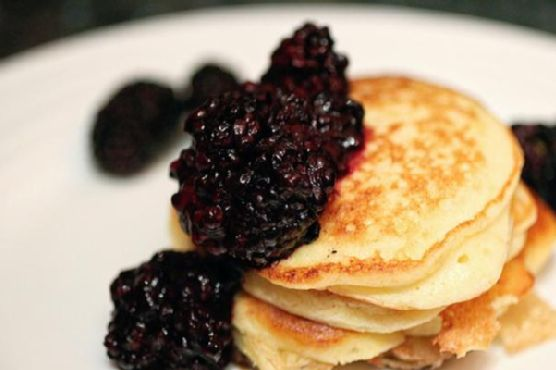
Meyer Lemon Ricotta Pancakes with Blackberry Compote | Made by Meaghan Moineau

Meyer Lemon Ricotta Pancakes with Blackberry Compote

Intro

There’s something magical about Sunday mornings that calls for a special breakfast. As a child, I remember waking up to the soothing aroma of my grandmother’s pancakes wafting through the house. Those mornings were filled with warmth and laughter, as we gathered around the table, eagerly awaiting the first stack. Inspired by those cherished memories, I’ve crafted this recipe for Meyer Lemon Ricotta Pancakes with Blackberry Compote. Combining the tangy sweetness of Meyer lemons and the richness of ricotta, these pancakes are a delightful twist on a classic favorite.

Why You’ll Love It

This recipe is a delightful blend of flavors and textures. The pancakes are light and fluffy, thanks to the whipped egg whites, and have a subtle lemony aroma that pairs perfectly with the sweet-tart blackberry compote. The addition of ricotta makes these pancakes incredibly moist and tender. Whether you’re cooking a special breakfast for family or hosting a brunch for friends, these pancakes are sure to impress.

Ingredients

  • 1 cup all-purpose flour
  • 1 cup fresh blackberries
  • 2 tablespoons butter
  • 3 large eggs, separated
  • 2 tablespoons granulated sugar
  • 1 tablespoon Meyer lemon zest, divided
  • 1/4 cup Meyer lemon juice
  • 1 cup ricotta cheese
  • 1/4 teaspoon salt
  • 1/4 cup water

Instructions

  1. In a small saucepan over medium heat, add the blackberries, 1/2 tablespoon of Meyer lemon zest, 1 tablespoon of sugar, and water. Stir to combine and cook until the water starts to thicken and the berries lose their shape, stirring occasionally. This should take about 10 minutes. Remove from the heat and set aside.
  2. In a medium bowl, whisk together the ricotta cheese, the remaining Meyer lemon zest, lemon juice, 1 tablespoon of sugar, and egg yolks. Gradually stir in the flour until just combined.
  3. Using a stand or hand mixer, whisk the egg whites with a pinch of salt until stiff peaks are formed.
  4. Take a large spoonful of the egg whites and stir it into the batter. With the remaining egg whites, fold in half, slowly turning the bowl while you fold. It is fine if there are some white streaks left in the batter before you add the second half. Fold in the remaining egg whites and set the batter aside while you heat up a griddle or non-stick pan on medium heat.
  5. Add some butter to the pre-heated pan, and swirl to coat. Add about a 1/4 cup of batter and cook until bubbles start to form on the top and the edges begin to brown slightly. Flip the pancakes and cook for an additional minute. Remove and keep warm, while you repeat with the remaining batter.
  6. Serve the pancakes with the blackberry compote and, if you like, a little pure maple syrup.

Tips

For the fluffiest pancakes, be gentle when folding in the egg whites—this helps maintain the airy texture. If Meyer lemons are unavailable, regular lemons can be used, though the flavor will be slightly more tart. Ensure your pan is adequately heated before adding the batter; this helps achieve that perfect golden brown finish.

Variations & Substitutions

Feel free to experiment with other fruit compotes such as raspberry or strawberry, or even a mix of berries for a more complex flavor. If you’re looking for a gluten-free option, substitute the all-purpose flour with a gluten-free flour blend. You can also replace the ricotta with Greek yogurt for a slightly tangier taste.

Storage

These pancakes are best enjoyed fresh, but can be stored in an airtight container in the refrigerator for up to two days. The blackberry compote can be made in advance and kept in the refrigerator for up to a week. To reheat pancakes, simply place them in a toaster or warm them in the oven.

FAQ

Can I use frozen blackberries for the compote?

Yes, frozen blackberries can be used if fresh ones are not available. Just be sure to thaw them first and adjust the cooking time as they may release more water than fresh berries.

What can I use instead of ricotta cheese?

If you don’t have ricotta on hand, cottage cheese can be a great substitute. Just blend it first to achieve a smoother texture similar to ricotta.

Nutrition

These pancakes are a delicious treat, rich in protein thanks to the ricotta and eggs. While they do contain sugar, the amount is moderate, and they can be enjoyed as part of a balanced diet. If you’re watching your sugar intake, consider reducing the sugar in the compote or using a sugar substitute.

Conclusion

Meyer Lemon Ricotta Pancakes with Blackberry Compote are more than just a meal; they’re an experience. Each bite is a reminder of simpler times, where mornings were slow and family gathered around the breakfast table. Whether you’re reminiscing about the past or creating new memories, these pancakes are the perfect start to any day. Enjoy the delicate balance of flavors and the joy that comes with sharing them with loved ones.

Related update: Meyer Lemon Ricotta Pancakes with Blackberry Compote

Related update: Warm Lemon Poppy Seed Cake With Chocolate Ganache Center

Purdy’s Five-TD Night Puts Niners Near 1 | Analysis by Brian Moineau

Night of the Purdy Party: How Brock Put the 49ers One Win From the 1-Seed

There are nights when a quarterback doesn’t just play — he takes over the script. On Sunday Night Football, Brock Purdy did exactly that. After a shaky first throw, he rallied to account for five touchdowns (three passing, two rushing) and guided the San Francisco 49ers to a 42-38 win over the Chicago Bears, setting up a winner-take-all Week 18 clash with the Seattle Seahawks for the NFC’s top seed.

This wasn’t tidy. It wasn’t pretty. It was electric, messy, and magnificent — the kind of primetime game that reminds you why football is an emotional sport. Purdy’s performance didn’t just win a game; it extended momentum, ratcheted expectations, and made the 49ers’ late-season narrative impossible to ignore.

Why this game matters beyond the scoreboard

  • The 49ers improved to 12-4 and now control the path to the NFC’s No. 1 seed — beat Seattle in Week 18 and they finish with home-field advantage and a first-round bye.
  • Purdy’s five-touchdown output marked his second straight game with that many TDs, a rare streak that puts him in historical company.
  • The game showcased both San Francisco’s offensive fireworks and defensive vulnerabilities — a reminder that the 49ers’ ceiling is sky-high but not without risk.

What Purdy showed under pressure

Early in the game Purdy’s first pass went the wrong way — a pick-six — and it felt like a potential saboteur for the night. Instead, he flipped the script.

  • Poise: Purdy repeatedly converted third downs and escaped from pressure to keep drives alive. Those off-schedule plays defined the late-game push.
  • Dual-threat explosiveness: He finished with 303 passing yards and two rushing TDs, becoming the first 49ers QB to have 300+ yards, three pass TDs and two rushing TDs in a single game (team research highlighted after the win). That versatility turns play-calling from a plan into a problem for defenses.
  • Clutch: The decisive 38-yard touchdown to Jauan Jennings with 2:15 left was a clean, aggressive strike — the kind of throw that separates good games from signature wins.

Head coach Kyle Shanahan’s postgame praise calling Purdy an “assassin” and saying he was “playing as good as it gets” wasn’t hyperbole. The game mattered in context: it followed a stretch where Purdy had elevated his play and now heads into a season-deciding showdown carrying real momentum.

The big-picture 49ers: offense humming, defense raising questions

This was a team win, but it wasn’t without blemishes.

  • Offense: Christian McCaffrey returned with a huge night (140 rushing yards and a TD), the receiving corps made key plays, and even backup tight end Jake Tonges stepped up in George Kittle’s absence. The attack looked balanced and explosive.
  • Defense: Allowing 38 points to a Bears team led by rookie quarterback Caleb Williams spotlighted persistent coverage and pressure issues. San Francisco’s defense made enough key plays late, but this unit will need steadier work against Seattle’s attack next week.
  • Health and toughness: The 49ers took hits in the trenches and showed resilience; Purdy escaped a few dangerous moments that could have swung the game had things gone differently.

In short: an offense capable of torching any defense, paired with a defense that can be flaky in stretches. That combination makes them thrilling but also fragile.

Moments that mattered

  • The pick-six early could have derailed the Niners; instead Purdy’s response set the tone for the rest of the night.
  • Purdy’s 3rd-and-long completions and late scramble to keep the final drive alive were game-defining.
  • The 38-yard TD to Jennings with 2:15 left — the dagger that ultimately separated the two clubs.

A look ahead: what the Week 18 showdown will decide

  • If the 49ers beat the Seahawks in Week 18 (Saturday night), they clinch the NFC West, snag the No. 1 seed, secure a first-round bye, and earn home-field advantage — potentially all the way to the Super Bowl if they keep winning.
  • The margin for error is razor-thin: Purdy’s recent run gives San Francisco offensive confidence, but the defense must clean up mismatches against Seattle’s weapons.

A few quick stat nuggets

  • Purdy: 24-of-33, 303 passing yards, 3 passing TDs, 1 INT, plus 6 rushes for 28 yards and 2 rushing TDs (game totals as reported after the matchup).
  • The 49ers reached 12-4 and have the opportunity to clinch the NFC’s top seed with a win next week.
  • Purdy became one of the few quarterbacks in the Super Bowl era to record five offensive TDs in back-to-back games, a feat last done by Russell Wilson in 2020.

My take

This was a defining primetime moment for Brock Purdy and the 49ers’ offense. Purdy’s growth from mid-round prospect to an elite manager-of-chaos has been rapid and intoxicating to watch. The offense is dialed in; the defense is worrisome but still capable of clutch plays. If San Francisco can patch the defensive holes and Purdy keeps producing at this level, they won’t be a one-week wonder — they’ll be the team everyone has to beat in January.

If you’re a 49ers fan, savor the Purdy magic but don’t get complacent. If you’re watching the NFC playoff picture, keep an eye on Levi’s Stadium — the 49ers controlling the 1-seed would completely reshape postseason paths.

Sources


Related update: We recently published an article that expands on this topic: read the latest post.


Related update: We recently published an article that expands on this topic: read the latest post.