Roblox Turns Ads into Immersive Brand | Analysis by Brian Moineau

A new stage for ads: Roblox doubles down on immersive marketing for Gen Z and Gen Alpha

Roblox just signaled that advertising on its platform isn’t an experiment anymore — it’s a strategy. With new ad formats, measurement partners, and programmatic ties announced at CES and in recent product posts, Roblox is positioning itself as a place where brands can both reach and meaningfully engage the next generations without ripping players out of their experiences.

Why this matters right now

  • The platforms where Gen Z and Gen Alpha spend time are shifting away from passive feeds toward participatory, creator-driven spaces. Roblox sits at the center of that shift: users don’t just consume content, they inhabit it.
  • Advertisers have chased attention for years; now they need engagement that’s measurable and non-disruptive. Rewarded and immersive ad formats give brands a way to be welcomed — or at least tolerated — by offering value inside experiences.
  • Roblox’s moves (new homepage/premium formats, rewarded video, partnerships for programmatic buying and measurement) turn the company into a more conventional ad channel while keeping its core play-first ethos intact.

What Roblox announced (the highlights)

  • A new Homepage Feature: a premium, CPM-buyable unit that can transform a brand’s video creative into an immersive 3D micro-experience when clicked. Roblox says the homepage is the start point for hundreds of millions of daily sessions, making it a high-reach placement. (corp.roblox.com)
  • Rewarded Video and other immersive formats are being scaled through programmatic and direct buys via partners like Google Ad Manager; rewarded videos let players opt in to watch up to 30-second ads in exchange for in-game benefits. Early tests show high completion rates and positive user sentiment. (corp.roblox.com)
  • Expanded measurement and verification partnerships with firms such as DoubleVerify, Integral Ad Science (IAS), Kantar, Nielsen, and Cint — an effort to give advertisers the familiar metrics and safeguards they need to justify spend. (corp.roblox.com)
  • More “native” ad formats like Video Billboards and Sponsored Experiences, and deeper commerce integrations to help turn attention into action. (corp.roblox.com)

A marketer’s dilemma — reach versus authenticity

  • Traditional digital ads buy impressions and clicks. On Roblox, brands must earn attention inside spaces where users are creators and peers. That raises three practical challenges:
    • Creative fit: Brands need creative that works in 3D, social, and game-like contexts without feeling tone-deaf.
    • Measurement parity: Agencies want to compare Roblox campaigns to other channels — hence Roblox’s focus on third-party partners and programmatic access.
    • Community risk management: Ads must respect age gates, safety policies, and creator economics to avoid backlash.

Roblox’s new partnerships are aimed at solving the middle challenge (measurement & distribution) first; the creative and community challenges remain where brands and creators will need to collaborate more closely.

Who wins (and who should be cautious)

  • Winners
    • Brands targeting teens and young adults: reach and engagement with Gen Z/Alpha are hard to replicate elsewhere.
    • Game and experience creators: new ad formats and programmatic demand expand monetization options.
    • Agencies that want to consolidate buys across channels: Google integration and measurement partners make Roblox buys more familiar and auditable. (corp.roblox.com)
  • Be cautious
    • Brands that treat Roblox like a banner network: straightforward creative repurposing may underperform without genuine in-experience value.
    • Advertisers without strict safety/age strategies: Roblox stresses 13+ ad eligibility, but brand suitability still requires attention. (corp.roblox.com)

What good execution looks like

  • Start with value: use rewarded formats or in-experience mechanics that give players something worthwhile (currency, boosts, exclusive cosmetics).
  • Co-create with top creators: partner with studios or creators who understand their communities and can adapt brand narratives into native experiences.
  • Measure like a modern marketer: combine platform metrics (engagement, completion) with brand-lift and cross-platform reach metrics via third-party partners.
  • Plan for long-term presence: one-off takeovers make noise; recurring, content-driven integrations build affinity.

Early signals and evidence

  • Tests reported by Roblox show rewarded video completion rates above 80% in many cases and positive user feedback on rewarded formats — an encouraging sign that opt-in, reward-based ads can be additive rather than disruptive. (corp.roblox.com)
  • Media coverage and industry reactions (TechCrunch, Reuters) highlight the Google partnership as a turning point for scale and buyability for advertisers used to programmatic ecosystems. (techcrunch.com)

My take

Roblox is doing the required work to make immersive advertising feel like “real” media inventory: easier to buy, easier to measure, and safer to scale. That’s critical if brands are going to meaningfully invest. But success will hinge on whether brands can actually adapt creative and planning to native, participatory contexts — and whether creators reap enough upside to keep experiences authentic.

If advertisers treat Roblox as yet another placement for repurposed spot commercials, the opportunity will underperform. If they treat it as a new cultural canvas and invest in co-creation, the platform could become a central channel for reaching younger audiences over the next decade.

Final thoughts

Roblox’s expansion of ad formats and its industry partnerships accelerate an inevitable trend: advertising is following attention into immersive, social, creator-driven spaces. For marketers this is both an opportunity and a change in mindset — the metrics and programmatic plumbing are catching up, but the creative and community-first work is still what will make or break results.

Sources


Related update: We recently published an article that expands on this topic: read the latest post.


Related update: We recently published an article that expands on this topic: read the latest post.

Lavender Tea With Lemon French Macarons | Made by Meaghan Moineau

Lavender Tea With Lemon French Macarons

Intro

There’s something undeniably magical about French macarons. These delicate, airy confections have an exquisite texture that melts in your mouth. I remember the first time I tasted a macaron; it was a crisp autumn afternoon in Paris, and I was sitting in a quaint little café, watching the world go by. The macaron was lavender with a hint of lemon, and it was love at first bite. Ever since that day, I’ve been on a mission to recreate that perfect macaron, and I’m thrilled to share my Lavender Tea with Lemon French Macarons recipe with you.

Why You’ll Love It

This recipe captures the essence of a sunny afternoon spent in a fragrant, blooming garden. The floral notes of the lavender pair beautifully with the zesty lemon, creating a macaron that’s both refreshing and indulgent. Whether you’re hosting a tea party or simply treating yourself to a moment of bliss, these macarons are sure to impress.

Ingredients

  • 1 cup almond flour
  • 1/4 teaspoon cream of tartar
  • 3 large egg whites
  • 1 tablespoon dried lavender
  • 1 tablespoon lemon zest
  • 1 3/4 cup powdered sugar
  • 1/4 cup white sugar
  • Yellow food coloring

Instructions

  1. Pulse the almond flour and powdered sugar until blended, then sift twice to ensure all larger pieces of almond are separated out and the flour is blended well. Add the lemon zest and lavender to the flour mixture and set aside.
  2. Pulse the white sugar in a processor until very fine.
  3. In the large bowl of a standing mixer or by hand, start whipping the egg whites until foamy. Add a pinch of cream of tartar, and whip until soft peaks form.
  4. Reduce speed to low and add the fine white sugar one tablespoon at a time. When fully incorporated, increase speed to medium and then to high, and whip until stiff peaks form. Timing varies on this, and this is where practice makes perfect. Add your food coloring gel when almost completely done whipping.
  5. Sift 1/3 of the flour mixture into the egg whites and fold in completely. Repeat until all the flour is incorporated. You want to fold in until the batter is smooth, but still light.
  6. Spoon into a pastry bag fitted with a large tip. Pipe 1-inch rounds onto parchment-lined baking sheets, pulling the tip to the side to avoid leaving a peak mark.
  7. Tap the pan somewhat assertively on the counter to remove any trapped air and help the batter settle. Let sit for 30 minutes to 2 hours, until a shell forms on the top and a finger pressed lightly doesn’t leave a mark.
  8. Preheat your oven to around 300°F. Bake macarons in the fully preheated oven for 5 minutes, turn the pan, and bake for around 8 more minutes, or until the feet of the macaron are a bit sturdier than soft.
  9. Cool on sheets for two minutes, then remove to a rack to cool completely.
  10. Fill with prepared lemon curd and refrigerate to harden. Serve at room temperature with tea.

Tips

  • Ensure that all your mixing bowls and utensils are clean and dry before starting. Any grease or moisture can prevent the egg whites from whipping properly.
  • Practice makes perfect. Macarons can be finicky, so don’t be discouraged if your first batch isn’t perfect. Keep trying, and you’ll get the hang of it!
  • Use a silicone baking mat or parchment paper to prevent the macarons from sticking to the baking sheet.

Variations & Substitutions

If you’re looking to switch things up, consider these variations:

  • Flavor Variations: Swap the lemon zest and lavender for other flavors like orange zest and vanilla, or raspberry and rose.
  • Nut-Free Option: Substitute the almond flour with sunflower seed flour for a nut-free version.
  • Color Customization: Use different food coloring gels to create macarons in a rainbow of colors.

Storage

Macarons are best enjoyed fresh, but they can be stored in an airtight container in the refrigerator for up to 5 days. For longer storage, you can freeze them for up to a month. Just be sure to thaw them at room temperature before serving.

FAQ

Why are my macarons cracked?

Cracked macarons can be caused by under-mixing the batter or not allowing the shells to dry properly before baking. Make sure you fold the batter until it flows like lava, and let the shells rest until they form a skin on top.

How do I know when my egg whites are whipped enough?

The egg whites should be whipped until they form stiff peaks. When you lift the whisk, the peaks should stand straight up without drooping. Be careful not to over-whip, as this can cause the macarons to become dry.

Can I use liquid food coloring?

It’s best to use gel food coloring, as liquid food coloring can alter the consistency of the batter and affect the final texture of the macarons.

Nutrition

While these macarons are a delightful treat, it’s important to enjoy them in moderation. Each macaron is approximately 100 calories, with most of the calories coming from sugar and fat. They are naturally gluten-free, making them a great option for those with gluten sensitivities.

Conclusion

Baking macarons is both an art and a science, and it requires patience and practice. But once you master the technique, you’ll be able to create these delightful confections with ease. The combination of lavender and lemon in this recipe offers a unique twist on classic macarons, bringing a touch of elegance to any occasion. So, put on your apron, brew a pot of your favorite tea, and indulge in the simple pleasure of homemade macarons. Bon appétit!

Related update: Lavender Tea With Lemon French Macarons

Related update: Three Ingredient Frozen Pina Colada

Related update: Vegan Dirty Chai Pudding

OhSnap’s thinner MCONs slim mobile gaming | Analysis by Brian Moineau

A sleeker slide-out: OhSnap’s thinner MCON controllers are exactly the kind of mobile gaming tweak we needed

The first time I saw a prototype of a slide-out gamepad that lived on the back of a phone, I laughed a little — then I wondered why this hadn’t existed sooner. OhSnap’s MCON felt like a proper answer to that question: a magnetic, MagSafe-friendly controller that folds flush when you’re not gaming and springs into a full controller at the push of a button. Now OhSnap is already iterating — building two thinner MCON variants — and that tiny change could make a big difference for how (and how often) people game on their phones.

Why thinner matters

  • The core appeal of the original MCON was convenience: keep a controller on your phone without a bulky clamp or a separate device.
  • But “convenience” only works if it doesn’t get in the way of everything else you do with your phone — pocketing, texting, taking photos, or handing it to someone.
  • Thinning the MCON addresses a real, everyday friction point: people will tolerate a little extra thickness for better controls, but only up to the point it interferes with daily carry.

In short: a thinner sliding controller hits the sweet spot between staying attached all day and being comfortable to live with.

Where this came from and what changed

  • The MCON began as a viral slide-out MagSafe gamepad concept that caught attention late in 2024 and became a commercial product through a partnership with OhSnap. Early coverage highlighted its compact size, full set of controls (hall-effect sticks, triggers, shoulder buttons), and spring-loaded slide mechanism that pops the controller beneath your phone into playing position. (theverge.com)
  • OhSnap launched MCON as a MagSafe-attaching, pocket-friendly controller with fold-out grips and a quick-launch button. The company also announced a dock and accessory ecosystem for TV/console-style play. (ohsnap.com)
  • Now OhSnap is already iterating: the company is building two new MCON variants that are notably thinner than the original — an evolution that feels obvious in hindsight but is meaningful in practice. Thinner means fewer compromises for everyday phone use.

What this change unlocks

  • Better daily carry: A thinner MCON is easier to leave on your phone all day. That lowers the activation energy to start a gaming session — you’re more likely to play if the controller is already attached and feels natural in pocket and hand.
  • Wider adoption: Casual gamers who were put off by a bulky attachment might now consider MCON as part of their daily kit. That helps mobile gaming feel less niche and more like a mainstream pastime.
  • Design trade-offs: Slimming hardware usually involves engineering compromises — battery capacity, internal mechanisms, or materials. But OhSnap’s willingness to iterate quickly suggests they’re balancing those trade-offs with real-world feedback.

The bigger picture for mobile gaming accessories

  • Hardware convergence: Mobile phones continue to shoulder more use cases. Add-ons like MCON let phones bridge the gap between on-the-go fun and at-home console-style play (especially when paired with a dock). (ohsnap.com)
  • Form-factor is king: The success of any attachable accessory hinges on how it coexists with the phone. The MCON’s slide-and-stow concept revives a design philosophy from older slider phones and modernizes it for modular accessories.
  • Competition and ecosystem: If OhSnap proves demand, expect more entrants and refinements. Smaller thickness, better magnets, adjustable docks, and cross-platform support will be battlegrounds.

Points to watch

  • Durability: Slide mechanisms and thin housings must survive thousands of actuations. Thinner is great — until the hinge or spring wears out.
  • Comfort vs. compactness: Slimmer controllers could make some ergonomic sacrifices. How the folded profile feels in pockets, and how grips deploy for longer sessions, will matter.
  • Pricing and availability: The original MCON and its dock were offered as preorder items; price and shipping timelines affect adoption. If thinner variants come at a premium, that changes the calculus for casual buyers. (ohsnap.com)

My take

I love the instinct here. The MCON’s slide-out design already tackled the “how do I keep a real controller attached without looking like I’ve strapped a gamepad to my phone” problem. Making the device thinner is the kind of iterative, human-centered improvement that turns neat gadgets into daily essentials. If OhSnap can preserve control quality, durability, and battery life while shaving thickness, MCON could become a go-to accessory for anyone who plays more than once a week.

That said, the execution matters: reliability of the slider, magnet strength that balances hold and removability, and real-world comfort will decide whether this is a clever toy or a practical replacement for detachable controllers.

Final thoughts

Small hardware changes frequently have outsized effects on adoption. Thinner doesn’t just make the MCON more elegant — it makes it less of a compromise. For mobile gaming to feel seamless and social, accessories must be invisible until you need them. OhSnap’s thinner MCON variants are a promising step toward that invisibility.

Sources

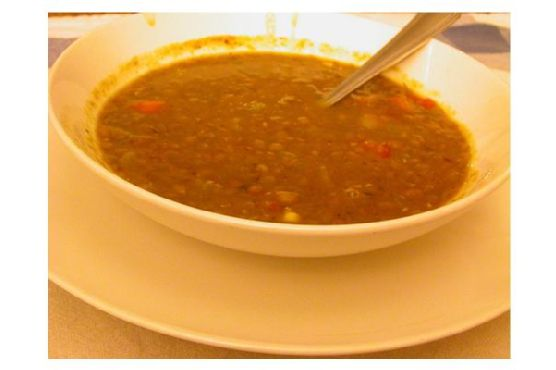
Moosewood Lentil Soup | Made by Meaghan Moineau

Moosewood Lentil Soup

Intro

There’s something magical about a bowl of lentil soup that takes me back to my childhood kitchen. Growing up, I spent countless chilly afternoons watching my grandmother stir a pot of hearty lentil soup, her kitchen filled with the comforting aroma of simmering vegetables and spices. This Moosewood Lentil Soup is a tribute to those treasured memories, and it’s sure to become a staple in your home too. With its rich flavors and nourishing ingredients, it’s a dish that warms the heart and soul.

Why You’ll Love It

This Moosewood Lentil Soup is more than just a bowl of soup; it’s a culinary hug. Here’s why you’ll fall in love with it:

  • Hearty and Nutritious: Packed with protein-rich lentils and a medley of vegetables, it’s a complete meal in itself.
  • Flavorful: The combination of dried herbs, garlic, and a touch of red wine vinegar creates a depth of flavor that’s both comforting and sophisticated.
  • Customizable: Easily adapt the recipe to suit your taste buds or dietary preferences.
  • Easy to Prepare: With simple ingredients and straightforward steps, it’s perfect for both novice cooks and experienced chefs.

Ingredients

  • 1 cup lentils
  • 4 cups water
  • 2 tablespoons grapeseed oil (or butter)
  • 1 large onion, chopped
  • 2 celery stalks, chopped
  • 2 carrots, chopped
  • 3 cloves garlic, minced
  • 1 teaspoon salt
  • 1/2 teaspoon black pepper
  • 1 teaspoon dried herbs (such as thyme or oregano)
  • 2 tablespoons red wine vinegar
  • 1 tablespoon fresh lemon juice
  • 1 tablespoon brown sugar
  • 1 cup tomatoes, chopped
  • Optional garnishes: minced scallions or parsley

Instructions

  1. Place the lentils and water in a soup pot or Dutch oven.
  2. Bring to a boil, lower the heat to a simmer, and let cook until the lentils are mushy, about 45 minutes.
  3. Add more water as needed, until the soup reaches your preferred consistency.
  4. In a medium-sized skillet, heat the grapeseed oil or melt the butter.
  5. Add the onion, celery, and carrots, and sauté over medium heat for about 10 minutes.
  6. Add the garlic, salt, pepper, and herbs of your choice, and sauté for about 5 minutes longer.
  7. Transfer the sautéed vegetables to the lentils.
  8. Stir in the red wine vinegar, fresh lemon juice, and brown sugar.
  9. Taste and adjust the seasonings as needed.
  10. Simmer for at least 15 minutes longer.
  11. Serve hot, with a drizzle of vinegar on top of each serving and a sprinkling of minced scallions or parsley, if desired.

Tips

  • Soak the Lentils: For quicker cooking, soak the lentils in water for a few hours beforehand.
  • Experiment with Herbs: Try different herbs such as rosemary, basil, or bay leaves to create new flavor profiles.
  • Use Fresh Ingredients: Fresh lemon juice and herbs can significantly enhance the taste of the soup.

Variations & Substitutions

This soup is incredibly versatile. Here are some ways to make it your own:

  • Vegetables: Swap out or add vegetables like potatoes, spinach, or bell peppers for added nutrition and flavor.
  • Protein: For a heartier version, add cooked sausage, bacon, or diced tofu.
  • Lentils: Use red or green lentils instead of brown for a different texture and color.

Storage

This Moosewood Lentil Soup stores beautifully, making it perfect for meal prep:

  • Refrigerator: Store in an airtight container for up to 4 days.
  • Freezer: Freeze for up to 3 months. Thaw overnight in the refrigerator before reheating.
  • Reheat: Gently reheat on the stove over low heat, adding a splash of water if it thickens too much.

FAQ

Can I make this soup in a slow cooker?

Yes, you can! Simply add all the ingredients except the vinegar, lemon juice, and brown sugar to a slow cooker. Cook on low for 6-8 hours or on high for 3-4 hours. Stir in the remaining ingredients before serving.

What can I use instead of red wine vinegar?

If you don’t have red wine vinegar, you can use apple cider vinegar or balsamic vinegar as a substitute. Each will add its unique twist to the soup flavor.

Is this soup gluten-free?

Yes, this Moosewood Lentil Soup is naturally gluten-free as it contains no wheat-based ingredients. Just be sure that any additional garnishes or side breads are also gluten-free if needed.

Nutrition

This soup is not only delicious but also packed with nutrients:

  • Calories: Approximately 250 per serving
  • Protein: 12g
  • Fiber: 15g
  • Vitamins: Rich in Vitamins A and C from the carrots and tomatoes

Conclusion

There you have it—Moosewood Lentil Soup, a dish that’s as nutritious as it is comforting. Whether you’re seeking a hearty meal to warm up a cold evening or a delicious way to incorporate more plant-based protein into your diet, this soup is sure to satisfy. I hope this recipe brings warmth and joy to your table, just as it has to mine. Enjoy!

Related update: Moosewood Lentil Soup

Related update: Crabby Corn Chowder

Easy and Delicious Taco Soup | Made by Meaghan Moineau

Easy and Delicious Taco Soup

Intro

Growing up, family gatherings were never complete without a large pot of my grandmother’s famous taco soup simmering on the stove. The aroma would fill the house, drawing everyone into the kitchen for a taste even before it was ready. This recipe, inspired by her classic version, is not only easy to make but also incredibly delicious. Whether you’re looking to please a crowd or just want a comforting bowl for yourself, this taco soup is the answer.

Why You’ll Love It

This taco soup is a perfect blend of savory, spicy, and hearty flavors that will warm you from the inside out. It’s a one-pot wonder, meaning less cleanup and more time to enjoy with your loved ones. Its simple ingredients make it accessible, yet it’s packed with flavor that feels like a labor of love. Plus, it’s adaptable for various dietary needs, making it a versatile dish for any occasion.

Ingredients

  • 1 lb cooked ground turkey
  • 1 onion, diced
  • 1 can pinto beans, drained and rinsed
  • 1 can kidney beans, drained and rinsed
  • 1 can regular corn, drained
  • 1 can tomato sauce
  • 1 can diced tomatoes
  • 1 can green chiles
  • 1 can olives, sliced
  • 1 packet gluten free taco seasoning
  • 1/4 teaspoon cayenne pepper (optional)
  • Fresh cilantro, for topping
  • Cheese, for topping
  • Tortilla chips, for serving
  • Sour cream, for serving

Instructions

  1. In a large pot, combine the cooked ground turkey, onion, pinto beans, kidney beans, corn, tomato sauce, diced tomatoes, green chiles, olives, taco seasoning, and cayenne pepper.
  2. Stir the ingredients together, and heat the mixture to a full boil.
  3. Once boiling, reduce the heat and let it simmer for 30 minutes, stirring occasionally.
  4. To serve, ladle the soup into bowls and top with fresh cilantro, cheese, tortilla chips, and a dollop of sour cream.

Tips

For the best flavor, allow the soup to simmer a bit longer if you have the time. This will let the spices meld beautifully. If you prefer a thicker soup, consider adding a bit more beans or reducing the amount of liquid by draining the diced tomatoes.

Variations & Substitutions

Feel free to experiment with this recipe. You can substitute ground turkey with ground beef or chicken if you prefer. If you like it spicier, add chopped jalapeños or a dash of hot sauce. For a vegetarian version, simply omit the meat and add more beans or tofu. You can also swap out the cheese and sour cream with dairy-free alternatives for a vegan option.

Storage

Leftover taco soup can be stored in an airtight container in the refrigerator for up to 3 days. It also freezes well for up to 3 months. To reheat, simply thaw overnight in the fridge if frozen, and warm on the stove over medium heat.

FAQ

Can I make this soup in a slow cooker?

Yes, you can prepare this taco soup in a slow cooker. Simply add all ingredients to the slow cooker, except for the toppings. Cook on low for 6-8 hours or high for 3-4 hours. Serve with your favorite toppings.

Is taco soup spicy?

This recipe has a mild spice level, which can be adjusted to your preference. If you prefer a milder soup, omit the cayenne pepper. For more heat, increase the amount of cayenne or add other spicy ingredients like jalapeños.

Nutrition

While the exact nutritional content can vary based on the specific brands and quantities used, taco soup generally offers a balanced mix of protein from the ground turkey, fiber from the beans, and essential vitamins and minerals from the vegetables. It’s a hearty and satisfying meal that can fit into a variety of dietary plans.

Conclusion

There you have it—an easy and delicious taco soup that brings warmth and joy to the table, just like my grandmother’s did. This recipe is not only a nod to tradition but also a versatile dish that you can make your own. Whether you’re serving it at a family gathering or savoring a quiet night in, it’s sure to become a favorite in your household. Enjoy!

Related update: Easy and Delicious Taco Soup

Related update: Moosewood Lentil Soup

ASUS’s Smarter AM5 Boards for Every | Analysis by Brian Moineau

A smarter AM5 playground: ASUS’s refreshed ROG, TUF, and ProArt motherboards

Hook: If you’ve built a PC in the last five years you know the motherboard is the multiverse where decisions collide — socket, lanes, cooling, and style. ASUS just redesigned that multiverse for AMD’s AM5 platform, and the result isn’t just more choices: it’s more sensible choices. Whether you want an extreme showcase board for a Ryzen 9000 enthusiast, a no-nonsense gaming rig, or a creator-focused workstation, ASUS’ new AM5 line aims to give each user the tools they actually need — without burying them under features they don’t.

Why this matters right now

  • AMD’s AM5 socket (Ryzen 7000/8000/9000 families) has become the backbone for high-performance desktops and workstations. As CPUs push more cores and faster DDR5 memory, the motherboard’s role shifts from “box with slots” to “traffic director” for power, PCIe lanes, and thermal headroom.
  • ASUS updated its AM5 family across ROG, ROG Strix, TUF Gaming, Prime, and ProArt lines to better match modern workflows: multi-M.2 storage, WiFi 7 on many boards, improved DDR5 reliability, and cleaner, user-friendly features for builders.
  • The change isn’t just about top-tier bragging rights. ASUS brought some refinements down to B850/B840 class boards so mainstream builders benefit from things like tool-free M.2 installation, higher-resolution BIOS UI, and expanded USB options.

What’s new across the lineup

  • Enhanced PCIe lane layouts and smarter bandwidth allocation.
    • Some boards now allow two PCIe 5.0 M.2s plus multiple PCIe 4.0 M.2s while keeping the primary x16 slot at full bandwidth for GPUs — important for gamers who also want heavy local storage.
    • Certain ProArt and Crosshair models support x8/x8 for dual GPU or heavy I/O use.
  • Broader DDR5 compatibility and overclocking improvements.
    • PCB and manufacturing changes (e.g., low-etch processes, back-drilling, and NitroPath DRAM tweaks) increase stability for high-speed DDR5 kits and push memory OCs further on more boards — not just the flagships.
  • More refined DIY and usability features.
    • Tool-free M.2 Q-Release, Q-Code/Q-Dashboard improvements, easier graphics card removal mechanisms, and a 1920×1080 BIOS GUI make builds faster and less fiddly.
  • Modern connectivity moves.
    • WiFi 7 appears on many B850-class boards, along with USB 20 Gbps front-panel headers, USB4/Thunderbolt-capable ports on select models, and more onboard 10 GbE/5 GbE options on ProArt/creator boards.
  • Practical cooling and layout upgrades.
    • New vapor-chamber-style 3D VC M.2 heatsinks and beefed-up VRM cooling on high-end Crosshair and Glacial boards to sustain heavy loads for gaming, streaming, and AI workloads.

Who each family is for

  • ROG Crosshair X870E Glacial / Dark Hero
    • For the enthusiast who wants absolute headroom: extreme VRM, multi-M.2 support, premium memory tuning, and flagship aesthetic. These boards are built to be pushed and showcased.
  • ROG Strix B850 / X870E Neo series
    • For mainstream gamers who want great performance without flagship price tags. They balance lots of USB ports, tool-free install features, and style options (black or white aesthetics).
  • TUF Gaming X870 / B850 series
    • Durability and value with practical overclocking features (now including asynchronous clock options on select models). Good for long-lived builds and those who want stability-first hardware.
  • ProArt B850-Creator WiFi Neo
    • Designed for creators and multi-GPU setups on a budget. Dual PCIe 5.0 x16 slots (x8/x8), professional I/O (dual 5GbE, USB 10Gbps Type-C with DP Alt Mode), and understated styling.
  • B840 family
    • Aimed at efficient, budget-conscious builds — especially good if you don’t plan to overclock or need PCIe 5.0 GPU/M.2 support, and want a cost-effective AM5 platform.

Build-level takeaways

  • If you plan heavy local SSD use (many M.2s) and a high-end GPU, check the board’s lane-sharing notes carefully. ASUS’ newer lane layouts aim to preserve GPU x16 on several boards while offering multiple PCIe 5.0 M.2 slots — but exact behavior depends on the model.
  • Memory overclocking potential is improving beyond flagship boards thanks to PCB and manufacturing tweaks; you don’t necessarily need the priciest Crosshair to get better DDR5 behavior.
  • WiFi 7 and USB4 presence on B850 boards mean next-gen connectivity is trickling down. If future-proofing networking and front-panel bandwidth matters, these midrange boards are compelling.
  • Creative pros who want multi-GPU on a budget should look at ProArt’s B850-Creator Neo for x8/x8 GPU support plus robust networking.

Design and build experience: small but meaningful refinements

ASUS invested in what I’d call “boring but delightful” upgrades — things that don’t headline reviews but smooth the building process: clearer BIOS resolution and navigation, real tool-free M.2 install mechanisms, easier graphics-card release systems, and more accessible troubleshooting LEDs or Q-Dashboards. Those are the touches that matter when you’re two hours into a cable tangle and want to finish the build without a meltdown.

My take

ASUS’ refreshed AM5 lineup reads like a maturity update rather than a reimagining. The company is listening: instead of adding ever-more esoteric features only ultra-enthusiasts use, ASUS redistributed practical capabilities across more price points. That means mainstream buyers get genuine improvements — faster memory support, better storage options, and cleaner build workflows — while enthusiasts still have truly overbuilt flagships to chase records with.

If you’re building now and torn between “wait for the next gen” and “pull the trigger,” these Neo/B850 updates make now a reasonable time to build an AM5 machine that will feel modern for years: better memory headroom, improved PCIe flexibility, and contemporary connectivity. The main caveat is to confirm exact lane-sharing and I/O behavior for the specific model you plan to buy — spec sheets still hide the small but critical bandwidth trade-offs.

Choices to consider before buying

  • Do you need PCIe 5.0 M.2 slots or will PCIe 4.0 suffice? Multiple 5.0 drives plus a GPU can create sharing limitations on some boards.
  • Memory: if you plan high-frequency DDR5, prioritize boards with NitroPath DRAM and the robust PCB treatments ASUS lists for better stability.
  • Connectivity: want WiFi 7 or USB4 at the front panel? Those features are now present beyond flagship boards — check the model spec.
  • Future upgrades: think about whether x8/x8 GPU support, dual 10GbE, or many M.2s matter down the road — pick a board that aligns with your upgrade path.

Final thoughts

ASUS’ incremental but thoughtful AM5 refresh is a reminder that platform evolution is often about better trade-offs, not just more bling. Builders win when features are sensibly distributed across product lines — and that’s exactly what this lineup aims for. Whether you’re sketching a white-themed showcase, assembling a quiet content-creation workstation, or building a budget Ryzen system, there’s now more chance you’ll find an AM5 board that fits the job rather than forcing compromises.

Sources


Related update: We recently published an article that expands on this topic: read the latest post.


Related update: We recently published an article that expands on this topic: read the latest post.


Related update: We recently published an article that expands on this topic: read the latest post.