
Seahawks vs. Broncos: Who to Trust Now | Analysis by Brian Moineau

Who can you actually trust to win the Super Bowl right now?

There’s something delicious about playoff time: the hum of last-second drives, the suddenness of injuries, and the way preseason narratives vaporize after one bad snap. With the NFL field narrowed to eight teams heading into the Divisional Round, NFL.com’s editors put their confidence scores and Super Bowl odds on the table — and the results are a little messy, which is why this moment is so much fun to argue about. Below I break down the credibility of the biggest contenders — especially the Seahawks vs. the Broncos — and where the Bears, Patriots and Rams fit into the hierarchy.

Quick snapshot

  • NFL.com combined its editors’ confidence rankings and listed Super Bowl odds (DraftKings lines cited) for the eight remaining teams. (nfl.com)
  • Favorites on odds: Seahawks and Rams lead the market in the AFC/NFC picture, while the Patriots and Bills sit near the top in the AFC conversation. (cbssports.com)

What the numbers mean

  • “Confidence ranking” is an editorial consensus — a mix of season performance, matchup paths and intangible trust in roster construction or coaching.
  • “Odds” reflect market assessment (public money, sportsbook modeling), and they can move quickly after games, injuries or new information.

The central question: Seahawks or Broncos — which team is more trustworthy?

Short answer: lean Seahawks.

Why? Trustworthiness in a playoff contender comes from three pillars: quarterback stability, supporting pieces (defense/OL), and a clearly navigable path. Seattle checks more boxes.

  • Quarterback situation: Seattle’s QB play (and game-management style) paired with a top-ranked defense is a familiar playoff recipe. The Seahawks’ defensive consistency — especially in limiting points — gives them a margin for error that makes them “trustworthy” in single-elim games. NFL.com and market odds both treat Seattle as a leading Super Bowl candidate. (nfl.com)
  • Denver’s strengths and fragility: the Broncos have a stout defense and a top seed to show for it, but skepticism bubbles up around Bo Nix’s postseason resume (still thin) and the relative softness of Denver’s schedule during the regular season. Editors at NFL.com ranked Denver well below the top tier in confidence, citing inconsistent offensive outputs and fewer gauntlet-style tests. That lowers the “trust” metric despite strong home-field positioning. (nfl.com)
  • Experience vs. narrative: Seattle’s recent playoff runs and defensive identity feel repeatable. Denver’s story is more “this year” — excellent in many metrics but less proven against top offenses and in high-leverage postseason environments.

So: if you want a single team to bet your faith on — not necessarily money — the Seahawks offer more repeatable mechanics. If you’re chasing upside or longshots, the Broncos’ defensive ceiling and favorable matchups could still surprise.

Where the Bears, Patriots and Rams land

  • Chicago Bears

    • The Bears are fun but feel like a boom-or-bust play. Their Wild Card win showed resilience, but injuries and a less sturdy defense make long runs unlikely in most editors’ ballots. Market odds reward the miracle potential (long-shot pricing), but confidence rankings keep Chicago behind the front-runners. (nfl.com)
  • New England Patriots

    • The Patriots are one of the more interesting trust plays. High-powered offense, consistent coaching, and a favorable path make them respectable in both confidence and odds. NFL.com’s editorial scoring placed New England fairly high — they’re not an underdog story this year so much as a legitimately scary, balanced club. (nfl.com)
  • Los Angeles Rams

    • The Rams sit near the top of market odds and editorial respect. Veteran QB play and explosive upside on offense give them a “landing spot” among favorites. Matchup and health will determine whether that projection holds, but sportsbooks clearly treat L.A. as a plausible champion. (cbssports.com)

Matchup dynamics to watch this weekend

  • Seahawks vs. Opponent: Seattle’s defense controls tempo. If they can force three-and-outs, they’ll make any opponent’s offense lift heavy weights. Look for the Seahawks to try and shorten the game and force turnovers. (cbssports.com)
  • Broncos vs. Bills (or other top AFC foes): Denver’s defensive strengths must translate to creating negative plays and limiting big plays from explosive QBs. If the offense can avoid turnovers and stay efficient in the red zone, Denver becomes dangerous; if not, the doubts highlighted by editors become reality. (nfl.com)
  • Patriots’ offense vs. stout defenses: New England’s ability to move the ball consistently is a key differentiator. Expect them to test the Texans/Ravens-style defenses with tempo and creative play-calling. (nfl.com)

A few betting/expectation takeaways (market + editorial blend)

  • Markets (DraftKings) and editorial confidence aren’t identical. Markets price public money and model volatility; editors weigh trust and intuitive plausibility. Where both agree (Seahawks, Rams), that’s meaningful. (cbssports.com)
  • Upsets remain likely in single-elim games. The NFL.com confidence scores intentionally penalize teams that haven’t been battle-tested. That’s why you see higher-ranked seeds like Denver viewed skeptically despite strong records. (nfl.com)
  • Defense-first teams (Seahawks, Broncos, Texans) can flip playoff scripts if they force turnovers and control possessions — but offensive variance matters more in today’s league than at any time in recent memory.

Where the Bears, Patriots and Rams factor in the big picture

  • Bears: dark-horse energy. Not a trust pick, but capable of one-off shocks.
  • Patriots: steady, high confidence from editors — they’ve earned respect for consistency and path viability.
  • Rams: market favorite vibes backed by veteran playmakers and playoff experience.

Closing thoughts

If you’re looking for a team that feels trustworthy in a “win-now” sense — consistent quarterback play, defensive reliability, and a clear game plan — the Seahawks are the easiest case to make. The Broncos bring an alluring defensive posture and the polish of a top seed, but their offensive questions and a softer schedule leave room for doubt. The Patriots and Rams are real threats; the Bears are the emotional long shot you cheer for when you want chaos.

We’ll find out fast: the Divisional Round is where narratives either crystallize into legend or get quietly buried. Enjoy the football.

Sources


Related update: We recently published an article that expands on this topic: read the latest post.


Related update: We recently published an article that expands on this topic: read the latest post.

Eggplant Curry | Made by Meaghan Moineau

Eggplant Curry: A Comforting Classic

Intro

There’s something truly heartwarming about a dish that brings back fond memories of family dinners and cozy evenings at home. For me, Eggplant Curry is that dish. I remember the first time my grandmother made it for us during a chilly autumn evening. The aroma of spices wafting through the house was irresistible, and the warmth of the curry was the perfect antidote to the crisp air outside. We gathered around the table, bowls in hand, ready to dive into this comforting meal. Today, I’m excited to share this beloved recipe with you, hoping it brings the same comfort and joy to your home.

Why You’ll Love It

This Eggplant Curry is a delicious blend of flavors and textures that is sure to become a staple in your recipe collection. The creamy coconut milk perfectly balances the heat from the spices, while the eggplant absorbs all the wonderful flavors, becoming tender and flavorful. It’s a versatile dish that can be adjusted to suit various dietary preferences and spice levels, making it a hit with everyone at the table. Plus, it’s an excellent way to incorporate more vegetables into your diet without sacrificing taste.

Ingredients

  • 1 1/2 cups coconut milk
  • 2 large eggplants, diced
  • 2 yellow onions, chopped
  • 4 cloves garlic, minced
  • 1 tablespoon fresh ginger, grated
  • 2 cups diced heirloom tomatoes
  • 1 tablespoon ground cumin
  • 1 tablespoon ground coriander
  • 1 teaspoon turmeric
  • 1/2 teaspoon cayenne pepper
  • 1/2 teaspoon crushed red pepper flakes
  • Salt to taste
  • 1 cup Greek yogurt, plus more for serving

Instructions

  1. Heat about 1/2 cup of the coconut milk over medium heat in a large skillet. Sauté the onions and garlic in the coconut milk until soft and beginning to brown, about 12 minutes.
  2. Place the diced eggplants and heirloom tomatoes into a 6-quart or larger crockpot.
  3. In a bowl, combine the cumin, coriander, turmeric, cayenne pepper, crushed red pepper flakes, and salt. Stir them together.
  4. Pour the remaining coconut milk, spices, and ginger into the crockpot. Once the onion and garlic mixture is done sautéing, add it to the crockpot and mix everything thoroughly.
  5. Turn the crockpot on high and allow the curry to cook for 6 to 8 hours, stirring periodically.
  6. About 30 minutes before serving, add the Greek yogurt to the curry and mix well. Allow it to cook for an additional 30 minutes.
  7. Prepare quinoa according to package directions (typically a 2:1 water to quinoa ratio; simmer for about 30 minutes).
  8. Serve the curry over quinoa and add a dollop of Greek yogurt on top.

Tips

For best results, select firm and glossy eggplants. They should feel heavy for their size. If you prefer a milder curry, reduce the amount of cayenne pepper and crushed red pepper flakes. For a creamier texture, you can add a bit more coconut milk or yogurt.

Variations & Substitutions

If you’re looking to change things up, you can easily substitute the eggplants with other vegetables like zucchini or bell peppers. For a vegan version, replace the Greek yogurt with a plant-based alternative. You can also experiment with different types of tomatoes, such as cherry or plum, to vary the taste and texture of the curry.

Storage

Store leftover curry in an airtight container in the refrigerator for up to 4 days. To reheat, place it in a saucepan over medium heat and stir occasionally until heated through. Alternatively, it can be frozen for up to 3 months. Thaw overnight in the refrigerator before reheating.

FAQ

Can I make this curry on the stovetop instead of a crockpot?

Yes, you can make this curry on the stovetop. Use a large pot or Dutch oven, follow the same sautéing steps, then cover and let it simmer on low heat for about 1 to 1.5 hours, stirring occasionally.

Is there a way to make this curry less spicy?

Absolutely! To reduce the spiciness, decrease the amount of cayenne pepper and crushed red pepper flakes. You can also add more coconut milk or yogurt to mellow the heat.

Nutrition

This Eggplant Curry is not only delicious but also nutritious. It’s packed with fiber from the eggplants and tomatoes, and the spices like turmeric and ginger offer anti-inflammatory benefits. The use of Greek yogurt adds a healthy dose of protein and probiotics, making it a well-rounded meal.

Conclusion

Eggplant Curry is a delightful dish that combines the richness of coconut milk with the vibrant flavors of Indian spices. It’s a recipe that warms the heart and soul, much like it did for me during those cherished family dinners. Whether you’re a seasoned cook or new to curry-making, this recipe is simple to follow and yields a satisfying, comforting meal. I hope it becomes a treasured recipe in your home, bringing warmth and joy to your table. Enjoy!

Related update: Eggplant Curry

McDaniel: Coaching Hot Potato Heating Up | Analysis by Brian Moineau

Mike McDaniel: The Coaching Hot Potato Everyone’s Talking About

The NFL coaching carousel just got a fresh jolt. Mike McDaniel — the creative offensive mind who helmed the Miami Dolphins for four seasons — is suddenly the candidate every team with a vacancy wants to meet. Fired by Miami on January 8, 2026, McDaniel has already been linked to interviews with the Browns, Ravens, Titans, Falcons and even a potential offensive coordinator spot with the Detroit Lions. The optics: teams coveting offensive creativity. The reality: a coach whose résumé is equal parts innovation and unfinished business. (bleacherreport.com)

Why this feels different

  • McDaniel isn't a traditional retread. He built a distinct offensive identity in Miami that produced top‑of‑the‑league yardage in 2022–23 and turned heads for scheme creativity. That track record makes him attractive to clubs that have offensive talent but lack the scheme or culture to unlock it. (bleacherreport.com)
  • He’s young (early 40s), adaptable and already proven in pressurized NFL settings — traits teams covet when they want to modernize quickly rather than retool for multiple seasons. (si.com)
  • But there’s friction: his Dolphins tenure ended after back‑to‑back non‑playoff seasons and a 7–10 finish this past year, raising questions about in‑game adjustments, roster construction and long‑term developmental outcomes. That mixed legacy explains both the demand and the caution. (foxsports.com)

The suitors and the fit — quick takes

  • Cleveland Browns

    • Why it makes sense: Cleveland’s defense remained elite while the offense cratered. The Browns have put out fires at QB and scored just 16.4 points per game in 2025; they need an offensive architect. McDaniel’s schematic ingenuity could revive a talented but underperforming offense. (bleacherreport.com)
    • What to watch: Can he manage QB carousel issues and coach for a roster built more around defensive power than offensive style fits? (bleacherreport.com)
  • Baltimore Ravens

    • Why it makes sense: The Ravens prize creativity and physical play; pairing McDaniel with Baltimore’s offensive pieces could produce something dynamic. But Baltimore also demands in‑game control and toughness on both sides of the ball. (bleacherreport.com)
    • What to watch: Organizational fit — Harbaugh‑era standards and culture could clash with a more free‑wheeling offensive guru.
  • Tennessee Titans and Atlanta Falcons

    • Why it makes sense: Both teams need offensive reinvention and could offer control plus young talent that benefits from inventive scheming. Interviews are opportunities to sell vision. (bleacherreport.com)
  • Detroit Lions (offensive coordinator possibility)

    • Why it makes sense: If teams hesitate to hand him a full HC role right away, a top OC job offers a lower‑risk way to harness McDaniel’s creativity. The Lions reportedly requested such an interview. (bleacherreport.com)

The broader coaching-market story

The ripple effects of Miami’s decision go beyond McDaniel. Miami’s own vacancy has prompted speculation about who could replace him, from internal candidates to experienced names, and underscores how quickly coaching philosophies shift across the league when a head coach with a distinct identity becomes available. Teams juggling talent, quarterback questions and front‑office direction are scanning for someone who can provide both schematic clarity and cultural steadiness. (foxsports.com)

Why some teams will hesitate

  • Track record vs. recent results: McDaniel’s early Miami seasons were offensive showpieces, but the last two years’ underperformance gives hiring committees pause. Experienced GMs often ask whether a coach’s early success is repeatable under changing personnel and heightened defensive planning. (si.com)
  • Organizational stability: Teams with stable front offices may prefer a coach with proven in‑season adjustment history and playoff results. McDaniel’s playoff résumé is limited. (si.com)
  • Fit with roster and QB: A lot hinges on quarterback fit. Some franchises could be excited by McDaniel’s creativity; others will balk if their roster doesn’t match his offensive philosophy.

What McDaniel brings to the table

  • Creative play design and scheme versatility that can unlock mismatches and push pace. (si.com)
  • A modern offensive mindset that appeals to teams aiming to keep pace with league trends. (si.com)
  • Youthful energy and a fresh perspective that can reframe underperforming offenses quickly — if paired with the right personnel and stable front office. (si.com)

A few scenarios to watch

  • Short term: McDaniel lands multiple interviews (already reported), gauges fit and either accepts a high‑upside HC role or chooses an OC post in a stable environment. (bleacherreport.com)
  • Medium term: If hired as HC, success will depend on quarterback play and roster alignment with his scheme; early signs will be offensive efficiency and third‑down production. (si.com)
  • Long term: A win here reestablishes him as a top modern coach; another mediocre stint pushes him into coordinator territory or the “what‑went‑wrong” coaching narratives.

What to watch next (dates and signals)

  • Interview scheduling and team statements: early January interviews were reported; monitor official team press releases and NFL Network reports for confirmed interview dates and any hires. (Reported interviews occurred the week of Jan. 12, 2026.) (bleacherreport.com)
  • How teams describe their HC search priorities: language about culture, QB development, and offensive identity will reveal whether McDaniel is a genuine fit. (foxsports.com)

Final thoughts

Mike McDaniel’s availability is exactly the kind of high‑variance event that makes NFL offseason windows feel electric. He’s an offensive-minded coach with demonstrable strengths and some nagging questions about recent results. For teams that prioritize modern scheming and can align personnel quickly, McDaniel could be a transformative hire. For others, he’s a tantalizing risk. Either way, the next few weeks of interviews will tell us whether clubs value immediate innovation or steadier hands at the helm.

Sources


Related update: We recently published an article that expands on this topic: read the latest post.


Related update: We recently published an article that expands on this topic: read the latest post.

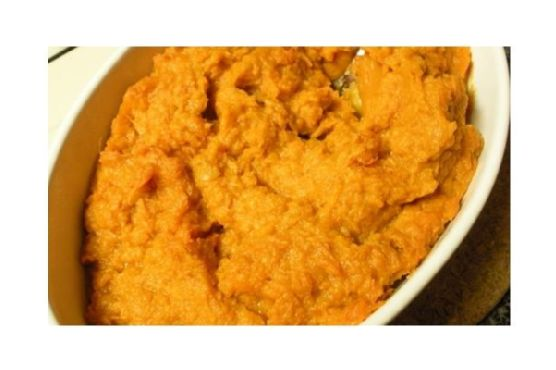
Mashed Sweet Potatoes | Made by Meaghan Moineau

Mashed Sweet Potatoes

Intro

There’s something undeniably comforting about a warm bowl of mashed sweet potatoes. For me, it evokes memories of family gatherings during the fall, where the air was crisp, and the leaves painted the landscape in shades of gold and crimson. I remember standing on a stool in my grandmother’s kitchen, peeking over the countertop as she worked her magic with sweet potatoes. The aroma of spices and the sweet notes of maple syrup filled the air, wrapping us all in a blanket of warmth and nostalgia. It’s this treasured memory that inspires this recipe, a dish that I hope will bring the same joy and warmth to your home as it has to mine.

Why You’ll Love It

This mashed sweet potatoes recipe is a delightful twist on a classic side dish. Here’s why you’ll fall in love with it:

  • Rich and Creamy: The addition of cream and butter makes these sweet potatoes irresistibly smooth and luxurious.
  • Flavorful Spices: A blend of cinnamon, cardamom, and cayenne pepper adds a comforting warmth with a hint of spice.
  • Perfectly Sweet: Brown sugar and maple syrup enhance the natural sweetness of the potatoes without overpowering them.
  • Versatile: Suitable for any meal, these mashed sweet potatoes are perfect for holiday feasts or as a comforting weeknight side.

Ingredients

  • 5 large sweet potatoes, peeled and chopped
  • 2 tablespoons brown sugar
  • 1/4 cup butter
  • 1 teaspoon ground cardamom
  • 1/4 teaspoon cayenne pepper
  • 1 teaspoon ground cinnamon
  • 1/3 cup cream
  • 1 teaspoon kosher salt, or to taste
  • 2 tablespoons maple syrup
  • Zest of 1 orange
  • 1 teaspoon vanilla extract

Instructions

  1. Begin by boiling the sweet potatoes in a large pot of salted water until they are tender, about 20-25 minutes. Drain them well and return them to the pot.
  2. Mash the sweet potatoes until they are well broken up, or use an electric mixer for a smoother texture.
  3. In a small bowl, mix together the cinnamon, cayenne pepper, cardamom, orange zest, and brown sugar. Set aside.
  4. Add the butter, cream, vanilla, and maple syrup to the mashed sweet potatoes. Mix well to combine.
  5. Sprinkle in the cinnamon-sugar mixture, stirring until all the ingredients are well incorporated and the mixture is smooth.
  6. Season with kosher salt to taste, adjusting as needed.
  7. Serve warm and enjoy!

Tips

For the best results, use fresh sweet potatoes and ensure they are all similar in size for even cooking. When mashing, aim for a texture that suits your preference, whether it be slightly chunky or completely smooth. Don’t hesitate to adjust the seasoning according to your taste—sweet potatoes can handle a bit of experimentation!

Variations & Substitutions

This recipe is highly adaptable to suit your taste preferences:

  • Dairy-Free Option: Substitute the butter with a plant-based alternative and use coconut milk instead of cream for a dairy-free version.
  • Extra Spice: If you love a bit more heat, increase the amount of cayenne pepper.
  • Nutty Twist: Add a handful of toasted pecans or walnuts for a crunchy texture.
  • Less Sweet: Reduce the amount of brown sugar and maple syrup if you prefer a more savory dish.

Storage

Store any leftovers in an airtight container in the refrigerator for up to 3 days. To reheat, simply microwave or warm on the stovetop, adding a splash of cream or milk if needed to restore the creamy texture.

FAQ

Can I make this recipe ahead of time?

Absolutely! You can prepare the mashed sweet potatoes a day in advance. Simply reheat them on the stovetop over low heat, stirring occasionally, and add a little extra cream or milk to bring back their smooth consistency.

What can I serve with mashed sweet potatoes?

Mashed sweet potatoes are incredibly versatile and pair well with a variety of main courses. They’re a fantastic side for roasted turkey, glazed ham, or even a hearty lentil loaf for a vegetarian option.

Nutrition

This recipe is not only delicious but also provides a good source of vitamins A and C, thanks to the sweet potatoes. The addition of spices and orange zest offers antioxidants, making this dish a nutritious choice for any meal.

Conclusion

Mashed sweet potatoes are more than just a side dish; they’re a celebration of flavors and memories, a dish that embodies warmth and comfort. Whether you’re serving them at a festive holiday table or alongside a simple weeknight dinner, these mashed sweet potatoes are sure to delight everyone at the table. I hope this recipe brings as much joy to your home as it has to mine, creating new memories and cherished moments. Enjoy every flavorful bite!

Related update: Mashed Sweet Potatoes

Kielbasa With Brussels Sprouts In Mustard Cream Sauce | Made by Meaghan Moineau

Kielbasa With Brussels Sprouts In Mustard Cream Sauce

Intro

There’s something undeniably comforting about a dish that combines hearty ingredients with a touch of nostalgia. Growing up, my grandmother would often prepare meals that filled our home with warmth and savory aromas. One of her specialties was a simple yet flavorful dish of kielbasa and vegetables, cooked to perfection and served on chilly evenings. Today, I’m excited to share my own twist on this family favorite: Kielbasa with Brussels Sprouts in Mustard Cream Sauce. This dish brings together the robust flavors of kielbasa, the subtle sweetness of Brussels sprouts, and a creamy mustard sauce that ties everything together beautifully. Join me as we recreate a dish that’s as heartwarming as it is delicious.

Why You’ll Love It

This recipe is a delightful combination of savory, creamy, and slightly tangy flavors that will have you coming back for seconds. Here’s why you’ll love it:

  • Simple Ingredients: With just a handful of easy-to-find ingredients, you can create a dish that feels gourmet.
  • Quick Preparation: This meal comes together in under an hour, making it perfect for busy weeknights.
  • Balanced Flavors: The spicy kielbasa pairs perfectly with the mild Brussels sprouts and creamy mustard sauce.
  • Comfort Food: It’s a cozy dish that’s perfect for cooler weather or when you need a little pick-me-up.

Ingredients

  • Brussels sprouts
  • Canned white kidney beans
  • Coarse mustard
  • Extra virgin olive oil
  • Garlic
  • Heavy cream
  • Kielbasa
  • Shallot

Instructions

  1. Preheat your oven to 400°F. Peel the shallot and cut it into quarters.
  2. Create a small pouch out of aluminum foil (two layers thick) and place the shallot and garlic inside. Coat with olive oil and a generous pinch of salt.
  3. Seal the pouch tightly and place it in the oven (a toaster oven is recommended) for 30 minutes.
  4. Rinse and clean the Brussels sprouts. Cut each sprout in half, discarding any wilted outer leaves. Steam the Brussels sprouts until tender when pierced with a fork. Set aside.
  5. Rinse and drain the beans. Since one can is a little too bean-heavy, save about one-third of the beans for another use.
  6. Slice the kielbasa on a steep bias into 1/4-inch slices. Heat 1 teaspoon of olive oil in a large, heavy-bottomed non-nonstick skillet over medium-high heat.
  7. Arrange the kielbasa slices and fry until crispy on each side, about 3 minutes per side. Set aside on paper towels to drain.
  8. Add a generous tablespoon of good olive oil and keep the heat at medium-high. Unwrap the garlic and shallot and smash them using the flat side of your knife. They should be very soft.
  9. Add the smashed garlic and shallot to the skillet and cook for about 1 minute.
  10. Add the mustard and cream to the skillet and stir to combine. Reduce the heat to medium-low and add the Brussels sprouts and beans (as many as you want to use). Toss everything together to coat, then season to taste with a generous amount of salt and black pepper.
  11. Plate the kielbasa on top of your Brussels sprouts and beans in a large bowl to serve.

Tips

  • Garlic and Shallot: Roasting these ingredients in foil helps to mellow their sharpness, creating a sweet, caramelized flavor.
  • Steaming Brussels Sprouts: Be careful not to over-steam them. You want them to be tender, not mushy.
  • Frying Kielbasa: Ensure your skillet is hot enough to achieve a nice crispy exterior on the kielbasa slices.

Variations & Substitutions

  • Beans: Substitute with chickpeas or omit entirely if you prefer a less bean-heavy dish.
  • Mustard: If you don’t have coarse mustard, Dijon mustard works well as a substitute.
  • Vegetarian Option: Replace kielbasa with your favorite plant-based sausage for a vegetarian version.

Storage

This dish can be stored in an airtight container in the refrigerator for up to three days. To reheat, warm it in a skillet over medium heat until heated through. Add a splash of cream or broth if the sauce needs loosening.

FAQ

Can I make this dish ahead of time?

Yes, you can prepare the dish ahead of time and store it in the refrigerator. Simply reheat on the stove when ready to serve. It’s a great option for meal prep or for a make-ahead dinner party dish.

What can I serve with this dish?

This dish pairs beautifully with crusty bread or a side of mashed potatoes to soak up the delicious mustard cream sauce. A light side salad would also complement the richness of the dish.

Nutrition (if applicable)

While I don’t have exact nutritional information, this dish is rich in protein and fiber from the kielbasa and beans. The Brussels sprouts add a dose of vitamins and minerals. Enjoy this meal as part of a balanced diet.

Conclusion

Kielbasa with Brussels Sprouts in Mustard Cream Sauce is a deliciously hearty dish that brings comfort and satisfaction to the table. With its simple preparation and rich flavors, it’s sure to become a favorite in your home just as it has in mine. Whether you’re looking to recreate a nostalgic meal or try something new, this recipe offers a delightful culinary experience that’s both easy to make and utterly delicious. Enjoy!

Related update: Kielbasa With Brussels Sprouts In Mustard Cream Sauce

Related update: Eggplant Curry

Trumps 10% Card Rate Shakes Bank Stocks | Analysis by Brian Moineau

When a Truth Social Post Moves Markets: Credit-card Stocks Tumble After Trump’s 10% Pitch

It took a few sentences on Truth Social to send a jolt through Wall Street. On Jan. 10–12, 2026, shares of card-heavy lenders—Capital One among them—slid sharply after President Donald Trump called for a one‑year cap on credit‑card interest rates at 10%, saying he would “no longer let the American Public be ‘ripped off’ by Credit Card Companies.” The market reaction was immediate: card issuers and some big banks saw double‑digit intraday swings in premarket and regular trading as investors tried to price political risk into credit businesses. (cbsnews.com)

The scene in the trading pit

  • Capital One, which leans heavily on credit‑card interest, was among the hardest hit—dropping roughly 6–9% in early trading depending on the snapshot—while other card issuers and big banks also fell. Payment processors such as Visa and Mastercard slipped too, though their business models are less dependent on interest income. (rttnews.com)
  • Traders didn’t just react to the headline; they reacted to uncertainty: Would this be a voluntary squeeze, an executive action, or an actual law? Most analysts pointed out that a 10% cap would require congressional legislation to be enforceable and could be difficult to implement quickly. (politifact.com)

Why markets panicked (and why the panic might be overdone)

  • Credit cards are a high‑margin, unsecured loan product. Banks price risk into APRs; slicing those rates dramatically would compress profits and force repricing or pullback in lending to riskier customers. Analysts warned of a “material hit” to card economics if 10% became reality. (reuters.com)
  • But there’s a big legal and political gap between a president’s call on social media and an enforceable nationwide interest cap. An executive decree cannot rewrite federal usury rules or contractual APRs without Congress—or sweeping regulatory authority that doesn’t presently exist. That makes the proposal politically potent but legally fragile. (politifact.com)
  • Markets hate uncertainty. Even improbable policy moves can shave multiples from stock valuations when they threaten a core revenue stream. That’s why even companies like Visa and Mastercard dipped: a hit to consumer spending or card usage patterns could ripple into transaction volumes. (barrons.com)

Who wins and who loses if a 10% cap actually happened

  • Losers
    • Pure‑play card issuers and lenders with big portfolios of higher‑risk card balances (e.g., Capital One, Synchrony) would see margins squeezed and might exit segments of the market. (rttnews.com)
    • Rewards programs and cardholder perks could be reduced as banks seek to cut costs that were previously subsidized by interest income. (investopedia.com)
  • Winners (conditional)
    • Consumers who carry balances could see immediate relief in interest payments if the cap were enacted and applied broadly.
    • Payment networks could potentially benefit from increased transaction volumes if lower borrowing costs stimulated spending, though network revenue isn’t directly tied to APRs. Analysts are divided. (barrons.com)

The investor dilemma

  • Short term: stocks price in political risk fast. If you’re an investor, the selloff can create buying opportunities—especially if you think the cap is unlikely to pass or would be watered down. Some strategists flagged this as a dip to consider adding to core positions. (barrons.com)
  • Medium term: watch credit metrics. If a cap—or even credible legislative movement toward one—appears likely, expect a repricing of credit spreads, tightened underwriting, and lower return assumptions for card portfolios.
  • For conservative portfolios: prefer diversified banks with strong deposit franchises and diversified fee income over mono‑line card lenders. For risk seekers: sharp selloffs can be entry points if you accept policy risk and can hold through noise. (axios.com)

Context and background you should know

  • Credit card interest rates have been unusually high in recent years—average APRs have been around or above 20%—driven by higher Fed policy rates and the risk profile of revolving balances. That’s why the idea of a 10% cap resonates politically: it’s easy to sell to voters frustrated by the cost of everyday credit. (reuters.com)
  • The mechanics matter: imposing a blanket cap raises thorny questions about existing contracts, late fees, penalty APRs, and whether banks could offset lost interest with higher fees or reduced credit access. Policymakers and consumer advocates debate tradeoffs between lower rates and potential credit rationing for vulnerable borrowers. (reuters.com)

Angle for business and consumer readers

  • For business readers: policy headlines can create volatility—think through scenario planning, stress‑test margins under lower APR assumptions, and model customer credit migration or fee adjustments.
  • For consumers: a political promise is different from a law. While the headline offers hope, practical steps—improving credit scores, shopping for lower APR offers, and negotiating with issuers—remain the most reliable ways to lower your rate today. (washingtonpost.com)

My take

The episode is a textbook example of modern politics meeting modern markets: a high‑impact, low‑information social‑media policy push that forces quick repricing. The risk to banks is real if Congress moves, but the legal and logistical hurdles are substantial—so the smarter read for many investors is to separate near‑term market panic from long‑term structural risk. For consumers, the promise is attractive; for firms, it’s a reminder that political headlines are now a permanent driver of volatility.

Sources


Related update: We recently published an article that expands on this topic: read the latest post.


Related update: We recently published an article that expands on this topic: read the latest post.