Verstappen Reveals Secret 2026 Mustang | Analysis by Brian Moineau

When Max Verstappen Unveiled a Mustang No One Expected to See

Tucked into a glossy Red Bull YouTube special celebrating 100 years of Ford racing, there was a moment that felt equal parts movie trailer and automotive mic drop. Around the halfway mark, Max Verstappen—helmet off, in full race kit—climbs into a car labeled the "2026 Ford Mustang Dark Horse SC" and proceeds to lay down lap after lap, the car’s supercharger whine threading through the soundtrack. It wasn’t just a cameo; it was a public reveal of a Mustang variant that Ford hadn’t formally introduced yet. For lovers of loud V‑8s, racing theatre, and automotive Easter eggs, that 12‑minute reveal was delicious.

Why this moment matters

  • Red Bull and Ford are partners in a high‑visibility motorsport era (Ford joins Red Bull as an F1 power unit partner in 2026), so this cameo reads as more than a stunt—it’s cross‑promotion at scale.
  • The Dark Horse name has been Ford’s newer performance halo, and the SC suffix (strongly implied to mean “supercharged”) hints at a top‑tier, track‑focused Mustang that could replace or succeed the spirit of the old Shelby GT500 without using the Shelby badge.
  • Using Max Verstappen—arguably the most watched driver in modern motorsport—to debut the car instantly links Ford’s street performance story to the world’s highest level of racing.

The scene: what the video actually showed

  • Red Bull posted a roughly 24‑minute video chronicling Ford Racing’s history. At about the 12‑minute mark, Verstappen is shown driving the dark, aggressive Mustang identified on screen as the 2026 Ford Mustang Dark Horse SC. (roadandtrack.com)
  • Visual cues: large vented hood, prominent rear wing, widened fenders, low stance and race‑oriented aero—more aggressive than the standard Dark Horse. Audio cues: an unmistakable supercharger whine on acceleration. (carscoops.com)
  • Ford’s on‑brand copy in teasers described it as “the most advanced, powerful, and track‑capable Dark Horse ever,” but detailed specs, pricing, and full official reveal timing were still to come when the video surfaced. (roadandtrack.com)

Putting the Dark Horse SC in context

  • The Dark Horse family: Ford expanded Mustang options in recent years with the Dark Horse as a performance line distinct from traditional Shelby fare. The automaker appears to be building Dark Horse into a broader performance sub‑brand that emphasizes racing DNA while keeping Shelby separate for now. (roadandtrack.com)
  • Powertrain expectations: the SC is widely believed to use a supercharged V‑8—possibly a 5.2‑liter Predator variant or a supercharged 5.0 with heavy rework—placing it between the regular Dark Horse and the limited, GTD‑level supercar aspirants. Rumors and audio evidence point toward north‑of‑700 horsepower territory for this model. (caranddriver.com)
  • Market positioning: If the SC truly sits between the base Dark Horse and the GTD, Ford gains a performance halo that can attract track enthusiasts who want a near‑supercar experience without boutique pricing. It also preserves Shelby heritage while creating a new, modernized performance identity.

Why Red Bull’s platform was a smart play

  • Reach and spectacle: Red Bull’s YouTube audience is massive and skewed toward motorsport fans; unveiling a new Mustang variant there amplifies buzz faster than a traditional press release.
  • Crossovers sell: Verstappen driving a street‑legal (but track‑focused) Mustang creates an aspirational bridge—viewers feel the connection between F1 performance and road cars. That narrative benefits both Ford (brand excitement) and Red Bull (cultural relevance outside F1). (roadandtrack.com)
  • Teasing instead of telling: Dropping the car into a heritage reel invites speculation, social media dissection, and earned coverage—exactly what happened across automotive press the next day.

What to watch for next

  • Official Ford reveal: teasers suggest a formal unveiling and more concrete specs will follow (Ford had scheduled Season Launch events tied to its Ford Racing program). Keep an eye on Ford’s January 2026 rollout for confirmation of power, weight, and production plans. (fordmuscle.com)
  • Production run and variants: will the SC be a regular production model, a limited special, or spawn Track Pack editions? Early reporting hints at Track Pack options and special editions for enthusiasts. (roadandtrack.com)
  • Pricing and competition: if the Dark Horse SC lands where many expect (supercharged V‑8, high 600s–800s hp potential), it will be pitched against extreme pony‑car rivals and even some European sport coupes—an interesting value proposition if priced smartly.

Takeaways for gearheads and casual readers

  • The Red Bull video was a clever, theatrical reveal: using Verstappen gave the Mustang SC instant headline value and a performance pedigree by association. (roadandtrack.com)
  • The Dark Horse SC appears to be Ford’s answer to the need for a modern, track‑focused Mustang with supercharged power—positioned between the standard Dark Horse and the GTD halo models. (caranddriver.com)
  • Expect official numbers and more detailed materials from Ford soon—this was an appetizing teaser, not the full meal.

My take

Car reveals used to happen on static stages or at motor shows. Dropping a near‑production, race‑bred Mustang into a Red Bull video with Max Verstappen is the exact opposite: kinetic, viral, and delightfully irreverent. It signals how legacy automakers are leaning on cultural moments and motorsport cachet to make big product statements. If Ford backs the Dark Horse SC with the expected engineering, it could be a brilliantly positioned halo car that sounds as good as it looks—and that, these days, matters almost as much as raw horsepower.

Sources


Related update: We recently published an article that expands on this topic: read the latest post.
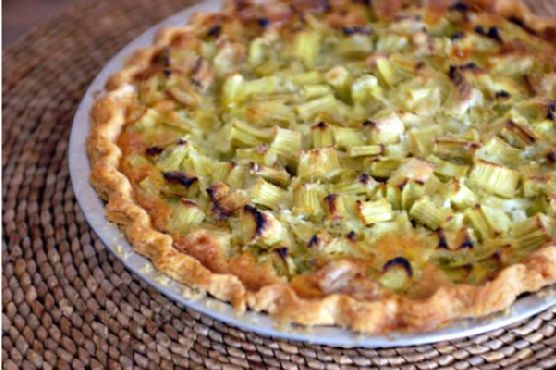
Delicious Rhubarb Custard Pie | Made by Meaghan Moineau

Delicious Rhubarb Custard Pie

Intro

There’s something magical about the smell of a freshly baked pie wafting through the house. It takes me back to my grandmother’s cozy kitchen, where I spent countless Sundays as a child. My grandmother always had a pie cooling on the windowsill, and her rhubarb custard pie was a family favorite. The tangy rhubarb paired with the creamy custard is a match made in dessert heaven. Today, I’m thrilled to share this timeless recipe with you, hoping it brings as much joy to your table as it has to mine.

Why You’ll Love It

This rhubarb custard pie is a delightful combination of flavors and textures. The tartness of the rhubarb perfectly balances the sweetness of the custard, and the buttery crust adds a lovely crunch. It’s a simple yet elegant dessert that’s perfect for any occasion, whether it’s a family gathering or a potluck with friends. Plus, it’s a great way to use up that rhubarb from your garden or local farmers’ market. You’ll love how easy it is to make, and your guests will love how delicious it tastes.

Ingredients

  • 1 pre-baked pie crust
  • 3 cups raw rhubarb, chopped
  • 1 cup sugar
  • 3 tablespoons all-purpose flour
  • 1/2 teaspoon nutmeg
  • 1/4 teaspoon salt
  • 3 large eggs, beaten
  • 1/4 cup butter, melted

Instructions

  1. Preheat your oven to 400°F (220°C).
  2. In a large bowl, combine the chopped rhubarb, sugar, flour, nutmeg, and salt. Mix well until the rhubarb is evenly coated.
  3. Pour the rhubarb mixture into the pre-baked pie crust, spreading it out evenly.
  4. Beat the eggs in a separate bowl until well combined, then pour them over the rhubarb mixture in the pie crust.
  5. Drizzle the melted butter evenly over the top of the pie to add richness and flavor.
  6. Make sure all the rhubarb is covered with the egg and butter mixture, pressing down gently if needed.
  7. Cover the edges of the pie crust with aluminum foil to prevent them from over-browning.
  8. Bake the pie in the preheated oven for 50 minutes, or until the custard is set and the top is golden brown.
  9. Allow the pie to cool on a wire rack before serving. This will help the custard firm up, making it easier to slice.

Tips

For the best results, use fresh rhubarb that’s firm and brightly colored. If your rhubarb is particularly tart, you can adjust the sugar to suit your taste. To prevent a soggy bottom crust, make sure your pie crust is fully baked before adding the filling. If you find that your pie is browning too quickly, you can tent a piece of foil over the top to slow down the browning process.

Variations & Substitutions

If you’re looking to mix things up, consider adding a teaspoon of vanilla extract or a pinch of cinnamon to the custard mixture for a different flavor profile. You can also substitute half of the rhubarb with strawberries for a classic strawberry-rhubarb combination. For a gluten-free version, use a gluten-free pie crust and substitute the all-purpose flour with a gluten-free flour blend.

Storage

This pie is best enjoyed fresh, but it can be stored in the refrigerator for up to three days. Simply cover the pie with plastic wrap or aluminum foil to keep it fresh. If you want to freeze the pie, wrap it tightly in plastic wrap and foil, and store it in the freezer for up to two months. Thaw it in the refrigerator overnight before serving.

FAQ

Can I use frozen rhubarb instead of fresh?

Yes, you can use frozen rhubarb if fresh is not available. Just make sure to thaw it completely and drain any excess liquid before using it in the pie to prevent a watery filling.

How can I tell when the pie is done?

The pie is done when the custard is set in the center and the top is lightly browned. You can gently jiggle the pie; if the center is firm and doesn’t wobble, it’s ready. If using a thermometer, the internal temperature of the custard should be around 180°F (82°C).

Can I make this pie ahead of time?

Yes, you can make the pie a day in advance. Once baked and cooled, cover it with plastic wrap and store it in the refrigerator. This allows the flavors to meld together, making it even more delicious.

Nutrition

This rhubarb custard pie is a delightful treat, but it is indulgent. Each slice contains approximately 300 calories, 15 grams of fat, 40 grams of carbohydrates, and 5 grams of protein. Enjoy it in moderation as part of a balanced diet.

Conclusion

There you have it, a delightful rhubarb custard pie that’s sure to be a hit at your next gathering. Whether you’re a rhubarb lover or new to this unique ingredient, this pie is a fantastic way to enjoy its distinctive flavor. I hope this recipe brings a touch of nostalgia to your home and becomes a cherished favorite. Happy baking!

Related update: Delicious Rhubarb Custard Pie

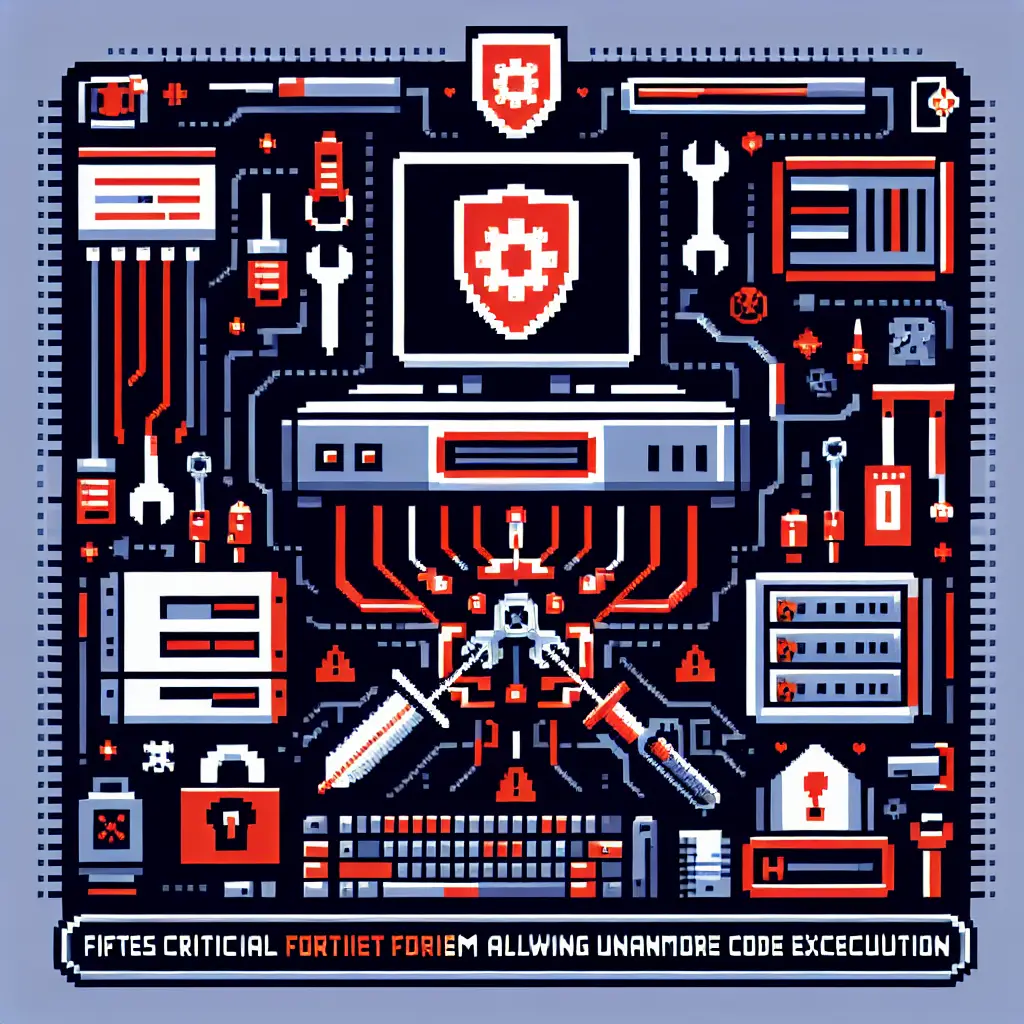
FortiSIEM RCE Fixes Critical SIEM Risk | Analysis by Brian Moineau

When your SIEM becomes the attacker's foothold: Fortinet patches a dangerous FortiSIEM flaw

The idea that your security operations center could be quietly turned against you is the stuff of nightmares — and, this week, reality. Fortinet released fixes after a critical vulnerability in FortiSIEM (tracked as CVE-2025-64155) was disclosed that lets unauthenticated attackers run commands on vulnerable appliances by abusing the phMonitor service. That’s not just an issue for one box; compromise can silence logging, tamper alerts, and become a springboard for lateral movement across an organization.

Why this matters right now

  • FortiSIEM sits at the heart of many enterprises’ detection and response tooling. If attackers gain root on those appliances, defenders lose both visibility and control.
  • The flaw is an OS command injection in phMonitor (the internal TCP service that listens on port 7900) that allows unauthenticated argument injection, arbitrary file writes and ultimately remote code execution as an administrative/root user.
  • A public proof-of-concept and exploit activity have been reported, raising the urgency for operators to act quickly.

What happened (quick timeline)

  • The vulnerability CVE-2025-64155 was publicly recorded in January 2026 after coordinated research and disclosure.
  • Researchers at Horizon3.ai detailed how the phMonitor service accepts crafted TCP requests that lead to command injection and file overwrite escalation, allowing full appliance compromise. (horizon3.ai)
  • Fortinet published fixes and guidance; vendors and CERTs pushed immediate mitigation advice. The NVD entry documents the affected releases and the OS command injection nature of the flaw. (nvd.nist.gov)

Affected products and where the fix is

  • A wide range of FortiSIEM releases are affected across multiple branches (6.7.x, 7.0.x, 7.1.x, 7.2.x, 7.3.x, and 7.4.0). Some newer branches (e.g., FortiSIEM 7.5 and FortiSIEM Cloud) are not affected. Exact affected versions and fixed builds are listed in Fortinet advisories; administrators should consult vendor notes for their exact build numbers. (horizon3.ai)

Immediate actions for defenders

  • Patch immediately.
    • Apply the Fortinet fixed builds for your FortiSIEM branch as published in the vendor advisory. Patching is the only reliable fix.
  • If you cannot patch right away, restrict network access.
    • Block or firewall TCP port 7900 (phMonitor) at the perimeter and between network segments so only trusted internal hosts or specific management IPs can reach it.
  • Hunt and validate.
    • Search for unexpected changes on FortiSIEM appliances (new files, altered binaries, unusual cron jobs, disabled logging).
    • Review network logs for inbound connections to port 7900 from Internet sources or unexpected internal hosts.
  • Assume potential compromise if your appliance was exposed prior to patching.
    • FortiSIEM compromise can mean attackers have tampered with logs and alerts; treat affected systems as high-risk and perform a full incident response (forensic imaging, integrity checks, and rebuilds where necessary).

Why phMonitor flaws keep resurfacing

phMonitor is a useful internal service — it coordinates discovery, health checks, and sync tasks — but that convenience comes with risk if it accepts unauthenticated, unchecked input. Over multiple disclosure cycles, researchers have found different handlers and helper scripts that trust external input. When a security product exposes internal control channels to the network, it increases the attack surface of the defender's infrastructure. The lesson is blunt: secure-by-default services and strict input sanitization are non-negotiable in security appliances.

Practical defender checklist

  • Confirm FortiSIEM version(s) in your environment.
  • Cross-check against Fortinet published fixed-build versions and apply patches.
  • Immediately block TCP/7900 from untrusted networks; document any exceptions.
  • Run integrity checks and look for indicators of unauthorized file writes and scheduled tasks.
  • Rebuild appliances if you discover evidence of exploitation (compromise of a SIEM is high-risk).
  • Review network segmentation and make sure management interfaces and internal services are not exposed to broad networks.

What this says about vendor security

This incident is a reminder that the software defending us must itself be held to rigorous standards. Vendors need secure defaults (services bound to localhost unless explicitly required), least-privilege internal APIs, continuous fuzzing/input validation, and faster transparent communication about exposure indicators. At the same time, customers should reduce exposure of management and internal services, assume compromise where appliances were internet-reachable, and treat security infrastructure as high-value assets requiring extra hardening.

My take

A SIEM’s compromise flips the security model: tools meant to detect threats can become cover for them. CVE-2025-64155 is a textbook example of how powerful and dangerous a single injection bug can be when it lives inside a security product. Patch quickly, tighten access to internal services, and treat exposure as a severe incident — because it is.

Sources

Hot Artichoke Crab Dip | Made by Meaghan Moineau

Hot Artichoke Crab Dip

Intro

There’s something magical about the aroma of a bubbling hot dip wafting through the house, heralding the arrival of friends and family. This Hot Artichoke Crab Dip recipe holds a special place in my heart, as it takes me back to countless family gatherings where laughter echoed through the rooms and the dip was the star of every appetizer table. I vividly remember my grandmother bringing out her signature dish, the sizzling crusty top crackling as it emerged from the oven. We all gathered around, eagerly dipping our bread into the creamy delight. Today, I continue the tradition, serving this decadent dip at every opportunity, and it never fails to delight!

Why You’ll Love It

This Hot Artichoke Crab Dip is not only easy to make but also irresistibly delicious. It’s creamy, cheesy, and loaded with chunks of artichoke and imitation crab, creating a symphony of flavors that captivate your taste buds. Whether you’re hosting a party or simply seeking comfort food, this dip is a crowd-pleaser that will have everyone coming back for more.

Ingredients

  • 1 cup mayonnaise
  • 1 cup sour cream
  • 1 cup shredded fresh parmesan cheese
  • 8 oz cream cheese, softened
  • 2 cloves garlic, minced
  • 1 small onion, finely chopped
  • 1 can (14 oz) artichoke hearts, drained and chopped
  • 8 oz fresh imitation crab meat, chopped

Instructions

  1. Preheat your oven to 350°F (175°C).
  2. In a microwave-safe bowl, soften the cream cheese for about 30 seconds in the microwave.
  3. Add mayonnaise, sour cream, parmesan cheese, minced garlic, chopped onion, artichoke hearts, and imitation crab meat to the softened cream cheese.
  4. Mix all the ingredients well until thoroughly combined.
  5. Transfer the mixture into a baking dish and spread it evenly.
  6. Bake in the preheated oven for 25-30 minutes, or until the top is golden and bubbly.
  7. Remove from the oven and let it cool slightly before serving.
  8. Serve with sliced baguette, crackers, or fresh vegetables. Enjoy!

Tips

  • Ensure the cream cheese is at room temperature before mixing; this helps in achieving a smooth consistency.
  • For an extra crispy top, consider sprinkling some additional parmesan cheese on top before baking.
  • If you prefer a spicier kick, add a pinch of red pepper flakes to the mixture.

Variations & Substitutions

If you’re feeling adventurous or need to accommodate dietary preferences, here are some suggestions:

  • Seafood Swap: Substitute imitation crab with real crab meat for a more authentic seafood flavor.
  • Cheese Variations: Try using a blend of cheeses like mozzarella or cheddar for a different flavor profile.
  • Vegan Option: Use vegan mayonnaise, cream cheese, and cheese substitutes along with artichoke and a plant-based protein like jackfruit.

Storage

Leftovers (if there are any!) can be stored in an airtight container in the refrigerator for up to 3 days. To reheat, simply place the dip back into the oven at 350°F until warmed through, or use a microwave for a quicker option.

FAQ

Can I make this dip ahead of time?

Absolutely! You can prepare the dip up to a day in advance. Simply mix all the ingredients and store in the fridge until you’re ready to bake. This makes it a convenient option for busy days or when hosting a gathering.

Can I freeze the dip?

While it’s possible to freeze this dip, dairy-based dips often change texture when frozen and reheated. If you choose to freeze, ensure it’s well-protected in an airtight container and plan to use it within a month for best results.

What can I use instead of imitation crab?

If you’re not a fan of imitation crab, feel free to use cooked, shredded real crab meat. Alternatively, shrimp or even cooked chicken could be interesting substitutes for a different twist.

Nutrition

While I don’t have exact nutritional data for this recipe, it’s worth noting that this dip is rich and indulgent. It’s best enjoyed in moderation, especially if you’re watching your calorie or fat intake. Consider pairing it with fresh veggies instead of bread for a lighter option.

Conclusion

The Hot Artichoke Crab Dip is more than just a dish; it’s a cherished tradition, a conversation starter, and a testament to the joy of sharing food with loved ones. Whether you’re reviving old memories or creating new ones, this warm, creamy, and flavorful dip is guaranteed to make your gatherings extra special. I hope you enjoy making and savoring it as much as I do. Happy dipping!

Related update: Hot Artichoke Crab Dip

Related update: Eggplant pizzette

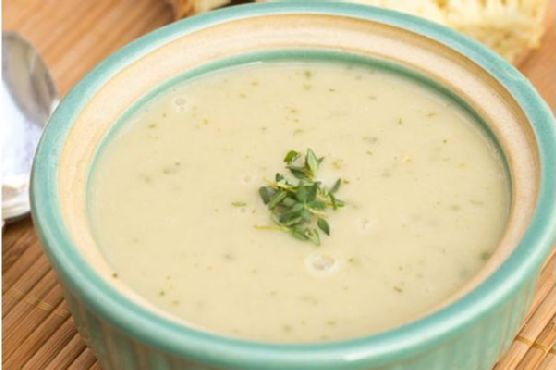
Simply Bean Soup | Made by Meaghan Moineau

Simply Bean Soup

Intro

As the chilly winds of fall start to whisper through the trees, there’s nothing quite like the comfort of a hearty bowl of soup to warm the soul. Growing up, my grandmother’s kitchen was always filled with the comforting aroma of simmering soups. One of her specialties was a classic bean soup, a recipe passed down through generations. I remember sitting at her wooden kitchen table, watching her skillfully combine simple ingredients to create something magical. Her secret wasn’t just in the ingredients but in the love she folded into every pot. This Simply Bean Soup is my tribute to those cherished moments, a dish that’s both nostalgic and nourishing.

Why You’ll Love It

This Simply Bean Soup is a delightful blend of simplicity and flavor. It’s perfect for those who appreciate the humble yet hearty nature of beans, elevated by the aromatic freshness of herbs. You’ll love it because it’s:

  • Easy to Make: With just a few steps, you can have a delicious meal ready in no time.
  • Nutritious: Packed with proteins and fibers, this soup is a wholesome option for anyone looking to eat healthy.
  • Comforting: A warm hug in a bowl, it’s perfect for cozy nights at home.
  • Customizable: You can easily adapt it to suit your taste preferences and dietary needs.

Ingredients

  • 2 tablespoons butter
  • 1 onion, chopped
  • 3 cloves garlic, minced
  • 3 15-oz. cans white beans, drained and rinsed
  • 2 tablespoons fresh basil, chopped
  • 1 tablespoon fresh rosemary, chopped
  • 1 tablespoon fresh thyme, chopped
  • 1/2 cup white wine
  • 4 cups chicken broth
  • 2 tablespoons sherry
  • Salt and pepper to taste

Instructions

  1. Melt the butter in a large pan over medium heat.
  2. Add the chopped onion and minced garlic to the pan. Cook for 2 to 3 minutes until the onion is translucent and the garlic is fragrant.
  3. Stir in the drained and rinsed white beans along with the fresh basil, rosemary, and thyme.
  4. Pour in the white wine and chicken broth. Allow the mixture to come to a gentle simmer.
  5. Reduce the heat to medium-low and let it cook for another 10 minutes.
  6. Using an immersion blender, blend the soup to your desired consistency. Alternatively, you can blend it in batches using a countertop blender.
  7. Stir in the sherry and season the soup with salt and pepper to taste.
  8. Serve hot, garnished with additional fresh herbs if desired.

Tips

  • Onion and Garlic: Make sure not to burn the garlic, as it can turn bitter. Stir frequently while cooking.
  • Wine Choice: Use a dry white wine for a more balanced flavor. If you prefer not to use alcohol, you can substitute with extra broth or a bit of apple cider vinegar for acidity.
  • Blending: Be cautious when blending hot liquids. If using a countertop blender, allow the soup to cool slightly and blend in small batches.

Variations & Substitutions

  • Vegetarian Version: Substitute the chicken broth with vegetable broth to make it vegetarian-friendly.
  • Bean Variety: Feel free to use other types of beans like cannellini or navy beans for a different texture and flavor.
  • Spicy Twist: Add a pinch of red pepper flakes or a dash of hot sauce for a spicy kick.

Storage

To store any leftovers, allow the soup to cool completely before transferring it to an airtight container. It can be refrigerated for up to 3 days. For longer storage, freeze it in a freezer-safe container for up to 2 months. When ready to enjoy, thaw overnight in the refrigerator and reheat on the stove over low heat, stirring occasionally.

FAQ

Can I use dried beans instead of canned?

Yes, you can use dried beans, but they will require a bit more preparation. You’ll need to soak them overnight and cook them until tender before adding them to the soup. This will add additional time to the recipe but can enhance the flavor and texture of the soup.

What can I use instead of sherry?

If you don’t have sherry on hand, or prefer not to use it, you can substitute it with an equal amount of apple cider vinegar or omit it altogether. The sherry adds a depth of flavor, but the soup will still be delicious without it.

How do I make this soup thicker?

If you prefer a thicker soup, you can either reduce the amount of broth or add a peeled and diced potato to the soup as it simmers. Blending the potato along with the beans will create a thicker consistency.

Nutrition

This Simply Bean Soup is not only delicious but also packed with nutrients. Beans are an excellent source of protein and fiber, which help keep you full and satisfied. The fresh herbs provide antioxidants, and using chicken broth adds a dose of vitamins and minerals. It’s a wholesome meal that fits well into a balanced diet.

Conclusion

Simply Bean Soup is more than just a meal; it’s a comforting homage to family traditions and the simple pleasures of life. Whether you’re looking for a quick weeknight dinner or something to savor on a leisurely afternoon, this soup fits the bill. It’s a recipe that invites you to gather around the table, share stories, and create memories with those you love. So, grab your apron, fire up the stove, and let this heartwarming soup fill your home with its inviting aroma. Enjoy every spoonful, and perhaps, make it a tradition of your own.

Related update: Simply Bean Soup

Related update: Chorizo and Beef Quinoa Stuffed Pepper

Steelers’ Next Coach: Continuity or Reset | Analysis by Brian Moineau

The end of an era and the next play: who should the Steelers hire after Mike Tomlin?

The Rooney family just flipped the script on a franchise that has been startlingly stable for decades. Mike Tomlin’s decision to step down after 19 seasons — announced January 13, 2026 — suddenly makes the Pittsburgh Steelers one of the NFL’s rare open head-coaching jobs. If you love Steelers football, this feels like both a hinge moment and a déjà vu: rare, risky and full of possibility.

Why this matters: the Steelers haven’t hired a new head coach since 2007, and they’ve had only three head coaching transitions in nearly six decades. The choice now will say a lot about whether Pittsburgh wants continuity, a reset, or a blend of the two.

What follows is a readable guide to the candidate types being discussed, the priorities the front office should weigh, the hazards involved, and my take on the smartest direction for the franchise.

Quick snapshot of the situation

  • Mike Tomlin stepped down on January 13, 2026 after 19 seasons and a Super Bowl title; the Steelers begin their first coaching search since 2007. (reuters.com)
  • Because Tomlin resigned while still under contract, Pittsburgh retains his rights and could receive compensation if he returns to coaching before his contract ends. (reuters.com)
  • Early chatter around candidates centers on three broad types: young NFL assistants, seasoned coordinators and familiar AFC North names who know the division’s DNA. (steelersdepot.com)

Why this hires matters more than a typical offseason move

  • Stability is part of Pittsburgh’s brand. The Rooney family runs an organization that historically values continuity, identity and culture. Replacing a 19-year steward is not a cosmetic swap — it’s a cultural inflection point.
  • Roster reality will shape the pick. The Steelers have defensive stars, cap considerations, and quarterback uncertainty. Whoever gets the job must balance short-term competitiveness and the longer rebuild or retooling that might be necessary.
  • Optics and fit matter in Pittsburgh. Ownership wants a coach who matches the city’s gritty identity and can navigate a passionate fanbase and demanding regional media.

The categories of candidates you’ll hear about

  • Young assistants and rising coordinators

    • Why they appeal: energy, modern schemes, player relatability and long runway. Pittsburgh fans remember the impact of Cowher and Tomlin — both hires aimed at injecting youth and edge. Names like promising defensive coordinators or scheming NFL assistants fit this mold. (steelersdepot.com)
    • Upside: potential franchise-altering leadership, new ideas, ability to connect with younger players.
    • Risk: inexperience managing staff, game-day choices and heavy media scrutiny.
  • Established coordinators and former head coaches

    • Why they appeal: experience running game plans, staff management and in-season problem solving.
    • Upside: less of a learning curve and greater predictability in Year One.
    • Risk: potential lack of long-term ceiling or resistance to adapt to Pittsburgh’s specific roster needs.
  • AFC North or regional familiar faces

    • Why they appeal: knowledge of divisional rivals, familiarity with the terroir of the league’s toughest division and what it takes to win here.
    • Upside: hit-the-ground-running advantage and credibility in the rivalry-heavy environment.
    • Risk: baggage from previous rivalries, and sometimes lineage doesn’t translate to organizational chemistry.

What the Steelers should prioritize when they interview candidates

  • Vision for the quarterback position
    • The Steelers’ quarterback future is crucial. The coach must present a realistic plan for either developing a young QB or maximizing an experienced one — and be honest about timelines.
  • Defensive identity plus adaptability
    • Pittsburgh’s identity has been defense-first for decades. New leadership should preserve a hard-nosed approach while being flexible schematically to modern offenses.
  • Culture and player development
    • The Rooney family and front office like culture-fit hires. Priority should be placed on a coach who develops talent and communicates well with veterans and rookies alike.
  • Staff-building ability
    • Hiring the right assistants will be as important as the head coach. Look for candidates who can attract quality coordinators and retain key position coaches.
  • Ownership relationship and patience
    • This franchise historically allows its coach time to build. The ideal hire respects that timeline while promising progress and accountability.

Potential pitfalls the Steelers must avoid

  • Chasing a headline name over fit
    • It’s easy to get swept up in media favorites and betting odds. Fit matters more than flash.
  • Overvaluing short-term results
    • A hire made to “win now” without a sustainable plan could backfire, leaving the team in limbo for seasons.
  • Ignoring staff/room continuity
    • Wholesale staff turnover can destabilize roster development. Preserve useful institutional knowledge where possible.

Timeline and process realities

  • Expect a concentrated interview cycle. With Tomlin leaving mid-January, the Steelers and rival teams will move quickly during the coaching carousel, conducting multiple interviews and weighing college and NFL candidates alike. (reuters.com)
  • Because Tomlin is under contract, teams considering him would need to negotiate with Pittsburgh; for the Steelers, that preserves leverage and continuity options if Tomlin changes his mind.

Who’s being talked about (illustrative, not exhaustive)

  • Young defensive coordinators and assistants linked to modern, aggressive defenses.
  • Established coordinators with strong track records in run-defense and pass-rush scheming.
  • College coaches with ties to the region or a track record of developing pro-style systems.
  • Local and AFC North-connected names who know the division’s temper and rivalries. (steelersdepot.com)

My take

Pittsburgh should favor a coach who blends the best parts of Tomlin’s tenure — cultural steadiness, competitive toughness and player-first leadership — while bringing fresh schematic ideas. That means:

  • Prioritize candidates who can show both a clear plan for the quarterback situation and a defensively sound, flexible philosophy.
  • Lean toward a leader who has a record of developing coaches and players rather than someone who demands a roster makeover out of the gate.
  • Be unafraid to take a calculated risk on a younger coordinator if he shows concrete leadership experience, or choose a seasoned coordinator who embraces a multi-year building plan.

This is a rare kind of decision for a rare franchise. The right hire won’t just be about Xs and Os — it will define how the Steelers present themselves to a new era of NFL play and scrutiny.

Final thoughts

Change is uncomfortable, especially in a place where coaches become almost institutional. But transitions are also opportunities to sharpen identity and correct course. Whoever the Rooneys and Omar Khan pick will inherit a proud roster, a tough division and a fanbase that expects grit. The smartest hire will be the one that balances Pittsburgh’s legacy with a credible roadmap for the next five years.

Sources


Related update: We recently published an article that expands on this topic: read the latest post.