OpenAIs 2026 Device: AI Goes Physical | Analysis by Brian Moineau

OpenAI’s Hardware Play: Why a 2026 Device Could Change How We Live with AI

A little of the future just walked onto the stage: OpenAI says its first consumer device is on track for the second half of 2026. That short sentence—uttered by Chris Lehane at an Axios event in Davos—does more than announce a product timeline. It signals a strategic shift for the company that built ChatGPT: from cloud‑first software maker to contender in the messy, expensive world of physical consumer hardware.

The hook

Imagine an always‑available, pocketable AI that understands context instead of just answering queries—a device designed by creative minds who shaped the modern smartphone look and feel. That’s the ambition flying around today. It’s tantalizing, but it also raises familiar questions: privacy, battery life, compute costs, and whether consumers really want yet another connected gadget.

What we know so far

  • OpenAI’s timeline: executives have told reporters they’re “looking at” unveiling a device in the latter part of 2026. More concrete plans and specs will be revealed later in the year. (Axios) (axios.com)
  • Design pedigree: OpenAI’s hardware push follows its acquisition/partnerships with design talent associated with Jony Ive (the former Apple design chief), suggesting a heavy emphasis on industrial design and user experience. (axios.com)
  • Rumors and supply chain signals: reporting from suppliers and industry outlets has pointed to small, possibly screenless form factors (wearable or pocketable), engagement with Apple‑era suppliers, and various prototypes from earbuds to pin‑style devices. Timelines in some reports stretch into late 2026 or 2027 depending on hurdles. (tomshardware.com)

Why this matters beyond a new gadget

  • Productization of advanced LLMs: Turning a model into a responsive, always‑on product requires different engineering priorities—latency, offline inference, secure context retention, and efficient wake‑word detection. A working device would be one of the first mainstream bridges between large multimodal models and daily, ambient interactions.
  • Platform power and partnerships: If OpenAI ships hardware, it won’t just sell a device—it will create another platform for models, apps, and integrations. That has implications for existing tech partnerships (including those with cloud providers and phone makers) and competition with companies that already own both hardware and ecosystems.
  • Design as differentiation: Pairing top‑tier AI with high‑end design could reshape expectations. People tolerated clunky early smart speakers and prototypes; a device with compelling industrial design and thoughtful UX could accelerate adoption.
  • Privacy and regulation: An always‑listening, context‑aware device intensifies privacy scrutiny. How data is processed (on‑device vs. cloud), what’s retained, and how transparent the device is about listening will likely determine public and regulatory reception.

Opportunities and risks

  • Opportunities

    • More natural interaction: voice and ambient context could make AI feel less like a search box and more like a helpful companion.
    • New experiences: context memory and multimodal sensors (audio, possibly vision) could enable truly proactive assistive features.
    • Market differentiation: OpenAI’s brand and model strength, combined with great design, could attract buyers dissatisfied with current assistants.
  • Risks

    • Compute and cost: serving powerful models at scale (especially if interactions rely on cloud inference) could be prohibitively expensive or require compromises in performance.
    • Privacy backlash: always‑on sensors and context retention will invite scrutiny and could deter mainstream uptake unless privacy is baked in and clearly communicated.
    • Hardware pitfalls: manufacturing, supply chain, battery life, and durability are areas where software companies often stumble.
    • Ecosystem friction: device makers and platform owners may be wary of a third‑party assistant competing on their hardware.

What to watch in 2026

  • Concrete specs and pricing: Are we seeing a $99 companion device or a premium $299+ product? Price frames adoption potential.
  • Architecture choices: How much processing happens on device versus in the cloud? That will reveal tradeoffs OpenAI is willing to make on latency, cost, and privacy.
  • Integrations and partnerships: Will it be tightly integrated with phones/OSes, or positioned as a neutral companion that works across platforms?
  • Regulatory and privacy disclosures: Transparent, simple explanations of how data is used will be crucial to avoid regulatory headaches and consumer distrust.

A few comparisons to keep in mind

  • Humane AI Pin and Rabbit R1 showed the appetite—and the pitfalls—for new form factors that try to shift interactions away from phones. OpenAI has stronger model tech and deeper user familiarity with ChatGPT, but hardware execution is a new test.
  • Apple, Google, Amazon: each company already mixes hardware, software, and cloud in distinct ways. OpenAI’s entrance could disrupt how voice and ambient assistants are designed and monetized.

My take

This isn’t just another gadget announcement. If OpenAI ships a polished, privacy‑conscious device that leverages its models intelligently, it could nudge the market toward more ambient AI experiences—where the interaction model is context and conversation, not tapping apps. But the company faces steep non‑AI challenges: supply chains, cost control, battery engineering, and the thorny politics of always‑listening products. Success will depend less on model size and more on product judgment: what to process locally, what to ask the cloud, and how to earn user trust.

Sources

Final thoughts

We’re at an inflection point: combining the conversational strengths of modern LLMs with thoughtful hardware could make AI feel like a native part of daily life instead of an app you visit. That’s exciting—but the real test will be whether OpenAI can translate AI brilliance into a device people actually want to live with. The second half of 2026 may give us the answer.


Related update: We recently published an article that expands on this topic: read the latest post.


Related update: We recently published an article that expands on this topic: read the latest post.

Related update: We recently published an article that expands on this topic: read the latest post.

Creamy White Chili | Made by Meaghan Moineau

Creamy White Chili

Intro

There’s something magical about the blend of flavors in a warm, hearty bowl of chili. Growing up, my family had a tradition of making this Creamy White Chili every year as the leaves began to turn and the air became crisp. The kitchen would be filled with the comforting aroma of onions and garlic, mingling with the richness of chicken and the subtle heat of green chilies. I remember sitting by the window, watching the golden leaves dance in the breeze, while eagerly waiting for dinner to be served. This recipe is more than just a meal; it’s a cherished memory that I now get to share with you.

Why You’ll Love It

This Creamy White Chili is perfect for those who crave a comforting, flavorful meal with a touch of nostalgia. It’s a refreshing take on traditional chili, featuring tender chicken, creamy textures, and a delightful medley of spices. Whether you’re hosting a cozy dinner party or simply looking for a satisfying weeknight meal, this chili is sure to become a favorite in your household. The best part? It’s simple to make and can be ready in just under an hour.

Ingredients

  • Black pepper
  • Canned great northern beans
  • Chicken (cubed)
  • Canned chicken broth
  • Cumin
  • Garlic (minced)
  • Canned green chilies
  • Heavy whipping cream
  • Olive oil
  • Onion (chopped)
  • Oregano
  • Salt
  • Shredded cheddar cheese
  • Sour cream

Instructions

  1. In a heavy saucepan, sauté the chicken, onion, and garlic in olive oil over medium heat until the chicken is cooked through and the onion is translucent.
  2. Add the chicken broth, great northern beans, green chilies, cumin, oregano, salt, and black pepper to the pan.
  3. Reduce the heat to low and let the mixture simmer for 20 minutes, allowing the flavors to meld together.
  4. Remove the pan from heat and stir in the sour cream and heavy whipping cream until the chili is smooth and creamy.
  5. Serve hot, topped with shredded cheddar cheese for an extra layer of richness.

Tips

For the best results, use fresh chicken and quality canned beans. Adjust the level of heat by varying the amount of green chilies or adding a pinch of cayenne pepper for extra spice. Be sure to simmer the chili gently to avoid curdling the cream.

Variations & Substitutions

Feel free to make this recipe your own by trying different variations. You can substitute turkey for chicken, or use a mix of different beans such as cannellini or navy beans. For a vegetarian version, omit the chicken and use vegetable broth instead of chicken broth. Add extra vegetables like bell peppers or corn for added texture and flavor.

Storage

Store any leftover chili in an airtight container in the refrigerator for up to 3 days. To reheat, warm gently on the stove over low heat, stirring occasionally. For longer storage, freeze the chili in a freezer-safe container for up to 3 months. Thaw overnight in the refrigerator before reheating.

FAQ

Can I make this chili in a slow cooker?

Absolutely! To make this chili in a slow cooker, sauté the chicken, onion, and garlic as directed, then transfer to the slow cooker along with the rest of the ingredients except for the creams and cheese. Cook on low for 4-6 hours, then stir in the sour cream and heavy whipping cream before serving.

How can I make this dish spicier?

If you prefer a spicier chili, consider adding some diced jalapeños or a few dashes of hot sauce. You can also increase the amount of green chilies or experiment with different types of chili peppers to achieve your desired level of heat.

Is there a lighter version of this recipe?

For a lighter version, use reduced-fat sour cream and cream, or substitute with Greek yogurt for a healthier alternative. You can also use skinless chicken breast to reduce fat content while keeping the flavor intact.

Nutrition

While nutritional values can vary based on specific ingredients and portion sizes, this Creamy White Chili is rich in protein and calcium, thanks to the chicken and cheese. It also provides a good amount of fiber from the beans. For those watching their intake, opt for reduced-fat dairy options to lower the calorie and fat content.

Conclusion

This Creamy White Chili is a heartwarming dish that brings together the best of comfort food with a unique twist. Whether you’re revisiting a cherished family tradition or creating new memories, this recipe promises to deliver warmth and satisfaction with every spoonful. We hope you enjoy making and sharing it as much as we do. Happy cooking!

Related update: Creamy White Chili

Related update: Blue Cheese and Mushroom Turkey Burger

Related update: Caribbean black bean and sweet potato soup

Swiatek’s Rocky Start to Australian Open | Analysis by Brian Moineau

Iga Swiatek’s Melbourne wobble: a career-Grand-Slam bid that started rough, not broken

The first night lights at Rod Laver Arena are rarely kind to favorites who aren’t firing on all cylinders. Iga Swiatek — a player already with six majors on her résumé and the elusive Australian Open waiting to complete a career Grand Slam — survived more than scraped through on Day 2, edging Chinese qualifier Yuan Yue 7-6(5), 6-3 on 19 January 2026. It wasn’t the statement win many expected. But neither was it a collapse. What we saw was a champion reminded that the long road to a title can begin with a bumpy step.

The match, in three telling moments

  • Yuan Yue served for the first set at 5-4 and generally played like someone who belonged on the big stage — aggressive, fearless and extending rallies that exposed Swiatek’s early rust.
  • Swiatek’s backhand came to the rescue at the key moments: a clutch inside-out winner late in the set and decisive winners in the tiebreak kept Yuan from pulling off a shock.
  • After a wobble that included three breaks conceded and a worrying 30+ unforced errors in some reports, Swiatek opened the second set with a 3-0 lead and eventually closed it out — but not without Yuan saving match point and showing grit before finally giving way.

Why this matters beyond a first-round scoreline

  • A career Grand Slam is a rare and heavy objective. Winning Roland-Garros, Wimbledon and the US Open already proves Swiatek’s surface versatility; Melbourne, however, has its own demands — different bounce, climate, and a field where early-season form can vary wildly.
  • The scoreline (7-6, 6-3) masks the effort required. Qualifiers like Yuan often arrive battle-hardened and low-pressure; they can be dangerous early, especially if a top seed hasn’t yet hit match speed.
  • For Swiatek, the match was diagnostic: it revealed issues to tidy up (first-set starts, unforced errors under pressure) but also confirmed strengths to rely on (a heavy, accurate backhand and mental spine in clutch moments).

What the numbers and coverage say

  • Match stats reported across outlets show Swiatek finished with a clear winners count but also an unusually high number of unforced errors for her standards — a classic sign of timing problems more than tactical failure.
  • Multiple reputable reports (WTA, Reuters, AP and others) highlighted the same narrative: a scare in set one, late composure, and plenty to work on for the weeks ahead. The consistent takeaway across these outlets is that Swiatek did what champions do: find a way to win even on an off night. (wtatennis.com)

What fans and pundits are likely thinking

  • Expect patience from the Swiatek camp. She’s beaten top opponents on all surfaces, and an opening match like this at a Grand Slam is not unprecedented even for eventual champions.
  • Opponents will notice vulnerabilities they might try to exploit: early momentum swings, timing against deep hitters, and pressure points when Swiatek is not yet in rhythm.
  • Yet the clinical backhand under pressure and the ability to close out tight moments remind us that Swiatek still has the tools necessary to go deep in Melbourne.

How this shapes the rest of her Australian Open

  • Short term: Swiatek’s second-round draw (Marie Bouzková) offers a chance to sharpen match feet without an immediate return to the furnace of a top-10 heavyweight.
  • Medium term: If she tightens up early-set starts and reduces unforced errors, the rest of the draw should be manageable. If not, Melbourne’s long days and varied opponents could create more slips.
  • Long term: One scrappy match doesn’t rewrite a career — but patterns can. Coaches and analysts will watch whether this was a one-off rustiness or the beginning of a form dip that needs tactical or physical correction.

A few micro-lessons from Rod Laver Arena

  • Qualifiers are dangerous: ranking is context-dependent; match tennis and momentum matter.
  • Big-match composure counts: Swiatek’s backhand and ability to play the big point saved her here.
  • Early-season tournaments can produce deceptive scorelines: close wins can hide problems, and straight-set losses can mask resurgence.

What I’m watching next

  • How Swiatek manages her serve percentage and second-serve points won — improving those would make her much harder to pressure early.
  • Whether she cuts down the unforced errors without sacrificing the winners that define her game.
  • The timing: does she find a groove quickly against Bouzková, or will we see more scratched paint before she really starts firing?

Final thoughts

This was not the masterclass some expected from a player hunting career completeness, but it was a useful reminder: champions don’t always dominate — sometimes they survive and learn. Swiatek left Melbourne with a win and a highlight reel of clutch backhands. More importantly, she left with a to-do list. If she treats this opening night as a reset rather than a warning bell, her grand-slam ambitions remain alive — and perhaps sharper for having weathered the storm.

Sources

(Note: match played 19 January 2026; cited reports published 19–20 January 2026.)


Related update: We recently published an article that expands on this topic: read the latest post.


Related update: We recently published an article that expands on this topic: read the latest post.

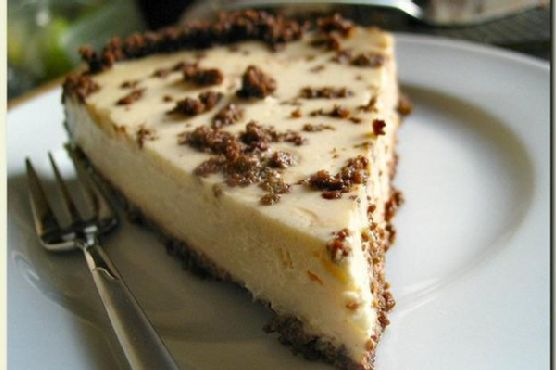
Dulce De Leche Cheesecake | Made by Meaghan Moineau

Dulce De Leche Cheesecake

Intro

There’s something magical about the moment when you take your first bite of a perfectly crafted cheesecake. For me, it brings back memories of sitting in my grandmother’s cozy kitchen, watching her create the most delightful desserts with her loving touch. Her signature Dulce De Leche Cheesecake was always a family favorite, and I’m thrilled to share this cherished recipe with you. It’s a creamy, indulgent treat that will transport you to a place of warmth and sweetness.

Why You’ll Love It

This Dulce De Leche Cheesecake is the epitome of comfort and indulgence. The rich, creamy texture paired with the sweet, caramel-like flavor of dulce de leche creates an irresistible dessert experience. Whether you’re serving it at a dinner party or enjoying a slice with your afternoon coffee, this cheesecake is sure to impress.

  • The combination of almond cookie crust and luscious filling is a match made in heaven.
  • It’s a make-ahead dessert, perfect for entertaining or a special occasion.
  • The recipe is straightforward, making it accessible even for novice bakers.
  • Each bite offers a perfect balance of sweetness and tanginess, thanks to a hint of lemon.

Ingredients

  • 200g almond cookies, crushed
  • 2 tablespoons cornstarch
  • 400g Philadelphia balance cream cheese
  • 1 cup dulce de leche
  • 3 large eggs
  • 1 tablespoon lemon juice
  • 1 teaspoon lemon zest
  • 1/4 teaspoon salt
  • 1/2 cup sugar
  • 100g unsalted butter, melted
  • 1/2 cup plain yogurt

Instructions

  1. Preheat your oven to 165°C (330°F) and grease a 24cm springform pan.
  2. In a mixing bowl, toss the crushed almond cookies with the melted butter until well combined. Reserve 1 tablespoon of the mixture for the topping.
  3. Press the remaining mixture into the bottom and 3cm up the sides of the prepared springform pan. Chill in the refrigerator until ready to use.
  4. In a large mixing bowl, beat the cream cheese and sugar with an electric mixer on medium speed until smooth and creamy.
  5. Add the yogurt and eggs, one at a time, beating until just blended after each addition.
  6. Stir in the cornstarch, dulce de leche, lemon juice, and zest until everything is well combined.
  7. Pour the cream cheese mixture into the prepared crust, smoothing the top with a spatula.
  8. Sprinkle the reserved cookie crumbs over the top of the cheesecake.
  9. Place the cheesecake in a larger baking pan and fill the outer pan with hot water, about halfway up the side of the springform pan, to create a water bath.
  10. Bake for 65 minutes or until the edges are set but the center still jiggles slightly.
  11. Turn the oven off and leave the cheesecake in the oven with the door ajar for 1 hour to cool gradually.
  12. Remove the cheesecake from the oven and let it cool completely on a wire rack.
  13. Chill the cheesecake in the refrigerator for at least 4 hours or overnight until firm.

Tips

  • Ensure all ingredients are at room temperature for a smoother batter.
  • To prevent cracks, avoid overmixing the batter and ensure a gradual cooling process.
  • Use a water bath to maintain even baking and prevent the cheesecake from drying out.

Variations & Substitutions

  • Crust: Substitute almond cookies with graham crackers or digestive biscuits for a different flavor.
  • Dulce De Leche: Swap with caramel sauce if preferred, but note that the flavor profile will change slightly.
  • Yogurt: Greek yogurt or sour cream can be used as substitutes for a creamier texture.

Storage

Store any leftover cheesecake in the refrigerator, covered, for up to 5 days. For longer storage, wrap individual slices tightly in plastic wrap and place them in an airtight container in the freezer for up to 2 months. Thaw in the refrigerator before serving.

FAQ

Can I make this cheesecake ahead of time?

Absolutely! This cheesecake is perfect for making ahead. Prepare and chill it the day before serving to allow the flavors to meld beautifully.

What is the best way to slice the cheesecake?

To achieve clean slices, use a sharp knife dipped in hot water and wiped dry between cuts. This prevents the filling from sticking to the knife.

How can I tell when the cheesecake is done baking?

The cheesecake is done when the edges are set, and the center jiggles slightly when gently shaken. It will continue to firm up as it cools.

Nutrition

Each serving of Dulce De Leche Cheesecake offers a delightful combination of flavors with approximately 420 calories, 25g fat, 40g carbohydrates, and 8g protein. Enjoy this treat in moderation as part of a balanced diet.

Conclusion

This Dulce De Leche Cheesecake is more than just a dessert; it’s a piece of nostalgia and a testament to the joy of sharing sweet moments with loved ones. Whether you’re a seasoned baker or trying your hand at cheesecake for the first time, this recipe promises to deliver a delightful experience with every bite. Serve it with love, and watch as it becomes a cherished favorite in your home, just as it has in mine. Enjoy!

Related update: Dulce De Leche Cheesecake

Related update: Creamsicle Cookies

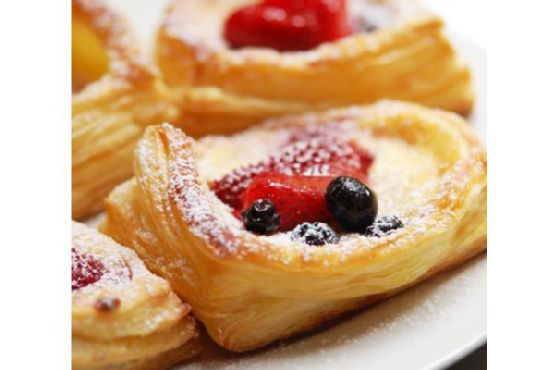
Berry & Ricotta Danishes | Made by Meaghan Moineau

Berry & Ricotta Danishes

Intro

There’s something truly magical about the smell of freshly baked pastries wafting through the kitchen. It transports me back to my grandmother’s cozy kitchen, where every Sunday morning was a celebration of buttery, flaky goodness. One of my fondest memories is watching her skillfully craft the most delightful pastries, her hands moving with the grace of years of practice. Today, I want to share a recipe inspired by those cherished mornings: Berry & Ricotta Danishes. These danishes are a perfect blend of creamy ricotta, vibrant berries, and the light, airy texture of puff pastry, making them an irresistible treat for any occasion.

Why You’ll Love It

This Berry & Ricotta Danishes recipe is a must-try for several reasons:

  • It’s quick and easy, perfect for beginners and seasoned bakers alike.
  • The combination of creamy ricotta and juicy berries is simply divine.
  • Each pastry is a beautiful, individual serving, making them perfect for entertaining guests.
  • The ingredients are versatile and can be adjusted based on what’s in season or your personal preferences.

Ingredients

  • Glaze
  • Poached berries
  • Blueberries
  • Egg yolk
  • Pastry
  • Flour
  • Icing sugar
  • Fresh lemon juice
  • Lemon zest
  • Puff pastry
  • Ricotta cheese
  • Strawberries
  • Castor sugar
  • Vanilla extract
  • Water

Instructions

  1. Place the berries in a saucepan over medium-low heat. Sprinkle on castor sugar and add water. Cover the saucepan with a lid and shake to coat the berries. Poach berries for about 5 minutes or until they soften but still retain their shape. Set aside to cool.
  2. Preheat the oven to 180°C (350°F).
  3. Make the ricotta filling by combining all ingredients in a mixing bowl. Mix well with a wooden spoon to thoroughly combine. Set aside.
  4. Prepare the glaze by mixing icing sugar and lemon juice together in a small bowl. Mix well and set aside.
  5. Remove the pastry from the refrigerator and place sheets on a clean, dry surface. Use a small, sharp knife to cut ten 8cm x 6cm (3″ x 2.5″) rectangles.
  6. Place 5 of the pastry rectangles on the lined baking sheet, ensuring there is space between them as they will expand. Lightly brush edges with a little water. These are your “pastry rectangle bases”.
  7. Cut smaller rectangles out of the remaining 5 pastry rectangles to create frames of about 1.5cm (1/2″) in width.
  8. Place the frames on top of the pastry bases on the baking sheet. Fill the middle of the frame with about 3-4 tablespoons of ricotta mixture. Top with several berries, reserving some for topping once the danishes are baked.
  9. Repeat the process with the remaining pastry frames. Place in the oven and bake for 15 to 18 minutes or until the pastry puffs up and is golden.
  10. Remove from the oven and cool on a wire rack. Top with remaining poached berries and sprinkle on a little icing sugar just before serving.

Tips

  • Ensure your puff pastry is cold when you begin working with it to help prevent sticking and ensure the best rise.
  • Use a sharp knife to cut the pastry for clean edges.
  • Don’t overfill the pastries to prevent them from spilling over while baking.

Variations & Substitutions

Feel free to get creative with this recipe! You can substitute the berries for other fruits such as peaches or apples, depending on the season. If you’d like a bit more sweetness, add a tablespoon of honey to the ricotta mixture. For a zestier flavor, include a teaspoon of lemon zest in the ricotta filling. If you prefer a more traditional pastry, try using cream cheese instead of ricotta.

Storage

These danishes are best enjoyed fresh but can be stored in an airtight container at room temperature for up to two days. If you plan to keep them longer, refrigerate for up to five days and warm them in the oven before serving.

FAQ

Can I use frozen berries for this recipe?

Yes, you can use frozen berries. Just make sure to thaw and drain them well before using to prevent excess moisture in the pastries.

Can I prepare these danishes in advance?

Yes, you can prepare the components in advance. Poach the berries, make the ricotta filling, and cut the pastry rectangles a day ahead. Store them separately and assemble just before baking for the best results.

Nutrition

While exact nutritional values will vary based on specific ingredients and brands used, a single danish typically contains approximately:

  • Calories: 250
  • Protein: 5g
  • Fat: 15g
  • Carbohydrates: 25g
  • Fiber: 1g
  • Sugars: 10g

Conclusion

These Berry & Ricotta Danishes are a delightful way to bring a touch of bakery magic into your home. They’re not just a treat for your taste buds but also a feast for the eyes. Whether you’re making them for a special occasion or just because, I hope this recipe becomes a beloved staple in your kitchen. May each bite bring you as much joy as it does to me, and perhaps even inspire some fond memories of your own.

Related update: Berry & Ricotta Danishes

Related update: Green Tea Fruit Medley Smoothie

Wilbur Wood: White Sox Ironman Legacy | Analysis by Brian Moineau

Wilbur Wood, the White Sox Workhorse, Has Passed Away at 84

An image of a worn baseball glove and a well-traveled pitcher’s mound feels right when you think of Wilbur Wood. He wasn’t flashy. He didn’t light up radar guns. What he did was simpler — and rarer: he showed up, year after year, inning after inning, wielding a knuckleball that befuddled hitters and preserved his team’s rotation in an era when starters were expected to finish what they began. Wood died on January 17, 2026, at age 84, leaving behind a legacy built on durability, craft, and an almost old‑world approach to pitching.

Why his story matters

  • Wood belongs to a line of pitchers who redefined how teams used innings. In the early 1970s he was not merely effective — he was essential.
  • He is one of the last true ironmen in the Live Ball Era: four seasons of 300+ innings and a 1972 campaign (376 2/3 innings and 49 starts) that is largely unthinkable in modern baseball.
  • His transformation from a marginal reliever to a frontline starter after committing to the knuckleball (mentored by Hoyt Wilhelm) is a neat, human story about adaptation and mentorship in sports.

A quick look back at the career

  • Began major-league life with the Boston Red Sox (debut at age 19 in 1961), had a brief stop with the Pittsburgh Pirates, then found a home in Chicago from 1967–1978.
  • After learning the knuckleball more seriously (with guidance from Hoyt Wilhelm), Wood shifted from mop-up reliever to workhorse starter.
  • Peak years were 1971–1974: multiple 20-win seasons, three All‑Star nods, and top finishes in Cy Young voting.
  • Career totals include 164 wins, a 3.24 ERA, 2,684 innings pitched, and a reputation for completing games and eating innings few today would dare attempt.

What made Wilbur Wood special

  • Durability: Four seasons with 300 or more innings (1971–1974) during which he routinely started on short rest and completed games that modern starters rarely attempt.
  • The knuckleball: Wood converted a quirky, low-velocity pitch into a career-defining weapon. That pitch allowed him to pitch deep into games and seasons when conventional wisdom favored burnouts from heavy workload.
  • Consistency under an old-school grind: In an era of increasingly specialized bullpens, Wood’s output was a reminder of how different roster construction and pitcher usage once were.

Things that stand out about the 1972 season

  • 376 2/3 innings pitched — the most by a starter in the Live Ball Era — and 49 starts, figures almost impossible to conceive of in baseball’s modern era.
  • Second in Cy Young voting that year, with a sub-2.60 ERA over the stretch of his dominance.
  • Those totals are anchor points for conversations about pitcher health, modern workload limits, and how the game has evolved since the 1970s.

A player shaped by place and mentors

  • Wood’s Massachusetts roots and his early call-up at 19 hint at a long relationship with the game that required reinvention to survive.
  • The role of veterans like Hoyt Wilhelm in refining his knuckleball underscores the often-understated value of mentorship — a coaching moment that turned a career around.
  • After baseball, Wood returned to private life and business pursuits, reflective of a generation of players who didn’t always remain in the spotlight after retirement.

Remembering the human side

It’s easy to reduce a figure like Wood to innings, starts, and WAR. The fuller picture includes grit, the humility of a craft pitcher, and the laugh in the clubhouse when the knuckleball danced across the plate. Tributes from teammates, the White Sox organization, and fans highlight a player who was admired not just for numbers but for how he embodied reliability — the most underrated currency in team sports.

Final thoughts

Wilbur Wood’s story is both a relic and a lesson. It’s a relic because the baseball landscape that produced 300‑inning seasons no longer exists. It’s a lesson because his career shows how skill reinvention, mentorship, and toughness can carve out a long, meaningful run even when raw physical tools aren’t elite. As baseball keeps changing — with limiting innings, protecting arms, and using analytics to rethink roles — remembering figures like Wood helps preserve a sense of continuity and respect for craft. He wasn’t a Hall-of-Famer by plaque, but he was a Hall‑of‑Character in the hearts of White Sox fans and plenty of baseball purists.

Remembering him through the numbers and the moments

  • 17 major-league seasons (1961–1978).
  • 164 career wins, 3.24 ERA, 2,684 innings pitched.
  • Three-time All-Star; multiple top finishes in Cy Young voting.
  • Signature seasons from 1971–1974 that defined him as one of the most durable starters of his era.

Sources


Related update: We recently published an article that expands on this topic: read the latest post.


Related update: We recently published an article that expands on this topic: read the latest post.