Mega Evolutions Top 5 Meta Cards | Analysis by Brian Moineau

Why Xander Pero’s Top Five from Mega Evolution—Ascended Heroes matters right now

The newest Pokémon TCG expansion, Mega Evolution—Ascended Heroes, dropped a wave of high-impact cards and with it a lot of questions: which cards will reshape Standard play, which are just flashy collector picks, and what should competitive players be watching for? Xander Pero’s “Top Five” breakdown—featured on the official Pokémon channels—gives a concise, experience-driven view of the cards most likely to make real tournament noise. His picks aren’t just about raw power; they’re about synergy, tempo, and what fits the current Standard environment. (pokemonblog.com)

Quick context: what Ascended Heroes brings to Standard

  • Mega Evolution returns to the TCG in a big way, introducing a set with new Mega Pokémon ex and fresh Trainer/Support options that interact with existing decks. The expansion is positioned as a meta-moving release rather than a simple collector’s drop. (pokeinsider.com)
  • Because the card pool and regulation marks have shifted recently, even familiar mechanics deserve fresh evaluation: a single new utility or a high-HP attacker can flip matchups and create new archetypes.

What follows is a reader-friendly, strategic look at Xander Pero’s selections and why they matter for players trying to adapt to Standard.

Highlights from Xander’s list (and what they mean for Standard)

  • Mega Pokémon ex that play like late-game finishers

    • Why it matters: Mega cards typically come with massive HP and singularly devastating attacks. In a format where one-turn knockouts or huge swings decide matches, these cards act as clean finishers or pressure tools that force opponents into awkward plays. When Xander highlights a Mega as “meta-relevant,” he’s signaling it’s more than a trophy—expect decklists to pivot to enable it. (pokemonblog.com)
  • Flexible attackers with build-around potential

    • Why it matters: Cards that do predictable, repeatable damage while offering utility (status, energy acceleration, swap effects, or built-in draw) tend to be the ones deckbuilders can plug into multiple shells. Xander’s picks include these crossover pieces, which raises their chances of appearing in different archetypes rather than just one niche deck. (pokemonblog.com)
  • Trainer and partner synergy

    • Why it matters: Modern Standard is as much about the Support and Item suite as the main attackers. Cards that pair with new Trainers or that unlock consistent turn-to-turn setups increase a Mega card’s viability exponentially. Xander’s reasoning often calls out these synergies rather than treating each card in isolation. (pokemonblog.com)

The five cards (themes, not exact card text)

Xander’s list focuses on five standout pieces from Ascended Heroes. Rather than reproduce card text, here’s a practical reading of why each type of pick will be consequential in competitive play:

  1. Mega attacker that forces two-card answers

    • Impact: Opponents need to plan long-term resource allocation. When a Mega’s HP and attack demand multiple tools to remove, it changes prize-trade math and tempo—making stall or early-pressure decks struggle.
  2. A Mega with built-in recur/board control

    • Impact: Recursion or board-wide control effects (e.g., mass disruption, stat changes, or energy manipulation) allow a deck to pivot from defensive to offensive quickly. These cards reward players who can set up and maintain a board state.
  3. High-utility non-Mega attacker (flex slot)

    • Impact: These are the “toolbox” attackers: consistent damage, useful secondary effects, and easy fit into existing lists. They’re the reason a set goes beyond a single archetype—expect tech inclusions across many lists.
  4. Trainer/Support that accelerates Mega setup

    • Impact: If a Support card shortens the time to bring a Mega into play or offsets its cost, it effectively raises that Mega’s tournament ceiling. Cards that make Mega deployment reliable are meta catalysts.
  5. A surprise tech—low-profile but high-utility

    • Impact: Every set has a card that quietly breaks a common plan or counters an overplayed strategy. These cards often shift sideboard choices and can be the difference in best-of-three matches.

Xander’s picks are strongest where these themes overlap: a Mega that’s also easy to enable, plus trainers that smooth consistency. That combination is what typically pushes a card from “playable” to “format staple.” (pokemonblog.com)

How players should react (short guide)

  • Players who compete locally or online:

    • Test the highlighted cards in multiple shells—both as the main attacker and as a supporting piece.
    • Prioritize learning new Trainer interactions that enable Mega deployment; those turns matter most.
  • Deckbuilders and brewers:

    • Look for ways to exploit the repeatable synergies Xander mentions (energy acceleration, search loops, and recursion loops).
    • Don’t overcommit to a single Mega until you’ve tested the opening turns against top contenders from the current Standard meta.
  • Collectors:

    • Some Mega and Special Illustration Rare printings may carry collector premium, but tournament relevance often drives long-term demand more consistently than initial hype. Use the competitive utility as one data point among art and rarity.

What to watch in the next few weeks

  • Early event results and decklists—if multiple successful lists include the same Ascended Heroes picks, we’ll move from possibility to pattern.
  • Tech adoption—if a trainer that enables a Mega shows up across different decks, it’s a sign the card set is shifting the meta rather than complementing it.
  • Sideboard evolution—techs that counter the new Megas will appear quickly; expect adaptation within a few tournament cycles.

A few practical examples (what I’d try first)

  • Slot a flexible non-Mega attacker into an existing, consistent shell before committing to a full Mega build—this gives early tournament practice without a full format pivot.
  • If a Support shortens Mega setup by one turn, restructure your deck for reliability (add search, reduce dead draws). That one-turn improvement often matters more than raw power.

Final thoughts

Xander Pero’s top-five list is a smart starting point for players deciding where to spend playtesting time. His focus on competitive impact—rather than collectible appeal—makes it especially useful for anyone who wants to climb in Standard rather than chase the chase cards. The real story to watch is how those five pieces interact with the broader Standard toolkit: when synergy aligns, a handful of cards can reframe an entire meta. (pokemonblog.com)

Sources

Butternut Squash Frittata | Made by Meaghan Moineau

Butternut Squash Frittata: A Comforting and Nutritious Delight

Intro

As the leaves turn golden and a crisp chill fills the air, my kitchen transforms into a cozy haven of warmth and tantalizing aromas. It reminds me of my childhood, when my grandmother would bring us together with her hearty meals, each one a tapestry of flavors and memories. Among her favorites was a delightful butternut squash frittata, a dish that combines the comfort of home-cooked meals with the vibrant colors of fall. Today, I’m thrilled to share this cherished recipe with you, hoping it brings the same joy and warmth to your table.

Why You’ll Love It

This Butternut Squash Frittata is a perfect balance of simplicity and sophistication, making it a versatile dish for any occasion. Whether you’re hosting a brunch or looking for a quick and healthy dinner option, this frittata is sure to impress. You’ll love how the creamy goat cheese complements the sweet butternut squash, while the liquid egg substitute and non-fat milk keep it light yet satisfying. This dish is not only delicious but also packed with nutrients, making it a guilt-free pleasure.

Ingredients

  • 1 cup chopped butternut squash
  • 1/4 cup crumbled goat cheese
  • 1 cup liquid egg substitute
  • 1/4 cup non-fat milk
  • 1/2 cup chopped bell pepper

Instructions

  1. Preheat your oven to 350°F (175°C).
  2. Spray a 10 oz oven-safe dish with cooking spray.
  3. Add the chopped butternut squash evenly into the dish.
  4. In a measuring cup, combine the liquid egg substitute and non-fat milk. Mix until well combined.
  5. Pour the egg mixture over the butternut squash.
  6. Sprinkle the chopped bell pepper over the top, then add the crumbled goat cheese.
  7. Bake in the preheated oven for 30-35 minutes, or until the middle is slightly firm and set.
  8. Remove from the oven and let it cool for a few minutes before serving.

Tips

To ensure the best results, make sure to cut your butternut squash into even pieces so they cook uniformly. If you’re using fresh squash, consider roasting it lightly beforehand to enhance its natural sweetness. Additionally, if your oven runs hot, keep an eye on the frittata to prevent overcooking.

Variations & Substitutions

Feel free to get creative with this frittata! Swap the goat cheese for feta or cheddar if you prefer a different flavor profile. For a heartier version, add cooked bacon or sausage. Vegetarians can boost the veggie content by adding spinach or mushrooms. If you’re out of liquid egg substitute, whole eggs can be used as an alternative—just whisk them thoroughly with milk before pouring over the squash.

Storage

This frittata stores beautifully, making it an excellent meal prep option. Simply cover and refrigerate any leftovers for up to three days. To reheat, place a slice in the microwave for about a minute or until warmed through. For a crispier texture, you can also reheat it in the oven at 350°F (175°C) for about 10 minutes.

FAQ

Can I make this frittata ahead of time?

Absolutely! You can prepare the frittata up to a day in advance. After baking, allow it to cool completely, then cover and refrigerate. Reheat it in the oven before serving for the freshest taste.

Can I freeze the butternut squash frittata?

Yes, this frittata freezes well. Once it’s completely cooled, wrap individual slices in plastic wrap and then in aluminum foil. Store them in the freezer for up to three months. To reheat, thaw overnight in the refrigerator and warm in the oven.

Nutrition

This frittata is not only delicious but also a nutritious choice. Each serving is rich in vitamins A and C from the butternut squash and bell peppers. Using a liquid egg substitute and non-fat milk reduces the calorie content while maintaining protein levels. Goat cheese adds a dose of healthy fats, making this a balanced, wholesome meal.

Conclusion

There’s something magical about gathering around the table to share a meal that warms both body and soul. This Butternut Squash Frittata is more than just a dish; it’s a celebration of flavors, colors, and the simple joys of life. Perfect for any occasion, it brings a touch of nostalgia and comfort to your dining experience. I hope this recipe becomes a beloved staple in your home, just as it has in mine. Bon appétit!

Related update: Butternut Squash Frittata

Related update: Thai Shrimp

Cooper Channels Cuban Flair at Stadium | Analysis by Brian Moineau

Havana Nights on the Ice: Jon Cooper’s Stadium Series Look Wrapped in Tampa Flavor

There’s outdoor hockey, and then there’s a theatrical performance that just happens to end with a 6-5 shootout. At the 2026 Navy Federal Credit Union NHL Stadium Series in Tampa, Lightning head coach Jon Cooper turned a pregame stroll into a moment that felt equal parts hometown salute and movie-set cameo — a white suit, matching hat, red undershirt and gold chain that leaned into Tampa’s Cuban heritage and the festive spirit of Raymond James Stadium.

Why the outfit mattered

This wasn’t just a costume. It was a small cultural wink from a coach who has long embraced Tampa as home. Ybor City — the historic Cuban enclave that helped shape Tampa’s identity — was the clear inspiration, and Cooper didn’t hide it. He later described the look as a “tip of a cap” to that heritage, even joking about staff outings to Ybor for cigars. The visual landed perfectly amid pyrotechnics, pirate-themed pageantry and the Bucs’ presence on the field earlier that day. (nhl.com)

  • The Lightning arrived earlier in Bucco-centric full Buccaneers gear, and local NFL ties were highlighted when quarterback Baker Mayfield and tackle Tristan Wirfs escorted the team into the stadium. (nhl.com)
  • The opposing Bruins leaned into a Revolutionary War-era theme, matching their NFL city counterparts (the Patriots) for pregame theatrics. (nhl.com)

The setting: outdoor spectacle meets local culture

The Stadium Series is designed to be more than a hockey game — it’s a spectacle that leans into place and personality. In Tampa, that meant merging the pageantry of Raymond James Stadium (pirates, pyrotechnics, creamsicle jerseys) with the city’s cultural threads. Cooper’s outfit was an accessible, playful bridge between team identity and community flavor: an on-ice nod to place that felt authentic rather than gimmicky. (nhl.com)

The game — a dramatic backdrop

If the pregame visuals set the tone, the game itself delivered on drama. The Lightning rallied from a four-goal deficit for a historic comeback and ultimately prevailed in a shootout — the kind of finish that makes these outdoor events linger in memory. Against that electric canvas, Cooper’s look reads as more than a fashion flourish; it was part of a larger chapter that fans will replay and recount. (nhl.com)

Notes on tone and intent

  • Cooper framed the choice as celebratory and light. He acknowledged the cultural reference while keeping the mood playful — “dressing like this probably doesn’t come around very often either,” he said. The reception from teammates and local observers was largely positive, treating it as a respectful, festive homage rather than appropriation. (nhl.com)
  • In the era of social media clips and highlight reels, a coach’s pregame look can become as viral as a highlight goal. Cooper leaned into that moment and let it amplify the event’s atmosphere.

Quick takeaways from the night

  • The outfit doubled as hometown tribute and headline-grabbing theater, showing how personality plays in modern pro sports.
  • Stadium Series events thrive on local flavor; Tampa’s Cuban heritage and Buccaneers connections gave this one a distinct identity.
  • The on-ice product matched the spectacle: a historic comeback and shootout win ensured the visuals would stick.

My take

Sports moments are rarely only about what happens on the scoreboard. They’re about memory-making — the smell of the arena, the pageantry, the tiny details that anchor a night in time. Jon Cooper’s look at Raymond James Stadium did more than get a few laughs and photos: it tied a franchise moment to the community that hosts it. It felt intentional, rooted and — most importantly — fun. In an age when authenticity matters, a coach wearing a white suit and tipping his hat to the city felt like a small but meaningful way to say, “This one’s for Tampa.”

Sources


Related update: We recently published an article that expands on this topic: read the latest post.


Related update: We recently published an article that expands on this topic: read the latest post.

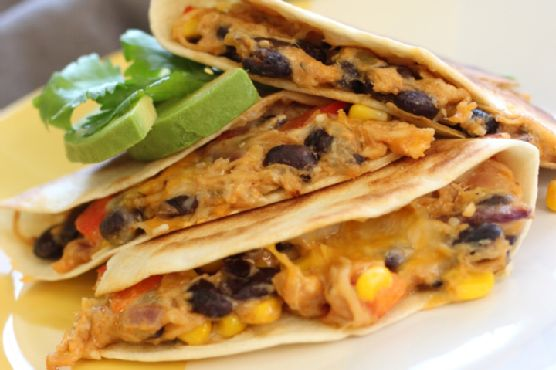
Cheesy Cowboy Quesadillas | Made by Meaghan Moineau

Cheesy Cowboy Quesadillas

Intro

There’s something magical about blending flavors from different cuisines to create a dish that feels both familiar and new. Cheesy Cowboy Quesadillas are one such delightful fusion, combining the heartiness of American cowboy cuisine with the classic Mexican quesadilla. I remember first encountering this dish during a summer road trip with my family through the American Southwest. We stopped at a quaint little diner in Texas, where the warm, cheesy quesadillas filled us with comfort after a long day of travel. It quickly became a family favorite, reminding us of sunsets over endless plains and the joy of discovering new flavors together.

Why You’ll Love It

This dish is a perfect blend of creamy, cheesy goodness with the earthy flavors of beans and corn. It’s a quick and satisfying meal that can be enjoyed any time of day. Whether you’re looking for a hearty breakfast, a filling lunch, or a comforting dinner, these quesadillas fit the bill. The ingredients are simple, yet they come together in a way that’s anything but ordinary. Plus, it’s a great way to use up leftover chicken and turn it into something spectacular.

Ingredients

  • 2 tablespoons of butter
  • 1 cup diced onions
  • 2 cloves garlic, minced
  • 2 cups shredded chicken
  • 1 can (15 oz) black beans, drained and rinsed
  • 1 cup corn kernels (fresh, frozen, or canned)
  • 1 diced bell pepper
  • 1 teaspoon salt
  • 1 teaspoon cumin
  • 1 teaspoon chili powder
  • 4 oz cream cheese, cut into small pieces
  • 1 cup shredded cheese (cheddar or Mexican blend)
  • 8 white tortillas

Instructions

  1. In a large skillet, melt the butter over medium heat. Add the diced onions and minced garlic, sautéing for about 2 minutes until they become fragrant and translucent.
  2. Add the shredded chicken, black beans, corn, diced bell pepper, salt, cumin, and chili powder to the skillet. Stir well, allowing the mixture to heat through, about 5 minutes.
  3. Reduce the heat to low and add the cream cheese in spoonfuls, stirring until it melts and combines with the other ingredients.
  4. Mix in 1 cup of shredded cheese, stirring until the filling becomes creamy and cheesy.
  5. Place about ¼ cup of the filling onto one half of a tortilla. If you like it extra cheesy, sprinkle a little more cheese over the filling.
  6. Fold the tortilla in half, pressing gently to close.
  7. Heat a clean, dry skillet over medium heat. Place the filled tortilla in the skillet and fry for 2-3 minutes on each side, until the tortilla is golden and crispy.
  8. Repeat with the remaining tortillas and filling. Serve warm and enjoy!

Tips

For the best results, use fresh, high-quality ingredients. You can prepare the filling ahead of time and store it in the fridge for up to two days, making it easy to whip up quesadillas in a flash. If you’re looking for an even crispier tortilla, brush a little melted butter on the outside before frying.

Variations & Substitutions

Feel free to customize your Cheesy Cowboy Quesadillas to suit your taste. Swap out the chicken for beef or omit the meat altogether for a vegetarian version. You can also add other vegetables like chopped spinach or zucchini. If you prefer a spicier kick, toss in some diced jalapeños or a dash of hot sauce. For a gluten-free option, use corn tortillas instead of white tortillas.

Storage

If you have leftovers, allow the quesadillas to cool completely before storing them in an airtight container in the refrigerator. They will keep for up to three days. To reheat, simply place them in a skillet over medium heat until warmed through and crispy again. Avoid microwaving, as it can make the tortillas soggy.

FAQ

Can I freeze Cheesy Cowboy Quesadillas?

Yes, you can freeze them! Assemble the quesadillas but don’t cook them. Place them on a baking sheet and freeze until solid. Transfer to a freezer bag and store for up to three months. To reheat, cook from frozen in a skillet over low heat, allowing extra time for the filling to heat through.

What type of cheese is best for quesadillas?

A blend of cheddar and Monterey Jack is ideal for quesadillas, offering both flavor and meltability. However, feel free to experiment with your favorite cheeses, such as mozzarella or pepper jack, to create your perfect cheesy bite.

How do I prevent the filling from spilling out?

To keep the filling inside the quesadilla, don’t overfill the tortillas. Press the top firmly after adding the filling, and use a spatula to gently press down while cooking. This will help seal the edges and keep everything in place.

Nutrition

While we haven’t conducted a full nutritional analysis, these quesadillas are packed with protein from the chicken and beans, as well as essential vitamins from the vegetables. For a lighter version, you can use reduced-fat cheese and cream cheese.

Conclusion

Cheesy Cowboy Quesadillas are more than just a meal; they’re a culinary experience that brings a taste of the Southwest into your home. Whether you’re enjoying them alone or sharing them with loved ones, they offer a comforting blend of flavors that are sure to become a staple in your household. Try them out and let the delightful combination of creamy cheese, hearty beans, and savory chicken transport you to a place of warmth and satisfaction. Happy cooking!

Related update: Cheesy Cowboy Quesadillas

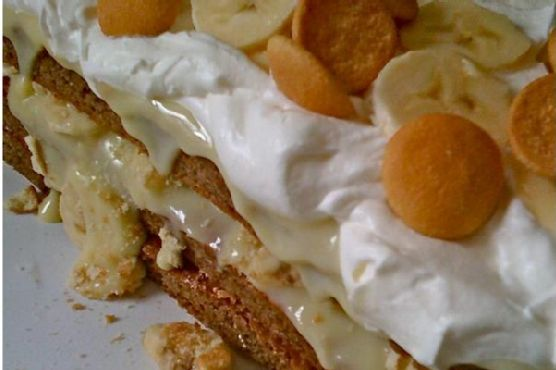
Banana Pudding Cake | Made by Meaghan Moineau

Banana Pudding Cake

Intro

Banana pudding cake holds a special place in my heart, as it was the dessert my grandma would lovingly prepare every Sunday afternoon. Her kitchen would fill with the sweet aroma of ripe bananas and vanilla, instantly making everyone feel at home. This cake is a delightful blend of soft cake layers, creamy custard, and the nostalgic taste of banana pudding, topped with a cloud of whipped cream. Now, I’m excited to share this cherished family recipe with you, hoping it becomes a favorite in your home too.

Why You’ll Love It

This banana pudding cake is the perfect blend of moist cake, rich custard, and fresh bananas, making it a crowd-pleaser at any gathering. It’s a showstopper dessert that looks intricate but is surprisingly easy to make. Whether you’re hosting a dinner party or just treating yourself, this cake is the perfect choice for a comforting dessert that doesn’t compromise on flavor. Plus, it’s a great way to use ripe bananas, ensuring nothing goes to waste.

Ingredients

  • Baking powder
  • Bananas
  • Cocoa powder
  • Egg yolks
  • Eggs
  • Flour
  • Heavy whipping cream
  • Milk
  • Powdered sugar
  • Salt
  • Pudding
  • Sugar
  • Vanilla
  • Vanilla extract
  • Vanilla wafers
  • Whipped cream

Instructions

  1. In a large bowl, beat egg yolks with sugar and set aside.
  2. In the bowl of an electric mixer, whip egg whites until stiff.
  3. Add baking powder, processed wafers, and cocoa to the egg yolk mixture.
  4. Drop about 1/4 of the egg whites into the larger bowl and fold lightly.
  5. Fold in remaining whites carefully.
  6. Line a jellyroll sheet pan with parchment paper covering all sides and spray paper with non-stick floured baking spray.
  7. Spread cake batter onto paper, so it covers the entire pan.
  8. Bake in a preheated oven at 350 degrees for 15-20 minutes.
  9. Let cake cool completely on the sheet (at least 30 minutes to an hour).
  10. As cake cools, mix sugar, flour, and salt in the top of a double boiler (or a makeshift double boiler).
  11. Blend in egg yolks and milk. Cook, uncovered, over boiling water, stirring constantly for 10 to 12 minutes or until thickened.
  12. Remove from heat and stir in vanilla.
  13. When the cake is cooled, carefully lift the parchment paper, remove it from the pan, and place it on a flat surface.
  14. Starting from the short end, cut into three even pieces.
  15. Place the first layer of cake on a serving platter. Spread half of the custard over the top of the cake, then cover with one-third of the banana slices.
  16. Take about one-third of the crumbled wafers and sprinkle them over the custard-banana layer.
  17. Top with the next piece of cake and repeat, being sure to reserve a few bananas and crumbled cookies.
  18. Spread the final amount of custard onto the top layer of cake and refrigerate the whole cake for at least 2 hours or until ready to serve.
  19. Just before serving, make the whipped cream topping. Combine all ingredients together in a large mixing bowl until the cream thickens and becomes stiff.
  20. Spread whipped cream on the cake and top with remaining banana and wafers.

Tips

To prevent the bananas from browning, sprinkle them with a bit of lemon juice before placing them on the cake. This will keep them looking fresh and vibrant. When folding the egg whites into the batter, be gentle to maintain the airiness that will give your cake a light texture. Lastly, allow the cake to cool completely before assembling; this will make handling easier and prevent the custard from melting.

Variations & Substitutions

If you’re feeling adventurous, consider adding a layer of chocolate ganache for a richer taste. You can also substitute the vanilla wafers with graham crackers for a different texture. For a nutty twist, sprinkle some chopped pecans or walnuts between the layers. If you prefer a lighter version, use light whipping cream and reduce the sugar in the custard slightly.

Storage

Store any leftover banana pudding cake in an airtight container in the refrigerator for up to 3 days. The flavors meld beautifully over time, making it taste even better the next day. Avoid leaving the cake out at room temperature for extended periods, as the custard can spoil. If you need to store it longer, consider freezing individual slices wrapped in plastic wrap and placed in a freezer-safe container.

FAQ

Can I make this cake a day ahead?

Absolutely! In fact, making it a day ahead allows the flavors to develop further. Just be sure to add the whipped cream topping and fresh bananas right before serving to keep them fresh and appealing.

What if I don’t have a jellyroll pan?

No worries! You can use a standard baking sheet or even a cake pan. Just remember to adjust the baking time slightly and check for doneness by inserting a toothpick in the center.

Can I use instant pudding mix?

Yes, you can use instant pudding mix if you’re short on time. Simply prepare it according to the package instructions and use it in place of the homemade custard. However, making your own custard adds a lovely homemade touch to the cake.

Nutrition

The nutritional information will vary based on portion size and ingredients used. On average, a slice of banana pudding cake contains approximately 350 calories, 18g of fat, 45g of carbohydrates, and 5g of protein. Keep in mind these are estimates and can vary.

Conclusion

Banana pudding cake is more than just a dessert; it’s a slice of nostalgia and comfort on a plate. Whether you’re a seasoned baker or just beginning your culinary journey, this cake is sure to impress with its delightful flavors and stunning presentation. I hope it brings as much joy and warmth to your home as it has to mine. Happy baking!

Related update: Banana Pudding Cake

Related update: Pumpkin Pecan Streusel Cake - gluten free, soy free, vegan

Oracle’s $50B Cloud Gamble Fuels AI Race | Analysis by Brian Moineau

Oracle’s $45–50 billion Bet on AI: Why the Cloud Arms Race Just Got Louder

The headline is dramatic because the move is dramatic: Oracle announced it plans to raise between $45 billion and $50 billion in 2026 through a mix of debt and equity to build more cloud capacity. That’s not a routine capital raise — it’s a statement about how much money is now needed to stand toe-to-toe in the AI infrastructure race.

Why this matters right now

  • The market for large-scale cloud compute for AI is shifting from software-margin stories to capital-intensive infrastructure plays.
  • Oracle says the cash will fund contracted demand from big-name customers — including OpenAI, NVIDIA, Meta, AMD, TikTok and others — which means these are not speculative capacity bets but expansions tied to real deals.
  • Raising this much via both bonds and equity signals Oracle wants to preserve an investment-grade balance sheet while shouldering a very heavy upfront cost profile that may compress free cash flow for years.

What Oracle announced (the essentials)

  • Oracle announced its 2026 financing plan on February 1, 2026. The company expects to raise $45–$50 billion in gross proceeds during calendar 2026. (investor.oracle.com)
  • Financing mix:
    • About half via debt: a one-time issuance of investment-grade senior unsecured bonds early in 2026. (investor.oracle.com)
    • About half via equity and equity-linked instruments: mandatory convertible preferred securities plus an at-the-market (ATM) equity program of up to $20 billion. (investor.oracle.com)
  • Oracle says the capital is to meet "contracted demand" for Oracle Cloud Infrastructure (OCI) from major customers. (investor.oracle.com)

How this fits into Oracle’s longer-term AI strategy

  • Oracle has pivoted in recent years from being primarily a database and enterprise-software vendor to an infrastructure provider for generative AI customers. Large, multi-year contracts (notably with OpenAI) have been central to that story. (bloomberg.com)
  • Building AI-scale data centers is capital intensive: racks, GPUs/accelerators, power, cooling, networking, and long lead times. The company’s plan acknowledges that scale requires front-loaded spending — and external capital. (investor.oracle.com)

The investor dilemma

  • Pros:
    • Backing by contracted demand reduces some revenue risk versus pure capacity-to-sell strategies.
    • If Oracle can deliver the compute reliably, the payoff could be large: stable long-term revenue from hyperscaler-AI customers and higher utilization of OCI.
  • Cons:
    • Heavy near-term cash burn and higher gross debt levels could pressure margins and returns for several fiscal years.
    • Equity issuance (including ATM programs and convertible securities) dilutes existing shareholders and can weigh on the stock.
    • Credit metrics and investor appetite for more investment-grade bonds at this scale are uncertain. Credit-default-swap trading and analyst commentary show investor nervousness about overbuilding for AI. (barrons.com)

Who bears the risk — and who benefits?

  • Risk bearers:
    • Current shareholders face dilution risk and near-term margin pressure.
    • Bond investors absorb increased leverage and structural execution risk if demand slips or customers renegotiate.
  • Potential beneficiaries:
    • Customers that secure large, predictable capacity from Oracle (e.g., AI model trainers) may benefit from more onshore, enterprise-grade compute.
    • Oracle, if it executes, could lock in long-term, high-margin cloud contracts and tilt the competitive landscape versus other cloud providers.

What to watch next

  • Timing and pricing of the bond issuance (size, maturities, yields) — this will show investor appetite and borrowing cost. (investor.oracle.com)
  • Pace and pricing of the ATM equity program and any convertible issuance — how aggressively Oracle taps the market matters for dilution and market sentiment. (investor.oracle.com)
  • Delivery milestones and usage numbers from Oracle’s major contracts (especially OpenAI) — revenue recognition and cash flows tied to those deals will determine whether the investment turns into long-term value. (bloomberg.com)
  • Any commentary from ratings agencies about credit outlook — maintaining investment-grade status appears to be a stated goal; watch for downgrades or negative outlooks. (barrons.com)

A quick reality check

  • Oracle’s public statement is explicit: this is a 2026 calendar-year plan to fund contracted demand and to do so with a “balanced combination of debt and equity” while aiming to keep an investment-grade balance sheet. That clarity helps investors model the path forward — but it doesn’t remove execution risk. (investor.oracle.com)

My take

This is the clearest evidence yet that AI’s infrastructure tailwinds have become a capital market story as much as a software one. Oracle isn’t just buying GPUs — it’s buying a longer runway to be a backbone for AI customers. That could be brilliant if those contracts materialize and stick. It could also be a cautionary tale of heavy upfront capital deployed into an industry still sorting out which customers and deals will be durable.

For long-term investors, the question isn’t only whether Oracle can build data centers efficiently — it’s whether those investments translate into sustained, high-quality cash flows before the financing and dilution costs swamp returns. For the market, the move raises a broader point: large-scale AI will increasingly look like utilities and telecom in its capital intensity — and that changes how we value cloud vendors.

Sources


Related update: We recently published an article that expands on this topic: read the latest post.


Related update: We recently published an article that expands on this topic: read the latest post.