
Politics, AI, and Markets: Divergent | Analysis by Brian Moineau

Markets on edge: when politics, AI and technicals collide

The opening hook: Markets don’t move in straight lines — they twitch, spasm and sometimes lurch when politics and technology intersect. This week’s action felt exactly like that: a presidential directive touching an AI firm, hotter-than-expected inflation signals and geopolitical jitters combined to push the major indexes below their 50‑day lines — even as equal‑weight ETFs quietly marched to highs. The result is a market with two faces: leadership concentrated in a handful of mega-cap stocks, while breadth measures show a more constructive tape underneath.

What happened, in plain terms

  • A White House move restricting federal use of Anthropic’s AI and related contractor bans rattled investors because it directly ties politics to the AI supply chain and big-cloud platforms. (investors.com)
  • At the same time, a hotter producer-price backdrop and rising geopolitical tensions pushed risk appetite lower, tipping the major indexes below important short- to intermediate-term technical levels (the 50‑day moving averages). (investors.com)
  • Yet equal‑weight ETFs (which give each S&P 500 stock the same influence) were hitting highs, signaling that more of the market — not just the handful of mega-cap names — was showing strength. That divergence (cap-weighted indices weak, equal-weight strong) is crucial to watch. (investors.com)

Why the divergence matters

  • Major-cap concentration: When indexes like the S&P 500 and Nasdaq are buoyed mainly by a few giants, headline readings can mask weakness in the broader market. That’s what cap-weighted indexes do: one or two big winners can hide the rest.
  • Equal‑weight ETFs tell a different story: If an equal‑weight S&P ETF is making new highs, more stocks are participating in the advance — a potentially healthier sign than a rally led by five names. Investors often use this as a breadth check. (investors.com)
  • Technical thresholds (50‑day lines) matter for short-term momentum: many traders and models treat a close below the 50‑day as a warning flag. Seeing major indexes slip below them while equal‑weight funds rally creates a tactical tug-of-war. (investors.com)

The catalysts behind the move

  • Political/AI shock: The Trump administration’s restriction on Anthropic for federal agencies — and related contractor constraints — introduced a direct policy risk to AI vendors and cloud partners. That’s not abstract: it affects large platforms, defense contracting, and the perceived growth runway for AI-oriented businesses. Markets price policy risk quickly. (investors.com)
  • Inflation data and macro noise: Elevated producer prices and the risk that tariffs or geopolitical flareups could keep inflation sticky make the Fed’s path less certain and reduce tolerance for valuation extremes, especially in cyclical and interest-rate-sensitive names. (cnbc.com)
  • Geopolitics and safe-haven flows: Any uptick in global tensions nudges investors toward defense, commodities and some haven assets — and away from crowded growth trades. That dynamic can accelerate short-term rotation. (investors.com)

Where the real strength is: sector and stock themes

  • Memory and AI infrastructure: Semiconductor memory names (Sandisk, Micron, Western Digital) have been bright spots this year, driven by data-center demand for GPUs, memory and AI workloads. Even with headline noise, these parts of the market are benefiting from a secular AI buildout. (investors.com)
  • Stocks to watch ahead of earnings: With earnings season and major reports coming (Broadcom, MongoDB were noted examples in the coverage), traders will pick through guidance and order trends for clues around AI capex and cloud demand. Strong results could re-center the narrative on earnings rather than politics. (investors.com)

Tactical investor implications

  • Watch breadth, not just the headline index: If equal‑weight ETFs are confirming strength, consider using them as a market-health signal. Narrow, mega-cap-led rallies can roll over quickly if the big names stumble. (investors.com)
  • Respect the 50‑day: For many quantitative and discretionary traders, the 50‑day moving average is a key momentum filter. A close below it on the major indexes increases short-term caution. (investors.com)
  • Be selective, watch earnings: Political shocks can be headline-driven and temporary. Focus on companies with durable demand tailwinds (AI, memory, industrials with pricing power). Earnings and guidance will separate transient volatility from real trend changes. (investors.com)

Market psychology and the “policy shock” problem

There’s a subtle behavioral point here: policy shocks — especially those that single out specific firms or technologies — carry outsized psychological weight. They create binary uncertainty (can the company keep selling to government clients?) and can catalyze algorithmic selling, sector rotation and cessation of flows into targeted ETFs. That domino effect can momentarily depress technicals even when the fundamental demand story (e.g., AI infrastructure spending) remains intact. (investors.com)

What I’m watching next

  • Follow-through in equal‑weight ETFs: If they keep rising while cap‑weighted indexes repair and reclaim 50‑day lines, the risk of a broader, sustainable rally improves. (investors.com)
  • Earnings commentary from semiconductor and cloud vendors: Will orders and capex commentary support the memory/AI demand story? Strong guidance could re-center markets on fundamentals. (investors.com)
  • Macro prints: Inflation and jobs data remain the backdrop. Hot prints can amplify policy- and geopolitics-driven selloffs; softer prints can give risk assets room to regroup. (cnbc.com)

Quick takeaways for busy readers

  • Market mood is mixed: headline indices are below their 50‑day lines, but equal‑weight ETFs are making highs — a meaningful divergence. (investors.com)
  • Political moves targeting AI vendors can create outsized short‑term volatility even as the long-term AI investment theme remains intact. (investors.com)
  • Focus on breadth, earnings and macro prints to judge whether this is a temporary tremor or a deeper shift. (investors.com)

Final thoughts

Markets are messy by design — they’re where policy, psychology and profit motives meet. This week’s patchwork action shows why investors should look beyond the headline index and pay attention to breadth signals like equal‑weight ETFs. Political headlines can spark fast moves, but durable trends are usually revealed in earnings, revenue guidance and flow patterns. Keep watch on those real-economy data points; they’ll tell you whether the market’s undercurrent is a blip or the start of something bigger.

Sources


Related update: We recently published an article that expands on this topic: read the latest post.

Related update: We recently published an article that expands on this topic: read the latest post.
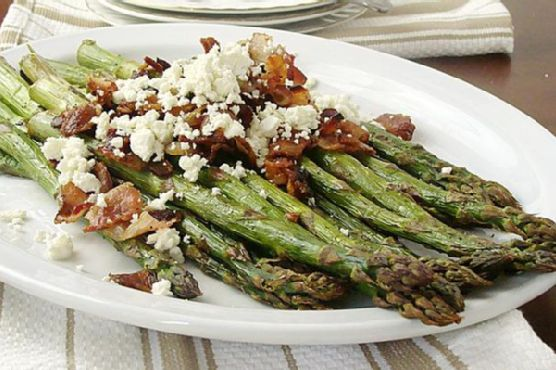
Roasted Asparagus With Bacon and Feta Cheese | Made by Meaghan Moineau

Roasted Asparagus With Bacon and Feta Cheese

Intro

Growing up, Sunday dinners were a cherished tradition in our household. My grandmother, with her gentle hands and warm heart, always knew how to bring the family together with her culinary creations. One of my fondest memories was the way she transformed simple ingredients into something extraordinary. This recipe for Roasted Asparagus with Bacon and Feta Cheese is inspired by those Sunday gatherings, where laughter was abundant, and plates were always full. The combination of tender asparagus, crispy bacon, and creamy feta evokes a sense of nostalgia and warmth, reminiscent of those cherished family meals.

Why You’ll Love It

This dish is a delightful blend of flavors and textures that will have you coming back for more. The savory crispness of bacon paired with the tangy, creamy feta creates a perfect harmony with the fresh, roasted asparagus. It’s an easy-to-make side dish that elevates any meal, providing a gourmet touch without the fuss. Whether you are hosting a dinner party or simply want to treat yourself to something special, this recipe is sure to impress.

Ingredients

  • 1 bunch of asparagus, trimmed
  • 4 slices of bacon, cooked and crumbled
  • 1/4 cup of feta cheese, crumbled
  • 2 tablespoons of olive oil
  • Salt and pepper to taste

Instructions

  1. Preheat your oven to 450°F (230°C).
  2. Place the trimmed asparagus on a baking sheet lined with aluminum foil.
  3. Drizzle the asparagus with olive oil, ensuring each stalk is well-coated. Season with salt and pepper.
  4. Roast the asparagus in the preheated oven for about 8 to 10 minutes, or until they are tender and slightly caramelized.
  5. While the asparagus is roasting, cook the bacon in a skillet over medium heat until it is crisp. Transfer the bacon to a paper towel-lined plate to drain, then crumble it into small pieces.
  6. Once the asparagus is done, remove it from the oven and transfer it to a serving platter.
  7. Sprinkle the crumbled bacon over the asparagus, followed by the feta cheese.
  8. Serve immediately while warm.

Tips

For the best results, choose fresh, firm asparagus with vibrant green color and closed tips. If your asparagus is thick, consider peeling the lower half with a vegetable peeler to ensure even cooking. Be sure not to overcrowd the baking sheet to allow the asparagus to roast evenly.

Variations & Substitutions

If you’re looking to switch things up, try using goat cheese instead of feta for a creamier texture. For a vegetarian version, you can omit the bacon and add toasted pine nuts or sunflower seeds for a crunchy element. Feel free to experiment with different herbs like thyme or rosemary to add more depth of flavor.

Storage

Leftover roasted asparagus can be stored in an airtight container in the refrigerator for up to 3 days. To reheat, place it in a preheated oven at 350°F (175°C) for about 5 minutes, or until warmed through. Keep in mind that reheating might slightly alter the texture of the asparagus.

FAQ

Can I use frozen asparagus?

While fresh asparagus is recommended for the best texture and flavor, you can use frozen asparagus in a pinch. Be sure to thaw and pat it dry before roasting to avoid excess moisture affecting the roast.

What can I serve with this dish?

Roasted Asparagus with Bacon and Feta Cheese pairs beautifully with grilled meats such as chicken, steak, or fish. It also complements other side dishes like roasted potatoes or a fresh garden salad.

Is this dish keto-friendly?

Yes, this dish is low in carbohydrates and high in healthy fats, making it suitable for a keto diet. Just ensure that your bacon and feta are free from added sugars or fillers that might increase carb count.

Nutrition

This recipe is rich in fiber, vitamins, and minerals from the asparagus, as well as healthy fats and protein from the bacon and feta. It is a great low-carb, gluten-free option that fits well into a balanced diet.

Conclusion

Roasted Asparagus with Bacon and Feta Cheese is more than just a side dish; it’s a celebration of flavors that bring comfort and joy. Whether you’re reminiscing about family dinners or creating new memories, this dish is sure to become a favorite in your kitchen. Simple yet sophisticated, it’s a testament to the idea that sometimes the best meals are made with just a few quality ingredients. Enjoy this recipe as a reminder that love, like great food, is best shared around the table.

Related update: Roasted Asparagus With Bacon and Feta Cheese

Drive‑Thru Violence Shakes Fast‑Food | Analysis by Brian Moineau

A chaotic night at Wendy’s: what the Ewing Township drive-thru video tells us about public safety and fast-food flashpoints

A viral video of violence at a Wendy’s drive-thru in Ewing Township, New Jersey, landed in people’s feeds and raised the same uneasy question: how did a late-night trip for fries and a Frosty turn into breaking windows and attempted assaults? The footage — and the police account that followed — feel like a snapshot of broader tensions playing out in public, commercial and late-night spaces.

What happened (the essentials)

  • Date and place: The incident occurred in the early hours of February 21, 2026, at the Wendy’s on the 1700 block of Olden Avenue in Ewing Township, New Jersey.
  • Who: Police identified three people from Trenton — 23-year-old Honesty Harrison, 18-year-old Saniyah Brittingham and 19-year-old Leah Williford Stevens.
  • Police account: Investigators say the trio damaged property inside the restaurant and attempted to assault employees with various items just before 3 a.m. Two of the suspects face burglary, criminal mischief and unlawful possession of a weapon charges; the third faces burglary and criminal mischief charges. Two turned themselves in; police were asking the public for help locating the third. (Published February 28, 2026). (6abc.com)

Why the video resonated

  • Violence in plain sight: Fast-food restaurants are public, highly visible spaces. Surveillance and phone video make it easy for incidents to spread quickly, sparking community alarm and online debate.
  • Late-night dynamics: After-hours shifts, reduced staffing, and customers under stress (fatigue, alcohol, conflict) can create conditions where small disputes escalate. The Wendy’s video taps into a pattern we’ve unfortunately seen in other fast-food altercations across the country. (cbsnews.com)
  • Emotional response: Viewers don’t only react to the specific actors in the clip — they react to the vulnerability of workers and the breakdown of ordinary civility where people expect quick service and little drama.

Broader context and patterns

  • Not an isolated phenomenon: Incidents at drive-thrus and fast-food locations — from assaults to robberies to crashes into buildings — recur in local news. Those stories highlight vulnerabilities: 24/7 operations, limited security presence late at night, and the physical layout of drive-thrus that can funnel conflict into tight spaces. (cbsnews.com)
  • Worker safety as a policy issue: The footage revives policy questions about protection for frontline employees — from better lighting and barriers to panic buttons, clearer late-night staffing protocols, and collaboration with local police.
  • Social-media ripple effects: Viral video can accelerate investigations (public IDs, tips) but also inflame speculation. Responsible reporting and community restraint help ensure investigations proceed fairly.

What to watch next

  • Legal outcomes: Charges listed in early reports may change as prosecutors review evidence and surveillance is formally entered into court records. Expect updates from local law enforcement and county prosecutors. (6abc.com)
  • Business and community response: Restaurants often respond with temporary closures, revised opening hours, or added security measures after violent incidents. Community leaders may call for interventions to address root causes (youth outreach, mental health supports, curfews).
  • The missing suspect: As of the report, one person had not been located; public tips to police were encouraged. That kind of public lead can be decisive in fast-moving local investigations. (6abc.com)

What this means for customers and workers

  • For customers: Keep interactions calm, especially late at night. If you witness violence, prioritize safety — get to a safe place, call 911, and preserve video only for law enforcement if you're asked to share it.
  • For workers: If your workplace lacks emergency procedures, raise the issue with management. Small protections — training on de-escalation, clear lockup procedures, access to a manager or dispatcher — can make a big difference.
  • For businesses: Reassess late-night staffing, lighting, camera coverage, and partnerships with local police. Investing in safety is both a moral and a business imperative.

Key takeaways

  • The February 21, 2026 Wendy’s incident in Ewing Township shows how quickly late-night disagreements can escalate into property damage and attempted assaults. (6abc.com)
  • Fast-food locations remain vulnerable because of hours of operation, limited security, and layouts that concentrate conflict. (cbsnews.com)
  • Video can spur rapid public reaction and aid investigations, but it also requires careful handling to avoid rushed judgments and misinformation.

My take

The clip is jarring, partly because it strips away the mundane expectation of a frictionless, anonymous late-night purchase. It’s a reminder that public safety and civility depend on small systems — sensible operating policies, visible deterrents, and community supports — not just individual good behavior. Protecting workers and customers doesn’t require grand gestures; it requires practical, often inexpensive steps plus clear communication and community cooperation.

Sources

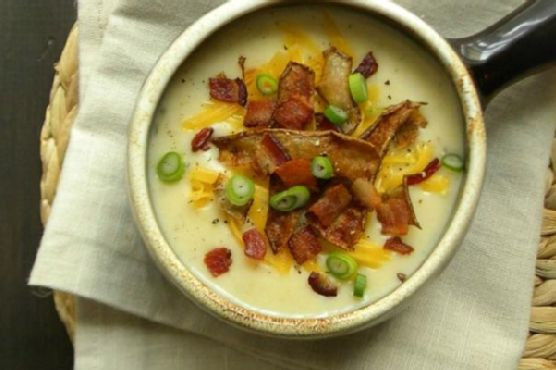
Loaded Baked Potato Soup with Crispy-Fried Potato Skins | Made by Meaghan Moineau

Loaded Baked Potato Soup with Crispy-Fried Potato Skins

Intro

There’s something undeniably comforting about a warm bowl of soup, especially when it combines the heartiness of a baked potato with the indulgent crispiness of fried skins. As the weather starts to cool, this Loaded Baked Potato Soup with Crispy-Fried Potato Skins becomes a staple in our household. I still remember the first time I made it for my family on a chilly autumn evening. The kids were playing in the living room, the leaves were rustling outside, and the savory aroma from the kitchen drew everyone around the table. From that day on, this soup has been a family favorite, bringing warmth and joy to our meals.

Why You’ll Love It

This soup is a delightful blend of creamy and crispy textures, offering the best of both worlds. It’s packed with flavors that remind you of a classic loaded baked potato, but it’s even more comforting and satisfying. The crispy-fried potato skins add a unique twist, providing a crunchy contrast to the rich, velvety soup. Whether you’re serving it as a hearty lunch or a cozy dinner, this soup is sure to please everyone at your table.

Ingredients

  • Bacon
  • Russet potatoes
  • Onion
  • Fresh thyme
  • Flour
  • Low sodium chicken broth
  • Half n half
  • Salt & pepper
  • Sharp cheddar cheese
  • Sour cream
  • Thinly sliced scallion

Instructions

  1. Using a vegetable peeler, remove wide, long strips of potato peel and set aside. Finish peeling the potatoes.
  2. Heat a large Dutch oven over medium heat. Add chopped bacon and cook until crisp, about 10 minutes. Remove bacon to a paper towel-lined plate.
  3. To the fat in the pan, add the potato skins and cook until crisp, about 10 minutes. If not crisp enough after 10 minutes, spread them on a cookie sheet and bake in a 400-degree oven for 5 minutes.
  4. Remove the crisped potato skins to the paper-lined plate with the bacon.
  5. Add the onion to the fat remaining in the pan, cook until tender and lightly browned, about 6 minutes.
  6. Add the thyme and flour, cook and stir for about a minute.
  7. Slowly whisk in the chicken broth and the half n half.
  8. Add the potatoes and bring to a boil over high heat.
  9. Reduce heat to medium-low, cover, and cook until the potatoes are very tender, about 10-15 minutes.
  10. Using a blender, puree all but about 3 cups of the soup in small batches.
  11. Lightly crush the potato chunks in the reserved portion of the soup using a potato masher or wooden spoon.
  12. Add the pureed soup back to the pot and return to a low burner to keep hot.
  13. Stir in 2 cups of cheese until melted, then add sour cream and mix well.
  14. Season to taste with salt & pepper. Optionally, add some of the crisped bacon into the soup mixture.
  15. To serve, top bowls of soup with crisped bacon and potato skins, additional cheddar, sour cream, and sliced scallion.

Tips

For the best results, make sure your potato skins are thoroughly crisped. If they’re not crispy enough in the pan, don’t hesitate to pop them into the oven for a few extra minutes. This step is crucial to prevent the skins from becoming soggy. Additionally, when pureeing the soup, work in small batches to avoid any hot splashes. Lastly, feel free to adjust the seasoning to your liking, and don’t forget to taste as you go!

Variations & Substitutions

This soup is incredibly versatile. You can easily swap the bacon for turkey bacon or omit it entirely for a vegetarian version. If you’re looking for a lighter option, use milk instead of half n half. For a different flavor profile, try adding roasted garlic or a pinch of smoked paprika to the soup. Feel free to experiment with different cheeses—Swiss or Gruyere can add a unique twist to this classic dish.

Storage

This soup stores beautifully in the refrigerator for up to three days. Simply place it in an airtight container and reheat it on the stove over low heat when you’re ready to enjoy it again. If you wish to freeze the soup, do so without the toppings. Thaw it in the refrigerator overnight before reheating.

FAQ

Can I make this soup ahead of time?

Absolutely! This soup can be made a day in advance. The flavors tend to deepen as it sits, making it even more delicious the next day. Just keep the toppings separate until you’re ready to serve.

What can I do if my soup is too thick?

If you find your soup is too thick, simply add a bit more chicken broth or milk until you reach the desired consistency. Reheat gently to ensure a smooth texture.

How can I make this soup vegetarian?

For a vegetarian version, use vegetable broth instead of chicken broth and omit the bacon. You can add a bit of smoked paprika to mimic the smoky flavor of bacon.

Nutrition

This hearty soup is rich and filling, with the perfect balance of carbohydrates, protein, and fat. While exact nutrition will depend on portion sizes and specific ingredient brands, each serving is roughly estimated to provide around 400 calories, 20 grams of fat, 15 grams of protein, and 40 grams of carbohydrates. It’s a comforting indulgence that satisfies hunger and warmth cravings alike.

Conclusion

Loaded Baked Potato Soup with Crispy-Fried Potato Skins is more than just a dish; it’s a comforting experience that brings family and friends together. Whether you’re enjoying it on a chilly evening or serving it as a centerpiece for a casual gathering, this soup is sure to become a beloved staple in your kitchen. Enjoy the creamy richness, the crunchy potato skins, and the nostalgia of cherished moments around the table. Bon appétit!

Related update: Loaded Baked Potato Soup with Crispy-Fried Potato Skins

Related update: Crock-Pot: Asian-Style Country Ribs with Black Bean Garlic Sauce

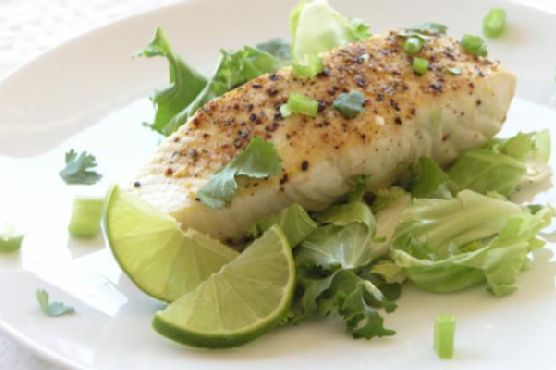
Cilantro Lime Halibut | Made by Meaghan Moineau

Cilantro Lime Halibut

Intro

There’s something magical about the aroma of lime and cilantro filling the kitchen. It takes me back to summer evenings spent by the sea with my family, sharing stories and laughter over a delicious meal. One of my fondest memories is a fishing trip with my grandfather where we caught fresh halibut, and he taught me how to cook it with his signature lime and cilantro twist. Today, I’m excited to share this Cilantro Lime Halibut recipe with you, a dish that combines fresh, zesty flavors with the rich taste of wild Pacific halibut. Whether you’re a seafood aficionado or just starting to explore fish dishes, this recipe is sure to become a favorite in your home.

Why You’ll Love It

This Cilantro Lime Halibut is not only delicious but also quick and easy to prepare, making it perfect for weeknight dinners or special occasions. The dish features a beautiful balance of flavors—a hint of citrus from the lime, aromatic freshness from the cilantro, and a subtle sweetness from the blood orange olive oil. Plus, it’s a healthy option packed with protein and essential nutrients. Whether you’re cooking for yourself or hosting a dinner party, this dish will impress with its simple yet sophisticated taste.

Ingredients

  • Chicken stock
  • Fresh cilantro
  • Green onions
  • Wild Pacific halibut filets
  • Lime (juice)
  • Another slug of blood orange olive oil
  • Mollie Stone’s blood orange olive oil
  • Dusting of garlic-pepper
  • Salt and pepper
  • White wine

Instructions

  1. Heat the oil in a large frying pan over medium heat.
  2. Coat the filets with garlic pepper on the flesh side.
  3. When the pan is heated, add the filet flesh side down to sear that side. Allow to cook for about 30 seconds.
  4. Flip the filets over with tongs.
  5. Add white wine to the pan and cover to steam. After about 2 minutes, much of the wine will have evaporated.
  6. Add the chicken stock gradually and allow the filets to steam for another couple of minutes.
  7. Add the lime juice. When bubbling and both filets are opaque all the way through, add the green onions to the pan and swirl in the sauce for a moment.
  8. Remove filets to beds of lettuce.
  9. Add a tsp of the Blood Orange Olive Oil, swirl the green onions in the sauce one more time, and then pour equal parts over the fish.
  10. Garnish with fresh cilantro and lime wedges. Sprinkle with salt and pepper to taste.
  11. Serve immediately.

Tips

For the best results, ensure your halibut filets are fresh. If possible, purchase them from a reputable fishmonger. When searing the fish, make sure the pan is hot enough before adding the filets, as this will give them a nice crust. If you don’t have blood orange olive oil, regular olive oil with a splash of orange juice can be a suitable substitute.

Variations & Substitutions

If you’re not a fan of halibut, this recipe works well with other white fish such as cod or haddock. You could also experiment with adding different herbs like parsley or dill for a different flavor profile. For a spicier kick, consider adding a pinch of red pepper flakes to the sauce.

Storage

Leftover Cilantro Lime Halibut can be stored in an airtight container in the refrigerator for up to two days. To reheat, place the fish in a pan over low heat until warmed through. Be careful not to overcook, as the fish can become dry.

FAQ

Can I use frozen halibut filets?

Yes, you can use frozen halibut filets. Just make sure to thaw them completely before cooking. Pat them dry with a paper towel to remove any excess moisture, which helps in achieving a good sear.

What can I serve with Cilantro Lime Halibut?

This dish pairs beautifully with a simple salad, steamed vegetables, or a light quinoa pilaf. The fresh flavors of the halibut complement a variety of sides, so feel free to get creative with your pairings.

Nutrition

Halibut is an excellent source of protein and is rich in omega-3 fatty acids, which are beneficial for heart health. This dish is also low in carbohydrates, making it suitable for those following a low-carb diet. The use of fresh lime and cilantro adds vitamins and antioxidants, contributing to a nutritious, balanced meal.

Conclusion

Our Cilantro Lime Halibut is a delightful dish that brings together the best of fresh seafood and vibrant flavors. It’s easy to prepare, healthy, and sure to please even the pickiest eaters. Whether you’re evoking seaside memories or creating new ones, this recipe is a wonderful way to bring a touch of elegance and flavor to your dining table. We hope you enjoy this recipe as much as we do and that it becomes a cherished part of your culinary repertoire.

Related update: Cilantro Lime Halibut

Day 2 NFL Combine Winners and Losers | Analysis by Brian Moineau

Who Won and Who Lost on Day 2 of the 2026 NFL Combine

The combine is where tape meets timers — and on Day 2 in Indianapolis that collision produced winners and losers in equal measure. Friday’s focus on defensive backs and tight ends turned the spotlight on speed, burst and catch radius, and a handful of prospects answered with headline-making numbers while others left more questions than answers. Here’s a readable take on Chad Reuter’s Day 2 stock report and what it means for the draft board.

Why Day 2 mattered

  • Day 2 showcased cornerbacks, safeties and tight ends — positions where physical testing can dramatically reshape projections.
  • Athletic testing (40-yard dash, 10-yard splits, vertical/broad jumps) matters, but so do on-field drills and how a player’s testing complements his tape.
  • With the draft less than two months away (April 23–25, 2026 in Pittsburgh), a strong combine can vault a mid-round candidate into Day 2 consideration — and a subpar one can push a potential Day 2 pick toward Day 3 or beyond.

Quick hits from the report

  • Daylen Everette (Georgia, CB) ran like a man bringing a clipboard: a 4.38 40 with a 1.54 10-yard split, 37.5" vertical, clean ball skills in drills — an eye-opener that could bump him toward Round 2 if teams buy the athletic testing over middling 2025 tape. (NFL.com)
  • Kenyon Sadiq (Oregon, TE) posted absurd testing for a tight end: 4.39 40 at 241 pounds and explosive jumps — the sort of numbers that turn a positional projection into a fringe first-round conversation. (NFL.com)
  • Conversely, Davison Igbinosun (Ohio State, CB) disappointed in quickness measures and change-of-direction, with a 10-yard split and vertical that left evaluators uneasy about his twitch and hip fluidity. (NFL.com)
  • Max Klare (Ohio State, TE) elected not to run or jump, a decision that puts more burden on his pro day to show athletic upside after a season of lower volume. (NFL.com)
  • The safety room was deep; Emmanuel McNeil-Warren’s testing was fine but buried by multiple elite showings — a reminder that a solid workout alone sometimes isn’t enough in a stacked group. (NFL.com)

Players who boosted their stock

  • Daylen Everette (Georgia, CB)
    • Why it matters: Size + speed + ball skills. Even if 2025 tape wasn’t elite, the combine provided measurable upside that teams can project into coverage roles and special teams. A true jump in perceived upside.
  • Kenyon Sadiq (Oregon, TE)
    • Why it matters: Rare athletic profile for a true Y/T tight end. At 241 pounds with sub-4.4 speed and elite jumping traits, he checks boxes teams love for mismatches and vertical threats.
  • John Michael Gyllenborg (Wyoming, TE)
    • Why it matters: Measured well and displayed athleticism after a 2025 season hampered by injury — good combine + prior tape = a clearer path into Day 2/Day 1 considerations.

(Notes: Other outlets echoed these risers and flagged more CBs and TEs who stood out; strong performances from guys such as Treydan Stukes and Tacario Davis were also highlighted around the web.) (nfl.com)

Players who took a step back

  • Davison Igbinosun (Ohio State, CB)
    • The problem: Stiff hips, a 10-yard split and vertical that didn’t sell starter-level quickness. That combination can flatten an inside/outside projection for Day 2 teams. (nfl.com)
  • Max Klare (Ohio State, TE)
    • The problem: Not testing at the combine hands the narrative control back to teams — and in a deep TE class, missing measurable chances to separate is costly. (nfl.com)
  • Emmanuel McNeil-Warren (Toledo, S)
    • The problem: Solid testing but overshadowed by elite numbers from several safeties; the result is a plateau rather than a springboard. (nfl.com)

How teams will likely react

  • For bigger boards (top-64), measurable athleticism still rules the margins. A player like Sadiq suddenly has first-round buzz because he offers mismatch traits that modern offenses covet.
  • For corners and safeties, scheme fit matters. Teams will weigh hip fluidity and short-area quickness more heavily than dash times alone — but poor short-area testing can still knock a player down boards.
  • Players who skipped events (like Klare) will be triaged: teams will either bet on tape and medicals or wait for pro-day verification. That uncertainty often pushes a player's value down in the pre-draft market.

What to watch next

  • Pro days: Players who didn’t test fully or underwhelmed will get a last chance at their schools. How many will hit new heights on turf they know?
  • Positional comparables: As scouts stack TEs and DBs side-by-side, look at route versatility, contested-catch ability and film on third-down reps — combine numbers are context, not destiny.
  • Team-specific needs: A borderline prospect can leap into Day 2 if a team with scheme alignment believes the testing matches their plan.

My take

The combine remains a noisy but useful market signal. Day 2’s winners were the players whose testing reinforced a believable NFL role: size, burst and clean hands for TEs; size, speed and explosiveness for DBs. But film still matters. If a prospect runs fast but can’t flip his hips in coverage, teams will downgrade him; if a player posts eye-popping numbers but lacks tape, expect conservative, upside-themed drafting.

In short: Day 2 created compelling narratives — some will hold, some will be revised at pro days and in private visits. For draft-watchers, the best strategy is to let the combine refine — not overwrite — what the tape already told you.

Final thoughts

The combine is where certainty is smoothed into probability. A single 40 time or vertical jump won’t determine a career, but it can change the odds. For prospects like Everette and Sadiq, Friday gave them momentum to carry to team meetings and interviews. For others, it set a clearer, humbler path forward. The next month of pro days and interviews will tell us how many of these movements were seismic and how many were just noise.

Sources


Related update: We recently published an article that expands on this topic: read the latest post.


Related update: We recently published an article that expands on this topic: read the latest post.