“They’re Crushing Us Completely”: China’s Offshore Wind Revolution Builds Thirty Five Megawatt Monsters While America Falls Behind – Energy Reporters | Analysis by Brian Moineau

“They’re Crushing Us Completely”: China’s Offshore Wind Revolution Builds Thirty Five Megawatt Monsters While America Falls Behind – Energy Reporters | Analysis by Brian Moineau

Title: Riding the Wind: China’s Offshore Wind Revolution and America’s Lagging Efforts

In recent years, the global race for renewable energy dominance has intensified, and China has emerged as a formidable contender, particularly in the realm of offshore wind energy. According to a recent article by Energy Reporters, China is not just participating in this race—they’re setting the pace with the creation of massive 35-megawatt offshore wind turbines. While the United States has made strides in renewable energy, particularly solar power, it seems to be stumbling in the offshore wind arena, much to the chagrin of energy enthusiasts and environmentalists alike.

China’s Offshore Wind Revolution

China’s ambitious leap into offshore wind energy is not just a testament to its engineering prowess but also a reflection of its strategic focus on sustainable development. The country’s latest 35-megawatt offshore wind turbines are colossal, both in size and energy output. These turbines are part of China’s broader vision to reduce its carbon footprint, a goal that has been underscored by its commitment to peak carbon emissions before 2030 and achieve carbon neutrality by 2060.

China’s success can be attributed to a combination of supportive government policies, substantial investment in research and development, and a domestic manufacturing sector capable of producing the necessary components at scale. This approach has not only fueled advancements in technology but has also stimulated economic growth and job creation within the renewable energy sector.

America’s Offshore Wind Challenges

On the flip side, the United States, despite its vast coastlines and technological capabilities, has been slow to capitalize on offshore wind opportunities. Regulatory hurdles, fragmented energy policies, and a relatively nascent domestic supply chain have hindered progress. While projects like the Vineyard Wind off the coast of Massachusetts signal the beginning of a shift, the U.S. is still playing catch-up. According to a report by the International Energy Agency (IEA), America will need to accelerate its efforts to harness the potential of offshore wind if it hopes to close the gap with China.

A Global Perspective

The contrast between China and the United States in offshore wind development is reflective of broader global trends in renewable energy. For instance, Europe has long been a leader in offshore wind, with countries like the UK, Germany, and Denmark setting benchmarks for others to follow. The European Union’s Green Deal and its ambitious targets for carbon neutrality have spurred significant investments in wind energy, serving as a model for others.

Beyond wind energy, the global shift towards renewables is also evident in burgeoning solar markets in India and Australia and advancements in battery storage technology. These efforts collectively highlight the world’s pivot towards sustainable energy solutions amid the growing urgency of climate change.

Final Thoughts

China’s offshore wind revolution serves as both an inspiration and a wake-up call. It underscores the importance of strategic investment, government support, and innovation in driving energy transitions. For the United States, the challenge is not just to catch up but to leapfrog—to leverage its technological and economic strengths to build a robust offshore wind sector that can compete on a global scale.

As the winds of change continue to blow, the world’s energy future will be defined by those who can harness the power of innovation and sustainability. While the race is far from over, it’s clear that the leaders of tomorrow’s energy landscape will be those who invest wisely today. In the spirit of healthy competition, perhaps it’s time for America to dust off its proverbial running shoes and get back in the race.

Read more about AI in Business

Read more about Latest Sports Trends

Read more about Technology Innovations


Related update: We recently published an article that expands on this topic: read the latest post.



Related update: We recently published an article that expands on this topic: read the latest post.

Results | Tokyo 25 | World Athletics Championship – worldathletics.org | Analysis by Brian Moineau

Results | Tokyo 25 | World Athletics Championship – worldathletics.org | Analysis by Brian Moineau

Tokyo 2025: A Stage Set for Athletic Greatness and Global Unity

As the Land of the Rising Sun prepares to host the World Athletics Championships from September 13-21, 2025, Tokyo is abuzz with anticipation and excitement. This prestigious event will see over 2000 athletes from approximately 200 nations converge upon this vibrant metropolis, all poised to leave their mark on one of the grandest stages in sports. Beyond the staggering statistics, the Championships represent a celebration of human spirit, determination, and the power of sport to unite diverse cultures.

The choice of Tokyo as the venue is not just a nod to Japan’s storied history in global athletics—having previously hosted the 2020 Summer Olympics under unprecedented circumstances—but also a reflection of its commitment to fostering international camaraderie. Tokyo, a city known for its blend of tradition and modernity, offers an ideal backdrop for athletes to chase records and personal bests amidst a culturally rich setting.

Athletes to Watch: Icons and Rising Stars

The World Athletics Championships always bring forth tales of triumph and heartbreak, with seasoned champions defending their titles and fresh faces emerging into the limelight. Among the athletes to watch is Armand Duplantis, the Swedish pole vaulter who has redefined the sport with his consistent record-breaking performances. His quest for yet another gold will be a storyline that captivates many.

On the track, the showdown between sprinters like Noah Lyles and Sha’Carri Richardson promises to be electrifying. Lyles, known for his charismatic personality and blistering speed, faces stiff competition from Richardson, whose comeback story has captivated fans worldwide. These athletes, with their unique flair and tenacity, epitomize the spirit of the Championships.

Global Connections: Beyond the Track

While the Championships focus on athletic excellence, they also resonate with broader themes in today’s world. In an era where global cooperation is crucial—be it in combating climate change or addressing health crises—events like these remind us of the strength found in unity. Tokyo 2025 will not only showcase athletic prowess but also serve as a platform for cultural exchange and mutual respect.

Moreover, the Championships coincide with Japan’s ongoing efforts to embrace sustainability. From eco-friendly stadiums to initiatives aimed at reducing the carbon footprint of the event, Tokyo is setting a precedent for future sporting events. This aligns with the global push towards sustainability, echoing the sentiments of the Paris Agreement and other international environmental commitments.

Final Thoughts: A Celebration of Humanity

As we count down to the World Athletics Championships in Tokyo, the anticipation is palpable. This event, more than just a series of competitions, is a testament to human potential and the shared dreams that bind us. Whether you’re an avid sports enthusiast or a casual observer, Tokyo 2025 promises stories that will inspire and moments that will linger long after the final race is run.

In a world often divided, the Championships stand as a beacon of what can be achieved when nations come together in the spirit of friendly competition. So, as Tokyo prepares to welcome the world, let us celebrate not just the athletes and their incredible feats, but also the unity and hope that these games inspire.

Read more about AI in Business

Read more about Latest Sports Trends

Read more about Technology Innovations


Related update: We recently published an article that expands on this topic: read the latest post.

Related update: We recently published an article that expands on this topic: read the latest post.

“Lost” Star Daniel Dae Kim Just Called Out The “Overcorrection” In “Ethnic-Specific Casting,” And He Did Not Stutter – BuzzFeed | Analysis by Brian Moineau

“Lost” Star Daniel Dae Kim Just Called Out The “Overcorrection” In “Ethnic-Specific Casting,” And He Did Not Stutter - BuzzFeed | Analysis by Brian Moineau

Title: Navigating the Nuance: Daniel Dae Kim on Ethnic-Specific Casting in Hollywood

In a recent interview with BuzzFeed, Daniel Dae Kim, famed for his role in "Lost," deftly tackled the complex issue of ethnic-specific casting in Hollywood. His insights have sparked widespread admiration across social media, leaving many, including myself, marveling at his articulation of a deeply nuanced topic.

Daniel Dae Kim's commentary highlighted what he perceives as an "overcorrection" in Hollywood's casting practices. He acknowledged the industry's efforts to rectify historical underrepresentation but cautioned against swinging too far in the opposite direction. His thoughtful analysis reminds us of the delicate balance between authenticity and inclusivity—a balance that Hollywood, and indeed other industries, must strive to achieve.

Kim's perspective is particularly relevant in today's cultural landscape, where conversations about representation and diversity are front and center. His remarks call to mind similar discussions in other sectors, such as the tech industry's ongoing struggle with diversity. Just as Hollywood has been called out for its casting choices, tech giants have faced scrutiny over their predominantly homogenous workforces. Both industries are grappling with how to implement meaningful change without veering into tokenism or performative diversity.

Outside of his insightful interviews, Daniel Dae Kim is known for his advocacy work, particularly in support of Asian American and Pacific Islander (AAPI) communities. He has consistently used his platform to speak out against anti-Asian hate, especially in light of the pandemic's exacerbation of racial tensions. His commitment to these causes adds weight to his words on casting and representation—he speaks not just as an actor but as a genuine advocate for change.

Kim's reflections also invite us to consider the broader implications of representation in media. As audiences, we have a role to play in supporting diverse stories and voices. The success of films like "Black Panther" and "Crazy Rich Asians" demonstrated that there is a significant audience for stories that reflect the diversity of the real world. These films' box office triumphs challenge the outdated notion that diverse casts are a financial risk.

In the end, Daniel Dae Kim's commentary is a reminder of the power of nuance in discussions about representation. His ability to acknowledge progress while advocating for thoughtful, balanced approaches is a model for how we can engage with complex issues. As Hollywood—and other industries—continue to evolve, it is voices like Kim's that will help guide the way forward.

Final Thought: As we navigate these conversations, let's remember that progress is a journey, not a destination. By championing nuanced dialogue and meaningful representation, we can work towards a media landscape that truly reflects the diversity of our world.

Read more about AI in Business

Read more about Latest Sports Trends

Read more about Technology Innovations

Tesla, Rivian, and others see billions in revenue disappear as US officially end emission credits – Electrek | Analysis by Brian Moineau

Tesla, Rivian, and others see billions in revenue disappear as US officially end emission credits – Electrek | Analysis by Brian Moineau

The EV Credit Crunch: A New Chapter for Tesla, Rivian, and Friends

In the world of electric vehicles (EVs), change is the only constant. And just when you thought the road was smooth and predictable, a curveball appears. Recently, the US officially ended emission credits, a move that has caused ripples across the EV industry. Tesla, Rivian, and other electric automakers are now facing the reality of seeing billions in revenue vanish into thin air.

A Quick Spin Through Emission Credits

For the uninitiated, emission credits are part of a regulatory scheme designed to encourage the production of cleaner vehicles. Automakers earn credits for producing electric vehicles and can sell these credits to other manufacturers who need them to offset their less eco-friendly outputs. For years, these credits have been a substantial revenue stream for companies like Tesla, often turning hefty profits by selling excess credits to traditional automakers struggling to meet emissions targets.

The End of an Era

With the cessation of emission credits, Tesla and its compatriots are entering a new phase. While Tesla has been a pioneer in the EV industry, racking up impressive sales figures and market dominance, it also relied significantly on these credits. The loss of this revenue might seem alarming at first glance. However, it is important to remember Tesla’s track record of defying odds and continuously innovating. Elon Musk, Tesla’s enigmatic CEO, has previously faced challenges head-on, from production woes to stock market volatility. If history is any guide, Tesla will pivot and adapt.

Rivian and the New Kids on the Block

Rivian, another key player in this narrative, is in a different position. As a newer competitor, it’s still in the growth phase, capitalizing on the increasing demand for electric trucks and SUVs. While the loss of emission credits is a setback, Rivian’s innovative approach and strategic partnerships, like those with Amazon for delivery vans, offer a cushion. Plus, with the world increasingly leaning towards sustainability, companies like Rivian are well-positioned to ride the green wave.

The Bigger Picture

Globally, the automotive industry is in flux. The shift towards electric vehicles is not just a trend but a necessity, as climate change concerns mount and environmental regulations tighten worldwide. In Europe, for instance, stricter emissions standards are pushing automakers to accelerate their electrification plans. Similarly, in China, the government is heavily investing in EV infrastructure as it aims to dominate the global EV market.

And let’s not forget the consumer side of the equation. With more consumers becoming eco-conscious, demand for EVs continues to rise, driven by technological advancements and the growing realization of the environmental impact of traditional vehicles. This increasing demand will likely mitigate some of the financial impacts of losing emission credits for companies like Tesla and Rivian.

Final Thoughts

While the end of emission credits marks the close of a lucrative chapter for US EV automakers, it isn’t necessarily a doom-and-gloom scenario. Instead, it’s a call to innovate and adapt—something that Tesla, Rivian, and the broader EV industry have shown they can do exceptionally well. As the world moves towards a greener future, these companies have the opportunity to lead the charge, albeit with a few bumps along the way.

So, buckle up, because the ride is far from over. The road ahead may be uncertain, but one thing is clear: the electric vehicle revolution is just getting started, and it’s going to be electrifying.

Read more about AI in Business

Read more about Latest Sports Trends

Read more about Technology Innovations


Related update: We recently published an article that expands on this topic: read the latest post.

Atlanta’s Growth Streak Has Come to an End – The Wall Street Journal | Analysis by Brian Moineau

Atlanta’s Growth Streak Has Come to an End - The Wall Street Journal | Analysis by Brian Moineau

Atlanta's Growth Streak: A Pause, Not a Period

Atlanta, the bustling heart of the South, has long been the poster child for economic growth and urban development. But according to a recent Wall Street Journal article, this vibrant city's growth streak has seemingly hit a speed bump. While the headline might sound like a harbinger of doom, let's take a step back and view this development not as a full stop but rather as a comma in Atlanta's ongoing narrative.

The Rise of the Empire State of the South

Atlanta's growth over the past few decades has been nothing short of remarkable. From hosting the 1996 Summer Olympics to becoming a hub for Fortune 500 companies, such as Coca-Cola and Delta Airlines, the city has consistently proven its mettle on both national and global stages. Its airport, Hartsfield-Jackson, remains the busiest in the world, a testament to the city's global connectivity.

However, like many major urban areas, Atlanta is not immune to the ebbs and flows of economic cycles. The recent halt in its growth streak might be attributed to a variety of factors, including rising housing costs, infrastructure challenges, and perhaps a shift in the business landscape as companies explore remote work and decentralized operations.

A Broader Economic Context

Atlanta's situation is not unique. Cities across the globe are grappling with similar challenges as they balance growth with sustainability and quality of life. Take San Francisco, for instance, which has seen a tech boom that led to soaring living costs and a subsequent exodus of its creative class. Similarly, New York City has been navigating the complexities of maintaining its status as a financial powerhouse while addressing socio-economic inequalities exacerbated by the pandemic.

Moreover, the recent global focus on environmental sustainability has led cities to reconsider how they grow. Urban planners are increasingly advocating for green spaces, public transit, and mixed-use developments to create more livable and sustainable urban environments. Atlanta, with its rich history of innovation, is well-positioned to lead in this new paradigm.

A Silver Lining: Innovation and Resilience

Despite the apparent slowdown, Atlanta remains a city of resilience and innovation. The city is home to a burgeoning tech scene, with startups and innovation hubs sprouting up across its landscape. The presence of major universities like Georgia Tech and Emory provides a steady stream of talent and research initiatives that could spearhead the next wave of economic growth.

Additionally, Atlanta's cultural scene continues to thrive. The city's vibrant music and arts communities, coupled with its historical significance in the civil rights movement, ensure that it remains a beacon of creativity and cultural richness.

Final Thoughts

While Atlanta's growth streak may have paused, it’s by no means the end of its story. The city stands at a crossroads, with an opportunity to redefine what growth looks like in the 21st century. By focusing on sustainable development, embracing innovation, and addressing socio-economic challenges, Atlanta can emerge stronger and more vibrant than ever.

In the grand tapestry of urban evolution, pauses are not setbacks but opportunities for introspection and reinvention. Atlanta, with its spirit of resilience and innovation, is poised to turn this chapter into yet another success story. After all, it's not about how fast you grow, but how well you adapt and thrive in an ever-changing world.

Read more about AI in Business

Read more about Latest Sports Trends

Read more about Technology Innovations

Apple signs megadeal with operator of one-of-a-kind Calif. mine – SFGATE | Analysis by Brian Moineau

Apple signs megadeal with operator of one-of-a-kind Calif. mine - SFGATE | Analysis by Brian Moineau

Title: Apples to Minerals: A Sustainable Step Forward in the Mojave Desert

In a world where technology and sustainability are increasingly intertwined, Apple is once again making headlines. The tech titan has announced a groundbreaking partnership with MP Materials to establish a recycling line at a unique mine in the Mojave Desert. This strategic move not only underscores Apple's commitment to environmental responsibility but also highlights the growing significance of sustainable practices in the tech industry.

A Mine Like No Other


Nestled in the desolate beauty of the Mojave Desert, MP Materials operates the only rare earth mining and processing site of its kind in the United States. Rare earth elements are crucial for manufacturing various high-tech gadgets, including smartphones, electric vehicles, and renewable energy technologies. However, the extraction and processing of these elements can be environmentally challenging. This collaboration aims to tackle those challenges head-on by creating a closed-loop system where resources are reused, reducing the need for fresh extraction.

Apple's Green Ambitions


Apple has been at the forefront of sustainability in the tech sector. From their commitment to becoming carbon neutral by 2030 to their use of recycled materials in products, Apple's green initiatives have consistently set industry standards. This latest partnership is a natural extension of their efforts to minimize environmental impact. By working with MP Materials, Apple is not only securing a sustainable supply chain for its products but also promoting the broader adoption of eco-friendly practices in the tech world.

Global Ripple Effect


This partnership is timely, especially as global attention increasingly focuses on sustainable resource management. For example, the European Union has been actively pursuing a circular economy model, which emphasizes recycling and reusing materials to minimize waste. Apple's initiative aligns well with these global trends, showcasing how corporations can lead the charge in environmental stewardship.

Moreover, this collaboration might inspire other tech giants to reassess their supply chains and take similar actions. As the demand for tech products continues to grow, sustainable sourcing and recycling of materials will become not just preferable but essential.

The Broader Implications


While the deal with MP Materials is a significant step forward, it's also a reminder of the intricate balance between technological advancement and environmental responsibility. In recent years, there's been a surge of interest in sustainable mining practices, with companies exploring innovative ways to minimize their ecological footprint. This partnership could potentially set a new benchmark for the industry, proving that profitability and sustainability can coexist.

Final Thoughts


As Apple teams up with MP Materials, we're reminded that the journey towards sustainability is as much about collaboration as it is about innovation. This deal is not just about securing resources for tomorrow's gadgets; it's about paving the way for a future where technology and nature can thrive together. In a rapidly evolving world, Apple's commitment to sustainable practices serves as a beacon of hope, proving that even the largest corporations can take meaningful steps towards a greener tomorrow.

In the face of climate change and resource scarcity, such partnerships are not just beneficial—they're imperative. Here's to hoping that Apple's initiative inspires others to follow suit, creating a ripple effect that extends far beyond the Mojave Desert.

Read more about AI in Business

Read more about Latest Sports Trends

Read more about Technology Innovations

Trump and GOP’s tax bill would sell off USPS’s brand-new EVs – The Washington Post | Analysis by Brian Moineau

Trump and GOP’s tax bill would sell off USPS’s brand-new EVs - The Washington Post | Analysis by Brian Moineau

Charging Forward or Shifting Gears? The USPS's Electric Vehicle Journey

In a world increasingly driven by sustainable choices and environmental consciousness, the buzz around electric vehicles (EVs) has intensified. From Tesla's pioneering electric roadsters to massive shifts in public transport systems, the global narrative is clear: the road ahead is electric. Yet, amidst this transformation, a curious subplot unfolds in the United States regarding the Postal Service's venture into EVs.

A recent article from The Washington Post highlights a surprising twist in U.S. policy—a proposal tucked within former President Donald Trump's tax and immigration package that aims to reverse the Postal Service's significant investment in electric vehicles. This move, if enacted, would see billions of dollars in EV investments undone, effectively selling off the USPS's fleet of brand-new electric vehicles.

The Context: Trump and the GOP's Stance

Donald Trump, a figure who continues to evoke polarizing views across the political spectrum, has always maintained a complex relationship with environmental policies. During his presidency, Trump's administration rolled back numerous environmental regulations, citing economic burdens and a preference for energy independence. His latest package, which includes this proposal, seems to echo that sentiment by prioritizing short-term fiscal strategies over long-term sustainability goals.

The GOP's backing of this proposal highlights a broader debate within the party over the balance between economic pragmatism and environmental progress. While some members advocate for renewable energy and technological advancements, others remain skeptical, wary of the costs and potential disruptions to traditional industries.

The Bigger Picture: Global EV Momentum

Globally, the momentum for electric vehicles is undeniable. Countries like Norway have set ambitious targets, with EVs making up more than half of all new car sales. China, too, is racing ahead with significant investments in EV infrastructure and production. The European Union has committed to reducing greenhouse gas emissions by shifting to electric transport. In this context, the USPS's initial move towards EVs was seen as a step in the right direction, aligning the United States with global trends.

However, the proposed rollback raises questions about America's role in this global movement. While the private sector, led by companies like Rivian and GM, continues to push forward, government initiatives like the USPS's EV investment are crucial for comprehensive national progress.

Lessons from the Past and Future Possibilities

Looking back, the history of technological advancement is rife with stories of resistance and eventual acceptance. The automobile itself, once a disruptor to horse-drawn carriages, faced skepticism and regulatory hurdles. Similarly, as we stand on the brink of an electric revolution, resistance is not unexpected.

Yet, the path forward requires not just technological readiness but also political will and public support. The USPS's electric vehicle initiative was not just about modernizing a fleet; it was a statement of intent, a nod to environmental responsibility, and a step towards reducing the carbon footprint of a national institution.

Final Thoughts

In the end, whether the USPS will charge forward with its electric ambitions or shift gears due to political maneuvers remains to be seen. The proposal to sell off the EV fleet serves as a reminder of the delicate dance between progress and politics—a dance that often determines the pace of innovation.

As the world watches and waits, one thing is clear: the conversation about sustainability, technology, and governance is far from over. It’s a conversation that requires voices from all corners, advocating for a future where our actions today define the landscapes of tomorrow. The road ahead may be winding, but the destination—an environmentally responsible future—remains a worthwhile pursuit.

Read more about AI in Business

Read more about Latest Sports Trends

Read more about Technology Innovations

Millions of Eggs Recalled After Dozens Sickened With Salmonella – Bloomberg | Analysis by Brian Moineau

Millions of Eggs Recalled After Dozens Sickened With Salmonella - Bloomberg | Analysis by Brian Moineau

Title: "Eggs-traordinary Recall: When Breakfast Turns Scrambled with Salmonella"

In a world where breakfast is often hailed as the most important meal of the day, news like the recent egg recall can certainly throw a wrench—or a whisk—into our morning routines. According to a report by Bloomberg, the US Food and Drug Administration (FDA) has recalled over 20 million eggs after 21 individuals were hospitalized due to salmonella. This might be a bitter pill—or perhaps, a bitter yolk—to swallow for egg enthusiasts across the nation.

At first glance, the numbers are staggering. Twenty million eggs! That’s enough to make even the most ardent egg lover consider switching to oatmeal. The salmonella scare is a serious issue, and it’s a reminder of how interconnected our food systems are. With eggs being a staple in many households, it’s no wonder that such a massive recall has made national headlines.

But before you start eyeing your breakfast suspiciously, let's crack open the topic a bit more. Salmonella outbreaks related to eggs are not entirely new. In fact, these incidents serve as recurring reminders of the importance of food safety. The Centers for Disease Control and Prevention (CDC) notes that salmonella affects about 1.35 million people in the United States each year. While this particular recall is significant, it’s part of a broader pattern that highlights the need for stringent oversight in food production.

Interestingly, this egg recall coincides with a broader conversation about food security and supply chain resilience, issues that have been magnified by the COVID-19 pandemic. The pandemic exposed vulnerabilities in global supply chains, leading to shortages and increased scrutiny of food safety standards. This egg recall is yet another chapter in that ongoing narrative, emphasizing the importance of robust safety protocols to prevent future outbreaks.

Moreover, the recall also parallels environmental discussions about sustainable agriculture. Eggs, being a major component of many diets, are linked to larger issues such as animal welfare and environmental impact. The recall could potentially accelerate conversations about sustainable farming practices, which aim to reduce such health risks and improve food safety.

While this recall may have you reconsidering that omelet, it’s also a reminder of the resilience of food systems. History has shown us that recalls, while inconvenient, are a necessary part of ensuring public safety. The FDA, along with other agencies, plays a crucial role in maintaining these standards, and their swift action in this case is commendable.

In a lighter vein, this situation also offers a chance for culinary creativity. Perhaps it’s time to try out that breakfast smoothie recipe or explore plant-based alternatives like tofu scrambles. After all, diversity in our diets can be both nutritious and delicious.

In conclusion, while the egg recall is a serious matter with real health implications, it also serves as a reminder of the complex web of food safety, environmental sustainability, and public health. As we navigate these challenges, let’s also take the opportunity to embrace culinary exploration and innovation. Who knows? Maybe this is the perfect moment to discover your new favorite breakfast dish. So, here’s to a safe, healthy, and eggs-traordinary culinary journey ahead!

Read more about AI in Business

Read more about Latest Sports Trends

Read more about Technology Innovations

Tesla Launches Model 3 Tow Package in North America – Not a Tesla App | Analysis by Brian Moineau

Tesla Launches Model 3 Tow Package in North America - Not a Tesla App | Analysis by Brian Moineau

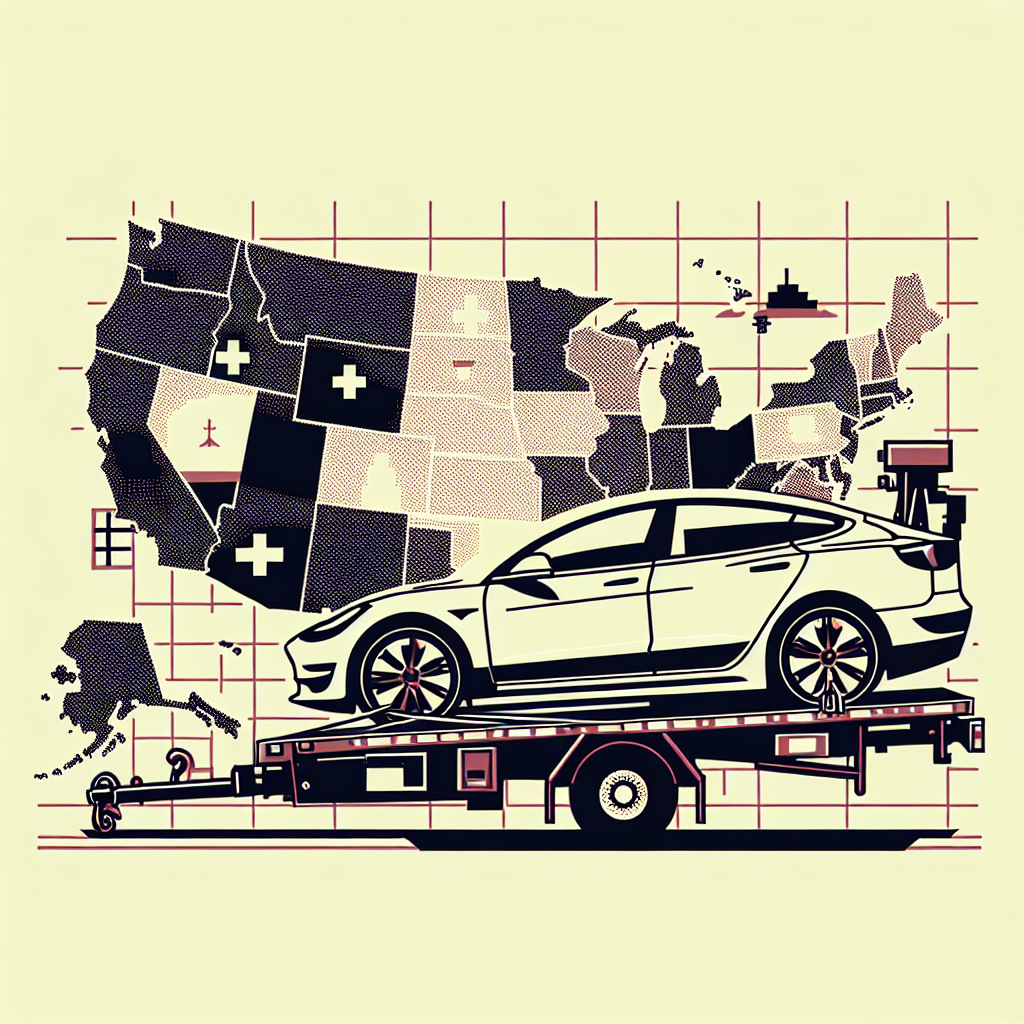
Tesla's Model 3 Tow Package: A New Road Ahead


Tesla has once again turned the wheels of innovation with the launch of a tow package for the 2024+ Model 3 in North America. This latest development opens up a new realm of possibilities for Tesla enthusiasts who have been longing for a vehicle that seamlessly combines sustainability with utility. As the electric vehicle (EV) market continues to grow, Tesla's latest offering highlights the company's commitment to expanding functionality without compromising its core values of performance and eco-friendliness.

The Evolution of Electric Towing


Towing capabilities in electric vehicles have traditionally been limited, primarily due to concerns about battery range and performance under load. However, Tesla's introduction of a tow package for the Model 3 is a significant step forward, addressing these concerns with their characteristic blend of technology and innovation. By enhancing the utility of the Model 3, Tesla is not just appealing to the eco-conscious urban driver but also to those who value versatility and adventure.

This move aligns with a broader trend in the automotive industry, where manufacturers are increasingly recognizing the need to cater to diverse consumer needs. Similar to Ford's electric F-150 Lightning, which boasts impressive towing capabilities, Tesla's Model 3 tow package makes it clear that EVs are not just for city commuting but are also ready for the open road and beyond.

A Nod to Sustainability


The launch of the Model 3 tow package also underscores Tesla's ongoing commitment to sustainability. As concerns about climate change and environmental impact grow, more consumers are looking for ways to reduce their carbon footprint without sacrificing functionality. Tesla's innovation in this space is a testament to the fact that ecological responsibility and practicality can go hand in hand.

This development is timely, considering the global push towards reducing carbon emissions. Initiatives such as the European Union's Green Deal and the Biden administration's focus on clean energy in the United States indicate a worldwide shift towards more sustainable practices. Tesla's advancements contribute to this narrative, offering consumers a tangible way to participate in the green movement.

A Pioneer in the EV Market


Tesla's CEO, Elon Musk, has often been at the forefront of technological advancements and environmental advocacy. Under his leadership, Tesla has not only revolutionized the automotive industry with its electric vehicles but has also consistently pushed the boundaries of what's possible. Musk's vision extends beyond just electric cars, encompassing a broader goal of sustainability through ventures like SolarCity and the development of battery technology.

As Tesla continues to innovate, it's worth noting how these advancements influence consumer behavior and drive competitors to elevate their own offerings. The introduction of the Model 3 tow package is a reminder of the dynamic nature of the automotive industry and Tesla's role as a catalyst for change.

Final Thoughts: The Road Ahead


With the launch of the Model 3 tow package, Tesla has once again demonstrated its ability to adapt and innovate in response to consumer demands and environmental challenges. This development not only enhances the versatility of Tesla's lineup but also reinforces its position as a leader in the EV market.

As we look to the future, it's exciting to imagine the possibilities that lie ahead for electric vehicles. From increased towing capabilities to advances in autonomous driving, the road is wide open for innovation. Tesla's latest offering is a bright indicator of where that road might lead—towards a more sustainable, versatile, and electrified world.

For more insights into Tesla's innovations and the broader trends in the EV market, feel free to explore additional resources and stay tuned for more updates in the ever-evolving world of technology.

Read more about AI in Business

Read more about Latest Sports Trends

Read more about Technology Innovations