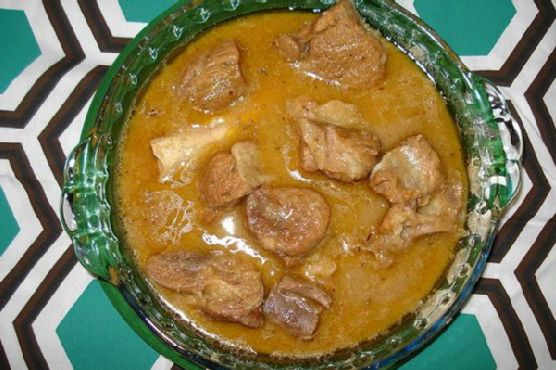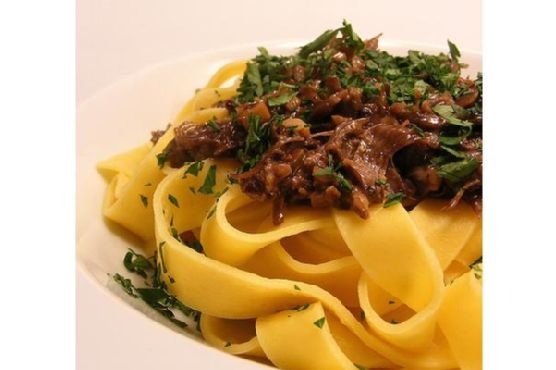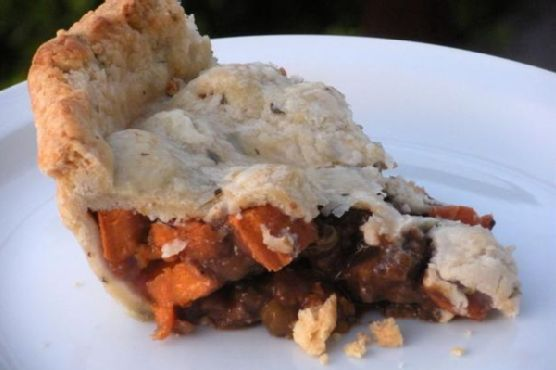
Lamb & Sweet Potato Pot Pie | Made by Meaghan Moineau

Lamb & Sweet Potato Pot Pie

Intro

There’s something magical about the aroma of a pot pie baking in the oven. It takes me back to my childhood, to the small, cozy kitchen in my grandmother’s house. She would make her famous pot pies on chilly autumn afternoons, and the scent of savory herbs and buttery crust would fill the air. Today, I’m excited to share with you a special recipe that’s dear to my heart: Lamb & Sweet Potato Pot Pie. This dish combines tender lamb, sweet potatoes, and a medley of delightful ingredients to create a comforting meal that’s perfect for any occasion.

Why You’ll Love It

This Lamb & Sweet Potato Pot Pie is a beautiful fusion of flavors and textures. The rich, savory lamb pairs perfectly with the sweetness of the potatoes, while the herbs add a fragrant touch to the dish. The pie crust is buttery and flaky, providing the perfect vessel for the delicious filling. Whether you’re preparing it for a special family dinner or simply craving a comforting meal, this pot pie is sure to become a favorite in your household.

Ingredients

  • 2 lbs lamb, cubed
  • 1 ½ tsp kosher salt
  • ½ tsp black pepper
  • 1 tsp caraway seeds
  • 2 cloves garlic, minced
  • 2 tbsp flour
  • 2 tbsp olive oil
  • 1 red onion, chopped
  • 2 celery stalks, diced
  • 1 cup red wine
  • 1 cup demi glace
  • 1 bay leaf
  • 1 cup frozen peas
  • 2 sweet potatoes, peeled and diced
  • 1 tbsp cornstarch
  • 1/4 cup water
  • Zest of 1 lemon
  • Zest of 1 orange
  • 1 tbsp fresh rosemary, chopped
  • 1 tbsp fresh thyme, chopped
  • 2 ½ cups flour
  • 1 tbsp sugar
  • 1 tsp kosher salt
  • 1 cup butter, chilled and cubed
  • ½ cup shortening, chilled
  • ½ cup ice water
  • Milk for brushing

Instructions

  1. Start with the crust. Combine flour, sugar, rosemary, thyme, and salt in a large bowl. Add chilled butter and combine with a pastry blender.
  2. Add shortening and combine to cut into the flour and butter mixture until it resembles coarse cornmeal.
  3. Slowly add ice water by tablespoons, mixing well after each addition until the dough begins to stick together.
  4. Place dough on a flat surface and divide into two even pieces. Roll into balls, dust lightly with flour, and wrap in plastic. Refrigerate for at least an hour.
  5. Toss lamb with salt, pepper, caraway seeds, garlic, and flour, then set aside.
  6. As the dough chills, heat olive oil in a wide, deep pan. When sizzling, add lamb pieces and cook on medium heat until just browned. Remove and set aside.
  7. If necessary, add more olive oil to the same pan and scrape up all the drippings. Add onion and celery, cooking until soft and translucent.
  8. Pour in wine and demi glace, stirring well, then add lamb back to the pan along with peas and bay leaf. Cover, turn down to a simmer, and cook for about 15 minutes.
  9. Mix water and cornstarch, then pour into the lamb and veggies, mixing well. Add sweet potatoes and cook for another 5-7 minutes. Remove from heat and cool completely. Remove the bay leaf.
  10. Once the filling has cooled, roll one dough ball on a floured surface for the bottom crust layer. Place in a 9-inch pie dish and trim edges, then refrigerate.
  11. Roll the second piece of dough for the top crust. Remove the bottom crust from the fridge, pour in the filling, and top with the second layer. Trim and seal edges.
  12. Chill assembled pie briefly if the dough feels soft. Just before baking, brush milk over the top crust.
  13. Bake in a preheated oven at 375°F for 45-50 minutes or until golden brown.
  14. For early preparation, let the filling cool completely, assemble the pie, and chill until ready to bake.

Tips

For the best results, ensure all your crust ingredients are cold before you start mixing. This will help achieve that flaky texture we all love in a pie crust. If the dough becomes too warm while working with it, place it back in the fridge for a quick chill. Also, avoid skipping the step of letting the filling cool completely before assembling the pie; this prevents the crust from becoming soggy.

Variations & Substitutions

If lamb isn’t your preference, you can substitute it with beef or chicken. For a vegetarian version, skip the meat and add more vegetables like mushrooms or bell peppers. To add more depth of flavor, consider incorporating different herbs such as sage or adding a touch of smoked paprika for a smoky taste.

Storage

This pot pie can be stored in the refrigerator for up to 3 days. If you have leftovers, consider reheating them in the oven to preserve the crust’s texture. Alternatively, you can freeze the assembled, unbaked pie for up to a month. When ready to bake, allow it to thaw in the refrigerator overnight before baking as directed.

FAQ

Can I make the dough ahead of time?

Yes! The pie dough can be made up to two days in advance. Simply wrap it tightly in plastic wrap and store it in the refrigerator. You can also freeze the dough for up to a month. Just let it thaw in the fridge overnight before using.

What if I don’t have demi glace?

If you don’t have demi glace on hand, you can use beef broth as a substitute. Just be sure to reduce the amount of salt you add to the filling, as broth is saltier than demi glace.

How do I prevent the crust from getting soggy?

Ensuring the filling is completely cooled before assembling the pie is crucial. Additionally, baking the pie in the lower third of the oven can help the bottom crust cook more evenly and prevent sogginess.

Nutrition

While I haven’t provided specific nutritional information for this recipe, it is a hearty and filling dish that’s rich in protein and nutrients from the lamb and vegetables. If you’re watching your calorie intake, consider using less butter or replacing some of the pastry ingredients with whole wheat flour for a lighter alternative.

Conclusion

There you have it—a delightful Lamb & Sweet Potato Pot Pie that brings warmth and comfort to any table. Whether you’re reminiscing about childhood memories or creating new ones with loved ones, this recipe is sure to become a cherished favorite. I hope you enjoy making and sharing this dish as much as I do. And remember, the secret to the perfect pot pie lies in the love and care you put into each step. Happy cooking!

Related update: Lamb & Sweet Potato Pot Pie

Related update: Havarti and Asparagus Quiche
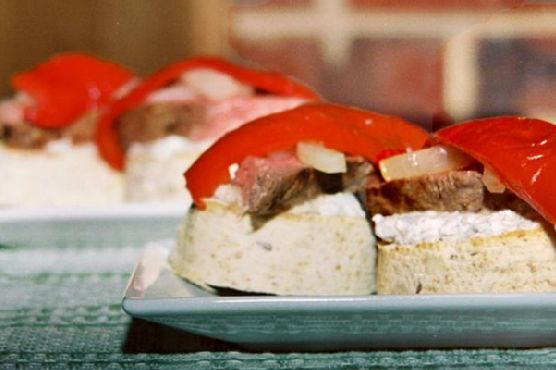
Steak And Pepper Rounds With Rose Horseradish Garlic Creme Sauce | Made by Meaghan Moineau

Steak And Pepper Rounds With Rose Horseradish Garlic Crème Sauce

Intro

There’s something about the aroma of steak sizzling on the grill that transports me back to summer evenings spent in my grandmother’s garden. She had a knack for turning simple ingredients into a feast, and this recipe is a tribute to those cherished memories. As the sun dipped below the horizon, we’d gather around the table, the air filled with laughter and the rich, savory scent of marinated steak. This dish, inspired by those warm, nostalgic evenings, combines tender beef with the vibrant flavors of roasted peppers and a creamy, horseradish-infused sauce, bringing a touch of elegance to any table.

Why You’ll Love It

This recipe is a delightful blend of flavors and textures that’s sure to impress your guests. Whether you’re hosting a summer barbecue or a cozy winter gathering, these steak and pepper rounds are perfect as both appetizers and hearty main courses. The creamy sauce, with its subtle hint of rose wine, perfectly complements the succulent steak and smoky peppers, making each bite a culinary experience. Plus, it’s a versatile dish that can easily be adapted to suit different tastes and dietary needs.

Ingredients

  • 1 tbsp olive oil, plus extra for sautéing
  • 1 whole garlic bulb
  • 1 boneless beef rib steak
  • 1 tbsp Worcestershire sauce
  • 1 tbsp Jack Daniels mustard
  • 1 tsp crushed red pepper flakes
  • 1/2 cup rose syrah wine
  • 1 onion, sliced into 3-inch strips
  • 1 cup red roasted pepper sections
  • 1/2 cup mascarpone cheese
  • 1 tbsp horseradish
  • 4 cloves roasted garlic
  • 1 tsp fresh dried basil
  • 1 tsp fresh dried oregano
  • 1 tbsp fresh lemon juice
  • Salt and pepper, to taste
  • 1 loaf French bread, sliced into 1-inch rounds

Instructions

  1. Preheat your oven to 400°F. Drizzle 1 tbsp of olive oil over the garlic bulb and wrap it in aluminum foil. Place on a cookie sheet and roast for approximately 40 minutes. Once roasted, let it cool to touch.
  2. While the garlic is roasting, marinate the steak in a ziplock bag with Worcestershire sauce, Jack Daniels mustard, crushed red pepper flakes, and 1/2 cup of rose syrah wine. Toss to coat and let it sit while you slice the vegetables.
  3. Heat olive oil in a skillet over medium heat. Add the sliced onion and sauté until slightly browned and caramelized, about 20 minutes. Add the red roasted pepper sections and cook for another 10 to 15 minutes.
  4. Meanwhile, place the marinated steak on a roasting pan and broil in the oven or grill for approximately 5 to 10 minutes per side. Be careful not to overcook, as the steak will continue to cook after being removed from the heat. Let it rest before cutting.
  5. In a food processor, combine the mascarpone cheese, horseradish, and squeeze out 4 cloves of the roasted garlic. (Store the rest of the garlic bulb in an airtight container in the refrigerator for up to one week.) Pulse a few times to blend.
  6. Add the fresh dried basil, oregano, lemon juice, and a pinch of salt and pepper to the mixture and blend well.
  7. Slice the French bread into 1-inch rounds and lightly toast them in the oven or on a grill.
  8. Cut the steak into 1/8 to 1/4-inch strips.
  9. Spread the rose horseradish garlic crème sauce over each warm piece of bread. Top with a slice of steak and a spoonful of the onion and pepper mixture.

Tips

For the best flavor, allow the steak to marinate for at least an hour, or overnight if possible. Ensure your skillet is properly heated before adding the onions to achieve the perfect caramelization. When slicing the steak, always cut against the grain to ensure tenderness. Finally, if you like a bit more kick, feel free to increase the amount of horseradish in the sauce.

Variations & Substitutions

This recipe is highly adaptable. For a lighter version, use chicken breast or portobello mushrooms instead of steak. You can substitute the Jack Daniels mustard with Dijon mustard for a milder taste. If you’re avoiding alcohol, replace the rose syrah wine with beef broth. For a gluten-free option, use gluten-free bread or serve the toppings over a bed of arugula.

Storage

Store any leftover steak and pepper mixture in an airtight container in the refrigerator for up to three days. The sauce can also be refrigerated for up to a week. When ready to serve again, reheat the steak and pepper mixture gently in a skillet, and toast the bread fresh just before serving.

FAQ

Can I prepare the sauce ahead of time?

Yes, the sauce can be prepared up to three days in advance. Just store it in an airtight container in the refrigerator. Before serving, give it a good stir and adjust the seasoning if necessary.

What wine pairs well with this dish?

A glass of the same rose syrah wine used in the recipe would complement the dish beautifully. Alternatively, a full-bodied red like Cabernet Sauvignon would also work well, enhancing the rich flavors of the steak.

Can I use a different type of cheese?

Absolutely! If mascarpone isn’t available, cream cheese or ricotta can be used as substitutes. Keep in mind that cream cheese will yield a slightly tangier sauce.

Nutrition

Each serving contains approximately 250 calories, 18g of fat, 12g of carbohydrates, and 15g of protein. These values may vary slightly based on specific ingredients used and portion sizes.

Conclusion

Steak and Pepper Rounds with Rose Horseradish Garlic Crème Sauce is a delightful appetizer or main dish that brings together a symphony of flavors reminiscent of time-honored traditions and cherished family gatherings. Whether you’re making this for a special occasion or a cozy night in, it’s sure to become a favorite in your culinary repertoire. Enjoy the process of creating and savoring each bite, and feel free to share your own variations and stories in the comments below. Happy cooking!

Related update: Steak And Pepper Rounds With Rose Horseradish Garlic Creme Sauce

Related update: Ginger Chicken Stir-Fry

Related update: Alouette® Stuffed Mushroom Caps

Kunna (A Delicious Chinioti Dish, Punjab, Pakistan) | Made by Meaghan Moineau

Kunna: A Delicious Chinioti Dish from Punjab, Pakistan

Intro

Growing up in the heart of Punjab, the aroma of Kunna wafting through our home on special occasions was an experience to savor. This dish, steeped in tradition, brings back cherished memories of family gatherings and festive celebrations. Kunna, a signature delicacy from Chiniot, is not just a meal—it’s a feast for the senses, a testament to the rich culinary heritage of Pakistan. Whether you’re familiar with this dish or trying it for the first time, Kunna promises to be a comforting and delightful addition to your culinary repertoire.

Why You’ll Love It

Kunna is a dish that embodies warmth and flavor. Here are a few reasons why you’ll fall in love with this traditional recipe:

  • Rich and Flavorful: The combination of spices and tender mutton creates a symphony of flavors that is simply irresistible.
  • Versatile: Serve it with naan, roti, or rice to enjoy a complete and satisfying meal.
  • Nostalgic: For those with roots in Punjab, this dish is a heartwarming reminder of home and heritage.
  • Perfect for Gatherings: Its hearty nature makes it an ideal choice for family dinners and celebrations.

Ingredients

  • 1 garlic pod
  • 1 ginger pod
  • Oil
  • 2 onions
  • Spices:
    • 1 tablespoon paprika powder
  • 1 teaspoon wheat flour
  • Mutton

Instructions

  1. In a large earthenware pot (Handi Matti ki) or any metallic pot, add the mutton, garlic, and ginger. Cook for 1-3 minutes.
  2. Add 1/4 cup of water, onions, and spices, except for the flour, caraway, and garam masala. Cook on low heat until the mutton is tender.
  3. Add oil and stir-fry the mixture.
  4. Mix the wheat flour in 1/4 cup of water and add it to the pot. Cook on low flame for another 10-15 minutes.
  5. Sprinkle caraway and garam masala on top and simmer for 5-10 minutes.
  6. Your delicious Kunna is ready! Serve with naan, roti, or fried rice.

Tips

  • For the best flavor, use fresh, high-quality mutton.
  • Slow cooking the mutton ensures it becomes tender and absorbs the spices.
  • Using an earthenware pot can enhance the traditional taste of the dish.

Variations & Substitutions

If you’re looking to customize your Kunna, consider these variations:

  • Meat Choices: While mutton is traditional, you can substitute with beef or chicken for a different flavor profile.
  • Spice Levels: Adjust the amount of paprika to make the dish milder or spicier according to your preference.
  • Vegetarian Option: Replace mutton with hearty vegetables like potatoes or lentils for a vegetarian version of Kunna.

Storage

Store any leftover Kunna in an airtight container in the refrigerator for up to 3 days. To reheat, gently warm on the stove or in the microwave, adding a splash of water if needed to maintain the dish’s moisture.

FAQ

Can I prepare Kunna in advance?

Yes, Kunna can be prepared a day in advance. In fact, allowing the flavors to meld overnight can enhance the taste. Simply reheat before serving.

What is the best accompaniment for Kunna?

Kunna pairs beautifully with naan or roti, but it can also be enjoyed with plain or fried rice, depending on your preference.

Can I freeze Kunna?

While it’s best enjoyed fresh, Kunna can be frozen for up to a month. Ensure it’s stored in an airtight container and thaw it completely before reheating.

Nutrition

Kunna is a hearty and protein-rich dish, primarily due to the use of mutton. While specific nutritional values can vary based on ingredient quantities, it generally provides a good source of protein, essential vitamins, and minerals. As with any dish, moderation is key, especially considering the oil and spices involved.

Conclusion

Kunna is more than just a dish—it’s a culinary journey into the heart of Punjab. With its rich flavors and comforting aroma, it brings a slice of Chiniot to your dining table. Whether you’re revisiting childhood memories or creating new ones, Kunna is sure to delight both young and old. We hope this recipe inspires you to explore the rich tapestry of Pakistani cuisine and perhaps even add your own twist to this beloved classic. Enjoy!

Related update: Kunna (A Delicious Chinioti Dish, Punjab, Pakistan)

Related update: Chicken Piccata With Angel Hair Pasta

Oxtail Ragout | Made by Meaghan Moineau

Oxtail Ragout: A Comforting Classic

Intro

There’s something deeply nostalgic about a simmering pot of Oxtail Ragout, its rich aroma filling the kitchen and warming the soul. Growing up, Sundays were not complete without gathering around the table with family to enjoy a hearty meal. My grandmother, with her well-worn apron and gentle smile, would lovingly prepare this dish, sharing stories of her own childhood. Today, I’m excited to pass on this cherished recipe, inviting you to create your own memories with this delightful and comforting dish.

Why You’ll Love It

This Oxtail Ragout is the epitome of comfort food. Its succulent, tender meat falls off the bone, while the rich, flavorful broth is perfect for dipping crusty bread. Ideal for a cozy family dinner or a special occasion, this dish is both satisfying and impressive. Whether you’re a seasoned cook or a beginner, you’ll appreciate the simple, rustic preparation and the depth of flavor achieved with humble ingredients.

Ingredients

  • 1 teaspoon whole allspice
  • 1 whole bay leaf
  • 1/4 cup flour
  • 2 cloves garlic, minced
  • 1 tablespoon lemon juice
  • 1 large onion, chopped
  • 2 pounds oxtails
  • 1 teaspoon paprika
  • 1 bell pepper, chopped
  • 1 teaspoon salt
  • 2 cups tomato juice
  • 1 cup water

Instructions

  1. In a small bowl, combine 1 teaspoon of salt, pepper, paprika, and flour.
  2. Roll the oxtails in the seasoned flour mixture until well coated.
  3. In a large pot, heat some fat (such as vegetable oil or lard) over medium-high heat.
  4. Brown the oxtails thoroughly in the hot fat, ensuring all sides are seared.
  5. Add the remaining ingredients except for the lemon juice to the pot: whole allspice, bay leaf, minced garlic, chopped onion, chopped bell pepper, tomato juice, and water.
  6. Cover the pot and reduce the heat to a simmer. Let it cook for 3 hours, stirring occasionally.
  7. After 3 hours, remove the whole allspice and bay leaf from the pot.
  8. Stir in the lemon juice just before serving.
  9. Serve hot, and enjoy with family and friends.

Tips

To elevate your Oxtail Ragout, consider these additional tips:

  • Ensure the oxtails are well browned to develop a deep, rich flavor.
  • Use a heavy-bottomed pot for even heat distribution and to prevent burning.
  • Let the ragout rest for a few minutes after cooking to allow the flavors to meld.

Variations & Substitutions

Feel free to customize your Oxtail Ragout to suit your taste or dietary preferences:

  • Vegetables: Add diced carrots or celery for additional flavor and nutrition.
  • Spices: Experiment with other spices like thyme or rosemary for a different aromatic profile.
  • Protein: If oxtails are unavailable, beef shanks can be used as a substitute.

Storage

Store any leftover ragout in an airtight container in the refrigerator for up to three days. For longer storage, freeze portions in freezer-safe containers for up to three months. Reheat gently on the stove or in the microwave before serving.

FAQ

Can I make Oxtail Ragout in advance?

Yes, Oxtail Ragout is an excellent dish to prepare in advance. In fact, it often tastes better the next day as the flavors have had more time to develop. Simply store it in the refrigerator and reheat before serving.

What should I serve with Oxtail Ragout?

This dish pairs wonderfully with crusty bread, mashed potatoes, or a simple green salad. The hearty flavors also complement a glass of robust red wine.

Nutrition

Oxtail Ragout is a protein-rich dish with a hearty amount of iron and zinc, essential for a balanced diet. While it is not a low-calorie option, its nutritional benefits and comfort factor make it a worthwhile indulgence.

Conclusion

Creating a pot of Oxtail Ragout is more than just preparing a meal; it’s about sharing love and tradition. As you savor each bite, remember the warmth of family gatherings and the joy of creating new memories. I hope this recipe brings as much comfort and happiness to your table as it has to mine. Enjoy the rustic charm of this timeless classic and the smiles it will undoubtedly bring to those you share it with.

Related update: Oxtail Ragout

Related update: French Toast Croissants with Strawberries

Beef Pot Pies with Irish Cheddar Crust | Made by Meaghan Moineau

Beef Pot Pies with Irish Cheddar Crust

Intro

There’s something incredibly heartwarming about the aroma of a savory pot pie wafting through the house, especially on a cool, crisp evening. The first time I made Beef Pot Pies with Irish Cheddar Crust, I was transported back to my grandmother’s kitchen, where the warmth from her oven seemed to envelop us in a comforting embrace. Her stories of growing up in Ireland, where cheddar cheese was a staple in many family dishes, always fascinated me. Now, I cherish the tradition of baking these pies, filling my home with both a sense of nostalgia and the promise of a delicious meal.

Why You’ll Love It

This recipe combines the hearty richness of beef stew with the indulgence of a buttery, cheesy crust. The Irish cheddar adds a sharp, tangy flavor to the dough, perfectly complementing the savory filling. You’ll love how the tender beef melts in your mouth, contrasted by the flaky, golden crust. Whether you’re preparing a cozy family dinner or impressing guests with a classic dish, these pot pies are sure to delight.

Ingredients

  • Unsalted butter
  • Shredded sharp cheddar cheese
  • Flour
  • Sugar
  • Salt
  • Dry mustard
  • Cayenne pepper
  • Ice water
  • Vegetable oil
  • Beef chuck meat
  • Salt & pepper
  • Onion
  • Carrots
  • Garlic
  • Fresh thyme
  • Fresh marjoram
  • Flour
  • Canned beef broth
  • Water
  • Dijon mustard
  • Fresh parsley
  • Egg

Instructions

  1. Place the cut-up butter pieces in the freezer for 15 minutes to chill.
  2. Meanwhile, in the work bowl of a food processor, combine flour, sugar, dry mustard, salt, and cayenne pepper. Pulse to combine.
  3. After the butter has chilled, scatter the pieces over the flour mixture (still in the food processor), along with the cheddar. Pulse about 10 times.
  4. Sprinkle half the ice water over the dough, pulse about 3 times, repeat with remaining water, pulsing 3 more times. Pinch the dough to check if it sticks together; if not, add a tablespoon or two more ice water, until it comes together.
  5. Dump the mix in a large bowl and press it together to form the dough. Divide dough in half, shaping each into a 4-inch disk. Wrap each piece in plastic wrap and refrigerate at least an hour.
  6. Begin the filling: Pat the meat dry with paper towels and season with salt & pepper.
  7. Heat 2 teaspoons of oil in a large skillet over medium-high heat until just smoking. Add the meat in a single layer and cook, without stirring, until the meat browns well on the underside, anywhere between 5-10 minutes.
  8. Stir the meat and cook another couple of minutes, until it loses the raw color. Remove to a plate and set aside.
  9. Reduce heat to medium, add the remaining 2 teaspoons of oil, and the onions and carrots. Sauté until softened and starting to brown, stirring occasionally, around 5 minutes.
  10. Add the garlic, thyme, and marjoram, and cook until very fragrant, about a minute. Stir in flour, cook and stir about a minute.
  11. Slowly add in the beef broth and water, then the meat, along with any juices left on the plate. Bring to a simmer, then reduce the heat to low, to med-low. Cover and cook, stirring occasionally, until the meat is just becoming tender, around 45 minutes.
  12. Remove from heat, add in the Dijon and parsley. Adjust seasoning with salt & pepper. Set aside to cool.

Tips

For the best results, ensure your butter is very cold before incorporating it into the dough. This helps create a flaky texture in the crust. When browning the meat, patience is key—avoid stirring too soon to allow a flavorful crust to form.

Variations & Substitutions

Feel free to experiment with different types of cheese in the crust—an aged Gouda or a sharp Swiss would provide a delightful twist. For a vegetarian version, substitute the beef with hearty mushrooms and swap the beef broth for vegetable stock. You can also add peas or potatoes to the filling for additional texture and flavor.

Storage

These pot pies can be made ahead and stored in the refrigerator for up to three days. To freeze, wrap the unbaked pies tightly in plastic wrap and aluminum foil, and store for up to two months. When ready to bake, simply add a few extra minutes to the baking time.

FAQ

Can I make the dough by hand if I don’t have a food processor?

Yes, you can make the dough by hand. Use a pastry cutter or your fingertips to work the butter and cheese into the flour mixture until it resembles coarse crumbs. Gradually add the ice water, mixing until the dough comes together.

What can I serve with these pot pies?

These pot pies are quite filling on their own, but a light side salad or some roasted vegetables can complement them beautifully. A glass of red wine or a robust ale pairs wonderfully with the rich flavors of the dish.

Can I use store-bought pie dough?

While homemade dough provides a unique flavor and texture, you can certainly use store-bought pie dough for convenience. Just be sure to add some shredded cheddar to the dough if you want to keep the cheesy crust element.

Nutrition

While I don’t have specific nutritional information for this recipe, it’s worth noting that these pot pies are an indulgence, combining buttery crusts and rich beef filling. Moderation is key, and you can always tailor the recipe to your dietary needs by adjusting the salt or using leaner cuts of beef.

Conclusion

Beef Pot Pies with Irish Cheddar Crust are more than just a meal; they’re a connection to cherished memories and a testament to the comforting power of homemade food. Whether you’re new to baking or a seasoned cook, this recipe invites you to enjoy the process and savor the results. Gather your loved ones, share a story or two, and enjoy the warmth and goodness these pot pies bring to your table.

Related update: Beef Pot Pies with Irish Cheddar Crust

Related update: Kung Po Chicken