Quick N’ Easy Basil Pesto | Made by Meaghan Moineau

Quick N’ Easy Basil Pesto

Intro

There’s something truly magical about the aroma of fresh basil wafting through the kitchen. It takes me back to my childhood, sitting at my grandmother’s kitchen table, eagerly watching as she crafted her signature pesto. The vibrant green of the basil, the nutty aroma of the pine nuts, and the sharp, tangy scent of freshly grated parmesan — these are the sensory memories that have stayed with me. Today, I want to share a simplified version of her recipe that retains all the charm and flavor of the traditional dish, while being quick and easy enough for anyone to make. Whether you’re a seasoned cook or a kitchen novice, this Quick N’ Easy Basil Pesto is sure to become a favorite in your home, just as it has in mine.

Why You’ll Love It

Our Quick N’ Easy Basil Pesto is a delightful blend of fresh ingredients that can elevate any meal. Here are just a few reasons why you’ll fall in love with this recipe:

  • Simple and Fast: With just a handful of ingredients and a few minutes, you can whip up a batch of homemade pesto.
  • Versatile: Use it as a pasta sauce, a sandwich spread, or a topping for grilled meats and veggies.
  • Rich in Flavor: Each bite delivers a burst of fresh, nutty, and cheesy goodness.
  • Customizable: Easily tweak the ingredients to suit your taste or dietary needs.

Ingredients

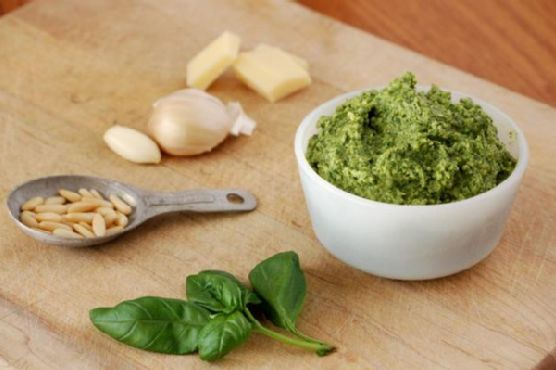
  • 2 cups fresh basil leaves, packed
  • 1/2 cup olive oil, plus more if needed
  • 1/3 cup pine nuts
  • 2 cloves garlic
  • 1/2 cup freshly grated parmesan cheese

Instructions

  1. Begin by washing and drying the basil leaves thoroughly.
  2. In a food processor, add the basil leaves, pine nuts, and garlic. Pulse a few times until coarsely chopped.
  3. With the processor running, slowly drizzle in the olive oil until the mixture is smooth and creamy.
  4. Add the parmesan cheese and pulse until well combined. Check the consistency; if it’s too thick, gradually add more olive oil until you achieve the desired texture.
  5. Taste and adjust seasoning if necessary. Remember, fresh pesto is best enjoyed within 24 hours.
  6. For longer storage, scoop the pesto into muffin cups lined with plastic wrap and freeze for future use.

Tips

To ensure your pesto is perfect every time, consider these tips:

  • Quality Ingredients: Use the freshest basil and highest quality olive oil you can find for the best flavor.
  • Toasting Nuts: Lightly toasting the pine nuts before adding them to the processor enhances their flavor.
  • Consistent Texture: Add olive oil slowly to control the texture of your pesto. You can always add more, but you can’t take it out!

Variations & Substitutions

One of the joys of making pesto is its flexibility. Here are some ideas to switch things up:

  • Nut Alternatives: Swap pine nuts for walnuts, almonds, or even sunflower seeds for a different flavor profile.
  • Cheese Options: Try Pecorino Romano or a vegan parmesan for a unique twist.
  • Herbal Variations: Substitute part of the basil with spinach, arugula, or parsley for a diverse taste.

Storage

Fresh pesto is best enjoyed within 24 hours for optimal flavor. If you need to store it longer, here are some options:

  • Refrigeration: Keep it in an airtight container with a thin layer of olive oil on top to prevent browning. It should last for up to a week.
  • Freezing: Freeze in muffin cups lined with plastic wrap for individual portions. Once frozen, transfer them to a zip-lock bag. They can last in the freezer for up to three months.

FAQ

Can I make pesto without a food processor?

Absolutely! If you don’t have a food processor, a blender can work as an alternative. You can also use a mortar and pestle for a more traditional approach, though it will take more time and effort.

Is there a way to make this recipe vegan?

Yes, you can make a vegan version by substituting the parmesan cheese with nutritional yeast or a vegan cheese alternative. This will still give you that cheesy flavor without using dairy.

Nutrition

This recipe is nutrient-dense, providing healthy fats from the olive oil and pine nuts, vitamins from the basil, and protein from the cheese. It’s a great choice for those looking to add more wholesome ingredients to their diet without sacrificing flavor.

Conclusion

Making your own basil pesto is a rewarding experience, connecting you to the vibrant flavors of fresh ingredients and the timeless traditions of Italian cooking. Whether you’re using it to dress up a pasta dish, spread on a sandwich, or as a dip, this Quick N’ Easy Basil Pesto is sure to become a staple in your culinary repertoire. So why not gather your ingredients, and embark on a delicious journey of flavor and nostalgia, just like the one I enjoyed with my grandmother so many years ago.

Related update: Quick N' Easy Basil Pesto
Fall Fruit Compote | Made by Meaghan Moineau

Fall Fruit Compote

Intro

There’s something magical about fall—the crisp air, the vibrant colors, and the comforting aroma of spices and fruits mingling together. Growing up, fall was always my favorite season. I remember sitting in my grandmother’s cozy kitchen, the windows fogging up as she cooked her famous fruit compote. The sweet and tangy smell would waft through the house, inviting everyone to gather around the table. Her secret? A touch of apple cider vinegar that added just the right amount of zing. Now, I carry on her tradition with my own version of this delightful Fall Fruit Compote, and I can’t wait to share it with you!

Why You’ll Love It

This Fall Fruit Compote is a hug in a bowl. Whether you’re serving it up as a side dish, a topping for potato latkes, or simply enjoying it on its own, this recipe is sure to warm your heart and soul. Here’s why you’ll absolutely love it:

  • Easy to Make: With just a few simple steps, you can have this delicious compote ready in no time.
  • Versatile: Serve it warm or cold, with breakfast or dessert—it complements any meal!
  • Full of Fall Flavors: The combination of apples, pears, and cinnamon captures the essence of autumn in every bite.
  • Customizable: Easily adjust the sweetness or tweak the spices to suit your taste.

Ingredients

  • 1 tablespoon butter
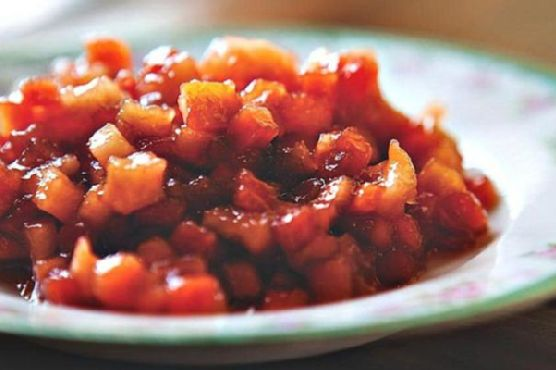
  • 2 cups diced honeycrisp apples
  • 1 cup diced pears
  • 1/2 cup dried cherries
  • 1 tablespoon apple cider vinegar
  • 1 cup apple juice, plus more as needed
  • 1/4 cup brown sugar
  • 1 cinnamon stick

Instructions

  1. Melt the butter in a medium saucepan over high heat.
  2. Add the diced apples, pears, cherries, vinegar, apple juice, brown sugar, and cinnamon stick.
  3. Cook for 5 minutes, stirring occasionally.
  4. Lower the heat to medium and cook for a few minutes more, until the fruit is tender and the liquid has boiled away.
  5. If necessary, add a bit more apple juice to keep the fruit from scorching.
  6. Remove the cinnamon stick and serve warm, ideally with potato latkes or your favorite dish.

Tips

Here are a few tips to ensure your compote turns out perfectly:

  • Choose the Right Apples: Honeycrisp apples are ideal for this recipe as they hold their shape well and add a natural sweetness.
  • Monitor the Liquid: Keep an eye on the liquid level to prevent the fruit from burning. Add more apple juice as needed.
  • Adjust Sweetness: Feel free to add more or less brown sugar based on your preference.

Variations & Substitutions

One of the best things about this compote is its adaptability. Here are some variations and substitutions you might consider:

  • Fruit Variations: Swap out the pears for peaches or add cranberries for a tart twist.
  • Sugar Alternatives: Use maple syrup or honey instead of brown sugar for a different sweetness profile.
  • Spice It Up: Add a pinch of nutmeg or cloves for extra warmth.

Storage

This delicious compote can be stored in an airtight container in the refrigerator for up to a week. Reheat gently on the stove or in the microwave before serving. You can also freeze it for up to three months—just thaw and warm it before enjoying.

FAQ

Can I use fresh cherries instead of dried?

Yes, fresh cherries can be used, though they will add more moisture to the compote. You might need to reduce the amount of apple juice slightly to compensate.

Is there a way to make this recipe vegan?

Absolutely! Simply substitute the butter with a plant-based alternative, such as coconut oil or vegan butter, and you’re good to go.

Can I make this compote in advance?

Definitely! This compote tastes even better the next day, as the flavors have more time to meld together. Just store it in the fridge and reheat when you’re ready to serve.

Nutrition

This Fall Fruit Compote is not only delicious but also packed with nutrients. Apples and pears are high in fiber and vitamin C, while cherries add antioxidants. While it does include sugar, you can easily adjust the amount to fit your dietary needs.

Conclusion

There you have it—a warm, comforting dish that captures the essence of fall in every bite. Whether you’re gathering with family or simply indulging in a cozy night at home, this Fall Fruit Compote is sure to be a hit. I hope it brings as much joy to your table as it does to mine. Happy cooking!

Related update: Fall Fruit Compote

Related update: Zabaglione with Roasted Plums

Walnut Pesto | Made by Meaghan Moineau

Walnut Pesto: A Nutty Twist on a Classic

Intro

I remember the first time I tasted homemade pesto at my grandmother’s kitchen table. The aroma of fresh basil mingling with garlic and cheese was heavenly, and it was an instant family favorite. Fast forward to today, I’ve put my own twist on this classic by incorporating walnuts, a nod to the bountiful walnut tree in our backyard. This walnut pesto is not only a homage to my grandmother’s recipe but also a deliciously nutty variation that adds depth and texture to a beloved classic.

Why You’ll Love It

This walnut pesto is a game-changer for several reasons. First, it’s incredibly versatile. Whether you’re tossing it with pasta, spreading it on sandwiches, or using it as a dip, this pesto adds a burst of flavor to any dish. Second, it’s quick and easy to make, taking less than 15 minutes from start to finish. Finally, the walnuts add a rich, earthy flavor and a dose of heart-healthy fats, making this pesto not only tasty but also nutritious.

Ingredients

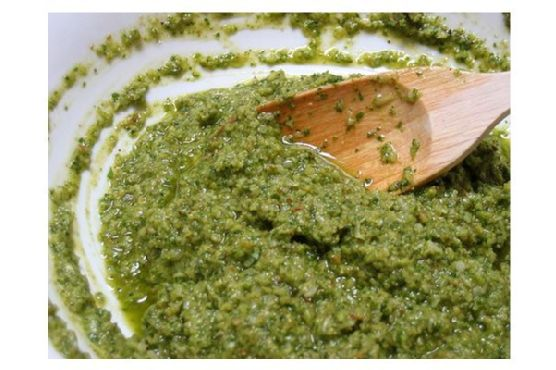
  • 2 cups fresh basil leaves, packed
  • 2 cloves garlic
  • ½ cup olive oil
  • ½ cup grated Parmesan cheese
  • ½ teaspoon sea salt
  • ½ cup walnuts

Instructions

  1. Combine walnuts, basil, garlic, Parmesan, and salt in a food processor. Process until the mixture forms a coarse puree.
  2. With the machine running, slowly add the olive oil through the feed tube. Continue processing until the pesto is smooth, stopping to scrape down the sides as necessary.
  3. Transfer the pesto to an airtight jar, preferably one that is opaque to keep out the light.
  4. To prevent the pesto from browning, cover its surface with a thin layer of olive oil before sealing the jar.
  5. Store the pesto in the refrigerator and enjoy as needed.

Tips

For the best flavor, use fresh, high-quality ingredients. If your basil leaves are a little wilted, revive them by soaking in ice water for a few minutes. When adding olive oil, go slow to achieve the desired consistency. If your pesto is too thick, add more olive oil, a little at a time. You can also toast the walnuts lightly before processing for an added depth of flavor.

Variations & Substitutions

This recipe is incredibly adaptable. If you’re out of walnuts, try substituting with pine nuts or almonds. For a dairy-free version, omit the Parmesan cheese and add a tablespoon of nutritional yeast for a cheesy flavor. You can also experiment with different herbs; try adding a handful of parsley or cilantro for a unique twist. If you prefer a spicier kick, throw in a pinch of red pepper flakes while processing.

Storage

Store your walnut pesto in the refrigerator for up to a week. To extend its shelf life, freeze it in ice cube trays. Once frozen, transfer the cubes to a zip-top bag and store in the freezer for up to three months. Thaw the cubes in the refrigerator overnight or at room temperature for a couple of hours before using. Always ensure that the surface is covered with a layer of olive oil to prevent browning.

FAQ

Can I make walnut pesto without a food processor?

Yes, you can! If you don’t have a food processor, use a mortar and pestle. It requires a bit more elbow grease but yields a rustic texture that many find appealing. Start by crushing the garlic and salt, then gradually add the basil, walnuts, and cheese, grinding until you achieve a paste. Slowly mix in the olive oil to finish.

How can I use walnut pesto in my meals?

Walnut pesto is incredibly versatile. Toss it with your favorite pasta, spread it on sandwiches or wraps, or use it as a topping for grilled chicken or fish. It’s also a fantastic addition to soups and stews, adding a burst of flavor. Get creative and explore different ways to enjoy this delectable sauce!

Is walnut pesto vegan?

The traditional recipe includes Parmesan cheese, which is not vegan. However, you can make a vegan version by omitting the cheese and adding nutritional yeast to achieve a similar cheesy flavor. Ensure all other ingredients are vegan-friendly, and you’re good to go!

Nutrition

This walnut pesto is not only flavorful but also packed with nutrients. Walnuts are rich in omega-3 fatty acids, which are beneficial for heart health. Basil and garlic offer antioxidants, while olive oil provides healthy fats. This pesto is a nutritious addition to any meal, providing healthy fats, protein, and fiber.

Conclusion

Walnut pesto is a delightful twist on a classic recipe that’s sure to become a staple in your kitchen. Its rich, nutty flavor and versatility make it a must-try for pesto lovers and newcomers alike. Whether you’re making a quick weeknight dinner or looking to impress guests with a gourmet touch, this walnut pesto will not disappoint. I hope this recipe brings as much joy to your table as it has to mine. Enjoy!

Related update: Walnut Pesto

Related update: Quick N' Easy Basil Pesto
Authentic Bolognese Sauce | Made by Meaghan Moineau

Authentic Bolognese Sauce

Intro

There’s something deeply comforting about a simmering pot of Bolognese sauce on the stove, its rich aromas filling the kitchen and evoking memories of family dinners. Growing up, weekends were synonymous with my grandmother’s Bolognese—an authentic recipe passed down through generations. I fondly recall sitting at the kitchen table, my eyes barely peeking over the edge, watching her expertly chop vegetables and stir the sauce with love and dedication. Today, I’m thrilled to share this cherished recipe with you, hoping it brings warmth to your table and creates new memories with your loved ones.

Why You’ll Love It

This Authentic Bolognese Sauce is a labor of love, but it’s worth every minute of simmering. Here’s why you’ll adore making and eating this classic Italian sauce:

  • Rich Flavor: The combination of pancetta, beef, and aromatic vegetables creates a depth of flavor that is both hearty and inviting.
  • Versatile: While traditionally served with tagliatelle, this sauce pairs beautifully with any pasta, lasagna, or even as a topping for polenta.
  • Family Tradition: It’s a recipe that invites you to slow down, enjoy the cooking process, and share a meal steeped in cultural heritage.

Ingredients

  • 1 carrot, diced
  • 1 celery stalk, diced
  • 1/2 cup dry white wine
  • 2 garlic cloves, minced
  • 1 pound regular ground beef
  • 2 tablespoons olive oil
  • 1 diced onion
  • 4 ounces pancetta, diced
  • 1/2 teaspoon pepper
  • 1 teaspoon salt
  • 2 tablespoons tomato paste
  • 1 cup whole milk

Instructions

  1. In a large skillet, heat the olive oil over medium heat.
  2. Add the pancetta, onion, carrot, celery, and garlic. Cook until the vegetables are soft, about 10-15 minutes, stirring occasionally.
  3. Add the ground beef to the skillet. Cook until it is no longer pink, breaking it up with a wooden spoon as it cooks.
  4. Stir in the dry white wine, allowing it to simmer for about 2 minutes.
  5. Add the whole milk and tomato paste, stirring well to combine.
  6. Season with salt and pepper to taste.
  7. Reduce the heat to low and let the sauce simmer uncovered for 1 hour, or until most of the liquid has been absorbed, stirring occasionally.
  8. Once the sauce has thickened, taste and adjust seasoning if necessary before serving.

Tips

  • Take your time: This sauce benefits from a slow simmer, allowing the flavors to meld beautifully. Resist the urge to rush.
  • Quality ingredients: Use the best quality ingredients you can find, especially when it comes to the wine and beef.
  • Stir occasionally: Make sure to stir the sauce every now and then to prevent it from sticking to the bottom of the skillet.

Variations & Substitutions

While this recipe strives to stay true to its authentic roots, there are always ways to make it your own:

  • Vegetarian Bolognese: Substitute the beef and pancetta with lentils and mushrooms for a hearty vegetarian version.
  • Different Meats: Feel free to use a mix of ground pork and beef for a slightly different flavor profile.
  • Herbs and Spices: Add a bay leaf or a pinch of nutmeg for additional depth.

Storage

Allow the Bolognese sauce to cool completely before storing. Transfer it to an airtight container and refrigerate for up to 3 days. For longer storage, freeze the sauce in airtight containers or freezer bags for up to 3 months. Thaw in the refrigerator overnight before reheating.

FAQ

Can I make this sauce ahead of time?

Absolutely! In fact, Bolognese sauce often tastes even better the next day as the flavors have time to develop further. Simply reheat gently on the stove before serving.

What type of pasta pairs best with Bolognese sauce?

Traditionally, Bolognese sauce is served with tagliatelle, a wide, flat pasta that holds the sauce beautifully. However, it also pairs well with pappardelle, fettuccine, or any pasta you have on hand.

Can I use red wine instead of white?

While white wine is traditional in Bolognese, red wine can be used for a slightly different, richer flavor. Just ensure it’s a dry variety to maintain the sauce’s balance.

Nutrition

This recipe serves approximately 6 people. Each serving contains:

  • Calories: 320
  • Protein: 20g
  • Carbohydrates: 12g
  • Fat: 22g
  • Fiber: 2g

Conclusion

Authentic Bolognese Sauce is more than just a meal—it’s a celebration of tradition, flavor, and the joy of cooking. Whether you’re recreating cherished family memories or crafting new ones, this dish brings warmth and togetherness to any table. I hope this recipe becomes a beloved staple in your home, infusing your kitchen with the same love and care my grandmother infused into hers. Buon appetito!

Related update: Authentic Bolognese Sauce

Related update: Chimichurri Skirt Steak with Grilled Asparagus

Related update: Walnut Pesto