
Mendoza Bros. Spotlight: Alberto to GT | Analysis by Brian Moineau

Georgia Tech lands Alberto Mendoza: the portal move that keeps the Mendoza name in the ACC spotlight

You know that feeling when a plot twist lands faster than the final seconds of a close game? One day Indiana is celebrating a Heisman winner and a national title, the next day Georgia Tech announces a commitment from the Heisman winner’s younger brother. Alberto Mendoza’s decision to transfer to the Yellow Jackets is the kind of offseason moment that redraws depth charts and sparks instant “what if” conversations.

Why this matters beyond a single roster move

  • Alberto isn’t just “Fernando’s little brother.” He’s a 6-2, athletic QB who showed real promise in relief at Indiana — efficient passing, a few timely throws and the kind of dual-threat flashes ACC coaches covet.
  • Georgia Tech just finished 9–4 in 2025 and needs a quarterback to replace Haynes King. Adding a young QB with game experience and a winning pedigree accelerates their timeline.
  • For Georgia Tech, this is both a talent pickup and a recruiting signal: Brent Key is willing to be aggressive in the portal to speed the program’s trajectory.

A quick snapshot of Alberto’s background

  • High school: Christopher Columbus (Miami, FL), the same South Florida pipeline that produced his brother Fernando.
  • At Indiana: Played mostly as a backup in 2025, appearing in nine games. Notable stat line: completed 18-of-24 for 286 yards, five TDs and one interception, plus 190 rushing yards and a rushing TD. Those numbers came in limited opportunities but showed accuracy and playmaking instincts.
  • Transfer timeline: Entered the transfer portal in the winter window following Indiana’s national title run and committed to Georgia Tech on January 20, 2026.

What Georgia Tech gets (and what to watch)

  • Immediate competition: Alberto arrives with college reps and a winning culture close to home. He won’t be an automatic starter — Georgia Tech still has returning players and incoming transfers — but he presents a realistic path to the job if he adapts to the system quickly.
  • Mobility and efficiency: In spot duty, Alberto demonstrated a high completion rate and the ability to pick up yards with his legs. That profile fits well with modern ACC offenses that prize quick decision-making and the threat of QB movement.
  • Development upside: At 6-2 and still young, Mendoza has room to add polish. Georgia Tech’s coaching staff will be judged on how quickly they can turn those flashes into consistent performance against ACC defenses.

Ripple effects for Indiana and the Mendoza family narrative

  • Indiana’s offseason quarterback carousel keeps spinning. With Fernando expected to turn pro after capturing the Heisman and the national title, Indiana had already added portal talent (Josh Hoover). Alberto looking elsewhere is understandable — he’s chasing playing time and a chance to build his own legacy.
  • Storylines sell. Fernando’s Heisman and the Hoosiers’ Cinderella run dominate headlines, and Alberto’s move feeds into the human interest angle: two brothers, two different paths after a shared season of ultimate success.

Where the risk and reward lie

  • Risk for Georgia Tech: Portal commits aren’t guaranteed fits. Chemistry, learning a new offense and adapting to ACC speed are immediate hurdles. If Alberto doesn’t win the job, Tech still needs to replace production at QB.
  • Reward for Georgia Tech: If he develops into a reliable starter, this could be a low-friction, high-upside win — a player with practice-room familiarity with a championship-winning culture and the confidence that comes from being part of a top program.

The broader college-football lens

  • The Mendoza story is another illustration of how transfers and family ties shape roster construction today. Power is shifting toward players who can move for opportunity, and programs that move quickly in the portal gain competitive advantage.
  • It’s also a reminder that star seasons (and Heismans) don’t freeze rosters. Momentous wins often spark roster churn — players reassess their roles, coaches retool, and the cycle repeats.

Final thoughts

Alberto Mendoza’s commitment to Georgia Tech is more than a neat offseason headline. It’s a strategic play by the Jackets to add a young, experienced quarterback with a winning background — and it offers Mendoza a clearer path to carve his own identity away from an inevitable comparison to Fernando. If the coaching staff can accelerate his comfort in the offense, this could be an understated offseason win for both player and school. Either way, the Mendoza name will continue to be one to watch in 2026.

Sources


Related update: We recently published an article that expands on this topic: read the latest post.


Related update: We recently published an article that expands on this topic: read the latest post.
Stanford Rally Stuns No. 14 North Carolina | Analysis by Brian Moineau

Upsets, Runs and a Freshman Breakout: Stanford 95, North Carolina 90

There are games that feel like a yard-by-yard slog and then there are those where momentum flips so fast you can almost hear the rim rattling from coast to coast. Wednesday night at Maples Pavilion was the latter. Stanford rallied from a double-digit deficit and knocked off No. 14 North Carolina 95–90 on January 14, 2026 — a high-octane, three-heavy affair that left both teams with plenty to chew on.

Why this game mattered

  • North Carolina arrived with Top-15 respectability and national expectations; Stanford wanted to prove last season’s upset wasn’t a fluke.
  • The result further highlighted defensive concerns for the Tar Heels (particularly perimeter defense and late-game stops).
  • For Stanford, the win underscored the rise of a freshman who can carry an offense and the potency of a modern perimeter attack.

What stood out

  • Ebuka Okorie’s emergence
    • The Stanford freshman exploded for a career-high 36 points and added nine assists. He created off the dribble, got to the line, and kept the Cardinal offense humming when UNC clamped down early. His 36 points set a freshman record for Stanford in a single game and felt like the difference-maker on the final run.
  • Heat check: Stanford’s 3-point barrage
    • Stanford drained 16 three-pointers on the night — an enormous number against a program that usually takes pride in defending the arc. That barrage erased North Carolina’s cushion and proved decisive down the stretch.
  • North Carolina’s collapse from the perimeter
    • The Tar Heels made only six threes and went nearly four minutes without a field goal during the decisive stretch. Carolina’s inability to close out on shooters and its struggles at the free-throw line (20-of-32) turned a game they led for large stretches into a nail-biter they ultimately lost.
  • Late-game poise and clutch shooting
    • Jeremy Dent-Smith hit the go-ahead triple with about a minute left, and Ryan Agarwal’s follow-up three effectively sealed the deal. Stanford found the right shooters in the right moments; UNC could not respond.

Game flow snapshot

  • First half: North Carolina built an early 12-point lead behind Henri Veesaar and Caleb Wilson, taking advantage of transition opportunities and efficient looks.
  • Second half: UNC extended that advantage to 12 early on, but Stanford chipped away — led by Okorie’s creativity and a hot perimeter stroke from Agarwal and Dent-Smith.
  • Final minutes: A 7–0 Stanford run, timely threes, and steady free-throw shooting closed out a classic conference upset.

Breaking down the matchups

  • Backcourt battle
    • Caleb Wilson and Henri Veesaar combined for 52 points for UNC, but point production alone couldn’t compensate for team defensive lapses. Okorie’s dual threat — scoring and playmaking — forced UNC to alter its rotations and defensive matchups.
  • Perimeter defense vs. modern spacing
    • Stanford’s success underlined a broader truth: if you don’t respect the three-point line, you’re asking to be burned. UNC’s missing closeouts and the sheer volume of Stanford’s catch-and-shoot opportunities created a mismatch the Tar Heels couldn’t overcome.
  • Rebounding and transition
    • While not the headline, control of the glass and rebounding position in late possessions shaped the final possessions — Stanford got the offensive rebounds and extra chances that kept pressure on UNC’s defense.

Implications for both teams

  • For Stanford
    • This win builds confidence for a team that is starting to brand itself as a dangerous ACC opponent when its shooters are hot and Okorie is in rhythm. That combination — a dynamic freshman and multiple reliable shooters — gives Stanford staying power in close games.
  • For North Carolina
    • The Tar Heels need to address defensive fundamentals: closeouts, rotation communication, and late-game defensive discipline. Free-throw consistency is another nagging issue; making more of those 32 attempts would have swung the scoreboard margin in their favor.

What to watch next

  • Can Okorie sustain this level of play against top defenses? Consistency from a freshman is rare, but if he keeps creating, Stanford turns into a real problem for opponents.
  • Will UNC tighten perimeter defense and correct late-game lapse patterns? The schedule doesn’t get much kinder; immediate adjustments will be required to avoid a skid.
  • Three-point volume: Are we seeing an outlier night or a shift in Stanford’s identity toward “let it fly” when shooters are hot?

My take

This was college basketball in one concentrated blast: star-making performance, momentum swings, and the sort of late-game drama that keeps fans awake. Stanford didn’t just outscore North Carolina — they exposed a set of tactical vulnerabilities (closeouts, late rotations, and free-throw execution) that any smart opponent will exploit. For Carolina, the talent is there — Wilson and Veesaar proved that — but elite teams find ways to stop the bleeding when shots stop falling.

Stanford’s victory feels less like a lucky night and more like a statement: when your freshman can orchestrate and your shooters heat up, even blue-blood programs are beatable.

Sources


Related update: We recently published an article that expands on this topic: read the latest post.
Spartans’ Second-Half Surge Tops | Analysis by Brian Moineau

Late-Game Grit: Michigan State’s Second-Half Surge Over Northwestern

There’s something about the Breslin Center that stretches late leads into victories and tests freshmen nerves — and on January 8, 2026, Michigan State reminded everyone why. Trailing by seven at halftime, the No. 12 Spartans flipped the script, outscoring Northwestern 48-31 in the second half to walk away with a 76-66 win. It was a night of momentum swings, timely threes, and the kind of physical rebounding that turned opportunity into points.

Game flow and what mattered

  • Michigan State trailed 35-28 at the break but dominated after halftime, finishing with a 76-66 final.
  • The Spartans outhustled the Wildcats on the glass, winning the rebound battle 42-25 and producing 16 second-chance points.
  • Jaxon Kohler’s two big threes in the second half (one to take the lead) and Jeremy Fears Jr.’s 15 second-half points were the turning points.
  • Northwestern’s Nick Martinelli poured in 28 points, but he got little support — the Wildcats had just one other player in double figures.

Why the second half swung to MSU

  • Rebounding edge: Michigan State’s 42 rebounds (11 offensive) created extra possessions and pressure. When a team converts offensive boards into second-chance points, late deficits become manageable.
  • Clutch shooting from unexpected spots: Kohler — normally a paint presence — stepped out and drilled two threes that erased Northwestern’s halftime cushion and swung momentum.
  • Free-throw calm: After a sloppy first half at the line, MSU steadied itself in the second half (making 17 of 22) when the game tightened late.
  • Bench and role-player contributions: Carson Cooper’s efficient scoring (6-of-6 from the field) and Coen Carr’s highlight plays helped keep the Spartans’ attack balanced.

Northwestern’s deja vu problems

  • Overreliance on Martinelli: He was sensational with 28 points, but the Wildcats lacked complementary scoring. Depth and scoring balance continue to be weak links in early Big Ten play.
  • Defensive lapses on the perimeter: Leaving Kohler open for multiple threes was costly. In the modern game, forwards who can mark the arc punish teams that don’t adjust.
  • Second-half execution: Northwestern’s defense faded when it mattered most and the rebounding gap allowed Michigan State to control tempo.

Moments that mattered most

  • Kohler’s first go-ahead 3 midway through the second half — a possession that flipped the lead and the crowd’s vibe.
  • A late stretch where Fears converted a layup and Cooper hit clutch free throws to push MSU back ahead after Northwestern cut it to two with about two minutes left.
  • MSU’s ability to limit turnovers in the second half relative to the first, and to convert on free throws when pressure rose.

Game stat snapshot (highlights)

  • Final: Michigan State 76, Northwestern 66.
  • Rebounds: MSU 42 — NU 25.
  • Leading scorers: Nick Martinelli (NU) 28; Carson Cooper (MSU) 18; Jeremy Fears Jr. (MSU) 15 (all in 2nd half); Jaxon Kohler (MSU) 15.
  • Record impact: MSU improved to 14-2 (4-1 Big Ten); Northwestern fell to 8-7 (0-4 Big Ten).

Three quick takeaways

  • Momentum is a fragile thing in the Big Ten; MSU showed again that depth + rebounding can erase an early deficit.
  • Northwestern needs another reliable scoring option — relying on a single high-volume guard is a tough blueprint across league play.
  • Versatile bigs who can hit threes (like Kohler) change matchups and force defensive adjustments that many teams struggle to execute on the fly.

My take

This felt like a classic Tom Izzo game — physical, opportunistic, and with players stepping into roles when the moment demanded it. Michigan State didn’t overcomplicate things: they grabbed rebounds, attacked the paint when it opened, and trusted veteran instincts in the closing minutes. Northwestern showed fight and a future building block in Nick Martinelli, but the Wildcats’ early Big Ten record makes it clear they need better offensive balance and mental toughness late in games.

Looking ahead

  • Michigan State: The Spartans will want to build off this second-half blueprint — keep crashing the glass and keep role players ready to make plays beyond the arc.
  • Northwestern: The Wildcats must find consistent secondary scoring and tighten perimeter defense to survive the Big Ten gauntlet.

Sources


Related update: We recently published an article that expands on this topic: read the latest post.

Related update: We recently published an article that expands on this topic: read the latest post.
Michigan’s Rise Shakes Up AP Top 25 | Analysis by Brian Moineau

Michigan’s rise, rivalries revived: Why the AP poll shake-up matters

A week ago Michigan was quietly climbing; now it’s standing tall at No. 3 in the AP Top 25. That leap — fueled by a dominant Players Era Championship run that included a 40-point drubbing of No. 12 Gonzaga — isn’t just a blip on the board. It’s the kind of statement that reshuffles narratives, wakes up rival fanbases, and forces the rest of college basketball to take notice.

What happened (the short version)

  • Michigan moved up to No. 3 in the Dec. 1, 2025 Associated Press Top 25 poll after sweeping the Players Era Championship in Las Vegas.
  • Purdue and Arizona remain No. 1 and No. 2, respectively; Michigan collected 15 first-place votes.
  • In the same poll, Michigan State rose into the top 10 (No. 7) and Iowa State climbed to No. 10 following strong early-season showings.
  • Several other teams shifted around after early-season tournaments (Houston dropped, Vanderbilt jumped, USC debuted).

Why this jump matters

  • Momentum and perception: Early-season tournaments like the Players Era give teams a national stage. Michigan didn’t just win — it dominated marquee opponents. Voters rewarded that dominance by vaulting the Wolverines into elite company.
  • Rivalry fuel: Michigan State’s re-entry into the top 10 adds heat to a Michigan-Michigan State season that already had regional bragging rights and bigger implications for conference pecking order and recruiting narratives.
  • Depth of the field: With Purdue and Arizona holding the top two spots, Michigan’s rise highlights that the 2025–26 season looks like a multi-team chase rather than a two-team race. The poll reflects that balance: lots of movement, lots of contenders.
  • Tournament-proofing: Non-conference tournament wins (and lopsided ones) build a résumé that can protect teams in March evaluation — the kind of performance that matters when the committee weighs quality wins and neutral-site success.

What to watch next

  • Can Michigan sustain this level on the road and in Big Ten play? Early-season tournaments are useful, but the grind of league play exposes depth, matchups, and coaching adjustments.
  • How will Michigan State’s defense and physicality translate across the Big Ten? The Spartans’ jump suggests they’re more than a local pulse — they could be a league-circuit breaker.
  • Iowa State’s climb into the top 10 is a reminder that the Big 12 will be competitive; their style and tempo could give marquee teams trouble.
  • How voters react to any slip-ups: early-season polls swing quickly. A loss to an unranked team or an underwhelming conference start can erase weeks of momentum.

Early-season takeaways

  • Michigan’s players and coaching staff are delivering in high-leverage moments; star performances in neutral-site games have real poll power.
  • The Big Ten and Big 12 depth is keeping the national picture fluid — multiple top-10 entrants from those leagues mean fewer “easy” non-conference resumes.
  • Purdue and Arizona still command respect at the top, but the gap is not insurmountable. Voters are open to rewarding clear, dominant showings.

My take

There’s something energizing about a mid-season narrative reset. Michigan’s leap to No. 3 feels both earned and revealing — earned because the wins were emphatic, revealing because it shows how quickly perception can change when a team seizes a national stage. For fans, it’s validation; for opponents, a target. The real story will be whether Michigan can convert this early acclaim into consistency through the slog of conference play. If it can, we might be watching a team that uses the Players Era as the launching pad for a deep run.

Sources


Related update: We recently published an article that expands on this topic: read the latest post.


Related update: We recently published an article that expands on this topic: read the latest post.

Jon Sumrall: New Era for Florida Gators | Analysis by Brian Moineau

New era in Gainesville: Jon Sumrall becomes Florida’s head coach

He’s not the flashy name some Gators fans hoped for, but Jon Sumrall arrives in Gainesville with momentum, a clear resume and an appetite to prove the doubters wrong. On November 30, 2025, the University of Florida officially announced Sumrall — 43 years old and coming off a highly successful stint at Tulane — as the program’s 31st head football coach. The hire closes a turbulent search that briefly targeted Lane Kiffin and signals Florida’s willingness to place a fast-rising, SEC-tested coach into the spotlight.

Why this matters right now

  • Florida is a program built on championship expectations, not patient rebuilding. The choice of Sumrall shows the athletic department wants a coach who can deliver culture change quickly.
  • Sumrall’s path — success at Troy and Tulane, plus prior SEC experience as an assistant — makes him a different kind of risk than a long-shot big-name hire or another retread.
  • The coaching market was chaotic: Florida pursued other options before landing Sumrall, and the hire came after Kiffin chose LSU. That context matters for how fans and boosters will receive the move.

What Jon Sumrall brings to Gainesville

  • Rapid turnarounds: Sumrall has a track record of turning programs around fast. He led Troy to back-to-back Sun Belt titles and repeated conference-title appearances at Tulane. That résumé matters for a program hungry to return to national contention.
  • Defensive identity with offensive urgency: Sumrall’s roots are defensive — a former linebacker at Kentucky and a longtime defensive coach — but he’s emphasized building complete staffs and recruiting playmakers on both sides. His first public comments at Florida stressed the need for an “explosive offense,” signaling he knows what Gator Nation expects.
  • Proven recruiter in the Southeast: He has deep recruiting ties across Florida, Georgia, Alabama and the Gulf South. For Florida — a talent-rich state where winning local recruiting battles is non-negotiable — that regional credibility is a big asset.
  • Player development and culture: Reports and the university’s announcement highlight Sumrall’s player-first leadership, attention to development, and emphasis on toughness and accountability.

The deal and timeline

  • Official announcement date: November 30, 2025. Florida’s release and multiple national outlets reported the hire that day.
  • Contract details reported: Media outlets (AP, ESPN, ABC) reported a six-year deal averaging roughly $7.45 million per year (about $44.7 million total, incentives included). Sumrall will remain with Tulane through their postseason commitments (American Athletic Conference title game and any College Football Playoff appearance), per the reports.

The immediate challenges ahead

  • Staff building: Sumrall must assemble coordinators and assistants who can win over recruits and quickly install schemes that fit the personnel. Florida fans will watch the offensive coordinator hire closely — expectations for explosive offense are explicit.
  • Winning back trust: Some sections of Gator Nation preferred a bigger name and will see Sumrall as a consolation pick. Early gains on the field and clarity in recruiting approach will be essential to quiet skeptics.
  • Navigating the portal and NIL: Modern roster management demands more than traditional coaching chops. The reports indicate Florida is also adding front-office expertise (e.g., linking Dave Caldwell to a GM-like role) to help with roster construction and NIL strategy — a sign that the program knows the challenge is institutional, not just one man on the sideline.
  • Recruiting battles in-state: Florida must fend off SEC rivals in the state’s talent-rich landscape. Sumrall’s regional ties help, but results and relationships will be the real test.

How this compares to recent hires

  • Different from a flash hire: Unlike pursuing a marquee offensive figure, Florida chose a rising, process-driven leader who’s succeeded by building programs rather than relying on star-level name recognition.
  • Similarities to successful quick-turn coaches: Sumrall’s swift success at Troy and Tulane mirrors coaches who’ve quickly moved up the ladder by creating durable, winning cultures — the kind of profile athletic directors covet when they want sustainable success, not just one-season sparks.

Quick snapshots for fans and recruits

  • What fans should expect first year:
    • Immediate staff turnover and aggressive recruiting pushes in December–January.
    • Attempt to retain top in-state prospects while adding portal targets that fit Sumrall’s identity.
    • A focus on defensive toughness combined with attempts to upgrade offensive playmaking.
  • What recruits and transfers will hear:
    • A coach who sells development, winning culture and an SEC pedigree in recruiting relationships.

Short checklist for the next 90 days

  1. Announce the coaching staff (especially offensive coordinator).
  2. Secure commitments from priority in-state recruits and portal targets.
  3. Communicate a clear messaging/NIL plan to players and families.
  4. Lock in spring practice plans and a timeline for culture rollout.

My take

This hire feels like a pragmatic, high-upside move. Jon Sumrall is not a guaranteed national champion overnight, and the Gators didn’t land the splash many wanted — but the model he represents (rapid program fixes, defensive roots, regional recruiting bonafides) fits a school that can afford to be both patient and demanding. If Florida gives Sumrall the resources and a stable front office structure, he has the background to make the program competitive again — and quickly. The early staff hires and recruiting fallout will tell us how bold the administration is willing to be.

Sources


Related update: We recently published an article that expands on this topic: read the latest post.


Related update: We recently published an article that expands on this topic: read the latest post.

Rivalry Chaos Reshapes AP Top 25 | Analysis by Brian Moineau

Chaos, Comebacks, and Championship Breath-Holders

An AP-style projected Top 25 after a wild weekend of rivalry upsets, Iron Bowl drama, and a Big Ten statement.

College football served another reminder: we’re in the thick of the season where rivalries, momentum swings, and one-off performances can rewrite the playoff conversation overnight. Alabama survived a late scare in the Iron Bowl, Texas stunned Texas A&M to hand the Aggies their first loss, and Ohio State’s blowout of Michigan made a loud case for playoff positioning. Here’s a digestible look at what matters, why it matters, and how the projected AP Top 25 shifts because of it.

Weekend highlights that actually changed the map

  • Alabama edged Auburn in a tense Iron Bowl that left more questions than answers for both teams — Alabama’s résumé remains strong but the Scarlet Tide didn’t exactly reassure skeptics.
  • Texas beat Texas A&M, handing the Aggies their first loss and knocking A&M down the rankings — the Longhorns reinsert themselves as spoilers in the SEC picture.
  • Ohio State rolled Michigan in a performance that reinforced its No. 1 credentials and likely tightened the committee’s trust heading into conference title weekend.
  • Across the country, other results shuffled teams around the bubble and the Power 5 pecking order, making this the kind of late-November weekend the AP poll voters live for.

Why these results matter more than a single Saturday score

  • Rivalry games carry outsized weight — beating a top rival affects a team’s résumé, perception, and regional momentum in ways a neutral win doesn’t. Texas beating A&M not only dropped the Aggies in the standings but also altered who gets a clear path to the SEC title and the narrative around A&M’s November mettle.
  • Alabama’s Iron Bowl scare exposes vulnerability. Close wins against good opponents keep you in the Top 10, but they don’t build the kind of résumé the playoff committee sews up late in the season. If Alabama’s win looked shaky, it invites skepticism when compared to dominant conference leaders.
  • Ohio State’s blowout of Michigan isn’t just style points — it’s a statement. A dominant rivalry win boosts perceived strength of schedule and shows readiness for one-and-done playoff scenarios.

What moved in the projected AP Top 25 (themes, not a full list)

  • Teams that won their rivalry and conference-deciding games mostly climbed or held steady.
  • Texas A&M fell after its first loss; Texas rose and reentered critical conversation as an upset-capable team.
  • Ohio State’s performance consolidated its spot at or near the top of the poll.
  • Alabama remains a top-10 team but its mortal vulnerabilities mean voters are more likely to slot it below undefeated conference frontrunners.
  • Several one-loss or late-blooming squads (including Group of Five leaders) nudged into the conversation thanks to big signature wins elsewhere.

Snapshot: who benefits and who’s hurt

  • Benefit: Ohio State — a clinical win over Michigan cements trust.
  • Benefit: Texas — a rivalry victory that flips a season narrative and sinks a rival.
  • Hurt: Texas A&M — first loss means tumble and fewer “safe” votes.
  • Hurt (perception-wise): Alabama — wins, yes, but not the kind that quiets playoff skeptics.

The bigger picture: conference races and playoff implications

  • The Big Ten title game and SEC shuffle are now even more consequential: an Ohio State win would likely leave it at the top or very close to it; an Alabama hiccup and A&M’s tumble make the SEC landscape messy and open for a team with a strong late resume to seize a slot.
  • Voters and the committee aren’t just tracking wins — they care about how teams win. Dominant performances vs. nail-biters will be processed differently in early December.
  • For bubble teams and Group of Five contenders, conference championships and signature matchups are now must-win moments to avoid being passed over.

Conversation starters for fans and voters

  • Does a narrow Iron Bowl win against a good Auburn team still deserve top-10 placement?
  • How much should one rivalry loss (Texas A&M) impact a team’s final ranking, especially if their overall résumé is otherwise strong?
  • Are voters valuing Ohio State’s blowout differently because it came against an arch-rival, and should they?

My take

College football’s late season always rewards drama. This weekend’s results didn’t produce a single, clean narrative — they produced competing storylines. Ohio State looked like a juggernaut; Texas rewrote its rivalry history for the year; Alabama and A&M reminded us both are vulnerable. The AP Top 25 — and the College Football Playoff committee — now have to balance outcomes, quality of wins, and how teams performed under pressure. Expect the rankings to remain fluid through conference title weekend.

Parting thought

When rivalry weekends produce upsets and uneasy victories, the polls follow the storylines not just the box scores. That’s what makes late-November college football equal parts maddening and magnificent — every game can tilt the national conversation.

Sources


Related update: We recently published an article that expands on this topic: read the latest post.


Related update: We recently published an article that expands on this topic: read the latest post.

Kiffin Frenzy: Eight Power Four Openings | Analysis by Brian Moineau

Coaching chaos and the Kiffin question: who lands the biggest Power Four jobs?

Start with this: college football’s coaching carousel isn’t a sideshow anymore — it’s the main event. From Baton Rouge to Palo Alto, eight marquee openings (LSU, Florida, Auburn, Penn State, Arkansas, UCLA, Oklahoma State, Stanford) have created a scramble for top names, and no one has attracted more attention lately than Lane Kiffin. The intel flowing out of team insiders, media trackers and recruiting networks paints a picture that’s equal parts strategy, theater and ego management.

Quick snapshot of where things stand

  • Lane Kiffin is the most-talked-about name — linked to LSU and Florida while still under contract at Ole Miss and in the middle of a historic season there.
  • Several programs have leaned toward “known commodities” (coaches with Power Four experience) while others are seriously courting dynamic Group-of-Five and coordinator candidates.
  • Some searches feel chaotic (LSU), others are unusually procedural and focused (Auburn), and a few have emerging favorites that weren’t household names six months ago.

What the Kiffin drama means for the carousel

Lane Kiffin’s name acts like a magnet across the market. That does three things:

  • Concentrates interest: Multiple top openings list the same handful of names, which creates bottlenecks. Programs pursuing Kiffin (or other high-profile targets) must have backup plans ready.
  • Drives urgency: Schools that want to get ahead of rivals are accelerating interviews and courting candidates earlier than usual — sometimes before the regular season ends.
  • Raises pay and leverage stakes: Ole Miss appears prepared to spend to keep Kiffin. When one school signals willingness to match or escalate offers, it changes expectations across the board.

Those dynamics help explain why insiders are reporting campus family visits, private flights, and public denials all in the same weekend. It’s messy by design.

The eight openings — a quick tour of intel and fit

  • LSU
    • Picture: A circus of voices and political influence, with resources and expectations sky-high.
    • What programs want: Someone who can recruit elite talent in-state, win big games immediately, and navigate booster/AD/political pressures.
  • Florida
    • Picture: Desperate for stability and a cultural reset after recent turnover.
    • What programs want: A leader who can revive recruiting in Florida and restore an identity on both sides of the ball.
  • Auburn
    • Picture: The search has a small, sensible list and strong local ties shaping the process.
    • What programs want: A connector who can unite boosters, high-school pipelines and the roster.
  • Penn State
    • Picture: Murkier, with coordinator and veteran head-coach names floating in rumor threads.
    • What programs want: Proven head-coaching credibility and continuity without a long rebuild.
  • Arkansas
    • Picture: Quietly aggressive — chasing a mix of up-and-comers and proven assistants.
    • What programs want: A coach who can recruit the region and compete in the gauntlet of the SEC West.
  • UCLA
    • Picture: Looking beyond obvious choices; some Group-of-Five names are gaining traction.
    • What programs want: Recruiting and scheme versatility to win in the Pac-12/Big Ten environment.
  • Oklahoma State
    • Picture: Searching for an offensive identity; a couple of rising coordinators and creative head coaches on their radar.
    • What programs want: A modern offensive mind who can keep the Cowboys competitive in the Big 12.
  • Stanford
    • Picture: Different constraints — academic profile, resources and a unique institutional culture.
    • What programs want: A coach who respects the academic mission while rebuilding competitiveness.

Themes that matter beyond the headlines

  • Bottlenecked candidate lists: When five or six schools chase the same half-dozen coaches, very few will move — so athletic directors must balance star-chasing with realistic fits.
  • Money isn’t the only currency: Institutional fit, family factors, and program-control clauses often tip the scale; recruits and staff also influence decisions in real time.
  • Risk vs. upside calculus: Some ADs prefer an experienced, stable hire; others chase upside — a younger, innovative coach who might reset the program quickly (and riskier).
  • Domino effect: One hire (or refusal) cascades. When a prominent coach accepts or declines, a chain of second- and third-order moves usually follows within days.

Emerging surprises and sleepers

  • Group-of-Five coaches and coordinators are no longer viewed as automatic downgrades — several are legitimately under consideration for Power Four jobs because of record, system fit and recruiting promise.
  • Interim or internal candidates (assistant promoted to interim head coach) are getting legitimate looks where a program values continuity or internal morale.

Search strategies for athletic directors in this cycle

  • Keep contingency plans ready: Don’t let a top target stall your timeline.
  • Manage messaging carefully: Public denials are part of the game — but clarity with staff and players matters more.
  • Protect recruiting momentum: Coaching vacancies that last too long risk damaging next year’s classes.
  • Prioritize fit over flash: The most glamorous hire isn’t always the one that stabilizes a program.

What to watch next (short list)

  • Kiffin’s decision timeline and whether Ole Miss actually follows through on reported matching offers.
  • Any formal interviews or official visits at LSU and Florida that confirm serious pursuit.
  • A hub of movement after bowl season — expect multiple hires to drop in rapid succession, triggering follow-ups across the Power Four.

My take

This coaching carousel is a reminder that college football is storytelling as much as sport. Athletic departments are juggling reputation, recruiting pipelines, donor expectations and the public theater of “who’s next.” The smart hire will be the one that balances immediate scoreboard needs with long-term cultural fit — and can keep the program steady when the spotlight fades. Lane Kiffin’s situation is the perfect microcosm: great short-term upside for any suitor, complicated long-term calculus for both coach and program.

Final thoughts

If you love the drama, this is peak season: names, flights, denials and leaks. If you care about program-building, pay attention to fit and continuity. Once the initial wave of hires settles, the real test begins — measuring who can turn quick fixes into sustained success.

Sources


Related update: We recently published an article that expands on this topic: read the latest post.


Related update: We recently published an article that expands on this topic: read the latest post.

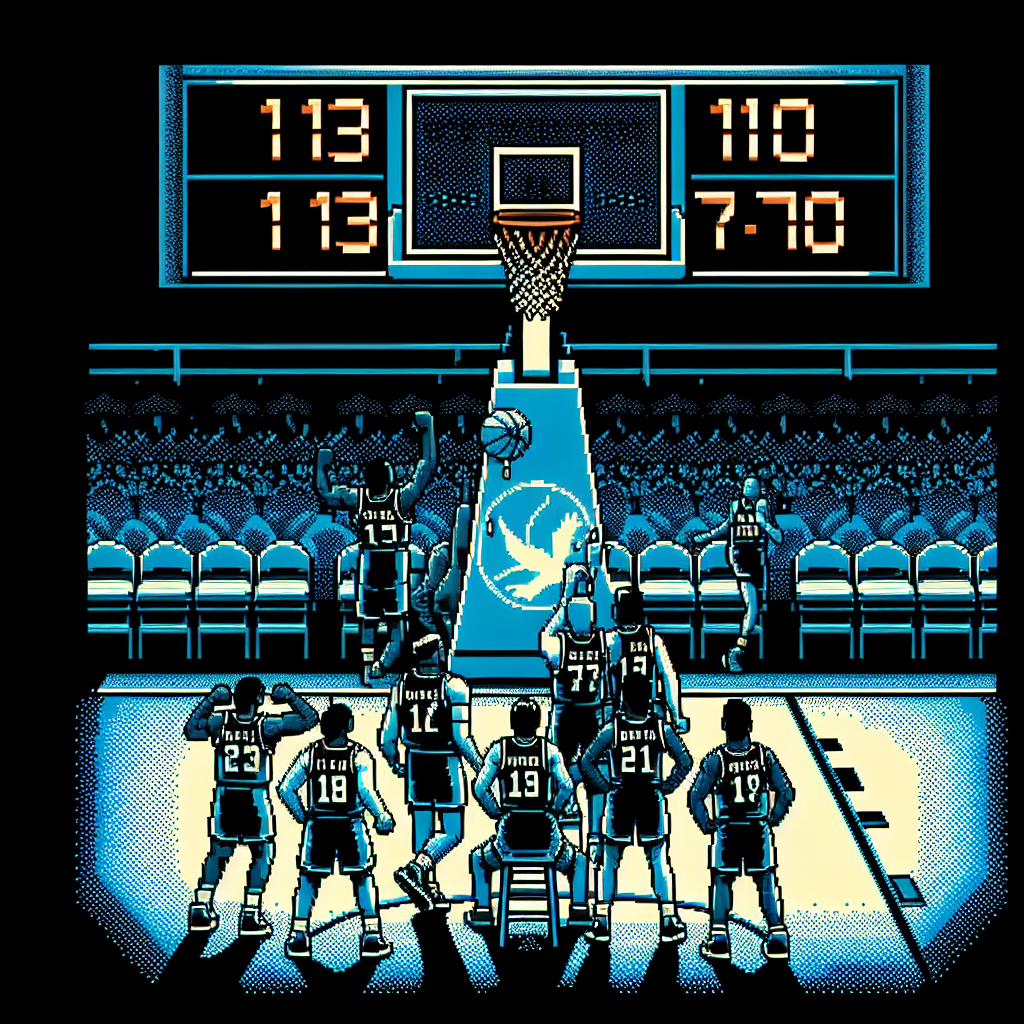
Boswells 31, Freshmen Spark Illini Blowout | Analysis by Brian Moineau

A night of breakout flashes: Illini roll past FGCU 113–70 without Ivišić

Freshman energy, a career night from a sophomore guard, and depth that felt more like a statement than a supporting act — Illinois treated the State Farm Center crowd to a blowout Friday night. With Tomislav Ivišić sidelined before tipoff, the No. 17 Illini didn’t just survive; they surged, outscoring Florida Gulf Coast 113–70 and giving fans an early-season glimpse of a team that might be deeper and more versatile than many expected.

Why this game mattered beyond the box score

This was supposed to be a routine nonconference contest, but it quickly became a litmus test. Ivišić — a returning interior presence who looked poised for a big role — was lost to a knee issue in practice. That could have been a glaring problem. Instead, Illinois turned the potential weakness into an opportunity: Kylan Boswell exploded for a career-high 31 points and 10 rebounds, while freshmen Keaton Wagler and David Mirkogic again showed they belong on a stage much bigger than “freshman showcase.”

The result: not just another win, but a reminder that Bruce (Brad) Underwood’s roster construction this fall put several players in position to shine when asked.

Standout moments

  • Kylan Boswell — career-high 31 points and 10 rebounds. His ability to finish inside and stretch the floor early shifted the game’s tone and kept defenses honest.
  • Keaton Wagler — 22 points and seven rebounds. The freshman’s scoring burst validated offseason buzz about his shooting and composure.
  • David Mirkogic — 17 points and 11 rebounds. Another double-double for a skilled, heady big man who rebounds and moves the ball.
  • Zvonimir (or Zvonomir) Ivisic — 16 points, nine rebounds and an eye-catching seven blocks — filling the defensive paint in Ivišić’s absence.
  • Team shooting at the stripe and dominance on the glass (outrebounded FGCU 51–30) crushed any chance of a comeback.

What this win reveals about Illinois

  • Depth matters early. Losing a projected starter on short notice exposed how well Illinois’ bench and rotation players have been prepared. That’s recruitment and coaching paying off.
  • Freshmen are ready. Wagler and Mirkogic aren’t just role players waiting their turn; they’re contributors capable of shaping outcomes. That bodes well for consistency across the season.
  • Two-way identity intact. Even with personnel changes, Illinois defended the paint, forced low-percentage shots, and converted at the line — the hallmarks of a disciplined Underwood squad.
  • Guard play is ascending. Boswell’s 31/10 is more than a hot night; it suggests he can be a primary scorer who also rebounds and initiates offense when needed.

The questions that linger

  • How serious is Tomislav Ivišić’s knee issue, and how long might he be out? Early reports from the game broadcast and local coverage suggested the injury wasn’t season-ending, but availability for upcoming higher-profile matchups (like a scheduled game against a ranked opponent) will be key.
  • Can the freshmen sustain this level against tougher competition? Dominance over FGCU and Jackson State is encouraging, but Big Ten play and true midseason tests will more accurately measure their growth.
  • Rotation balance — with several wings and bigs producing, how will minutes shake out when everyone’s healthy? Managing minutes and chemistry will be an ongoing puzzle for coaching staff.

Early-season implications

  • Confidence boost: Wins like this build the locker-room belief that the team can absorb setbacks and still impose its style.
  • NBA/transfer watch: Strong showings from underclassmen attract attention, which is good for program visibility but adds the usual offseason churn risk.
  • Seeding and perception: A pair of dominant openers (both 113-point outputs) makes a loud statement to poll voters and future opponents alike.

My take

This wasn’t just a comfortable win — it was a revealing one. When a team loses a projected rotation piece right before a game and responds with balanced scoring, energetic freshmen play, and rim protection, it signals more than surface-level strength. Illinois looked like a team with multiple avenues to win: veteran scoring, aggressive young talent, and interior defense that can alter shots and pace. The next few weeks — especially matchups against higher-caliber teams — will tell us how much of this is sustainable, but for now, Illini fans have reason to be excited.

Sources


Related update: We recently published an article that expands on this topic: read the latest post.


Related update: We recently published an article that expands on this topic: read the latest post.

BYU Basketball Unveils Big 12 Schedule | Analysis by Brian Moineau

BYU Basketball’s Big 12 Conference Schedule: What to Expect This Season

As the leaves start to change and the air turns crisp, basketball fans find themselves buzzing with excitement. Yes, it’s that time of year again—college basketball season is just around the corner! For BYU basketball fans, there’s even more reason to celebrate as the Cougars have officially released their Big 12 Conference schedule. Let’s dive into what this means for the team and what fans can expect in the coming months.

Context: A New Era for BYU Basketball

BYU’s transition to the Big 12 Conference marks a significant shift in the program’s trajectory. Historically, the Cougars have made a name for themselves in the West Coast Conference (WCC), but now they step into a more competitive arena filled with powerhouse programs. This move not only elevates the stakes for the players on the court, but it also heightens the excitement for fans who are eager to see how their team will perform against tougher competition.

The Cougars’ entry into the Big 12 is marked by a challenging schedule that pits them against some of the best teams in the nation. With the likes of Kansas, Texas, and Baylor on the horizon, the upcoming season promises to be a rollercoaster ride full of thrilling matchups.

Key Takeaways from BYU’s Big 12 Schedule

Competitive Matchups: BYU will face off against top-tier teams in the Big 12, which will test their skills and resilience. Games against national powerhouses will be a highlight of the season.

Home Court Advantage: The Cougars will have several crucial games at home in Provo, where the energy and support from local fans can make all the difference.

Rivalries Renewed: With new rivalries brewing in the Big 12, fans can expect intense atmospheres during matchups, especially against teams that have a strong history in college basketball.

Player Development Opportunities: Competing in a more challenging conference will provide a platform for BYU players to showcase their talents and develop against elite competition.

Increased National Exposure: Joining the Big 12 means more televised games and greater visibility for the BYU basketball program, which could help with recruiting efforts down the line.

Concluding Reflection

As the BYU Cougars gear up for their inaugural season in the Big 12, the excitement is palpable. The challenges that lie ahead will undoubtedly push the team to grow and evolve, providing a thrilling experience for fans and players alike. With a mix of competitive matchups and the chance to create new rivalries, this season promises to be one for the books. So, mark your calendars and get ready to cheer on the Cougars as they embark on this new chapter in their basketball journey!

Sources

– Vanquish the Foe: “BYU Basketball Releases Big 12 Conference Schedule” [Link to original article] – NCAA: “2023-2024 College Basketball Season Overview” [Link to NCAA’s basketball page].

(Note: Ensure to replace placeholder links with actual URLs from authoritative sources when publishing.)


Related update: We recently published an article that expands on this topic: read the latest post.


Related update: We recently published an article that expands on this topic: read the latest post.

Duke back in Elite 8 behind Flagg’s 30-point clinic – ESPN | Analysis by Brian Moineau

Duke back in Elite 8 behind Flagg's 30-point clinic - ESPN | Analysis by Brian Moineau

Duke's Destined Dance: Cooper Flagg Leads Blue Devils Back to the Elite Eight

In the world of college basketball, few programs boast the storied legacy of the Duke Blue Devils. Known for their relentless pursuit of excellence, they’ve once again stamped their ticket to the Elite Eight, thanks to a dazzling performance by freshman phenom Cooper Flagg. In a high-octane matchup against Arizona, Flagg lit up the court with a jaw-dropping 30-point performance, supplemented by 6 rebounds, 7 assists, and 3 blocks, leading Duke to a thrilling 100-93 victory.

To put Flagg’s performance into perspective, it's worth noting that this isn’t just any ordinary freshman we’re talking about. Hailing from the basketball-rich state of Maine, Flagg has been turning heads ever since he set foot on campus. His court vision, tenacity, and ability to control the game have drawn comparisons to Duke legends like Grant Hill and Zion Williamson. Flagg's recent showing not only ignites excitement among Duke fans but also elevates the conversation about his potential future in the NBA.

Beyond the stats, Flagg's play embodies a blend of old-school fundamentals with a modern twist. His ability to not only score but also facilitate and defend at a high level makes him a triple threat on the hardwood. Watching him orchestrate Duke’s offense with such poise and confidence is reminiscent of a maestro commanding an orchestra, each play a symphony of athletic prowess and strategic brilliance.

Flagg’s performance comes at a time when the sports world is buzzing with young talent making waves across various disciplines. Just as Coco Gauff took the tennis world by storm with her resilience and skill, Cooper Flagg is carving his niche in college basketball, proving that age is but a number when it comes to talent and determination.

In the broader context, Duke’s return to the Elite Eight marks their second consecutive appearance, a testament to the program’s enduring tradition of excellence. Under the guidance of head coach Jon Scheyer, who is swiftly making a name for himself as a worthy successor to the legendary Mike Krzyzewski, the Blue Devils are once again a force to be reckoned with in the NCAA tournament. Scheyer’s emphasis on fostering a team-oriented culture, combined with his strategic acumen, has been pivotal in Duke’s successful season thus far.

As we revel in Duke's triumph, let’s not forget the other exciting developments in the world of sports. The ongoing NBA season has seen a dramatic shift in power dynamics with rising stars challenging seasoned veterans, while the world of soccer is abuzz with anticipation as teams prepare for upcoming international competitions.

In conclusion, Cooper Flagg’s performance is a reminder of the exhilarating unpredictability of sports. It’s a world where hard work meets opportunity, where young talents rise to the occasion, and where history is written with each passing game. As Duke marches on in the tournament, one can only wonder what other feats of brilliance await us on this thrilling journey through March Madness. Here's to more unforgettable moments on the court and beyond!

Read more about AI in Business

Read more about Latest Sports Trends

Read more about Technology Innovations