Optus Outage Sparks Crisis in Telecom | Analysis by Brian Moineau

Title: The Optus Outage: A Wake-Up Call for Australia’s Telecom Infrastructure

In an age where connectivity is more than just a convenience—it’s a lifeline—the recent Optus telecom outage in Australia has raised serious concerns about the reliability of our communication networks. The incident not only left hundreds without service but has also been tragically linked to multiple fatalities. How did we get here, and what does this mean for the future of telecommunications in Australia?

Understanding the Incident: What Happened?

On a seemingly ordinary day, Australia’s telecommunications giant, Optus, experienced a significant outage that lasted several hours. This disruption impacted countless users who were unable to access not just social media or entertainment, but crucial services like emergency calls. As the dust settled, reports emerged linking the outage to several tragic deaths, highlighting a devastating consequence of our growing dependence on digital communication.

The Bigger Picture: Context of the Outage

Telecommunications have become the backbone of modern society, essential for everything from personal communication to emergency services. In Australia, Optus is one of the key players in the market, providing services to millions. When a service as vital as emergency communication fails, the ramifications can be severe.

This incident has sparked outrage among the public, prompting urgent questions about the reliability of telecommunications infrastructure. How can we ensure that such a critical service remains uninterrupted? What measures are in place to prevent future outages? As citizens turn their frustration towards Optus, policymakers and industry leaders are also under pressure to address these vulnerabilities.

Key Takeaways

Critical Importance of Connectivity: The Optus outage showcased how crucial telecom services are for emergency situations, emphasizing that connectivity is not just a luxury but a necessity.

Public Outcry: The incident has led to widespread anger in Australia, with calls for accountability and improved infrastructure to prevent future outages.

Link to Fatalities: Investigations revealed that the outage was connected to multiple deaths, underlining the serious consequences of telecom failures.

Need for Robust Infrastructure: This incident serves as a dire reminder that telecommunications infrastructure needs to be resilient and reliable, especially for emergency services.

Policy Implications: The fallout from this outage may prompt policymakers to re-evaluate regulations and standards governing telecommunications providers in Australia.

Concluding Reflection

As we navigate an increasingly digital world, the Optus outage serves as a sobering reminder of the fragility of our communication systems. It’s not just about staying in touch with friends or streaming our favorite shows; it’s about ensuring that in times of crisis, help is only a call away. Moving forward, it’s imperative that both telecom companies and policymakers prioritize the reliability of these essential services. After all, in a connected world, we cannot afford to be disconnected—especially when lives are on the line.

Sources

– “Optus: Anger in Australia after telecom outage linked to deaths” – BBC News – “Telecommunications Reliability in Crisis Situations” – Australian Communications and Media Authority

By fostering a dialogue around these issues, we can work towards a more secure and dependable telecommunications future for all Australians.


Related update: We recently published an article that expands on this topic: read the latest post.


Related update: We recently published an article that expands on this topic: read the latest post.

Trump’s ‘crypto council’ has ‘no juice’ as it stumbles out of the gate on key Capitol Hill vote: sources – New York Post | Analysis by Brian Moineau

Trump’s ‘crypto council’ has ‘no juice’ as it stumbles out of the gate on key Capitol Hill vote: sources - New York Post | Analysis by Brian Moineau

Title: The Crypto Conundrum: Trump’s ‘Crypto Council’ Faces Early Hurdles

In the ever-evolving world of digital currencies, the race to regulate and innovate is akin to a thrilling roller coaster ride—full of unexpected twists and turns. Recently, the New York Post highlighted the shaky start of Trump’s so-called "crypto council" as it navigated through Capitol Hill. The council, designed to spearhead crypto regulation, seems to be running out of steam right out of the gate, raising eyebrows and questions about its effectiveness.

The Stablecoin Standstill

At the heart of this issue is the inability to pass a stablecoin bill, a crucial stepping stone for broader digital coin regulation. Stablecoins, pegged to stable assets like the U.S. dollar, are considered the potential bridge between traditional finance and the crypto world. Without this legislative cornerstone, insiders argue that any comprehensive regulatory overhaul remains a distant dream—like trying to build a house without a foundation.

A Broader Context

This regulatory hiccup isn't happening in a vacuum. Globally, the crypto landscape is buzzing with activity. The European Union has already made strides with its Markets in Crypto-Assets (MiCA) regulation, aiming to create a harmonized framework across its member states. Meanwhile, China continues to clamp down on crypto activities, promoting its digital yuan as a state-controlled alternative.

In the U.S., the regulatory environment is increasingly fragmented, with different states adopting varied stances on cryptocurrency. For example, Wyoming has positioned itself as a crypto-friendly haven, while New York has imposed stringent regulations. This patchwork approach underscores the necessity for a cohesive national strategy, something the crypto council was presumably designed to address.

Trump and the Crypto Council

Former President Donald Trump, known for his outspoken views, has previously expressed skepticism about cryptocurrencies, calling Bitcoin a "scam" and emphasizing the need for strict regulation. This stance makes the formation of a "crypto council" under his influence somewhat paradoxical. Is it an attempt to control the narrative, or a genuine effort to engage with a burgeoning industry?

Trump’s entry into the crypto discourse adds another layer of complexity. His polarizing nature could either galvanize supporters or alienate crucial stakeholders, making consensus-building a Herculean task. The early missteps of the council might reflect not just logistical challenges, but also the difficulty of aligning diverse opinions under a controversial figurehead.

Drawing Parallels

Interestingly, the struggle for crypto regulation mirrors other global challenges requiring coordinated effort. Consider climate change, where nations must balance economic interests with environmental responsibilities. Similarly, the crypto world demands a careful blend of innovation and oversight, encouraging growth while safeguarding users.

Final Thoughts

As the crypto council stumbles through its early days, it's clear that the road to regulatory clarity is far from straightforward. This initial setback, however, might serve as a wake-up call, emphasizing the need for collaboration, transparency, and perhaps a touch of humility.

In the grand tapestry of the crypto saga, this chapter reminds us that innovation often outpaces regulation, challenging policymakers to keep up with the rapid pace of change. Whether Trump’s council can find its footing remains to be seen, but the journey to harmonize digital finance with traditional systems is a story that will continue to unfold, promising both challenges and opportunities.

Call to Action

As spectators of this digital revolution, we must stay informed and engaged, advocating for a regulatory environment that fosters innovation while protecting consumers. After all, in the world of crypto, the only constant is change.

Read more about AI in Business

Read more about Latest Sports Trends

Read more about Technology Innovations

Meta asks judge to throw out antitrust case mid-trial – The Verge | Analysis by Brian Moineau

Meta asks judge to throw out antitrust case mid-trial - The Verge | Analysis by Brian Moineau

Meta's Mid-Trial Antics: A Strategic Play or a Sign of the Times?

In a bold move, Meta has asked Judge James Boasberg for a summary judgment to dismiss the Federal Trade Commission's (FTC) antitrust lawsuit concerning its acquisitions of Instagram and WhatsApp. This strategic gambit, unfolding mid-trial, reflects the high-stakes chess game between tech giants and regulators, as well as the broader dynamics at play in today's digital marketplace.

Meta's request is akin to a courtroom Hail Mary—seeking a decision based on partial findings, before all evidence has been presented. This tactic, while not unprecedented, is certainly ambitious. The company seems to be banking on the strength of its legal team and the perceived weakness of the FTC's arguments. Yet, it also raises questions about the case's complexity and the evolving nature of antitrust laws in the age of tech conglomerates.

This lawsuit is part of a broader trend where tech behemoths face increasing scrutiny from regulators worldwide. Across the Atlantic, the European Union has been particularly aggressive in its regulatory actions against large tech firms, with recent moves to enforce digital competition rules through the Digital Markets Act. The EU’s stance underscores a global concern about the concentration of power in the hands of a few tech companies and its potential impact on consumers and innovation.

Meta's maneuver comes at a time when other tech companies are also in the spotlight. For instance, Google has been embroiled in its own antitrust battles, with the U.S. Department of Justice accusing it of using its dominance in search to stifle competition. Meanwhile, Apple faces ongoing scrutiny over its App Store policies, which some developers argue are anti-competitive.

The key figure in this legal drama, Judge James Boasberg, is no stranger to high-profile cases. With a reputation for being thorough and impartial, his decisions in the past have often set significant precedents. How he handles Meta's request could provide insight into the judiciary's perspective on antitrust issues in the digital age.

It's interesting to consider how these legal challenges reflect broader societal concerns about the power and influence of tech companies. In recent years, there has been a growing push for more robust regulation to address issues ranging from privacy and data protection to misinformation and market dominance. These cases could shape the future landscape of the tech industry, influencing how companies operate and innovate.

In the world of business and technology, the Meta case is akin to a high-stakes poker game. The request for a summary judgment is a calculated risk, one that could either expedite the process or backfire if the judge finds the FTC's arguments compelling enough to warrant a full trial. Regardless of the outcome, this case highlights the tension between innovation and regulation—a balancing act that will continue to shape the digital economy.

In conclusion, Meta's mid-trial request for a summary judgment is not just a legal strategy but a reflection of the broader challenges facing tech giants today. As regulators and companies continue to navigate this complex landscape, the outcomes of these cases will likely have lasting implications for the industry and consumers alike. Whether this is a strategic play or a sign of the times, only time will tell. But one thing is certain: the world is watching closely.

Read more about AI in Business

Read more about Latest Sports Trends

Read more about Technology Innovations

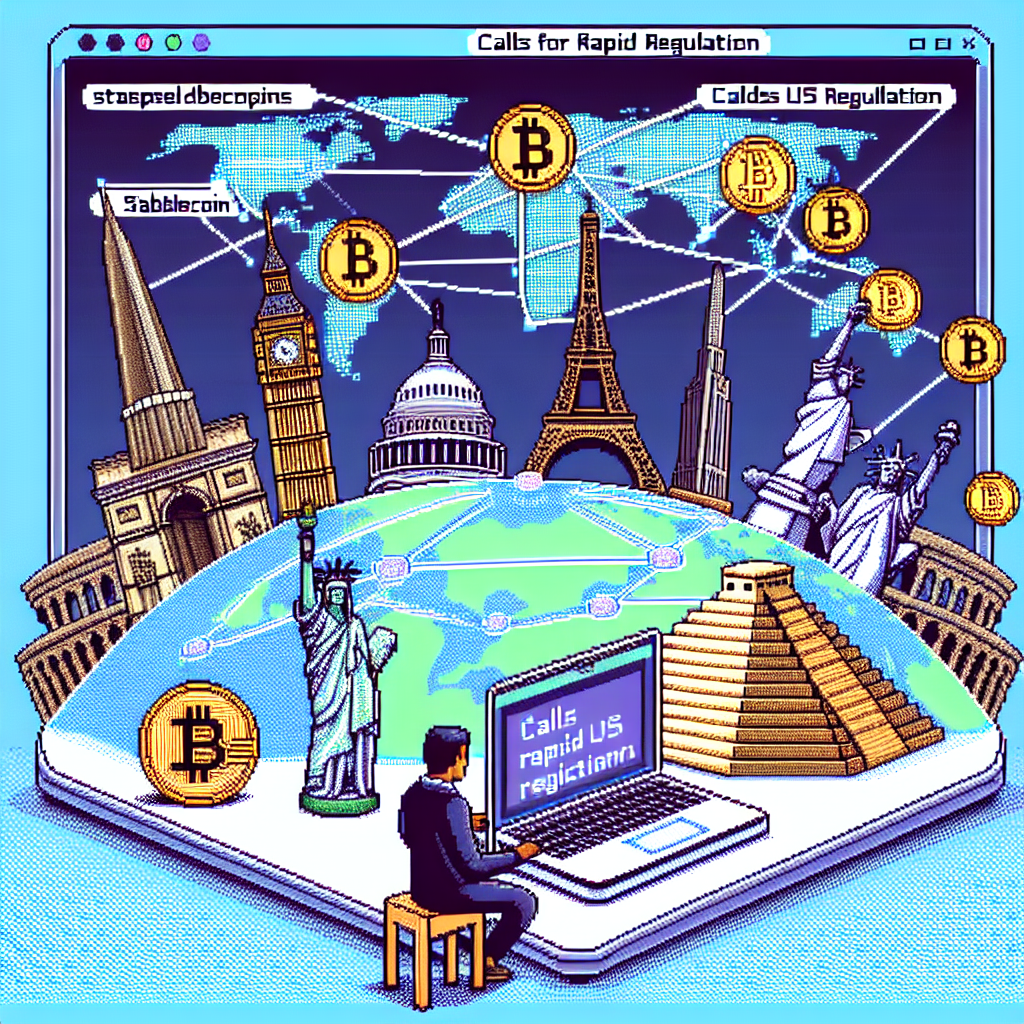
Ripple CEO Sees Stablecoins Exploding Globally, Calls for Rapid US Regulation – Bitcoin.com News | Analysis by Brian Moineau

Ripple CEO Sees Stablecoins Exploding Globally, Calls for Rapid US Regulation - Bitcoin.com News | Analysis by Brian Moineau

The Ripple Effect: Stablecoins, Regulation, and the Race to Digital Currency Dominance

In a world that's rapidly digitizing, the race to establish dominance in digital currency is heating up. At the forefront of this conversation is Brad Garlinghouse, CEO of Ripple, who recently shared his perspective on the global explosion of stablecoins and the urgent need for regulatory clarity in the United States. With stablecoins gaining traction worldwide, Garlinghouse warns that without decisive action, the U.S. might find itself playing catch-up in the digital currency arena.

The Global Stablecoin Surge


Stablecoins, digital currencies pegged to stable assets like the U.S. dollar, have been exploding in popularity. Their promise of stability combined with the efficiency of blockchain technology makes them an attractive option for both consumers and businesses. According to [The Block](https://www.theblock.co/), the total supply of stablecoins has surged, driven by increased demand for digital assets and the growing adoption of decentralized finance (DeFi).

Ripple's Position in the Digital Currency Ecosystem


Ripple, well-known for its digital payment protocol and cryptocurrency XRP, has long been a significant player in the blockchain space. Under Garlinghouse's leadership, Ripple has pushed for broader adoption of digital currencies and blockchain technologies. Garlinghouse is no stranger to regulatory challenges; Ripple has been embroiled in a high-profile legal battle with the U.S. Securities and Exchange Commission (SEC) over whether XRP should be classified as a security. This legal tussle underscores the broader need for clear regulatory frameworks in the U.S.

The Call for Rapid Regulation


Garlinghouse's call for rapid regulatory action in the U.S. is not without precedent. Countries like China and those in the European Union are already moving swiftly to establish their digital currency frameworks. For instance, China has been piloting the digital yuan, while the EU is making strides with its Digital Euro project. These developments highlight the global momentum towards digital currency adoption and the potential risks of the U.S. lagging behind.

In the U.S., regulatory clarity remains a pressing issue. While some progress has been made, such as the introduction of the [STABLE Act](https://www.congress.gov/bill/116th-congress/house-bill/8827), aimed at providing a regulatory framework for stablecoins, much work remains. Garlinghouse's message is clear: without a cohesive strategy, the U.S. risks losing its competitive edge in this digital revolution.

A Broader Perspective: Digital Currency and Global Trends


The conversation around stablecoins and digital currencies is part of a larger global trend towards digital transformation. In the wake of the COVID-19 pandemic, businesses and consumers alike have accelerated their adoption of digital solutions. From remote work to online payments, the shift towards a digital-first economy is undeniable.

Additionally, the rise of stablecoins can be linked to the growing interest in DeFi platforms, which offer decentralized financial services without traditional intermediaries. These platforms are reshaping how financial transactions are conducted, offering more inclusive and accessible financial solutions.

Final Thoughts


As we stand on the cusp of a new era in digital finance, the importance of regulatory clarity cannot be overstated. Brad Garlinghouse's call to action serves as a reminder that the digital currency race is not just a technological competition; it's also a regulatory one. Without clear rules and guidelines, the potential for innovation is stifled, and the risk of falling behind is real.

In conclusion, the global surge in stablecoins presents immense opportunities and challenges. As nations around the world embrace this digital transformation, the U.S. must act swiftly and decisively to ensure it remains a leader in the digital currency space. The future is digital, and the time for action is now.

Read more about AI in Business

Read more about Latest Sports Trends

Read more about Technology Innovations

Nvidia CEO Jensen Huang Sounds Alarm As 50% Of AI Researchers Are Chinese, Urges America To Reskill Amid ‘Infinite Game’ – Yahoo Finance | Analysis by Brian Moineau

Nvidia CEO Jensen Huang Sounds Alarm As 50% Of AI Researchers Are Chinese, Urges America To Reskill Amid 'Infinite Game' - Yahoo Finance | Analysis by Brian Moineau

The AI Global Race: A Call to Action from Nvidia's Jensen Huang

In a world where technology evolves faster than the latest TikTok trend, Nvidia CEO Jensen Huang is sounding the alarm on America’s need to embrace artificial intelligence (AI) as a strategic imperative. During a recent address, Huang highlighted a striking statistic: 50% of AI researchers are Chinese. This revelation is both a wake-up call and a rallying cry for the United States to revamp its approach to AI and technology education.

Huang's message is clear—America needs to reskill its workforce to remain competitive in what he describes as an "infinite game." Unlike a finite game, where players vie for a clear endpoint, this infinite game of AI innovation has no finish line. It's all about persistence, adaptation, and continuous improvement. The stakes are high, and the competition is fierce.

The Global AI Landscape

The global AI landscape is evolving rapidly, with countries like China making significant strides. China's investment in AI research and development is substantial, supported by robust government policies and a vast pool of tech-savvy talent. Their progress in AI, particularly in areas like facial recognition and data analytics, underscores the importance of strategic investment and education in the field.

Meanwhile, in the United States, tech giants like Google, IBM, and Microsoft are leading the charge in AI innovation. However, Huang's comments suggest a broader need for a national strategy that goes beyond the efforts of a few companies. This involves not only investing in emerging technologies but also fostering a culture of continuous learning and adaptation across all sectors.

Jensen Huang: A Visionary Leader in Tech

Jensen Huang, a Taiwanese-American entrepreneur, co-founded Nvidia in 1993. Under his leadership, Nvidia has become a powerhouse in the semiconductor industry, known for its graphics processing units (GPUs) that power everything from gaming to AI research. Huang's foresight and commitment to innovation have positioned Nvidia at the forefront of technological advancements, particularly in AI and machine learning.

Huang's insights are not only shaped by his experience at Nvidia but also reflect broader trends within the tech industry. His call to action is a reminder of the importance of leadership in navigating the complexities of technological change. As AI continues to transform industries and societies, leaders like Huang play a crucial role in guiding the conversation and shaping the future.

The Bigger Picture: Education and Policy

Huang’s emphasis on reskilling resonates with ongoing discussions about the future of work and education. As AI and automation reshape job markets, the need for adaptive learning and skills training becomes increasingly urgent. Initiatives like coding boot camps, online courses, and collaborative tech hubs are essential in equipping the workforce with the skills needed to thrive in an AI-driven economy.

Moreover, policymakers must consider the implications of AI on privacy, ethics, and security. Collaborative efforts between government, academia, and industry are vital in developing frameworks that balance innovation with societal well-being.

Final Thoughts

Jensen Huang’s call for America to fully embrace AI is more than just a strategic recommendation—it's a vision for future-proofing the nation in an ever-evolving technological landscape. As we navigate this infinite game, the ability to learn, adapt, and innovate will determine our success. By investing in education, fostering collaboration, and embracing change, America can secure its position as a leader in AI and technology for generations to come.

In the words of Charles Darwin, “It is not the strongest of the species that survive, nor the most intelligent, but the one most responsive to change.” In the realm of AI, this mantra rings truer than ever. Let's heed Huang's call to action and embrace the infinite possibilities ahead.

Read more about AI in Business

Read more about Latest Sports Trends

Read more about Technology Innovations