Teslas Robotaxi Claims: Reality Check Time | Analysis by Brian Moineau

Tesla’s Robotaxi Claims: A Closer Look at Reality vs. Hype

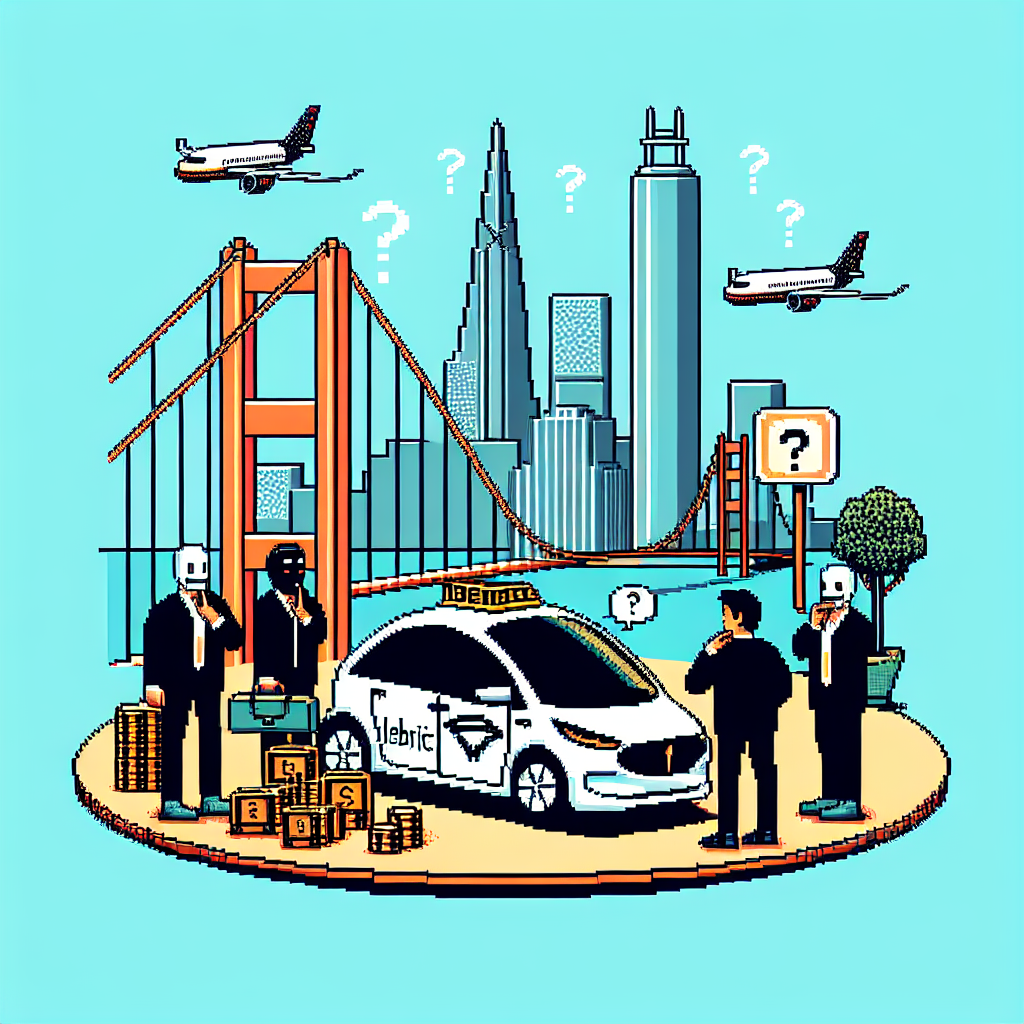
Tesla has always been a company that thrives on innovation and bold claims. From electric vehicles that redefine what it means to drive, to promises of autonomous driving that seem to leap straight out of a sci-fi movie, the company has consistently pushed the envelope. But recent reports suggest that Tesla’s latest claim—launching a ride-hailing service in San Francisco using Robotaxi technology—might be more smoke and mirrors than actual reality. Let’s dive into what’s really going on.

Context: The Rise and Hype of Autonomous Driving

The concept of autonomous vehicles has captured the imagination of consumers and investors alike for years now. Companies like Tesla, Waymo, and Uber have been racing to develop self-driving technology, each claiming to be on the verge of a breakthrough. Tesla, led by the charismatic Elon Musk, has often touted its Full Self-Driving (FSD) capabilities, claiming that its cars are just a software update away from full autonomy.

However, the reality is far less clear-cut. While Tesla has made strides in developing its FSD technology, it is still classified as a Level 2 driver-assistance system. This means that, despite its impressive capabilities, human intervention is still necessary. The recent claim about launching a Robotaxi service in San Francisco has raised eyebrows, as many experts point out that Tesla has yet to roll out fully autonomous taxis anywhere in California.

What’s the Real Story Behind Tesla’s Robotaxi Claims?

In a recent article by Electrek, it was reported that Tesla is attempting to create an illusion for investors, suggesting that it has already launched a ride-hailing service powered by its Robotaxi technology. The truth is, there are significant regulatory and technological hurdles that stand in the way of such a service becoming a reality. California has stringent regulations for autonomous vehicles, and Tesla’s current offerings do not meet the requirements for fully autonomous operation.

Furthermore, the competition in the autonomous vehicle space is fierce. Companies like Waymo and Cruise are already testing their self-driving services in limited areas, but they face the same hurdles as Tesla. This makes it imperative for Tesla to clarify its position and capabilities—especially as it seeks further investment and market share.

Key Takeaways

Misleading Claims: Tesla’s announcement about a Robotaxi service may not reflect the current state of its technology and regulatory approval. – Current Technology Level: As of now, Tesla’s Full Self-Driving is classified as Level 2, requiring human oversight. – Regulatory Hurdles: California’s strict regulations on autonomous vehicles make it challenging for companies to launch fully autonomous ride-hailing services. – Investor Caution: Potential investors should approach Tesla’s claims with a discerning eye, as the realities of autonomous technology are still evolving. – Competition is Fierce: Other companies in the autonomous vehicle space, like Waymo and Cruise, are also navigating the complexities of regulations and technology.

Conclusion: A Call for Transparency

As exciting as the prospect of Robotaxis is, it’s essential for companies like Tesla to maintain honesty and transparency in their communications. Misleading claims can erode trust among consumers and investors alike. While the dream of fully autonomous vehicles is still alive, we must ground our expectations in the current realities of technology and regulation. As we navigate this rapidly changing landscape, let’s keep our eyes on the road ahead—both literally and figuratively.

Sources

– “Tesla is trying to deceive investors into thinking it has San Francisco Robotaxis – Electrek.” Electrek. [link](https://electrek.co/2023/10/19/tesla-trying-deceive-investors-sf-robotaxis/) – “The Truth About Tesla’s Full Self-Driving.” MotorTrend. [link](https://www.motortrend.com/news/tesla-full-self-driving-truth/)

By understanding the nuances of Tesla’s claims and the broader context of autonomous vehicle technology, we can appreciate the potential while remaining cautious of the hype.


Related update: We recently published an article that expands on this topic: read the latest post.


Related update: We recently published an article that expands on this topic: read the latest post.

Related update: We recently published an article that expands on this topic: read the latest post.
Waymos Robotaxi Incident Raises Safety | Analysis by Brian Moineau

Waymo’s Robotaxi Incident: A Wake-Up Call for Autonomous Driving Safety

Imagine stepping out of your home, hailing a ride, and watching as a sleek robotaxi pulls up to whisk you away—all without a human driver at the wheel. This is the future that companies like Waymo are working hard to create. However, recent events have cast a shadow on this vision. Earlier this month, in Atlanta, Georgia, a Waymo robotaxi was observed driving around a stopped school bus, igniting concerns about the safety and reliability of autonomous vehicles.

Background on Waymo’s Journey

Waymo, a subsidiary of Alphabet Inc., has been a pioneer in the autonomous vehicle space for years. With extensive testing and a fleet of robotaxis operating in select cities, the company has touted the safety and efficiency of its self-driving technology. However, as with any innovative technology, there are growing pains. The incident involving the robotaxi and the school bus raises critical questions about the current state of autonomous driving technology and the regulatory frameworks that govern it.

In the aftermath of the incident, Waymo quickly responded by updating the software in its vehicles. This swift action demonstrates the company’s commitment to addressing potential issues, but it also highlights the challenges that come with integrating cutting-edge technology into everyday life.

Regulators Take Notice

Following the incident, regulators have stepped in to investigate. The scrutiny from governing bodies is a necessary part of ensuring that autonomous vehicles operate safely in public spaces. As these vehicles become more prevalent, it’s vital that they adhere to strict safety standards, especially when it comes to scenarios like navigating around school buses, which are often filled with children.

Waymo’s incident is not an isolated case but part of a broader conversation about the maturity of autonomous driving technology. With more companies entering the space, the need for clear regulations and safety protocols has never been more pressing.

Key Takeaways

Regulatory Scrutiny: The incident has prompted regulators to investigate Waymo’s practices, emphasizing the need for oversight in the autonomous vehicle sector. – Software Updates: Waymo has already rolled out a software update to address the issue, showcasing the importance of continuous improvements in technology. – Public Safety Concerns: The event raises valid concerns about the safety of autonomous vehicles, particularly in scenarios involving vulnerable road users like schoolchildren. – Industry Implications: As more autonomous vehicles hit the roads, incidents like this will shape public perception and regulatory measures that govern their operations. – Future of Autonomous Driving: This incident serves as a reminder that while the future of transportation is promising, it comes with responsibilities that need unwavering attention.

Concluding Reflection

The Waymo robotaxi incident is more than just a blip on the radar; it’s a critical moment in the evolution of autonomous driving technology. As we push toward a future where self-driving vehicles become the norm, we must prioritize safety and accountability. The consequences of overlooking these elements can be dire, not just for the companies involved but for society as a whole. Moving forward, we need to foster a collaborative environment where innovation and safety go hand in hand, ensuring that our roads are safe for everyone.

Sources

– TechCrunch: [Regulators probe Waymo after its robotaxi drove around a stopped school bus](https://techcrunch.com/2023/10/15/waymo-robotaxi-school-bus/)

By staying informed and engaged in discussions around autonomous vehicle safety, we can help shape a future that not only embraces innovation but also safeguards our communities.


Related update: We recently published an article that expands on this topic: read the latest post.


Related update: We recently published an article that expands on this topic: read the latest post.

Related update: We recently published an article that expands on this topic: read the latest post.

Related update: We recently published an article that expands on this topic: read the latest post.
Investors zero in on Nvidia results as US tech stocks waver – Yahoo Finance | Analysis by Brian Moineau

Investors zero in on Nvidia results as US tech stocks waver - Yahoo Finance | Analysis by Brian Moineau

Title: Riding the Tech Waves: All Eyes on Nvidia Amid Market Fluctuations

As the autumn leaves begin to fall in New York, so too have the shares of U.S. technology stocks shown signs of wavering. The financial eyes of the world are now fixed on Nvidia Corp, the Silicon Valley powerhouse known for its cutting-edge graphics processing units (GPUs) and a major player in the artificial intelligence (AI) revolution. With Nvidia's quarterly results poised for release, investors are watching closely, hoping for good news to steady the tech ship.

In the ever-volatile world of tech stocks, Nvidia has often been a beacon of innovation and resilience. This isn't just about numbers on a spreadsheet; it's about a company that has consistently pushed the boundaries of computing technology. From gaming to AI and data centers, Nvidia's reach is vast, and its impact profound.

Nvidia: More than Just a Chip Maker

Nvidia's influence extends beyond just the realm of tech enthusiasts and gamers. The company has carved out a significant niche in AI, with its GPUs being the brains behind many AI applications. Whether it's powering autonomous vehicles, enhancing medical imaging, or facilitating complex scientific research, Nvidia's technology is at the forefront. This makes its earnings report not just a financial event but a barometer for the tech industry's future direction.

A Broader Context: Tech and the Global Economy

The anticipation surrounding Nvidia's earnings comes at a time when the global economy is navigating uncertain waters. Inflation concerns, geopolitical tensions, and the aftershocks of the pandemic continue to ripple through markets. The tech sector, often seen as a growth engine, finds itself under scrutiny. A strong performance by Nvidia could provide a much-needed boost of confidence, not just for tech but for the broader market.

Beyond the finance pages, the implications of Nvidia's results could also reverberate through other sectors. For instance, in the automotive industry, where Nvidia's technology helps drive the development of self-driving cars, a strong earnings report could signal further advancements and investments in smart vehicle technology. Similarly, in healthcare, Nvidia's AI capabilities are instrumental in developing applications that could revolutionize diagnostics and treatment options.

Nvidia in the Spotlight

Jensen Huang, Nvidia's charismatic CEO, is no stranger to the spotlight. Known for his visionary leadership and penchant for leather jackets, Huang has steered Nvidia through the tech landscape's ever-changing tides with foresight and agility. His insights during the earnings call are likely to be as closely watched as the numbers themselves, offering a glimpse into Nvidia's strategic roadmap.

Connecting the Dots: Tech and Society

In a world that's increasingly driven by technology, Nvidia's role is a reminder of how interconnected our lives are with these advancements. From enabling remote work to powering virtual reality experiences, the technological innovations that companies like Nvidia bring to the table are shaping the future in real-time.

Final Thoughts

As we wait for the curtain to rise on Nvidia's latest financial performance, it's clear that the stakes are high. But beyond the immediate market reactions, there's a larger narrative at play—a story of how technology, in all its forms, continues to redefine what's possible.

Whether you're an investor, a tech enthusiast, or simply an observer of the global economy, Nvidia's earnings report is a chapter in a much larger story. It's a story of innovation, resilience, and the relentless pursuit of what's next. And in these uncertain times, it's a story worth watching.

For further reading on Nvidia’s impact on various industries, check out articles on their advancements in AI and automotive technology. And if you're curious about the man behind the vision, Jensen Huang's journey from Taiwan to the helm of one of the world's most innovative companies is an inspiring tale of leadership and ambition.

Read more about AI in Business

Read more about Latest Sports Trends

Read more about Technology Innovations

UnitedHealth, Applied Materials, Intel, Quantum Computing, Nucor, and More Movers – Barron’s | Analysis by Brian Moineau

UnitedHealth, Applied Materials, Intel, Quantum Computing, Nucor, and More Movers – Barron’s | Analysis by Brian Moineau

The Movers and Shakers of the Business World: A Lighthearted Look at UnitedHealth, Applied Materials, Intel, Quantum Computing, Nucor, and More

In the ever-evolving world of business, certain companies are like the life of the party. They shake things up, keep us on our toes, and remind us why we love the hustle and bustle of the market. Recently, Barron’s highlighted some of these movers: UnitedHealth, Applied Materials, Intel, Quantum Computing, and Nucor. Let’s take a sip of our morning coffee and dive into what makes these companies the talk of the business town.

UnitedHealth: The Healthcare Behemoth with a Heart

UnitedHealth Group, a name synonymous with healthcare excellence, continues to dominate its sector. With their expansive healthcare services and insurance products, they’re like the wise elder at the party, always ready with a solution. As the world grapples with health crises, UnitedHealth’s role becomes even more pivotal. A nod to their continuous innovation in telehealth services shows how they’re not just about treating ailments but also about embracing technology for better care.

Applied Materials: The Unsung Hero of Tech

In the tech world, Applied Materials is like the backstage crew at a concert. You might not always see them, but without them, the show wouldn’t go on. Specializing in materials engineering solutions, they’re the backbone of semiconductor production. As the demand for chips skyrockets — thanks to everything from gaming consoles to electric vehicles — Applied Materials’ contributions are becoming more critical. The global chip shortage has shone a spotlight on the importance of companies like Applied Materials, proving that sometimes, it’s the quiet ones who make the loudest impact.

Intel: The Comeback Kid

Intel’s journey is one of resilience. Once the reigning king of microprocessors, it faced stiff competition from rivals like AMD. However, Intel’s recent strategic pivots and investments in manufacturing have positioned it as the comeback kid of the tech industry. Their focus on innovation and expansion into new markets, such as autonomous vehicles, shows they’re not just about keeping pace but leading the charge. It’s a classic tale of redemption, showing us that with the right moves, even giants can dance.

Quantum Computing: The Future is Now

Quantum computing is no longer the stuff of science fiction. It’s the tech world’s mysterious, alluring guest, promising to revolutionize industries from pharmaceuticals to finance. Companies investing in quantum computing are essentially betting on the future, where problems that would take classical computers millennia to solve could be tackled in mere moments. As these quantum pioneers continue their research, we’re reminded of Arthur C. Clarke’s famous words: “Any sufficiently advanced technology is indistinguishable from magic.”

Nucor: The Steel Stronghold

In the world of steel production, Nucor stands as a testament to strength and sustainability. As the largest steel producer in the United States, Nucor’s commitment to recycling and innovation sets it apart. With the global push towards sustainable practices, Nucor’s leadership in eco-friendly steel production is more relevant than ever. They’re like the environmentally-conscious partygoer, reminding us that strength and sustainability can go hand in hand.

Final Thoughts: Dancing Through the Market

As we watch these companies maneuver through the complexities of their industries, it’s a reminder of the dynamic nature of the business world. Each has its role to play, contributing to the larger narrative of innovation and progress. Whether it’s healthcare, tech, or steel, these movers and shakers keep the market vibrant and ever-changing, much like a never-ending dance. So here’s to the companies that keep things interesting and to us, the observers, who get to enjoy the show. Cheers to progress, innovation, and the bright future ahead!

Read more about AI in Business

Read more about Latest Sports Trends

Read more about Technology Innovations


Related update: We recently published an article that expands on this topic: read the latest post.


Related update: We recently published an article that expands on this topic: read the latest post.

Google adds memories to the Gemini chatbot, staying a step ahead of Anthropic – Mashable | Analysis by Brian Moineau

Google adds memories to the Gemini chatbot, staying a step ahead of Anthropic - Mashable | Analysis by Brian Moineau

Title: Google’s Gemini: A Step Closer to Chatbot Sentience?

In the ever-evolving world of AI, Google’s latest move with its Gemini chatbot is creating quite a buzz. According to a recent article from Mashable, Google has introduced a memory feature to Gemini, allowing it to deliver more personalized responses. This development is not just another incremental step in AI evolution; it’s a leap towards creating chatbots that could potentially bridge the gap between human interaction and machine response.

Gemini and Its Memory: A New Era of Conversation

Imagine having a conversation with a friend who remembers every detail you’ve ever shared with them—your favorite foods, your last vacation spot, or that quirky hobby you picked up last summer. This is the vision Google is chasing with Gemini’s new memory feature. By remembering past interactions, Gemini can provide responses that are not only contextually relevant but also tailored to individual users. This personalized touch could revolutionize how we interact with AI, making it feel more human-like and intuitive.

This development places Google ahead of competitors like Anthropic, who are also racing to create the most advanced conversational agents. The addition of memory to chatbots isn’t just about improving AI; it’s about enhancing user experiences and setting new standards in digital communication.

Connecting the Dots: AI and Personalization in Today’s World

The introduction of memory to Gemini is part of a larger trend towards personalization in technology. From Netflix’s recommendation algorithms to Spotify’s curated playlists, personalization is becoming a cornerstone of modern digital experiences. It’s about creating a sense of connection and understanding between technology and users.

Interestingly, this move also comes at a time when privacy concerns are at an all-time high. As AI becomes more personalized, the balance between convenience and privacy becomes even more critical. Users are increasingly aware of how their data is used, and companies must tread carefully to maintain trust.

Beyond Chatbots: The Bigger Picture

Google’s advancements with Gemini resonate with other groundbreaking developments in the tech world. For instance, OpenAI’s GPT-4 has also been making waves with its impressive language processing capabilities, showcasing how AI can generate human-like text with remarkable accuracy. Similarly, in the autonomous vehicle industry, companies like Tesla are leveraging AI to create more intuitive and safer self-driving experiences.

Moreover, the gaming industry is seeing a surge in AI-driven characters that adapt to player behavior, adding layers of complexity and engagement to gaming narratives. These developments are not isolated; they are indicative of a broader AI renaissance, where machines are not just tools but collaborators in human endeavors.

Final Thoughts: The Future of AI Interaction

As Google continues to refine Gemini’s capabilities, the potential for AI to transform how we interact with technology is immense. While we’re not quite at the stage of having fully sentient AI companions, each advancement brings us closer to a future where technology seamlessly integrates into our lives, understanding and anticipating our needs.

However, as we embrace these innovations, it’s crucial to remain vigilant about ethical considerations and data privacy. The dialogue between convenience and security will continue to shape the trajectory of AI development.

In conclusion, Google’s Gemini, with its newfound memory, is more than just a chatbot; it’s a glimpse into the future of human-machine interaction—a future that promises to be as exciting as it is challenging. As we navigate this rapidly changing landscape, one thing is certain: the conversation about AI, its capabilities, and its impact on society is just getting started.

Read more about AI in Business

Read more about Latest Sports Trends

Read more about Technology Innovations

Elon Musk says Tesla will start adding vehicles it doesn’t directly own into its robotaxi network next year – Fortune | Analysis by Brian Moineau

Elon Musk says Tesla will start adding vehicles it doesn’t directly own into its robotaxi network next year - Fortune | Analysis by Brian Moineau

Cruisin’ into the Future: Tesla’s Bold Leap into the Robotaxi World


In a move that is sure to make waves in the automotive and tech industries, Tesla is gearing up to expand its robotaxi network by adding vehicles it doesn’t directly own starting next year. This ambitious announcement, made by none other than the enigmatic Elon Musk, highlights Tesla’s ongoing efforts to remove safety drivers from the passenger seats and extend its reach into new cities. The Austin-based electric vehicle (EV) giant is driving forward at full throttle, but what does this mean for the future of transportation and our daily commute?

Tesla’s venture into the robotaxi realm isn’t just about innovation; it’s about revolutionizing how we perceive urban mobility. Imagine a city where the streets are lined with autonomous vehicles, zipping passengers from point A to point B with precision, efficiency, and minimal human intervention. This vision is tantalizingly close, thanks to the tireless pursuit of technological advancement by companies like Tesla.

Elon Musk: The Man Behind the Wheel


Elon Musk, Tesla’s CEO, is no stranger to bold proclamations and ambitious timelines. Known for his trailblazing leadership in the realms of space exploration with SpaceX, renewable energy with SolarCity, and now autonomous driving with Tesla, Musk’s influence is undeniable. However, his journey has not been without controversy. From his outspoken presence on social media to the fluctuating stock prices of Tesla, Musk is a figure who attracts both admiration and criticism in equal measure.

Despite the challenges, Musk’s vision for a sustainable, technologically advanced future remains steadfast. His commitment to Tesla’s mission—accelerating the world’s transition to sustainable energy—continues to drive the company’s innovations. The introduction of privately owned vehicles into the robotaxi network is yet another testament to Musk’s relentless pursuit of progress.

The Bigger Picture: Autonomous Driving Across the Globe


Tesla’s robotaxi initiative is part of a larger global movement towards autonomous vehicles. Companies like Waymo, Uber, and Cruise are also vying for a slice of the autonomous pie, each bringing their unique approach to the table. The race to perfect self-driving technology is fierce, with regulatory hurdles and safety concerns acting as significant roadblocks.

Globally, cities are grappling with the challenge of integrating these technologies into existing transportation frameworks. In places like San Francisco and Phoenix, autonomous vehicles are already being tested on public roads, offering a glimpse into the future of urban transportation. The potential benefits are enormous: reduced traffic congestion, lower emissions, and increased accessibility for those unable to drive.

Connecting the Dots: Tesla and the World


Tesla’s announcement comes at a time when the world is increasingly focused on sustainability and innovation. The recent surge in electric vehicle sales, spurred by rising fuel prices and environmental concerns, underscores a broader shift towards cleaner energy solutions. As countries strive to meet climate goals and reduce carbon footprints, Tesla’s initiatives align closely with these global priorities.

Moreover, the expansion of the robotaxi network could have significant economic implications. By potentially reducing the cost of transportation and creating new business opportunities, Tesla is poised to reshape urban economies and labor markets.

Final Thoughts: On the Road to Tomorrow


As we stand on the brink of a transportation revolution, it’s clear that the road ahead is filled with both opportunities and challenges. Tesla’s move to incorporate privately owned vehicles into its robotaxi network marks a significant step forward in the march towards autonomy.

While the journey may be fraught with obstacles—from regulatory hurdles to technological limitations—the destination promises a future where transportation is smarter, greener, and more accessible. So, buckle up and enjoy the ride, because the future of commuting is just around the corner.

Read more about AI in Business

Read more about Latest Sports Trends

Read more about Technology Innovations

Jim Cramer sends strong message on Nvidia stock at all-time highs – TheStreet | Analysis by Brian Moineau

Jim Cramer sends strong message on Nvidia stock at all-time highs - TheStreet | Analysis by Brian Moineau

Riding the Highs: Jim Cramer's Take on Nvidia's Stock Surge


In the ever-turbulent waters of the stock market, few voices resonate as strongly as Jim Cramer's. The charismatic host of CNBC's "Mad Money" is known for his candid, often boisterous takes on market movements. Recently, Cramer has set his sights on Nvidia, the tech giant whose stock has soared to all-time highs, sparking a flurry of investor interest and speculation.

Nvidia: A Tech Titan on the Rise


Nvidia, a company that began its journey focusing on graphics processing units (GPUs) for gaming, has evolved into a pivotal player in the tech industry. Its influence now extends beyond gaming into artificial intelligence (AI), data centers, and autonomous vehicles. This diversification has been a major driver behind its stock performance.

As of late, Nvidia's stock has been on a tear, driven by robust earnings reports and optimism around its AI capabilities. The company's GPUs are at the heart of AI innovations, serving as the backbone for training machine learning models that power everything from self-driving cars to advanced robotics.

Jim Cramer's Bullish Stance


Cramer, never one to mince words, has sent a strong message about Nvidia's stock: it's a force to be reckoned with. The company's strategic positioning in the tech ecosystem, coupled with its innovative prowess, makes it an enticing prospect for investors. Cramer emphasizes that while the stock is at an all-time high, it may still have room to grow, particularly as AI technology becomes more integral to various industries.

His advice? Potential investors should consider dipping their toes into Nvidia's waters, but with the usual caveats of market volatility and the unpredictable nature of tech stocks. The world of investing, after all, is not for the faint-hearted.

The Bigger Picture


Nvidia's rise isn't happening in a vacuum. The tech industry is undergoing a significant transformation, with AI at its core. Companies across the globe are investing heavily in AI to streamline operations, enhance customer experiences, and drive innovation. This broader trend is likely to keep Nvidia in the spotlight, as its products are crucial to the AI infrastructure.

Moreover, the global semiconductor shortage has placed companies like Nvidia in a unique position. While the shortage presents challenges, it also underscores the critical role semiconductors play in the modern world, from smartphones to electric vehicles.

Beyond the Markets: A Cultural Touchpoint


On a lighter note, Nvidia's success story is reminiscent of the broader cultural fascination with technology and innovation. Shows like HBO's "Silicon Valley" have parodied and celebrated the tech boom, highlighting both the opportunities and absurdities of the industry. Similarly, movies like "The Social Network" have captured the zeitgeist of tech entrepreneurship, echoing the real-world drama of companies like Nvidia climbing the ladder of success.

Final Thoughts


As we watch Nvidia's stock climb, it's a reminder of the dynamic nature of the tech industry and the opportunities it presents. Whether you're an investor, a tech enthusiast, or just someone who appreciates a good success story, Nvidia's journey is one to watch.

In the words of Jim Cramer, the world of stocks can be wild, but with the right insights and strategies, it can also be incredibly rewarding. As Nvidia continues to break new ground, we'll be keeping a close eye on what comes next for this tech titan. Whether you're all-in on Nvidia or just a curious onlooker, remember: in the world of investing, fortune favors the informed.

Read more about AI in Business

Read more about Latest Sports Trends

Read more about Technology Innovations

Huawei’s latest phone fits two telephoto lenses into one camera – The Verge | Analysis by Brian Moineau

Huawei’s latest phone fits two telephoto lenses into one camera - The Verge | Analysis by Brian Moineau

Beyond Zoom: How Huawei’s Pura 80 Ultra is Shaping the Future of Smartphone Photography

In a world where capturing the perfect moment has become intrinsically linked to our everyday lives, Huawei’s latest innovation, the Pura 80 Ultra, is setting a new standard for smartphone photography. The highlight? It features not one but two telephoto lenses ingeniously packed into a single camera module. By sharing the same sensor and periscope parts, Huawei has crafted a device that pushes the boundaries of mobile photography while keeping the phone’s design sleek and manageable.

The Double Telephoto Revolution

Traditionally, smartphone cameras have struggled to provide high-quality zoom capabilities without compromising on image clarity or camera design. Huawei’s ability to integrate dual telephoto lenses is a testament to their leadership in mobile imaging technology. This clever design allows users to switch seamlessly between different zoom levels, offering unparalleled versatility whether you’re capturing sprawling landscapes or detailed close-ups.

This innovation aligns with Huawei’s history of pushing camera technology boundaries. Huawei's P30 Pro set a precedent with its periscope zoom, and now, the Pura 80 Ultra takes it to the next level. While other tech giants like Apple and Samsung have made strides in improving smartphone cameras, Huawei’s focus on zoom capabilities distinguishes them from the competition.

A Broader Lens on Innovation

Huawei’s latest release arrives amidst a global tech race where companies are vying for dominance in AI, augmented reality, and connectivity. For instance, Apple’s iPhone 14 Pro, released recently, focuses on computational photography, using AI to enhance image quality. Meanwhile, Google’s Pixel series continues to impress with its Night Sight feature, which captures stunning low-light photos. These advancements reflect a broader trend: the integration of sophisticated technologies to improve everyday user experiences.

Interestingly, Huawei’s strides in camera technology also echo advancements in other sectors. Consider the space industry, where high-definition imaging technology is crucial for both scientific research and exploration. The European Space Agency’s (ESA) recent missions, for instance, rely heavily on advanced imaging to map celestial bodies and gather data. Similarly, Huawei’s focus on enhancing image capture could one day translate into technologies that benefit other fields, such as medical imaging or autonomous vehicles.

The Bigger Picture

As we reflect on Huawei’s latest innovation, it’s essential to consider the broader implications of such advancements. Technology is increasingly becoming a bridge between our digital and physical worlds, with cameras playing a pivotal role in this transition. The Pura 80 Ultra is not just a smartphone; it’s a tool that enables us to document and share our experiences more vividly than ever before.

Moreover, innovations like dual telephoto lenses remind us of the importance of creativity and ingenuity in problem-solving. As companies continue to push technological boundaries, it opens new possibilities for consumers and industries alike, fostering a culture of continuous improvement and innovation.

Final Thoughts

Huawei’s Pura 80 Ultra is more than just a technological marvel; it represents the relentless pursuit of excellence that defines the tech industry. As consumers, we can look forward to a future where capturing life’s fleeting moments becomes even more accessible and breathtaking. The double telephoto lens is a step forward, not just for Huawei, but for the entire realm of mobile photography. As we await the next wave of innovations, one thing remains clear: the future of smartphone photography is brighter than ever.

Read more about AI in Business

Read more about Latest Sports Trends

Read more about Technology Innovations

Uber forecasts upbeat second quarter on steady ride-hailing, delivery demand – Yahoo Finance | Analysis by Brian Moineau

Uber forecasts upbeat second quarter on steady ride-hailing, delivery demand - Yahoo Finance | Analysis by Brian Moineau

Riding the Wave: Uber's Resilient Journey Through Slow Growth and Bright Horizons

There's a timeless saying that goes, "It's not about the destination, it's about the journey." For Uber, this couldn't be more accurate. Despite a recent report from Reuters highlighting Uber's slowest revenue growth since the pandemic's onset due to sluggish U.S. travel demand, the company remains optimistic about its second-quarter prospects. Let's dive into how Uber is navigating these choppy waters and why there's still plenty of reason for optimism.

The Road So Far: A Pandemic Perspective

Since its inception, Uber has evolved from a scrappy startup to a global giant, fundamentally reshaping urban transportation worldwide. However, like many businesses, the pandemic threw a wrench into its well-oiled machine. With people staying home and travel restrictions in place, Uber experienced a downturn that would challenge any company. Yet, it harnessed this period to innovate and expand its services, particularly in the delivery sector, where it found a robust demand as people leaned into the convenience of having everything from food to groceries delivered to their doorsteps.

The recent report from Reuters paints a picture of a company facing slower growth in its core ride-hailing business. Some might see this as a red flag, but let's not forget that the industry—and indeed, the world—is still finding its footing post-pandemic. While U.S. travel demand may be sluggish, it's crucial to recognize that Uber's ride-hailing business is still a cornerstone of modern transportation, and challenges often pave the way for innovation.

Global Connections: A Changing Landscape

Interestingly, Uber's story mirrors that of other sectors in our rapidly changing world. Consider the broader tech industry, where companies like Zoom experienced a meteoric rise during the pandemic, only to face a recalibration as the world returned to normalcy. Similarly, Uber is witnessing a shift in consumer behavior, with more people opting for local travel and delivery services over long-distance rides.

Moreover, Uber's steady demand in its delivery segment underscores a broader trend: the growing importance of convenience in our daily lives. As reported by The New York Times, the pandemic has forever changed consumer habits, accelerating the adoption of e-commerce and delivery services. Uber's strategic expansion into these areas positions it well to ride this wave of change, even as it tackles challenges in its core business.

The Road Ahead: Optimism and Opportunity

Uber's optimism about its second-quarter outlook isn't unfounded. The company's innovative spirit and adaptability have been its hallmarks, and there's every indication that it will continue to evolve. With an eye on sustainability, Uber is also advancing its electric vehicle initiatives, aiming to have every car on its platform be electric by 2040. This not only aligns with global sustainability goals but also caters to a growing demographic of environmentally conscious consumers.

Furthermore, their exploration of autonomous vehicles, as highlighted by CNBC, could redefine ride-hailing in the coming years, presenting new opportunities for growth and efficiency.

Final Thoughts: A Journey Worth Watching

In the grand narrative of business, Uber's story is one of resilience and reinvention. While the road may be bumpy at times, the company's ability to adapt and innovate ensures it's far from a static tale. As Uber gears up for its second quarter, buoyed by steady demand in new areas, it remains a compelling case study of how businesses can thrive amidst uncertainty.

So, whether you're a loyal Uber user or just an observer of the tech world, keep an eye on Uber's journey. It's a ride that's likely to take us to unexpected and exciting places. After all, in the world of Uber, the journey is just as exhilarating as the destination.

Read more about AI in Business

Read more about Latest Sports Trends

Read more about Technology Innovations

Stumbling and Overheating, Most Humanoid Robots Fail to Finish Half Marathon in Beijing – WIRED | Analysis by Brian Moineau

Stumbling and Overheating, Most Humanoid Robots Fail to Finish Half Marathon in Beijing - WIRED | Analysis by Brian Moineau

Title: The Great Robot Race: A Marathon of Dreams, Stumbles, and Overheating Circuits

The air was charged with anticipation in Beijing as 21 humanoid robots lined up at the starting line of a half marathon, a spectacle that promised to be a blend of high-tech wizardry and athletic endurance. Yet, as the dust settled, only six of these mechanical marvels managed to cross the finish line. It was a scene reminiscent of an early Olympic event where the spirit of competition was met with unexpected challenges.

This ambitious endeavor was more than just a race; it was a testament to the rapid advancements and the existing limitations in robotics. While the event might not have been a resounding success in terms of completion rates, it certainly highlighted the potential of humanoid robots and the fascinating journey they’re on towards matching, or perhaps even surpassing, human capabilities.

Outrunning Expectations, One Stumble at a Time

In this marathon, the robots encountered hurdles that were less about physical obstacles and more about technical limitations. Issues like overheating and stability plagued many of the participants, serving as a stark reminder of the technological gap that still exists. Yet, this is not a failure—it’s an opportunity to learn and improve.

The race in Beijing is part of a broader narrative where robotics is continually pushing boundaries. In other parts of the world, robots are being deployed for tasks ranging from intricate surgeries to delivering packages. Boston Dynamics’ robots, for instance, have amazed the public with their agility and balance, performing parkour routines that were once the domain of only the most skilled human athletes.

A Reflection of Our Times

The robot marathon echoes broader technological trends, such as the rapid development of AI and machine learning. Just like the robots in Beijing, these technologies are on a journey fraught with trials and incremental successes. Consider the AI models that are being developed to assist with climate change predictions or the algorithms that power autonomous vehicles. Each step forward is accompanied by a stumble or two, but progress is undeniable.

Furthermore, the race is a microcosm of the challenges faced by emerging technologies in integrating seamlessly into daily life. Much like the humanoid robots, innovations like smart home devices, virtual reality, and even electric vehicles have had to overcome initial teething problems before gaining acceptance and reliability.

A Light-Hearted Look at the Future

Despite the challenges, events like the humanoid marathon are crucial. They ignite imagination and inspire innovation. They remind us that the path to technological advancement is not a sprint but a marathon—filled with unexpected turns and hurdles. And isn’t that what makes the race worth running?

As spectators and participants in this age of rapid technological evolution, we must maintain a sense of humor and perspective. After all, even the most adept human athletes have their off days, and so do their robotic counterparts.

Final Thought

In conclusion, the humanoid robot half marathon in Beijing may not have been a flawless display of robotic prowess, but it was an important step forward. It was a celebration of human ingenuity, perseverance, and the relentless pursuit of progress. As technology continues to evolve, perhaps one day humanoid robots will not only complete marathons with ease but also redefine our understanding of what is possible. Until then, we can enjoy the journey, cheer for the underdogs, and marvel at the wonders yet to come.

Read more about AI in Business

Read more about Latest Sports Trends

Read more about Technology Innovations

Fund manager’s bold words on Marvell stock turn heads – TheStreet | Analysis by Brian Moineau

Fund manager’s bold words on Marvell stock turn heads - TheStreet | Analysis by Brian Moineau

**Turning Heads and Turning Pages: Marvell Technology's Bold Leap into the Future**

In the fast-paced world of technology and finance, headlines are often dominated by bold predictions and daring moves. Recently, a fund manager's outspoken remarks about Marvell Technology's stock have stirred the pot, sparking curiosity among investors and tech enthusiasts alike. With AI-chip producers like Marvell at the frontier of technological innovation, it's no surprise that their stocks are under the microscope. But what lies ahead for Marvell, and why should we care?

**Marvell’s Marvelous Momentum**

Marvell Technology, a key player in the semiconductor industry, has been making waves with its focus on AI chips. As the demand for AI-driven solutions continues to skyrocket, companies that power these technologies are positioned for potential growth. The fund manager’s comments, as highlighted in TheStreet's article, suggest a bullish outlook for Marvell, predicting that their stock could soar thanks to their strategic positioning in the AI-chip market.

This optimism isn't unfounded. Marvell has consistently demonstrated innovation and adaptability, crucial traits in an industry that evolves at lightning speed. Their commitment to advancing AI technology aligns well with the broader trend of increased AI adoption across various sectors, from healthcare to automotive.

**AI's Expanding Universe**

The excitement surrounding AI technology isn't confined to Marvell alone. Globally, AI is revolutionizing industries by enhancing efficiency, driving innovation, and creating new opportunities. For instance, in the automotive sector, AI is pivotal in developing autonomous vehicles. In healthcare, it's being used to improve diagnostics and personalize patient care. The financial world is no exception, with AI algorithms transforming trading strategies and risk management.

With AI’s potential seemingly limitless, companies like Marvell that provide the foundational technology are in a prime position to benefit. Their success doesn't just impact stockholders; it plays a role in the global narrative of technological advancement.

**The Bigger Picture: Tech and Society**

Beyond the numbers and market predictions lies a deeper conversation about technology's role in society. As companies like Marvell push the boundaries of what's possible, ethical considerations and regulatory frameworks become increasingly important. Ensuring that AI advancements benefit society as a whole, while addressing concerns such as data privacy and algorithmic bias, is crucial.

Moreover, the geopolitical landscape surrounding semiconductor production adds another layer of complexity. With ongoing tensions and trade considerations, the semiconductor industry is at the heart of global economic discussions, influencing everything from international relations to local economies.

**Final Thoughts**

In a world where technology is the driving force behind societal change, companies like Marvell are not just participants but leaders. Their journey, as highlighted by the fund manager's bold predictions, is a testament to the dynamic nature of the tech industry. While the stock market will always have its ups and downs, the underlying story is one of innovation and progress.

As we watch Marvell’s next moves, let’s keep in mind the broader implications of their success. It’s not just about the stock price; it’s about the future of technology and its impact on our world. So, whether you're an investor, a tech enthusiast, or simply a curious observer, Marvell's story is one to follow closely. After all, in the world of tech, today’s bold predictions could be tomorrow’s reality.

Read more about AI in Business

Read more about Latest Sports Trends

Read more about Technology Innovations

Broadcom, Nvidia, HPE, Gap, Walgreens, Costco, Intuitive Machines, and More Movers – Barron’s | Analysis by Brian Moineau

Broadcom, Nvidia, HPE, Gap, Walgreens, Costco, Intuitive Machines, and More Movers – Barron’s | Analysis by Brian Moineau

**Title: Market Movers and Shakers: A Lighthearted Look at the Business World**

Picture this: It’s a crisp autumn morning, the leaves are starting to turn, and somewhere in a bustling boardroom, the key players of Broadcom, Nvidia, HPE, Gap, Walgreens, Costco, and Intuitive Machines are making moves that ripple through the stock market like a perfectly skipped stone across a serene lake. In the latest Barron’s roundup of market movers, these companies have taken center stage, and while the stock market might seem like a high-stakes poker game, let’s dive into the world of business with a bit of levity.

**Tech Titans: Broadcom and Nvidia**

First up, let’s talk tech. Broadcom and Nvidia are two companies that have become household names in the tech industry—Broadcom with its wide range of semiconductor products and Nvidia with its groundbreaking graphics processing units (GPUs). Both companies are riding the wave of technological advancement, but they’re not just surfing; they’re doing the business equivalent of a triple axel.

Nvidia, for instance, has been making headlines not just for its GPUs that power gaming and AI applications, but also for its foray into the automotive industry, with ambitions to redefine the future of autonomous vehicles. Meanwhile, Broadcom is expanding its horizons with strategic acquisitions, aiming to solidify its position in the semiconductor market. In a world where technology evolves faster than a toddler’s attention span, these companies are setting a brisk pace.

**Retail and Healthcare: A Tale of Two Industries**

Switching gears, we move to the retail and healthcare sectors. Gap, Walgreens, and Costco are navigating the labyrinth of consumer behavior, each with its unique strategy. Gap is in the throes of a brand transformation, trying to rekindle its glory days with a fresh take on fashion. Walgreens, on the other hand, is expanding its healthcare services, looking to become not just a pharmacy, but a community health hub—a move that aligns with the increasing global focus on accessible healthcare.

Costco, the beloved membership-only warehouse club, continues to thrive with its no-nonsense approach to retail. It’s a place where buying a year’s supply of toilet paper in one go is not just accepted but encouraged. As global supply chains face unprecedented challenges, Costco’s bulk-buying model seems more appealing than ever.

**To the Moon and Beyond: Intuitive Machines**

Now, let’s set our sights a little higher—literally. Intuitive Machines is making waves in the aerospace industry. With ambitions to support lunar exploration, this company is part of a new era of space exploration that feels straight out of a sci-fi novel. As NASA and private companies like SpaceX rekindle the space race, Intuitive Machines is poised to play a crucial role in humanity’s return to the Moon. It’s a reminder that the sky is not the limit; it’s just the beginning.

**Connecting the Dots: A Global Perspective**

In a world where everything is interconnected, these market movements are more than isolated events. They reflect broader trends in technology, retail, healthcare, and even space exploration. As companies like Nvidia push the boundaries of AI, we see echoes in other industries, from autonomous driving to smart healthcare solutions. Walgreens’ expansion into health services mirrors a global trend towards integrated healthcare systems, while Intuitive Machines’ lunar ambitions highlight humanity’s enduring fascination with space.

**Final Thoughts**

As we watch these corporate titans make their moves, it’s essential to remember that business, at its core, is about people—innovators, consumers, and dreamers alike. Whether it’s Nvidia redefining technology, Gap reinventing its brand, or Intuitive Machines reaching for the stars, each company is a testament to human ambition and resilience. So, as we follow these market movers, let’s do so with a sense of curiosity and perhaps a lighthearted acknowledgment that, in the grand scheme of things, we’re all just trying to figure it out, one quarter at a time.

Read more about AI in Business

Read more about Latest Sports Trends

Read more about Technology Innovations


Related update: We recently published an article that expands on this topic: read the latest post.