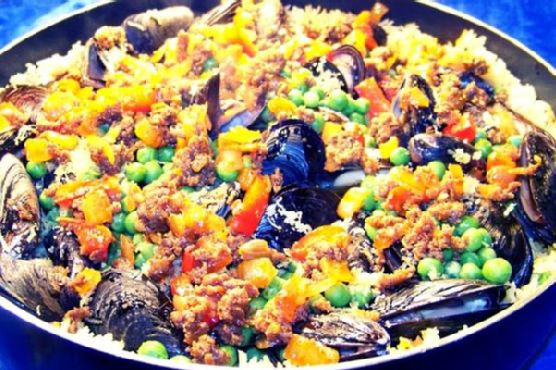
Mixed Paella | Made by Meaghan Moineau

Mixed Paella: A Hearty Feast for the Soul

Intro

Paella is more than just a dish; it’s a vibrant celebration of flavors and textures that brings people together. This Mixed Paella recipe has been a cherished staple in my family for generations, often making an appearance during our Sunday gatherings. I vividly recall the tantalizing aroma that filled my grandmother’s kitchen as she skillfully prepared the dish, her laughter mingling with the sizzle of chorizo in the pan. It’s a dish that carries with it the warmth and love of home, a culinary tradition I am thrilled to share with you today.

Why You’ll Love It

This Mixed Paella is a delightful medley of seafood, meat, and aromatic spices, making it a complete meal that is sure to satisfy. The harmonious blend of flavors from the saffron-infused rice, savory chorizo, and tender fish and shrimp creates a symphony on your palate. It’s a dish that’s both comforting and impressive, perfect for both casual family meals and special occasions. Plus, it’s a one-pan wonder that simplifies cleanup, allowing you more time to enjoy with your loved ones.

Ingredients

  • 1 bay leaf
  • 4 cups chicken broth
  • 1 chorizo sausage
  • 2 teaspoons extra virgin olive oil
  • 1 white fish fillet
  • 2 cloves garlic, minced
  • 1 lemon, cut into wedges
  • 1 teaspoon lemon zest
  • 1 pound mussels, cleaned
  • 1 Spanish onion, diced
  • 1/4 cup fresh parsley, chopped
  • 1/2 cup peas
  • 1 red bell pepper, diced
  • 1/2 teaspoon crushed red pepper flakes
  • 2 cups dry rice
  • 1/4 teaspoon saffron threads
  • 1/2 pound shrimp, peeled and deveined
  • 1 teaspoon thyme

Instructions

  1. In a very large non-stick skillet or paella pan preheated over medium-high heat, add 2 teaspoons of your oil (you will need more oil if you’re not using non-stick), garlic, red pepper flakes, and rice. Sauté for about 3 minutes.
  2. Add saffron, thyme, bay leaf, and chicken broth, then bring to a boil. Cover and reduce heat to a simmer. Leave covered, do not stir.
  3. In another non-stick skillet, heat to medium-high. Add chorizo and crumble as you sauté. When the sausage is cooked through, add red pepper and onion. Salt and pepper to taste if needed. Sauté until the onion is tender, then remove from heat and set aside.
  4. When the rice is nearly done (about 15 minutes), add fish and shrimp and press into rice. Add mussels, peas, and sprinkle with lemon zest. Cover and continue to simmer until the rice is done and the mussels have opened. Discard any mussels that do not open.
  5. Top with the chorizo mixture and parsley. Serve with lemon wedges and a crusty bread.

Tips

To ensure the perfect paella, resist the urge to stir the rice once the broth is added. This allows the rice to develop a crispy bottom layer known as “socarrat,” which is highly prized in traditional paella. Also, make sure to clean the mussels thoroughly and discard any that are cracked or do not close when tapped.

Variations & Substitutions

Feel free to customize your paella by swapping out ingredients based on your preferences or availability. You can use different types of seafood like clams or scallops, or substitute the chorizo with another type of sausage for a unique twist. For a vegetarian version, omit the meat and seafood entirely and add more vegetables like artichokes and green beans.

Storage

Leftover paella can be stored in an airtight container in the refrigerator for up to 3 days. To reheat, place it in a skillet over medium heat and add a splash of water or broth to retain moisture. Avoid using a microwave, as it may cause the seafood to become rubbery.

FAQ

Can I use brown rice instead of white rice?

Yes, you can use brown rice, but keep in mind that it has a longer cooking time compared to white rice. You’ll need to adjust the cooking time and possibly add more broth to ensure the rice is fully cooked.

Is it necessary to use saffron?

Saffron is a key ingredient in traditional paella, providing a unique flavor and vibrant color. However, if saffron is unavailable, you can substitute with turmeric, although the flavor will be different.

Can I freeze paella?

While it is possible to freeze paella, it’s not recommended as the texture of the seafood and rice may change upon thawing. It’s best enjoyed fresh or stored in the refrigerator for short-term use.

Nutrition

Mixed Paella is a balanced dish that combines proteins, carbohydrates, and healthy fats. With seafood providing omega-3 fatty acids and the addition of vegetables, it’s a nutritious option for a hearty meal. Adjust the portion size based on dietary needs and personal preferences.

Conclusion

This Mixed Paella recipe is a testament to the richness of Spanish cuisine, offering a delightful blend of flavors in every bite. Whether you’re sharing it with family or friends, it’s sure to be a crowd-pleaser. I hope this recipe becomes a treasured addition to your own culinary traditions, just as it has been in mine. Enjoy the process of cooking and savor the joyful moments it brings!

Related update: Mixed Paella

Related update: The Perfect Butter Beans Stew

Campbell’s Ousts Exec After Leaked Rant | Analysis by Brian Moineau

A canned-response crisis: Campbell’s fires executive after leaked racist rant and disparaging comments

There’s something dissonant about an executive trash-talking the very brand that puts food on millions of tables — and then getting caught on tape. That’s exactly what happened at Campbell’s this week, when the company confirmed it had fired a senior IT executive after a former employee’s lawsuit and a leaked audio clip surfaced containing vulgar, racist and disparaging remarks about the company, its customers and coworkers.

What happened (the quick version)

  • A former Campbell’s employee, Robert Garza, filed a wrongful-termination lawsuit that included an audio recording from a November 2024 meeting in which he says the company’s vice president of information security, Martin Bally, made offensive remarks.
  • The recording reportedly includes Bally calling Campbell’s products “food for poor people,” making racist comments about Indian coworkers, questioning the source of the company’s chicken as “3D-printed” or “bioengineered,” and admitting to using marijuana edibles at work.
  • Campbell’s told reporters it reviewed the recording after learning of the lawsuit on November 20, 2025, determined the voice appears to be Bally’s, called the comments “vulgar, offensive and false,” and said Bally is no longer employed as of November 25, 2025. (axios.com)

Why this matters beyond the headline

  • Reputation risk: A senior executive publicly—or in leaked audio—disparaging the company’s products and customers is a fast-track reputational issue. Brands trade on trust; when internal leaders demean customers or imply unsafe or artificial ingredients, consumer confidence can wobble even if the claims are false. (fortune.com)
  • Workplace culture and retaliation claims: The plaintiff alleges he reported the remarks to a manager and was fired shortly after. That’s the core of the lawsuit: retaliation and a hostile work environment. If true, this raises questions about reporting pathways, HR responsiveness, and managerial accountability. (washingtonpost.com)
  • Misinformation and food safety anxiety: The alleged comments about “3D-printed” or “bioengineered” meat tap into modern food fears. Campbell’s quickly issued a fact sheet defending the provenance of its chicken and labeling the claims patently absurd — a necessary step to cut off misinformation. (fortune.com)

Scene-setting and background

  • The recording was allegedly made during a salary discussion in November 2024. Garza says he recorded the conversation because he sensed something was off; Michigan law allows one-party recording, which matters for the legal context. He reported the exchange in January 2025 and was allegedly terminated later that month. The suit names Campbell’s, the executive (Bally), and Garza’s supervisor as defendants. (washingtonpost.com)
  • Campbell’s statement, quoted in multiple outlets, calls the audio’s content unacceptable and not reflective of company values and notes it learned of the audio only after the lawsuit was filed. The company also reaffirmed ingredient sourcing and quality. (axios.com)

Useful angles for readers and stakeholders

  • For customers: Don’t let an executive’s rant become the story of the brand. Check company statements and credible food-safety info before jumping to conclusions about product safety. Campbell’s explicitly denied the “3D-printed” claims and reiterated its sourcing standards. (fortune.com)
  • For employees: This episode highlights the importance of clear, confidential reporting channels and prompt HR action. If companies don’t act on reports, the legal and cultural fallout can be severe. (washingtonpost.com)
  • For investors and partners: Executive conduct is not just PR — it can affect brand value, supplier relations, and regulatory scrutiny. Quick, transparent responses are vital to stem damage. (axios.com)

Lessons for companies (and a checklist)

  • Move fast and transparently: When recordings or allegations surface, swift investigation and clear public communication matter.
  • Protect whistleblowers: Make reporting lines obvious and ensure retaliation is impossible in practice, not just policy.
  • Train leaders on language and impact: Senior leaders’ offhand remarks have outsized consequences; unconscious bias and disrespect can become legal and PR crises.
  • Combat misinformation proactively: If an allegation involves product safety or sourcing, publish clear, evidence-based explanations immediately.

How this could unfold legally

  • The lawsuit alleges wrongful termination and retaliation. If Garza’s timeline (reporting then firing) is supported by documentation and testimony, the company could face exposure beyond just reputational damage. Outcomes can range from settlements to court rulings that prompt changes in policy and practice. (washingtonpost.com)

Final thoughts

This feels like one of those textbook corporate crises where several fragile pieces collide: offensive leadership behavior, questions about how complaints were handled, and a viral recording that forces a company to choose between slow internal remediation or a very public stance. Campbell’s moved to terminate the executive after reviewing the tape and to reassure consumers about product quality — the right moves from a crisis-management standpoint. But the underlying issues — workplace culture, the integrity of reporting channels, and leader accountability — don’t disappear with a firing. Those take sustained work.

Companies that want to avoid headlines like this need to treat everyday conduct as material risk: the words leaders use in private can be the next public relations emergency.

Further reading

  • For a straightforward news summary and timeline: Axios — Campbell’s fires Martin Bally for alleged racist rant. (axios.com)
  • For reporting that includes the company response and legal context: AP News — Campbell’s fires executive who was recorded saying company's products are for 'poor people'. (apnews.com)
  • For analysis of how Campbell’s responded and the product-safety denial: Fortune — Campbell’s fires exec after leaked recording berating ‘poor’ customers and claiming use of bioengineered meat. (fortune.com)

Sources