The Quiet Gesture: Mendoza Dad Stays | Analysis by Brian Moineau

A quiet gesture that said everything: Why Fernando Mendoza’s dad stayed seated during the CFP title night

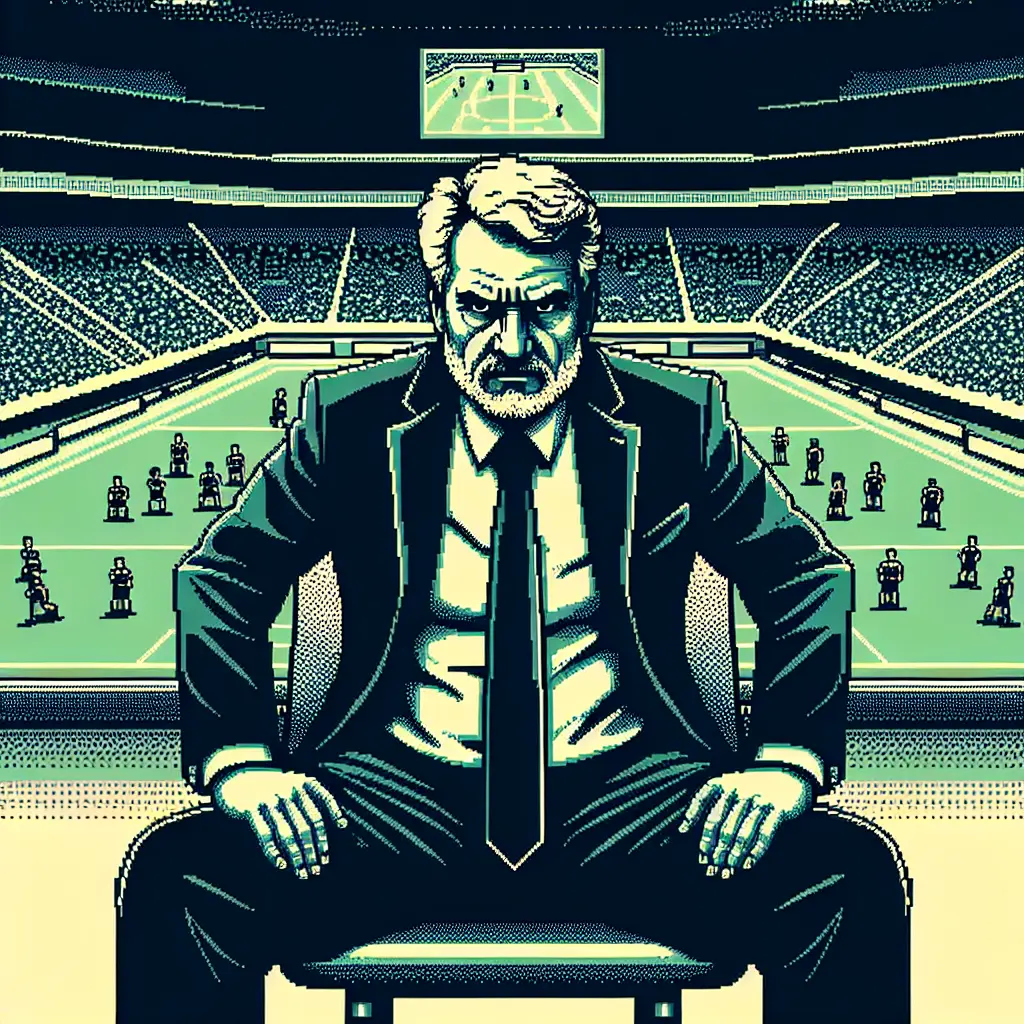
There are moments in sports that need no commentary — a single image, a small action, a split-second decision that carries a lifetime of meaning. During Indiana’s College Football Playoff national championship win, while confetti fell and cameras swarmed the field, one simple choice by Fernando Mendoza’s father captured as much attention as any touchdown: he stayed seated beside his wife. For a generation raised on highlight reels and mic’d-up celebrations, that stillness felt like its own kind of celebration.

Why he stayed seated

  • Fernando Mendoza told reporters the decision is deliberate: his father never stands at games so his mother, Elsa — who has lived with multiple sclerosis for many years and now uses a wheelchair — has an unobstructed view.
  • It’s a practical, daily kindness that became a visible symbol during the national championship: a reminder that support can be quiet, consistent, and profoundly public without fanfare. (si.com)

The scene and the stakes

  • The moment came after Indiana’s 27–21 victory over Miami on January 19, 2026, a result that capped a perfect 16–0 season and the program’s first national title.
  • Cameras caught Fernando kneeling to embrace his mother on the field and then hugging his father — the family tableau that followed the final whistle made the simple act of sitting together feel cinematic. Fans and media quickly picked up on the family’s dynamic and the tender reasoning behind it. (people.com)

Why that small choice resonates beyond the stadium

  • It reframes what “being there” means. In a culture that often equates presence with exuberance, Mendoza Sr.’s choice is a reminder that presence can be attentiveness — a daily accommodation born of love and necessity.
  • It humanizes elite athletes. Mendoza’s on‑field heroics are headline material, but the image of a family tending to each other in plain sight helps fans connect on a deeper level.
  • It lifts the conversation about caregiving into view. Multiple sclerosis and other chronic conditions touch millions of families. The Mendoza family’s public gratitude and visible accommodations subtly amplify that reality and the dignity of caregiving. (people.com)

Lessons from one seat in the stands

  • Small habits tell big stories: the things families do every day — trading places, holding hands, staying seated so someone else can see — are powerful narratives when we slow down to notice.
  • Public platforms can humanize private struggles: championship stages and national television gave an intimate family practice a wide audience, and the reaction showed people were hungry for that kind of humanity.
  • Visibility matters: when public figures show the real contours of family life, the conversation about accessibility, accommodation, and caregiving gets a wider, more compassionate hearing.

A few takeaways for fans and fellow humans

  • Actions matter more than spectacle. A quiet, thoughtful gesture can be as meaningful as the loudest celebration.
  • Empathy scales — seeing someone make room (literally) for their loved one invites us all to consider how we make space in our own lives.
  • Celebrations are for everyone. The best moments in sport are those where victory is shared, not staged.

My take

The image of Fernando kneeling with his mom and then embracing his dad — who had been sitting the whole time — felt like a small redemption of what sports are supposed to be about: community and connection. Mendoza’s father didn’t stand to avoid blocking Elsa’s view; he sat to make sure she was included. In a season filled with buzzer-beaters, viral interviews, and Heisman buzz, that quiet choice cut to the core of what makes the Mendoza story stick: family before finish line.

Sources


Related update: We recently published an article that expands on this topic: read the latest post.
Related update: We recently published an article that expands on this topic: read the latest post.

DeBoer’s Rose Bowl Call Sparks Toughness | Analysis by Brian Moineau

What in the world was Kalen DeBoer thinking on that fourth-down call?

The image is burned in a lot of minds: Alabama lined up to punt from its own 34 on fourth-and-1 in the Rose Bowl, Ty Simpson under center after a timeout, a Wildcat-style shovel pass called — and it fails. Indiana gets a short field, scores, and the game spirals into a 38-3 rout. Curt Cignetti, Indiana’s coach, didn’t just celebrate his team; he took a not-so-subtle jab at Alabama’s identity: this is how you break a program’s will — you run and run until the armor cracks.

Let’s unpack what happened, why the decision landed so badly, and what it might mean for Alabama’s direction under Kalen DeBoer.

The setup: context that matters

  • This was the College Football Playoff quarterfinal at the Rose Bowl — the stage is huge and mistakes are amplified.
  • Alabama trailed 3-0 at the time. Traditionally, teams would punt in that spot, flip field position, and trust a defense built on physicality to handle the opponent.
  • DeBoer’s Alabama this season has been noticeably aggressive on fourth down, gambling often and converting at an impressive clip during the year. That aggressive identity carried into the playoff.
  • Curt Cignetti watched the whole sequence and afterward highlighted the old-school, grind-it-out way to beat Alabama: run the ball, wear them down, break their will. He pointed to the running game as the decisive factor in Indiana’s dominance. (archive.vn)

The call itself and why it stung

  • Fourth-and-1 at your own 34 is textbook punt territory: even if you convert, you gain a sliver of field position at enormous risk.
  • DeBoer dialed a Wildcat shovel pass after lining up in punt formation (with timeouts and a change of formation). The play is creative and has worked for Alabama on other fourth-down gambles this season — but the Rose Bowl felt like a time for prudence. (si.com)
  • When the gamble failed, Indiana had a short field and turned it into points. Momentum swung hard, and the game never recovered.

Why the call felt worse than a standard failed gamble:

  • It took the ball out of the realm of conservative, historically “Alabama” football (punt/defend/rush).
  • It looked, to many observers, like a calculated risk with nothing to gain but pride; the downside was immediate and game-altering.
  • DeBoer’s own acknowledgement after the game — “when you fall short, it was the wrong decision” — softened none of the sting. He defended his aggressiveness as belief in his offense and defense, but admitted it backfired. (archive.vn)

Curt Cignetti’s jab and what it signals

  • Cignetti praised his team’s physical approach and explicitly contrasted it with what Alabama did: run, wear opponents down, and break wills. His postgame comment — that breaking a team’s will by running the ball is the way to win — landed like a challenge and a coach’s confidence. (archive.vn)
  • That comment wasn’t just trash talk. It underscored a theme from the game: Indiana’s toughness on the line and commitment to a grinding identity neutralized Alabama’s creative-but-risky tendencies.

The bigger picture: identity, hiring, and the future

  • DeBoer came in as a modern, more “UP-tempo / West Coast / analytics-friendly” type compared to the Nick Saban era. That shift in identity has produced big wins but also moments that test fan patience and program expectations. (washingtonpost.com)
  • Goodman’s column framed the fourth-down call as “emblematic” of a larger concern: has Alabama moved away from the kind of physical, field-position-first football that defined its dynasty? And is that change worth it if the program loses some of its traditional edge? (archive.vn)
  • One game doesn’t rewrite a coach’s legacy. But playoff losses — especially self-inflicted-looking ones — raise legitimate questions about decision-making in high-leverage moments and whether a new identity is fully rooted.

Why the reaction is so visceral

  • Alabama’s brand is expectations. When the Tide isn’t simply better, every unconventional call is scrutinized through the lens of a program used to being “the standard.”
  • Fans and columnists aren’t just mad at one play; the shovel pass is shorthand for perceived hubris at a moment that demanded restraint.
  • Cignetti’s critique amplified that feeling because it came from the coach who controlled the game plan that exposed Alabama’s flaws. That kind of postgame message cuts deep and sticks in the narrative.

What this means moving forward

  • Expect DeBoer (and his staff) to revisit situational decision thresholds. Coaches who gamble must calibrate risk according to stage and opponent.
  • The offense will still be creative — that’s part of DeBoer’s appeal — but there will be pressure to demonstrate a tougher, more conservative baseline in short-yardage, field-position-sensitive spots.
  • For Indiana, Cignetti’s comments are a statement of identity: physical, relentless, and unapologetically old-school in execution. That identity beat Alabama on a big stage. (crimsonquarry.com)

A quick summary for the short-attention fan

  • The fourth-down shovel pass was a high-variance play that backfired in a moment where conservative play was eminently defensible.
  • Curt Cignetti used it as a teaching point: wear teams down, and you’ll win the fourth quarter.
  • The fallout is less about a single coach’s ego and more about how identity, roster construction, and situational discipline must align at a program with Alabama’s standards.

Final thoughts

Football loves drama; coaches love choices that define them. DeBoer’s aggressiveness delivered wins this season but met its limit in Pasadena. The shovel pass will be replayed, debated, memeified — and then it will do what big coaching moments do: force adjustments. If Alabama wants to reconcile modern creativity with the time-honored “punt-and-pummel” ethos its fans revere, it’ll take more than a press conference apology. It’ll take a roster and a game plan that can absorb and justify those gambles on the sport’s biggest stages.

Notes worth remembering

  • One play rarely costs a whole program its soul, but one play can expose where the program still needs tempering.
  • Cignetti’s line about “breaking their will” is a useful lens: championships are often won in the trenches, not by flash alone. (archive.vn)

Sources


Related update: We recently published an article that expands on this topic: read the latest post.

Related update: We recently published an article that expands on this topic: read the latest post.

Bevacqua vs. Yormark: Notre Dame Fallout | Analysis by Brian Moineau

Notre Dame’s Public Meltdown and the Cost of Burning Bridges

The college-football offseason rarely delivers on drama like a rivalry game — yet here we are: Notre Dame’s athletic director, Pete Bevacqua, publicly calling out the ACC after the Fighting Irish were left out of the 2025 College Football Playoff, and Big 12 commissioner Brett Yormark answering back by calling Bevacqua’s actions “egregious.” The exchange is more than headline fodder. It’s a study in modern power dynamics in college sports: brand protection, conference alliances, and the long memory of favors.

Why this row matters more than just pride

  • Notre Dame is unique: football independent in practice but tied to the ACC in most sports and scheduling agreements. Its network of relationships matters more than ever in an expanded 12-team playoff world.
  • Public finger-pointing isn’t just awkward — it can cost future scheduling, revenue, and political capital when the sport’s power players make decisions about expansion, access, and TV money.
  • Brett Yormark’s rebuke highlights an important theme: institutions that benefit from alliances don’t always get to publicly scold their partners without consequences.

What happened (plain and simple)

  • After the CFP selection favored Miami over Notre Dame (Miami had the head-to-head win), Pete Bevacqua publicly criticized the ACC, accusing it of undermining Notre Dame’s case by pushing Miami in league messaging and social media.
  • Notre Dame officials also signaled the relationship with the ACC had been “strained,” and Bevacqua suggested the league’s actions did “permanent damage.”
  • At the Sports Business Journal Intercollegiate Athletics Forum, Big 12 commissioner Brett Yormark called Bevacqua’s conduct “egregious” and “totally out of bounds,” noting the ACC had “saved” Notre Dame during the COVID-19 season in 2020 by giving them a full conference schedule and access to the conference championship.
  • The episode opened talk of potential reprisals from other athletic directors (scheduling aversion), and renewed speculation about where Notre Dame fits in the evolving conference landscape. (bleacherreport.com)

A closer look at the players and incentives

  • Pete Bevacqua (Notre Dame AD)

    • Incentives: Protect Notre Dame’s brand, fight for access to the playoff and its financial upside, and signal to fans and donors that the program will push back.
    • Risk: Alienating conference allies, compromising behind-the-scenes relationships that matter for scheduling and future political support.
  • Jim Phillips (ACC commissioner)

    • Incentives: Advocate for all ACC members and preserve the league’s credibility when promoting its teams.
    • Risk: Accusations of favoritism, even if the league was acting within normal advocacy duties.
  • Brett Yormark (Big 12 commissioner)

    • Incentives: Defend conference solidarity and discourage public feuds that could destabilize the broader system.
    • Risk: Appearing partisan or discouraging legitimate transparency about selection processes.

Bigger context: governance, memory, and leverage

  • College sports is a relationship economy. Conferences and independents trade scheduling, revenue sharing, and access. Publicly criticizing a partner is not just emotional — it’s strategic malpractice if you need that partner again.
  • Yormark’s point about the 2020 season is a reminder: favors are remembered. The ACC allowed Notre Dame a 10-game conference slate in COVID-impacted 2020; that accommodation had long-term competitive consequences and built goodwill.
  • The CFP’s expanded format and the myriad memorandums and understandings that govern access mean that political capital and perceived fairness matter almost as much as wins and losses.

Key takeaways

  • Publicly calling out a partner rarely wins loyalty; it often costs leverage.
  • Short-term PR satisfaction (rallying the fanbase) can come with long-term strategic losses (fewer high-quality opponents, strained negotiations).
  • Transparency in selection criteria is crucial — but the way institutions air grievances matters just as much as the grievance itself.
  • The Notre Dame–ACC–CFP spat is a microcosm of college sports’ transition: bigger stakes, more politics, and less room for emotional outbursts without consequences.

My take

Bevacqua’s frustration is understandable — missing the CFP stings, and athletic directors are tasked with fiercely protecting institutional interests. But stewardship in college athletics requires a balance between defending your program and preserving the relationships that make future success possible. Publicly accusing a conference partner of undermining you burns trust. Yormark’s rebuke isn’t just rhetorical theater; it’s a reminder that in the post-expansion era, relationships are currency. Notre Dame’s leadership needed a different channel: a private, strategic response that preserved options rather than narrowed them.

Sources


Related update: We recently published an article that expands on this topic: read the latest post.


Related update: We recently published an article that expands on this topic: read the latest post.

Georgia Injury Report: Who’s Game Ready | Analysis by Brian Moineau

Who’s healthy — and who isn’t — as Georgia readies for the SEC rematch with Alabama

The Bulldogs and Crimson Tide meet again on Saturday, December 6, 2025, at Mercedes‑Benz Stadium — a rematch that already feels like postseason theater. But beyond Xs and Os, the story this week is the injury report: who’s cleared to play, who’s out, and how those absences reshape Georgia’s game plan against an Alabama team that beat them 24–21 earlier this season.

Quick snapshot

  • Game: Georgia vs. Alabama — SEC Championship
  • Date and time: Saturday, December 6, 2025 — 4:00 p.m. ET
  • Stakes: SEC title and positioning for the College Football Playoff

What the injury list looks like for Georgia

Georgia’s initial SEC availability report and subsequent team updates show a handful of notable absences and a couple of question marks. The most consequential headlines:

  • Drew Bobo (center) — Out.

    • The absence of Bobo is the biggest single blow to Georgia’s starting personnel. Losing a starting center forces line shuffling and can affect run- and pass‑blocking continuity on both the first- and second-level play calls. Multiple outlets report Bobo ruled out after a foot injury sustained against Georgia Tech. (saturdaydownsouth.com)
  • Bo Walker (running back) — Out.

    • Walker, who had flashed big-play ability late in the season, is listed out after a facial fracture. That reduces Georgia’s depth and explosiveness in the backfield. (on3.com)
  • Jordan Hall (defensive tackle) — Out for season.

    • Hall’s knee injury cost Georgia interior defensive line depth and rotational pass‑rush ability. That’s meaningful against an Alabama offense that relies on tempo and physicality. (on3.com)
  • Kyron Jones (safety) — Out.

    • Jones’ absence forces secondary adjustments; Georgia has leaned on depth and versatility in the back end, so this matters for matchup coverage versus Alabama’s big play threats. (on3.com)
  • Ethan Barbour (tight end) and Colbie Young (wide receiver) — Out.

    • Both limit Georgia’s pass-catching options and tight-end rotations, nudging the offense toward more reliance on the healthy pass-catchers and running game. (si.com)
  • Earnest Greene (offensive line) — Questionable.

    • If Greene is limited or unavailable, that further strains an offensive line already missing its starting center. (si.com)

Outside of those outs, Georgia listed Zion Branch as questionable at one point; availability updates were expected right up to kickoff. The injury picture has been evolving throughout the week, so final game‑day active rosters will be the ultimate indicator. (si.com)

Why these injuries matter — quick analysis

  • Offensive line continuity is king. Losing Drew Bobo at center is more than one missing starter: center is the anchor of line calls, protections, and the position that often dictates how comfortably a QB operates in the pocket. With Bobo out and Greene banged up, Georgia’s line must be cohesive against Alabama’s well‑coached front. If the Dawgs can’t establish consistent protection, their offense gets one-dimensional. (saturdaydownsouth.com)

  • Depth is being tested. The Bulldogs have historically relied on roster depth, rotation, and physical play. Losing rotational pieces on the line, in the trenches, and in the secondary compresses that advantage. In a rivalry rematch, depth shortages become magnified late in the game. (on3.com)

  • Alabama can exploit specific matchups. With Georgia’s secondary and interior line thinned by injuries, Alabama has incentives to attack inside, use play-action off screens, or lean on quick shots and tempo to force mismatches and fatigue. Conversely, Georgia’s defensive scheme and pass rush must compensate by creating pressure and disguising coverages. (reuters.com)

  • Special teams and situational football rise in importance. Close, low‑scoring rivalry games hinge on field position, penalties, clock management, and one or two swing plays. That’s even truer when injuries cut into starting rosters; coaches often pivot to situational efficiency when their playbooks feel limited. (ajc.com)

Matchup wrinkles to watch on Saturday

  • Who snaps the ball? Watch Georgia’s interior offensive line rotation and how the new center integrates protections and shotgun snaps. A miscue there can create turnovers or negative plays that swing momentum.

  • Short passing to neutralize rush: If Georgia’s line can’t buy time, expect more quick releases and screens to get the ball into playmakers’ hands before Alabama’s pass rush can collapse the pocket.

  • Alabama’s tempo vs. Georgia’s depth: If Alabama pushes pace, Georgia’s depleted depth could suffer late. Conversely, Georgia may try to control the clock with shorter drives and physical runs to blunt UGA’s roster disadvantage.

  • Red-zone and third-down efficiency: With fewer weapons and line changes, Georgia’s ability to sustain drives and convert on third down will be a litmus test for their adapted game plan.

What this means for the playoff picture

This matchup is about more than state bragging rights; the SEC title heavily impacts College Football Playoff positioning. Georgia’s ability to manage injuries and play clean, situational football will determine whether they lock in a top playoff seeding or hand Alabama a résumé-boosting conference championship. The margin for error is thin, and injuries increase variance — meaning special teams, turnovers, and one-break plays could decide the outcome. (reuters.com)

What to expect from Kirby Smart and staff

Based on coach comments and normal postseason posture, expect Smart to:

  • Emphasize fundamentals: blocking, tackling, and limiting penalties.
  • Simplify certain looks to protect younger linemen and preserve tempo.
  • Trust veteran leaders to absorb increased responsibility, especially on defense. (ajc.com)

Closing thoughts

Georgia enters Saturday with talent, tradition, and stakes — but also with some clear holes to plug. The Bobo absence is the clearest structural change; how seamlessly the Dawgs replace him and whether the rest of the roster can stay healthy will shape the game’s narrative. In rivalry rematches like this one, coaching adjustments and mental toughness often make the difference. Expect a chess match where details — not hype — decide the winner.

Final thoughts

Injuries are part of football’s fabric, especially in November and December. Georgia’s depth has been battle-tested before, and the Bulldogs still have multiple weapons and a championship pedigree. But against a disciplined Alabama side that beat them earlier this season, those missing pieces raise the stakes. Saturday should be a tight, strategic game — and the team that adapts best to its personnel realities will likely walk away with the SEC crown.

Sources


Related update: We recently published an article that expands on this topic: read the latest post.


Related update: We recently published an article that expands on this topic: read the latest post.

Kiffin Poised to Bolt Before Title Game | Analysis by Brian Moineau

Lane Kiffin, Ole Miss and the late‑season coach carousel: a southern soap opera with a playoff on the line

Hook: Picture this — your team finally breaks through, the College Football Playoff looms, and the man who pulled it together might walk out the door before the confetti can be earned. That’s the story unfolding in Oxford, Mississippi, where Lane Kiffin has Ole Miss playing at its highest level — even as LSU and Florida reportedly circle with enormous offers.

Why this feels different

  • Lane Kiffin isn’t just another hot name. He’s a polarizing, proven offensive architect who has rebuilt Ole Miss into a contender in a short span.
  • The timing — late November, with an Egg Bowl looming and the CFP picture crystallizing — makes this more than a routine coaching shuffle. If Kiffin leaves now, Ole Miss could be without its leader before the Rebels play for the biggest prize in program history.
  • The financial figures being reported (offers in the neighborhood of seven‑figure annual pay and NIL/roster investment pledges) underline how much power boosters and athletic departments will wield in this new era.

The immediate facts (what’s been reported)

  • Ole Miss finished the regular season with a top‑10 CFP ranking and has been playing the best football in program history under Kiffin. Several outlets reported the school as a genuine playoff contender this year. (aol.com)
  • Reports say LSU and Florida have aggressively pursued Kiffin, with LSU allegedly discussing deals worth upward of $90 million over multiple years plus roster/NIL commitments. Ole Miss officials set a public timeline for an announcement after the Egg Bowl (Nov. 29, 2025). (foxnews.com)
  • Kiffin has publicly emphasized his focus on finishing the season, but travel by family members to potential suitors’ locales and the public nature of talks have kept speculation intense. Athletic director statements suggested a decision would be communicated after the rivalry game so the team can concentrate. (wruf.com)

What’s at stake for each party

  • For Ole Miss:
    • A potential national-title window — with Kiffin at the helm — could be irreversibly altered if he departs before the postseason.
    • Program momentum, recruiting, and locker‑room morale could all take a hit midstream.
  • For Kiffin:
    • Career tradeoffs: staying could mean cementing a legacy as the coach who elevated a non‑traditional power to the playoff; leaving could mean accepting greater resources, higher pay, and the prestige of a legacy program (and the pressure that comes with it).
  • For LSU and Florida:
    • Landing Kiffin would be a statement hire — a quick way to restart stalled projects and leverage NIL funds to accelerate roster building.
    • But doing it now risks perceptions of poaching and could invite backlashes from fans and the broader college‑football community.

The bigger picture: why the carousel is symptomatic of the times

  • Money and NIL have blurred old lines. Schools now bid not only on coaches’ salaries but on roster‑building war chests, making shifts more lucrative and more immediate. (sports.yahoo.com)
  • The expanded College Football Playoff and portal/NIL dynamics have created more programs that can credibly dream big — and more reasons for coaches to jump if the resources align.
  • The calendar problem remains: coaching searches happening during postseason weeks create ethical and competitive dilemmas. Voices across the sport have argued for clearer rules to protect players from late‑season disruptions. (aol.com)

Talking points for fans and observers

  • Loyalty vs. careerism: Is it unreasonable to expect a coach to stay through a playoff run when a substantially bigger job appears? Fans will split on whether Kiffin “owes” Ole Miss one more month.
  • Institutional responsibility: Universities that pursue coaches midseason invite scrutiny. Are there changes (timelines, tamper rules, buyout norms) that could reduce drama?
  • Player welfare: The uncertainty affects athletes’ focus, preparation and recruiting. That human element often gets lost in contract numbers and headlines.

What could happen next

  • Kiffin stays through the Egg Bowl and beyond, using the moment to try to capture a program‑defining title.
  • Kiffin accepts an offer and departs after the announced timeline, leaving Ole Miss to appoint an interim and scramble before the playoff.
  • A protracted negotiation or legal complications (buyouts, timing clauses) could create a muddled aftermath that impacts postseason logistics and public perception.

My take

College football has always been a sport of ambitions and second chances, but the current mix of cash, NIL, roster mobility and playoff stakes makes late‑season coaching drama especially corrosive. If the reports are true and a traditional power like LSU or Florida can outbid Ole Miss, the calculus is understandable for a coach’s career. Still, there’s something viscerally off about the idea of a championship bid being upended by a coaching transaction that could have been settled months earlier. Institutions and the NCAA era's new power players should take note: the system currently rewards haste and escalation, not restraint for the sake of competitive integrity.

A few lesser‑seen angles

  • If Kiffin leaves and Ole Miss still makes the playoff, the program’s depth and culture (and the quality of assistants and players he helped attract) could keep them competitive — an underrated aspect of his legacy.
  • For recruits, the uncertainty might swing commitments either away from Ole Miss or toward it (if the program leans on continuity and sells immediate opportunity).
  • A high‑profile hire during this window could force other programs to act quickly, causing a cascade of moves that reshapes several seasons in one week.

Sources

Final note: this is a live story with details changing quickly; the announced timeline (an update expected after the Egg Bowl on Nov. 29, 2025) will likely resolve much of the immediate drama and set the tone for the offseason.


Related update: We recently published an article that expands on this topic: read the latest post.


Related update: We recently published an article that expands on this topic: read the latest post.

USC vs. Notre Dame: A Rivalry at Risk | Analysis by Brian Moineau

The USC-Notre Dame Rivalry: A Century of Passion and Memories

As the leaves begin to turn and football season kicks into full gear, one of college football’s most storied rivalries looms on the horizon: the clash between the University of Southern California (USC) and the University of Notre Dame. This rivalry, steeped in tradition and history, is more than just a matchup; it’s a celebration of athleticism, school spirit, and unforgettable moments. However, it’s facing an uncertain future, and that’s a conversation worth having.

A Rich History of Competition

The USC-Notre Dame rivalry dates back to 1926 and has since produced some of college football’s most thrilling games. These two powerhouse programs have battled it out on the gridiron for over a century, creating memories that resonate with fans and players alike. From the electric atmosphere of packed stadiums to legendary performances by athletes like Reggie Bush, the rivalry has showcased the very best of college football.

However, as the landscape of college athletics evolves with conference realignment and the introduction of the College Football Playoff, the future of this historic rivalry hangs in the balance. Will the USC-Notre Dame matchup remain a staple of college football, or will it fade into obscurity like so many other traditions?

Memorable Moments That Defined the Rivalry

Throughout the years, the USC-Notre Dame rivalry has produced unforgettable moments that are etched into the annals of college football history. Who could forget Reggie Bush’s spectacular 2005 performance, where he dazzled fans with his explosive plays and showcased why he was a Heisman Trophy winner? Or the dramatic finishes that left fans on the edge of their seats, such as the 1974 game where USC’s last-second touchdown secured a thrilling victory.

These games have brought together generations of fans, with families often divided in their loyalties. The intensity of the rivalry not only fuels the players on the field but also ignites the passion of the fans who support their teams through thick and thin.

Key Takeaways

Historical Significance: The USC-Notre Dame rivalry has spanned over 95 years, making it one of the longest-running rivalries in college football. – Iconic Games: From Reggie Bush’s legendary performances to nail-biting finishes, this rivalry has produced countless memorable moments. – Evolving Landscape: As college football faces changes in conference alignments and playoff structures, the future of this cherished rivalry is uncertain. – Fan Passion: The intensity of the rivalry ignites fierce loyalty among fans, often dividing families and communities. – Cultural Impact: The USC-Notre Dame games transcend football, representing a unique cultural intersection of tradition, competition, and camaraderie.

Reflecting on the Rivalry’s Future

As we look forward to the upcoming seasons, it’s crucial to cherish the moments that define the USC-Notre Dame rivalry. Whether it’s the thrill of a last-minute touchdown or the camaraderie shared among fans, this rivalry embodies the spirit of college football. It’s a reminder of why we love this sport in the first place.

Let’s hope that the powers that be recognize the importance of preserving this historic matchup, allowing future generations to experience the excitement and camaraderie that comes with every USC-Notre Dame game.

Sources

– ESPN: [From train rides to Reggie Bush: The best games in the USC-Notre Dame rivalry](https://www.espn.com/college-football/story/_/id/32547669/best-games-usc-notre-dame-rivalry)

In the world of sports, some rivalries are built on a foundation of history, passion, and unforgettable moments. The USC-Notre Dame rivalry is one such treasure that deserves to be celebrated for years to come.


Related update: We recently published an article that expands on this topic: read the latest post.


Related update: We recently published an article that expands on this topic: read the latest post.