
GMs HQ Marries Detroit Past and Future | Analysis by Brian Moineau

A new kind of HQ: GM stitches Detroit history into a modern workplace

Step inside GM’s new world headquarters in downtown Detroit and you don’t just see offices — you walk through a curated narrative. Vintage artifacts sit beside prototypes, midcentury design cues mingle with cutting‑edge workplace features, and little “Easter eggs” wink at the company’s long, complicated story. It’s an HQ meant to be both museum and living room: a place that honors the past while trying to shape how a global automaker works in the future.

Why this matters now

  • GM’s move from the sprawling Renaissance Center to a smaller footprint in Hudson’s Detroit signals a shift in corporate culture and real estate strategy.
  • The design choices — art, artifacts, and built-in references to GM history — are intended to do more than decorate: they’re meant to anchor identity, inspire designers and engineers, and attract employees back to a post‑pandemic office rhythm.
  • For Detroit, the project is another chapter in the city’s rebirth narrative: global auto icon reconnects physically and symbolically to the Motor City.

What the space says (without saying it)

GM occupies roughly four floors in the Hudson’s Detroit building, and the interior is deliberately layered with meaning:

  • Design lineage: The lobby and executive areas borrow stylistic elements from Eero Saarinen’s GM Global Technical Center — warm wood, golden metallic finishes, clean lines with soft curves — signaling continuity with a storied design tradition.
  • Visible history: From a 1963 Chevrolet truck temporarily displayed to a new Silverado EV, to blueprints of the design dome and a McCormick speed‑form wind‑tunnel model, the artifacts map GM’s evolution from internal combustion icon to electric future.
  • Playful touches: A wall of cassette tape cases — some referencing songs that mention GM vehicles and others cheekily customized for executives — and “Easter eggs” tied to Detroit streets or corporate personalities keep the tone human and local.
  • Salvaged midcentury art: The return and installation of a once‑lost Harry Bertoia sculpture adds cultural heft; it’s a tangible link to Detroit’s midcentury modernist moment and GM’s history of commissioning public art. (archive.ph)

Design meets workplace strategy

This HQ isn’t just about looks. It embodies how modern corporations think about office space:

  • Smaller footprint, higher intention: Moving from the RenCen’s multi‑million square feet to about 200,000 square feet across four floors reflects a pivot away from the “city within a city” headquarters model toward integration with urban life.
  • Hybrid reality: GM’s in‑office policy (employees scheduled Tuesday–Thursday, but with flexibility) and the layout’s emphasis on collaboration spaces aim to make coming in meaningful rather than mandatory.
  • Symbolic headquarters: Executives largely use shared or unassigned offices, with only a handful permanently reserved — a design choice and cultural signal intended to flatten hierarchies and encourage mobility. (archive.ph)

The storytelling details that stick

Small design decisions often speak the loudest:

  • Patent wallpaper: Graphics highlighting roughly 300 patents (from a portfolio of tens of thousands) remind visitors that GM’s identity is technical as well as cultural.
  • Sound‑wave sculptures: Engine and EV tones turned into three‑dimensional art translate engineering into visceral, even poetic, forms.
  • Local roots: References to Detroit streets, framed maps of testing grounds and pieces of design history visually tether the company to its place of origin.
  • Public conversation: By showcasing artifacts and artworks, the HQ becomes a civic touchpoint — a physical message that GM still belongs in and to Detroit. (archive.ph)

What this suggests about GM’s future

  • Identity as strategy: By interweaving heritage and innovation, GM is using corporate identity as a strategic tool — to recruit, to retain, and to build public goodwill.
  • Design-led messaging: The HQ reinforces that design (material, visual, acoustic) is central to how GM wants to be perceived: modern, creative, and respectful of legacy.
  • Urban engagement: Choosing a prominent downtown site and installing public‑facing art signals a willingness to be part of Detroit’s cultural and economic ecosystem again. (archive.ph)

Highlights to remember

  • GM moved from the Renaissance Center to a smaller, more intentional HQ at Hudson’s Detroit, focused on collaboration and flexibility. (archive.ph)
  • The space blends midcentury modern influences with contemporary design, and includes artifacts and “Easter eggs” that celebrate GM’s history and culture. (archive.ph)
  • A rediscovered Harry Bertoia sculpture was restored and installed, tying the new HQ to Detroit’s artistic and design heritage. (news.gm.com)

My take

GM’s HQ feels like a careful balancing act: a company deeply aware of its past using that past to make the present more resonant. There’s a risk of nostalgia performing as a substitute for substantive change, but the blend of artifacts, intentional workplace design, and public art suggests GM is trying to do something subtler — use physical space to influence culture. If the offices help cross‑pollinate teams, spur design conversations, and strengthen ties with Detroit, the building will have earned more than its aesthetic wins.

Sources


Related update: We recently published an article that expands on this topic: read the latest post.


Related update: We recently published an article that expands on this topic: read the latest post.

Why Nintendo Ditched Nindies Name | Analysis by Brian Moineau

Why Nintendo quietly retired "Nindies" — and what it says about the company

Do you remember the cheerfully cursed portmanteau “Nindies”? For a few years — from the Wii U / 3DS era through early Switch days — Nintendo happily used the term to bundle and promote independent games on its platforms. It felt like a warm, community-friendly label: part Nintendo, part indie, lots of goodwill. Then, almost as quietly as it arrived, it was gone.

Former Nintendo of America PR staffers Kit Ellis and Krysta Yang recently unpacked why the company shelved the word. Their answer is wonderfully anti-romantic: lawyers. But that dry explanation reveals a lot about Nintendo’s priorities, how it protects its brand, and how corporate caution can shape even beloved cultural shorthand.

Why "Nindies" died (short and human)

  • Legal teams at Nintendo pushed back because combining “Nintendo” with another word can dilute a trademark and complicate future legal defenses.
  • Internally the PDR/PR teams loved the term — t‑shirts, logos, goodwill — and even fought for it. But legal won out.
  • This wasn’t about developers or community dislike; it was a trademark-and-brand-protection decision. As Krysta put it, you can’t cut the Nintendo name in half and tack it onto something else without creating risks.

That explanation comes from a conversation on the Kit & Krysta podcast and was reported by outlets covering the discussion. (nintendoeverything.com)

A little context: the “Nindies” moment

  • The term gained traction during a period when Nintendo was making a visible, strategic push to court indie developers — think Nindies Showcase events, Nintendo Minute segments, and pages that highlighted small studios releasing on Nintendo platforms.
  • “Nindies” captured a particular era: Nintendo trying to sell joy, quirky creativity, and first‑party charm alongside smaller, passionate teams that fit the company’s family-friendly image.
  • Over time, Nintendo’s external messaging became more buttoned-up and protective of how its IP and brand were used — hence the end of catchy mashups.

The Nindies showcases (for example, Nintendo Minute and various showcase videos) show how public-facing and embraced the initiative was before the legal caution took hold. (mynintendonews.com)

Why legal teams hate mashups (and why they’re right)

  • Trademark law is fundamentally about distinctiveness. If a brand becomes a generic term — think “aspirin” or “escalator” historically — the owner can lose exclusive rights.
  • Combining the Nintendo name with other words risks normalizing casual use of the brand and makes it harder to demonstrate that the trademark is being used as a source identifier rather than a generic descriptor.
  • For a company like Nintendo, with decades of IP and a culture of tightly controlled messaging, avoiding any shorthand that nudges the name toward genericness is a prudent long-term strategy.

Krysta and Kit used the old “Wiimote” example to show how Nintendo has long pushed back against sloppy brand slang. Legal sees these small slips and treats them as potential future headaches. (nintendoeverything.com)

What this meant for indie devs and the community

  • Surface-level effect: fans lost a cute label. That matters to culture — names stick and form identity.
  • Practical effect: none of the indie devs had anything against it — Nintendo didn’t kill “Nindies” because of an anti‑indie stance, but because of IP stewardship.
  • Indirect effect: Nintendo’s strict brand hygiene can make it harder for playful, fan‑forward language to take root officially. Communities still use “Nindie” or “Nindies” informally, but the company keeps corporate messaging formal.

So while the public face shifted away from the label, Nintendo’s appetite for indie content remained. The brand decision simply reframed how that relationship was talked about.

The bigger pattern: Nintendo’s language rules

  • Nintendo historically insists on precise phrasing in press and product copy (e.g., “the [Game Name] game”) to avoid turning products into generic nouns.
  • This consistency is part style guide and part legal defense — preventing dilution across countless markets and languages.
  • The company’s caution explains lots of otherwise odd choices in communications and why some nicknames never make it into official channels. (gamesradar.com)

A takeaway for creators and fans

  • If you’re an indie developer, know that Nintendo’s legal posture isn’t a rejection — it’s protection. The platform still offers opportunities; you just won’t see Nintendo‑branded portmanteaus on billboards.
  • If you’re a fan, branding choices matter more than they seem. Names shape discoverability, community identity, and how a company defends its culture in court and commerce.

My take

There’s a small melancholy in the death of “Nindies” — it was a fun, human label that signaled a particular moment in gaming culture. But there’s also logic: Nintendo is guarding a century‑spanning brand and a catalogue that other companies could exploit if the name became casual shorthand. In a world where language leaks value (and lawsuits can hinge on the tiniest precedent), this is an understandable, if slightly joyless, call.

At the end of the day, indie games still find an audience on Nintendo platforms. The era that produced “Nindies” helped change perceptions and open doors. The term may be retired in official memos, but the legacy of that push — more indie attention, more variety on Nintendo systems — is very much alive.

Sources


Related update: We recently published an article that expands on this topic: read the latest post.


Related update: We recently published an article that expands on this topic: read the latest post.


Related update: We recently published an article that expands on this topic: read the latest post.


Related update: We recently published an article that expands on this topic: read the latest post.

Campbell’s Ousts Exec After Leaked Rant | Analysis by Brian Moineau

A canned-response crisis: Campbell’s fires executive after leaked racist rant and disparaging comments

There’s something dissonant about an executive trash-talking the very brand that puts food on millions of tables — and then getting caught on tape. That’s exactly what happened at Campbell’s this week, when the company confirmed it had fired a senior IT executive after a former employee’s lawsuit and a leaked audio clip surfaced containing vulgar, racist and disparaging remarks about the company, its customers and coworkers.

What happened (the quick version)

  • A former Campbell’s employee, Robert Garza, filed a wrongful-termination lawsuit that included an audio recording from a November 2024 meeting in which he says the company’s vice president of information security, Martin Bally, made offensive remarks.
  • The recording reportedly includes Bally calling Campbell’s products “food for poor people,” making racist comments about Indian coworkers, questioning the source of the company’s chicken as “3D-printed” or “bioengineered,” and admitting to using marijuana edibles at work.
  • Campbell’s told reporters it reviewed the recording after learning of the lawsuit on November 20, 2025, determined the voice appears to be Bally’s, called the comments “vulgar, offensive and false,” and said Bally is no longer employed as of November 25, 2025. (axios.com)

Why this matters beyond the headline

  • Reputation risk: A senior executive publicly—or in leaked audio—disparaging the company’s products and customers is a fast-track reputational issue. Brands trade on trust; when internal leaders demean customers or imply unsafe or artificial ingredients, consumer confidence can wobble even if the claims are false. (fortune.com)
  • Workplace culture and retaliation claims: The plaintiff alleges he reported the remarks to a manager and was fired shortly after. That’s the core of the lawsuit: retaliation and a hostile work environment. If true, this raises questions about reporting pathways, HR responsiveness, and managerial accountability. (washingtonpost.com)
  • Misinformation and food safety anxiety: The alleged comments about “3D-printed” or “bioengineered” meat tap into modern food fears. Campbell’s quickly issued a fact sheet defending the provenance of its chicken and labeling the claims patently absurd — a necessary step to cut off misinformation. (fortune.com)

Scene-setting and background

  • The recording was allegedly made during a salary discussion in November 2024. Garza says he recorded the conversation because he sensed something was off; Michigan law allows one-party recording, which matters for the legal context. He reported the exchange in January 2025 and was allegedly terminated later that month. The suit names Campbell’s, the executive (Bally), and Garza’s supervisor as defendants. (washingtonpost.com)
  • Campbell’s statement, quoted in multiple outlets, calls the audio’s content unacceptable and not reflective of company values and notes it learned of the audio only after the lawsuit was filed. The company also reaffirmed ingredient sourcing and quality. (axios.com)

Useful angles for readers and stakeholders

  • For customers: Don’t let an executive’s rant become the story of the brand. Check company statements and credible food-safety info before jumping to conclusions about product safety. Campbell’s explicitly denied the “3D-printed” claims and reiterated its sourcing standards. (fortune.com)
  • For employees: This episode highlights the importance of clear, confidential reporting channels and prompt HR action. If companies don’t act on reports, the legal and cultural fallout can be severe. (washingtonpost.com)
  • For investors and partners: Executive conduct is not just PR — it can affect brand value, supplier relations, and regulatory scrutiny. Quick, transparent responses are vital to stem damage. (axios.com)

Lessons for companies (and a checklist)

  • Move fast and transparently: When recordings or allegations surface, swift investigation and clear public communication matter.
  • Protect whistleblowers: Make reporting lines obvious and ensure retaliation is impossible in practice, not just policy.
  • Train leaders on language and impact: Senior leaders’ offhand remarks have outsized consequences; unconscious bias and disrespect can become legal and PR crises.
  • Combat misinformation proactively: If an allegation involves product safety or sourcing, publish clear, evidence-based explanations immediately.

How this could unfold legally

  • The lawsuit alleges wrongful termination and retaliation. If Garza’s timeline (reporting then firing) is supported by documentation and testimony, the company could face exposure beyond just reputational damage. Outcomes can range from settlements to court rulings that prompt changes in policy and practice. (washingtonpost.com)

Final thoughts

This feels like one of those textbook corporate crises where several fragile pieces collide: offensive leadership behavior, questions about how complaints were handled, and a viral recording that forces a company to choose between slow internal remediation or a very public stance. Campbell’s moved to terminate the executive after reviewing the tape and to reassure consumers about product quality — the right moves from a crisis-management standpoint. But the underlying issues — workplace culture, the integrity of reporting channels, and leader accountability — don’t disappear with a firing. Those take sustained work.

Companies that want to avoid headlines like this need to treat everyday conduct as material risk: the words leaders use in private can be the next public relations emergency.

Further reading

  • For a straightforward news summary and timeline: Axios — Campbell’s fires Martin Bally for alleged racist rant. (axios.com)
  • For reporting that includes the company response and legal context: AP News — Campbell’s fires executive who was recorded saying company's products are for 'poor people'. (apnews.com)
  • For analysis of how Campbell’s responded and the product-safety denial: Fortune — Campbell’s fires exec after leaked recording berating ‘poor’ customers and claiming use of bioengineered meat. (fortune.com)

Sources

JPMorgan Chase employee fired after questioning CEO Jamie Dimon about return-to-office. Then… – Hindustan Times | Analysis by Brian Moineau

JPMorgan Chase employee fired after questioning CEO Jamie Dimon about return-to-office. Then… - Hindustan Times | Analysis by Brian Moineau

**Title: Navigating the Choppy Waters of Return-to-Office: Lessons from JPMorgan Chase's RTO Drama**

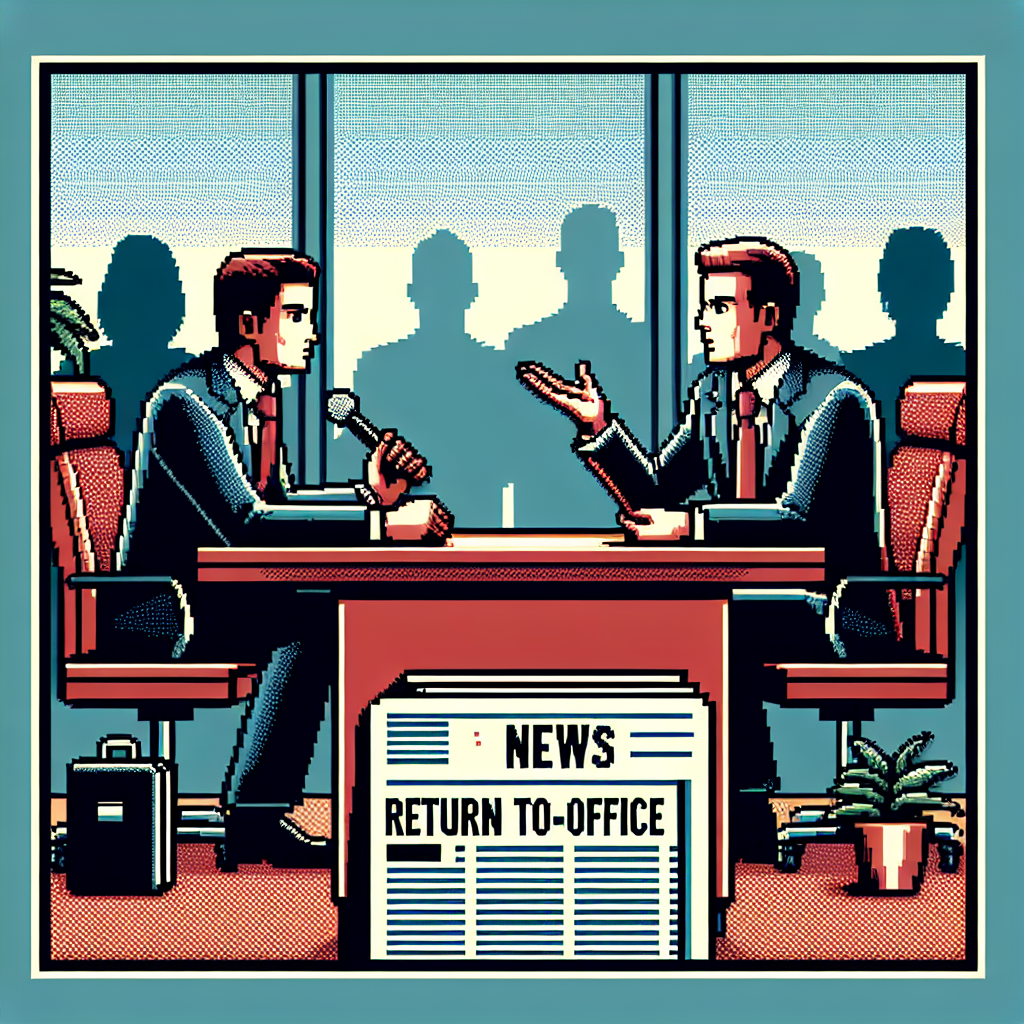
Ah, the office. That sacred space where the coffee is free, the gossip flows like water, and the air conditioning is perpetually set to Arctic blast. For many, the return to this hallowed ground has been met with a mix of excitement and dread. This tension was on full display in a recent saga involving JPMorgan Chase, where an employee was briefly fired after questioning CEO Jamie Dimon's stance on the bank's return-to-office (RTO) policy during a town hall meeting. Let's dive into this tale and see what it tells us about the current state of work, leadership, and corporate culture.

**The Incident: A Bold Move in a Bold World**

In an era where remote work has become not just a perk but a staple, JPMorgan Chase's decision to enforce a strict RTO policy is a bold move. The decision has not come without pushback. During a town hall meeting, one brave employee decided to directly question Jamie Dimon about the policy, highlighting the concerns that many workers have about returning to the office full-time.

Dimon, known for his confident and sometimes unyielding leadership style, has been a vocal advocate for the benefits of in-person work. He argues that it fosters collaboration, innovation, and culture—an argument that has its merits. However, in this instance, the employee's inquisitive spirit resulted in a brief termination, illustrating the precarious balance between corporate transparency and hierarchy.

**Jamie Dimon: The Man Behind the Desk**

Jamie Dimon is no stranger to controversy or making headlines. As the CEO of JPMorgan Chase, he's led the bank through numerous challenges, including the 2008 financial crisis. His leadership style is often described as direct and pragmatic, and while this has earned him respect in many circles, it occasionally clashes with the evolving expectations of the modern workforce.

Dimon's stance on RTO isn't unique among executives, but it highlights a broader conversation happening in boardrooms across the globe. As companies navigate the post-pandemic landscape, leaders are grappling with how to balance business needs with employee preferences. This incident at JPMorgan Chase serves as a microcosm of this larger debate.

**The Bigger Picture: RTO Policies in a Changing World**

The JPMorgan Chase incident isn't an isolated case. Companies worldwide are struggling to find the right formula for their RTO policies. For example, tech giants like Google and Apple have also faced pushback on their RTO mandates. Meanwhile, some companies, like Twitter, have embraced a fully remote work model, showcasing the diverse approaches to this complex issue.

As the world adjusts to a new normal, the tension between remote work and RTO policies is likely to continue. Employees have experienced the benefits of flexible work arrangements and are increasingly seeking workplaces that offer autonomy and work-life balance.

**Final Thoughts: Navigating the Future of Work**

The JPMorgan Chase RTO saga is a reminder that the future of work is still being written. It highlights the need for open dialogue and mutual understanding between employers and employees. As companies craft their RTO policies, they must listen to their workforce and consider the diverse needs and perspectives that exist within their organizations.

Ultimately, the key to navigating these choppy waters lies in flexibility and adaptability. As Jamie Dimon and other leaders steer their ships through these uncertain times, they would do well to remember that the best solutions often emerge from collaboration and compromise. After all, in this brave new world of work, it's not just about where we work, but how we work together.

Read more about AI in Business

Read more about Latest Sports Trends

Read more about Technology Innovations