Moon Factory Plan: Musk’s AI Space Gamble | Analysis by Brian Moineau

Moonshots and Mutinies: Elon Musk Wants a Lunar Factory to Launch AI Satellites

The headline sounds like science fiction: build a factory on the Moon, assemble AI satellites there, then fling them into orbit with a giant catapult. But this is exactly the vision Elon Musk sketched for xAI at a recent all‑hands meeting — a talk first reported by The New York Times and covered by TechCrunch and other outlets. The timing is notable: co‑founders departing, a major reorg, and a SpaceX‑xAI merger that some expect will lead to a blockbuster IPO later this year. The result is a mix of bravado, engineering fantasy, strategic logic, and regulatory questions — the kind of story that forces you to ask whether this is grand strategy or grandstanding.

Why this matters now

  • xAI is freshly merged into Elon Musk’s space and social empire, amplifying ambitions and tightening the spotlight.
  • Several of xAI’s original co‑founders have recently left, raising questions about execution and culture during a pivotal scaling phase.
  • Musk’s moon plan reframes the debate about where the future of compute will live — on Earth, in orbit, or on the lunar surface — and what would be required to get there.

The pitch in plain language

According to reporting summarized by TechCrunch, Musk told xAI employees that:

  • xAI will need a lunar manufacturing facility to build AI satellites.
  • The proposed lunar facility would include a mass driver — an electromagnetic catapult — to launch satellites into space.
  • The rationale is raw compute scale: the Moon (and space in general) offers a way to access vast energy and cooling potential that Earth datacenters can’t match.

Those comments came during an all‑hands that coincided with a flurry of departures by co‑founders such as Tony Wu and Jimmy Ba, and as the merged entity prepares for a possible IPO. TechCrunch later published the full 45‑minute all‑hands video, which adds context to the public reporting.

Why a lunar factory sounds plausible (on paper)

  • Energy and cooling: Space (and the lunar surface) offers unique opportunities, e.g., direct access to sunlight for massive solar farms and passive cooling in shaded regions — appealing for power‑hungry AI clusters.
  • Vertical integration: Musk’s conglomerate already spans rockets (SpaceX), social/data platforms (X), and energy/transport (Tesla, Starlink synergies). Adding lunar manufacturing could be pitched as the next step in controlling a full stack of data, transport, and infrastructure.
  • Proprietary data and differentiation: A moon‑based platform could, in theory, enable data flows and sensors unavailable to competitors — feeding a unique “world model” that Musk has described as the long‑term objective.

The big, practical hurdles

  • Engineering scale: Building habitable factories, reliable lunar construction techniques, and a functional mass driver are orders of magnitude harder than launching satellites from Earth. Cost, time, and risk are enormous.
  • Legal and geopolitical limits: The 1967 Outer Space Treaty bars national appropriation of celestial bodies. U.S. law allows companies to extract resources they mine, but the legal landscape for permanent facilities and mass industrial activity is contested internationally.
  • Talent and timing: Key technical leaders exiting during a reorg makes execution riskier. Ambitious long‑horizon projects don’t mesh easily with the short timelines and accountability of public markets and IPO cycles.
  • Environmental and safety concerns: Unproven large‑scale lunar manufacturing and mass drivers raise questions about space debris, lunar environment stewardship, and collision risk for satellites and crewed missions.

What investors and competitors see

  • Investors may cheer the vision’s upside: unique assets and defensible moats that could justify sky‑high valuations if achieved.
  • Shorter time‑horizon stakeholders (public markets, customers, partners) will want tangible milestones: product roadmaps, revenue paths, and credible technical milestones long before any lunar steel is laid.
  • Competitors are watching the tech stack: if the Moon pitch is an attempt to lock in energy, data, and unique sensors, rivals will adapt via orbital compute, international partnerships, or legal/policy pressure.

A few scenarios to watch

  • Near term (months): continued reorg and talent churn at xAI; more public messaging to frame the Moon idea as long‑term strategy rather than an immediate product pivot.
  • Medium term (1–3 years): concrete engineering programs announced — prototypes for orbital data centers, power projects, or lunar robotics partnerships — which would signal movement from concept to execution.
  • Long term (decades): if the idea survives technical, legal, and funding hurdles, it could reshape where large AI clusters live — and who controls the data those clusters consume.

Notes on credibility and context

  • TechCrunch’s coverage and the publicly posted all‑hands video are non‑paywalled, accessible records of the pitch and surrounding company changes.
  • Reporting across outlets (The Verge, Financial Times, TechCrunch) shows consistent core claims: Musk pitched lunar infrastructure as part of xAI’s future while several co‑founders departed.
  • Some outlets add detail or editorial framing (e.g., energy scale ambitions, concerns about deepfakes on X), which are relevant to the company’s near term optics but separate from the moon manufacturing claim itself.

What this says about Musk’s strategy

  • Moon plans are less a literal product roadmap than a narrative lever: they signal scale, ambition, and an integrated multi‑domain approach that stokes investor enthusiasm.
  • The vision ties disparate pieces of Musk’s empire into a single storyline: rockets, satellites, social data, and energy converge into a proprietary vertical. That’s strategically coherent — if technically audacious.
  • For employees and early leaders, the shift from a scrappy startup to a multi‑domain industrial ambition means differing skill sets and appetites for risk — which helps explain departures amid reorganization.

My take

There’s a productive tension here between audacity and accountability. Big visions — even wildly improbable ones — have a role in attracting capital and talent. But the moment you promise lunar factories and mass drivers, you invite intense scrutiny: technical feasibility, timelines, legal permission, and human capital. The most useful question for xAI and its stakeholders is not whether the Moon is “possible” in a vacuum; it’s whether the company can credibly deliver meaningful intermediate milestones that justify investment and retain top talent while the moonshot remains decades away.

Final thoughts

Ambition keeps technology moving forward, but execution makes it real. Musk’s lunar pitch is headline‑grabbing and strategically provocative; whether it becomes a blueprint or a branding exercise depends on the hard, incremental work that follows: prototypes, partnerships, regulatory clarity, and, crucially, people who stay to build it.

Sources


Related update: We recently published an article that expands on this topic: read the latest post.

Related update: We recently published an article that expands on this topic: read the latest post.
Musk Merge Could Centralize $1.7B Bitcoin | Analysis by Brian Moineau

A $1.7B Bitcoin Vault Moves Under One Roof? Why the SpaceX–Tesla Merger Talk Matters

Elon Musk’s empire has always been part tech, part theater. Now imagine folding two of his biggest companies together — SpaceX and Tesla — and along with rockets and robots, consolidating almost 20,000 bitcoin on a single balance sheet. That’s the scenario swirling around recent reports, and it’s worth unpacking: not because a merger changes bitcoin’s fundamentals, but because it changes governance, accounting, and the way markets perceive a meaningful corporate crypto treasury.

A quick hook

Picture an institutional-sized bitcoin position — roughly $1.7 billion worth — that today sits split between a private rocket company and a public carmaker. Put them together, and suddenly one corporate entity has a headline-making crypto exposure. That’s the axis of risk and opportunity investors and crypto-watchers are now watching.

What the reports say (short version)

  • SpaceX is reportedly exploring deals that could include merging with Tesla or tying up with xAI, ahead of a potential SpaceX IPO slated for mid-2026. (investing.com)
  • Public filings, analytics and reporting suggest SpaceX holds about 8,285 BTC and Tesla about 11,509 BTC — roughly 19,700–20,000 BTC in total, currently valued near $1.7 billion (price-sensitive). Many outlets repeat that tally. (mexc.co)

Those facts create a practical question: what happens when corporate bitcoin positions this large live inside a single legal and financial structure?

Why consolidation changes the story

  • Different accounting regimes matter.

    • Tesla is public, so under fair-value/mark-to-market rules bitcoin swings feed directly into quarterly earnings and may produce large realized or unrealized P&L volatility. SpaceX, as a private company, hasn’t been subject to the same public quarter-to-quarter visibility. Combining them could put the whole stash under public accounting scrutiny (if the merged entity is public). (coincentral.com)
  • Governance and disclosure tighten.

    • A single treasury means a single policy on custody, hedging, sales and spending. Investors, auditors and regulators will demand clarity about who can move assets, what approvals are required, and whether crypto might be used as collateral or monetized. The due diligence for any IPO would spotlight those policies. (investing.com)
  • Liquidity and market flow become more visible.

    • Nearly 20,000 BTC is a large corporate holding but still a small share of daily spot volume; however, concentrated decisions (sell-offs, rehypothecation, token lending, or using positions in structured deals) can create outsized market ripples and headline risk. Any hint of distribution would be monitored closely by traders. (ainvest.com)
  • Strategic uses create new linkages.

    • If Tesla’s energy and battery tech or SpaceX’s Starlink and orbital ambitions get folded together with a big crypto treasury, companies might explore alternative financing, treasury swaps, or using digital asset custody as part of capital strategy — all of which enlarge the bridge between traditional finance and crypto markets. (theverge.com)

The potential near-term impacts

  • Earnings volatility for shareholders.

    • If the merged entity is public or the combined Bitcoin is reported under mark-to-market accounting, swings in BTC price could materially affect reported profits and losses. Tesla already recorded notable after-tax swings tied to bitcoin in recent quarters. (coincentral.com)
  • Heightened scrutiny from auditors and investors.

    • Analysts and institutional buyers performing IPO or M&A due diligence will press for custody proof, movement histories (on-chain tracing), and policy limits. That can slow deals or add conditional terms. (investing.com)
  • Crypto-market signaling.

    • Consolidation under a high-profile, Musk-controlled entity would be perceived as an endorsement of bitcoin as a treasury asset — or conversely, a single point of systemic headline risk if things go sideways. Traders price narratives as well as supply-demand. (ainvest.com)

What it does not do

  • It doesn’t change Bitcoin’s supply or network fundamentals.

    • Consolidation is an ownership and governance event, not a change to Bitcoin’s protocol, issuance, or the global distribution of retail holdings. Market psychology and flows can shift, but the network-level fundamentals remain the same.
  • It doesn’t mean an imminent sell-off.

    • Merger talk is preliminary in reporting; neither company has publicly declared a plan to liquidate the holdings. Consolidation raises questions, it doesn’t answer them. (investing.com)

How different stakeholders might react

  • Institutional investors and prospective IPO buyers will demand transparency on custody, movement, and hedging rules.
  • Crypto traders will watch on-chain flows and any anomalous wallet activity for signs of pre-transaction reorganization.
  • Regulators and auditors will likely ask tougher questions about risk management and disclosure if a major company puts large digital assets on a public balance sheet.
  • Retail investors and bitcoin holders will parse the news as either bullish (Musk doubling down) or risky (a single corporate counterparty now holds a big chunk).

A few plausible scenarios worth watching

  • The merged entity keeps the BTC and formalizes a conservative treasury policy: public disclosure, cold custody, long-term hold language. That lowers noise and reassures markets.
  • The merged entity hedges or monetizes part of the stash for capital needs (e.g., to fund SpaceX expansion or an IPO), introducing cash flows to the market.
  • The merged entity sells opportunistically, creating short-term downward pressure and headline volatility — though coordinated sales of many thousands of BTC would be visible and impactful.

My take

This story is a reminder that crypto exposure is no longer an obscure footnote — it sits at the center of strategic corporate finance when big players hold material positions. Whether or not a SpaceX–Tesla merger happens, the conversation around governance, accounting, and disclosure for corporate crypto treasuries is moving from niche to mainstream. For investors, the practical questions matter more than the spectacle: who controls the keys, what are the limits on selling or pledging assets, and how will swings in bitcoin reverberate through reported earnings?

Final thoughts

Musk’s empire has a knack for making headlines — and market microstructure. The notion of nearly 20,000 BTC under one corporate roof is compelling not because it breaks Bitcoin, but because it brings corporate treasury management, accounting rules and on-chain transparency into sharper relief. Watch the filings, watch the wallets, and watch how governance evolves — those will tell you whether consolidation becomes a stabilizing force or a new source of market chatter.

Sources


Related update: We recently published an article that expands on this topic: read the latest post.
Delaware Reinstates Musk’s $56B Tesla Pay | Analysis by Brian Moineau

A landmark reversal, and a corporate culture shockwave

Elon Musk just won a long-running legal battle that’s been rattling the halls of corporate America. On December 19, 2025, the Delaware Supreme Court reinstated the 2018 Tesla compensation package that a lower court had tossed out — a deal originally valued at about $56 billion and now worth many times that as Tesla’s stock has soared. The ruling closes a chapter that prompted Musk to move Tesla’s legal home from Delaware to Texas and reignited a debate about where, and how, big public-company pay deals should be approved.

Why this matters (beyond a billionaire’s bank account)

  • The decision restores a compensation plan that a Chancery Court judge had voided for violating fiduciary norms — but the state high court said complete rescission was “inequitable” because Musk had met the performance milestones and had effectively gone unpaid for six years.
  • The case became a testing ground for how courts balance board conflicts, shareholder oversight, and the practical reality of performance-based pay tied to long-term company outcomes.
  • The fight triggered a ripple effect: companies rethinking Delaware incorporation, states tweaking corporate law, and boards re-evaluating governance to avoid similar litigation.

Quick context and timeline

  • 2018: Tesla’s board approves an unprecedented performance-based package for Musk, tied to ambitious market-cap and operational milestones.
  • 2018–2023: Tesla hits many of those milestones as it scales production and global reach.
  • January 2024: Delaware Court of Chancery Judge Kathaleen McCormick voids the package, finding it unfair and improperly approved by a board too close to Musk.
  • 2024–2025: Appeals, re-votes by shareholders, interim replacement grants from Tesla, and a headlines-filled tug-of-war.
  • December 19, 2025: Delaware Supreme Court unanimously reinstates the 2018 package, overturning the rescission and finding that cancelling the award would unjustly leave Musk uncompensated for years of effort.

(Sources below provide fuller legal and factual detail.)

A few takeaways for investors, boards, and the corporate governance crowd

  • Delaware remains powerful — but its standing is contested. The decision shows the Delaware Supreme Court can pull back from a Chancery Court’s tougher remedy while still acknowledging board lapses. That subtlety matters for companies deciding where to incorporate.
  • Performance-based pay is legally risky when process is sloppy. Courts will scrutinize how boards set and approve outsized CEO awards, especially when the CEO has outsized influence over directors.
  • Shareholder votes are not a magic shield. Even if shareholders ratify a decision, courts will still examine whether legal procedures and fiduciary duties were observed.
  • The practical outcome matters: the court noted Musk actually hit the milestones. That facts-over-form approach signals judges may be reluctant to strip compensation tied to real, demonstrable results.

The investor dilemma

For long-term investors the ruling is two-sided:

  • Upside: Restoring the package reduces legal uncertainty around Tesla’s historical governance and may remove a variable that had been depressing sentiment.
  • Concern: The broader precedent could embolden founder-friendly compensation structures elsewhere, raising governance risks at other companies and potentially increasing agency costs for outside shareholders.

Boards and compensation committees will need to reconcile ambition with defensible process — ambitious stock awards can drive growth incentives, but they must be immaculately documented and approved to survive judicial review.

What this means for Delaware, and why Musk moved Tesla to Texas

Musk’s decision to reincorporate Tesla in Texas was both symbolic and practical: many executives worried Delaware’s courts would be hostile to director-friendly decisions, or would craft remedies perceived as excessive. The Delaware Supreme Court’s reversal tempers that narrative, but the episode already nudged some companies toward “Dexit”—the movement of incorporations to more management-friendly states like Texas or Nevada — and spurred Delaware lawmakers to consider legal tweaks to shore up competitiveness.

Expect two competing trends:

  • Delaware tightening or clarifying statutes and corporate processes to retain incorporations.
  • Boards elsewhere adopting charter or bylaw changes, forum-selection clauses, and stronger process controls to reduce litigation risk.

My take

This ruling is less about vindicating one man and more about rebalancing practical fairness with legal principle. The Chancery Court’s original decision underscored how badly corporate processes can fail when directors are too close to management. The Supreme Court’s reversal, however, emphasized real-world outcome: Musk delivered. That tension — between process and result — will define governance debates for years.

If anything, the episode is a wake-up call. Boards should assume every blockbuster compensation package will be scrutinized not just by shareholders and proxy advisors, but by judges who will ask two simple questions: Were the governance procedures sound, and did the company actually get what it paid for? If you can’t answer both convincingly, expect trouble.

Final thoughts

The Delaware Supreme Court’s reinstatement of the 2018 Tesla package likely closes a legal saga, but it opens policy and boardroom conversations that will affect compensation design, corporate domicile choices, and shareholder protections across the market. For companies and investors alike, the lesson is to build both ambitious incentives and bulletproof processes — because in today’s climate, one without the other is asking for a courtroom, and possibly a very public corrective.

Sources


Related update: We recently published an article that expands on this topic: read the latest post.

Related update: We recently published an article that expands on this topic: read the latest post.


Related update: We recently published an article that expands on this topic: read the latest post.
Teslas Robotaxi Claims: Reality Check Time | Analysis by Brian Moineau

Tesla’s Robotaxi Claims: A Closer Look at Reality vs. Hype

Tesla has always been a company that thrives on innovation and bold claims. From electric vehicles that redefine what it means to drive, to promises of autonomous driving that seem to leap straight out of a sci-fi movie, the company has consistently pushed the envelope. But recent reports suggest that Tesla’s latest claim—launching a ride-hailing service in San Francisco using Robotaxi technology—might be more smoke and mirrors than actual reality. Let’s dive into what’s really going on.

Context: The Rise and Hype of Autonomous Driving

The concept of autonomous vehicles has captured the imagination of consumers and investors alike for years now. Companies like Tesla, Waymo, and Uber have been racing to develop self-driving technology, each claiming to be on the verge of a breakthrough. Tesla, led by the charismatic Elon Musk, has often touted its Full Self-Driving (FSD) capabilities, claiming that its cars are just a software update away from full autonomy.

However, the reality is far less clear-cut. While Tesla has made strides in developing its FSD technology, it is still classified as a Level 2 driver-assistance system. This means that, despite its impressive capabilities, human intervention is still necessary. The recent claim about launching a Robotaxi service in San Francisco has raised eyebrows, as many experts point out that Tesla has yet to roll out fully autonomous taxis anywhere in California.

What’s the Real Story Behind Tesla’s Robotaxi Claims?

In a recent article by Electrek, it was reported that Tesla is attempting to create an illusion for investors, suggesting that it has already launched a ride-hailing service powered by its Robotaxi technology. The truth is, there are significant regulatory and technological hurdles that stand in the way of such a service becoming a reality. California has stringent regulations for autonomous vehicles, and Tesla’s current offerings do not meet the requirements for fully autonomous operation.

Furthermore, the competition in the autonomous vehicle space is fierce. Companies like Waymo and Cruise are already testing their self-driving services in limited areas, but they face the same hurdles as Tesla. This makes it imperative for Tesla to clarify its position and capabilities—especially as it seeks further investment and market share.

Key Takeaways

Misleading Claims: Tesla’s announcement about a Robotaxi service may not reflect the current state of its technology and regulatory approval. – Current Technology Level: As of now, Tesla’s Full Self-Driving is classified as Level 2, requiring human oversight. – Regulatory Hurdles: California’s strict regulations on autonomous vehicles make it challenging for companies to launch fully autonomous ride-hailing services. – Investor Caution: Potential investors should approach Tesla’s claims with a discerning eye, as the realities of autonomous technology are still evolving. – Competition is Fierce: Other companies in the autonomous vehicle space, like Waymo and Cruise, are also navigating the complexities of regulations and technology.

Conclusion: A Call for Transparency

As exciting as the prospect of Robotaxis is, it’s essential for companies like Tesla to maintain honesty and transparency in their communications. Misleading claims can erode trust among consumers and investors alike. While the dream of fully autonomous vehicles is still alive, we must ground our expectations in the current realities of technology and regulation. As we navigate this rapidly changing landscape, let’s keep our eyes on the road ahead—both literally and figuratively.

Sources

– “Tesla is trying to deceive investors into thinking it has San Francisco Robotaxis – Electrek.” Electrek. [link](https://electrek.co/2023/10/19/tesla-trying-deceive-investors-sf-robotaxis/) – “The Truth About Tesla’s Full Self-Driving.” MotorTrend. [link](https://www.motortrend.com/news/tesla-full-self-driving-truth/)

By understanding the nuances of Tesla’s claims and the broader context of autonomous vehicle technology, we can appreciate the potential while remaining cautious of the hype.


Related update: We recently published an article that expands on this topic: read the latest post.

Related update: We recently published an article that expands on this topic: read the latest post.

Related update: We recently published an article that expands on this topic: read the latest post.
Tesla bear turns bullish for two reasons as stock continues boost – Teslarati | Analysis by Brian Moineau

Tesla bear turns bullish for two reasons as stock continues boost - Teslarati | Analysis by Brian Moineau

Title: From Bear to Bull: A Surprising Tesla Turnaround with a Dash of Optimism

In the ever-volatile world of stock trading, few companies have sparked as much debate and intrigue as Tesla. Known for its roller-coaster market performance and its charismatic CEO, Elon Musk, Tesla has been a focal point for both fervent supporters and critical skeptics. Recently, a notable Tesla bear has turned bullish, and this shift offers some fascinating insights into the evolving landscape of electric vehicles and renewable energy.

The Bear's Change of Heart

The Tesla bear in question, who once doubted the company's potential, has identified two main reasons for their newfound optimism. While the article from Teslarati doesn't delve deeply into these reasons, they likely revolve around Tesla's impressive strides in production capacity and its battery technology advancements. Over the past year, Tesla has scaled up its production capabilities with new gigafactories sprouting across the globe, including in Germany and China. These factories not only increase Tesla's ability to meet demand but also signify a growing acceptance of electric vehicles worldwide.

Battery Technology: The Game Changer

One of the critical aspects that likely swayed the bear is Tesla's innovation in battery technology. Tesla's commitment to enhancing battery efficiency and reducing costs has been a significant factor in its recent success. Their development of the 4680 battery cell, for instance, promises greater energy density and longer range, which could be a game-changer for the EV market. This technological leap is mirrored in broader industry trends, with companies like Rivian and Lucid Motors also pushing the boundaries of what electric vehicles can achieve.

A Broader Context: The Rise of EVs and Renewable Energy

Tesla's bullish momentum isn't occurring in a vacuum. Globally, there's a discernible shift towards sustainability, with countries setting ambitious targets for reducing carbon emissions. The European Union, for example, aims to be climate-neutral by 2050, a goal that necessitates a significant adoption of electric vehicles. Similarly, the U.S. has rejoined the Paris Agreement under the Biden administration, with a strong focus on green energy. These macro trends provide a fertile ground for Tesla's continued growth and innovation.

Elon Musk: The Maverick CEO

No discussion about Tesla is complete without mentioning its maverick CEO, Elon Musk. Known for his unconventional leadership style and audacious goals, Musk has been both a boon and a bane for Tesla's public image. His ventures, like SpaceX and the Boring Company, showcase a relentless pursuit of innovation that resonates with Tesla's mission. While his Twitter escapades sometimes stir controversy, his ability to steer Tesla through turbulent waters is undeniable.

Final Thoughts

The Tesla bear's switch to a bullish stance reflects more than just a change in stock market strategy; it highlights the dynamic nature of the EV industry and the broader push towards sustainability. As Tesla continues to innovate and expand, it's likely to face new challenges, from regulatory hurdles to increased competition. However, with its current trajectory, Tesla seems well-positioned to lead the charge in the renewable energy revolution.

In the end, whether you're a die-hard Musk fan or a cautious observer, Tesla's journey offers valuable lessons in resilience, innovation, and the power of believing in a sustainable future. Keep an eye on this space—it's bound to be an electrifying ride!

Read more about AI in Business

Read more about Latest Sports Trends

Read more about Technology Innovations

Tesla EV Sales Are Struggling But Elon Musk Looks To The Future For Value – Investor’s Business Daily | Analysis by Brian Moineau

Tesla EV Sales Are Struggling But Elon Musk Looks To The Future For Value - Investor's Business Daily | Analysis by Brian Moineau

Tesla's Current Struggles and Elon Musk's Visionary Future


In the dynamic world of electric vehicles (EVs), Tesla has long been a trailblazer, capturing the imagination of consumers and investors alike. However, recent reports from Investor's Business Daily suggest a shift in Tesla's market dominance. The article, "Tesla EV Sales Are Struggling But Elon Musk Looks To The Future For Value," highlights a significant drop in Tesla's U.S. market share, which has now plummeted to its lowest level in nearly eight years. But as we've come to know, when it comes to Elon Musk, there's always more than meets the eye.

The Decline in Market Share: A Natural Evolution?


Tesla's declining market share can be seen as a natural evolution in a maturing market. With the increasing demand for EVs, other automakers have entered the fray, offering competitive models that cater to diverse consumer needs. Companies like Ford, General Motors, and newcomers like Rivian and Lucid Motors have introduced EVs that challenge Tesla's dominance. This democratization of the EV market is a positive sign for a green future, where a variety of options cater to different preferences and budgets.

Elon Musk: The Eternal Optimist


Elon Musk's approach to these challenges is predictably forward-looking. Musk is no stranger to adversity; he's the kind of visionary who thrives in uncertainty, often using it as a launching pad for innovation. He has been known for his ambitious goals, some of which seem straight out of a science fiction novel. From SpaceX's Mars colonization plans to Neuralink's brain-machine interfaces, Musk is always pushing the envelope.

Despite the current sales slump, Musk's focus is on the long-term value of Tesla. In recent years, Tesla has been investing heavily in battery technology, autonomous driving, and expanding its manufacturing capabilities with Gigafactories around the world. These moves are geared toward maintaining its position as a leader in the industry and ensuring its sustainability in the face of increased competition.

Connections to the Wider World


Tesla's current situation is reflective of broader trends in the tech and automotive industries. Just as Apple faced challenges when competitors caught up with the iPhone, Tesla is now in a similar position with its EVs. However, like Apple, Tesla has built a strong brand and a loyal customer base that could help it navigate these turbulent waters.

Moreover, Tesla's challenges come at a time when global climate policies are pushing for a rapid transition to sustainable energy. Governments worldwide are setting ambitious targets for reducing carbon emissions, which plays directly into Tesla's mission of accelerating the world's transition to sustainable energy. This alignment with global environmental goals might be Musk's ace in the hole, as public and private sectors increasingly invest in green technologies.

A Final Thought


In the grand tapestry of technological innovation and market dynamics, Tesla's current struggles might just be a temporary blip in its journey. Elon Musk's ability to look beyond the present and focus on future opportunities is his hallmark trait. As Tesla continues to innovate and adapt, it could very well regain its footing and continue to drive the EV revolution forward. Just as Musk has repeatedly defied the odds, the future may hold new triumphs for Tesla that we can't yet imagine. In the ever-evolving saga of Tesla and Musk, one thing is certain: the story is far from over, and the best chapters may still lie ahead.

Read more about AI in Business

Read more about Latest Sports Trends

Read more about Technology Innovations

What’s next for SpaceX’s Starship Mars rocket after Flight 10 success? – Space | Analysis by Brian Moineau

What’s next for SpaceX’s Starship Mars rocket after Flight 10 success? – Space | Analysis by Brian Moineau

Title: SpaceX’s Starship: A Giant Leap for Mars, and Humanity

Ladies and gentlemen, stargazers and earthlings alike, gather ’round as we delve into the latest milestone achieved by SpaceX’s Starship, the megarocket that has successfully completed its 10th flight. With each launch, SpaceX inches closer to its audacious goal of making humanity a multiplanetary species. So, what happens now that Flight 10 has soared into the annals of space history? Let’s explore the cosmic possibilities!

A New Frontier: Bigger and Bolder

SpaceX, under the visionary leadership of Elon Musk, is not just thinking big; it’s thinking colossal. The Starship megarocket, which has been designed to carry both crew and cargo to the Moon, Mars, and beyond, is paving the way for interplanetary travel. Each successful launch brings us closer to the dream of establishing a human presence on Mars, a vision Musk has been vocal about since the inception of SpaceX.

The implications of this success are profound. Imagine a future where humans live on multiple planets, where the challenges of Earth can be mitigated by the resources of space. This isn’t just science fiction anymore; it’s a tangible goal that’s edging closer with each Starship flight.

In the Context of Global Space Endeavors

While SpaceX is leading the charge, it’s essential to acknowledge the global context of space exploration. The European Space Agency (ESA), NASA, and emerging space nations like China and India are all contributing to this new space race. For instance, NASA’s Artemis program aims to return humans to the Moon by the mid-2020s, with the goal of establishing a sustainable human presence there. The synergies between these programs and SpaceX’s ambitions could potentially accelerate humanity’s journey to Mars.

Moreover, the success of private companies like SpaceX is encouraging more investment and interest in the commercial space sector. It’s a thrilling time for space enthusiasts and investors alike, as the possibilities for innovation and discovery are virtually limitless.

The Man Behind the Vision: Elon Musk

No discussion about SpaceX is complete without mentioning Elon Musk. Love him or hate him, there’s no denying his impact on technology and space exploration. Musk’s relentless drive and ability to think outside the proverbial box have been instrumental in SpaceX’s successes. His approach often draws comparisons to historical figures like Thomas Edison or even Howard Hughes, blending genius with a touch of eccentricity.

Musk’s Twitter antics and controversial statements often overshadow his achievements, but it’s crucial to recognize the broader impact of his work. In a world fraught with challenges, his vision for a multiplanetary future offers a narrative of hope and exploration.

Beyond Space: A Broader Impact

Interestingly, the advancements made by SpaceX are not limited to space travel alone. The technologies developed for Starship, such as its reusable rocket system, have implications for sustainability and efficiency on Earth. As we continue to grapple with environmental challenges, these innovations could offer new solutions and inspire other industries to adopt similar approaches.

Final Thoughts

As we stand on the brink of a new era in space exploration, it’s vital to appreciate both the technical achievements and the broader vision that drives them. SpaceX’s Starship isn’t just a megarocket; it’s a symbol of human aspiration and the relentless pursuit of knowledge. Whether you’re a space enthusiast or a casual observer, the journey of Starship is a reminder of what we can achieve when we dare to dream beyond the stars.

So, as we look to the horizon and imagine the possibilities, let’s keep our eyes on the skies and our spirits high. The universe awaits, and with SpaceX leading the charge, the final frontier seems just a little bit closer to home.

Read more about AI in Business

Read more about Latest Sports Trends

Read more about Technology Innovations


Related update: We recently published an article that expands on this topic: read the latest post.

OpenAI lawyers question Meta’s role in Elon Musk’s $97B takeover bid – TechCrunch | Analysis by Brian Moineau

OpenAI lawyers question Meta’s role in Elon Musk’s $97B takeover bid - TechCrunch | Analysis by Brian Moineau

Title: The Billion-Dollar Chess Game: Elon Musk, Meta, and the Future of AI

In a world where technology giants are constantly vying for dominance, the latest plot twist involves none other than Elon Musk, Mark Zuckerberg, and OpenAI. According to a recent TechCrunch article, OpenAI has raised eyebrows by questioning Meta's involvement in Elon Musk's audacious $97 billion takeover bid of the ChatGPT-maker. While this might sound like a subplot from a futuristic drama, it's a real-life business maneuver that has captured the attention of tech enthusiasts and skeptics alike.

The Players in the Game

Elon Musk, known for his avant-garde approach to technology and innovation, is no stranger to ambitious projects. From Tesla's electric vehicles to SpaceX's Mars missions, Musk's ventures often seem to defy the bounds of reality. Now, with his sights set on OpenAI, the billionaire seems to be readying himself for yet another leap into the unknown. But why OpenAI? Perhaps it's the allure of artificial intelligence's untapped potential or the strategic advantage of having a hand in shaping the future of AI technologies.

On the other side of this chessboard sits Mark Zuckerberg, CEO of Meta, the company formerly known as Facebook. Zuckerberg's pivot toward the Metaverse has been nothing short of audacious, reflecting his vision of a connected digital universe. But what role does Meta play in Musk's bid for OpenAI? The details remain murky, but the prospect of two tech titans collaborating—or competing—adds an intriguing layer to this unfolding narrative.

Connecting the Dots

This isn't the first time Musk and Zuckerberg have crossed paths. Their past interactions have ranged from polite exchanges to public disagreements, especially around the topics of AI safety and regulation. Musk has been vocal about his concerns regarding AI, famously calling it "our biggest existential threat." He even co-founded OpenAI with the mission of ensuring that artificial intelligence benefits all of humanity. However, he departed the organization in 2018, citing differences in vision.

In contrast, Zuckerberg has maintained a more optimistic stance on AI and its potential to improve lives. Given these differing perspectives, their recent meeting over OpenAI's future is particularly fascinating. Could it signal a new chapter of collaboration, or is it merely another chapter in their ongoing rivalry?

The Bigger Picture

This potential acquisition also raises questions about the broader implications for the tech industry and AI development. As AI continues to evolve, the ethical considerations surrounding its use become more pressing. With companies like OpenAI at the forefront, the pressure is on to ensure that advancements are made responsibly.

Additionally, this development comes at a time when global tech regulations are tightening. The European Union's AI Act and similar initiatives worldwide are attempting to create frameworks that safeguard against the misuse of AI technologies. How Musk's potential acquisition of OpenAI would align with these regulatory efforts remains to be seen.

Final Thoughts

The saga of Elon Musk, Mark Zuckerberg, and OpenAI is a testament to the ever-evolving landscape of technology and its intricate power dynamics. Whether this will lead to a groundbreaking collaboration or fuel further competition, only time will tell. As spectators in this grand game, we can only hope that the future of AI is guided by principles that prioritize humanity's collective well-being.

In the meantime, perhaps we should take a page from Musk and Zuckerberg's playbook and dare to imagine a world where technology serves as a bridge rather than a barrier. After all, in the words of Isaac Asimov, "The saddest aspect of life right now is that science gathers knowledge faster than society gathers wisdom." Let's hope that wisdom prevails in this high-stakes game.

Read more about AI in Business

Read more about Latest Sports Trends

Read more about Technology Innovations

Tesla, Rivian, and others see billions in revenue disappear as US officially end emission credits – Electrek | Analysis by Brian Moineau

Tesla, Rivian, and others see billions in revenue disappear as US officially end emission credits – Electrek | Analysis by Brian Moineau

The EV Credit Crunch: A New Chapter for Tesla, Rivian, and Friends

In the world of electric vehicles (EVs), change is the only constant. And just when you thought the road was smooth and predictable, a curveball appears. Recently, the US officially ended emission credits, a move that has caused ripples across the EV industry. Tesla, Rivian, and other electric automakers are now facing the reality of seeing billions in revenue vanish into thin air.

A Quick Spin Through Emission Credits

For the uninitiated, emission credits are part of a regulatory scheme designed to encourage the production of cleaner vehicles. Automakers earn credits for producing electric vehicles and can sell these credits to other manufacturers who need them to offset their less eco-friendly outputs. For years, these credits have been a substantial revenue stream for companies like Tesla, often turning hefty profits by selling excess credits to traditional automakers struggling to meet emissions targets.

The End of an Era

With the cessation of emission credits, Tesla and its compatriots are entering a new phase. While Tesla has been a pioneer in the EV industry, racking up impressive sales figures and market dominance, it also relied significantly on these credits. The loss of this revenue might seem alarming at first glance. However, it is important to remember Tesla’s track record of defying odds and continuously innovating. Elon Musk, Tesla’s enigmatic CEO, has previously faced challenges head-on, from production woes to stock market volatility. If history is any guide, Tesla will pivot and adapt.

Rivian and the New Kids on the Block

Rivian, another key player in this narrative, is in a different position. As a newer competitor, it’s still in the growth phase, capitalizing on the increasing demand for electric trucks and SUVs. While the loss of emission credits is a setback, Rivian’s innovative approach and strategic partnerships, like those with Amazon for delivery vans, offer a cushion. Plus, with the world increasingly leaning towards sustainability, companies like Rivian are well-positioned to ride the green wave.

The Bigger Picture

Globally, the automotive industry is in flux. The shift towards electric vehicles is not just a trend but a necessity, as climate change concerns mount and environmental regulations tighten worldwide. In Europe, for instance, stricter emissions standards are pushing automakers to accelerate their electrification plans. Similarly, in China, the government is heavily investing in EV infrastructure as it aims to dominate the global EV market.

And let’s not forget the consumer side of the equation. With more consumers becoming eco-conscious, demand for EVs continues to rise, driven by technological advancements and the growing realization of the environmental impact of traditional vehicles. This increasing demand will likely mitigate some of the financial impacts of losing emission credits for companies like Tesla and Rivian.

Final Thoughts

While the end of emission credits marks the close of a lucrative chapter for US EV automakers, it isn’t necessarily a doom-and-gloom scenario. Instead, it’s a call to innovate and adapt—something that Tesla, Rivian, and the broader EV industry have shown they can do exceptionally well. As the world moves towards a greener future, these companies have the opportunity to lead the charge, albeit with a few bumps along the way.

So, buckle up, because the ride is far from over. The road ahead may be uncertain, but one thing is clear: the electric vehicle revolution is just getting started, and it’s going to be electrifying.

Read more about AI in Business

Read more about Latest Sports Trends

Read more about Technology Innovations


Related update: We recently published an article that expands on this topic: read the latest post.

Elon Musk says Tesla will start adding vehicles it doesn’t directly own into its robotaxi network next year – Fortune | Analysis by Brian Moineau

Elon Musk says Tesla will start adding vehicles it doesn’t directly own into its robotaxi network next year - Fortune | Analysis by Brian Moineau

Cruisin’ into the Future: Tesla’s Bold Leap into the Robotaxi World


In a move that is sure to make waves in the automotive and tech industries, Tesla is gearing up to expand its robotaxi network by adding vehicles it doesn’t directly own starting next year. This ambitious announcement, made by none other than the enigmatic Elon Musk, highlights Tesla’s ongoing efforts to remove safety drivers from the passenger seats and extend its reach into new cities. The Austin-based electric vehicle (EV) giant is driving forward at full throttle, but what does this mean for the future of transportation and our daily commute?

Tesla’s venture into the robotaxi realm isn’t just about innovation; it’s about revolutionizing how we perceive urban mobility. Imagine a city where the streets are lined with autonomous vehicles, zipping passengers from point A to point B with precision, efficiency, and minimal human intervention. This vision is tantalizingly close, thanks to the tireless pursuit of technological advancement by companies like Tesla.

Elon Musk: The Man Behind the Wheel


Elon Musk, Tesla’s CEO, is no stranger to bold proclamations and ambitious timelines. Known for his trailblazing leadership in the realms of space exploration with SpaceX, renewable energy with SolarCity, and now autonomous driving with Tesla, Musk’s influence is undeniable. However, his journey has not been without controversy. From his outspoken presence on social media to the fluctuating stock prices of Tesla, Musk is a figure who attracts both admiration and criticism in equal measure.

Despite the challenges, Musk’s vision for a sustainable, technologically advanced future remains steadfast. His commitment to Tesla’s mission—accelerating the world’s transition to sustainable energy—continues to drive the company’s innovations. The introduction of privately owned vehicles into the robotaxi network is yet another testament to Musk’s relentless pursuit of progress.

The Bigger Picture: Autonomous Driving Across the Globe


Tesla’s robotaxi initiative is part of a larger global movement towards autonomous vehicles. Companies like Waymo, Uber, and Cruise are also vying for a slice of the autonomous pie, each bringing their unique approach to the table. The race to perfect self-driving technology is fierce, with regulatory hurdles and safety concerns acting as significant roadblocks.

Globally, cities are grappling with the challenge of integrating these technologies into existing transportation frameworks. In places like San Francisco and Phoenix, autonomous vehicles are already being tested on public roads, offering a glimpse into the future of urban transportation. The potential benefits are enormous: reduced traffic congestion, lower emissions, and increased accessibility for those unable to drive.

Connecting the Dots: Tesla and the World


Tesla’s announcement comes at a time when the world is increasingly focused on sustainability and innovation. The recent surge in electric vehicle sales, spurred by rising fuel prices and environmental concerns, underscores a broader shift towards cleaner energy solutions. As countries strive to meet climate goals and reduce carbon footprints, Tesla’s initiatives align closely with these global priorities.

Moreover, the expansion of the robotaxi network could have significant economic implications. By potentially reducing the cost of transportation and creating new business opportunities, Tesla is poised to reshape urban economies and labor markets.

Final Thoughts: On the Road to Tomorrow


As we stand on the brink of a transportation revolution, it’s clear that the road ahead is filled with both opportunities and challenges. Tesla’s move to incorporate privately owned vehicles into its robotaxi network marks a significant step forward in the march towards autonomy.

While the journey may be fraught with obstacles—from regulatory hurdles to technological limitations—the destination promises a future where transportation is smarter, greener, and more accessible. So, buckle up and enjoy the ride, because the future of commuting is just around the corner.

Read more about AI in Business

Read more about Latest Sports Trends

Read more about Technology Innovations

Elon Musk’s ex Ashley St. Clair gives Trump ‘breakup advice’ in savage message mid-feud – Page Six | Analysis by Brian Moineau

Elon Musk’s ex Ashley St. Clair gives Trump ‘breakup advice’ in savage message mid-feud - Page Six | Analysis by Brian Moineau

Navigating the Celebrity Soap Opera: Ashley St. Clair’s Advice to Trump Amidst Musk Feud

In the latest episode of "As the Silicon Valley Turns," Ashley St. Clair, known for her witty and often cutting social media presence, has taken a public swipe at her ex, Elon Musk. The backdrop to this drama is a custody battle over their son, Romulus, but the plot thickens with St. Clair offering breakup advice to none other than former President Donald Trump. It's a crossover nobody saw coming, yet somehow, it fits perfectly into the current landscape of celebrity and political theatrics.

Ashley St. Clair, who has carved out a niche as a conservative commentator, is no stranger to controversy. Her social media is a blend of sharp political critique and personal anecdotes, often wrapped in humor. This time, her target is Elon Musk, the mercurial Tesla and SpaceX CEO who has been dealing with his own share of public relations challenges, not least of which is this custody dispute.

Elon Musk is a figure who seems to thrive on the tightrope of public opinion, his ventures swinging between groundbreaking successes and eyebrow-raising escapades. From launching a car into space to making headlines for his unpredictable tweets, Musk is a master of keeping the world guessing. However, his personal life, particularly his relationships, often mirrors the tumultuous nature of his professional endeavors.

In a surprising twist, St. Clair's advice to Trump comes in the midst of this personal feud. She suggests he handle his public fallout with the same pragmatic detachment she seems to apply to her own situation with Musk. This advice comes at a time when Trump, who has had his own share of high-profile spats and legal battles, may just need all the advice he can get, regardless of the source.

This drama unfolds against a broader cultural backdrop where the lines between celebrity, business, and politics are increasingly blurred. The public loves a good drama, and figures like Musk and Trump are aware of their roles in this ongoing narrative. It's a world where a custody battle can turn into a platform for political commentary, and where personal grievances play out on a stage viewed by millions.

Interestingly, this isn't the first time we've seen such intersections of personal and political worlds. In 2020, Kanye West, another figure known for his boundary-pushing antics, made waves with his presidential run while navigating a very public separation from Kim Kardashian. These stories captivate us because they take the personal stakes we're all familiar with and amplify them on a global scale.

In conclusion, while the advice from St. Clair to Trump may seem like a footnote in the grand scheme of political discourse, it underscores the evolving nature of public persona management in the digital age. Whether it's Musk's latest technological endeavor or Trump's next political move, the personal and the political will continue to intertwine, creating a rich tapestry for public consumption. As spectators, all we can do is grab our popcorn and watch as the next chapter unfolds.

Read more about AI in Business

Read more about Latest Sports Trends

Read more about Technology Innovations

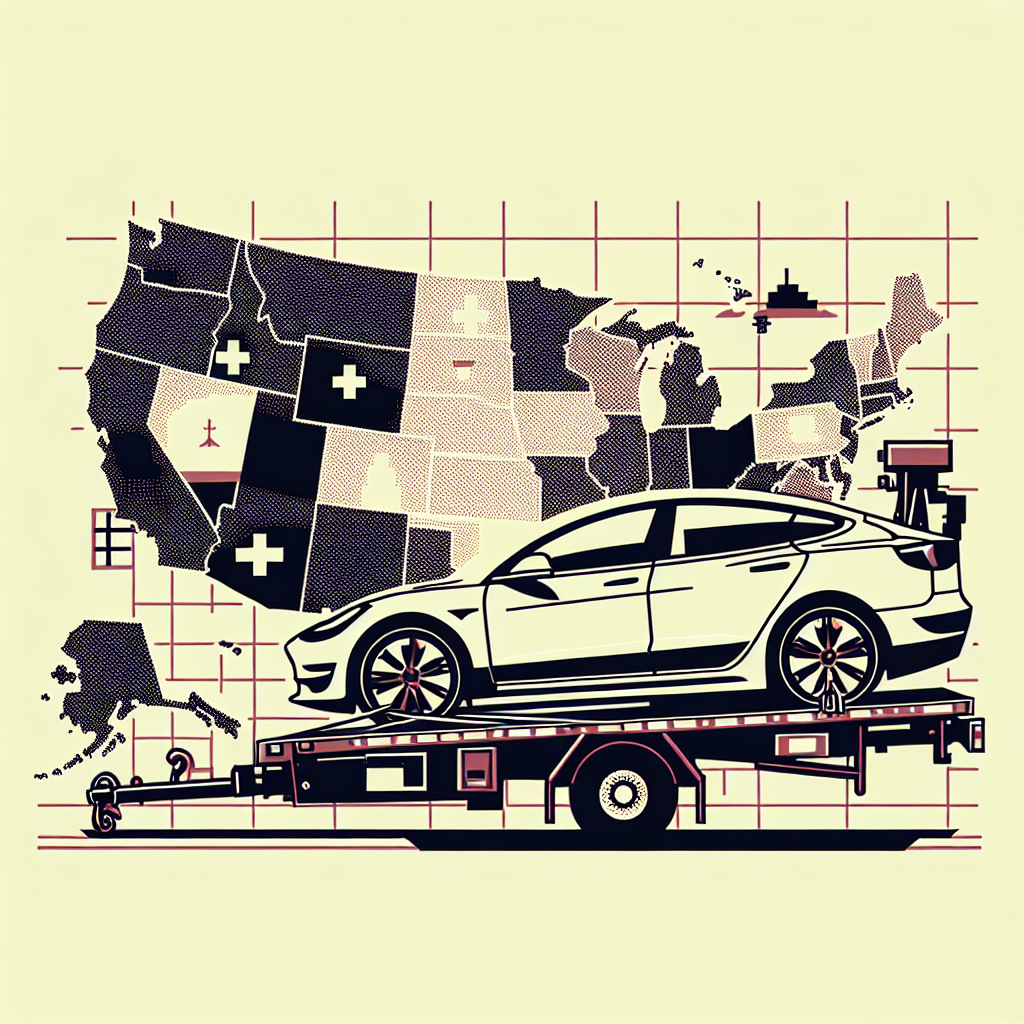
Tesla Launches Model 3 Tow Package in North America – Not a Tesla App | Analysis by Brian Moineau

Tesla Launches Model 3 Tow Package in North America - Not a Tesla App | Analysis by Brian Moineau

Tesla's Model 3 Tow Package: A New Road Ahead


Tesla has once again turned the wheels of innovation with the launch of a tow package for the 2024+ Model 3 in North America. This latest development opens up a new realm of possibilities for Tesla enthusiasts who have been longing for a vehicle that seamlessly combines sustainability with utility. As the electric vehicle (EV) market continues to grow, Tesla's latest offering highlights the company's commitment to expanding functionality without compromising its core values of performance and eco-friendliness.

The Evolution of Electric Towing


Towing capabilities in electric vehicles have traditionally been limited, primarily due to concerns about battery range and performance under load. However, Tesla's introduction of a tow package for the Model 3 is a significant step forward, addressing these concerns with their characteristic blend of technology and innovation. By enhancing the utility of the Model 3, Tesla is not just appealing to the eco-conscious urban driver but also to those who value versatility and adventure.

This move aligns with a broader trend in the automotive industry, where manufacturers are increasingly recognizing the need to cater to diverse consumer needs. Similar to Ford's electric F-150 Lightning, which boasts impressive towing capabilities, Tesla's Model 3 tow package makes it clear that EVs are not just for city commuting but are also ready for the open road and beyond.

A Nod to Sustainability


The launch of the Model 3 tow package also underscores Tesla's ongoing commitment to sustainability. As concerns about climate change and environmental impact grow, more consumers are looking for ways to reduce their carbon footprint without sacrificing functionality. Tesla's innovation in this space is a testament to the fact that ecological responsibility and practicality can go hand in hand.

This development is timely, considering the global push towards reducing carbon emissions. Initiatives such as the European Union's Green Deal and the Biden administration's focus on clean energy in the United States indicate a worldwide shift towards more sustainable practices. Tesla's advancements contribute to this narrative, offering consumers a tangible way to participate in the green movement.

A Pioneer in the EV Market


Tesla's CEO, Elon Musk, has often been at the forefront of technological advancements and environmental advocacy. Under his leadership, Tesla has not only revolutionized the automotive industry with its electric vehicles but has also consistently pushed the boundaries of what's possible. Musk's vision extends beyond just electric cars, encompassing a broader goal of sustainability through ventures like SolarCity and the development of battery technology.

As Tesla continues to innovate, it's worth noting how these advancements influence consumer behavior and drive competitors to elevate their own offerings. The introduction of the Model 3 tow package is a reminder of the dynamic nature of the automotive industry and Tesla's role as a catalyst for change.

Final Thoughts: The Road Ahead


With the launch of the Model 3 tow package, Tesla has once again demonstrated its ability to adapt and innovate in response to consumer demands and environmental challenges. This development not only enhances the versatility of Tesla's lineup but also reinforces its position as a leader in the EV market.

As we look to the future, it's exciting to imagine the possibilities that lie ahead for electric vehicles. From increased towing capabilities to advances in autonomous driving, the road is wide open for innovation. Tesla's latest offering is a bright indicator of where that road might lead—towards a more sustainable, versatile, and electrified world.

For more insights into Tesla's innovations and the broader trends in the EV market, feel free to explore additional resources and stay tuned for more updates in the ever-evolving world of technology.

Read more about AI in Business

Read more about Latest Sports Trends

Read more about Technology Innovations

NAACP calls on Memphis officials to halt operations at xAI’s ‘dirty data center’ – TechCrunch | Analysis by Brian Moineau

NAACP calls on Memphis officials to halt operations at xAI’s ‘dirty data center’ - TechCrunch | Analysis by Brian Moineau

Data Dilemmas in the Heart of Memphis: The NAACP’s Call for Action Against xAI's Colossus


In a surprising turn of events, the NAACP has set its sights on South Memphis, urging local officials to halt operations at Colossus, the supercomputer facility operated by Elon Musk’s xAI. This development isn’t just about a clash over data ethics and environmental impact; it’s a reflection of broader tensions in the tech world and society at large.

The Supercomputer in the Spotlight


Elon Musk, a figure as polarizing as he is innovative, has always been at the forefront of technology's cutting edge. From pioneering electric vehicles with Tesla to reaching for the stars with SpaceX, Musk is no stranger to controversy or ambition. His latest endeavor, xAI, aims to push the boundaries of artificial intelligence. However, the Colossus facility in South Memphis has become a flashpoint for environmental and social justice concerns.

The NAACP argues that the data center's operations could have adverse effects on the local environment and community. Dubbed a “dirty data center,” Colossus is accused of being a significant energy consumer, potentially exacerbating local pollution issues. This echoes broader global conversations about the sustainability of massive tech facilities, as seen with Google's data centers in the Netherlands and Microsoft's in Arizona, both of which have faced scrutiny over their environmental footprints.

A Broader Conversation


The NAACP’s call to action isn't just about one facility; it’s part of a larger narrative about the intersection of technology, environmental justice, and community impact. Across the globe, there’s a growing awareness of how large-scale technological operations can affect local ecosystems and the people who live within them. For instance, in Ireland, Apple faced significant pushback over plans for a new data center due to environmental concerns, ultimately leading to a reevaluation of the project.

Moreover, the debate surrounding Colossus taps into wider discussions about the ethical implications of artificial intelligence. AI technology, while holding immense potential for innovation, is frequently criticized for its “black box” nature—where its decision-making processes are opaque and not easily understood. Critics argue that without transparency and accountability, AI can perpetuate biases and exacerbate inequalities.

Elon Musk: The Man Behind the Machine


Elon Musk's ventures have always been characterized by their audacity and scale. Yet, they often tread the fine line between groundbreaking and contentious. With xAI, Musk aims to create an AI that is not just smart, but also aligned with human values—a vision that is both ambitious and fraught with challenges. Musk’s track record, including his controversial management style and outspoken social media presence, adds layers of complexity to every project he undertakes.

Final Thoughts


The NAACP’s stand against the Colossus data center in South Memphis is a microcosm of larger, pressing issues. As we continue to integrate advanced technologies into the fabric of our societies, the importance of balancing innovation with ethical responsibility becomes ever more critical. The question remains: How can we harness the power of technology without sacrificing the health and well-being of our communities and planet?

As this story unfolds, it serves as a reminder that even the most advanced technologies must be scrutinized and held accountable. In the end, perhaps the greatest challenge isn’t just building smarter machines, but fostering a world where technology and humanity coexist harmoniously.

Read more about AI in Business

Read more about Latest Sports Trends

Read more about Technology Innovations

Trump Questioned Extent Of Musk’s DOGE Cuts, Report Says – Forbes | Analysis by Brian Moineau

Trump Questioned Extent Of Musk’s DOGE Cuts, Report Says - Forbes | Analysis by Brian Moineau

Title: A Doge, a Billionaire, and a Former President Walk into a Bar: Musings on Government Efficiency and Cryptocurrency

In the latest twist of the ever-entertaining saga of Elon Musk and his favorite meme coin, DOGE, we find none other than former President Donald Trump raising an eyebrow at Musk's alleged cuts in the cryptocurrency realm. According to a recent Forbes article, Trump has questioned the extent of Musk's Dogecoin cuts, a move that seems to intersect with a broader narrative of fiscal responsibility—or lack thereof—within the U.S. government.

Government Efficiency: Reality or Mirage?

The Department of Government Efficiency proudly touts $175 billion in government savings achieved through federal layoffs and the cessation of certain federal contracts and grants. While these figures may sound impressive, they're met with skepticism by some who question the broader implications of such cuts. How do we balance fiscal responsibility with the need to support essential services and innovation?

The notion of government efficiency often brings to mind a classic conundrum: how much is too much when it comes to trimming the fat? In a world where technology is evolving at breakneck speed and the private sector, led by moguls like Musk, is outpacing traditional structures, it's crucial to consider the ripple effects of such cuts on innovation and the economy.

Elon Musk: The Unpredictable Tech Maverick

Speaking of innovation, let's talk about Elon Musk. Love him or loathe him, Musk is a force to be reckoned with. The Tesla and SpaceX CEO has a knack for making headlines, whether it's for launching rockets, revolutionizing the electric car industry, or, in this case, influencing the cryptocurrency market with a single tweet. His relationship with Dogecoin has been particularly intriguing, with his tweets often causing wild fluctuations in the coin's value.

But why Dogecoin? Originally started as a joke in 2013, Dogecoin has morphed into a legitimate player in the crypto world, thanks in part to Musk's unpredictable endorsements. His involvement raises questions about the influence of individual personalities on decentralized currencies—a topic that continues to spark debate among experts and enthusiasts alike.

Connecting the Dots: Government and Crypto

What do Trump's concerns over Musk's Dogecoin activities and the government's fiscal maneuvers have in common? At first glance, not much. However, they both underscore the tension between traditional structures and the new world order defined by rapid technological advancements and shifting economic paradigms.

Globally, we see countries grappling with similar issues. Take, for example, China's recent crackdown on cryptocurrencies, which highlights how governments are attempting to regulate an industry that was designed to operate outside their control. Meanwhile, the European Union is exploring a digital euro, reflecting a growing interest in integrating digital currency into traditional financial systems.

Final Thoughts: A Balancing Act

As we navigate these uncharted waters, the key lies in finding a balance. Governments must be judicious in their cost-cutting measures, ensuring they don't stifle innovation or hinder progress. Simultaneously, the private sector, led by disruptors like Musk, should be mindful of their influence and strive for a harmonious relationship with regulatory bodies.

In the end, whether it's through government efficiency initiatives or the unpredictable world of cryptocurrency, the goal should be to create a world where progress and responsibility go hand in hand. After all, in the dance between tradition and innovation, there's room for both to lead.

Read more about AI in Business

Read more about Latest Sports Trends

Read more about Technology Innovations

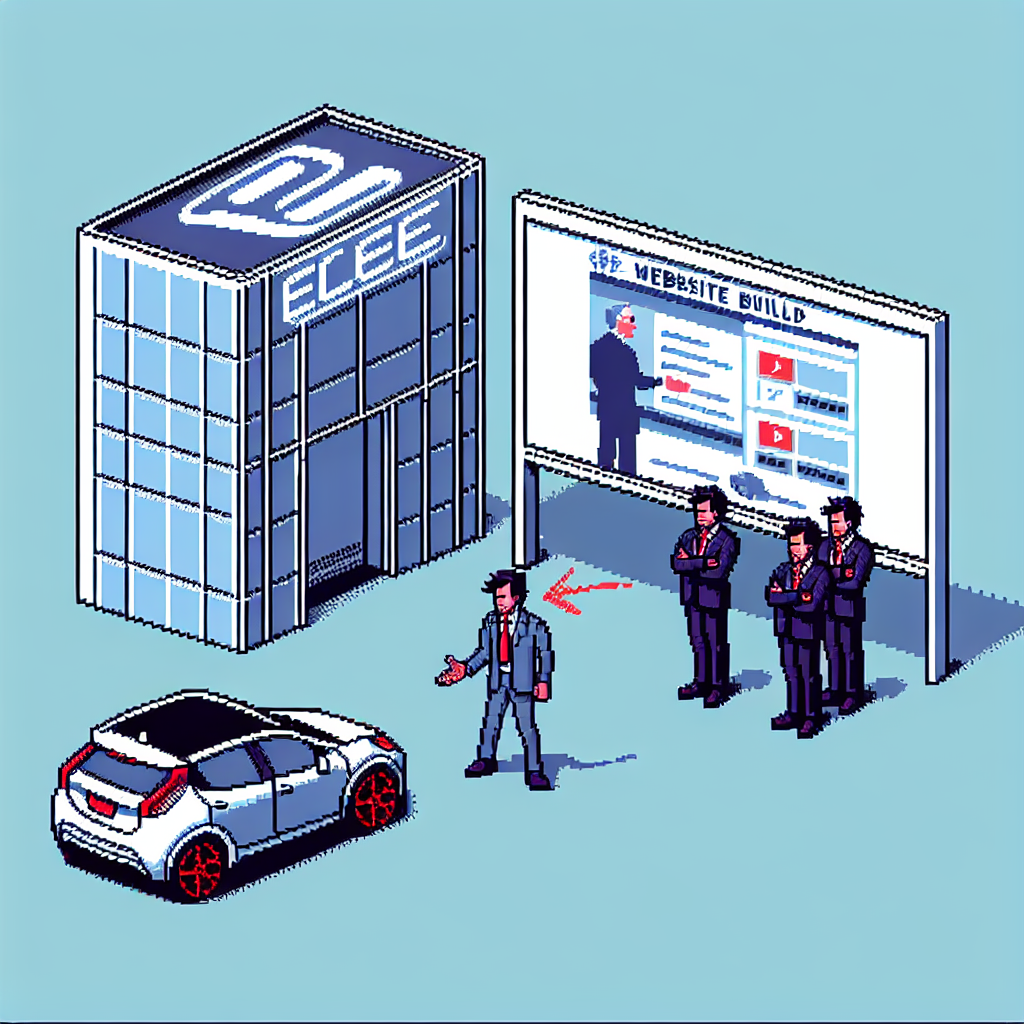
A Tesla worker built a website protesting Elon Musk. He was fired a few days later. – Business Insider | Analysis by Brian Moineau

A Tesla worker built a website protesting Elon Musk. He was fired a few days later. - Business Insider | Analysis by Brian Moineau

Silicon Valley Showdown: When Innovation Meets Protest

In the ever-evolving world of tech, where innovation is the name of the game, a curious dance between corporate giants and individual voices is always unfolding. Enter Matthew LaBrot, a former Tesla worker whose story is both a cautionary tale and a beacon of hope for those advocating for change within monolithic organizations.

Matthew LaBrot recently made headlines by taking a bold step that few of his colleagues dared to consider. In an era where Tesla has climbed the ranks to become a symbol of innovation and sustainability, LaBrot decided to build a website protesting some of Elon Musk's decisions. His efforts, however, were met with a swift response from his employer: termination.

This incident isn't just a blip on the radar for Tesla; it highlights a broader conversation happening across industries. As companies grow and their influence becomes more pervasive, employees are increasingly finding their voices, advocating for change from within. This isn't just about one man or one company—it's a reflection of a larger movement where employees demand more transparency, better conditions, and a say in the direction their companies are headed.

The Man Behind the Website


Matthew LaBrot isn't just a disgruntled employee; he's part of a new wave of tech workers who are willing to put their livelihoods on the line for what they believe in. LaBrot's willingness to stand up against a corporate behemoth like Tesla is reminiscent of other movements within tech, like the Google employees who protested their company's handling of sexual harassment claims and the Amazon workers who have been vocal about climate change policies.

LaBrot's website was more than just a protest; it was a platform intended to spark dialogue among Tesla employees and beyond. It was his way of saying that the employees who help build the brand should also have a voice in shaping its future.

A Global Conversation


This event is part of a larger, global conversation about the power dynamics between employees and employers. In recent years, we've seen similar stories unfold across different sectors. For example, in the world of sports, athletes like Colin Kaepernick have used their platforms to protest systemic issues, leading to intense debates about the role of activism in professional settings.

Similarly, in the entertainment industry, the

MeToo movement showcased the power of individual voices coming together to challenge longstanding practices. LaBrot's story is another chapter in this ongoing narrative, illustrating that no industry is immune to the calls for change and accountability.


The Elon Musk Effect


Of course, any discussion involving Tesla inevitably circles back to its enigmatic CEO, Elon Musk. Musk is a figure who inspires both adulation and criticism, often in equal measure. Known for his ambitious visions and sometimes controversial tweets, Musk has become a lightning rod for discussions about leadership in the tech industry.

While some view him as a modern-day Thomas Edison, pushing the boundaries of what's possible, others see him as emblematic of a Silicon Valley culture that prioritizes rapid growth over the welfare of its employees. LaBrot's protest adds another layer to this complex narrative, challenging Musk to consider the voices of those who work tirelessly to bring his visions to life.

Final Thoughts


As we navigate this new era of employee activism, it's important to remember that change is rarely comfortable, but often necessary. Matthew LaBrot's story is a reminder that even the most innovative companies must remain accountable to those who help make them successful. As employees continue to find their voices, companies will need to adapt, creating environments where dialogue is encouraged, not suppressed.

In the end, the dance between innovation and protest is a delicate one, but it's a dance worth engaging in. For it's in this space that true progress occurs—where the brightest ideas are not just born but are also nurtured by a workforce that feels heard, valued, and inspired.

Read more about AI in Business

Read more about Latest Sports Trends

Read more about Technology Innovations

Tesla’s board reportedly sought a successor while Musk wheeled around Washington – TechCrunch | Analysis by Brian Moineau

Tesla’s board reportedly sought a successor while Musk wheeled around Washington - TechCrunch | Analysis by Brian Moineau

Is Tesla’s Steering Wheel Turning? Musk and the Board’s Dance of Succession

In a plot twist reminiscent of a Silicon Valley drama, Tesla's board has reportedly begun the delicate dance of succession planning, quietly seeking a potential heir to Elon Musk's corporate throne. According to a recent report from the Wall Street Journal, the board initiated this search about a month ago, while Musk was reportedly busy wheeling and dealing in Washington. The move raises eyebrows and questions alike: What does this mean for Tesla, and perhaps more intriguing, what does it say about Elon Musk himself?

The Enigma of Elon Musk

Elon Musk is no stranger to the spotlight—whether he's launching rockets into space with SpaceX, revolutionizing electric vehicles with Tesla, or stirring up Twitter with his unpredictable tweets. His persona is a blend of Tony Stark charisma and Willy Wonka eccentricity, making him one of the most fascinating figures in the tech world today. Musk's leadership style has been both lauded for its visionary brilliance and criticized for its volatility. It’s no wonder that Tesla's board might be considering a future where Musk isn't at the helm.

Why Now?

The timing of this search is particularly interesting. As Musk was navigating the corridors of power in Washington, discussing everything from space exploration to artificial intelligence, Tesla's board was reportedly contemplating the company's future leadership. This move may suggest a desire for stability and continuity in Tesla’s operations, especially as the company faces increased competition in the electric vehicle market from rivals like Rivian and legacy automakers pivoting to electric.

A Global Trend

Tesla's behind-the-scenes succession planning isn't an isolated event in the corporate world. Across industries, companies are increasingly preparing for leadership transitions in an unpredictable global economy. For instance, Amazon recently saw Andy Jassy step into the CEO role after Jeff Bezos transitioned to executive chair. Similarly, Microsoft has successfully navigated leadership changes, with Satya Nadella steering the company into a new era of growth after Steve Ballmer.

The Road Ahead for Tesla

As Tesla's board quietly contemplates who could step into Musk's shoes, the company continues to charge forward with ambitious projects, from expanding its Gigafactories to enhancing its Full Self-Driving technology. Whoever the potential successor may be, they will inherit a company that is both a market leader and a constant innovator. The challenge will be maintaining the balance between Musk's bold vision and the operational stability needed to sustain growth.

Final Thoughts

While the notion of a Musk-less Tesla might seem far-fetched to some, it is a prudent step for any forward-thinking company. Succession planning ensures that Tesla can continue to thrive in the fast-paced world of technology and innovation. Whether Musk remains at the helm or hands over the reins, one thing is certain: Tesla will continue to be a driving force in the automotive industry.

As we watch this story unfold, we are reminded of the ever-evolving nature of leadership in the tech world. The future of Tesla, much like the cars it produces, is electric and full of potential. Buckle up—it's going to be an exciting ride.

Read more about AI in Business

Read more about Latest Sports Trends

Read more about Technology Innovations

How much has Elon Musk’s Doge cut from US government spending? – BBC | Analysis by Brian Moineau

How much has Elon Musk’s Doge cut from US government spending? – BBC | Analysis by Brian Moineau

Title: The Tale of Doge: How Elon Musk’s Financial Wizardry and a Meme Coin Affected US Government Spending

In a world where cryptocurrencies are as unpredictable as a cat on catnip, Elon Musk’s involvement with Dogecoin has once again sparked a wave of intrigue and speculation. BBC Verify recently delved into the audacious claim that Musk’s “Doge” might have somehow contributed to a reduction in US government spending. While the headline reads like a satirical piece from The Onion, experts have weighed in, offering a clearer picture of this curious financial narrative.

The Doge Factor: A Paw in Government Spending?

For those unacquainted, Dogecoin started as a joke—a meme coin featuring the Shiba Inu dog from a popular meme. However, with Musk’s penchant for Twitter antics and his public endorsements, Dogecoin has surged in popularity, leading to wild fluctuations in its value.

BBC Verify’s investigation into the claims of Dogecoin’s influence on government spending reveals a complex web of economic and psychological factors. On one hand, the speculative nature of cryptocurrencies like Dogecoin can lead to increased consumer spending, driven by the illusion of newfound wealth when the coin’s value rises. This, in turn, can boost tax revenues, theoretically allowing for more government spending without increasing deficits.

On the other hand, experts argue that attributing any substantial reduction in government spending to Dogecoin is a stretch. The US government’s fiscal policies are primarily driven by macroeconomic factors far beyond the influence of a single cryptocurrency, meme or not.

Elon Musk: The Modern-Day Midas of Memes

Elon Musk, CEO of Tesla and SpaceX, and self-proclaimed “Dogefather,” has a knack for turning the seemingly absurd into financial gold. His tweets alone have been known to send markets into a frenzy, illustrating the powerful confluence of social media influence and financial markets in the 21st century.

Outside the realm of cryptocurrencies, Musk’s ventures continue to shape the world. Tesla’s electric vehicles are accelerating the transition to sustainable energy, while SpaceX’s missions are pioneering the future of space travel. Despite his eccentric online persona, Musk’s impact on technology and the economy is undeniably profound.

A World of Financial Whimsy

Musk’s involvement with Dogecoin is just one example of the broader trend of internet culture intersecting with finance. In recent years, we’ve witnessed the rise of retail investors on platforms like Robinhood, the meme stock phenomenon with companies like GameStop, and the NFT craze—all fueled by the digital age’s democratization of information and market access.

These trends reflect a shifting landscape where traditional financial systems are being challenged and reimagined by a new generation of investors who are as comfortable with Reddit threads as they are with stock tickers.

Final Thoughts: A Memetic Legacy

While the idea of Dogecoin single-handedly slashing US government spending may be more fiction than fact, it encapsulates the whimsical yet impactful nature of modern finance. Elon Musk’s role in this narrative highlights the unpredictable power of influential figures in shaping economic discourse.

As we continue to navigate this brave new world, one thing is clear: the lines between finance, technology, and culture are becoming increasingly blurred. Whether Dogecoin will continue to hold its place in the spotlight or fade into meme history remains to be seen. Meanwhile, we can all sit back, enjoy the spectacle, and perhaps invest in a little Dogecoin—just for the fun of it.

Read more about AI in Business

Read more about Latest Sports Trends

Read more about Technology Innovations


Related update: We recently published an article that expands on this topic: read the latest post.

Elon’s cryin’ about those mean ol’ Democrats – Michigan Advance | Analysis by Brian Moineau

Elon’s cryin’ about those mean ol’ Democrats - Michigan Advance | Analysis by Brian Moineau

Title: Elon Musk’s Empathy Paradox: Crying Over Democrats and Burnt Teslas

In a surprising twist of events, the ever-controversial Elon Musk found himself lamenting over his perceived mistreatment by Democrats. It seems the visionary entrepreneur, who often positions himself as a free-thinking libertarian, is learning the hard way that political affiliations can sometimes be as volatile as the lithium-ion batteries in his Teslas.

Elon Musk: Innovator or Provocateur?

Elon Musk is a name synonymous with innovation. Whether it's launching rockets with SpaceX or revolutionizing the auto industry with Tesla, Musk's impact on technology is undeniable. However, his social media presence and outspoken views often land him in hot water. This week's drama unfolded as Musk bemoaned the Democrats, whom he once considered the "nice guys," for their lack of empathy towards his plight.

Musk's lamentations come amidst a week where multiple Tesla vehicles reportedly caught fire. While vehicle fires are not exclusive to electric cars, the incidents added fuel to Musk's grievances. It's worth noting that Musk’s companies have been under scrutiny for various reasons, from labor practices to environmental concerns. His public persona oscillates between that of a forward-thinking genius and a provocateur, making it difficult for any political group to wholeheartedly embrace him.

Empathy: A Double-Edged Sword

Musk's recent comments about the dangers of empathy are ironic, given his current plea for understanding from political leaders. Empathy, by definition, involves understanding and sharing the feelings of others—a quality Musk seems to struggle with, at least publicly. His stance raises an interesting paradox: can one decry empathy while simultaneously seeking it?

This contradiction isn't isolated to Musk. In a world increasingly divided by political and social ideologies, many leaders grapple with the balance between staunch self-advocacy and the understanding of others. Musk's predicament echoes larger societal debates about the role of empathy in leadership and politics.

A Broader Context

Beyond Musk's immediate grievances, this situation highlights a broader trend in global politics and business. Leaders across industries are finding it increasingly difficult to maintain consistent alliances as public sentiment shifts rapidly. The tech industry, in particular, often finds itself at odds with governmental policies, whether it's about data privacy, antitrust issues, or environmental regulations.

Consider the recent backlash against tech giants like Facebook (now Meta) and Google, which have faced bipartisan criticism for their handling of user data and market dominance. Musk, despite his different business model, faces similar scrutiny, reminding us that innovation does not exempt one from accountability.

Final Thoughts

Elon Musk's recent outcry against Democrats may seem like an isolated incident, but it underscores a larger narrative about the responsibilities of business leaders in an interconnected world. While Musk asks for empathy from those he believes have wronged him, he might do well to reflect on how empathy can be a tool for understanding and bridging divides rather than a weakness to be scorned.

In a world where technology and politics are inextricably linked, perhaps the lesson here is that empathy, for all its perceived dangers, remains a crucial part of human interaction. As Musk continues to chart the future of technology, a dash of empathy might just pave the way for more harmonious progress.

Read more about AI in Business

Read more about Latest Sports Trends

Read more about Technology Innovations

Tesla stock mega bull gives Elon Musk an ultimatum – TheStreet | Analysis by Brian Moineau

Tesla stock mega bull gives Elon Musk an ultimatum - TheStreet | Analysis by Brian Moineau

Tesla's Road Ahead: A Bull's Ultimatum to Elon Musk

In the fast-paced world of electric vehicles, Tesla continues to be a name that generates excitement, innovation, and sometimes a bit of controversy. Recently, a long-time Tesla stock mega bull issued an unexpected ultimatum to the company's CEO, Elon Musk, raising eyebrows in financial circles. This shift in sentiment from a staunch supporter marks a pivotal moment in Tesla's journey, reflecting broader market dynamics and leadership expectations.

The Bull's Call to Action

For years, Tesla has been a darling of the stock market, with analysts and investors riding the wave of Musk's ambitious visions and groundbreaking achievements. However, the recent news from TheStreet reveals a twist: one prominent analyst, who has been a vocal advocate for Tesla's stock, is now voicing concerns. This is akin to a sports fan suddenly questioning their favorite team's strategy, highlighting the evolving nature of business and investment.

The analyst in question is not simply turning his back on Tesla but is instead urging Musk to focus more on core business operations and less on side ventures and distractions. This sentiment isn't isolated; it's reflective of a broader investor demand for accountability and focus, especially in a market that's been turbulent and unpredictable.

Elon Musk: The Maverick Leader

Elon Musk is no stranger to the limelight. Known for his visionary ideas and unconventional leadership style, Musk has often been compared to figures like Steve Jobs and Howard Hughes. His ventures span from electric cars with Tesla to space travel with SpaceX, and even brain-computer interfaces with Neuralink. Musk's ability to juggle multiple high-stakes endeavors is both admired and scrutinized. However, with great power comes great responsibility—investors now seem to be asking Musk to prioritize and streamline his efforts.

The concerns raised by the analyst might resonate with those who have watched Musk's endeavors expand into numerous directions. It's a reminder of the pressures faced by modern CEOs to balance innovation with execution. Musk, who has been at the forefront of pushing technological boundaries, might now need to demonstrate his prowess in maintaining focus and delivering consistent results.

Market Dynamics and Global Connections

Tesla's situation is not happening in isolation. The electric vehicle market is witnessing intense competition from both established automakers and new entrants alike. Companies like Rivian and Lucid Motors are making headlines, while traditional giants like Ford and General Motors are ramping up their electric offerings. Moreover, global supply chain challenges and economic uncertainties add layers of complexity to the automotive landscape.

In a broader context, the shift in investor expectations reflects a global trend where stakeholders demand not just innovation but sustainable business models. This trend is evident across various industries, from technology to retail, where leaders are being urged to focus on long-term value rather than short-term gains.

Final Thoughts

The ultimatum to Elon Musk serves as a timely reminder that even the most visionary leaders must adapt to changing expectations. As Tesla continues to navigate the complexities of the global market, the focus on core operations and strategic clarity will be crucial. While the road ahead might be challenging, it's also filled with opportunities for growth and transformation.

For Musk, this moment is a chance to recalibrate and reaffirm his commitment to Tesla's mission. As for investors and enthusiasts, the unfolding narrative promises to be as electrifying as the vehicles Tesla produces. In a world where change is the only constant, staying grounded while reaching for the stars might just be the key to sustained success.

Read more about AI in Business

Read more about Latest Sports Trends

Read more about Technology Innovations

Tesla Is Finished In Germany As 94% Surveyed Say They’d Never Buy Musk’s EVs – Forbes | Analysis by Brian Moineau

Tesla Is Finished In Germany As 94% Surveyed Say They’d Never Buy Musk’s EVs - Forbes | Analysis by Brian Moineau

Title: Tesla's German Dilemma: A Speed Bump or a Dead End?

In what might seem like a jarring speed bump on the Autobahn, a recent T-Online poll reveals that 94% of German respondents are turning their noses up at Tesla, refusing to consider purchasing an EV from the brand. The blame, it seems, falls squarely on the shoulders of its outspoken CEO, Elon Musk. While Tesla's electric vehicles have been praised for their innovation and performance, Musk’s polarizing actions and statements appear to be steering potential German buyers away from the brand.

Elon Musk: A Maverick or a Misstep?

Elon Musk is no stranger to controversy. From his bold statements on social media to his ambitious ventures like SpaceX and the Boring Company, Musk has always been a figure who dances to the beat of his own drum. Some admire him for his vision, while others criticize him for his unconventional methods and sometimes abrasive manner. In Germany, however, this maverick charm seems to have lost its allure.

Germans are known for their engineering prowess and have a long-standing love affair with car manufacturing giants like Volkswagen, BMW, and Mercedes-Benz. The idea that Tesla, a relatively new player, could dethrone these established brands was always a tall order. Add Musk’s antics, whether it’s his controversial tweets or his handling of the Twitter platform itself, and it’s no surprise that German consumers are hesitant.

A Global Reflection on Personal Branding

Musk’s predicament in Germany can be seen as a microcosm of a larger global issue: the impact of personal branding on business. In an age where CEOs are often as famous as the products they sell, the line between a company's image and its leader's persona is increasingly blurred. The tech world has seen similar instances, such as Facebook's Mark Zuckerberg facing scrutiny over privacy issues, affecting public perception of the platform.

Moreover, the rise of ethical consumerism means that buyers are looking beyond just the product. They want to align with brands that reflect their values. In Germany, where environmental consciousness is high, Musk's perceived unpredictability might clash with the country's methodical and principled approach to technology and innovation.

Broader Implications in the EV Market

Tesla’s struggles in Germany come at a time when the global EV market is rapidly expanding. More players are entering the arena, offering a variety of options for consumers. European manufacturers are ramping up their EV production, with companies like Volkswagen committing to an electric future. This competitive landscape means that Tesla can't rely solely on its early-mover advantage.

Final Thoughts

While the T-Online poll suggests a grim outlook for Tesla in Germany, it’s worth noting that public opinion can be as volatile as Musk’s Twitter feed. The brand’s ability to innovate and adapt might yet win back skeptical consumers. Perhaps this is just a temporary detour rather than a dead end for Tesla in Germany.

In the grand scheme of things, this scenario underscores the importance of aligning leadership behavior with brand values. As the automotive world continues to evolve, both Tesla and Musk may need to recalibrate their approach to navigate these dynamic and challenging roads ahead. In the end, it’s not just about the cars you make, but the journey you take—and how you’re perceived along the way.

Read more about AI in Business

Read more about Latest Sports Trends

Read more about Technology Innovations