Tesla EV Sales Are Struggling But Elon Musk Looks To The Future For Value – Investor’s Business Daily | Analysis by Brian Moineau

Tesla EV Sales Are Struggling But Elon Musk Looks To The Future For Value - Investor's Business Daily | Analysis by Brian Moineau

Tesla's Current Struggles and Elon Musk's Visionary Future


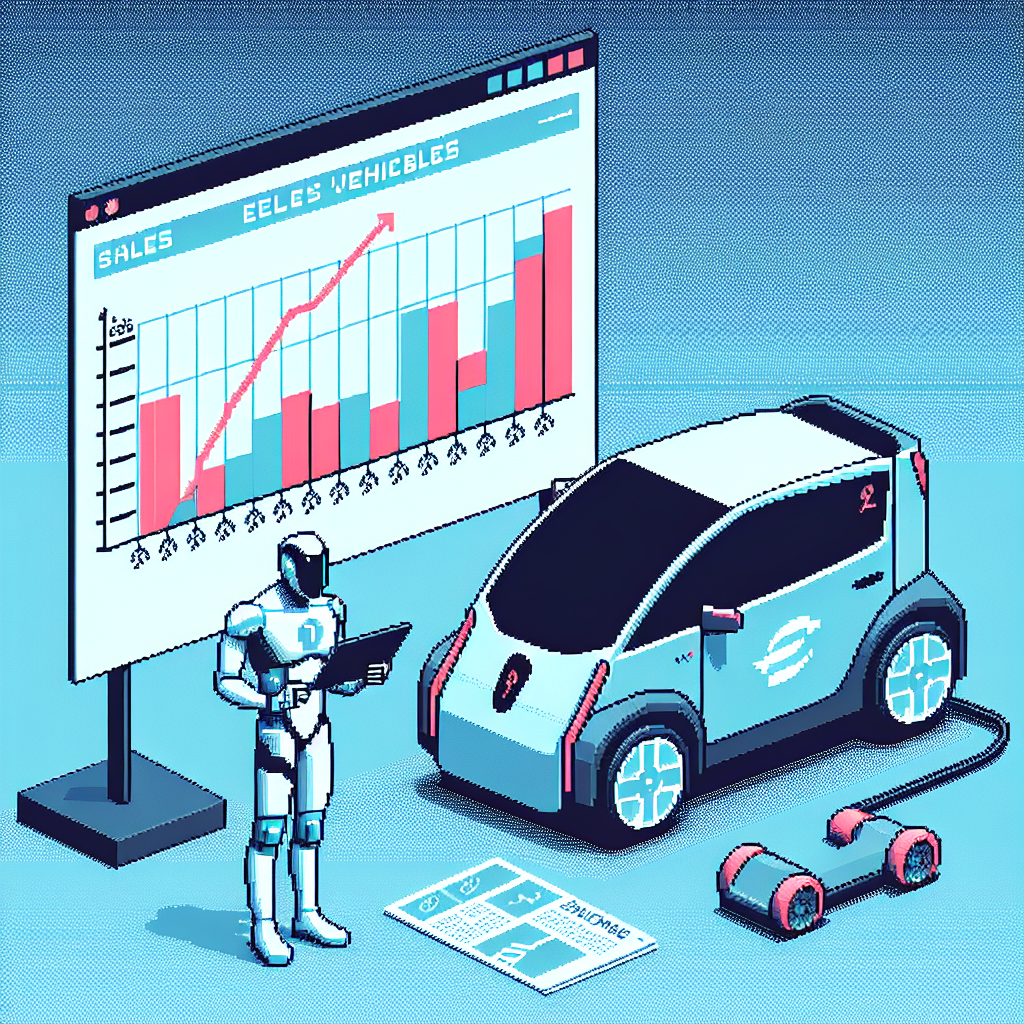
In the dynamic world of electric vehicles (EVs), Tesla has long been a trailblazer, capturing the imagination of consumers and investors alike. However, recent reports from Investor's Business Daily suggest a shift in Tesla's market dominance. The article, "Tesla EV Sales Are Struggling But Elon Musk Looks To The Future For Value," highlights a significant drop in Tesla's U.S. market share, which has now plummeted to its lowest level in nearly eight years. But as we've come to know, when it comes to Elon Musk, there's always more than meets the eye.

The Decline in Market Share: A Natural Evolution?


Tesla's declining market share can be seen as a natural evolution in a maturing market. With the increasing demand for EVs, other automakers have entered the fray, offering competitive models that cater to diverse consumer needs. Companies like Ford, General Motors, and newcomers like Rivian and Lucid Motors have introduced EVs that challenge Tesla's dominance. This democratization of the EV market is a positive sign for a green future, where a variety of options cater to different preferences and budgets.

Elon Musk: The Eternal Optimist


Elon Musk's approach to these challenges is predictably forward-looking. Musk is no stranger to adversity; he's the kind of visionary who thrives in uncertainty, often using it as a launching pad for innovation. He has been known for his ambitious goals, some of which seem straight out of a science fiction novel. From SpaceX's Mars colonization plans to Neuralink's brain-machine interfaces, Musk is always pushing the envelope.

Despite the current sales slump, Musk's focus is on the long-term value of Tesla. In recent years, Tesla has been investing heavily in battery technology, autonomous driving, and expanding its manufacturing capabilities with Gigafactories around the world. These moves are geared toward maintaining its position as a leader in the industry and ensuring its sustainability in the face of increased competition.

Connections to the Wider World


Tesla's current situation is reflective of broader trends in the tech and automotive industries. Just as Apple faced challenges when competitors caught up with the iPhone, Tesla is now in a similar position with its EVs. However, like Apple, Tesla has built a strong brand and a loyal customer base that could help it navigate these turbulent waters.

Moreover, Tesla's challenges come at a time when global climate policies are pushing for a rapid transition to sustainable energy. Governments worldwide are setting ambitious targets for reducing carbon emissions, which plays directly into Tesla's mission of accelerating the world's transition to sustainable energy. This alignment with global environmental goals might be Musk's ace in the hole, as public and private sectors increasingly invest in green technologies.

A Final Thought


In the grand tapestry of technological innovation and market dynamics, Tesla's current struggles might just be a temporary blip in its journey. Elon Musk's ability to look beyond the present and focus on future opportunities is his hallmark trait. As Tesla continues to innovate and adapt, it could very well regain its footing and continue to drive the EV revolution forward. Just as Musk has repeatedly defied the odds, the future may hold new triumphs for Tesla that we can't yet imagine. In the ever-evolving saga of Tesla and Musk, one thing is certain: the story is far from over, and the best chapters may still lie ahead.

Read more about AI in Business
Read more about Latest Sports Trends

Read more about Technology Innovations

Fed Gets Green Light for Interest Rate Cuts as Unemployment Rate Jumps to 4-Year High – Realtor.com | Analysis by Brian Moineau

Fed Gets Green Light for Interest Rate Cuts as Unemployment Rate Jumps to 4-Year High - Realtor.com | Analysis by Brian Moineau

Blog Post: The Fed’s Interest Rate Tango: A Dance with the Economy

In a world where economic indicators often feel as unpredictable as a game of Jenga on a shaky table, the recent news that the Federal Reserve has been given the green light for interest rate cuts might just be the stability we need—or at least a strategic move in the economic dance. According to Realtor.com, the unemployment rate has jumped to a four-year high, prompting the Fed to consider cutting interest rates in response. Let's unpack what this means, not just for the U.S. economy but for your wallet and perhaps even your dream of owning that cozy cottage by the lake.

The Fed’s Balancing Act

The Federal Reserve has always played a critical role in maintaining economic stability. By adjusting interest rates, the Fed can either cool down an overheating economy or give it a much-needed boost. With unemployment on the rise, this is an opportune moment for the Fed to step in and cut rates. Lower interest rates mean cheaper borrowing costs, which can stimulate spending by consumers and businesses alike. This is akin to giving the economy a shot of espresso—just what it might need to liven up!

However, this isn’t a decision made lightly. Jerome Powell, the Fed Chair, and his team must weigh the potential risks of cutting rates. Lower rates could lead to increased borrowing, which is great for economic growth, but it could also inflate asset bubbles. It’s a delicate dance, where one wrong move could send the economy spinning off the floor.

Global Economic Connections

The decision to cut rates doesn’t occur in isolation. Globally, economies are interlinked in a complex web of trade and finance. Recently, the International Monetary Fund (IMF) lowered its global growth forecasts, citing issues such as trade tensions and geopolitical uncertainties. A move by the Fed to lower rates could have ripple effects, influencing other central banks to consider similar measures to keep their economies competitive and prevent capital outflows.

Moreover, with the ongoing buzz around climate change and sustainability, it’s interesting to note how economic policies are increasingly factoring in environmental impacts. Investment in green technologies is becoming a priority, and lower interest rates could provide the necessary capital boost for these eco-friendly ventures.

The Real Estate Angle

For those eyeing the real estate market, this news comes as a mixed bag. On one hand, lower rates could make mortgages more affordable, a boon for homebuyers. Realtor.com’s insights suggest that this could invigorate the housing market, which has been showing signs of cooling off. On the other hand, if unemployment continues to rise, consumer confidence might wane, impacting the real estate sector negatively.

Final Thoughts

As the Fed prepares to potentially tweak interest rates, it’s crucial to remain informed and pragmatic about the implications. While lower rates could indeed stimulate economic activity, they also come with their own set of challenges. For the average person, this might be a good time to reassess financial plans, whether it’s locking in a mortgage rate or considering investments.

In the grand scheme of things, economic policies are like a complex waltz—requiring precision, timing, and a bit of flair. The Fed’s decision to cut rates will be just one move in this ongoing dance, one that affects not just Wall Street but Main Street too.

As we watch this economic choreography unfold, let’s hope it leads to a harmonious outcome for all. After all, in the dance of economics, every step counts.

Read more about AI in Business

Read more about Latest Sports Trends

Read more about Technology Innovations

Stock Markets Rally Out of Trump Tariff Slump. This Is the Next Catalyst. – Barron’s | Analysis by Brian Moineau

Stock Markets Rally Out of Trump Tariff Slump. This Is the Next Catalyst. - Barron's | Analysis by Brian Moineau

Riding the Waves: The Stock Market's Rebound from Tariff Troubles

The stock market is a curious beast, isn't it? It ebbs and flows with the news of the day, reacting to global events in a manner that seems almost sentient. Recently, the markets found themselves in a bit of a slump due to the Trump administration's tariffs, a move that sent ripples through the financial world. But just as quickly as the market dipped, it rallied, ever resilient and ready for the next catalyst.

The Tariff Tango

For those of you who might have missed the brouhaha, let's rewind a bit. The tariffs imposed by the Trump administration were part of a larger trade war primarily with China, aimed at boosting domestic manufacturing and reducing the trade deficit. The markets, predictably, didn't take kindly to the uncertainty that these tariffs introduced. Investors, like cats in a room full of rocking chairs, were on edge.

But that's the thing about the markets—they have an uncanny ability to bounce back. Analysts from Barron's suggest that the recent rally is a testament to the market's resilience and its ability to adapt to new economic conditions, no matter how tumultuous.

The Next Catalyst

So, what might be the next big thing to watch for? While Barron's hints at various possibilities, one can't help but consider the role of technology and innovation as potential drivers. We've seen how companies like Tesla have shifted paradigms with their advances in electric vehicles, and how tech giants like Apple and Google continue to push the envelope in AI and consumer tech. These sectors, ripe with innovation, could very well be the next catalysts for market movement.

Moreover, the global shift towards sustainable energy and green tech might also play a pivotal role. Companies are increasingly investing in sustainable practices, which not only appeal to the environmentally conscious investor but also promise long-term growth potential.

Connecting the Dots

Outside the stock market world, there's a lot happening that could tie into these potential catalysts. For instance, the ongoing advancements in AI and machine learning are not just limited to tech companies. Industries ranging from healthcare to agriculture are exploring AI's potential to revolutionize processes, improve efficiency, and ultimately drive economic growth.

Additionally, the political landscape continues to shape economic conditions. With new administrations worldwide, such as the Biden administration in the U.S., there's a renewed focus on infrastructure and clean energy. These initiatives could provide the economic stimulus needed to propel the markets further.

Final Thought

In this ever-connected world, it's clear that the stock market doesn't operate in isolation. It's influenced by a myriad of factors, from political decisions to technological breakthroughs. While the Trump tariffs were a hurdle, the markets have shown their ability to overcome and adapt. The next big catalyst could come from anywhere, but one thing's for sure—the market will be ready, waiting to ride the next wave.

As we watch these developments unfold, one can't help but feel a sense of anticipation. After all, in the world of finance, the only constant is change. So here's to navigating the twists and turns, and maybe even enjoying the ride along the way.

Read more about AI in Business

Read more about Latest Sports Trends

Read more about Technology Innovations

5 Things to Know Before the Stock Market Opens – Investopedia | Analysis by Brian Moineau

5 Things to Know Before the Stock Market Opens - Investopedia | Analysis by Brian Moineau

### Watching the Markets Unfold: January Jobs Report and Amazon's Revenue Outlook

Ah, the stock market—an arena where numbers dance like confetti on the trading floor and investors clutch their morning coffee a little tighter. Today, we're peering through the looking glass at the U.S. stock futures, which are tiptoeing around as investors eagerly await the January jobs report. This report is anticipated to show a deceleration in growth, with unemployment rates holding steady like an overcaffeinated yoga instructor maintaining a perfect tree pose. Meanwhile, Amazon’s shares are experiencing a bit of a nosedive after their revenue projections failed to ignite Wall Street’s enthusiasm. Let’s dive into how these elements are playing out and what else is stirring in the broader economic landscape.

#### The Calm Before the Jobs Report Storm

First on the docket is the January jobs report, a monthly ritual that sends ripples through the financial world. Economists are predicting slower growth, which isn't exactly a surprise given the economic tea leaves we've been reading lately. The Federal Reserve's interest rate hikes, aimed at taming inflation, are part of this intricate dance, as they often lead to a cooling effect on economic expansion. Yet, the unemployment rate is expected to stay put, which could suggest that while hiring is slowing, layoffs aren't spiking—a silver lining, perhaps.

For some context, this report comes on the heels of diverse economic signals. Take, for instance, the tech sector, which has seen companies like Meta and Microsoft announce substantial layoffs recently. These moves are often framed as necessary adjustments to post-pandemic realities, but they also highlight a sector in flux, trying to recalibrate its workforce amid shifting demands.

#### Amazon's Revenue Outlook: A Bumpy Road Ahead

Switching gears to Amazon, the e-commerce behemoth is feeling the heat after its revenue outlook didn't quite match the market's lofty expectations. Shares took a hit, reflecting investor anxiety over the company's future growth prospects. Amazon's predicament is a microcosm of broader challenges facing the retail sector, particularly in navigating supply chain disruptions and changing consumer behaviors in a post-pandemic world.

Interestingly, Amazon's situation isn't happening in a vacuum. Retailers across the globe are grappling with similar issues. For instance, in the UK, companies are facing the dual challenge of inflation and a cost-of-living crisis, leading to cautious consumer spending. This global context underscores the interconnectedness of today's economy, where a hiccup in one region can echo in another.

#### Connecting the Dots: The Global Economic Tapestry

Beyond the immediate headlines, these developments are threads in a larger tapestry of global economic trends. The stock market's response to the jobs report and Amazon's outlook serves as a barometer for investor sentiment in a world still adjusting to pandemic aftershocks. Moreover, these elements connect to broader concerns such as sustainable growth and technological innovation.

In China, for instance, the recent reopening after stringent COVID-19 lockdowns is expected to inject some vitality into the global economy. How this plays out will be crucial, especially for companies like Amazon that are deeply embedded in the international supply chain. Additionally, as countries invest in green technologies, the push for sustainability could redefine industries and reshape the future job market.

#### Final Thoughts

In the grand scheme of things, today's market musings remind us of the intricate dance that is global economics. As investors scrutinize the numbers and make their moves, it's essential to remember that markets are not just about profits and losses—they're about people, innovations, and the endless quest for balance in an ever-changing world.

So, as you sip your coffee and watch the ticker, take a moment to appreciate the complex, interconnected world we live in. After all, the markets may be unpredictable, but they're also a reflection of our shared journey through uncharted waters. Let’s see where the tide takes us next.

Read more about AI in Business

Read more about Latest Sports Trends

Read more about Technology Innovations