Exclusive | Latest Tariff Threats Could Delay Rate Cuts, Chicago Fed’s Goolsbee Says – The Wall Street Journal | Analysis by Brian Moineau

Exclusive | Latest Tariff Threats Could Delay Rate Cuts, Chicago Fed’s Goolsbee Says - The Wall Street Journal | Analysis by Brian Moineau

Tariffs, Inflation, and Economic Juggling: Navigating the Uncertainty with Austan Goolsbee

In a world that's already wading through economic rapids, the recent unveiling of new tariffs by President Trump has generated yet another wave of uncertainty. This latest development has caught the attention of Austan Goolsbee, the President of the Federal Reserve Bank of Chicago, who has expressed concerns about its potential impact on inflation and interest rate strategies. But what does this mean for the average person, and how does this tie into the broader economic landscape?

The Tariff Tango

Tariffs, those often misunderstood economic tools, have been a central theme of global trade discussions for years. Designed to protect domestic industries by making imported goods more expensive, they can, however, lead to unintended consequences. In this case, Goolsbee suggests that the new tariffs could muddy the inflation outlook. Why? Because tariffs can lead to higher prices on consumer goods, which in turn can fuel inflation.

Inflation is already a hot topic. As the world continues to recover from the pandemic-induced economic slowdown, central banks, including the Federal Reserve, are navigating the delicate task of managing inflation while fostering economic growth. Goolsbee's cautionary note about the potential delay in rate cuts is a reminder of the intricate balancing act central banks must perform.

Austan Goolsbee: The Economic Sage

For those unfamiliar with Austan Goolsbee, he is more than just a Fed President. An economist with a penchant for humor and a knack for simplifying complex economic concepts, Goolsbee has been a prominent figure in economic circles. His career includes a stint as the chairman of the Council of Economic Advisers during the Obama administration, where he was lauded for his ability to connect economic theory with real-world policy.

Goolsbee's insight into the current tariff situation is a reflection of his broader economic philosophy—one that emphasizes cautious analysis and pragmatic decision-making. His perspective is particularly valuable at a time when the economic terrain is as unpredictable as Chicago's weather.

Global Connections and Economic Ripples

The implications of tariffs and their impact on inflation aren't just an American issue; they resonate globally. Consider the European Central Bank, which is also grappling with inflationary pressures amidst geopolitical uncertainties like the ongoing conflict in Ukraine. Similarly, countries like China are navigating their own economic challenges, with tariffs playing a role in trade dynamics.

Moreover, the interconnectedness of today's global economy means that tariff decisions in one country can have ripple effects across continents. It's a reminder of how closely linked the economic fates of nations have become.

Final Thoughts

In the grand tapestry of the global economy, tariffs are but one thread, albeit an influential one. Austan Goolsbee's insights serve as a timely reminder of the complexities involved in economic policymaking. As we watch how these tariff decisions unfold, it's crucial to remember the broader context in which they occur—a world where economic decisions are not made in isolation but are interwoven with global events and trends.

While the tariff debate continues, perhaps the silver lining is that it keeps the conversation about economic policy vibrant and engaging. After all, in the world of economics, just like in life, the only constant is change.

Read more about AI in Business
Read more about Latest Sports Trends

Read more about Technology Innovations

GOP senators start turning against Powell – Axios | Analysis by Brian Moineau

GOP senators start turning against Powell - Axios | Analysis by Brian Moineau

Title: The Political Tides Turning: GOP Senators vs. Powell

In the ever-evolving landscape of American politics, shifting alliances and unexpected confrontations are as commonplace as the cherry blossoms in Washington, D.C. The recent headline from Axios, "GOP senators start turning against Powell," underscores this dynamic, with Ohio Republican Bernie Moreno leading the charge, urging Jerome Powell to "resign immediately."

Jerome Powell, the Chair of the Federal Reserve, has been a pivotal figure in navigating the choppy economic waters over the past few years. Appointed by former President Donald Trump in 2018, Powell has steered the U.S. economy through the turbulence of a global pandemic, supply chain disruptions, and fluctuating employment rates. His policies have been both lauded and criticized, often finding him in the crosshairs of political debate.

The GOP's recent pivot against Powell is intriguing, especially considering the historical context. Powell, a Republican himself, was initially met with support from his party. However, as economic challenges continue to mount, some GOP members are seeking new leadership at the helm of the Federal Reserve. Moreno's bold call for resignation underscores a growing sentiment of dissatisfaction, a sentiment that may be as much about political positioning as it is about economic policy.

This development is reminiscent of the broader political realignments seen globally. Take, for instance, the UK's Conservative Party, which has seen its share of leadership challenges and intra-party disagreements, most notably with the resignation of multiple Prime Ministers in quick succession. Such shifts highlight the universal nature of political dynamics, where leadership is constantly under scrutiny, and change is often just an election—or a press statement—away.

It's essential to view this political maneuver not just through the lens of criticism but also as a reflection of the broader economic anxiety gripping the nation. Inflation, interest rates, and market stability are the buzzwords of the day, and the pressure on Powell is as much about these issues as it is about party politics. Powell's tenure has seen interest rate hikes intended to curb inflation, a move that, while economically sound, hasn't sat well with everyone. The delicate balance between curbing inflation and fostering growth is a tightrope walk that has left many, including Moreno, dissatisfied.

Beyond the specifics of Powell's policies, this situation offers a moment to reflect on leadership in times of crisis. Whether it's a central bank navigating economic storms or a football coach leading a team through a losing streak, leadership is about making tough decisions that won't always be popular. The recent ousting of Brandon Staley from the Los Angeles Chargers, despite his strategic prowess, shows how leaders often face the ax not due to lack of skill but because of circumstances beyond their control.

As we watch the developments surrounding Jerome Powell, it's a reminder of the constant ebb and flow of political and economic leadership. In a world where change is the only constant, today’s critic can become tomorrow’s ally. For Powell, the journey ahead will require not just economic acumen but also a deft political touch to navigate the corridors of power.

In closing, whether you're a fan of Powell's policies or a critic, there's no denying that his role is crucial in shaping the economic future of the United States. As the GOP reconsiders its stance, and as Powell continues his work, it's a potent reminder of the interconnectedness of politics and economics—a dance as old as time, with new steps added every day.

Final Thought: In the grand theater of politics, the spotlight shifts, but the play goes on. Whether Powell stays or goes, the conversations he's sparked about economic policy and leadership will continue to resonate, shaping the discourse for years to come.

Read more about AI in Business
Read more about Latest Sports Trends

Read more about Technology Innovations

May home sales increase very slightly, but prices hit another record high – CNBC | Analysis by Brian Moineau

May home sales increase very slightly, but prices hit another record high - CNBC | Analysis by Brian Moineau

Title: A House of Cards? Unpacking May's Home Sales and Record Prices

Ah, the housing market—a perennial topic of conversation at dinner tables, in boardrooms, and yes, even on the internet. If you've been keeping an eye on the real estate scene (or just caught up with CNBC's latest update), you might have noticed a curious trend. In May, home sales tiptoed upwards, but just barely, while prices decided to hit the stratosphere, achieving a record high. It's like watching a seesaw where one side refuses to budge!

A Whisper of an Increase

The data reveal that sales of existing homes inched up in May compared to April, but before you pop the champagne, remember this: they're still lagging behind last year's figures. It's a bit like getting a single scoop of ice cream when you were promised a sundae. The housing market, much like the weather, can be capricious, and this slight increase suggests a cautious optimism among buyers who are willing to brave the market despite soaring costs.

The Price is Not Right?

High prices aren't exactly a new chapter in this saga. The housing market has been on a price upswing for a while now, and May's figures represent yet another peak. This upward trajectory can be attributed to several factors, including low inventory, high demand, and, in some cases, the appeal of historically low interest rates that are now inching upwards. It's a classic case of supply and demand playing out in real-time, with potential buyers finding themselves in competitive bidding wars reminiscent of an intense eBay auction.

For those tracking global economic trends, this is not an isolated phenomenon. The cost of living has been climbing worldwide, with inflation rearing its head in various sectors. From groceries to gas, prices are climbing like a mountain goat on a mission.

Global Connections

The housing market's volatility isn't contained within the borders of the United States. Across the pond, in the United Kingdom, the market is similarly turbulent. According to a report from The Guardian, UK house prices have also been climbing, driven by similar dynamics of limited supply and robust demand. Meanwhile, in China, the real estate sector is undergoing its own transformation, as the government implements measures to stabilize housing prices.

In the realm of finance, the Federal Reserve has been carefully watching these trends. The recent changes in interest rates are part of a broader strategy to manage inflation without putting the brakes too hard on economic recovery. It's a delicate dance, akin to balancing on a tightrope with global markets watching.

Final Thoughts

So, where does this leave us? Are we standing on the precipice of a housing bubble, or is this just the market finding its equilibrium? It's a complex question with no easy answers. For now, prospective homeowners and sellers alike will continue to navigate this ever-changing landscape, armed with patience, a bit of luck, and perhaps a seasoned real estate agent by their side.

While the future is always uncertain, one thing is clear: the housing market will continue to be a topic of spirited discussion. Whether you're in the market to buy, sell, or simply watch from the sidelines, remember that every peak has a valley, and every valley leads to another peak. Here's hoping for smoother rides ahead!

Read more about AI in Business

Read more about Latest Sports Trends

Read more about Technology Innovations

Man Buys $70,000 Ford After Dealership ‘Played With the Numbers’ for Him. 2 Years Later, He’s Speaking Out – Motor1.com | Analysis by Brian Moineau

Man Buys $70,000 Ford After Dealership 'Played With the Numbers' for Him. 2 Years Later, He's Speaking Out - Motor1.com | Analysis by Brian Moineau

Title: The $70,000 Ford Fiasco: A Modern Tale of Buyer’s Remorse

In the age of viral content, it seems no mistake goes unnoticed. Such is the case with a recent Motor1.com article that tells the story of a man who made a $70,000 blunder and lived to tell the tale. In a video that quickly caught the internet's attention, he details how his purchase of a 2023 Ford Explorer turned into an expensive lesson in financial literacy, with the dealership allegedly “playing with the numbers” to seal the deal. Two years down the road, he’s speaking out about his experience, and it seems his story resonates with many.

A Cautionary Tale

Our protagonist's experience serves as a cautionary tale, highlighting the importance of due diligence when making large purchases. It's easy to get caught up in the excitement of driving away in a shiny new vehicle, but as our Ford Explorer owner discovered, the devil is indeed in the details. Financial literacy is crucial, and this incident underscores the importance of understanding loan terms, interest rates, and the true cost of ownership.

This story is not isolated. According to a 2022 study by the Federal Reserve, nearly 40% of Americans can't cover a $400 emergency expense without borrowing money or selling something. This statistic highlights a broader issue: many people are financially ill-prepared for unexpected costs, let alone the long-term financial commitments that come with hefty car loans.

A Broader Context

When we zoom out, this tale of automotive regret finds itself amidst a backdrop of broader economic lessons. In recent years, we've seen a surge in consumer spending driven by stimulus packages and low interest rates. While initially beneficial, this spending spree has led to inflationary pressures and a rise in interest rates, impacting everything from groceries to car loans.

Consider the parallels with the housing market. Much like the car industry, real estate saw a frenzy of activity with buyers often bidding well over asking prices. Many are now feeling the pinch of rising mortgage rates and are reconsidering the true cost of their investments.

The Role of Social Media

It's interesting to note the role of social media in this narrative. Platforms like TikTok and YouTube have become arenas for sharing personal finance stories and lessons. In our Ford Explorer owner's case, his video serves as both a public service announcement and an outlet for his personal frustrations. It's a reminder of the power of digital communities to educate and inform, turning individual experiences into collective wisdom.

Final Thoughts

In the grand scheme of things, the $70,000 Ford Explorer debacle is a small cog in the vast machinery of consumer finance. Yet, it offers valuable insights into how we approach major purchases and the importance of financial literacy. As our society becomes increasingly interconnected and influenced by digital narratives, stories like these remind us to pause, reflect, and perhaps think twice before signing on the dotted line.

Whether you're in the market for a new car, a home, or any other big-ticket item, the lesson remains the same: do your homework, read the fine print, and, most importantly, know your numbers. It might just save you from becoming the subject of the next viral cautionary tale.

Read more about AI in Business

Read more about Latest Sports Trends

Read more about Technology Innovations

Opinion: Trump has made it (almost) impossible for Powell to cut interest rates – MarketWatch | Analysis by Brian Moineau

Opinion: Trump has made it (almost) impossible for Powell to cut interest rates - MarketWatch | Analysis by Brian Moineau

Title: The Unlikely Dance of Politics and Economics: Trump, Powell, and the Interest Rate Riddle

In the world of economics, the dance between politics and monetary policy often resembles a chaotic tango where partners step on each other's toes more frequently than they glide gracefully across the floor. One of the most recent and riveting performances in this ongoing saga is the complex dynamic between former President Donald Trump and Federal Reserve Chairman Jerome Powell. The MarketWatch article, "Opinion: Trump has made it (almost) impossible for Powell to cut interest rates," highlights this intricate relationship and its implications for the global economy.

Trump, a businessman-turned-politician known for his charismatic yet brash style, has always been a figure of controversy. His presidency was marked by a series of unprecedented moves, not the least of which was his frequent public criticism of the Federal Reserve and its chairman, Jerome Powell. Traditionally, the Fed operates independently of political pressures to ensure unbiased economic stewardship. However, Trump's vocal discontent with interest rate policies during his tenure has made it challenging for Powell to maneuver effectively, particularly in terms of cutting rates.

The heart of the matter lies in the Fed's independence, a cornerstone of its credibility with investors. Historically, bond investors have relied on the Fed's ability to make decisions free from political influence, akin to trusting an experienced captain to steer a ship through turbulent waters without interference from the passengers. Yet, as the MarketWatch article suggests, Trump's approach has shaken this trust, leading to concerns over future bond market stability. After all, few are eager to invest in a system where decisions might be swayed by political whims, much like few would volunteer to set fire to their money.

This situation is not just an isolated economic issue; it reflects broader global trends where political figures increasingly influence institutions traditionally designed to be independent. Take, for instance, the global rise of populist leaders who challenge established norms and institutions, creating ripple effects in financial markets worldwide. Whether it's Brexit's impact on the UK economy or political shifts in countries like Brazil and India, the interplay between political decision-making and economic policy is a recurring theme.

While Powell has maintained a steady hand despite the pressures, the broader implications of this Trump-induced challenge are worth considering. An independent central bank is not just a luxury; it's a necessity for maintaining economic stability and investor confidence. Without it, the economy risks becoming a vessel tossed about by the ever-changing winds of political fortune.

In reflecting on this dynamic, one cannot help but wonder about the future of economic policy-making in an increasingly politicized world. Trump may no longer reside in the White House, but the precedent set during his administration could influence how future leaders interact with economic institutions.

As we ponder these developments, it's clear that the relationship between politics and economics will continue to be a dance of complexity and unpredictability. In the end, the challenge for future policymakers, much like Powell, will be to navigate this dance with grace and determination, ensuring that economic decisions remain rooted in sound principles rather than political expediency.

Final Thought: In a world where political and economic landscapes are ever-evolving, maintaining the independence of institutions like the Federal Reserve is more crucial than ever. As citizens and investors, understanding this balance helps us appreciate the intricate dance between politics and economics, reminding us that while leaders may come and go, the principles of sound governance should remain steadfast.

Read more about AI in Business
Read more about Latest Sports Trends

Read more about Technology Innovations

Bitcoin Rises to $90K for the First Time Since Early March – CoinDesk | Analysis by Brian Moineau

Bitcoin Rises to $90K for the First Time Since Early March - CoinDesk | Analysis by Brian Moineau

Bitcoin Hits $90K: A Cryptocurrency Comeback and Market Momentum

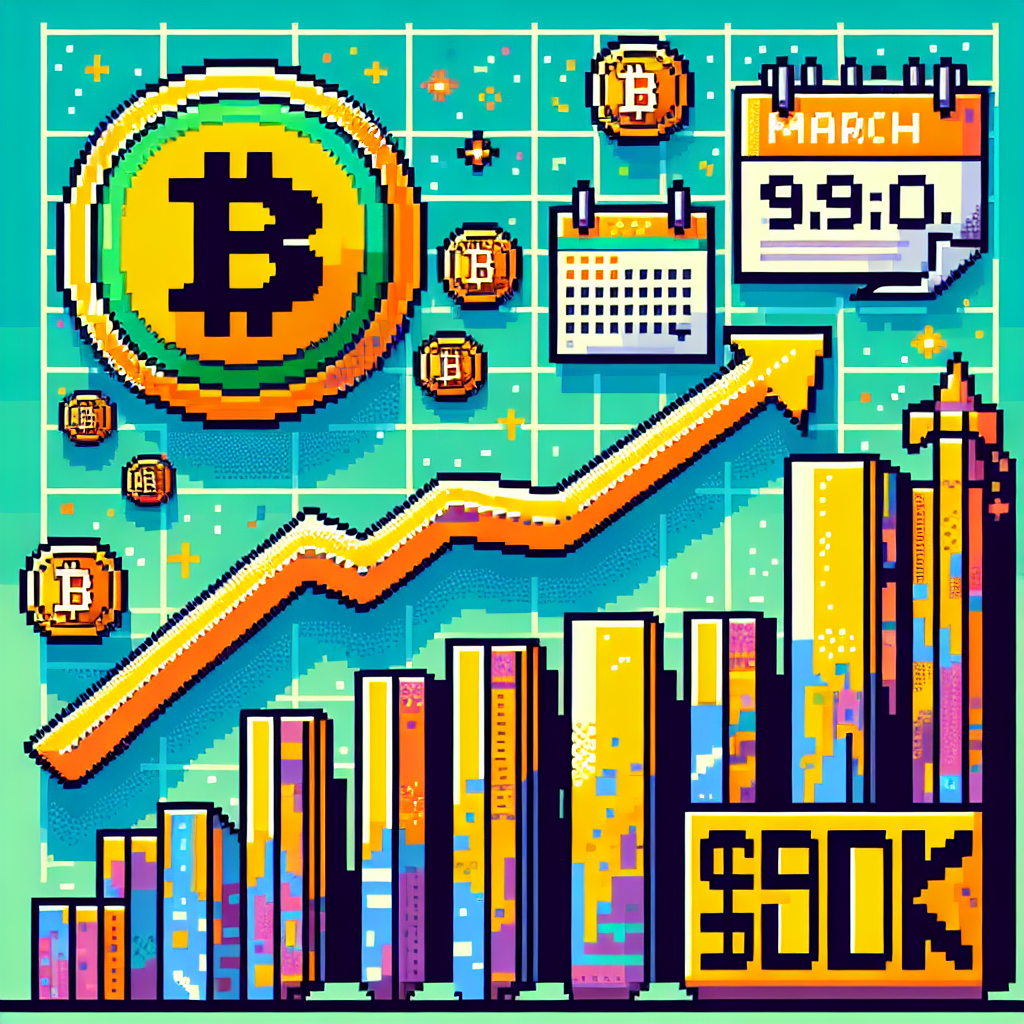
In a dazzling display of financial fireworks, Bitcoin has surged to $90,000, a level not seen since early March. The cryptocurrency's rise has coincided with a rally in U.S. equities, which gained over 1% on what traders are calling "Turnaround Tuesday." This harmonious dance between traditional markets and digital currencies highlights a renewed optimism in the financial landscape, but what exactly is fueling this upbeat atmosphere?

The backdrop to Bitcoin’s breakout is an intriguing tapestry of global economic factors. For one, the Federal Reserve's recent dovish stance has eased fears of aggressive interest rate hikes, providing a supportive environment for risk assets. Additionally, the U.S. economy has shown signs of resilience, with recent employment data surpassing expectations. These developments have buoyed investor sentiment, creating a ripple effect across various markets, including cryptocurrencies.

But Bitcoin's rise isn't just about macroeconomic trends. The digital currency has seen growing institutional interest, further cemented by the increasing integration of blockchain technology in mainstream financial systems. Companies like BlackRock and Fidelity continue to explore Bitcoin ETFs, a move that could usher in a new wave of investment from traditional sectors. This institutional confidence lends Bitcoin a credibility that was once elusive, especially during its earlier, more volatile years.

Outside the financial sphere, Bitcoin's resurgence mirrors a broader shift in global dynamics. For instance, the ongoing advancements in digital currencies have forced governments worldwide to consider their own central bank digital currencies (CBDCs). Countries like China are racing ahead with their digital yuan, while the European Central Bank is actively exploring a digital euro. These developments indicate that the world is inching closer to a future where digital currencies play a pivotal role in everyday transactions.

In the realm of technology, the rise of Bitcoin aligns with the growing interest in decentralized finance (DeFi) and non-fungible tokens (NFTs). These innovations have captured the imagination of both tech enthusiasts and investors, further blurring the lines between finance and technology. The boom in NFTs, for instance, has shown how blockchain technology can revolutionize industries beyond finance, including art, music, and entertainment.

While the cryptocurrency market is notorious for its volatility, this recent rally feels different. It reflects a maturation of the space, with Bitcoin acting as a bellwether for broader trends. Yet, as with any investment, caution is warranted. The road ahead may be paved with both opportunities and obstacles, as regulatory scrutiny intensifies and the global economic landscape continues to evolve.

In conclusion, Bitcoin's rise to $90,000 is more than just a headline – it's a testament to the shifting paradigms in finance and technology. As we navigate this brave new world, one thing is certain: the future of money is digital, and Bitcoin is leading the charge. Whether you're a seasoned investor or a curious onlooker, the unfolding narrative of cryptocurrency is one worth watching. After all, in the words of the legendary investor Warren Buffett, "Someone is sitting in the shade today because someone planted a tree a long time ago." Bitcoin's journey is just beginning, and its branches are reaching ever higher.

*For more insights on the intersection of finance and technology, stay tuned and keep exploring the possibilities that the digital future holds.*

Read more about AI in Business
Read more about Latest Sports Trends

Read more about Technology Innovations

Japan inflation comes in at 3.6%, surpasses BOJ target for three straight years – CNBC | Analysis by Brian Moineau

Japan inflation comes in at 3.6%, surpasses BOJ target for three straight years - CNBC | Analysis by Brian Moineau

Japan's Inflation Odyssey: The Land of the Rising Prices

Japan, a nation renowned for its cherry blossoms, cutting-edge technology, and rich cultural tapestry, is now also notable for its inflation rates surpassing the Bank of Japan's (BOJ) target for three consecutive years. According to a recent CNBC report, Japan's inflation grew 3.6% year on year in March, marking a significant departure from the BOJ's long-standing 2% target. But what does this mean for Japan and the global economic landscape?

The Inflation Conundrum

For years, Japan grappled with deflation—a persistent decline in prices that stymied economic growth and stifled consumer spending. The BOJ's 2% inflation target was established as a remedy, intended to stimulate the economy by encouraging spending and investment. However, overshooting this target presents its own set of challenges.

The current 3.6% inflation rate, while modest compared to the double-digit figures seen in some other parts of the world (such as Argentina, where inflation exceeded 100% in 2023), is significant for Japan. It suggests that the country's economy is heating up faster than anticipated. This raises the question: how will policymakers respond to this continued rise in prices?

A Global Perspective

Japan's inflationary pressures are not occurring in isolation. Around the world, countries are grappling with the economic ripple effects of the COVID-19 pandemic, supply chain disruptions, and geopolitical tensions. For instance, the war in Ukraine has led to increased energy prices globally, affecting nations far beyond Europe. Similarly, the U.S. has experienced rising inflation rates, prompting the Federal Reserve to increase interest rates—a potential move Japan might consider, though it could have complex implications for its economy.

Interestingly, in an era where many countries are tightening monetary policy to combat inflation, Japan's approach has remained relatively accommodative. The BOJ continues to maintain low interest rates, prioritizing economic growth and stability over aggressive inflation control. This divergence in strategy highlights the unique economic landscape in Japan, where decades of economic stagnation have fostered a cautious approach to monetary policy adjustments.

Cultural and Economic Impacts

For the average Japanese citizen, rising inflation can have tangible impacts on daily life. From increased grocery bills to higher costs for everyday goods and services, the effects of inflation are felt most acutely by consumers. Yet, there is also a cultural dimension at play. Japan's aging population and shrinking workforce present additional economic challenges, leading to debates about immigration policies, workforce participation, and technological innovation as potential solutions.

A Lighthearted View

Despite the serious economic implications, there's an opportunity to find some levity in the situation. As Japan continues to navigate these inflationary waters, perhaps it's time for some creative thinking. Imagine a world where inflation is met with humor—where economists become stand-up comedians, turning complex economic theories into punchlines, and where inflation indices are humorously compared to sumo wrestling matches, with the yen battling it out on the global stage.

Final Thoughts

Japan's inflation journey is a testament to the complexities of managing an economy in a rapidly changing world. While the 3.6% inflation rate surpasses the BOJ's target, it also reflects broader global trends and challenges. As Japan charts its course forward, balancing growth and stability will be key. And who knows, maybe a little humor along the way will provide the resilience needed to weather the economic storms.

For more insights on Japan's economic landscape, check out the full [CNBC article](https://www.cnbc.com).

Read more about AI in Business

Read more about Latest Sports Trends

Read more about Technology Innovations

The 1 Scenario That Would Send the Stock Market Soaring – Barron’s | Analysis by Brian Moineau

The 1 Scenario That Would Send the Stock Market Soaring - Barron's | Analysis by Brian Moineau

Title: The Unlikely Wind Beneath Wall Street’s Wings: What Could Send the Stock Market Soaring?

In the world of finance, predicting market movements can often feel like reading tea leaves or trying to forecast the weather. Yet, every so often, an idea emerges that captivates both seasoned investors and casual observers alike. One such idea was recently discussed in Barron's, pondering the one scenario that could send the stock market on a sky-high trajectory. While the article itself remains “null” in detail, let’s explore this tantalizing concept with a light-hearted twist and see what could really send Wall Street into a frenzy.

The Magic Bullet: A Unified Economic Recovery


Imagine a world where geopolitical tensions ease, supply chains untangle themselves like a magician pulling endless scarves from a hat, and central banks worldwide strike the perfect balance between curbing inflation and encouraging growth. This utopia might sound far-fetched, but it’s precisely this kind of synchronized global recovery that could send the stock market soaring.

A Global Symphony


Consider the current global landscape. The U.S. Federal Reserve, amidst inflationary pressures, has been raising interest rates. Meanwhile, the European Central Bank and the Bank of Japan have faced their own economic puzzles. A harmonious alignment, where major economies recover in unison, could create a ripple effect, boosting investor confidence and stock prices globally.

Remember the post-2008 financial crisis recovery? Coordinated efforts among central banks led to one of the longest bull markets in history. The lesson? When the world’s economic powerhouses play in concert, markets tend to sing.

External Influences: Beyond the Financial Realm


Outside the realm of stocks and bonds, other factors could also play a role. The tech world, for instance, has seen rapid advancements in artificial intelligence and renewable energy. These sectors promise not only innovation but potential profitability that could drive market enthusiasm.

Moreover, let’s not forget the cultural zeitgeist. We live in a time where social media can influence market trends almost overnight. Remember the GameStop saga, driven by retail investors on Reddit? It’s a testament to how market dynamics are no longer confined to Wall Street.

The Human Factor


Ultimately, the stock market is not just a collection of numbers and charts; it’s a reflection of human behavior. As Warren Buffett famously said, “Be fearful when others are greedy and greedy when others are fearful.” The psychology of investing plays a crucial role, and a wave of optimism, fueled by tangible improvements in global conditions, could be the catalyst for a market surge.

A Final Thought


While the scenario of a perfectly coordinated global recovery remains speculative, it’s a reminder of the interconnectedness of our world. In an era where unpredictability seems the only constant, it’s comforting to daydream about a scenario where everything falls into place.

In the end, whether or not the stock market will soar remains to be seen. But one thing’s for sure: the dance of economic forces, technological advances, and human emotions will continue to create a market landscape that’s as dynamic as it is unpredictable.

So, as you sip your morning coffee and ponder the mysteries of Wall Street, remember that sometimes, the most improbable scenarios can become reality. After all, in the world of finance, stranger things have happened.

Read more about AI in Business

Read more about Latest Sports Trends

Read more about Technology Innovations

5 Things to Know Before the Stock Market Opens – Investopedia | Analysis by Brian Moineau

5 Things to Know Before the Stock Market Opens - Investopedia | Analysis by Brian Moineau

Title: Navigating the Market Waves: What to Watch as the Stock Market Opens

Hello, market enthusiasts and casual observers alike! Today, we’re diving into the ever-fascinating world of stock markets, where fortunes can change faster than the latest TikTok trend. Our focal point is a recent article from Investopedia titled "5 Things to Know Before the Stock Market Opens," which offers a glimpse into the market's mood as we await the Federal Reserve's next move and ponder Nvidia's latest stock shuffle.

Federal Reserve’s Interest-Rate Decision: The Elephant in the Room

First up, the Federal Reserve's looming interest-rate decision is akin to the season finale of your favorite show—everyone's speculating about what's next. As U.S. stock futures inch higher, investors are holding their collective breath awaiting remarks from Fed Chair Jerome Powell. The Fed’s decisions have a ripple effect, impacting everything from mortgage rates to the cost of your favorite artisanal avocado toast.

In recent months, Powell has been a steady hand on the economic tiller, navigating inflationary pressures and economic turbulence. His ability to communicate complex economic policies in layman’s terms has earned him accolades, though some critics argue his policies are too conservative.

Nvidia's Rollercoaster: A Tech Titan's Journey

Then there's Nvidia, a titan in the tech world known for its cutting-edge graphics processing units (GPUs). After CEO Jensen Huang's remarks, the company's shares took a dip, but they’re now recovering modestly. This is a testament to the market's sometimes fickle nature, where a single statement can send stocks on a wild ride. Huang, known for his visionary insights and bold leadership, has been a guiding force behind Nvidia's innovations. However, even the most respected CEOs can't escape the occasional market jitters.

Nvidia's journey is a reminder of the broader tech industry’s challenges and triumphs. As AI and machine learning continue to evolve, companies like Nvidia are at the forefront, driving change and sometimes facing the volatile whims of investor sentiment.

Broader Market Trends and Global Connections

On a global scale, markets are interconnected like never before. As we see fluctuations in the U.S., similar trends can ripple across Europe, Asia, and beyond. Recently, geopolitical tensions and supply chain disruptions have added layers of complexity to market predictions. Yet, amidst these challenges, opportunities abound for savvy investors who can navigate the uncertainty.

Interestingly, the stock market's ebbs and flows often mirror societal trends. Just as people are adapting to hybrid work models and digital transformations, markets are adjusting to new economic realities. The rise of retail investors, using platforms like Robinhood, has democratized stock trading, bringing new voices into the financial conversation.

Final Thoughts: The Art of Staying Informed

As we keep an eye on the Fed's decisions and Nvidia's trajectory, remember that knowledge is power. Whether you're a seasoned investor or just dipping your toes into the market waters, staying informed is your best strategy. So, read up, stay curious, and remember—markets may rise and fall, but the quest for understanding is a constant adventure.

In this ever-evolving economic landscape, the key is to remain adaptable and open to new insights. After all, in the world of stocks, as in life, change is the only constant. Happy trading, everyone!

Read more about AI in Business

Read more about Latest Sports Trends

Read more about Technology Innovations

Stock Market News Today: Dow Moves Higher; Netflix, Affirm Stocks in Focus — Live Updates – The Wall Street Journal | Analysis by Brian Moineau

Stock Market News Today: Dow Moves Higher; Netflix, Affirm Stocks in Focus — Live Updates - The Wall Street Journal | Analysis by Brian Moineau

Riding the Market Waves: Netflix, Affirm, and the Dow’s Dance

Hello, fellow market watchers and casual financial enthusiasts! Today we embark on a delightful journey through the latest happenings in the stock market, turning our gaze towards the Dow's modest climb and the spotlight on Netflix and Affirm. If you're someone who enjoys the thrill of the stock ticker as much as a gripping Netflix series, this one's for you.

The Dow’s Subtle Ascent

Let's start with the Dow Jones Industrial Average, which recently decided to move a little higher. Picture it as a seasoned marathon runner—pacing itself, knowing when to push, and when to conserve energy. It's not always about dramatic sprints; sometimes, a steady, incremental pace wins the race. Right now, the Dow is just doing its thing, quietly making gains while the world watches.

This uptick might seem like just another blip, but it’s a reminder of the market's resilience. Despite the myriad of global challenges, from geopolitical tensions to economic uncertainties, the market continues to find its footing. It's worth noting that this not-so-dramatic rise comes amidst broader economic narratives, such as the Federal Reserve's ongoing decisions around interest rates, which always have investors holding their breath.

Netflix: More Than Just Binge-Worthy

Now, let’s talk about the streaming giant, Netflix. While we might know Netflix for its ability to make us lose track of time with just one more episode, investors know it for its strategic plays and market influence. Recently, Netflix has been a stock to watch, as it continues to navigate the competitive waters of the streaming world. With new content constantly in the pipeline and strategic moves like venturing into gaming, Netflix is not just sitting back and enjoying its laurels.

Consider how Netflix has changed the entertainment landscape—its aggressive content production strategy, focus on global markets, and innovative storytelling have set new standards. This is akin to its stock performance, where innovation and adaptation remain key to staying relevant and attractive to investors.

Affirm's Affirmation

Then there's Affirm, the buy-now-pay-later (BNPL) service that's been on the radar. In a world where consumer habits are rapidly evolving, Affirm's model has gained traction, particularly among younger generations who seek flexibility in their purchasing power. As Affirm captures market share and continues to grow, its performance is closely watched by investors who see the potential in this evolving sector.

Affirm's story is part of a broader narrative about changing consumer finance trends. The rise of fintech and digital payment solutions illustrates a shift in how people interact with money—traditional banks are no longer the sole players. This sector's dynamism mirrors the innovation-driven growth seen in tech stocks over the past decade.

A World of Connections

Beyond the stock market, these developments are interwoven with broader global themes. For instance, the growing emphasis on digital transformation across industries mirrors the tech-driven strategies of Netflix and Affirm. Additionally, as sustainability and ethical consumerism gain traction, companies that align with these values may find favor with both consumers and investors.

Final Thoughts

In the grand tapestry of the financial world, today's market movements are another thread contributing to a larger narrative of resilience, innovation, and adaptation. Whether you're invested or simply interested, it's fascinating to watch how companies like Netflix and Affirm navigate their unique challenges and opportunities.

As we keep our eyes on the market, let's remember that behind every stock ticker is a story—a story of strategy, ambition, and the pursuit of growth. So, whether you're waiting for the next big market update or the next binge-worthy series, rest assured, there's always something exciting on the horizon. Until next time, happy watching and investing!

Read more about AI in Business

Read more about Latest Sports Trends

Read more about Technology Innovations

US stocks drop after Trump says he won’t rule out a recession – CNN | Analysis by Brian Moineau

US stocks drop after Trump says he won’t rule out a recession - CNN | Analysis by Brian Moineau

**Navigating the Economic Seas: When Stocks Dip and Leaders Speak**

Ah, the stock market—a wondrous ocean of opportunity, tumult, and, occasionally, a bit of seasickness. On a recent Monday, investors awoke to a sharp decline in US stocks. The culprit? A Sunday interview with former President Donald Trump, who suggested the US might face “a period of transition” and didn’t rule out the possibility of a recession. When a former leader of the free world makes such statements, it’s like a lighthouse signaling rough seas ahead, and investors understandably adjust their sails.

Now, before we all start stockpiling canned goods and gold bars, let's take a broader look at what's going on. Economic transitions and market fluctuations are part and parcel of the financial landscape—like the ebb and flow of tides. Trump's comments, while impactful, are just one piece of a larger puzzle.

Firstly, let's address the elephant in the room: the "R" word—recession. It's not exactly a term that inspires confidence, but it's also not the apocalypse. Recessions are natural parts of economic cycles. Historically, they have been followed by periods of growth and recovery. For instance, the recession that followed the 2008 financial crisis led to a lengthy bull market that lasted over a decade.

Trump's remarks come at a time when the global economy is already dealing with several stressors. The ongoing ramifications of the COVID-19 pandemic, supply chain disruptions, and geopolitical tensions, like those between Russia and Ukraine, have all been contributing factors to economic uncertainty. These elements are reminding us that the world is an interconnected web, where a tug on one thread can ripple across the globe.

Additionally, let's look at the Federal Reserve's role in this equation. The Fed, under the leadership of Jerome Powell, has been navigating these choppy waters with monetary policy adjustments, such as interest rate hikes aimed at curbing inflation. While these moves are necessary, they are also part of why investors feel a bit queasy. Higher interest rates can mean higher borrowing costs, which can slow down economic growth—hence the recession fears.

But let's not forget the resilience of markets and economies. Remember when Brexit was supposed to herald the end of the world? Or when the US-China trade war seemed an insurmountable hurdle? Markets have a way of adapting, recalibrating, and ultimately, growing.

As for Trump, love him or loathe him, his words carry weight. His presidency was marked by significant economic events, including tax reforms and trade negotiations. While no longer in office, his commentary still resonates and stirs the financial seas.

So, what’s a savvy investor to do in times like these? Perhaps the best course of action is to stay informed but not be swayed by every headline. Diversification remains a timeless strategy, and keeping a long-term perspective can help weather the storms. As Warren Buffett wisely advises, "Be fearful when others are greedy, and greedy when others are fearful."

In closing, while the stock market may have experienced a dip, it’s important to keep our eyes on the horizon. Economic cycles come and go, but the human spirit of innovation and resilience remains steadfast. Whether it’s through green energy advances, technological breakthroughs, or global cooperation, the world has a way of righting itself, even when the seas are rough.

So, fellow sailors of the market, let’s adjust our sails, keep a steady hand on the tiller, and ride out the waves with optimism. After all, calm seas never made skilled sailors.

Read more about AI in Business

Read more about Latest Sports Trends

Read more about Technology Innovations

Will Warren Buffett say why he’s holding so much cash? – Fortune | Analysis by Brian Moineau

Will Warren Buffett say why he’s holding so much cash? - Fortune | Analysis by Brian Moineau

**Title: Cash Piles and Market Smiles: Warren Buffett's Billion-Dollar Dilemma**

When Warren Buffett holds onto something, the world pays attention. And right now, what the Oracle of Omaha is clutching tightly is a staggering $325 billion in cash reserves at Berkshire Hathaway. This isn't just pocket change; it's a record-setting heap that has everyone buzzing. But the big question on everyone's lips is: Why?

Berkshire's mountainous cash reserve comes at a time when the stock market is historically expensive, with few apparent value buys. It's like going to a gourmet grocery store with a wallet full of cash, only to find the shelves stocked with overpriced artisanal cheeses, and you're really just looking for a good deal on cheddar.

Buffett, known for his value investing philosophy, might be waiting for the right opportunity—a market correction or a major downturn that could offer attractive deals. In the meantime, this mountain of cash sits, akin to a dragon hoarding gold, waiting for the opportune moment to strike.

**The Oracle and His Wisdom**

Warren Buffett is no ordinary investor. At 93, his decisions are closely watched, not just because of his staggering net worth, but due to the wisdom he has imparted over decades. His strategy has always been about patience and precision, famously saying, "The stock market is designed to transfer money from the Active to the Patient."

In a world where instant gratification is the norm, Buffett's approach is a reminder of the virtues of patience. His choice to hold cash, rather than dive into an overpriced market, is a testament to his disciplined strategy. It's a move that echoes the advice of another wise investor, Benjamin Graham, Buffett's mentor, who taught the importance of investing with a margin of safety.

**A Global Connection**

Buffett's cash reserve strategy isn't in isolation. It resonates with broader economic trends. For example, central banks worldwide are navigating the tricky waters of inflation and interest rates, with many holding onto cash reserves as a safety net. In the tech world, companies like Apple and Google are also sitting on large cash piles, a common strategy during uncertain economic times.

Interestingly, this cash-hoarding trend aligns with a shift in personal finance. More individuals are prioritizing savings, influenced by economic uncertainties and the recent pandemic's lessons. It's a reminder that whether you're an individual or a multi-billion-dollar conglomerate, having a financial buffer is never a bad idea.

**Final Thoughts**

As we watch Buffett's next move, we're reminded of the power of patience in investing. While the market might currently present few bargains, history tells us that the tides will turn, and opportunities will arise. Until then, Buffett's action (or inaction) serves as a masterclass in strategic financial management.

So, as we sip our morning coffee and ponder our own financial strategies, perhaps we can take a page from Buffett's playbook: Sometimes, the best move is no move at all—at least until the time is right. After all, in the world of investing, patience isn't just a virtue; it's a strategy.

Read more about AI in Business

Read more about Latest Sports Trends

Read more about Technology Innovations

The stock market won’t crack. Bulls say it’s time for a breakout to new highs. – MarketWatch | Analysis by Brian Moineau

The stock market won’t crack. Bulls say it’s time for a breakout to new highs. - MarketWatch | Analysis by Brian Moineau

**Title: Is the Stock Market on the Brink of a Breakout or Just a Balancing Act?**

In the ever-volatile world of stock markets, the current buzz is about whether we're on the verge of a significant breakout or just teetering on another edge of uncertainty. A recent MarketWatch article highlights this conundrum, where bullish investors are optimistic for new highs, yet strategists caution that periods of high uncertainty rarely lead to sustained breakouts. It's like being on the edge of your seat during a thriller movie, except this time, the stakes are your financial future.

**The Bullish Perspective**

Bulls are typically the market optimists. They see the glass as half full and believe that the market is primed for a breakout. Their optimism is often fueled by indicators like strong corporate earnings, low unemployment rates, or technological advances that promise increased productivity. Recently, the bulls have also been buoyed by hints of stability in geopolitical tensions and the potential for interest rate adjustments by central banks, which could stimulate economic growth.

It's reminiscent of the optimistic spirit seen in other sectors, like the resurgence of vinyl records in the music industry or the unexpected box office success of indie films. Sometimes, a little hope and perseverance can indeed lead to a breakout success.

**The Strategist's Caution**

On the flip side, strategists warn that the market's current state of high uncertainty – driven by factors such as inflation concerns, geopolitical tensions, and mixed economic signals – isn't fertile ground for a sustained breakout. It's important to remember that the stock market is not just about numbers; it's about sentiment, psychology, and sometimes, sheer unpredictability.

This cautious approach is akin to the careful strategies employed by championship-winning sports teams. Take the New England Patriots under Bill Belichick, for instance. Success wasn't just about bold moves but also about cautious, calculated plays that accounted for every variable. In both sports and the stock market, understanding the landscape and preparing for all possibilities can be crucial.

**Connecting the Dots**

In the broader context, this stock market scenario is not unlike the fluctuating dynamics seen in other areas of the world today. Consider the energy sector's roller-coaster with renewable energy's rise juxtaposed against fossil fuel dependency. Or the tech industry's constant flux, where today's innovation could become tomorrow's obsolescence.

Global events, such as climate change initiatives or the ongoing shifts in international trade policies, also play a role in shaping market sentiments. These factors contribute to the high uncertainty that strategists warn about, yet they also offer potential opportunities for those who are prepared.

**Final Thoughts**

As we navigate this intricate dance between optimism and caution, it's essential to stay informed and agile. The stock market, much like life, is unpredictable. While bulls may dream of a breakout, and strategists urge caution, perhaps the key is to find a balance between the two perspectives.

In the end, whether the stock market soars to new heights or maintains its current course, the best strategy might just be to remain adaptable and ready for whatever comes next. After all, in both investing and life, the only constant is change. So, stay curious, stay informed, and remember to enjoy the journey as much as the destination.

Read more about AI in Business

Read more about Latest Sports Trends

Read more about Technology Innovations

5 Things to Know Before the Stock Market Opens – Investopedia | Analysis by Brian Moineau

5 Things to Know Before the Stock Market Opens - Investopedia | Analysis by Brian Moineau

### Watching the Markets Unfold: January Jobs Report and Amazon's Revenue Outlook

Ah, the stock market—an arena where numbers dance like confetti on the trading floor and investors clutch their morning coffee a little tighter. Today, we're peering through the looking glass at the U.S. stock futures, which are tiptoeing around as investors eagerly await the January jobs report. This report is anticipated to show a deceleration in growth, with unemployment rates holding steady like an overcaffeinated yoga instructor maintaining a perfect tree pose. Meanwhile, Amazon’s shares are experiencing a bit of a nosedive after their revenue projections failed to ignite Wall Street’s enthusiasm. Let’s dive into how these elements are playing out and what else is stirring in the broader economic landscape.

#### The Calm Before the Jobs Report Storm

First on the docket is the January jobs report, a monthly ritual that sends ripples through the financial world. Economists are predicting slower growth, which isn't exactly a surprise given the economic tea leaves we've been reading lately. The Federal Reserve's interest rate hikes, aimed at taming inflation, are part of this intricate dance, as they often lead to a cooling effect on economic expansion. Yet, the unemployment rate is expected to stay put, which could suggest that while hiring is slowing, layoffs aren't spiking—a silver lining, perhaps.

For some context, this report comes on the heels of diverse economic signals. Take, for instance, the tech sector, which has seen companies like Meta and Microsoft announce substantial layoffs recently. These moves are often framed as necessary adjustments to post-pandemic realities, but they also highlight a sector in flux, trying to recalibrate its workforce amid shifting demands.

#### Amazon's Revenue Outlook: A Bumpy Road Ahead

Switching gears to Amazon, the e-commerce behemoth is feeling the heat after its revenue outlook didn't quite match the market's lofty expectations. Shares took a hit, reflecting investor anxiety over the company's future growth prospects. Amazon's predicament is a microcosm of broader challenges facing the retail sector, particularly in navigating supply chain disruptions and changing consumer behaviors in a post-pandemic world.

Interestingly, Amazon's situation isn't happening in a vacuum. Retailers across the globe are grappling with similar issues. For instance, in the UK, companies are facing the dual challenge of inflation and a cost-of-living crisis, leading to cautious consumer spending. This global context underscores the interconnectedness of today's economy, where a hiccup in one region can echo in another.

#### Connecting the Dots: The Global Economic Tapestry

Beyond the immediate headlines, these developments are threads in a larger tapestry of global economic trends. The stock market's response to the jobs report and Amazon's outlook serves as a barometer for investor sentiment in a world still adjusting to pandemic aftershocks. Moreover, these elements connect to broader concerns such as sustainable growth and technological innovation.

In China, for instance, the recent reopening after stringent COVID-19 lockdowns is expected to inject some vitality into the global economy. How this plays out will be crucial, especially for companies like Amazon that are deeply embedded in the international supply chain. Additionally, as countries invest in green technologies, the push for sustainability could redefine industries and reshape the future job market.

#### Final Thoughts

In the grand scheme of things, today's market musings remind us of the intricate dance that is global economics. As investors scrutinize the numbers and make their moves, it's essential to remember that markets are not just about profits and losses—they're about people, innovations, and the endless quest for balance in an ever-changing world.

So, as you sip your coffee and watch the ticker, take a moment to appreciate the complex, interconnected world we live in. After all, the markets may be unpredictable, but they're also a reflection of our shared journey through uncharted waters. Let’s see where the tide takes us next.

Read more about AI in Business

Read more about Latest Sports Trends

Read more about Technology Innovations

S&P 500 futures are slightly higher after Monday’s sharp sell-off: Live updates – CNBC

The stock market can be a rollercoaster of emotions and Monday was no exception. The S&P 500 futures are slightly higher after a sharp sell-off the day before, leaving investors on edge. The Nasdaq Composite took a hit, sliding more than 3% in Monday's trading. One of the casualties of this downturn was chip darling Nvidia, among other AI-related plays.

It's always interesting to see how quickly the market can shift based on various factors. Whether it's global events, economic indicators, or even just investor sentiment, the stock market is a delicate ecosystem that can be easily disrupted.

In this case, the sell-off was attributed to concerns about rising inflation and the potential for the Federal Reserve to raise interest rates sooner than expected. These uncertainties can create a domino effect, causing investors to panic and sell off their holdings in a frenzy.

But as we've seen time and time again, the market has a way of bouncing back. It's important for investors to stay focused on the long term and not get caught up in the day-to-day fluctuations. While it can be nerve-wracking to see sharp sell-offs like the one we experienced on Monday, it's all part of the game when it comes to investing.

As we navigate through these uncertain times, it's crucial to stay informed and keep a level head. The market may be unpredictable, but having a well-thought-out investment strategy can help weather the storm. So, keep calm and carry on, investors. The market may be slightly higher today, but who knows what tomorrow will bring. Stay tuned for more updates and happy investing!