
A $1.7B Bitcoin Vault Moves Under One Roof? Why the SpaceX–Tesla Merger Talk Matters
Elon Musk’s empire has always been part tech, part theater. Now imagine folding two of his biggest companies together — SpaceX and Tesla — and along with rockets and robots, consolidating almost 20,000 bitcoin on a single balance sheet. That’s the scenario swirling around recent reports, and it’s worth unpacking: not because a merger changes bitcoin’s fundamentals, but because it changes governance, accounting, and the way markets perceive a meaningful corporate crypto treasury.
A quick hook
Picture an institutional-sized bitcoin position — roughly $1.7 billion worth — that today sits split between a private rocket company and a public carmaker. Put them together, and suddenly one corporate entity has a headline-making crypto exposure. That’s the axis of risk and opportunity investors and crypto-watchers are now watching.
What the reports say (short version)
- SpaceX is reportedly exploring deals that could include merging with Tesla or tying up with xAI, ahead of a potential SpaceX IPO slated for mid-2026. (investing.com)
- Public filings, analytics and reporting suggest SpaceX holds about 8,285 BTC and Tesla about 11,509 BTC — roughly 19,700–20,000 BTC in total, currently valued near $1.7 billion (price-sensitive). Many outlets repeat that tally. (mexc.co)
Those facts create a practical question: what happens when corporate bitcoin positions this large live inside a single legal and financial structure?
Why consolidation changes the story
-
Different accounting regimes matter.
- Tesla is public, so under fair-value/mark-to-market rules bitcoin swings feed directly into quarterly earnings and may produce large realized or unrealized P&L volatility. SpaceX, as a private company, hasn’t been subject to the same public quarter-to-quarter visibility. Combining them could put the whole stash under public accounting scrutiny (if the merged entity is public). (coincentral.com)
-
Governance and disclosure tighten.
- A single treasury means a single policy on custody, hedging, sales and spending. Investors, auditors and regulators will demand clarity about who can move assets, what approvals are required, and whether crypto might be used as collateral or monetized. The due diligence for any IPO would spotlight those policies. (investing.com)
-
Liquidity and market flow become more visible.
- Nearly 20,000 BTC is a large corporate holding but still a small share of daily spot volume; however, concentrated decisions (sell-offs, rehypothecation, token lending, or using positions in structured deals) can create outsized market ripples and headline risk. Any hint of distribution would be monitored closely by traders. (ainvest.com)
-
Strategic uses create new linkages.
- If Tesla’s energy and battery tech or SpaceX’s Starlink and orbital ambitions get folded together with a big crypto treasury, companies might explore alternative financing, treasury swaps, or using digital asset custody as part of capital strategy — all of which enlarge the bridge between traditional finance and crypto markets. (theverge.com)
The potential near-term impacts
What it does not do
How different stakeholders might react
- Institutional investors and prospective IPO buyers will demand transparency on custody, movement, and hedging rules.
- Crypto traders will watch on-chain flows and any anomalous wallet activity for signs of pre-transaction reorganization.
- Regulators and auditors will likely ask tougher questions about risk management and disclosure if a major company puts large digital assets on a public balance sheet.
- Retail investors and bitcoin holders will parse the news as either bullish (Musk doubling down) or risky (a single corporate counterparty now holds a big chunk).
A few plausible scenarios worth watching
- The merged entity keeps the BTC and formalizes a conservative treasury policy: public disclosure, cold custody, long-term hold language. That lowers noise and reassures markets.
- The merged entity hedges or monetizes part of the stash for capital needs (e.g., to fund SpaceX expansion or an IPO), introducing cash flows to the market.
- The merged entity sells opportunistically, creating short-term downward pressure and headline volatility — though coordinated sales of many thousands of BTC would be visible and impactful.
My take
This story is a reminder that crypto exposure is no longer an obscure footnote — it sits at the center of strategic corporate finance when big players hold material positions. Whether or not a SpaceX–Tesla merger happens, the conversation around governance, accounting, and disclosure for corporate crypto treasuries is moving from niche to mainstream. For investors, the practical questions matter more than the spectacle: who controls the keys, what are the limits on selling or pledging assets, and how will swings in bitcoin reverberate through reported earnings?
Final thoughts
Musk’s empire has a knack for making headlines — and market microstructure. The notion of nearly 20,000 BTC under one corporate roof is compelling not because it breaks Bitcoin, but because it brings corporate treasury management, accounting rules and on-chain transparency into sharper relief. Watch the filings, watch the wallets, and watch how governance evolves — those will tell you whether consolidation becomes a stabilizing force or a new source of market chatter.
Sources
Related update: We recently published an article that expands on this topic: read the latest post.

A president’s bond buy that raises eyebrows: Trump, Netflix and Warner Bros.
Just days after publicly saying he’d be “involved” in the regulatory review of Netflix’s proposed $82–83 billion deal for Warner Bros. assets, President Donald Trump’s financial disclosure shows he bought between $1 million and $2 million of corporate bonds tied to the companies. That timing — and the optics — is the story: not a blockbuster insider-trading allegation, but a neat example of how money, policy and power can look messy in the same frame.
Why this matters now
- The bond purchases were disclosed in a January 2026 filing covering transactions from November 14 to December 19, 2025.
- Trump publicly commented on the Netflix–Warner Bros. deal on December 7, 2025, saying he would be “involved” in the decision about whether it should be allowed to proceed.
- Within days (Dec. 12 and Dec. 16, 2025), the filings show purchases of Netflix and Discovery/WBD debt in tranches (each listed in the $250,001–$500,000 range), totaling at least $1 million across the two companies.
- The administration says Trump’s portfolio is managed independently by third-party institutions and that he and his family do not direct those investments.
Those facts are small in absolute dollars against the size of the merger, but politically and ethically they resonate: a president publicly weighing in on a transaction while he holds securities tied to the parties involved is a classic conflict-of-interest concern, even if the investments are bond holdings managed by others.
A quick snapshot of the timeline
- December 7, 2025: Trump makes public remarks indicating he would be involved in reviewing the Netflix–Warner Bros. deal.
- December 12 & 16, 2025: Financial-disclosure entries show purchases of Netflix and Discovery/WBD bonds.
- January 14–16, 2026: Disclosure forms are posted and reported by major outlets, prompting renewed scrutiny.
What corporate bonds mean here
- Bonds are debt instruments; bondholders get fixed-interest payments and the return of principal at maturity. They’re different from stocks — bondholders don’t get voting rights or upside from equity gains.
- Still, bond prices and yields can move based on a company’s perceived creditworthiness, strategic moves (like a merger), and the broader market reaction. A big acquisition announcement can shift both corporate credit profiles and market sentiment, sometimes quickly.
- So purchases of bonds shortly after a merger announcement could profit or lose depending on market reaction or changes in perceived risk — and they still link an investor financially to an outcome.
The investor dilemma (politics × perception)
- Real conflicts require control or influence over a decision and financial benefit from it. The White House’s response — that external managers handle the portfolio — is a standard defense.
- But ethics isn’t only about legal liability; it’s also about public trust. Even without direct influence, the president’s public role in enforcement and antitrust review creates an appearance problem when financial exposure aligns with active policy involvement.
- That appearance can erode confidence in the neutrality of regulatory reviews and feed narratives of favoritism or self-dealing — which political opponents and watchdogs will marshal rapidly.
The broader context
- The proposed Netflix–Warner Bros. transaction is one of the largest media deals in recent memory and has drawn attention from regulators, competitors (including rival bids), creators’ guilds, and politicians worried about concentration in media and streaming.
- Corporate disclosures show this bond buying was part of a larger roughly $100 million slate of municipal and corporate debt purchases by Trump across mid-November to late December 2025. That breadth makes it less likely the Netflix/WBD trades were singularly targeted — but timing still matters.
- The story fits into a bigger, long-running political debate about presidents, business holdings and blind trusts (or their alternatives). The U.S. has norms and rules around recusal and asset management, but the gap between legal compliance and public perception remains wide.
What to watch next
- Will ethics watchdogs, the Office of Government Ethics, or Congress seek further details about who placed the trades and whether the president had any input?
- Will regulators review whether the president recused himself from decisions directly tied to parties in which he has holdings — or whether any special procedures were used?
- How will this episode shape the political narrative around the merger review (and other high-profile antitrust decisions) going forward?
Key takeaways
- Timing is everything: bond purchases on Dec. 12 and Dec. 16 came days after the president said he’d be “involved” in reviewing the Netflix–Warner Bros. merger.
- Bonds aren’t stocks, but they still create financial ties and optics that matter when the holder is the sitting president.
- The White House says investments are managed independently, which may reduce legal exposure but doesn’t erase appearance-of-conflict concerns.
- This episode highlights the persistent tension between private wealth and public duty in modern presidencies.
My take
This isn’t a dramatic legal smoking gun — the purchases are modest in scope, and bonds behave differently than equity. But democracy relies on public confidence as much as on written rules. Even routine investment activity can become a headline when the investor is also the nation’s chief enforcer of antitrust and regulatory policy. Tightening the routines around disclosures, timing, and recusal — or moving to clearer independent management structures — would reduce these recurring optics problems and help restore a baseline of trust.
Sources
(Note: dates above reference the December 2025 trades and January 2026 disclosures reported by these outlets.)
Related update: We recently published an article that expands on this topic: read the latest post.
Related update: We recently published an article that expands on this topic: read the latest post.
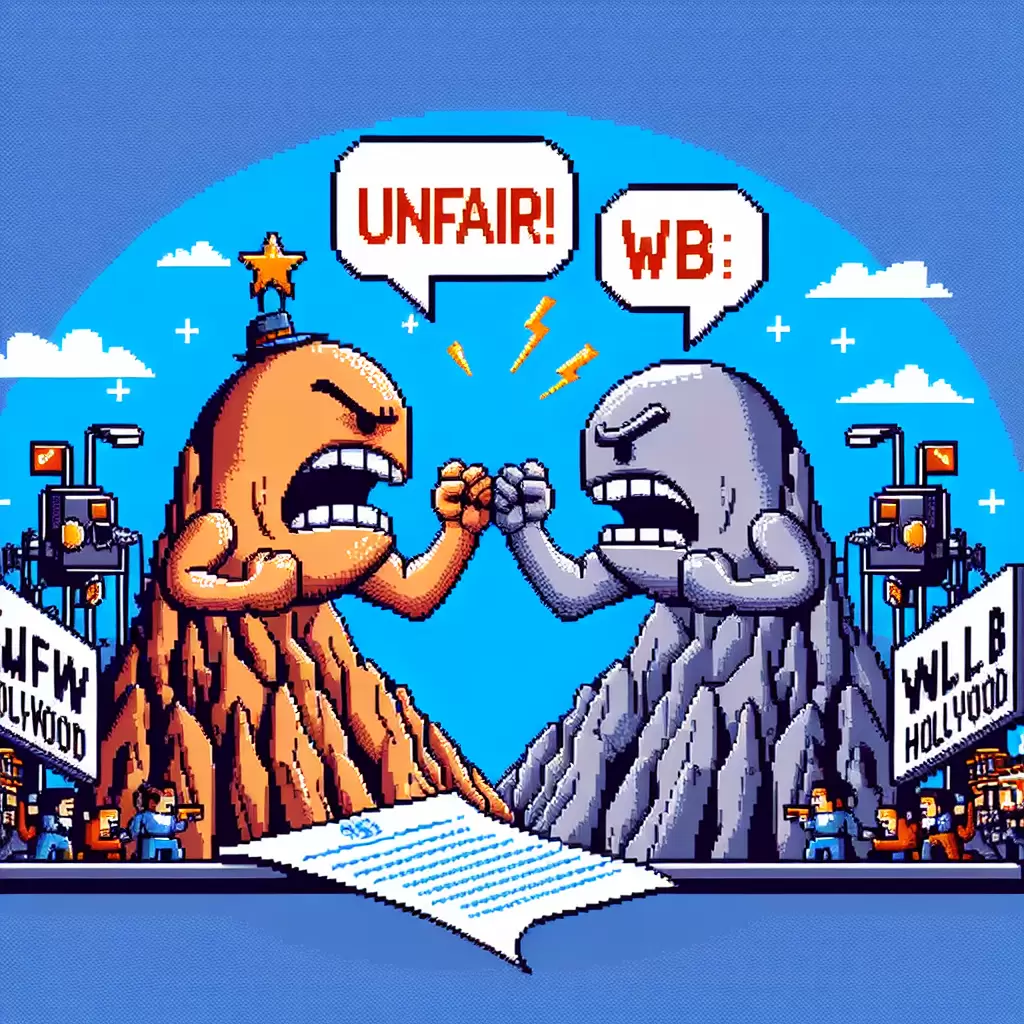
When the Auction Feels Rigged: Paramount’s Blistering Charge Against Warner Bros. Discovery
The air in Hollywood smells faintly of scorched popcorn and boardroom fireworks. In a high-stakes auction for Warner Bros. Discovery’s prized studio and streaming assets, Paramount — led by David Ellison’s Paramount Skydance — fired off a blistering letter accusing WBD’s sale process of being “tilted” and unfair, singling out Netflix as the apparent favored suitor. The accusation isn’t just corporate chest-thumping; it challenges the integrity of one of the biggest media transactions of the decade and raises questions about how contests for cultural crown jewels are run. (au.variety.com)
Why this matters right now
- The sale involves iconic IP (Warner Bros. film franchises and HBO content), deep strategic implications for streaming competition, and potential regulatory scrutiny.
- Paramount is the only bidder offering to buy the entire company; Netflix and Comcast targeted primarily the studio and streaming assets — a material difference in offer scope.
- Paramount’s charge goes beyond price: it alleges management conflicts of interest, pre-determined outcomes, and preferential treatment that could undermine shareholder duty and competitive fairness. (au.variety.com)
The arc of events (quick background)
- Warner Bros. Discovery announced a process to solicit offers for its studio and streaming assets after strategic reviews and shareholder pressure.
- Multiple bidders emerged, with Paramount Skydance proposing an all-cash offer for the entire company, and Netflix and Comcast focused on the studio/streaming pieces.
- On December 3–4, 2025, Paramount’s lawyers sent a letter to WBD CEO David Zaslav asserting the auction had been “tainted” and urging the formation of an independent special committee to steer a fair process. WBD acknowledged receipt and defended the process. (au.variety.com)
The key points Paramount raised
- The process appeared “tilted” toward a single bidder, notably Netflix, driven by management “chemistry” and enthusiasm for that outcome. (au.variety.com)
- Alleged amendments to employment arrangements and possible post-transaction incentives created conflicts that could bias decision-making. (au.variety.com)
- Paramount emphasized that its bid for the whole company would be more likely to survive regulatory review than a Netflix deal focused only on studios and streaming, and argued shareholders deserved a truly impartial auction. (fortune.com)
What supporters and skeptics will say
- Supporters of Paramount’s stance:
- Fair process matters as much as price — procedural integrity protects shareholder value and prevents cozy deals behind closed doors.
- A full-company bid should be evaluated on its own merits, especially if it better preserves vertical integration and long-term competitive dynamics. (latimes.com)
- Skeptics will note:
- Boards routinely weigh operative fit, risk, and likelihood of regulatory approval; preferring a cleaner, mostly-cash deal for studio and streaming assets isn’t automatically nefarious.
- Saying management “prefers” one bidder can conflate personal enthusiasm with fiduciary assessments about which offer is most likely to close and create value. (reuters.com)
The broader stakes for Hollywood and consumers
- Market concentration: If Netflix acquires Warner Bros. studios and HBO content, the streaming landscape compresses further around a global player with a vast content library — raising antitrust eyebrows. (theguardian.com)
- Creative ecosystems: Studio ownership changes can reshape greenlights, theatrical windows, and how franchises are stewarded — decisions that ripple into production jobs and global distribution strategies.
- Shareholder precedent: How WBD handles this will be watched by other boards and bidders — a perceived compromise in process could chill future deal competition or invite more aggressive legal challenges.
Three takeaways worth bookmarking
- Process can be as important as price: Allegations of procedural unfairness can derail or delay deals even when the headline numbers are big. (au.variety.com)
- Scope matters: An all-in acquisition offer carries different regulatory and strategic calculus than carve-outs for studios and streaming. (fortune.com)
- The optics of “chemistry” and executive incentives are real: Boards must document independent decisions to avoid accusations that outcomes were preordained. (au.variety.com)
My take
This fight reads like a modern Hollywood thriller: huge stakes, larger-than-life brands, and the kind of behind-the-scenes maneuvers investors and creatives will debate for years. Paramount’s letter is a blunt instrument — it’s designed both to defend a competitive bid and to force procedural transparency. Even if WBD believes Netflix’s offer is objectively superior, the board now faces a reputational and legal risk if it can’t demonstrate a documented, disinterested evaluation. In short: winning the auction won’t be the end of the story — proving the auction was fair might be just as important. (au.variety.com)
Final thoughts
Auctions for cultural empires are messy and emotional because they touch franchises people grew up with and powerful public brands. Whether this turns into litigation, regulatory review, or a negotiated close, the episode underscores something simple: in media M&A, what looks like a business decision quickly becomes a story about power, stewardship, and the future of storytelling itself.
Sources
Related update: We recently published an article that expands on this topic: read the latest post.

Paramount Layoffs After Skydance Merger: What Happened and Why It Matters
Introduction — a quick hook
Paramount has begun a sweeping round of layoffs that reach across CBS Entertainment, Paramount+, MTV and other properties — a major consolidation move that follows its recent merger with Skydance. For employees, viewers and creators, the cuts signal a new era of cost-focused consolidation at one of Hollywood’s biggest media houses.
What’s going on (context and background)
In August 2025 Skydance and Paramount completed a high-profile merger that combined Skydance’s production muscle with Paramount’s legacy TV and streaming businesses. Within weeks, new leadership set out a plan to reduce overlap, streamline operations and cut costs — a process that culminated in layoffs that began in late October 2025.
The first wave eliminated roughly 1,000 roles across multiple divisions, with company statements and reporting indicating the total reduction will be about 2,000 jobs (around 10% of the combined workforce) once subsequent rounds are complete. A memo from CEO David Ellison framed the cuts as part of restructuring after the merger; outside reporting has also described a broader target of substantial cost savings as Paramount refocuses priorities under the Skydance-led management team.
Why this matters
- It affects major content and distribution units: staff reductions touch broadcast (CBS), streaming (Paramount+), youth and music networks (MTV) and other cable and studio operations — meaning decisions about programming, development and day-to-day operations could change.
- Industry ripple effects: large-scale layoffs immediately alter project staffing, timelines and freelance opportunities and can influence what kinds of shows and formats get greenlit.
- Strategic repositioning: the move signals that the new leadership is prioritizing efficiency and margin improvement, which may change long-term creative strategy (fewer, higher-budget tentpoles vs. broader slates; more franchise-focused content; emphasis on profitable streaming models).
Key takeaways
- Paramount Skydance has begun mass layoffs following the August 2025 merger; about 1,000 jobs were cut in the first wave and roughly 2,000 jobs in total are expected. (October 2025 reporting.)
- Cuts span CBS Entertainment, Paramount+, MTV and other divisions — not limited to a single business unit.
- The layoffs are part of a broader cost-cutting and restructuring plan under new CEO David Ellison aimed at eliminating overlap and realigning the combined company.
- Industry consequences include potential delays or cancellations of projects, shifts in commissioning strategy, and reduced staffing for news, production and development teams.
- This is consistent with typical post-merger consolidation, but the scale and timing mean the effects will be widely felt across creative and corporate ranks.
Scannable snapshot: who’s affected and what to watch
- Affected groups: corporate staff, production and development teams, cable network personnel, and some news and streaming operations.
- Near-term risks: halted projects, fewer development deals, hiring freezes, and an increase in freelance competition.
- What to watch next: official company disclosures (quarterly earnings and SEC filings), statements from division leaders (CBS, Paramount+), and follow-up reporting on which teams and shows are most impacted.
Short concluding reflection
Mergers promise scale and new capabilities, but they also bring hard choices. The Paramount–Skydance layoffs are a stark reminder that corporate consolidation often translates into sharper editorial and staffing decisions on the ground. For viewers, the biggest question will be whether these cuts narrow the range of original voices and experimentation on air and on streaming — and for the industry, whether the refocused Paramount produces a smaller slate of more concentrated hits or a leaner, but less diverse offering.
Sources
Related update: We recently published an article that expands on this topic: read the latest post.