
A corporate cliffhanger: Paramount may try a hostile route to buy Warner Bros.
The takeover drama playing out at the top of Hollywood feels like one of those plotlines studios used to pay millions to produce — boardroom tussles, billionaire families, blockbuster IP, and a rival streaming giant walking away with the crown jewels. But the twist that landed over the last week is this: after Netflix won the auction for Warner Bros., reports say Paramount is now considering going straight to Warner shareholders with a hostile bid.
Why this matters (and why it’s thrilling)
- This is not just about two studios swapping assets. It’s about who controls some of the most valuable franchises and TV libraries in the world — HBO, DC, Warner’s film slate, and vast back catalogs — and the consequences that consolidation would have for theaters, creators, competition, and subscriptions.
- A hostile approach — taking an offer directly to shareholders rather than winning the board’s blessing — signals a major escalation. It’s a maneuver that invites legal fights, regulatory scrutiny, PR battles, and, possibly, concessions or divestitures to get a deal cleared.
Quick snapshot of what happened
- Netflix struck an agreement to buy Warner Bros.’ studio and streaming assets in a deal reported in early December 2025, offering a mix of cash and stock that Warner’s board accepted. (The deal is large enough and politically sensitive enough that regulatory review is expected to be intense.)
- Paramount — backed by the Ellison family and recently active in M&A moves — submitted competing offers during the auction and was reportedly unhappy with how the sale process unfolded.
- After Netflix’s bid prevailed, reports surfaced that Paramount may bypass the boardroom and take an offer directly to Warner shareholders — the classic hostile-takeover playbook.
The high-stakes players
- Netflix: The new suitor-turned-owner of Warner’s studios and HBO content (pending regulatory approval), which gains a huge portfolio of franchises and a powerful content library.
- Warner Bros. Discovery: The seller, which has been restructuring and planned a split of cable assets from its studios and streaming business.
- Paramount (Skydance/controlled by the Ellison family): The aggrieved bidder reportedly considering a shareholder-level attack to buy Warner outright.
- Regulators, unions, and theater chains: All stakeholders who could shape how (or if) any mega-deal clears.
Useful context
- Warner’s assets are unusually valuable because of ongoing streaming demand for high-quality content and well-known IP (DC, Harry Potter-related rights, HBO shows). Combining that with Netflix’s global distribution would create enormous scale.
- Hostile bids are rare in modern media M&A because the process is messy and attracts intense regulatory and public scrutiny. But when strategic value is high and bidders are wealthy and motivated, boards and management teams sometimes find themselves in the crossfire.
- Even a successful hostile offer rarely means an instant, clean integration. Regulators often demand divestitures or behavioral remedies, and the combined company may need to sell or spin off parts to satisfy antitrust concerns.
Headline risks and strategic levers
- Antitrust scrutiny: A Paramount–Warner combo (if attempted) would combine two legacy studios plus major streaming services, which could push box-office and streaming market shares into territory that triggers heavy regulatory pushback.
- Shareholder calculus: Warner shareholders might like a higher cash offer — but boards often prefer offers that preserve longer-term value (for example, Netflix’s proposal included stock exposure that the board found attractive). Getting shareholders to ignore the board’s recommendation is difficult and costly.
- Political and public pressure: Unions, theater owners, and public-interest voices are quick to oppose concentration that could shrink creative jobs or theatrical windows.
- Financing and break fees: Large deals typically include break fees and financing terms that can shape bidders’ willingness to pursue a hostile route.
Options on the table
- Paramount could launch a tender offer, offering cash at a premium and asking shareholders to sell directly — a fast but aggressive route.
- Paramount could pursue a proxy fight to change Warner’s board, a slower and riskier path that tries to win shareholder votes to replace directors and approve a deal.
- Alternatively, Paramount could negotiate for a negotiated sale or carve-outs (less likely now that Netflix has an accepted bid).
What the market and Hollywood should watch next
- Whether Paramount actually files a tender offer or proxy materials (formal steps are required under U.S. securities rules).
- Statements from Warner’s board and management explaining why they chose Netflix and whether they’ll recommend shareholders reject a hostile approach.
- Regulatory signals from the DOJ and international competition authorities — their posture will largely determine how much any buyer must divest.
- Reactions from creative talent and unions — strong public opposition could sway regulators and complicate integration plans.
A few likely outcomes
- Paramount blinks and stands down: The costs (legal, regulatory, PR) of a hostile bid outweigh the benefits, especially against a well-capitalized Netflix offer.
- A limited sale or asset carve-out: Regulators or negotiating parties may push any acquirer to sell or spin off specific assets (e.g., news networks, sports rights) to reduce concentration risk.
- Extended litigation and regulatory delay: A hostile move could trigger lawsuits, shareholder litigation, and prolonged regulatory review that delays any closing for many months.
My take
This is the kind of corporate theater Hollywood rarely stages but always watches with popcorn in hand. Paramount’s reported willingness to consider a hostile route shows how valuable Warner’s studios and streaming assets are — and how high the stakes remain for control of content in the streaming era.
Even if Paramount ultimately decides not to proceed, the episode will leave scars: it will highlight how boards balance cash now versus strategic upside later, how shareholders are courted during mega-deals, and how regulators and public opinion are front-row players. Whatever happens next, expect drama, negotiations, and a long regulatory road that will reshape the industry’s competitive map.
Things to remember
- A board’s preference isn’t always the final say — shareholders can be persuaded, but hostile offers are costly and complicated.
- Regulators are the real wildcard: even a winning tender can be undone or reshaped by antitrust requirements.
- The fate of theaters, creators, and employees could hinge on the remedies imposed — this isn’t just corporate chess; it affects livelihoods and how audiences experience films and TV.
Sources
Related update: We recently published an article that expands on this topic: read the latest post.
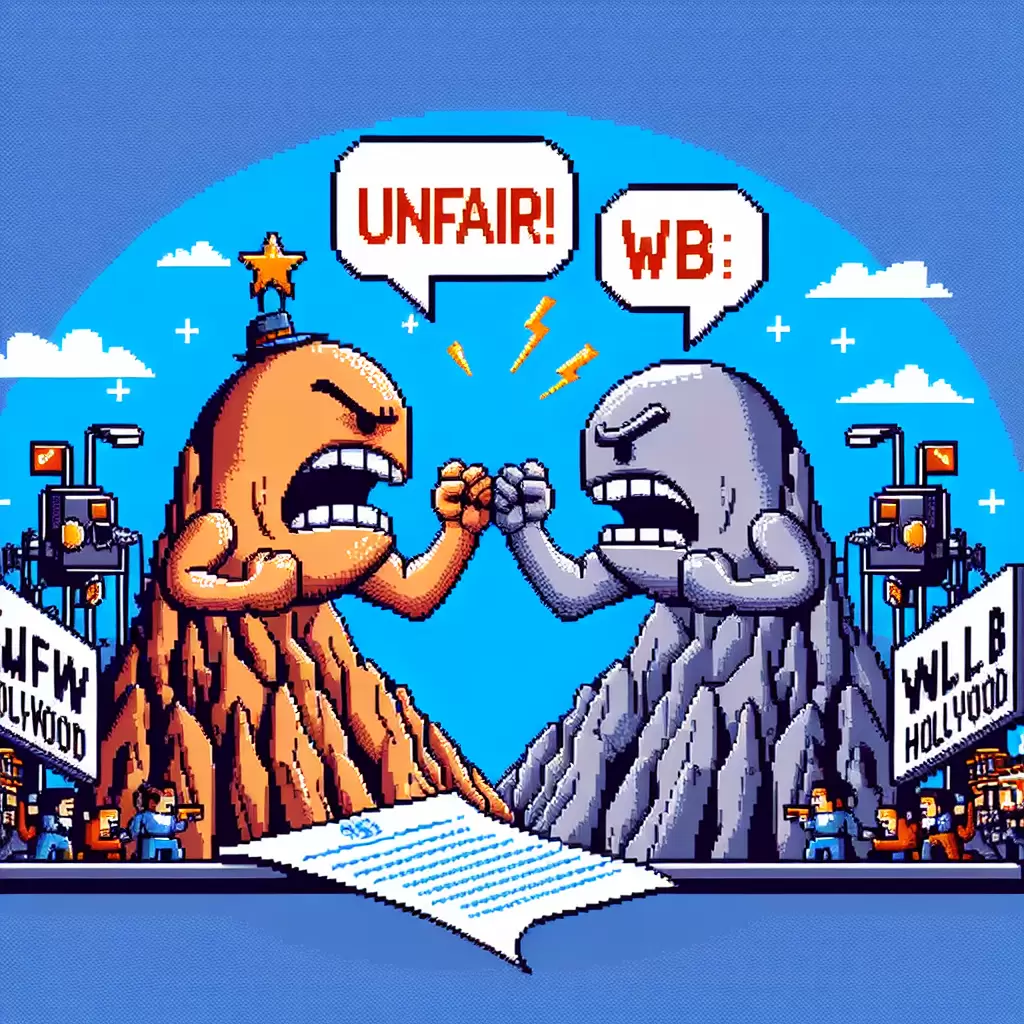
When the Auction Feels Rigged: Paramount’s Blistering Charge Against Warner Bros. Discovery
The air in Hollywood smells faintly of scorched popcorn and boardroom fireworks. In a high-stakes auction for Warner Bros. Discovery’s prized studio and streaming assets, Paramount — led by David Ellison’s Paramount Skydance — fired off a blistering letter accusing WBD’s sale process of being “tilted” and unfair, singling out Netflix as the apparent favored suitor. The accusation isn’t just corporate chest-thumping; it challenges the integrity of one of the biggest media transactions of the decade and raises questions about how contests for cultural crown jewels are run. (au.variety.com)
Why this matters right now
- The sale involves iconic IP (Warner Bros. film franchises and HBO content), deep strategic implications for streaming competition, and potential regulatory scrutiny.
- Paramount is the only bidder offering to buy the entire company; Netflix and Comcast targeted primarily the studio and streaming assets — a material difference in offer scope.
- Paramount’s charge goes beyond price: it alleges management conflicts of interest, pre-determined outcomes, and preferential treatment that could undermine shareholder duty and competitive fairness. (au.variety.com)
The arc of events (quick background)
- Warner Bros. Discovery announced a process to solicit offers for its studio and streaming assets after strategic reviews and shareholder pressure.
- Multiple bidders emerged, with Paramount Skydance proposing an all-cash offer for the entire company, and Netflix and Comcast focused on the studio/streaming pieces.
- On December 3–4, 2025, Paramount’s lawyers sent a letter to WBD CEO David Zaslav asserting the auction had been “tainted” and urging the formation of an independent special committee to steer a fair process. WBD acknowledged receipt and defended the process. (au.variety.com)
The key points Paramount raised
- The process appeared “tilted” toward a single bidder, notably Netflix, driven by management “chemistry” and enthusiasm for that outcome. (au.variety.com)
- Alleged amendments to employment arrangements and possible post-transaction incentives created conflicts that could bias decision-making. (au.variety.com)
- Paramount emphasized that its bid for the whole company would be more likely to survive regulatory review than a Netflix deal focused only on studios and streaming, and argued shareholders deserved a truly impartial auction. (fortune.com)
What supporters and skeptics will say
- Supporters of Paramount’s stance:
- Fair process matters as much as price — procedural integrity protects shareholder value and prevents cozy deals behind closed doors.
- A full-company bid should be evaluated on its own merits, especially if it better preserves vertical integration and long-term competitive dynamics. (latimes.com)
- Skeptics will note:
- Boards routinely weigh operative fit, risk, and likelihood of regulatory approval; preferring a cleaner, mostly-cash deal for studio and streaming assets isn’t automatically nefarious.
- Saying management “prefers” one bidder can conflate personal enthusiasm with fiduciary assessments about which offer is most likely to close and create value. (reuters.com)
The broader stakes for Hollywood and consumers
- Market concentration: If Netflix acquires Warner Bros. studios and HBO content, the streaming landscape compresses further around a global player with a vast content library — raising antitrust eyebrows. (theguardian.com)
- Creative ecosystems: Studio ownership changes can reshape greenlights, theatrical windows, and how franchises are stewarded — decisions that ripple into production jobs and global distribution strategies.
- Shareholder precedent: How WBD handles this will be watched by other boards and bidders — a perceived compromise in process could chill future deal competition or invite more aggressive legal challenges.
Three takeaways worth bookmarking
- Process can be as important as price: Allegations of procedural unfairness can derail or delay deals even when the headline numbers are big. (au.variety.com)
- Scope matters: An all-in acquisition offer carries different regulatory and strategic calculus than carve-outs for studios and streaming. (fortune.com)
- The optics of “chemistry” and executive incentives are real: Boards must document independent decisions to avoid accusations that outcomes were preordained. (au.variety.com)
My take
This fight reads like a modern Hollywood thriller: huge stakes, larger-than-life brands, and the kind of behind-the-scenes maneuvers investors and creatives will debate for years. Paramount’s letter is a blunt instrument — it’s designed both to defend a competitive bid and to force procedural transparency. Even if WBD believes Netflix’s offer is objectively superior, the board now faces a reputational and legal risk if it can’t demonstrate a documented, disinterested evaluation. In short: winning the auction won’t be the end of the story — proving the auction was fair might be just as important. (au.variety.com)
Final thoughts
Auctions for cultural empires are messy and emotional because they touch franchises people grew up with and powerful public brands. Whether this turns into litigation, regulatory review, or a negotiated close, the episode underscores something simple: in media M&A, what looks like a business decision quickly becomes a story about power, stewardship, and the future of storytelling itself.
Sources
Related update: We recently published an article that expands on this topic: read the latest post.

Paramount Layoffs After Skydance Merger: What Happened and Why It Matters
Introduction — a quick hook
Paramount has begun a sweeping round of layoffs that reach across CBS Entertainment, Paramount+, MTV and other properties — a major consolidation move that follows its recent merger with Skydance. For employees, viewers and creators, the cuts signal a new era of cost-focused consolidation at one of Hollywood’s biggest media houses.
What’s going on (context and background)
In August 2025 Skydance and Paramount completed a high-profile merger that combined Skydance’s production muscle with Paramount’s legacy TV and streaming businesses. Within weeks, new leadership set out a plan to reduce overlap, streamline operations and cut costs — a process that culminated in layoffs that began in late October 2025.
The first wave eliminated roughly 1,000 roles across multiple divisions, with company statements and reporting indicating the total reduction will be about 2,000 jobs (around 10% of the combined workforce) once subsequent rounds are complete. A memo from CEO David Ellison framed the cuts as part of restructuring after the merger; outside reporting has also described a broader target of substantial cost savings as Paramount refocuses priorities under the Skydance-led management team.
Why this matters
- It affects major content and distribution units: staff reductions touch broadcast (CBS), streaming (Paramount+), youth and music networks (MTV) and other cable and studio operations — meaning decisions about programming, development and day-to-day operations could change.
- Industry ripple effects: large-scale layoffs immediately alter project staffing, timelines and freelance opportunities and can influence what kinds of shows and formats get greenlit.
- Strategic repositioning: the move signals that the new leadership is prioritizing efficiency and margin improvement, which may change long-term creative strategy (fewer, higher-budget tentpoles vs. broader slates; more franchise-focused content; emphasis on profitable streaming models).
Key takeaways
- Paramount Skydance has begun mass layoffs following the August 2025 merger; about 1,000 jobs were cut in the first wave and roughly 2,000 jobs in total are expected. (October 2025 reporting.)
- Cuts span CBS Entertainment, Paramount+, MTV and other divisions — not limited to a single business unit.
- The layoffs are part of a broader cost-cutting and restructuring plan under new CEO David Ellison aimed at eliminating overlap and realigning the combined company.
- Industry consequences include potential delays or cancellations of projects, shifts in commissioning strategy, and reduced staffing for news, production and development teams.
- This is consistent with typical post-merger consolidation, but the scale and timing mean the effects will be widely felt across creative and corporate ranks.
Scannable snapshot: who’s affected and what to watch
- Affected groups: corporate staff, production and development teams, cable network personnel, and some news and streaming operations.
- Near-term risks: halted projects, fewer development deals, hiring freezes, and an increase in freelance competition.
- What to watch next: official company disclosures (quarterly earnings and SEC filings), statements from division leaders (CBS, Paramount+), and follow-up reporting on which teams and shows are most impacted.
Short concluding reflection
Mergers promise scale and new capabilities, but they also bring hard choices. The Paramount–Skydance layoffs are a stark reminder that corporate consolidation often translates into sharper editorial and staffing decisions on the ground. For viewers, the biggest question will be whether these cuts narrow the range of original voices and experimentation on air and on streaming — and for the industry, whether the refocused Paramount produces a smaller slate of more concentrated hits or a leaner, but less diverse offering.
Sources
Related update: We recently published an article that expands on this topic: read the latest post.
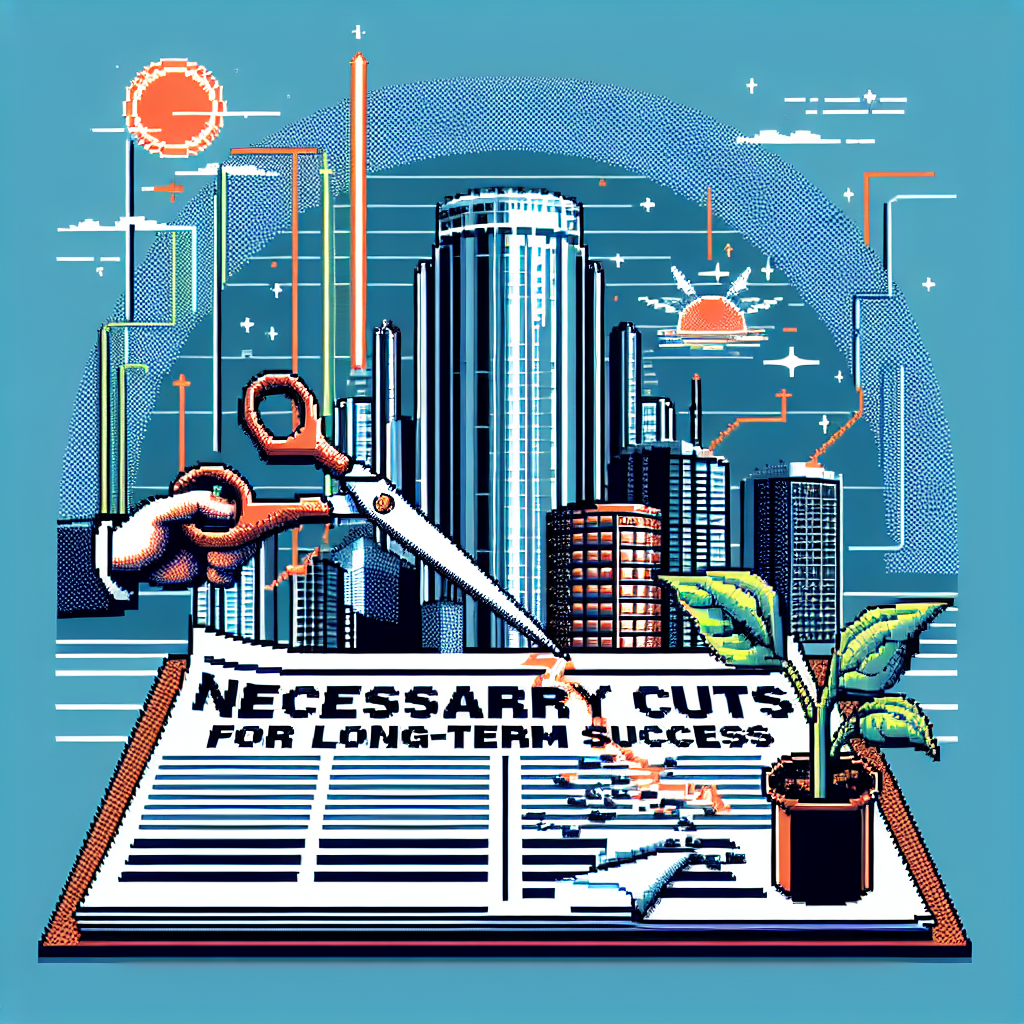
Paramount layoffs: what David Ellison’s memo tells us about the “new” Paramount
The pink slips that hit Paramount this week aren’t just a headcount trim—they’re a statement of strategy. In a memo to staff, Chairman and CEO David Ellison framed sweeping layoffs as “necessary” to position the newly merged Paramount Skydance for long‑term success. If you work in media—or watch it closely—this is a moment to pay attention to.
What happened and why it matters
Paramount Skydance began notifying roughly 1,000 employees of job cuts this week, with additional rounds expected as the company targets about 2,000 roles in total—around 10% of its workforce. Ellison’s message to employees cited two drivers: eliminating redundancies created by the Skydance-Paramount merger and phasing out roles that no longer fit the company’s evolving priorities. The reductions span TV, film, streaming, and corporate teams. Variety first reported details of the memo and the day’s actions. Reuters and the Associated Press corroborated the scale and timing, noting the merger closed in August and that deeper cost savings—up to $2 billion—have been a stated goal. (au.variety.com)
Context: the Skydance-Paramount reset
- The deal: Skydance completed its acquisition of Paramount in August 2025, ushering in Ellison as CEO and launching what leadership calls “the new Paramount.” Job cuts following major mergers are common, and management had foreshadowed restructuring and consolidation. (apnews.com)
- The numbers: Paramount reported about 18,600 full‑ and part‑time employees at year‑end 2024 (plus project-based staff). A 2,000‑person reduction would be roughly 10%—material enough to reshape org charts and product roadmaps. (reuters.com)
- The strategy mix: Even as it trims staff, Paramount Skydance has been aggressive on content and portfolio moves since summer, part of a push to refocus the business and chase growth. (au.variety.com)
What Ellison’s memo signals
- Consolidate to compete: The note emphasizes removing overlap and reorienting resources to growth areas. In practice, expect tighter greenlight discipline, fewer parallel teams, and a sharper slate strategy. (au.variety.com)
- Cost savings fuel offense: Leadership has talked about billions in savings. The near‑term pain is designed to free up room for bigger bets—rights deals, franchises, and technology investments that can scale across platforms. (au.variety.com)
- More change ahead: With additional cuts expected after this initial 1,000, this is a process, not a one‑day event. Integration workstreams and business-line realignments will likely continue into 2026. (au.variety.com)
Implications across the media stack
- Streaming: Expect a tightened content funnel and stronger cross‑promotion across Paramount+ and linear assets, prioritizing franchises and live tentpoles that travel globally.
- Film and TV studios: Fewer overlapping development tracks and a bigger emphasis on IP with multi‑platform potential.
- News and sports: Big rights packages and marquee news brands can anchor bundles and advertising; back‑office consolidation is likely to continue as teams standardize tooling and workflows.
Key takeaways
- Paramount Skydance began an initial round of about 1,000 layoffs, part of a broader plan targeting roughly 2,000 (about 10% of staff). (au.variety.com)
- Ellison’s memo frames the cuts as essential for long‑term growth—eliminating redundancies and realigning roles after the Skydance merger. (au.variety.com)
- Management has targeted up to $2 billion in cost savings; expect ongoing restructuring through multiple divisions. (au.variety.com)
- Even amid cuts, the company is pursuing offensive moves (content and portfolio plays), signaling a leaner but bolder strategy. (au.variety.com)
A brief reflection
Layoffs are always personal before they’re strategic. For the people affected, this week is wrenching. For the company, it’s a bet that a smaller, more focused Paramount can compete in a scale‑obsessed, hit‑driven market. The next six to twelve months—what gets greenlit, what gets sold, and how the organization actually executes—will tell us whether “necessary”
Related update: We recently published an article that expands on this topic: read the latest post.