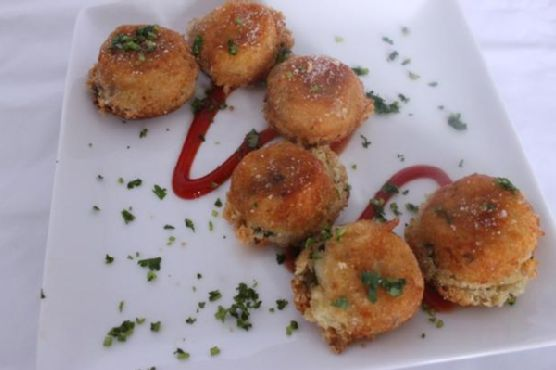
Sardine Croquettes (Croquetas De Sardinas) | Made by Meaghan Moineau

Sardine Croquettes (Croquetas De Sardinas)

Intro

There’s something truly magical about recipes that transport us back to cherished moments from our past. For me, sardine croquettes are a delightful reminder of family gatherings in my grandmother’s cozy kitchen. I remember sitting on a stool, watching her expertly shape the croquettes, her hands moving with a rhythm that was both practiced and loving. The aroma of frying croquettes filled the air, mingling with laughter and stories shared among family members. In this blog post, I am excited to share with you this beloved recipe for Sardine Croquettes, or as we say in Spanish, Croquetas de Sardinas. It’s a dish that brings warmth and connection, perfect for sharing with loved ones.

Why You’ll Love It

These Sardine Croquettes are a fantastic way to enjoy the rich flavors of sardines in a crispy, golden-brown package. Here’s why you’ll love them:

  • Quick and Easy: Using canned sardines and frozen cassava saves time without compromising on taste.
  • Flavorful: The combination of sardines, parmesan cheese, and fresh cilantro creates a savory and delightful bite.
  • Versatile: Perfect as an appetizer, snack, or main dish; they pair wonderfully with a simple salad or a tangy dip.
  • Nostalgic: A recipe that brings a taste of traditional Spanish cuisine to your table.

Ingredients

  • 1 can of sardines
  • 500g frozen cassava (yuca)
  • 1/2 cup grated parmesan cheese
  • 2 egg yolks
  • 2 egg whites
  • 1 teaspoon baking powder
  • 1 cup plain bread crumbs
  • 2 tablespoons chopped cilantro
  • Oil for frying
  • Salt & pepper to taste

Instructions

  1. Start by cooking the frozen cassava. In a pot with salted water, cook the cassava until fork tender, which usually takes about 20-25 minutes.
  2. Once the cassava is cooked thoroughly, drain the water and mash it until smooth.
  3. Add the canned sardines (drained), parmesan cheese, egg yolks, baking powder, salt, pepper, and chopped cilantro to the mashed cassava. Mix well until all ingredients are combined.
  4. Preheat oil in a frying pan over medium heat.
  5. With wet hands, form the sardine mixture into small balls.
  6. Dip each ball into the egg whites, then roll it in the bread crumbs to coat evenly.
  7. Fry the croquettes in the preheated oil until they are golden brown on all sides, about 3-4 minutes per side.
  8. Once cooked, let them rest on a double-lined paper towel to remove excess oil.
  9. Serve warm, accompanied by ketchup or your favorite dipping sauce.

Tips

  • Keep your hands wet when forming the croquettes to prevent the mixture from sticking.
  • For an extra crispy texture, you can double-dip the croquettes in the egg whites and bread crumbs.
  • Ensure the oil is hot enough before frying; otherwise, the croquettes may absorb too much oil.

Variations & Substitutions

  • Cheese: Swap parmesan with pecorino or even mozzarella for a different flavor profile.
  • Herbs: Substitute cilantro with parsley or dill for a different herbal touch.
  • Gluten-Free: Use gluten-free bread crumbs to make this recipe suitable for those with gluten sensitivities.

Storage

Store any leftover croquettes in an airtight container in the refrigerator for up to three days. To reheat, place them in a preheated oven at 350°F (175°C) for about 10 minutes to regain their crispiness.

FAQ

Can I use fresh cassava instead of frozen?

Absolutely! If you prefer using fresh cassava, peel and cut it into chunks before boiling. It might take a bit longer to cook, but the result will be just as delicious.

What can I serve with sardine croquettes?

Sardine croquettes pair well with a fresh green salad, roasted vegetables, or even a simple tomato and onion relish. They are also delicious on their own with a side of dipping sauce.

Nutrition

While the exact nutritional content may vary, these sardine croquettes are a good source of protein and healthy fats from the sardines. Cassava provides a carbohydrate base, making this dish a satisfying and balanced option.

Conclusion

Sardine Croquettes are a wonderful way to bring the heart and soul of Spanish cuisine into your home. They are easy to make, bursting with flavor, and perfect for sharing with friends and family. Whether you’re reminiscing about fond memories or creating new ones, I hope this recipe brings a bit of joy and deliciousness to your table. Enjoy!

Related update: Sardine Croquettes (Croquetas De Sardinas)

Related update: Steamed Artichokes With Roasted Red Pepper Aioli

Related update: Japanese Gyoza Pot Stickers
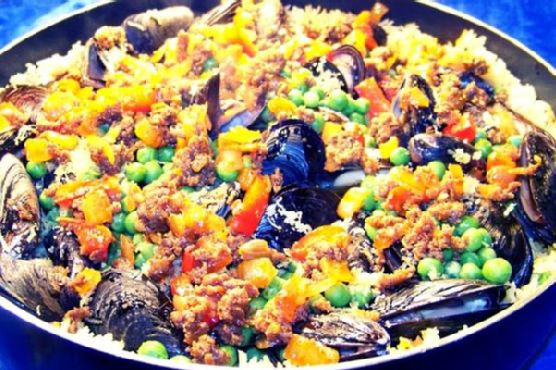
Mixed Paella | Made by Meaghan Moineau

Mixed Paella: A Hearty Feast for the Soul

Intro

Paella is more than just a dish; it’s a vibrant celebration of flavors and textures that brings people together. This Mixed Paella recipe has been a cherished staple in my family for generations, often making an appearance during our Sunday gatherings. I vividly recall the tantalizing aroma that filled my grandmother’s kitchen as she skillfully prepared the dish, her laughter mingling with the sizzle of chorizo in the pan. It’s a dish that carries with it the warmth and love of home, a culinary tradition I am thrilled to share with you today.

Why You’ll Love It

This Mixed Paella is a delightful medley of seafood, meat, and aromatic spices, making it a complete meal that is sure to satisfy. The harmonious blend of flavors from the saffron-infused rice, savory chorizo, and tender fish and shrimp creates a symphony on your palate. It’s a dish that’s both comforting and impressive, perfect for both casual family meals and special occasions. Plus, it’s a one-pan wonder that simplifies cleanup, allowing you more time to enjoy with your loved ones.

Ingredients

  • 1 bay leaf
  • 4 cups chicken broth
  • 1 chorizo sausage
  • 2 teaspoons extra virgin olive oil
  • 1 white fish fillet
  • 2 cloves garlic, minced
  • 1 lemon, cut into wedges
  • 1 teaspoon lemon zest
  • 1 pound mussels, cleaned
  • 1 Spanish onion, diced
  • 1/4 cup fresh parsley, chopped
  • 1/2 cup peas
  • 1 red bell pepper, diced
  • 1/2 teaspoon crushed red pepper flakes
  • 2 cups dry rice
  • 1/4 teaspoon saffron threads
  • 1/2 pound shrimp, peeled and deveined
  • 1 teaspoon thyme

Instructions

  1. In a very large non-stick skillet or paella pan preheated over medium-high heat, add 2 teaspoons of your oil (you will need more oil if you’re not using non-stick), garlic, red pepper flakes, and rice. Sauté for about 3 minutes.
  2. Add saffron, thyme, bay leaf, and chicken broth, then bring to a boil. Cover and reduce heat to a simmer. Leave covered, do not stir.
  3. In another non-stick skillet, heat to medium-high. Add chorizo and crumble as you sauté. When the sausage is cooked through, add red pepper and onion. Salt and pepper to taste if needed. Sauté until the onion is tender, then remove from heat and set aside.
  4. When the rice is nearly done (about 15 minutes), add fish and shrimp and press into rice. Add mussels, peas, and sprinkle with lemon zest. Cover and continue to simmer until the rice is done and the mussels have opened. Discard any mussels that do not open.
  5. Top with the chorizo mixture and parsley. Serve with lemon wedges and a crusty bread.

Tips

To ensure the perfect paella, resist the urge to stir the rice once the broth is added. This allows the rice to develop a crispy bottom layer known as “socarrat,” which is highly prized in traditional paella. Also, make sure to clean the mussels thoroughly and discard any that are cracked or do not close when tapped.

Variations & Substitutions

Feel free to customize your paella by swapping out ingredients based on your preferences or availability. You can use different types of seafood like clams or scallops, or substitute the chorizo with another type of sausage for a unique twist. For a vegetarian version, omit the meat and seafood entirely and add more vegetables like artichokes and green beans.

Storage

Leftover paella can be stored in an airtight container in the refrigerator for up to 3 days. To reheat, place it in a skillet over medium heat and add a splash of water or broth to retain moisture. Avoid using a microwave, as it may cause the seafood to become rubbery.

FAQ

Can I use brown rice instead of white rice?

Yes, you can use brown rice, but keep in mind that it has a longer cooking time compared to white rice. You’ll need to adjust the cooking time and possibly add more broth to ensure the rice is fully cooked.

Is it necessary to use saffron?

Saffron is a key ingredient in traditional paella, providing a unique flavor and vibrant color. However, if saffron is unavailable, you can substitute with turmeric, although the flavor will be different.

Can I freeze paella?

While it is possible to freeze paella, it’s not recommended as the texture of the seafood and rice may change upon thawing. It’s best enjoyed fresh or stored in the refrigerator for short-term use.

Nutrition

Mixed Paella is a balanced dish that combines proteins, carbohydrates, and healthy fats. With seafood providing omega-3 fatty acids and the addition of vegetables, it’s a nutritious option for a hearty meal. Adjust the portion size based on dietary needs and personal preferences.

Conclusion

This Mixed Paella recipe is a testament to the richness of Spanish cuisine, offering a delightful blend of flavors in every bite. Whether you’re sharing it with family or friends, it’s sure to be a crowd-pleaser. I hope this recipe becomes a treasured addition to your own culinary traditions, just as it has been in mine. Enjoy the process of cooking and savor the joyful moments it brings!

Related update: Mixed Paella

Related update: The Perfect Butter Beans Stew