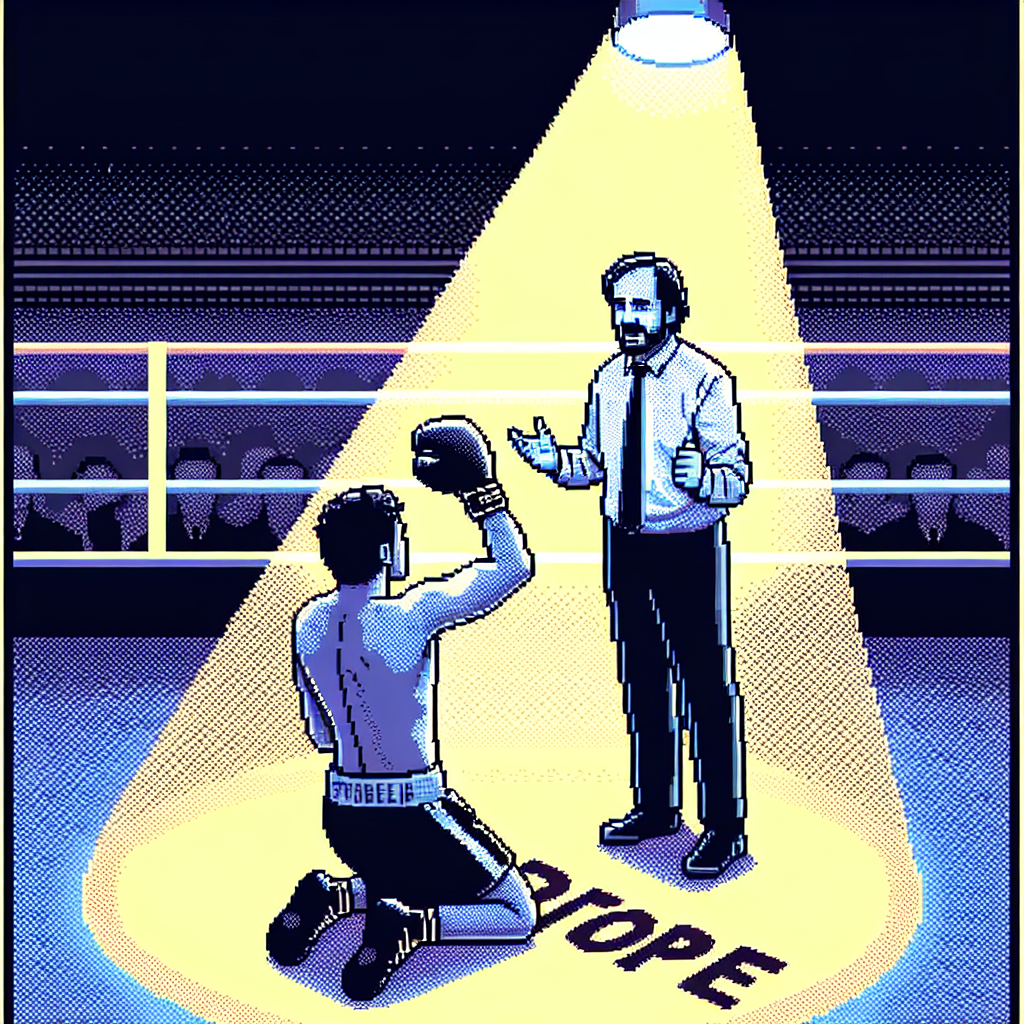
A coach’s open door: Firas Zahabi thinks he can revive Khamzat Chimaev after UFC 328
The morning after UFC 328, Firas Zahabi was blunt and public: Firas Zahabi believes he is the man to revitalize Khamzat Chimaev's career after UFC 328. It wasn't a passive tweet or a wink — Zahabi, head coach at Tristar Gym and longtime mentor to Georges St‑Pierre, openly begged Chimaev to come to Montreal and train with him and GSP. The timing — immediately following Chimaev’s first professional loss to Sean Strickland on May 9, 2026 — shaped the offer into something part diagnosis, part lifeline.
This felt different from the usual post-fight hot takes. Zahabi wasn’t critiquing from the couch; he was extending a practical fix: a coaching environment where stamina, strategy and movement get rebuilt deliberately. For a fighter like Chimaev — explosive, relentless, but visibly gassed and tactically narrow against Strickland — that kind of surgical help can be career-defining.
What happened at UFC 328 and why Zahabi reacted
UFC 328 in Newark saw Sean Strickland edge out Khamzat Chimaev via split decision, taking back the middleweight belt and handing Chimaev his first pro defeat. Official scorecards were 48-47, 48-47, 47-48 in favor of Strickland. Coverage and replay showed a five-round war that turned on conditioning, pacing, and late-round control — areas Zahabi repeatedly cited as fixable with the right camp and planning. (ufc.com)
Zahabi’s message — paraphrased and quoted in outlets that picked up his YouTube remarks — was direct: “Come train with me and Georges St‑Pierre. I promise you won’t fade. I promise you this will never happen to you again.” He doubled down on specifics: improved fitness, refined striking and footwork, and a smarter gameplan that preserves energy across five rounds. Those are exactly the marginal gains that separate a dominant grappler from a complete elite champion. (bjpenn.com)
Transitioning from peak hype to the humility of a loss is messy. For Chimaev, who built his aura on relentless takedown pressure and suffocating intensity, the Strickland fight exposed a hard truth: when plan A stalls, there needs to be a plan B that doesn’t bankrupt your energy reserves.
Why Tristar and Zahabi might actually help
- Zahabi’s coaching résumé is built on polishing elite-level fighters, most famously Georges St‑Pierre. Tristar’s approach is methodical: technical drilling, pacing strategies, and fight IQ that prioritizes winning rounds over dramatic single moments. That aligns with what Chimaev lacked at UFC 328. (en.wikipedia.org)
- Tristar offers high-level partners and a blueprint for mid- to long-term rebuilding. It’s not a quick fix — it’s hard, repetitive, and tactical work. For a mercurial, high-energy grappler, that regimen can smooth out the edges and add the endurance to stop burning out after explosive openings.
- Beyond physical prep, Zahabi promises mental reframing. Losses expose habits; a coach who can retool mental approach — when to press, when to reset, how to steal rounds on points — is worth as much as conditioning.
That’s not to romanticize the move. Fighters are human and ecosystems are complicated. Changing camps or absorbing new coaching philosophies takes time, trust, and buy-in from managers and support teams. But Zahabi’s line about “this will never happen to you again” reads less like bravado and more like confidence born of process. The question is whether Chimaev wants structural help or prefers to double down on his existing methods.
Obstacles and real-world frictions
- Logistics and loyalties matter. Chimaev trains in a specific crew and has close ties to coaches and teammates. Moving to Montreal or even embedding with Tristar temporarily would require wide agreement from his handlers.
- Style compatibility isn’t guaranteed. Chimaev’s strength is his ferocious, downhill pressure. Some coaches want to retain that identity while adding nuance; others try to remodel fundamentally. The best outcome would be complementary coaching, not a wholesale identity shift.
- Public perception and ego play roles. A fighter coming off a loss is already on a narrative knife-edge. Accepting overtures from a legendary coach helps on the optics front, but it also signals vulnerability. That’s fine, and often necessary, but it can be politically delicate.
Still, the upside is large. If Zahabi helps Chimaev add gas tank management, better lateral movement and a selective striking game to complement takedowns, the result could be a more durable—and more dangerous—champion.
Practical ways a Tristar camp could change Chimaev’s trajectory
- Drill-paced sparring that replicates five rounds at fight-intensity but teaches energy preservation.
- Footwork and separation work to create entries for takedowns that don’t cost massive bursts every minute.
- Strategic scenarios: what to do when takedowns aren’t landing, how to secure rounds with positional control or effective striking.
- Cross-disciplinary conditioning (not just wrestling cardio) to maintain output without sacrificing power.
Those aren’t theoretical. Zahabi’s track record shows teams who emphasize cerebral work and pacing can convert fighters from specialists to well-rounded champions. For Chimaev, that conversion would go a long way toward sustaining a title reign. (en.wikipedia.org)
Quick points to remember
- Zahabi publicly offered to host Chimaev and bring GSP into the process, emphasizing fitness, striking, and footwork. (bjpenn.com)
- UFC 328’s official scorecards confirm the split-decision result that ended Chimaev’s undefeated streak. (ufc.com)
- The path forward is practical but requires buy-in from Chimaev’s camps and a willingness to adapt identity as a fighter.
My take
There’s theater in Zahabi’s plea — the optics of a legendary coach extending a hand to a fallen, charismatic star. But beyond theater is a useful reality: elite athletes rarely plateau because they won’t change; they falter because they can’t adapt fast enough. Zahabi’s offer is the kind of adaptive option Chimaev needs if he’s committed to a long-term run at the top.
If Chimaev accepts, the most interesting outcome won’t be a miracle transformation overnight. It will be a quieter, steadier version of him: smarter pacing, cleaner entries, and the stamina to make seismic takedowns feel like the coup de grâce rather than a desperate bid for survival. That version would be harder to predict — and more dangerous when he does decide to explode.
Sources
- GSP’s coach offers to help Khamzat Chimaev following his defeat at UFC 328 — BJPenn. https://www.bjpenn.com/mma-news/khamzat-chimaev/gsps-coach-offers-to-help-khamzat-chimaev-following-his-defeat-at-ufc-328/ (bjpenn.com)
- UFC 328 Official Scorecards — UFC. https://www.ufc.com/news/ufc-328-official-scorecards-chimaev-vs-strickland-judges (ufc.com)
- UFC 328 results: Sean Strickland upsets Khamzat Chimaev for middleweight title — CBS Sports. https://new.cbssports.com/ufc/news/ufc-328-live-updates-results-khamzat-chimaev-sean-strickland-highlights/live/ (new.cbssports.com)
Related update: We recently published an article that expands on this topic: read the latest post.
Related update: We recently published an article that expands on this topic: read the latest post.