Five Market Moves Investors Must Know | Analysis by Brian Moineau

Morning market pulse: five things investors should know before the bell

The market opens like a morning radio dial: a few headlines, a surprise on the tape, and suddenly portfolio emotions are humming. Today’s mix feels like that—economic growth that surprised, a regulatory pause that eases tech pressure, a fresh S&P milestone, and the usual questions about where bond yields and inflation fit into the picture. Below are the five things investors should keep front of mind as trading starts.

Quick hits for busy investors

  • U.S. economic growth came in stronger than many anticipated, giving risk assets a tailwind. (apnews.com)
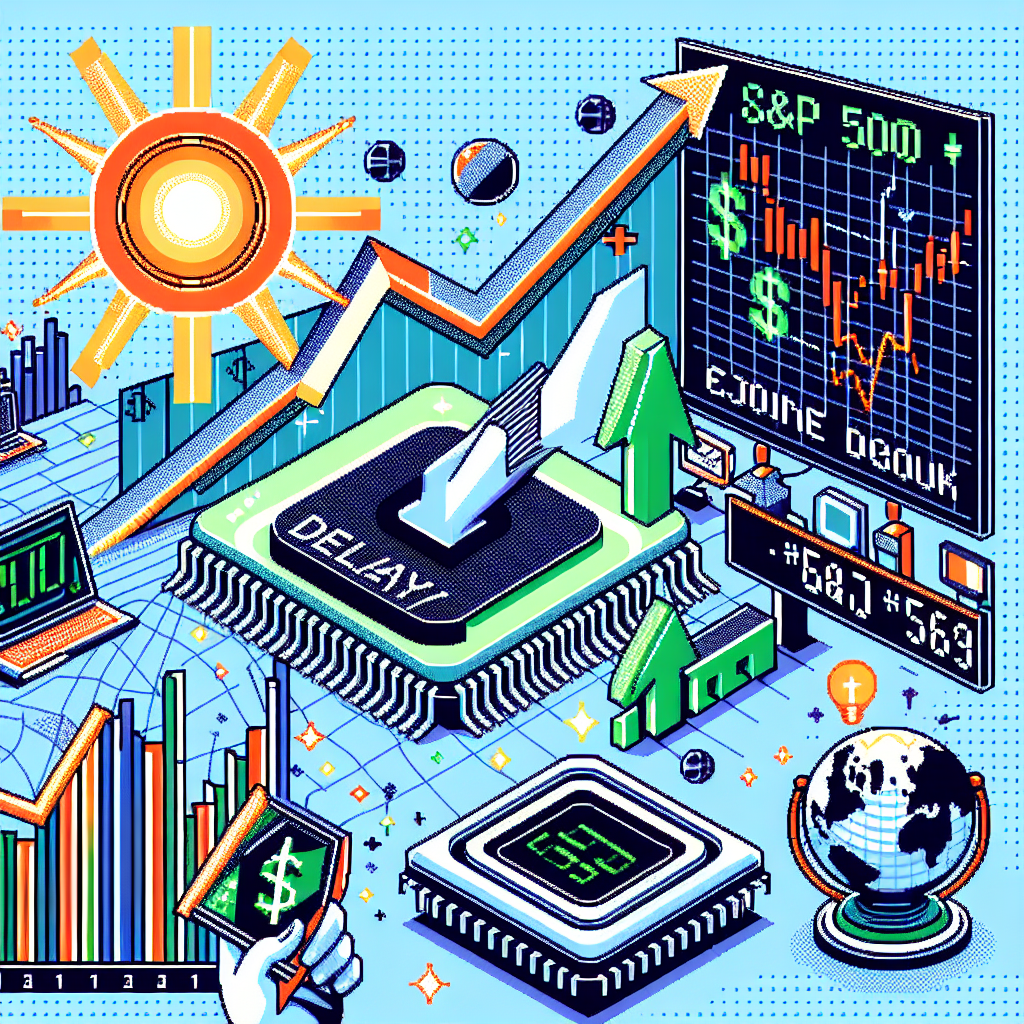
  • Washington pushed back on near-term chip tariffs, a welcome reprieve for technology and manufacturing supply chains. (reuters.com)
  • The S&P 500 hit a new record as investors leaned into tech and rate-cut hopes. (reuters.com)
  • Bond yields and inflation data remain the variables that could change the narrative quickly. (apnews.com)
  • Market breadth matters: record highs driven by a few mega-cap winners can mask underlying fragility. (reuters.com)

1. Growth surprised — but read the fine print

Headline GDP growth beat street expectations, and that’s the kind of number that wakes traders up. Strong consumption and corporate spending pushed the headline higher, which supports the bullish case for equities. But a word of caution: growth beats can be two-edged. They may lift risk assets today while also reinvigorating inflation worries that could impede Fed easing later. Watch incoming inflation gauges and labor data closely; they’ll tell you whether this growth is durable or transitory. (apnews.com)

2. The chip-tariff delay is a tactical win for tech — strategic questions remain

Regulators have delayed implementing higher tariffs on certain semiconductor imports, which eases an immediate cost shock for chip-hungry industries. For firms running supply-constrained production schedules, that delay reduces near-term margin pain and lowers the risk of disrupted product roadmaps. But delaying a tariff is not the same as solving supply-chain fragility or the long-term strategic competition over semiconductors. Expect companies to use the breathing room to update guidance — and watch capex plans for evidence of longer-term reshoring or diversification. (reuters.com)

3. S&P keeps climbing — concentration risk is real

A new S&P 500 record tells us investors are confident, particularly about large-cap tech leaders and AI beneficiaries. Yet records driven by a cluster of mega-cap names raise the question of breadth: are most companies participating, or is market performance concentrated? When indices rally on a handful of stocks, risk is asymmetric — a shock to the leaders can amplify index pain. Portfolio tilt matters: if you’re overweight the rally leaders, consider whether your position sizing and stop-loss rules reflect the elevated correlation risk. (reuters.com)

4. Rates, yields and the Fed calendar still run the show

Even with strong GDP and a tariff pause, markets are sensitive to the path of interest rates. Recent moves show investors pricing in eventual rate cuts, which supports equities and higher multiple expansion for growth stocks. But if inflation re-accelerates or payrolls surprise to the upside, the Fed’s stance could stay firmer for longer — and that would pressure risk assets. Keep an eye on ten-year yields, the upcoming inflation prints, and any Fed commentary for clues on timing and magnitude of policy shifts. (reuters.com)

5. Earnings, guidance and sentiment will determine whether this is a rally or a run-up

Macro headlines move markets intraday, but corporate results and management commentary steer the trend. Better-than-expected revenue and margin outlooks will sustain optimism; cautious guidance could snap momentum. Also watch investor sentiment indicators — flows into and out of equities, options skew, and credit spreads — because they reveal whether participants are buying the rally or hedging against it. (reuters.com)

My take

We’re in a market that rewards conviction but punishes complacency. The mix of stronger growth and a regulatory pause is a constructive backdrop for stocks — especially tech — but it also raises the stakes on inflation and Fed expectations. For investors, that suggests a balanced posture: respect the rally, but keep risk controls in place, diversify across themes that can outperform in both a slower and a faster growth environment, and stay nimble around data releases. Position sizing and active monitoring matter more now than ever.

Sources


Related update: We recently published an article that expands on this topic: read the latest post.

Related update: We recently published an article that expands on this topic: read the latest post.

Fed’s Small Cut, Big Year of Uncertainty | Analysis by Brian Moineau

A small cut, big questions: why the Fed’s December move matters more than the math

The Federal Reserve is set to act this week — widely expected to shave 25 basis points off its policy rate at the December 9–10 meeting — but the decision feels less like a crisp policy pivot and more like a weather forecast for a very foggy year ahead. Markets are pricing the cut as likely, yet Fed officials remain sharply divided about what comes next. That tension is the real story: a “hawkish cut” that eases today while signaling caution about tomorrow. (finance.yahoo.com)

Why this cut is different

  • It’s small and tactical: officials are likely to cut by 0.25 percentage points — a modest easing intended to support a slowing labor market rather than to ignite growth. (finance.yahoo.com)
  • It’s politically and institutionally noisy: unusually high numbers of dissents and public disagreement among Fed officials have surfaced, weakening the usual appearance of consensus. (wsj.com)
  • It’s defensive, not directional: the messaging is expected to emphasize that further cuts are not guaranteed and will depend on incoming data, especially payrolls and inflation signals. That is the essence of a “hawkish cut.” (finance.yahoo.com)

What led the Fed to this crossroads

Over the past year the Fed has moved from aggressive tightening (to fight high inflation) to cautious easing as jobs growth cooled and signs of economic slowing mounted. With inflation still above target in some measures and the labor market showing cracks, policymakers face two conflicting risks: easing too much could reignite inflation; easing too little could let a slowdown deepen into a recession. That trade-off explains why the Fed looks divided going into the meeting. (wbtv.com)

  • Labor market softness has become a central worry — slowing hiring and rising unemployment risk a broader slowdown. (wbtv.com)
  • Inflation remains a lingering concern, meaning many officials are reluctant to commit to a path of multiple cuts. (wbtv.com)

How markets will read the move

Expect three distinct market reactions depending on the Fed's communication:

  1. “Hawkish cut” narrative — Fed cuts now but signals a pause: short-term yields fall, risk assets rally modestly, but the rally is contained because the door for further easing is left mostly shut. This is the scenario many strategists expect. (finance.yahoo.com)
  2. Clear easing path signaled — Fed telegraphs additional cuts: bond yields and the dollar drop further, and equities get a stronger lift. Unlikely given current internal divisions but possible if data deteriorates. (reuters.com)
  3. Mixed message or large dissent — uncertainty spikes, volatility rises, and markets trade on headline interpretation rather than on concrete guidance. The Fed’s historic preference for consensus makes any multi-dissent outcome notable. (wsj.com)

CME Fed funds futures currently put a high probability on a 25 bps cut this week, but the outlook for January and beyond is much murkier — traders assign materially lower odds to a sustained easing cycle. That mismatch between near-term pricing and medium-term uncertainty is what creates the “year of unknowns.” (finance.yahoo.com)

What to watch in the Fed’s statement and Powell’s press conference

  • Language around “neutral” or “restrictive” policy: small wording shifts will be parsed for signs of more cuts. (wsj.com)
  • References to the labor market and downside risks to employment: clear talk of deterioration would open the door to additional easing. (wbtv.com)
  • Any explicit guidance on the balance sheet or Treasury bill purchases: the Fed might use Reserve Management Purchases (RMP) or other tools to manage liquidity — an outcome that could surprise markets beyond the headline rate cut. (reuters.com)

What this means for everyday borrowers, savers, and investors

  • Borrowers: A 25 bps cut can ease some short-term borrowing costs (credit cards, some variable-rate loans), but mortgage rates and longer-term borrowing are more sensitive to broader yield moves and inflation expectations, so homeowners may see only modest relief. (finance.yahoo.com)
  • Savers: Any improvement in savings rates will likely be gradual; banks don’t always pass every Fed cut through to deposit rates. (finance.yahoo.com)
  • Investors: Volatility is the likely constant. Strategies that focus on quality, cash flow, and duration management will generally fare better than high-beta short-term plays in an uncertain policy regime. (finance.yahoo.com)

Quick wins for readers who want to navigate the uncertainty

  • Keep an eye on jobs, inflation, and Fed communications — those three datapoints will steer the odds for any further cuts. (wbtv.com)
  • Reassess duration exposure in fixed-income portfolios: small cuts can lower short-term yields quickly but have a less predictable effect on long-term rates. (reuters.com)
  • For households, prioritize emergency savings and fixed-rate borrowing if you expect rates to drift unpredictably. (finance.yahoo.com)

Final thoughts

A rate cut this week would be a pragmatic, defensive step: the Fed is trying to support a labor market that looks wobbly without declaring a new era of accommodative policy. But the split among policymakers matters. When a central bank is divided, its future path is harder to forecast — and that uncertainty can ripple through markets and everyday decisions more than the quarter-point itself. In short: the math of a 25 bps cut is simple; the message the Fed sends afterward is what will determine whether 2026 becomes steadier or more unsettled. (finance.yahoo.com)

What I’m watching next

  • The Fed’s statement and Chair Powell’s December 10 press conference for clues about the January meeting and balance-sheet tools. (finance.yahoo.com)
  • December labor-market releases and inflation prints for signs that could prompt either more easing or a pause. (wbtv.com)

Notes for readers

  • The Fed meeting dates are December 9–10, 2025; markets and commentators are highly focused on both the rate decision and the tone of the Fed’s forward guidance. (finance.yahoo.com)

Sources


Related update: We recently published an article that expands on this topic: read the latest post.


Related update: We recently published an article that expands on this topic: read the latest post.

S&P Dips as ADP Flags Cooling Jobs Market | Analysis by Brian Moineau

S&P slips, ADP signals softer jobs market — live market mood

The mood on Wall Street this week felt like a weather shift: one moment clear, the next a heavy cloud of caution rolling in. The S&P 500 nudged lower as investors processed the latest ADP private-payrolls read — a number that, while not catastrophic, reinforced the view that the labor market is cooling. That subtle shift is enough to make traders rethink risk, tech valuations and how fast the Fed might move next.

What happened (quick snapshot)

  • ADP’s October private-payrolls report showed a modest gain of about 42,000 jobs on November 5, 2025, a bounce after a couple of weak months but still a far cry from the pace seen earlier in the year.
  • The S&P 500 slipped on the news while the Nasdaq and Dow showed mixed action as investors weighed weaker labor momentum against pockets of resilience.
  • Markets are especially sensitive right now because official BLS data has been disrupted; traders are leaning on ADP and other indicators for clues about employment and inflation.

Why this matters right now

  • The labor market is the primary lever for the Fed: brisk hiring and rising wages give the Fed room to keep rates high; cooling labor reduces near-term inflation pressure and increases the odds of rate cuts or a slower path higher.
  • ADP is not the BLS. It’s a private-sample indicator that often points the way but can diverge from the official jobs number. With some government data delayed in recent weeks, ADP’s read carries outsized influence.
  • Even modest “slack” in hiring can hurt high-valuation sectors (think tech) and tilt flows toward defensive parts of the market.

Market context and background

  • Through 2025 the U.S. labor market has been on a gradual softening trend: monthly hiring has slowed from the heady gains of prior years, and several reports have shown layoffs rising in certain sectors (notably tech and professional services).
  • ADP’s October report (released November 5, 2025) showed a limited rebound with gains concentrated in education, healthcare and trade/transportation — while professional services, information and leisure/hospitality continued to lose jobs.
  • Investors are also watching broader signals: corporate earnings, layoffs data from firms, and other real‑time indicators that can confirm whether hiring weakness is broad-based.

Market movers (how the indexes reacted)

  • S&P 500: slipped as traders priced in slower growth and a slightly stronger chance of policy easing later rather than sooner.
  • Nasdaq: sensitive to growth and earnings momentum, it underperformed at times as soft hiring raises questions about tech demand and valuations.
  • Dow: tended to be steadier, benefiting from more defensive and cyclical names that are less dependent on expansionary sentiment.

A few takeaways for investors and traders

  • ADP matters now because other official data streams are constrained. Treat it as a directional signal, not gospel.
  • A modest slowdown in private payrolls is not the same as a recession signal — but it does change the probabilities on Fed timing and equity valuations.
  • Sector rotation is alive: less tolerance for richly priced growth names, more interest in value, dividends and beaten-down cyclical names if data deteriorates further.

My take

This is classic “data-driven caution.” The October ADP print is neither a dramatic shock nor a reassurance that everything’s fine. It sits in the middle: enough to make markets re-price risk modestly and to keep central-bank watchers glued to the next data points. In that environment, patience matters. Traders will jump on any fresh signal — another payroll read, CPI or corporate guidance — so expect continued intraday swings and heightened sensitivity to headlines.

Final thoughts

Markets are living through a transition: from a hot labor market that justified higher valuations to a more uncertain one where the Fed’s next move is less obvious. That middle ground often brings volatility and opportunity. For long-term investors, the best move is rarely to panic but to reassess portfolio tilt and ensure allocations reflect both risk tolerance and the new economic backdrop.

Sources


Related update: We recently published an article that expands on this topic: read the latest post.


Related update: We recently published an article that expands on this topic: read the latest post.

Bitcoin Rises to $90K for the First Time Since Early March – CoinDesk | Analysis by Brian Moineau

Bitcoin Rises to $90K for the First Time Since Early March - CoinDesk | Analysis by Brian Moineau

Bitcoin Hits $90K: A Cryptocurrency Comeback and Market Momentum

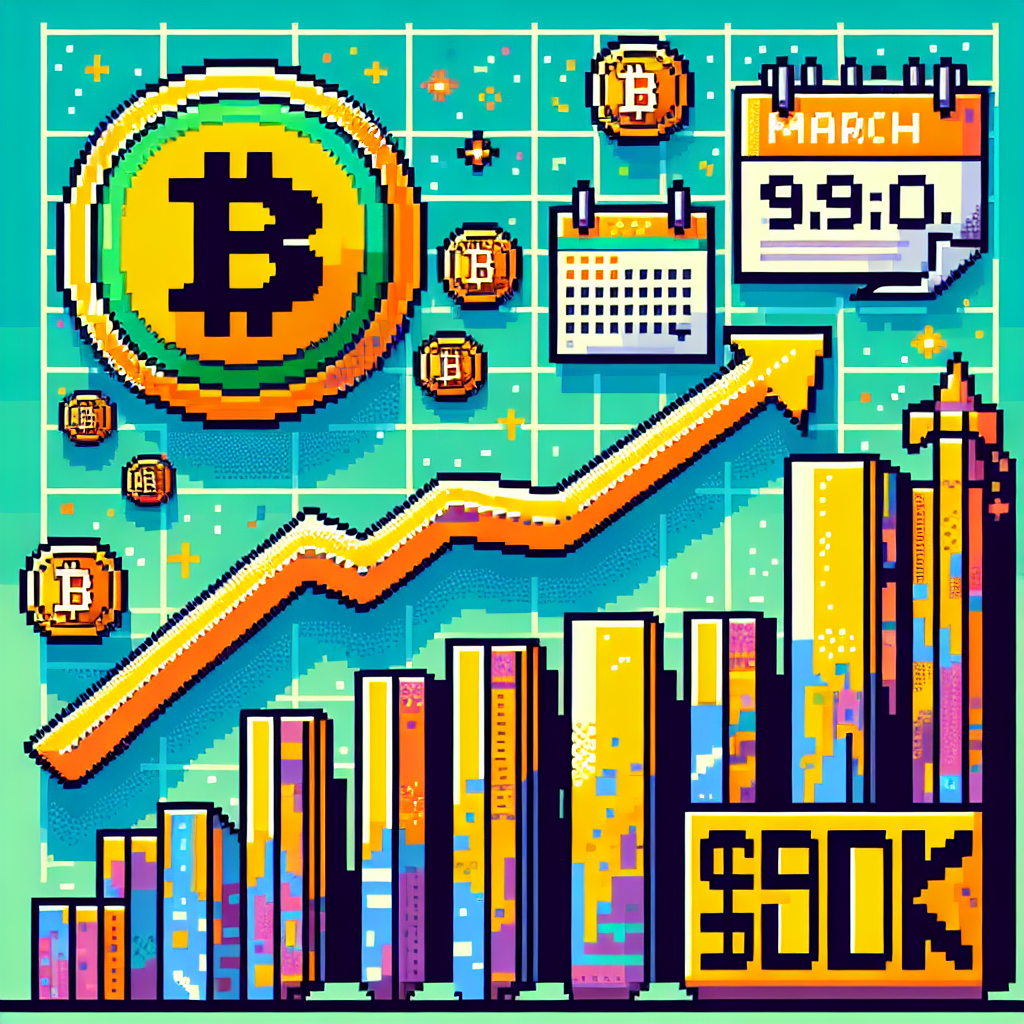
In a dazzling display of financial fireworks, Bitcoin has surged to $90,000, a level not seen since early March. The cryptocurrency's rise has coincided with a rally in U.S. equities, which gained over 1% on what traders are calling "Turnaround Tuesday." This harmonious dance between traditional markets and digital currencies highlights a renewed optimism in the financial landscape, but what exactly is fueling this upbeat atmosphere?

The backdrop to Bitcoin’s breakout is an intriguing tapestry of global economic factors. For one, the Federal Reserve's recent dovish stance has eased fears of aggressive interest rate hikes, providing a supportive environment for risk assets. Additionally, the U.S. economy has shown signs of resilience, with recent employment data surpassing expectations. These developments have buoyed investor sentiment, creating a ripple effect across various markets, including cryptocurrencies.

But Bitcoin's rise isn't just about macroeconomic trends. The digital currency has seen growing institutional interest, further cemented by the increasing integration of blockchain technology in mainstream financial systems. Companies like BlackRock and Fidelity continue to explore Bitcoin ETFs, a move that could usher in a new wave of investment from traditional sectors. This institutional confidence lends Bitcoin a credibility that was once elusive, especially during its earlier, more volatile years.

Outside the financial sphere, Bitcoin's resurgence mirrors a broader shift in global dynamics. For instance, the ongoing advancements in digital currencies have forced governments worldwide to consider their own central bank digital currencies (CBDCs). Countries like China are racing ahead with their digital yuan, while the European Central Bank is actively exploring a digital euro. These developments indicate that the world is inching closer to a future where digital currencies play a pivotal role in everyday transactions.

In the realm of technology, the rise of Bitcoin aligns with the growing interest in decentralized finance (DeFi) and non-fungible tokens (NFTs). These innovations have captured the imagination of both tech enthusiasts and investors, further blurring the lines between finance and technology. The boom in NFTs, for instance, has shown how blockchain technology can revolutionize industries beyond finance, including art, music, and entertainment.

While the cryptocurrency market is notorious for its volatility, this recent rally feels different. It reflects a maturation of the space, with Bitcoin acting as a bellwether for broader trends. Yet, as with any investment, caution is warranted. The road ahead may be paved with both opportunities and obstacles, as regulatory scrutiny intensifies and the global economic landscape continues to evolve.

In conclusion, Bitcoin's rise to $90,000 is more than just a headline – it's a testament to the shifting paradigms in finance and technology. As we navigate this brave new world, one thing is certain: the future of money is digital, and Bitcoin is leading the charge. Whether you're a seasoned investor or a curious onlooker, the unfolding narrative of cryptocurrency is one worth watching. After all, in the words of the legendary investor Warren Buffett, "Someone is sitting in the shade today because someone planted a tree a long time ago." Bitcoin's journey is just beginning, and its branches are reaching ever higher.

*For more insights on the intersection of finance and technology, stay tuned and keep exploring the possibilities that the digital future holds.*

Read more about AI in Business

Read more about Latest Sports Trends

Read more about Technology Innovations