
ROG Xbox Ally X: A Portable Gaming | Analysis by Brian Moineau

The ROG Xbox Ally X: A Bold Attempt in a Fragmented Gaming Landscape

The gaming world is constantly evolving, and with that evolution comes a flurry of new devices and platforms vying for our attention. Enter the ROG Xbox Ally X—a device that promised to be the first portable “Xbox.” With high hopes riding on its performance and versatility, it aimed to unify the chaotic landscape of PC gaming. But did it deliver? Let’s dive into the nuanced insights provided by Ars Technica’s recent review to uncover the device’s strengths and shortcomings.

Context: The Rise of Portable Gaming Devices

The gaming industry has seen a significant shift toward portable devices in recent years. With the success of handheld consoles like the Nintendo Switch and the increasing popularity of mobile gaming, it’s no surprise that companies are eager to capitalize on this trend. The ROG Xbox Ally X was positioned as a potential game-changer, allowing gamers to experience their favorite Xbox titles on the go. However, the reality is that the gaming ecosystem is as fragmented as ever, filled with competing platforms that create a challenging environment for any new device.

Key Features and Review Insights

1. Performance vs. Compatibility: According to the Ars Technica review, while the ROG Xbox Ally X boasts impressive hardware specifications, its performance can be inconsistent across different titles. Gamers may find that not all Xbox Game Pass titles run smoothly, raising questions about the device’s overall compatibility with the vast Xbox library.

2. User Experience and Interface: The user experience is a mixed bag. The interface attempts to blend console and PC gaming, which can feel cluttered and confusing. This lack of cohesion might frustrate gamers who are accustomed to more intuitive systems.

3. Battery Life Concerns: One of the critical drawbacks highlighted in the review is the device’s battery life. In a world where portability is key, the ROG Xbox Ally X falls short, often requiring frequent recharging during extended gaming sessions.

4. Price Point and Value Proposition: Priced as a premium device, it faces stiff competition from other portable gaming options and even traditional gaming PCs. The review questions whether the ROG Xbox Ally X offers enough value for its price, especially when considering the fragmented gaming landscape.

5. Potential for Future Updates: While the current iteration may have its flaws, there is potential for improvement through software updates and optimizations. The gaming community will be watching closely to see if ASUS can address these concerns over time.

Concluding Reflection

The ROG Xbox Ally X is a bold venture into the portable gaming space, but its struggle to unify the chaotic world of competing gaming platforms is evident. As gamers, we crave seamless experiences that allow us to play wherever we are, but the current offering falls short in several key areas. While it’s easy to be excited about new technology, the ROG Xbox Ally X serves as a reminder that innovation must also deliver practical value to resonate with gamers.

As we move forward, it will be interesting to see how ASUS responds to feedback and whether they can refine the ROG Xbox Ally X into a device that meets the high expectations set by the gaming community.

Sources

– Ars Technica. “ROG Xbox Ally X: The Ars Technica review.” [Ars Technica](https://arstechnica.com/gaming/2023/10/rog-xbox-ally-x-the-ars-technica-review/).

By keeping an eye on updates and community feedback, we can hope for a future where portable gaming truly embraces the best of all worlds.


Related update: We recently published an article that expands on this topic: read the latest post.


Related update: We recently published an article that expands on this topic: read the latest post.

Related update: We recently published an article that expands on this topic: read the latest post.

Corn Chowder with Potatoes, Poblanos, and Smoked Gouda | Made by Meaghan Moineau

Corn Chowder with Potatoes, Poblanos, and Smoked Gouda

Introduction

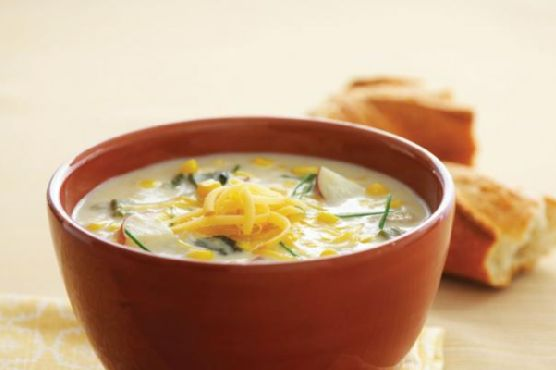
There’s something incredibly comforting about a warm bowl of chowder on a chilly evening. This Corn Chowder with Potatoes, Poblanos, and Smoked Gouda is a family favorite that takes me back to my grandmother’s kitchen. I remember sitting at her table, my feet barely touching the ground, as she ladled steaming bowls of this creamy soup. The aroma of smoked gouda mingled with sweet corn filled the room, and a hint of spice from the poblanos added a delightful twist. It was the kind of meal that brought everyone together, with laughter and stories flowing as freely as the chowder itself.

Why You’ll Love It

This chowder is the epitome of comfort food. It’s creamy, rich, and bursting with flavor, thanks to the combination of smoked gouda and poblano chiles. The potatoes add a hearty texture, while the fresh corn brings a hint of sweetness that perfectly balances the dish. Whether you’re serving it as a starter or the main course, this chowder is sure to warm you up from the inside out.

Ingredients

  • 1 bay leaf
  • Chives, chopped for garnish
  • 4 cups fresh corn kernels
  • 1 teaspoon fresh thyme leaves
  • 1 cup smoked gouda cheese, shredded, divided
  • 1 cup half-and-half
  • 1 onion, diced
  • 1 can (4 oz) diced poblano chiles
  • 4 cups potatoes, peeled and diced
  • Salt, to taste
  • 2 tablespoons unsalted butter
  • 4 cups water

Instructions

  1. In a large sauté pan, melt the butter over medium heat and sauté the onion for about 10 minutes, or until lightly browned.
  2. Transfer the onion to a 7-quart slow cooker and add the potatoes, bay leaf, thyme, and water.
  3. Cover and cook on LOW for about 4 hours, or until the potatoes are tender.
  4. Mash some of the potatoes against the inside of the cooker or use a handheld immersion blender to puree a small amount of potato and thicken the soup slightly.
  5. Add the corn, chiles, half-and-half, and 1 cup of the smoked gouda. Add salt to taste and continue cooking for 20 to 30 minutes, or just until all the ingredients are hot.
  6. Ladle the soup into bowls and garnish each bowl with the remaining gouda and chopped chives.

Tips

For the best flavor, use fresh corn when it’s in season. If fresh corn isn’t available, frozen corn is a good substitute. Be sure to adjust the salt according to your taste preferences, especially if you’re using canned chiles that may already contain salt.

Variations & Substitutions

If you’re looking to add a bit more heat, consider using fresh jalapeños in place of or in addition to the poblano chiles. For a vegetarian version, replace the half-and-half with coconut milk for a slight tropical twist. You can also substitute sharp cheddar for the smoked gouda if you prefer a more traditional cheesy flavor.

Storage

This chowder stores beautifully. Let it cool to room temperature and transfer it to an airtight container. It will keep in the refrigerator for up to 3 days. You can also freeze it for up to 2 months. Be sure to reheat slowly over low heat to maintain the creamy texture.

FAQ

Can I make this chowder on the stovetop instead of a slow cooker?

Absolutely! Simply follow the same steps using a large pot on the stovetop. Bring the mixture to a simmer and cook until the potatoes are tender, then proceed with the recipe as directed.

Can I use a different type of cheese?

Yes, you can substitute any cheese that melts well. Cheddar, Monterey Jack, or even Pepper Jack would work great if you want to add more spice.

How can I make this chowder dairy-free?

You can substitute the half-and-half with full-fat coconut milk for a creamy, dairy-free option. Use a dairy-free cheese alternative to replace the smoked gouda.

Nutrition

While I don’t have the exact nutritional breakdown, this chowder is a hearty meal that combines the benefits of vegetables like corn and potatoes with the rich flavors of cheese and cream. Adjust the ingredients to suit your dietary needs, and enjoy it as part of a balanced diet.

Conclusion

There’s nothing like a bowl of Corn Chowder with Potatoes, Poblanos, and Smoked Gouda to bring back fond memories and create new ones. Whether you’re sharing it with family or savoring a bowl on your own, this chowder is a celebration of warmth, flavor, and togetherness. I hope this recipe brings as much joy to your table as it has to mine. Enjoy!

Related update: Corn Chowder with Potatoes, Poblanos, and Smoked Gouda

Related update: Huli-Huli Chicken

USC vs. Notre Dame: A Rivalry at Risk | Analysis by Brian Moineau

The USC-Notre Dame Rivalry: A Century of Passion and Memories

As the leaves begin to turn and football season kicks into full gear, one of college football’s most storied rivalries looms on the horizon: the clash between the University of Southern California (USC) and the University of Notre Dame. This rivalry, steeped in tradition and history, is more than just a matchup; it’s a celebration of athleticism, school spirit, and unforgettable moments. However, it’s facing an uncertain future, and that’s a conversation worth having.

A Rich History of Competition

The USC-Notre Dame rivalry dates back to 1926 and has since produced some of college football’s most thrilling games. These two powerhouse programs have battled it out on the gridiron for over a century, creating memories that resonate with fans and players alike. From the electric atmosphere of packed stadiums to legendary performances by athletes like Reggie Bush, the rivalry has showcased the very best of college football.

However, as the landscape of college athletics evolves with conference realignment and the introduction of the College Football Playoff, the future of this historic rivalry hangs in the balance. Will the USC-Notre Dame matchup remain a staple of college football, or will it fade into obscurity like so many other traditions?

Memorable Moments That Defined the Rivalry

Throughout the years, the USC-Notre Dame rivalry has produced unforgettable moments that are etched into the annals of college football history. Who could forget Reggie Bush’s spectacular 2005 performance, where he dazzled fans with his explosive plays and showcased why he was a Heisman Trophy winner? Or the dramatic finishes that left fans on the edge of their seats, such as the 1974 game where USC’s last-second touchdown secured a thrilling victory.

These games have brought together generations of fans, with families often divided in their loyalties. The intensity of the rivalry not only fuels the players on the field but also ignites the passion of the fans who support their teams through thick and thin.

Key Takeaways

Historical Significance: The USC-Notre Dame rivalry has spanned over 95 years, making it one of the longest-running rivalries in college football. – Iconic Games: From Reggie Bush’s legendary performances to nail-biting finishes, this rivalry has produced countless memorable moments. – Evolving Landscape: As college football faces changes in conference alignments and playoff structures, the future of this cherished rivalry is uncertain. – Fan Passion: The intensity of the rivalry ignites fierce loyalty among fans, often dividing families and communities. – Cultural Impact: The USC-Notre Dame games transcend football, representing a unique cultural intersection of tradition, competition, and camaraderie.

Reflecting on the Rivalry’s Future

As we look forward to the upcoming seasons, it’s crucial to cherish the moments that define the USC-Notre Dame rivalry. Whether it’s the thrill of a last-minute touchdown or the camaraderie shared among fans, this rivalry embodies the spirit of college football. It’s a reminder of why we love this sport in the first place.

Let’s hope that the powers that be recognize the importance of preserving this historic matchup, allowing future generations to experience the excitement and camaraderie that comes with every USC-Notre Dame game.

Sources

– ESPN: [From train rides to Reggie Bush: The best games in the USC-Notre Dame rivalry](https://www.espn.com/college-football/story/_/id/32547669/best-games-usc-notre-dame-rivalry)

In the world of sports, some rivalries are built on a foundation of history, passion, and unforgettable moments. The USC-Notre Dame rivalry is one such treasure that deserves to be celebrated for years to come.


Related update: We recently published an article that expands on this topic: read the latest post.


Related update: We recently published an article that expands on this topic: read the latest post.

Grandma Inez’s Pineapple Pie | Made by Meaghan Moineau

Grandma Inez’s Pineapple Pie

Intro

There’s something uniquely comforting about a family recipe that’s been passed down through generations. One of my fondest memories is sitting in my grandmother Inez’s kitchen, watching her skillfully craft her famous pineapple pie. The sweet aroma of pineapples mingling with the buttery crust would fill the air, signaling the beginning of a much-anticipated family gathering. Grandma Inez had a magical way of making everyone feel loved and cherished, and her cooking was no exception. Today, I’m thrilled to share her delightful pineapple pie recipe with you, hoping it brings as much joy to your home as it has to ours over the years.

Why You’ll Love It

This pineapple pie stands out for its perfect balance of sweetness and tang, wrapped in a flaky, buttery crust. The creamy pineapple filling is both refreshing and indulgent, while the light, airy meringue topping adds an elegant touch. It’s a versatile dessert that’s perfect for any occasion, from cozy family dinners to festive celebrations. Plus, it’s surprisingly easy to make, even if you’re not an experienced baker.

Ingredients

  • 1 cup sugar
  • 1/2 cup butter, softened
  • 2 egg yolks
  • 2 tablespoons cornstarch
  • 1 teaspoon vanilla extract
  • 1 cup water
  • 1 can (20 oz) crushed pineapple in juice
  • 1 pre-baked 9-inch pie crust
  • 3 egg whites
  • 1/4 teaspoon cream of tartar
  • 1/4 teaspoon salt
  • 1/4 cup sugar
  • 1/2 teaspoon vanilla extract

Instructions

  1. In a medium saucepan, cream together 1 cup of sugar, butter, and egg yolks using a hand-held electric mixer until smooth and well combined.
  2. Blend in the cornstarch and 1 teaspoon of vanilla extract until fully incorporated.
  3. Add the water and the crushed pineapple along with its juice to the mixture. Blend once more until all ingredients are well mixed.
  4. Transfer the saucepan to the stove and cook over medium heat. Stir the mixture constantly until it thickens to a pudding-like consistency.
  5. Pour the pineapple filling into the pre-baked pie crust, spreading it evenly. Allow it to cool completely.
  6. For the meringue, whip the egg whites in a clean, grease-free bowl until they begin to get foamy.
  7. Add the cream of tartar and salt, then continue to whip the egg whites. Gradually add 1/4 cup of sugar and 1/2 teaspoon of vanilla extract, whipping until the meringue reaches soft peak stage and is smooth and glossy.
  8. Spread the meringue over the cooled pie, ensuring it touches the edges of the crust to seal it.
  9. Bake the pie in a preheated oven at 400°F for just a few minutes, until the meringue is lightly browned.
  10. Allow the pie to cool before serving. Store any leftovers in the refrigerator.

Tips

For the best results, make sure all your ingredients are at room temperature before you start. This will help the components blend together more smoothly. When making the meringue, ensure that your mixing bowl and beaters are completely clean and dry, as any grease or moisture can prevent the egg whites from whipping properly. Finally, when spreading the meringue over the pie, create decorative peaks using the back of a spoon for a stunning presentation.

Variations & Substitutions

If you’re looking to experiment with flavors, consider adding a splash of rum or coconut extract to the filling for a tropical twist. For a slightly different texture, try using fresh pineapple instead of canned. Just make sure to chop it finely and adjust the sweetness if necessary. If you’re avoiding dairy, substitute the butter with a plant-based alternative. Similarly, a gluten-free pie crust can be used for those with dietary restrictions.

Storage

Grandma Inez’s pineapple pie is best enjoyed fresh, but it can be stored in the refrigerator for up to three days. Make sure to cover it with plastic wrap or store it in an airtight container to keep the meringue from absorbing fridge odors. Freezing is not recommended as it can affect the texture of the meringue and filling.

FAQ

Can I use fresh pineapple instead of canned?

Yes, you can use fresh pineapple if you prefer. Just make sure to chop it finely and consider adjusting the sugar content based on the sweetness of the fruit. Keep in mind that fresh pineapple may release more liquid, so you might need to cook the filling a bit longer to achieve the desired thickness.

How can I ensure my meringue doesn’t weep?

To prevent your meringue from weeping, make sure you spread it over the hot filling. This helps the bottom of the meringue cook slightly, which can reduce weeping. Additionally, ensure your mixing bowl is free from any grease and your egg whites are at room temperature before beating.

Can I make this pie ahead of time?

While the pie is best enjoyed the day it’s made, you can prepare the filling and bake the pie crust a day in advance. Store them separately and assemble the pie with fresh meringue on the day you plan to serve it for the best texture and flavor.

Nutrition

Each slice of Grandma Inez’s pineapple pie (based on 8 servings) approximately contains:

  • Calories: 310
  • Carbohydrates: 45g
  • Protein: 4g
  • Fat: 14g
  • Saturated Fat: 8g
  • Cholesterol: 80mg
  • Sodium: 180mg
  • Sugar: 30g

Conclusion

Grandma Inez’s pineapple pie is more than just a dessert; it’s a cherished family tradition that brings warmth and joy to any gathering. With its delightful blend of flavors and textures, it’s sure to become a favorite in your home as well. Whether you’re making it for the first time or the hundredth, this pie promises to deliver a slice of sunshine in every bite. Enjoy the process, savor the memories, and most importantly, share it with those you love.

Related update: Grandma Inez’s Pineapple Pie

Related update: Gluten And Dairy Free Peanut Butter Cups

Coconut Guava Ice cream | Made by Meaghan Moineau

Coconut Guava Ice Cream: A Tropical Delight

Intro

There’s something magical about the fusion of tropical flavors that instantly transports you to a serene beach with every bite. Coconut Guava Ice Cream embodies this essence perfectly. As a child, I remember visiting my grandmother’s house every summer. She had a beautiful guava tree in her backyard, and we would spend lazy afternoons picking ripe guavas and concocting different treats. This ice cream recipe takes me back to those sun-dappled days, filled with laughter, tropical fruits, and the warmth of family gatherings.

Why You’ll Love It

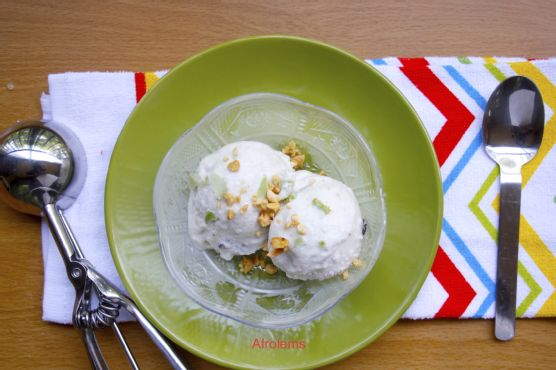
This Coconut Guava Ice Cream is a luscious blend of creamy coconut milk, sweet guavas, and the delightful crunch of peanuts. It’s vegan-friendly, simple to make, and doesn’t require an ice cream maker. The refreshing taste of guava combined with the rich coconut base creates an indulgent yet refreshing dessert. It’s the perfect treat to beat the heat and impress your guests at any gathering.

Ingredients

  • 1 can of coconut milk
  • 1/2 cup condensed milk
  • 2 ripe guavas, chopped and de-seeded
  • 1/2 cup blueberries
  • 1/4 cup crushed peanuts

Instructions

  1. Place the can of coconut milk in the freezer and allow it to solidify. This could take 4-6 hours depending on the temperature of your freezer.
  2. Take out the can of coconut milk and open it completely. The milk and coconut water will have separated, and the coconut water part will be clearer than the milk.
  3. With a very sharp knife, cut through the frozen coconut milk to separate the milk from the coconut water.
  4. Place the frozen coconut milk part in the blender.
  5. Pour in your condensed milk and chopped de-seeded guavas. Blend for about 3-5 minutes at intervals until smooth.
  6. Pour the mixture into a bowl, add your blueberries, stir in, and pop it in the freezer.
  7. Allow your coconut ice cream to freeze for about 3-6 hours.
  8. Serve garnished with the crushed peanuts.

Tips

To ensure the best texture, make sure the coconut milk is fully solidified before opening. Use ripe guavas for maximum flavor. If you prefer a smoother texture, blend the blueberries with the coconut milk and guavas instead of stirring them in.

Variations & Substitutions

If you want to add a citrusy note, consider adding a tablespoon of lime juice before blending. For a nut-free version, skip the peanuts and garnish with toasted coconut flakes instead. If guavas are not in season, substitute with mangoes or papayas for a different tropical twist.

Storage

Store the Coconut Guava Ice Cream in an airtight container in the freezer for up to two weeks. Allow it to soften at room temperature for a few minutes before serving for the best texture.

FAQ

Can I use fresh coconut milk instead of canned?

While fresh coconut milk can be used, canned coconut milk is preferred for its creaminess and consistency, which enhances the texture of the ice cream.

Is this recipe suitable for vegans?

Yes, this recipe is vegan-friendly as long as you use vegan condensed milk or a homemade version made from coconut milk and sugar.

Can I make this recipe without a blender?

A blender is recommended for achieving a smooth texture. However, you can mash the guavas and mix them with the other ingredients using a fork if a blender is unavailable.

Nutrition

This Coconut Guava Ice Cream is a delightful indulgence. While exact nutritional values may vary based on specific ingredients used, it is generally a good source of healthy fats from the coconut milk and provides vitamins from the fruits. It’s a sweet treat best enjoyed in moderation.

Conclusion

Coconut Guava Ice Cream is a celebration of tropical flavors, nostalgia, and simplicity. With just a few ingredients and steps, you can create a delicious and refreshing dessert that will transport you to a sunny paradise with every bite. Whether you’re entertaining guests or treating yourself, this ice cream is sure to impress. So, why not give it a try and create your own tropical memories?

Related update: Coconut Guava Ice cream

Related update: Macaroni and Cheese Gratin

Week 7 Fantasy Football: Start Em, Sit Em | Analysis by Brian Moineau

Fantasy Football Week 7: Defense & Kicker Start ‘Em, Sit ‘Em Insights

As we dive into Week 7 of the fantasy football season, the stakes are rising, and so are the decisions we need to make. If you’ve been sweating over your lineup choices, you’re not alone. With injuries and bye weeks wreaking havoc, the right defense and kicker can make all the difference in securing that crucial win. Luckily, fantasy football expert Michael Fabiano has broken down some solid recommendations for this week—highlighting who to start and who to sit.

Understanding the Fantasy Landscape

Week 7 of the NFL season brings us a variety of matchups that could swing the tide in your favor—or leave you regretting your choices. With several teams on bye and key players sidelined due to injuries, the importance of defense and kickers often gets overlooked. However, they can be the unsung heroes of your lineup, racking up points that could push you over the edge in a tight matchup.

In his recent article for Sports Illustrated, Fabiano provides a comprehensive guide for navigating these often-overlooked positions. He emphasizes that while quarterbacks and running backs get most of the love, savvy fantasy managers know that DSTs (defensive/special teams) and kickers can provide that essential edge you need.

Let’s break down Fabiano’s recommendations so you can make informed choices this week.

Key Takeaways for Week 7

Start the Right Defenses: Fabiano recommends targeting defenses facing struggling offenses. Look for matchups where the opposing team has faced challenges in scoring, as they are likely to yield more turnovers and sacks.

Kickers in Favorable Weather: Weather conditions can heavily influence a kicker’s performance. Fabiano suggests opting for kickers playing in indoor stadiums or locations with favorable weather conditions, as this minimizes the risk of missing those crucial field goals.

High-Scoring Games: Pay attention to matchups projected to be high-scoring. Kickers on teams expected to score often will have more opportunities for extra points and field goals, making them a prime start.

Avoid Injured Players: Always check the injury reports before setting your lineup. Fabiano highlights that even if a player is listed as “questionable,” it’s often safer to sit them to avoid zero-point surprises.

Streaming Options: If you’re in a bind, Fabiano suggests looking for streaming options for both DSTs and kickers. Certain matchups can present overlooked opportunities that might be ripe for the picking.

Conclusion: The Little Things Matter

As we gear up for Week 7, remember that every point counts. While star players grab headlines, the right defense and kicker can be the secret sauce to elevate your fantasy team. By leveraging expert insights like those from Michael Fabiano, you can make strategic decisions that could turn your season around. So, trust your gut, keep an eye on the matchups, and don’t forget to have fun along the way!

Sources

– Fabiano, Michael. “Defense & Kicker Start ‘Em, Sit ‘Em For Fantasy Football Week 7.” Sports Illustrated. [Sports Illustrated](https://www.si.com/fantasy/2023/10/18/fantasy-football-week-7-start-em-sit-em-dst-kickers)

By staying informed and making savvy choices, you can navigate the complexities of fantasy football and enjoy the thrill of victory. Good luck this week!


Related update: We recently published an article that expands on this topic: read the latest post.


Related update: We recently published an article that expands on this topic: read the latest post.