
iPhone 20: The End of Physical Buttons | Analysis by Brian Moineau

The Future of iPhones: Will the iPhone 20 Ditch Physical Buttons for Haptics?

Imagine a world where your smartphone is a seamless extension of your thoughts and gestures, responding to your every command without the need for physical buttons. Sounds futuristic, right? Well, according to a recent leak, the upcoming “iPhone 20,” celebrating its 20th anniversary, may just take a monumental leap in that direction by eliminating all physical buttons in favor of haptic feedback technology. Let’s dive in!

A New Era for iPhones

As we approach the milestone of the iPhone’s 20th anniversary, it’s hard not to reflect on how far we’ve come since the original device revolutionized the mobile landscape back in 2007. From groundbreaking features like the App Store to innovations in camera technology and processing power, Apple has consistently pushed the envelope. Now, with rumors swirling about the iPhone 20, the tech giant appears ready to embark on yet another ambitious journey.

Recent reports from 9to5Mac suggest that Apple plans to integrate haptic feedback technology throughout the iPhone 20, eliminating physical buttons altogether. This shift could offer a more streamlined and immersive user experience, allowing for customizable feedback based on user preferences and interactions.

The Haptic Revolution

But what does it mean to go all-in on haptics? Haptic technology uses vibrations and motion to simulate the feeling of touch, creating a more tactile user experience. Instead of pressing a button, users would interact with virtual buttons on the screen, receiving feedback that mimics the sensation of pressing something physical.

This innovation aligns with a broader trend in the tech industry. Companies are increasingly recognizing the potential of haptic feedback to enhance user engagement and satisfaction. With the iPhone 20, Apple could be setting the stage for a new standard in smartphone design.

Key Takeaways

Physical Buttons Might Be History: The iPhone 20 could completely eliminate physical buttons, relying solely on haptic feedback for user interaction.

Enhanced User Experience: Haptic feedback technology can provide a more immersive and customizable experience, making interactions feel more intuitive.

Celebrating 20 Years of Innovation: The iPhone 20 marks a significant milestone, and Apple appears ready to celebrate with groundbreaking technology.

Aligning with Industry Trends: The shift to haptic feedback mirrors broader trends in tech, as companies explore ways to enhance user engagement through tactile experiences.

What’s Next?: If this leak holds true, it raises questions about the future of smartphone design and user interfaces beyond the iPhone 20.

A Glimpse into the Future

As we await the official announcement from Apple, the potential for the iPhone 20 to redefine how we interact with our devices is exciting. The move away from physical buttons signifies not just a technological shift but also a philosophical one—embracing a world where our devices are more intuitive and responsive to our needs.

While we can only speculate about the full implications of this design choice, one thing is for sure: the iPhone 20 could set a new benchmark for what we expect from our smartphones. The question remains—are we ready to embrace a buttonless future?

Sources

– “Leaker says ‘iPhone 20’ will drop every physical button, go all-in on haptics” – 9to5Mac
(https://9to5mac.com/2023/10/22/iphone-20-haptics-buttonless/)

Stay tuned for more updates as we continue to follow this exciting development in the world of technology!


Related update: We recently published an article that expands on this topic: read the latest post.
Traditional Panzanella | Made by Meaghan Moineau

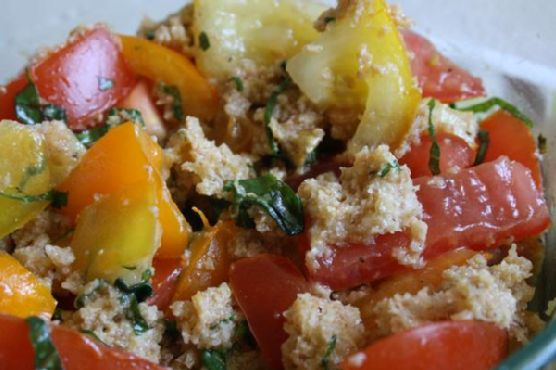
Traditional Panzanella: A Taste of Tuscan Summer

Intro

Ah, Panzanella! This delightful Tuscan salad offers a bite of sun-drenched summer days and leisurely family gatherings. My first encounter with this classic dish was at my grandmother’s kitchen table in Italy, where every meal was an event, and every dish told a story. As a child, I eagerly watched her transform day-old bread and the ripest tomatoes from her garden into a flavorful masterpiece. The aroma of fresh basil mingling with olive oil and vinegar still transports me back to those cherished summer afternoons. Now, I invite you to experience the simple joys and deep flavors of this traditional Panzanella recipe, a dish that captures the essence of Tuscany in every bite.

Why You’ll Love It

Why will you love this Traditional Panzanella? Let me count the ways:

  • Simple Ingredients: This recipe calls for just a handful of ingredients, most of which you may already have in your pantry.
  • Quick and Easy: With minimal preparation and no cooking required, it’s a perfect dish for busy days.
  • Refreshing and Flavorful: The combination of juicy tomatoes, fragrant basil, and tangy vinegar is refreshing and full of flavor.
  • Sustainable: It’s a great way to use up day-old bread, preventing waste and creating something delicious.
  • Versatile: Easily adaptable to suit your taste preferences or dietary needs.

Ingredients

  • 6 slices of day-old Tuscan bread
  • 1/4 cup extra virgin olive oil
  • 1 cup fresh basil leaves, chopped
  • 1 red onion, thinly sliced
  • 2 tablespoons red wine vinegar
  • Salt and pepper, to taste
  • 4 ripe tomatoes, diced

Instructions

  1. In a large bowl, combine the bread with enough water to cover and let it stand for at least 20 minutes or until it’s soft.
  2. Drain the bread and squeeze out as much water as you can. Crumble the bread into a serving bowl.
  3. Scatter the diced tomatoes, sliced onions, and chopped basil over the crumbled bread.
  4. Dress the Panzanella with extra virgin olive oil and red wine vinegar. Season with salt and pepper and toss well to combine.
  5. Taste and adjust the seasoning with more olive oil, salt, or vinegar as needed.
  6. Leave the Panzanella to stand for about 15 minutes to allow the flavors to meld. Serve at room temperature.

Tips

For the best Panzanella, use high-quality ingredients. Opt for the freshest tomatoes you can find, and don’t skimp on the olive oil—it’s integral to the salad’s flavor. If your bread is very hard, allow it to soak a bit longer until it’s sufficiently softened. Lastly, Panzanella is best when served at room temperature, allowing the flavors to fully develop.

Variations & Substitutions

Panzanella is a wonderfully adaptable dish. Here are a few ideas to make it your own:

  • Add Protein: For a heartier salad, add some fresh mozzarella, grilled chicken, or canned tuna.
  • Vegetable Variations: Include cucumbers, bell peppers, or even olives for added crunch and flavor.
  • Herb Alternatives: If basil isn’t your favorite, try parsley or mint for a different herbal note.
  • Different Breads: While traditional Panzanella uses Tuscan bread, any crusty bread like ciabatta or a baguette will work.

Storage

Panzanella is best enjoyed fresh, but if you have leftovers, store them in an airtight container in the refrigerator for up to one day. Keep in mind that the bread will continue to absorb moisture and flavors, so you may need to refresh the salad with a bit more olive oil or vinegar before serving.

FAQ

Can I use fresh bread instead of day-old bread?

While you can use fresh bread, day-old or slightly stale bread is preferred as it holds up better to the dressing and maintains a pleasant texture. If using fresh bread, you might consider toasting it lightly first.

Can I make Panzanella ahead of time?

Panzanella is best made shortly before serving, as this allows the bread to soak up the flavors without becoming too soggy. However, you can prepare the vegetables and dressing a few hours in advance and combine them with the bread just before serving.

What kind of vinegar should I use?

Red wine vinegar is traditional for Panzanella, lending a tangy depth to the dish. However, feel free to experiment with other vinegars like balsamic or apple cider for a unique twist.

Nutrition

This traditional Panzanella is a nutritious addition to any meal. Rich in vitamins A and C from the tomatoes and basil, and healthy fats from the olive oil, it’s a wholesome and satisfying choice. The dish is naturally vegan and can be gluten-free if made with gluten-free bread.

Conclusion

Traditional Panzanella is more than just a salad; it’s a celebration of summer flavors and culinary heritage. With its simple preparation and fresh, vibrant ingredients, it’s no wonder this dish has been cherished across generations. Whether you’re hosting a garden party or enjoying a quiet family dinner, Panzanella brings a touch of Tuscany to your table. I hope this recipe finds a special place in your home, creating new memories as it has for me. Buon appetito!

Related update: Traditional Panzanella

Related update: Avocado Chicken Salad

Activist Investors Target Underperforming | Analysis by Brian Moineau

Activist Investors Take Aim at Underperforming Banks: A New Era of Accountability

We all know that feeling of frustration when a favorite restaurant consistently serves up mediocre food. In the world of finance, a similar sentiment is bubbling to the surface as activist investors turn their sights on underperforming regional banks. A relatively new player in this arena, HoldCo, is making headlines by launching campaigns against Comerica, Eastern Bank, and First Interstate—banks that have been criticized for their lackluster performance. The question is: can these activist investors really shame these institutions into action, or will they fall flat like a deflated soufflé?

Context: The Rise of Activist Investors

Activist investing isn’t a novel concept; however, its application in the banking sector is becoming increasingly prominent. Traditionally, activist investors target companies they believe are underperforming, pushing for changes in management, strategy, or governance to boost shareholder value. HoldCo has emerged from relative obscurity, riding this wave of activism, particularly within the financial sector.

The U.S. banking industry is facing a unique set of challenges, from stringent regulations to evolving consumer demands. While some banks have thrived, others have lagged behind, leaving investors feeling frustrated. This frustration has paved the way for activist investors like HoldCo, who believe that they can drive change and improve profitability.

In HoldCo’s case, their campaigns against Comerica, Eastern Bank, and First Interstate are not just about financial returns; they’re also about accountability. The strategy seems simple: apply pressure to banks that have historically underperformed, demanding strategic pivots and operational improvements. The goal? To not only enhance shareholder value but to also ensure that these banks are better serving their customers and communities.

Key Takeaways

Emergence of HoldCo: HoldCo has shifted from relative obscurity to a prominent activist investor, targeting regional banks perceived as underperforming.

Focus on Accountability: The campaigns against Comerica, Eastern Bank, and First Interstate aim to hold these banks accountable for their lackluster performance and encourage operational improvements.

Changing Landscape: The U.S. banking sector is undergoing shifts due to regulatory changes and evolving consumer behaviors, making it ripe for activist intervention.

Investor Frustration: Many investors are dissatisfied with banks that fail to meet expectations, leading to increased pressure on underperformers.

Potential for Change: While the effectiveness of these campaigns remains to be seen, the involvement of activist investors could signal a new era of accountability in the banking sector.

Conclusion: A New Era of Accountability in the Banking Sector

As HoldCo and other activist investors step into the spotlight, the narrative around underperforming banks is shifting. The idea of “shaming” these institutions into action may seem unconventional, but it highlights a growing demand for accountability in the financial sector. Whether these campaigns lead to significant changes remains to be seen, but one thing is clear: the landscape is changing, and banks will need to adapt or risk falling further behind.

For those of us keeping an eye on the banking industry, it’s a fascinating time. Will these activist investors succeed in their missions to reshape the performance of these institutions? Only time will tell, but we’re definitely in for an interesting ride.

Sources

– “We’re trying to shame them’: Upstart activist investors target America’s underperforming banks.” CNBC. [Link](https://www.cnbc.com) (Please replace with the actual article URL as needed.)


Related update: We recently published an article that expands on this topic: read the latest post.

Valentine Hearts | Made by Meaghan Moineau

Valentine Hearts: A Sweet Treat for Your Loved Ones

Intro

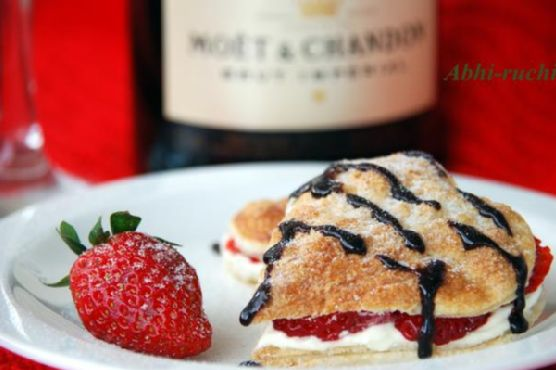
Every Valentine’s Day, my grandmother would bake a special treat that filled the house with the aroma of love and sweetness. As a child, I would watch her gracefully craft heart-shaped pastries, her hands moving with a rhythm that spoke of years of experience and love. Inspired by her legacy, I’ve created my own version of this beloved dessert: Valentine Hearts. These delightful puff pastries, filled with crème fraiche and fresh strawberries, are perfect for sharing with your loved ones. Join me as we bring a touch of nostalgia and romance to your kitchen with this simple yet elegant recipe.

Why You’ll Love It

Valentine Hearts are a beautiful and delicious way to show someone you care. Not only are they visually stunning, but they also combine the flaky, buttery goodness of puff pastry with the creamy richness of crème fraiche and the natural sweetness of strawberries. This dessert is perfect for any occasion where you want to impress with minimal effort. Plus, the aroma of these pastries baking in your oven will fill your home with warmth and love.

Ingredients

  • Puff pastry
  • 1 egg, beaten for glaze
  • Castor sugar
  • Canned crème fraiche
  • Fresh strawberries
  • Plain chocolate

Instructions

  1. Preheat your oven to 220 degrees C (425 F).
  2. Thaw the puff pastry sheet according to the instructions on the box.
  3. Unroll the pastry sheet and cut out around 8 hearts using a heart-shaped cookie cutter.
  4. Prick each heart with a fork, brush with beaten egg, and sprinkle lightly with some castor sugar.
  5. Place these hearts on a greased baking sheet and bake for about 10 minutes until they are risen and golden brown.
  6. Let the pastry hearts cool completely.
  7. Slice the strawberries and split the cooled hearts horizontally using a sharp knife.
  8. Sandwich the heart halves together with crème fraiche and sliced strawberries.
  9. Drizzle melted plain chocolate over the tops and dust with a bit more castor sugar.

Tips

For the best results, ensure the puff pastry is well-chilled before cutting and baking. This helps them puff up beautifully. When slicing the hearts, use a very sharp knife to prevent crumbling. If you’re preparing these ahead of time, keep the components separate and assemble just before serving to maintain the pastry’s crispness.

Variations & Substitutions

If crème fraiche isn’t available, you can substitute it with whipped cream or mascarpone cheese for a similar texture and taste. For a fruity twist, consider adding raspberries or blueberries to the strawberry filling. If you prefer a different kind of chocolate, white chocolate can be a delightful alternative for drizzling.

Storage

Valentine Hearts are best enjoyed fresh on the day they are made. However, if you have leftovers, store them in an airtight container in the refrigerator for up to two days. Keep the pastry and filling separate if possible, and assemble just before serving to preserve the texture.

FAQ

Can I make the pastry hearts in advance?

Yes, you can bake the pastry hearts a day in advance. Store them in an airtight container at room temperature and assemble them with the filling just before serving.

What if I don’t have a heart-shaped cookie cutter?

No worries! You can easily create a heart shape by cutting the pastry into squares and trimming the top corners to form a heart. Alternatively, you can use any other shape cutter you have on hand.

Can I use frozen strawberries instead of fresh ones?

While fresh strawberries are recommended for their texture and flavor, you can use thawed frozen strawberries in a pinch. Just be sure to drain any excess liquid to avoid soggy pastries.

Nutrition

This dessert is meant to be a treat, so indulge in moderation. The combination of puff pastry, crème fraiche, and chocolate provides a rich and satisfying flavor profile, while the strawberries add a fresh and nutritious element. Remember, the joy of sharing these with loved ones is as wholesome as the ingredients themselves.

Conclusion

Valentine Hearts are more than just a dessert; they are a symbol of love and thoughtfulness. Whether you’re sharing them with a romantic partner, family, or friends, these sweet treats are sure to make any occasion special. The simplicity of the recipe allows you to focus on the joy of baking and sharing, creating memories that will last long after the last crumb is gone. So preheat your oven, gather your ingredients, and let the love-filled aroma of Valentine Hearts fill your home. Happy Valentine’s Day!

Related update: Valentine Hearts

Related update: Vegan Strawberry Shortcake served with Vegan Whipped Cream

Gluten Free Quinoa and Corn Flour Crepes | Made by Meaghan Moineau

Gluten Free Quinoa and Corn Flour Crepes

Intro

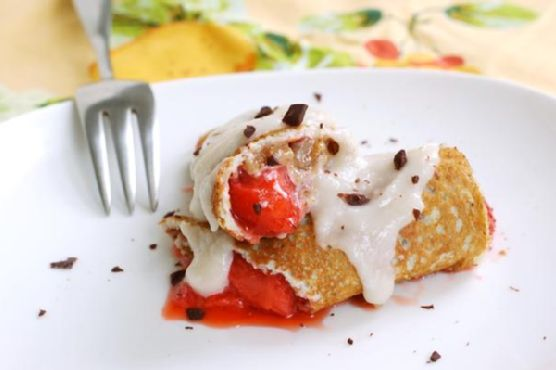
Crepes have always held a special place in my heart. Growing up, Sundays were reserved for family brunches where my grandmother would whip up her famous crepes. We would gather around the kitchen, eagerly waiting for our turn to enjoy those golden, delicate pancakes. As I grew older and my dietary needs changed, I sought to recreate those cherished moments with a gluten-free twist. Enter the Gluten Free Quinoa and Corn Flour Crepes, a modern take on a timeless classic. These crepes are not only a nod to my past but also a delicious new memory in the making.

Why You’ll Love It

Our Gluten Free Quinoa and Corn Flour Crepes are a delightful blend of tradition and innovation. Here’s why you’ll fall head over heels for them:

  • Gluten-Free Goodness: Made with quinoa and corn flour, these crepes cater to those with gluten sensitivities without compromising on taste or texture.
  • Nutrient-Rich: Packed with proteins and fiber, they make for a wholesome breakfast or snack.
  • Versatile: Fill them with sweet or savory fillings, and they become the perfect canvas for any meal.
  • Easy to Make: With simple ingredients and straightforward steps, they’re perfect for beginner cooks and seasoned chefs alike.

Ingredients

  • 2 tablespoons virgin coconut oil, melted
  • 1 cup corn flour
  • 2 tablespoons ground flax seeds
  • 1 tablespoon maple syrup
  • 1 cup quinoa flour
  • 2 1/2 cups hemp milk, plus more if needed
  • 1/2 teaspoon sea salt
  • 1/4 cup tapioca flour
  • 1/4 teaspoon xanthan gum

Instructions

  1. Whisk the corn flour, quinoa flour, tapioca flour, sea salt, and xanthan gum together in a large bowl.
  2. In a separate bowl, mix the hemp milk, ground flax seeds, maple syrup, and melted coconut oil.
  3. Combine the wet ingredients with the dry ingredients, mixing gently. If the batter is too thick, add more hemp milk, a few tablespoons at a time, until you achieve a pourable consistency.
  4. Allow the batter to rest in the refrigerator for at least 30 minutes. This step is crucial for the dry ingredients to fully absorb the liquids, ensuring smooth and pliable crepes.
  5. Heat a nonstick skillet over medium heat and add a small amount of coconut oil.
  6. Pour about 1/2 cup of batter into the skillet, swirling the pan to spread the batter into a thin layer. Quickly fill any holes with additional batter.
  7. Cook until the top of the crepe looks dry, about 1 minute. Gently loosen the edges with a spatula and flip the crepe, cooking the other side for 30 to 60 seconds.
  8. Transfer the cooked crepe to a plate and keep warm. You can fill the crepe while it’s still in the pan with your choice of fillings.
  9. Repeat the process, adding more coconut oil as needed, until all the batter is used.

Tips

  • Rest the Batter: Allowing the batter to rest is key. This helps to achieve the right texture and prevents the crepes from breaking.
  • Adjust Consistency: The batter should be thin enough to spread easily. Don’t hesitate to add more hemp milk if needed.
  • Perfect Flip: Practice makes perfect! Use your fingers or a spatula to flip the crepes gently.

Variations & Substitutions

  • Flour Alternatives: If you don’t have quinoa flour, you can substitute it with almond flour or buckwheat flour for a different flavor profile.
  • Filling Ideas: Enjoy them with nut butter and bananas for a sweet treat, or try smoked salmon and cream cheese for a savory option.
  • Milk Options: Substitute hemp milk with almond milk or coconut milk for a different taste.

Storage

To store leftover crepes, place them in an airtight container, separating each crepe with parchment paper to prevent sticking. They can be refrigerated for up to three days. To reheat, simply warm them in a skillet over low heat until heated through.

FAQ

Can I make the batter ahead of time?

Yes, you can prepare the batter up to a day in advance. Store it in the refrigerator and give it a good stir before using. You may need to adjust the consistency with a little more hemp milk if it’s thickened overnight.

What if my crepes keep sticking to the pan?

Ensure your skillet is well-heated and use a good nonstick pan. Adding a small amount of coconut oil before each crepe can also help prevent sticking.

Nutrition

Each serving of these gluten-free crepes is not only delicious but also packed with nutrients. You’ll find a good source of protein, fiber, and healthy fats, making them a balanced choice for any meal.

Conclusion

Whether you’re reminiscing about cherished family gatherings or creating new traditions, these Gluten Free Quinoa and Corn Flour Crepes are a delightful addition to any meal. With their delicate texture and versatile nature, they’ll quickly become a staple in your kitchen. So go ahead, give them a try and watch as they bring joy to your table, one crepe at a time.

Related update: Gluten Free Quinoa and Corn Flour Crepes

Related update: Spicy Coconut French Toast

Cowboys Prepare for Major Changes Ahead | Analysis by Brian Moineau

Bigger Changes on the Horizon for the Dallas Cowboys After Bye Week

The Dallas Cowboys are no strangers to the spotlight, but the recent loss against the Denver Broncos has ignited a firestorm of questions and concerns. As the team sits at a disappointing 3-4-1, offensive coordinator Brian Schottenheimer has hinted that “bigger changes” are coming after the bye week. Let’s dive into what this means for the Cowboys and what fans can expect moving forward.

Context: A Season of Ups and Downs

The Cowboys started this season with high hopes, bolstered by a roster filled with talent and potential. However, inconsistencies have plagued the team, leading to a lackluster record. Their most recent outing against the Broncos was particularly disheartening, as they suffered a significant defeat that left fans and analysts alike questioning the team’s direction.

In the wake of this loss, Schottenheimer’s comments suggest that the coaching staff is ready to shake things up. With the NFL season now at its midway point, teams are often reassessing their strategies and tactics, especially when results aren’t aligning with expectations.

Key Takeaways

Coaching Changes on the Table: Brian Schottenheimer has indicated that the Cowboys will implement noticeable changes, which could include alterations in play-calling or adjustments to player roles.

Offensive Struggles: The Cowboys’ offense has struggled to find its rhythm, and Schottenheimer’s remarks suggest that they may be looking to revamp their approach to scoring and game management.

Player Performance Review: There may be a shift in personnel as the coaching staff evaluates which players are best suited for the team’s evolving strategy.

Bye Week as a Reset: The upcoming bye week provides a crucial opportunity for the Cowboys to regroup, analyze their season so far, and make the necessary adjustments without the pressure of an immediate game.

Fan Expectations: With a passionate fanbase eager for success, the Cowboys’ management will need to not only address the on-field issues but also restore faith among their supporters.

A Time for Reflection

As the Cowboys look ahead to the rest of the season, it’s clear that changes are needed to get back on track. The bye week offers a crucial moment for introspection and strategy realignment. While uncertainty can be daunting, it can also be a catalyst for growth and improvement. For the Cowboys, embracing this moment of change may just be the key to turning their season around.

As fans, we’ll be watching closely to see how these adjustments unfold. Will the Cowboys rise to the occasion, or will they continue to struggle? Only time will tell, but one thing is for sure: the next few weeks will be pivotal in determining the trajectory of this season.

Sources

– “Schottenheimer: ‘Bigger changes’ coming after Cowboys bye week – Dallas Cowboys | Official Site of the Dallas Cowboys”. (No URL available for this specific article, but for further insights, check the official Dallas Cowboys website.)

As always, keep your eyes on the field and your hearts with the team!


Related update: We recently published an article that expands on this topic: read the latest post.


Related update: We recently published an article that expands on this topic: read the latest post.