
When Corporates Fight, Fans Lose Access | Analysis by Brian Moineau

Does anyone care about the consumers?

A lot of people woke up this week ready for college football highlights and Monday Night Football — and discovered their streaming lineup had turned into a choose-your-own-frustration. YouTube TV and Disney (which runs ESPN and ABC) are locked in a carriage fight that has already pulled Disney channels off YouTube TV for millions of subscribers. The timing — right in the middle of the football season — makes the question painfully simple: when big media companies brawl over fees, who actually looks out for the viewer?

Why this fight matters right now

  • The dispute centers on carriage fees and how Disney’s pricing and platform strategy (including Hulu + Live TV and its expanding stake in Fubo) intersects with Google’s YouTube TV ambitions. If no deal is reached, YouTube TV subscribers lose access to ESPN and ABC programming — including big games. (Nov 2–3, 2025 developments.) (nbcsports.com)
  • Sports rights are skyrocketing in value; networks want to recoup costs, distributors push back to avoid yet another price hike. That tug-of-war plays out directly in your living room when a blackout removes the game you planned your evening around. (businessinsider.com)
  • Both sides are using public pressure and PR: Disney rallied ESPN personalities and launched a site urging subscribers to "keep my networks," while YouTube TV highlights the possibility of higher prices and even offered subscribers a credit if the blackout drags on. The result: fans get propaganda instead of access. (businessinsider.com)

What this feels like for consumers

  • Frustrating: sudden loss of channels with little control or easy alternatives for live sports.
  • Confusing: companies point fingers and push viewers toward their own apps or rival platforms.
  • Expensive pressure: even if short-term fixes exist (trial offers or switching services), ongoing rights inflation means everyone may pay more in the long run.

Quick takeaways for readers

  • The blackout is a symptom, not the disease: escalating sports-rights costs and platform consolidation create repeated standoffs between content owners and distributors. (businessinsider.com)
  • Consumers are caught between two businesses optimizing for different goals — Disney monetizes content across its streaming ecosystem; Google wants to keep YouTube TV priced competitively. Neither has a primary incentive to prioritize the viewing public. (houstonchronicle.com)
  • Short-term fixes (credits, temporary workarounds, or switching services) help some users, but they don't solve the structural problem of fragmented access and rising prices. (houstonchronicle.com)

The investor-versus-consumer tug

This is where the incentives get ugly. Disney answers to shareholders who expect returns on massive sports contracts; YouTube TV answers to Google’s broader business strategy (and user-price sensitivity). When each side negotiates as if their primary audience is investors or corporate strategy committees, the ordinary fan is reduced to a bargaining chip.

  • Disney's leverage: premium sports channels and originals that people will chase.
  • YouTube TV’s leverage: a large, sensitive subscriber base that will balk at further price increases.
  • The missing stakeholder in negotiations: the consumer experience — consistent access, clear pricing, and minimal friction.

My take

This blackout is a reminder that the streaming era hasn’t delivered true consumer-first TV. The mechanics changed — cable’s set-top box replaced by apps — but the core dynamic remains: content owners and distributors treat viewers as units of monetization. The only real way to break the cycle is a market structure or product design that forces alignment: either clearer, standardized bundling, regulation that protects access to essential live content, or business models that reward reliability over short-term bargaining power.

Until then, expect more of these weekend-ruining spats during the high-stakes parts of sports seasons.

Final thoughts

Fans are being asked to play referee in fights they didn't start. Whether you root for the Cowboys, binge college games on Saturdays, or just want your Monday night ritual, the basic ask is reasonable: make the game available. Corporate positioning and profit engineering are fine boardroom topics, but when negotiations remove core live experiences, the companies involved should remember the two words that keep brand loyalty alive: keep watching.

Sources


Related update: We recently published an article that expands on this topic: read the latest post.


Related update: We recently published an article that expands on this topic: read the latest post.

Related update: We recently published an article that expands on this topic: read the latest post.


Related update: We recently published an article that expands on this topic: read the latest post.


Related update: We recently published an article that expands on this topic: read the latest post.

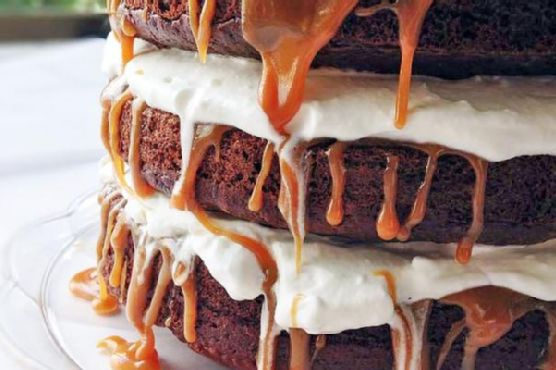
Caramel Macchiato Cake | Made by Meaghan Moineau

Caramel Macchiato Cake

Intro

There’s something magical about the aroma of coffee and caramel mingling in the air. It takes me back to lazy Sunday afternoons at my grandmother’s house, where the fragrant scent of freshly brewed coffee and the sweet promise of caramel treats filled the kitchen. Inspired by those cherished memories, this Caramel Macchiato Cake captures the essence of those moments in a delectable dessert that combines the rich flavors of coffee, chocolate, and caramel. Whether you’re a coffee lover or a dessert enthusiast, this cake is designed to bring warmth and joy to your table.

Why You’ll Love It

This Caramel Macchiato Cake is more than just a cake; it’s an experience. Here are a few reasons why you’ll fall head over heels for this delightful dessert:

  • Rich and Flavorful: The combination of chocolate, coffee, and caramel creates a symphony of flavors that dance on your taste buds.
  • Perfect for All Occasions: Whether it’s a birthday, a family gathering, or just a treat for yourself, this cake is sure to impress.
  • Easy to Make: With a few simple ingredients and steps, you’ll have a show-stopping dessert without spending hours in the kitchen.

Ingredients

  • Butter
  • Condensed milk
  • White corn syrup
  • Unflavored gelatin powder
  • Chocolate cake mix
  • Granulated sugar
  • Heavy whipping cream
  • Coffee
  • Powdered sugar
  • Water

Instructions

  1. Make the Cake Layers: Follow the chocolate cake box instructions to make three layers. Add an extra box of mix if needed to ensure you have enough batter for three layers. Add the instant coffee directly to the batter, stir, and let it sit for a few minutes to allow the coffee to dissolve.
  2. Divide the batter evenly into three 8-inch cake pans. Bake according to the box instructions.
  3. Once the cakes are cool, place a large plate on top of each pan and invert so that the plate is on the bottom. Tap the top of the pan a few times and gently wiggle to remove the pan from the cake. Repeat for the other two layers. Wrap the cake layers in plastic wrap and refrigerate for at least 2 hours or overnight.
  4. Make the Caramel: In a small saucepan over medium-low heat, combine the butter, condensed milk, white corn syrup, and granulated sugar. Stir and cook until the mixture reaches a dark golden brown color, stirring frequently to prevent burning.
  5. Once the caramel is ready, let it cool slightly before using it to layer and top the cake.
  6. Layer the cake with caramel and frosting of your choice, and drizzle more caramel on top for a beautiful finish.

Tips

To ensure your Caramel Macchiato Cake turns out perfectly, consider these helpful tips:

  • Chill the Cake Layers: Chilling the cake layers makes them easier to handle and frost.
  • Keep an Eye on the Caramel: Caramel can go from perfect to burnt quickly, so stir continuously and watch for the color change.
  • Use Quality Coffee: The coffee flavor is essential in this cake, so use a good quality coffee for the best results.

Variations & Substitutions

Feel free to make this cake your own by trying out some of these variations and substitutions:

  • Chocolate Variation: Add chocolate chips to the batter for extra chocolatey goodness.
  • Nutty Twist: Sprinkle chopped nuts between the layers for added texture and flavor.
  • Alternative Frosting: Try a cream cheese frosting for a tangy contrast to the sweet caramel.
  • Dairy-Free: Use dairy-free substitutes for butter and cream to make the cake suitable for those with dairy allergies.

Storage

To store your Caramel Macchiato Cake, wrap it tightly in plastic wrap or place it in an airtight container. It can be stored at room temperature for up to 3 days or in the refrigerator for up to a week. For longer storage, wrap the cake in plastic wrap and aluminum foil, then freeze for up to 3 months. Thaw in the refrigerator before serving.

FAQ

Can I use instant coffee instead of brewed coffee?

Yes, you can use instant coffee. Simply dissolve it in a bit of hot water before adding it to the batter for a stronger coffee flavor.

How do I prevent my caramel from burning?

Keep the heat on medium-low and stir the caramel constantly. Watch for the color change to a dark golden brown and remove it from heat immediately once it reaches that point.

Nutrition

This Caramel Macchiato Cake is a decadent treat, perfect for special occasions. While it’s not the lowest in calories, it is certainly rich in flavor and satisfaction. Enjoy a slice in moderation as part of a balanced diet.

Conclusion

The Caramel Macchiato Cake is a celebration of flavors and a delightful nod to the cherished memories of cozy afternoons filled with the aroma of coffee and caramel. Whether you’re making it for a special occasion or simply to enjoy a slice of comfort, this cake is sure to become a favorite. So gather your ingredients, embrace the warmth of your kitchen, and create a dessert that will surely bring smiles and sweet memories to those who share it with you.

Related update: Caramel Macchiato Cake

Blackout Fallout: Consumers Left Watching | Analysis by Brian Moineau

Does anyone care about the consumers?

A streaming blackout, Monday Night Football at stake, and two giant companies playing chicken

You open your living room app, ready for Monday Night Football, and—nothing. No ESPN banner, no kickoff, just a polite notice that the channel is “unavailable.” That’s the reality millions of YouTube TV subscribers faced this week as negotiations between Google’s YouTube TV and Disney broke down, pulling ESPN, ABC and other Disney-owned networks off the platform. The corporations trade blame; viewers lose access to the content they pay for. So where’s the consumer in all of this?

A quick snapshot of what happened

  • Disney’s carriage agreement with YouTube TV expired, and no new deal was reached, causing a blackout of Disney-owned channels on the platform. (This affected ESPN, ABC, FX, Nat Geo, SEC/ACC networks and more.) (washingtonpost.com)
  • The timing was brutal: college football on Saturday was disrupted and Monday Night Football (Cardinals vs. Cowboys the night after the blackout) became unavailable to YouTube TV subscribers. That raised the stakes for future marquee matchups. (nbcsports.com)
  • Earlier this season Google reached deals with Fox and NBCUniversal, yet Disney remains locked in a standoff that threatens millions of viewers and key sports windows. (reuters.com)

Why this feels so rotten for consumers

  • Live sports are time-sensitive. Missing a game is not the same as missing a scripted show you can stream later. A blackout during football season is especially painful. (washingtonpost.com)
  • Many subscribers chose YouTube TV for its aggregated convenience—one app, multiple channels, cloud DVR. When channels vanish overnight, the product promise is broken. (washingtonpost.com)
  • Alternatives are expensive or incomplete. Getting ESPN back might mean paying for Hulu + Live TV, Sling, DirecTV Stream, or buying an ESPN standalone tier — added cost and fragmentation. (washingtonpost.com)

The corporate chess game (and whose move matters)

  • Disney’s position: negotiate carriage rates that reflect the value of its live sports and unscripted programming, and protect the economics of its own streaming bundles. Disney has argued that Google was leveraging its platform to undercut industry-standard terms. (washingtonpost.com)
  • Google/YouTube TV’s position: push back on rising retransmission costs that they say would force higher subscriber prices and fewer choices for viewers. They’ve been willing to walk away in negotiations. (washingtonpost.com)
  • The consequence is predictable: both sides use negotiating leverage (blackouts) as a tactic, but it’s subscribers who feel the pain immediately while the companies posture for months.

The broader implications

  • Fragmentation: Media consolidation and content-holder vertical integration means consumers face more “must-have” services and more risk of blackouts.
  • Leverage vs. loyalty: Platforms that control distribution have power — but persistent blackouts risk driving subscribers to competitors or to piracy for live events.
  • Regulatory attention: Repeated high-profile blackouts raise political and regulatory questions about fair carriage practices and the consumer harm caused by market leverage.

A few practical things viewers can do (realistic, not ideal)

  • Check if ESPN/ABC are available through alternative services you already have (Hulu, Fubo, traditional antenna for ABC where available). (washingtonpost.com)
  • Explore temporary direct-to-consumer options (Disney/ESPN often offer standalone streaming tiers) — but account for added monthly cost. (washingtonpost.com)
  • Track official statements from both companies for updates and any credits/compensations YouTube TV might offer subscribers during the blackout. (washingtonpost.com)

What they’re not saying out loud

  • Neither company wants to be the face of a permanent loss in subscribers or ad reach; yet both are willing to see short-term consumer pain if it secures longer-term economics. That’s a sign that subscriber experience is secondary to corporate balance sheets in these fights.
  • Sports rights have become a pressure valve: owners and leagues can exert influence when their windows are at risk, but leagues often avoid stepping into distribution fights directly—preferring to let rights holders and distributors argue.

My take

This isn’t a negotiation problem; it’s a design problem in how modern TV is structured. When distribution hinges on a handful of expensive live-rights packages, every carriage cycle becomes a high-stakes game of chicken. Consumers are collateral damage. Companies will frame it as defending price or fairness, but the outcome too often leaves viewers paying more, switching services, or missing the moments that matter.

The simplest, most consumer-friendly route is obvious: cut a deal that keeps content available while moving toward clearer, more transparent pricing models. But simple and profitable rarely align. Until someone redesigns the incentives—whether by market shifts, consumer pushback, or regulation—these blackouts will keep happening.

Final thoughts

Sports are communal experiences: we watch together, cheer, complain and share highlights. The current carriage model treats those shared moments as bargaining chips. That’s bad business and worse customer care. Consumers shouldn’t be left filling the gap between corporate negotiating positions — particularly not on Monday nights when the games matter most.

Sources


Related update: We recently published an article that expands on this topic: read the latest post.


Related update: We recently published an article that expands on this topic: read the latest post.

Gluten Free Profiteroles | Made by Meaghan Moineau

Gluten Free Profiteroles

Intro

There’s something truly magical about the delicate crunch and soft, airy center of a well-made profiterole. Growing up, my grandmother used to make these delightful little puffs for special occasions, filling them with sweetened cream and drizzling them with chocolate. The kitchen would fill with the rich aroma of baking pastry, a scent that still transports me back to those cozy family gatherings. Now, with this gluten free version, I’m excited to share a recipe that brings the same joy and nostalgia, but without the gluten.

Why You’ll Love It

This gluten free profiterole recipe is a game-changer for anyone with gluten sensitivities. Not only does it deliver the classic texture and taste you love, but it’s also surprisingly simple to make. You’ll appreciate that the ingredients are likely already in your pantry and the method doesn’t require any fancy equipment. Whether you’re a seasoned baker or new to the kitchen, this recipe is designed to be approachable and rewarding.

Ingredients

  • Butter
  • Egg
  • Gluten free flour
  • Xanthan gum
  • Milk
  • Salt
  • Sugar
  • Water

Instructions

  1. Preheat oven to 375°F.
  2. Sift the flour, xanthan gum, salt, and sugar together 3-4 times. Set aside in a handy location close to the stove.
  3. Break the egg into a measuring cup and whisk to combine. Set aside.
  4. Prepare your hand mixer so that it is ready when needed.
  5. Measure milk and water into a deep heavy-bottomed pan. Cut butter into small chunks and add to the milk mixture. Heat gently until all the butter has melted.
  6. Increase heat on the butter-milk mixture until it comes to a rolling boil. Remove from heat and pour the flour mixture into the milk mixture all at once. Beat vigorously with a wooden spoon.
  7. Return to a low heat and continue beating with the wooden spoon until the flour forms a smooth paste and has come cleanly off all the sides and bottom (should be shiny and smooth). Avoid overcooking this paste as the buns will become heavy.
  8. Remove from heat and slowly pour the egg into the mixture, beating well with the hand mixer. Be careful not to make the paste too runny. The amount of egg required depends on the humidity, so add in small quantities. Continue to beat until shiny and stiff.
  9. The paste should be firm but elastic and should be able to stand on its own when dropped by spoonfuls. This paste may be kept for a couple of hours covered with a damp cloth. It can also be frozen and used successfully.
  10. Prepare a cookie sheet by running it under cold water, shaking excess water off, but leaving it damp. Use two baking sheets to protect the bottom of each puff from burning.
  11. Place tablespoons of the mixture about 10 cm apart (the choux will double to triple in size).
  12. Bake for 20-25 minutes, until the exterior is golden. Do not open the oven for the first 15 minutes. Choux needs to be golden; otherwise, they will collapse as they cool.
  13. When done, remove from the sheet to a baking rack, piercing with a toothpick to allow steam to escape. Choux pastry may be reheated for about 10 minutes to crisp them up again.

Tips

For the best results, make sure all your ingredients are at room temperature before you begin. This helps everything combine more smoothly. Also, keep an eye on the humidity levels in your kitchen; this can affect how much egg you need to add to your dough.

Variations & Substitutions

Feel free to get creative with your fillings! Traditional cream or custard are always hits, but consider experimenting with flavored creams like coffee or chocolate. For a dairy-free version, substitute the milk and butter with plant-based alternatives.

Storage

Store any leftover profiteroles in an airtight container at room temperature for up to two days. They can also be frozen for longer storage—just thaw and reheat them in the oven to regain their crispness.

FAQ

Can I make these profiteroles ahead of time?

Yes, you can make the choux pastry ahead of time and store it covered with a damp cloth for a few hours, or freeze them for later use. Just reheat in the oven before serving to ensure they are crisp.

What if I don’t have xanthan gum?

If you don’t have xanthan gum, you can try using guar gum or psyllium husk as an alternative. These help provide the necessary elasticity in gluten free baking.

Nutrition

Profiteroles are a treat and should be enjoyed in moderation. The exact nutritional content will vary based on the size of your profiteroles and the type of filling used. However, they are relatively low in sugar and can fit into a balanced diet when enjoyed as an occasional indulgence.

Conclusion

This gluten free profiterole recipe is a beautiful way to bring a touch of elegance to your dessert table. With the perfect balance of crispness and airiness, these treats are sure to impress your family and friends, gluten free or not. Enjoy the process of making them and savor every bite of nostalgia they bring. Happy baking!

Related update: Gluten Free Profiteroles

Related update: Creamy Potato Salad with Cashew Dressing and Fresh Basil

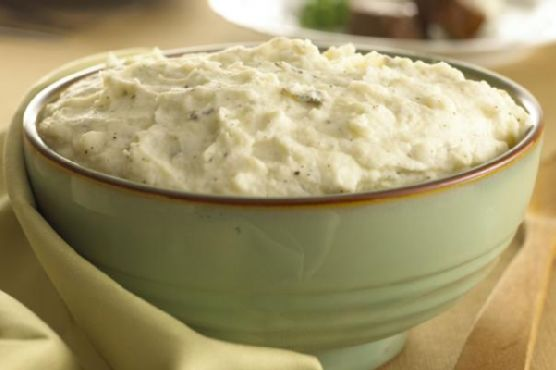
Mashed Potatoes with Garlic, Sage & Goat Cheese | Made by Meaghan Moineau

Mashed Potatoes with Garlic, Sage & Goat Cheese

Intro

There’s something truly comforting about a bowl of creamy mashed potatoes. For me, it brings back memories of Sunday family dinners at my grandmother’s house. The kitchen would be filled with the savory aroma of garlic and sage, enticing everyone to gather around the table. Her secret ingredient? A dash of tangy goat cheese that elevated the dish to something extraordinary. Today, I’m excited to share this cherished recipe with you, hoping it becomes a staple in your home just as it has been in mine.

Why You’ll Love It

This mashed potato recipe is not just any side dish; it’s a rich and flavorful experience. The creaminess of the goat cheese blends perfectly with the earthy notes of sage, creating a dish that’s both comforting and sophisticated. It’s the ideal side for your holiday gatherings, yet simple enough for a weeknight meal. Plus, with just a handful of ingredients, it’s as easy to prepare as it is delicious.

Ingredients

  • 4 large baking potatoes, peeled and cubed
  • 3 cloves of garlic, minced
  • 1 Chavrie goat cheese pyramid (or 5 oz of any soft goat cheese)
  • 2 tablespoons olive oil
  • 2 teaspoons fresh sage, finely chopped
  • Salt and black pepper to taste

Instructions

  1. In a medium saucepan, cook the potatoes in salted water until tender, about 15 minutes.
  2. Drain the potatoes and return them to the saucepan.
  3. While still warm, add the olive oil, garlic, and Chavrie Goat Cheese.
  4. Whip the potatoes with handheld mixers until the ingredients are blended and the desired consistency is obtained.
  5. Season with salt and black pepper to taste.
  6. Garnish with fresh sage before serving.

Tips

For perfectly fluffy mashed potatoes, make sure to thoroughly drain them before adding other ingredients. If you prefer a smoother texture, you can pass the potatoes through a ricer before mixing. Adjust the amount of garlic and sage according to your taste preference. Remember, the goat cheese adds a unique tang, so you may need less salt than usual.

Variations & Substitutions

If goat cheese isn’t to your liking, you can substitute it with cream cheese or even a bit of sour cream for a similar creamy texture. For a vegan version, use a vegan cream cheese alternative and replace the olive oil with a vegan butter. You can also experiment with different herbs like rosemary or thyme for a new flavor profile.

Storage

Store any leftover mashed potatoes in an airtight container in the refrigerator for up to three days. Reheat gently on the stove or in the microwave, adding a splash of milk or broth to restore the creamy texture. Unfortunately, mashed potatoes don’t freeze well as they can become grainy, so it’s best to enjoy them fresh.

FAQ

Can I prepare this dish in advance?

Yes, you can prepare the mashed potatoes a day in advance. Simply store them in the fridge and reheat before serving. Adding a little extra olive oil or milk when reheating can help maintain their creaminess.

What is the best potato type for mashing?

For the creamiest mashed potatoes, use starchy potatoes like Russets or Yukon Golds. They break down easily and absorb flavors well, resulting in a smooth, fluffy texture.

Can I make this recipe without a mixer?

Absolutely! While a mixer makes the job easier, you can use a potato masher or even a fork. The texture will be more rustic, which some people prefer.

Nutrition

This dish is not only delicious but also nutritious. The potatoes provide a good source of vitamins C and B6, while the goat cheese adds protein and calcium. Just be mindful of portion sizes if you’re watching your calorie intake, as the cheese and olive oil can add up.

Conclusion

Mashed Potatoes with Garlic, Sage & Goat Cheese is a dish that brings warmth and flavor to any table. Whether it’s a holiday feast or a simple family dinner, this recipe promises to be a crowd-pleaser. I hope you enjoy this family favorite as much as we do. Don’t forget to share your creations with us and let us know how it turned out!

Related update: Mashed Potatoes with Garlic, Sage & Goat Cheese

Manning’s Return Sparks Texas Rally | Analysis by Brian Moineau

Arch Manning’s comeback and a 75-yard first-play reminder that momentum loves drama

AUSTIN — If you like theater, Saturday’s Texas-Vanderbilt tilt wrote itself with bold strokes: Arch Manning, fresh off concussion protocol, steps back under center and uncorks a 75-yard touchdown to Ryan Wingo on the very first play. The Longhorns raced to a seemingly comfortable 34-10 lead, only to watch the Commodores stage a furious fourth-quarter push that made the closing minutes feel like a playoff game — and an onside kick bounce that decided everything.

This wasn’t just a win. It was a mood swing, a test of Texas’ resilience, and a reminder that college football flips faster than you can blink. Manning finished with 328 yards and three touchdown passes, but the story is as much about recovery, momentum, and the thin margin between confident control and late-game chaos.

Key takeaways

  • Arch Manning returned from concussion protocol and delivered a high-impact performance: 328 passing yards and three touchdown passes, including a 75-yard bomb to Ryan Wingo on the first play.
  • Texas built a big fourth-quarter cushion (34-10) but nearly squandered it as Vanderbilt rallied behind dynamic plays from Diego Pavia and Eli Stowers.
  • The Commodores’ comeback fell short after an onside kick rolled out of bounds — a reminder that even the best surges need a little luck.
  • The win keeps Texas’ résumé intact as they chase postseason positioning, but the late wobble exposes areas (closing out games, defensive consistency) that still need work.

The hook play: why one throw changed the day

That first-play 75-yard touchdown felt like a message. Not just to Vanderbilt, but to anyone still wondering whether Manning’s concussion layover had left him rusty. He didn’t just return — he ripped the game open. There’s psychological power in an opening-play score: it forces the opponent to answer immediately, energizes your crowd, and lets your offense operate with a bit more swagger.

But football isn’t a movie with a tidy first-act triumph. The middle act left Texas with a 24-point lead and all the veneer of control — and the final act nearly turned it into a horror show. Vanderbilt’s late barrage showed why teams don’t celebrate until the clock reads zero. Momentum can be contagious, and Pavia’s arm and legs sparked a late life that made Royal-Memorial Stadium sweat.

Arch Manning, recovery, and the quarterback narrative

Manning’s season has been a roller coaster: preseason hype, flashes of elite play, inconsistency, and now a concussion scare. Returning and playing well immediately is a positive sign for Texas and for Manning’s draft-season narrative. It also underscores how teams manage injury risk and the thin line coaches walk between caution and competitiveness.

That said, a single game shouldn’t erase the season’s ups and downs. What Texas got Sunday was a blend of encouraging poise and a reminder of the team’s vulnerability when an opponent refuses to quit.

What the late Vanderbilt rally says about both teams

  • Vanderbilt: The Commodores proved they can strike quickly and hang around against top opponents. Diego Pavia’s ability to create big plays (long TD runs and throws) makes Vanderbilt dangerous in every comeback scenario. A resilient team that doesn’t panic is a team to watch down the stretch.
  • Texas: Offensively potent and able to build blowout leads, but the defense’s late surrender of big plays is worrisome. Coaches will love the win but cringe at the scoreboard’s wobble. Closing games cleanly is as much a coaching and discipline issue as it is talent-based.

Bigger-picture implications

  • Polls and postseason hopes: A top-25 Texas win over a top-10 Vanderbilt matters in November. It keeps momentum in the Longhorns’ favor for conference positioning and resume-building.
  • Player stock-watch: Arch Manning regained some narrative shine; a timely performance after an injury boosts his profile. Ryan Wingo’s explosive playmaking also reaffirms him as a go-to vertical threat.
  • Coaching adjustments: Sarkisian’s team showed offensive firepower but will need to tighten late-game execution and defensive containment to avoid future scares.

Short reflection

There’s something poetic about sports’ unpredictability: two plays can feel like seasons. For Texas, this was a small but meaningful test passed — mostly. For neutral fans, it was the kind of roller-coaster that keeps college football intoxicating. Manning’s performance today is a plot twist, not the final chapter. The Longhorns won a high-stakes November game, but the way the lead evaporated is a useful nudge toward humility for a team with bigger goals.

Sources