
Steelers Home Edge Could Roil AFC Playoffs | Analysis by Brian Moineau

If the Steelers Catch Fire in January, the AFC Is in Trouble

The sight of Acrisure Stadium going feral after a turnover is something else — and after the Pittsburgh Steelers forced six of them to beat the Indianapolis Colts, former cornerback Aqib Talib didn’t mince words. “If we let them get the number three seed or the number four seed and they get to be in Pittsburgh for these home games? The AFC gonna be in fucking trouble,” he said on The Arena. That line isn’t just hot take theater — it taps into a real, old-school truth about Pittsburgh football: a turnover-hungry defense, passionate crowd, and cold-weather home-field edge can derail the best offenses.

Below I unpack why Talib’s warning matters, what happened against Indianapolis, and whether the Steelers are a legitimate playoff threat or still too boom-or-bust to be feared in January.

The hook: one game, big implications

  • A 27-20 win over the AFC’s top seed (the Colts) doesn’t just move a record — it changes narratives.
  • Pittsburgh’s defense, long criticized for inconsistency, forced six turnovers and had five sacks — the kind of game that makes veteran commentators picture playoff chaos.
  • Turnovers are the great equalizer. Ask any coach: you can be outgained and still win if you take the ball away.

What happened in Pittsburgh (quick context)

  • On Sunday at Acrisure Stadium the Steelers turned a flashy Colts offense inside out by creating six turnovers (three interceptions, two fumbles, plus a muffed punt recovery) and generating five sacks. The Colts still outgained Pittsburgh by a large margin, but the turnover margin (and points off turnovers) decided the game. (steelers.com)
  • Pittsburgh held Jonathan Taylor to just 45 rushing yards on 14 carries and used timely pressure to rattle Colts QB Daniel Jones into mistakes. The Steelers scored 24 points off turnovers. (steelers.com)
  • Aqib Talib’s reaction — a blunt message to the rest of the AFC — came after watching that performance and picturing postseason Pittsburgh, where noise, weather and a restless crowd magnify mistakes. (steelersdepot.com)

Why Talib’s warning has teeth

  • Turnover-dependent defenses can look average most weeks and elite in the postseason. In playoff football, possessions shrink and mistakes are punished. A team that generates takeaways — especially with a pass rush that can turn safe throws into turnovers — is inherently dangerous.
  • Acrisure Stadium (cold, loud, hostile) amplifies defensive advantages. Visiting offenses trying to execute a timing-based passing game are more likely to slip up late in the year when weather and crowd noise increase.
  • Pittsburgh’s roster still has proven playmakers — pass-rushers who can flip a game, and young defensive backs like Joey Porter Jr. who can make splash plays. When those elements align, the Steelers look like a classic playoff spoiler. (nfl.com)

But there’s a cautionary asterisk

  • The Steelers’ identity this season has been volatile: when they win the turnover battle they win, when they don’t they lose. That’s not a resume that inspires predictable postseason success. Consistency matters in January. (steelersdepot.com)
  • Turnovers are, by nature, streaky and sometimes random. You can’t bank on forcing six giveaways every week. Opposing coaches will game-plan for ball security, screen out the rush, and adjust protections to minimize splash plays.
  • A few elite squads (think Chiefs, Bills, or others) pair high-octane offenses with disciplined ball security and can neutralize a hot defense with sustained drives and clock control.

How the rest of the AFC should think about Pittsburgh

  • Respect the threat: if the Steelers earn a home playoff game, they’re not a team to take lightly. A pass rush and takeaways can swing a wild-card game fast.
  • Don’t overreact: one signature defensive outing doesn’t reshape a season. Teams that prepare and execute fundamentals — protect the ball, win the line of scrimmage, and avoid risky throws — can blunt Pittsburgh’s best traits.
  • Matchups matter: cold-weather home games favor defensive, physical clubs. Teams that rely on timing routes and gadgetry are more vulnerable; teams built to run and possess the ball should feel better.

A few strategic adjustments opponents might make

  • Prioritize ball security: clean exchanges on handoffs, conservative play calls on early downs, and tight punt coverage to avoid muffed kicks.
  • Quick, decisive throws to neutralize the rush and get the ball out before pressure forces errors.
  • Run-game emphasis to chew clock and limit the Steelers’ opportunistic chances.

What this means for Pittsburgh’s playoff hopes

  • If the Steelers can tighten up the base fundamentals (less reliance on random turnovers and more consistent pressure without giving up explosive plays), they become a scary postseason club.
  • If they remain streaky — brilliant one week, leaky the next — they’re more likely to be a first-round headline than a deep contender.

My take

I love Talib’s confidence because it names a real dynamic: certain defenses become exponentially more dangerous in playoff atmospheres. Pittsburgh has the pieces to be that kind of team, but the difference between “spoiler” and “contender” is consistency. For now, the Steelers are a plausible January nightmare for teams that stroll into Acrisure expecting clean execution. They’re not a guaranteed wrecking ball — but they’re a matchup opponents can’t afford to underestimate.

Notes worth remembering

  • Turnovers won’t save you every week; they tilt games but don’t substitute for steady execution.
  • Home-field intensity is a multiplier in cold-weather cities — getting the seed that keeps playoff games in Pittsburgh could matter more than it looks on paper.
  • One high-profile win can shift perception quickly; the challenge for the Steelers is to make it a pattern rather than a moment.

Sources


Related update: We recently published an article that expands on this topic: read the latest post.
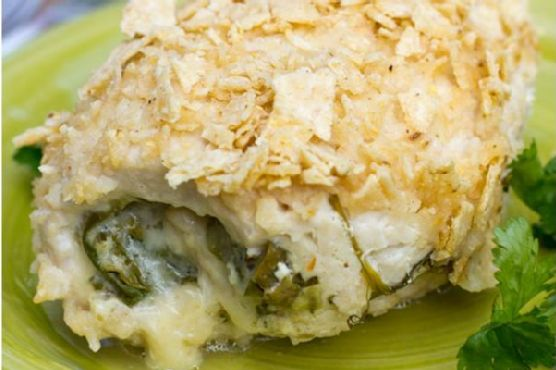

Mexi-Chicken Roll Ups | Made by Meaghan Moineau

Mexi-Chicken Roll Ups

Intro

Welcome to a journey of flavors that dance right off the plate into your heart. Mexi-Chicken Roll Ups have been a beloved staple in my family for years. I remember the first time I tasted this dish at my grandmother’s house; the warmth of the kitchen, the sizzle of chicken in the oven, and the aromatic scent of cilantro and cumin wafting through the air. It was a chilly Sunday afternoon, and we gathered around the table, eagerly awaiting the feast. From that day on, this recipe has been a cherished family tradition, and I’m thrilled to share it with you today.

Why You’ll Love It

Mexi-Chicken Roll Ups are more than just a meal; they’re an experience. This dish is perfect for any occasion, whether it’s a family dinner, a potluck, or even a casual weeknight meal. Here’s why you’ll fall in love with it:

  • Flavorful and Satisfying: The combination of tender chicken, creamy sauce, and crunchy tortilla topping provides a delightful contrast in textures and flavors.
  • Easy to Make: With simple steps and readily available ingredients, this recipe is straightforward and foolproof.
  • Customizable: You can easily tweak the ingredients to suit your tastes or dietary needs.

Ingredients

  • 8 oz cream cheese
  • 1 cup salsa verde
  • 1 bunch cilantro, chopped
  • 1 tsp cumin
  • 1 tsp garlic powder
  • 4 chicken breasts
  • 1 cup fresh spinach
  • 1 cup shredded pepper jack cheese
  • 1 cup crushed tortilla chips

Instructions

  1. Preheat your oven to 350°F (175°C).
  2. Flatten out the chicken breasts to about 1/4″ thickness using a meat mallet or a rolling pin between sheets of wax paper.
  3. In a blender or food processor, combine cream cheese, salsa verde, chopped cilantro, cumin, and garlic powder to form a smooth sauce.
  4. Spread a generous spoonful of the sauce across each chicken breast.
  5. Top each breast with a layer of fresh spinach leaves and then sprinkle with shredded pepper jack cheese.
  6. Carefully roll each chicken breast closed. Secure with toothpicks if necessary.
  7. Place the crushed tortilla chips in a shallow dish and roll each chicken breast in the chips to coat evenly.
  8. Arrange the roll-ups in a baking dish, cover with foil, and bake for 30 to 35 minutes or until the chicken is cooked through and no longer pink in the center.
  9. Remove the foil for the last 5 minutes of baking to allow the tortilla chips to become crispy.
  10. Let cool slightly before serving. Enjoy!

Tips

  • For easier rolling, ensure your chicken breasts are thin and even. This will also help them cook more uniformly.
  • To save time, use pre-shredded cheese and pre-washed spinach.
  • If you don’t have a meat mallet, you can use a heavy skillet to flatten the chicken.

Variations & Substitutions

This recipe is incredibly versatile. Here are a few ideas to make it your own:

  • Cheese: Substitute pepper jack with cheddar or mozzarella for a different flavor profile.
  • Spiciness: Add chopped jalapeños to the cream cheese mixture for extra heat.
  • Herbs: Swap cilantro with parsley if you’re not a fan of its distinctive taste.

Storage

Leftover Mexi-Chicken Roll Ups can be stored in an airtight container in the refrigerator for up to 3 days. To reheat, place in the oven at 300°F (150°C) until warmed through. You can also freeze the roll-ups before baking. Simply thaw in the refrigerator overnight before cooking.

FAQ

Can I use a different type of meat?

Absolutely! This recipe works well with turkey or pork tenderloin. Adjust the cooking time as needed to ensure the meat is fully cooked.

What can I serve with Mexi-Chicken Roll Ups?

These roll-ups pair wonderfully with a side of Spanish rice, black beans, or a simple green salad. You can also serve them with guacamole or sour cream for dipping.

Is there a vegetarian option?

To make this dish vegetarian, substitute the chicken with large portobello mushrooms or zucchini slices. Adjust the baking time accordingly.

Nutrition

Each serving of Mexi-Chicken Roll Ups is packed with protein and flavor. While exact values depend on portion sizes, a typical serving provides approximately:

  • Calories: 450
  • Protein: 35g
  • Carbohydrates: 15g
  • Fat: 28g
  • Fiber: 3g

Conclusion

Mexi-Chicken Roll Ups are a delightful way to bring a taste of Mexican-inspired cuisine into your home. Whether you’re hosting a dinner party or looking for a comforting family meal, this dish is sure to impress. The combination of creamy, spicy, and crunchy elements will make it a favorite for years to come. I hope you enjoy making and eating this dish as much as my family has throughout the years. Bon appétit!

Related update: Mexi-Chicken Roll Ups

Paul vs. Davis Fight Canceled, Paul Plans | Analysis by Brian Moineau

When the Main Event Vanishes: Jake Paul vs. Gervonta Davis Called Off

Boxing fans woke up on November 4, 2025 to the kind of headline that halts a sport’s chatterboard: the much-hyped Jake Paul vs. Gervonta “Tank” Davis fight, scheduled for November 14, 2025 in Miami, has been cancelled. What promised to be one of the most talked-about crossover bouts of the year — a size-and-celebrity mismatch that drew headlines for months — unraveled after a civil lawsuit was filed against Davis in Miami-Dade County. Promoters say Paul will still headline an event on Netflix later in 2025, but the original spectacle is officially off.

Why the bout was scrapped

  • The cancellation followed the filing of a civil lawsuit against Gervonta Davis on or around the end of October 2025. Local authorities have confirmed investigations and a restraining order connected to the allegations. (aljazeera.com)
  • Most Valuable Promotions (MVP), led by CEO Nakisa Bidarian, and Netflix decided to pull the plug on the Nov. 14 event in Miami. MVP said the team had worked “closely with all parties to navigate this situation responsibly” and that Jake Paul will be rebooked for another Netflix-streamed event in 2025. (espn.com)
  • The fight had already been controversial because of the huge weight disparity: Paul typically fights near cruiserweight (around 200 lbs), while Davis is a 135-pound lightweight champion — an unusual and headline-grabbing matchup. (aljazeera.com)

What this means for Jake Paul, Tank Davis, and boxing

  • For Jake Paul: the cancellation removes a high-profile payday and a marketing moment, but MVP’s statement signals Paul’s team wants to keep momentum and still deliver a Netflix headliner before year-end. That suggests Paul’s brand and promotional machine remain intact even if opponents shift. (apnews.com)
  • For Gervonta Davis: beyond the immediate professional setback, the lawsuit and related investigations create reputational and legal uncertainty. Davis’s fights and endorsements could be affected while the matter is unresolved. (reuters.com)
  • For boxing and fans: the event’s shelving underscores a balancing act promoters face — chasing blockbuster, eyeball-grabbing matchups while also managing legal and ethical risks that can derail shows at the last minute.

Quick snapshot

  • Fight: Jake Paul vs. Gervonta “Tank” Davis (exhibition)
  • Original date: November 14, 2025 (Kaseya Center, Miami). Moved from Atlanta earlier due to sanctioning issues. (aljazeera.com)
  • Status: Cancelled as of November 4, 2025. MVP/Netflix to rebook Paul on a later 2025 card. (espn.com)

What fans and ticket holders should know

  • Ticket refunds: MVP said tickets purchased through Ticketmaster will be refunded automatically — expect processing timelines (often 14–21 days depending on vendor). (aljazeera.com)
  • Replacement opponents were reportedly considered to keep the Nov. 14 date, with names floated publicly (from other crossover stars to established boxers), but the promoters ultimately decided to cancel rather than proceed without Davis. (espn.com)

Takeaways for the bigger picture

  • High-profile crossover fights are fragile: the combination of celebrity boxing, legal exposures, and public scrutiny means big cards can collapse quickly. (aljazeera.com)
  • Streaming partners tighten standards: Netflix’s involvement and the swift cancellation show platforms are wary of attaching themselves to events mired in legal controversy. (mmafighting.com)
  • Promotions will pivot: MVP’s immediate promise to rebook Paul indicates modern boxing promotions lean on flexible streaming deals and brand-driven cards rather than single-fight reliance. (espn.com)

My take

This cancellation is a reminder that boxing’s current era — equal parts showbiz, streaming strategy, and sport — can create spectacles that look unstoppable on paper and fragile in practice. Fans will be disappointed; fighters and promoters will scramble. But for Paul, whose appeal is as much about entertainment as about in-ring results, the infrastructure to pivot (promoter power, Netflix deal, audience curiosity) likely softens the blow. For Davis, the situation is more precarious: legal drama is a long-term reputational wildcard that can affect career options far beyond a single cancelled bout.

Sources


Related update: We recently published an article that expands on this topic: read the latest post.


Related update: We recently published an article that expands on this topic: read the latest post.

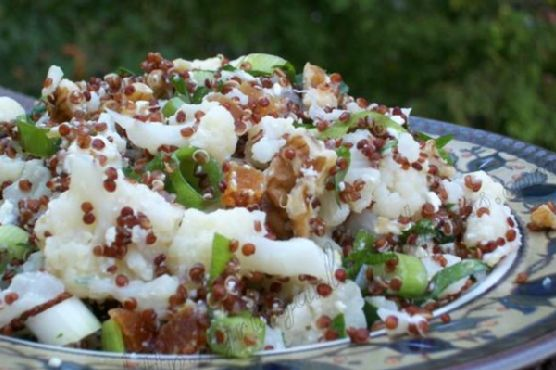
Red Quinoa and Roasted Cauliflower Salad | Made by Meaghan Moineau

Red Quinoa and Roasted Cauliflower Salad

Intro

There’s something magical about the aroma of roasted cauliflower wafting through the kitchen. It transports me back to my grandmother’s cozy home, where the warmth of her cooking would fill every corner. She had a knack for taking simple ingredients and transforming them into something extraordinary. Inspired by her love for hearty, wholesome meals, I’ve created this Red Quinoa and Roasted Cauliflower Salad. It’s a dish that combines textures and flavors beautifully, making it a family favorite.

Why You’ll Love It

This salad is a delightful medley of nutty quinoa, sweet and chewy dried apricots, crunchy walnuts, and tangy feta cheese. The roasted cauliflower adds a savory depth, while the fresh green onions and parsley bring a burst of freshness. It’s a versatile dish that can be served warm or cold, making it perfect for any season. Whether you’re looking for a nutritious lunch, a side dish for dinner, or a potluck star, this salad fits the bill. Plus, it’s packed with protein, fiber, and healthy fats, ensuring you feel satisfied and nourished.

Ingredients

  • 1 head of cauliflower
  • 1 cup red quinoa
  • 1/2 cup walnuts, chopped
  • 1/2 cup dried apricots, chopped
  • 1/2 cup feta cheese, crumbled
  • 4 green onions, sliced
  • 1/4 cup fresh parsley, chopped
  • Salt and pepper to taste
  • Juice of 1/2 a lemon
  • 2 tablespoons olive oil

Instructions

  1. Cook the quinoa according to package directions. Set aside to cool slightly.
  2. Preheat the oven to 400°F (200°C).
  3. Cut the head of cauliflower into florets.
  4. Toss the cauliflower florets with olive oil, salt, and pepper. Arrange them on a baking sheet in a single layer.
  5. Roast the cauliflower in the preheated oven for 20 minutes or until tender and golden brown.
  6. Meanwhile, crumble the feta cheese and prepare the remaining ingredients: chop the walnuts, dried apricots, green onions, and parsley.
  7. In a large bowl, combine the cooked quinoa, roasted cauliflower, walnuts, apricots, feta cheese, green onions, and parsley.
  8. Drizzle with extra virgin olive oil and the juice from half a lemon. Toss to combine.
  9. Season with additional salt and pepper to taste.
  10. Serve immediately warm or chill in the refrigerator and serve cold.

Tips

For the best results, ensure your cauliflower florets are evenly coated in olive oil and spread out on the baking sheet to roast evenly. You can toast the walnuts for an extra layer of flavor. Simply place them in a dry skillet over medium heat, stirring frequently until fragrant. Be careful not to burn them! Finally, if you’re serving the salad cold, allow the flavors to meld by refrigerating it for at least an hour before serving.

Variations & Substitutions

This salad is highly adaptable to your preferences or dietary needs. You can swap the red quinoa for white or black quinoa, or even use farro or barley for a different grain base. If you’re not a fan of walnuts, try using almonds or pecans instead. For a vegan version, omit the feta cheese or replace it with a plant-based alternative. You can also add more veggies, like roasted cherry tomatoes or bell peppers, for extra color and nutrients.

Storage

This salad stores beautifully, making it an excellent option for meal prep. Place the salad in an airtight container and refrigerate for up to 4 days. If you’ve dressed the salad, the flavors will intensify over time, which many find delicious. However, if you prefer a fresher taste, consider storing the dressing separately and mixing it in just before serving.

FAQ

Can I make this salad ahead of time?

Absolutely! This salad is ideal for making ahead. Prepare all the components and combine them just before serving. This will keep the flavors vibrant and the textures perfect.

Is there a way to add more protein to this salad?

Yes, you can add grilled chicken, chickpeas, or tofu for additional protein. These options complement the existing flavors well and make the salad more filling.

What can I serve with this salad?

This salad is quite versatile and pairs well with grilled meats, such as chicken or fish. It’s also a great side dish for a barbecue or a potluck.

Nutrition

This Red Quinoa and Roasted Cauliflower Salad is not only delicious but also nutritious. It’s rich in plant-based protein from quinoa, healthy fats from walnuts and olive oil, and fiber from the cauliflower and dried apricots. It’s a well-rounded meal that will keep you energized and satisfied.

Conclusion

Whether you’re reminiscing about family meals or creating new memories, this Red Quinoa and Roasted Cauliflower Salad is a dish that brings people together. Its harmonious blend of flavors and textures makes it a standout choice for any occasion. I hope this recipe becomes a staple in your kitchen, just as it is in mine. Enjoy the journey of cooking and savor every bite!

Related update: Red Quinoa and Roasted Cauliflower Salad

Related update: Hush Puppies

Related update: Amaranth and Roast Veggie Salad

Caramel ice cream | Made by Meaghan Moineau

Decadent Homemade Caramel Ice Cream

Intro

There’s something truly magical about homemade ice cream, especially when it’s infused with the rich, buttery flavor of caramel. This recipe for caramel ice cream takes me back to summers spent in my grandmother’s kitchen, where the aroma of simmering sugar and cream would fill the air. We’d gather around the table eagerly waiting for the first scoop of freshly churned ice cream, savoring every bite as if it were a treasure. Today, I’m thrilled to share this delightful recipe that promises to evoke the same warm memories and smiles in your home.

Why You’ll Love It

This caramel ice cream is a creamy, indulgent treat that’s surprisingly simple to make. Its rich flavor profile will satisfy any sweet tooth, and the smooth texture is perfect for hot summer days or as a dessert for a cozy night in. Whether you’re an ice cream aficionado or a caramel lover, this recipe is sure to become a family favorite.

Ingredients

  • 2 cups sugar
  • 1 cup water, divided
  • 4 large eggs
  • 1 cup powdered sugar
  • 2 cups heavy cream
  • 1/2 teaspoon salt
  • 1 teaspoon vanilla extract

Instructions

  1. In a large skillet, combine the sugar and 1/2 cup of water over medium-high heat. Stir occasionally, allowing the sugar to dissolve and the mixture to come to a boil.
  2. Continue boiling the sugar mixture for about 5 minutes until it reaches a dark brown color. Be careful not to burn it.
  3. Remove the skillet from the heat and gradually stir in the remaining 1/2 cup of water. Allow the caramel to cool to room temperature and set aside.
  4. In a medium bowl, beat the eggs for 3 minutes until they are thick and light yellow in color.
  5. Gradually beat in the powdered sugar until well combined.
  6. Stir in the heavy cream, salt, and vanilla extract.
  7. Gently stir in the caramel mixture until smooth.
  8. Cover the mixture and chill in the refrigerator for at least 4 hours or overnight.
  9. Pour the chilled mixture into an ice cream machine and churn according to the manufacturer’s instructions until frozen.
  10. Transfer the ice cream to a plastic container and place it in the freezer for at least an hour before serving.
  11. Before serving, let the ice cream sit at room temperature for 5-10 minutes to reach the perfect scooping consistency.

Tips

For best results, serve your caramel ice cream in chilled glass or porcelain bowls. Use a hot, dry ice cream scoop for the perfect scoop every time—simply dip the scoop in boiling water and wipe it dry before using.

Variations & Substitutions

If you’re looking to switch things up, consider adding a pinch of sea salt to the caramel for a salted caramel twist. Alternatively, you could swirl in some chocolate chips or nuts during the churning process for added texture and flavor. For those who prefer a lighter version, substitute half of the heavy cream with milk.

Storage

Store your caramel ice cream in an airtight container in the freezer. It will keep for up to two weeks, although we doubt it will last that long! Just be sure to allow it to soften at room temperature before scooping.

FAQ

Can I make this recipe without an ice cream machine?

Yes! If you don’t have an ice cream machine, simply pour the mixture into a shallow dish and place it in the freezer. Stir every 30 minutes for the first few hours to break up ice crystals, then freeze until firm.

How can I prevent ice crystals from forming?

To prevent ice crystals, ensure that your mixture is thoroughly chilled before churning. Using an ice cream machine also helps achieve a smoother texture by churning air into the mixture as it freezes.

Nutrition

This recipe yields approximately 8 servings. Each serving contains about:

  • Calories: 350
  • Fat: 22g
  • Carbohydrates: 38g
  • Protein: 4g

Conclusion

Making caramel ice cream from scratch is a rewarding experience that brings joy to both the cook and those lucky enough to enjoy the results. With its rich flavor and creamy texture, this recipe is sure to become a staple in your culinary repertoire. Whether you’re serving it at a family gathering or enjoying a quiet night in, this homemade treat is sure to impress. So, gather your ingredients, channel your inner chef, and let the magic of caramel ice cream unfold in your kitchen!

Related update: Caramel ice cream

AI Winners Mask Weak Market Breadth | Analysis by Brian Moineau

November’s market mood: bright leaders, shaky foundation

Monday’s market tape told a familiar — and a little unsettling — story: the Nasdaq and S&P 500 quietly closed higher, lifted by a handful of AI and mega‑cap tech winners, while more than 300 S&P 500 stocks finished the day in the red. That kind of skew — a few names powering headline gains while many constituents lag — is the market’s current frisson: impressive on the surface, fragile underneath.

What happened (the quick read)

  • Major AI‑exposed names and cloud/semiconductor plays rallied and helped the indices eke out gains.
  • Stock futures slipped slightly the next session as investors digested valuation chatter, profit‑taking and mixed earnings signals.
  • Market breadth remained weak: hundreds of S&P 500 components fell even though the cap‑weighted indexes rose, highlighting concentrated leadership.

Why breadth matters

When a market rally is driven by a narrow group of stocks, the headline numbers can mask risk. A cap‑weighted index like the S&P 500 gives outsized influence to the largest companies, so the top handful of megacaps (the “Magnificent Seven” or similar groups) can lift the index even while most companies decline.

  • Narrow leadership raises volatility risk: if one or two leaders stumble, index performance can unwind quickly.
  • Weak breadth signals potential for rotation: sectors or mid‑caps that haven’t participated may suddenly correct further or rebound sharply if sentiment shifts.
  • Valuation sensitivity grows: when gains concentrate in richly valued AI/tech names, any hint of earnings disappointment, regulatory pressure, or slowing adoption can trigger swift re‑pricing.

The context you should keep in mind

  • AI enthusiasm has been a strong theme through 2025: big cloud deals, hyperscaler capex and continued demand for AI chips kept investor attention fixed on a small group of winners.
  • Many companies are still reporting solid earnings — a reason some strategists argue the rally isn’t just speculative. But even with good results, the market’s recovery is uneven.
  • Macro and policy noise (interest‑rate speculation, data delays from the U.S. government shutdown earlier in November, and geopolitical headlines) adds an extra layer of sensitivity to any cracks in leadership performance.

Market signals to watch this week

  • Earnings from big tech, chipmakers and cloud providers — these can either reinforce the narrow rally or expose cracks.
  • Breadth indicators: the number of advancing vs. declining S&P 500 stocks, and how many are above their 200‑day moving averages.
  • Volatility and flows: VIX moves and ETF flows into/out of mega‑cap tech versus broad market funds can show whether investors are rotating or doubling down.
  • Macro prints (jobs, Fed commentary) — still decisive for risk appetite and valuation multiples.

What investors can consider (practical framing)

  • Check exposure concentration: make sure your portfolio isn’t unknowingly overloaded with a few mega‑cap tech names.
  • Think in scenarios, not certainties: prepare for both continued AI momentum and for a re‑rating if sentiment shifts.
  • Revisit risk controls: position sizes and stop rules matter more when leadership is narrow and velocity of moves is high.
  • Look for quality breadth opportunities: beaten‑down cyclicals or small‑caps with improving fundamentals may offer better risk/reward if rotation arrives.

A snapshot: the narrative versus the reality

Narrative: “AI is lifting markets — buy the leaders.”
Reality: AI‑related leadership is real and powerful — but it hasn’t broadly lifted the market. That divergence means headline gains can be fragile if those leaders catch a cold.

My take

I find this market simultaneously thrilling and unnerving. The technology and AI stories driving gains are compelling — real revenue, real capex, and real productivity use cases — but markets priced on a handful of outcomes are brittle. For investors, nuance matters more than conviction right now: it’s a time to be thoughtful about concentration, to respect strong themes like AI without letting them blind you to poor breadth, and to balance optimism with risk management.

Sources


Related update: We recently published an article that expands on this topic: read the latest post.


Related update: We recently published an article that expands on this topic: read the latest post.