
BYU’s Streak Ends in Bitter Marriott | Analysis by Brian Moineau

When the roof fell a little: BYU’s loss to Texas Tech and what it means

There’s a particular kind of silence that settles in the Marriott Center when a win streak finally snaps — the collective inhale of a crowd that thought they had the momentum, followed by the slow realization that the game slipped away. That’s exactly the feeling from BYU’s 72-67 loss to Texas Tech on Jan. 7, 2025: a tight contest that unraveled in a few brutal minutes and left more questions than answers. (deseret.com)

A quick snapshot

  • Final score: Texas Tech 72, BYU 67.
  • The loss ended BYU’s 14-game home winning streak at the Marriott Center. (espn.com)
  • Texas Tech’s trio (Elijah Hawkins, Darrion Williams, Chance McMillian) combined to shoot the lights out and did the damage late. BYU’s defense struggled to close possessions in the final stretch. (deseret.com)

Why this game stings

  • The timing. BYU took a one-point lead with 6:50 to play and then watched Texas Tech score on six of the next seven possessions over about four minutes. That stretch turned a winnable game into a gap BYU couldn’t erase. It wasn’t a season-defining collapse, but it was a reminder: good teams close possessions when it matters. (deseret.com)

  • The three-point dagger. Texas Tech shot over 40% from deep in the second half, and Elijah Hawkins hit six threes en route to a 22-point night. When an opponent’s shooters get hot in a hostile arena, defenses need answers — and BYU didn’t have enough of them that night. (deseret.com)

  • Free throws and finishing. The box score tells part of the story: missed free throws and a relatively cold perimeter night from BYU contributed to the final five-point margin. Those are small margins that add up fast in close conference games. (deseret.com)

Three honest takeaways

  • BYU’s late-game defense needs to be more disciplined under pressure. A good defensive stop or two in that 6:50–3:00 window changes the narrative; instead the Red Raiders found rhythm and BYU lost theirs. (deseret.com)

  • Production from role players matters. Egor Demin flashed playmaking (12 points, six assists) but shot 4-of-12 and still looks like a work-in-progress offensively. When freshmen or secondary scorers are inconsistent, the burden shifts and defenses can key on the top options. (deseret.com)

  • This is a useful reality check — not a derailment. BYU had been riding a wave of confidence at home; losing a close game to a quality Texas Tech squad exposes areas to tighten up but does not erase everything the team has done well. Use the loss to get better, not as proof everything is broken. (deseret.com)

What to watch next

  • How Kevin Young’s squad responds in practice — specifically late-possession defense, switching on screens, and free-throw focus. Those micro-details are the quickest fixes and the ones that flip close games in your favor.

  • Egor Demin’s development. He showed flashes of a facilitator who can create for others; turning those flashes into consistent scoring and smarter defensive reads will pay dividends.

  • Bench scoring and rebounding balance. If the Cougars can get consistent minutes and reliability from their second unit, close games will tilt back their way.

A few bright spots amid the disappointment

  • BYU still competed; this wasn’t a blowout. Fousseyni Traore led the effort and the team had stretches where it looked the part. Those moments are building blocks.

  • The loss provides clearer diagnostic data than a comfortable win would. When things go wrong in specific ways — poor late-game defense, missed freebies, an opponent heating up from deep — coaches and players have precise problems to solve.

Final thoughts

Losing the home streak and a close game to a quality opponent stings — and it should. But it’s also a moment: a reminder that margins are small in Big 12 play and that growth often comes from tightening details. BYU’s season isn’t defined by one loss; it’s defined by how the team learns and adjusts. If the Cougars use this like film study fuel rather than a hangover, the Marriott Center will feel a lot different next time Texas Tech rolls into town. (deseret.com)

Further reading

  • BYU’s official game recap. (byucougars.com)
  • Deseret News’ three takeaways piece that framed the defensive breakdown and player notes. (deseret.com)
  • AP/ESPN recap with box score and play-by-play detail. (espn.com)

Sources


Related update: We recently published an article that expands on this topic: read the latest post.


Related update: We recently published an article that expands on this topic: read the latest post.
Root Vegetable Rosemary Gratin | Made by Meaghan Moineau

Root Vegetable Rosemary Gratin

Intro

As the crisp chill of autumn settles in, there’s nothing quite like the comfort of a warm, bubbling gratin fresh out of the oven. I fondly remember Sunday afternoons spent in my grandmother’s kitchen, the air filled with the earthy aroma of root vegetables and herbs. She would tell stories of how her own mother taught her the art of crafting the perfect gratin. Today, I’m excited to share this recipe for Root Vegetable Rosemary Gratin, a dish that combines the rustic flavors of red potatoes, sweet potatoes, carrots, and turnips with a fragrant hint of rosemary. This dish is perfect for cozy family dinners or as a stunning side dish for your holiday table.

Why You’ll Love It

This Root Vegetable Rosemary Gratin is a celebration of the season’s best produce. The combination of red potatoes, sweet potatoes, carrots, and turnips creates a symphony of flavors and textures, while the rosemary adds a touch of aromatic elegance. The creamy, cheesy layers are enveloped in a flaky pie crust, making each bite a delight. If you’re looking for a dish that’s both comforting and impressive, this gratin is sure to become a favorite.

Ingredients

  • 2 refrigerated piecrusts
  • 2 tablespoons fresh rosemary, chopped
  • 1 teaspoon ground black pepper
  • 2 cups shredded Gruyère cheese
  • 2 red potatoes, peeled and thinly sliced
  • 2 sweet potatoes, peeled and thinly sliced
  • 2 carrots, peeled and thinly sliced
  • 2 turnips, peeled and thinly sliced
  • 1 teaspoon kosher salt
  • 1 cup heavy cream
  • 1 garlic clove, minced

Instructions

  1. Preheat your oven to 450°F (232°C).
  2. On a lightly floured surface, unroll the piecrusts. Sprinkle with rosemary, pepper, and 1/2 cup of Gruyère cheese over one piecrust. Top with the remaining piecrust and roll into a 13-inch circle.
  3. Press the piecrust on the bottom and up the sides of a 9-inch springform pan. Fold the edges under and chill in the refrigerator.
  4. Meanwhile, peel and thinly slice the red potatoes, sweet potatoes, carrots, and turnips.
  5. Layer one-third each of the red potatoes, sweet potatoes, carrots, turnips, and salt in the prepared crust. Sprinkle with 1/2 cup of cheese.
  6. Repeat the layers twice, pressing them down slightly to fit. This will be a tight fit, but it ensures that every layer cooks evenly.
  7. In a microwave-safe cup, microwave the cream and garlic at high for 45 seconds. Pour the warm mixture over the layered potatoes in the pan.
  8. Sprinkle with the remaining 1 cup of cheese.
  9. Cover the pan with heavy-duty aluminum foil and place it on a baking sheet to catch any drips.
  10. Bake for 1 hour. Remove the foil and continue baking for an additional 25 minutes, or until the potatoes are tender and the crust is a deep, golden brown.
  11. Let the gratin stand for 10 to 15 minutes. Carefully transfer it to a serving plate and remove the sides of the pan. If desired, use a long knife or narrow spatula to slide the gratin off the bottom of the pan.

Tips

To ensure your gratin is perfectly cooked, use a mandoline slicer for even, thin slices of vegetables. This will help them cook evenly and thoroughly. Also, be sure to pack the layers tightly in the pan to prevent air pockets, which can cause uneven cooking.

Variations & Substitutions

If you prefer a different cheese, feel free to substitute Gruyère with aged cheddar or fontina. For a vegan version, replace the heavy cream with coconut milk and use a vegan cheese substitute. You can also experiment with different herbs, such as thyme or sage, to add a unique flavor twist.

Storage

Your Root Vegetable Rosemary Gratin can be stored in the refrigerator for up to 3 days. Make sure it’s covered tightly with plastic wrap or stored in an airtight container. To reheat, place in a 350°F (175°C) oven until warmed through, about 20 minutes.

FAQ

Can I make this gratin in advance?

Yes, you can prepare the gratin a day in advance. Follow all the steps up to baking, then cover and store it in the refrigerator. When you’re ready to bake, let it sit at room temperature for about 30 minutes before placing it in the oven.

What can I serve with this gratin?

This gratin pairs beautifully with roasted meats such as chicken, beef, or pork. It’s also delightful alongside a fresh green salad or steamed green beans for a lighter accompaniment.

Nutrition

This gratin is a rich and indulgent dish, perfect for special occasions. Each serving contains approximately 350 calories, 20g of fat, 30g of carbohydrates, and 12g of protein. Keep in mind, these values can vary based on the exact ingredients and portion sizes you use.

Conclusion

Root Vegetable Rosemary Gratin is a dish that brings warmth and nostalgia to the table. It’s a testament to the beauty of simple ingredients coming together to create something truly special. Whether you’re crafting a comforting dinner for your family or impressing guests with a holiday spread, this gratin is sure to be a hit. I hope it brings as much joy to your home as it has to mine. Enjoy!

Related update: Root Vegetable Rosemary Gratin

Shutdown Grounds Flights, Strains Economy | Analysis by Brian Moineau

The weekend of scratched plans: Why hundreds of U.S. flights were canceled during the government shutdown

It started like many travel headaches — a delayed text from an airline and a half-empty boarding gate — but this weekend’s cancellations felt bigger, stranger and more structural. Across dozens of the nation’s busiest hubs, airlines removed hundreds (and then thousands) of scheduled departures as federal airspace managers throttled traffic amid a federal government shutdown. For travelers, freight customers and local businesses, the ripple effects were immediate. For policy wonks and industry insiders, the move underscored how fragile a tightly timed system becomes when essential workers aren’t getting paid.

What happened — the short version

  • The Federal Aviation Administration directed a staged reduction of flights at 40 high‑volume U.S. airports, beginning with smaller cuts and moving toward a 10% slowdown at those hubs if the shutdown persisted. (apnews.com)
  • Airlines canceled more than 1,000 flights on the first full day of the FAA reductions and again on the second day, according to flight-tracking services and media reports. The cuts were concentrated at major airports such as Atlanta, Chicago, Dallas, Denver, Los Angeles and Newark. (apnews.com)
  • The FAA said the reductions were intended to relieve pressure on air traffic controllers, many of whom have been working without pay and were showing signs of strain. Transportation Department officials pointed to safety‑related trends (incursions, spacing and fatigue concerns) as part of the rationale. (abcnews.go.com)

Why the FAA and airlines took this step

  • Safety margin: Air traffic control is a tightly choreographed operation. As controllers missed shifts, worked unpaid overtime or took second jobs, the FAA judged that a reduction in traffic at the busiest airports was necessary to preserve safe spacing and reduce workload spikes. (abcnews.go.com)
  • Predictability and resource management: Rather than a chaotic scramble the FAA set phased percentage targets (starting lower, then scaling up) that let airlines plan which flights to cut and how to rebook passengers. That approach reduces overnight chaos but still forces inconvenient cancellations. (apnews.com)
  • Protecting system resilience: The agency framed the move as temporary triage — aimed at keeping the system functional if the labor strain continued — but it also served as a warning that deeper, longer shutdown impacts could cascade into more severe disruptions. (washingtonpost.com)

Who felt it the most

  • Leisure travelers with tight itineraries and connecting flights were hit hard first; some rebooked quickly, others had to scramble for hotels or alternate routes. (pbs.org)
  • Regional and short-haul routes tended to take the brunt of cuts as carriers prioritized longer domestic and international service. That meant smaller cities and secondary markets saw disproportionate impact. (apnews.com)
  • Freight and supply chains: Major air cargo hubs reported strain, and analysts warned of knock-on effects for shipments ahead of busy retail periods. Local businesses that rely on just-in-time deliveries could see costs or delays rise. (apnews.com)

Practical advice for travelers (what to do if your flight is affected)

  • Check flight status directly with your airline and FlightAware or similar trackers; airlines have been auto‑rebooking many passengers and offering refunds for canceled trips. (pbs.org)
  • Consider flexibility: If your schedule allows, look for later rebookings, alternate airports nearby, or land‑and‑drive options — rental demand spiked in some markets as travelers switched to road trips. (apnews.com)
  • Prepare for added time and cost: Last‑minute hotels, rental cars and alternate transportation can add expense. Keep receipts and documentation — refunds or reimbursements may be available depending on carrier policy and your travel insurance. (pbs.org)

Broader implications

  • Labor, morale and safety: The shutdown put a spotlight on the human side of aviation operations. Controllers working long unpaid hours raised both morale and safety concerns; the FAA’s reduction was as much about preventing system overload as it was about immediate cancellations. (abcnews.go.com)
  • Economic spillovers: If reductions continue into key travel periods, the effects could cascade into tourism, holiday travel, retail and shipping — a reminder that government gridlock can quickly translate into real economic friction. (apnews.com)
  • Policy and accountability: The episode may lead to renewed calls for contingency measures that protect pay for essential workers during funding gaps, or for legislative fixes that prevent essential‑worker furloughs from being an instrument of negotiation. (washingtonpost.com)

Quick checklist before heading to the airport

  • Check your airline’s status and emails or texts for automatic rebooking notices. (pbs.org)
  • Know refund rules: some airlines offered refunds even on nonrefundable tickets while the reductions were underway. (apnews.com)
  • Have backup options: alternate airports, different days, or ground travel routes mapped out. (apnews.com)

Final thoughts

Air travel runs on timing, trust and layers of redundancy. When one layer — the payroll and well‑being of the people who manage our skyways — gets stretched to a breaking point, the whole system can’t just keep going as usual. The FAA’s phased cuts were a blunt instrument designed to protect safety and predictability, but they also exposed how quickly everyday travel can become fragile when policy stalemates affect frontline workers. For travelers it was an unwelcome reminder: monitor flights closely, expect the unexpected, and pack a little more patience.

Sources


Related update: We recently published an article that expands on this topic: read the latest post.

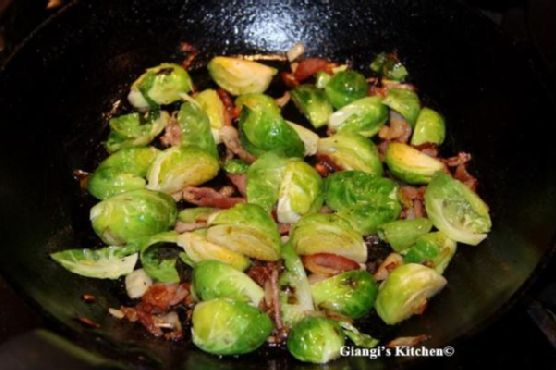
Brussels Sprouts with Bacon and Shallots | Made by Meaghan Moineau

Brussels Sprouts with Bacon and Shallots

Intro

When I think about comforting meals that bring warmth and joy to the table, my mind inevitably drifts to the savory delight of Brussels Sprouts with Bacon and Shallots. This dish always takes me back to my grandmother’s cozy kitchen during the holidays. The aroma of sizzling bacon mixed with the earthy scent of Brussels sprouts would fill the air, and I couldn’t wait to dig in. This recipe is a family treasure, one that I’m excited to share with you today. Whether you’re gathering with loved ones or seeking a delicious side for a weeknight dinner, this recipe is bound to become a new favorite.

Why You’ll Love It

This recipe is a celebration of flavors and textures. The salty crispiness of bacon complements the tender, slightly bitter Brussels sprouts, while the shallots add a mild sweetness that rounds everything out beautifully. A touch of lemon juice brightens the dish, enhancing its flavors and making it irresistibly delicious. It’s quick and easy to prepare, making it perfect for busy days. More than just a side dish, it’s a crowd-pleaser that could easily steal the spotlight at any meal.

Ingredients

  • Bacon
  • Trimmed Brussels sprouts
  • Lemon juice
  • Salt and pepper
  • Shallot

Instructions

  1. In a large skillet, place the bacon and cook until golden brown. Ensure the bacon is crispy to add a nice crunch to the dish.
  2. Add the shallots to the skillet and cook until they become tender and slightly caramelized, enhancing their natural sweetness.
  3. Add the Brussels sprouts to the mix. Increase the heat to high and sauté them until they develop a nice golden exterior, which will give them a delightful texture.
  4. Finish the dish by squeezing fresh lemon juice over the ingredients. Season with salt and pepper to taste.
  5. Serve immediately and enjoy the burst of flavors!

Tips

For the best results, choose fresh Brussels sprouts that are firm and bright green. When trimming them, make sure to remove any yellow or wilted outer leaves. If you prefer, you can cut the Brussels sprouts in half to speed up the cooking process and increase the surface area for browning.

Variations & Substitutions

If you’re looking to add a twist to this classic recipe, consider the following variations:

  • Vegetarian Option: Replace the bacon with smoked paprika for a similar smoky flavor without the meat.
  • Additional Veggies: Incorporate other vegetables like sliced carrots or bell peppers for added color and nutrition.
  • Cheesy Twist: Sprinkle some grated Parmesan cheese over the top before serving for an extra layer of flavor.

Storage

Store any leftovers in an airtight container in the refrigerator for up to 3 days. To reheat, simply place them back in a skillet over medium heat until warmed through. Avoid using a microwave, as it may make the Brussels sprouts soggy.

FAQ

Can I use frozen Brussels sprouts for this recipe?

While fresh Brussels sprouts are recommended for the best texture and flavor, you can use frozen ones in a pinch. Just make sure to thaw and dry them thoroughly before cooking to avoid excess moisture.

What can I pair with Brussels Sprouts with Bacon and Shallots?

This dish pairs wonderfully with roasted chicken, pork chops, or grilled steak. It also complements vegetarian mains like a creamy risotto or a hearty grain salad.

Nutrition

This dish is rich in vitamins K and C due to the Brussels sprouts, and offers a good source of protein from the bacon. While it is relatively low in carbohydrates, it is important to consume it in moderation if you are watching your sodium intake, as bacon can be quite salty. Pairing it with a balanced meal will ensure a nutritious dining experience.

Conclusion

Brussels Sprouts with Bacon and Shallots is more than just a recipe; it’s a comforting reminder of home-cooked meals shared with family. The blend of flavors and textures makes it a versatile dish that can complement any meal or shine on its own. I hope this recipe brings as much joy to your table as it has to mine. Happy cooking!

Related update: Brussels Sprouts with Bacon and Shallots

Related update: Root Vegetable Rosemary Gratin

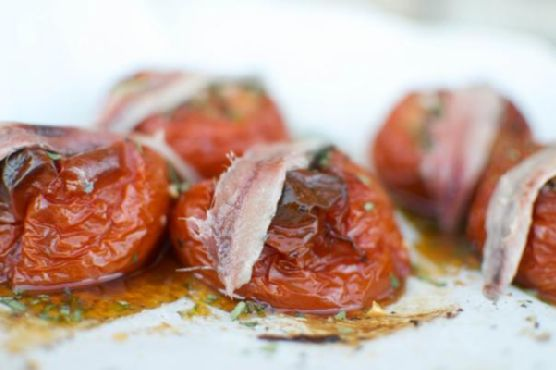
Savory Slow Roasted Tomatoes with Filet of Anchovy | Made by Meaghan Moineau

Savory Slow Roasted Tomatoes with Filet of Anchovy

Intro

There’s something magical about the aroma of slow-roasted tomatoes wafting through the kitchen. It takes me back to my grandmother’s house on lazy summer afternoons. She would spend hours preparing the most exquisite dishes, her hands moving with practiced ease. One of my favorites was her slow-roasted tomatoes topped with anchovy filets—a recipe that I’ve lovingly recreated many times over the years. There’s a warmth and nostalgia in every bite, a reminder of those sun-dappled days spent in her garden. Today, I’m thrilled to share this cherished recipe with you, hoping it brings a touch of that same magic to your home.

Why You’ll Love It

This recipe is a celebration of simplicity and flavor. The slow roasting process intensifies the natural sweetness of the tomatoes, while the anchovy filets add a savory, umami-rich layer that is simply irresistible. It’s a dish that requires minimal effort but delivers maximum flavor. Whether you’re serving it as a delightful appetizer or a side dish, these savory slow-roasted tomatoes are sure to impress your guests and become a staple in your culinary repertoire.

Ingredients

  • Round tomatoes
  • Canned fresh any herbs you like
  • Salt & pepper
  • Extra virgin olive oil
  • Anchovy filets

Instructions

  1. Preheat your oven to 150°C (280°F).
  2. Cut the top third off the tomatoes and discard the top.
  3. Place the tomatoes on a baking tray lined with parchment paper.
  4. Sprinkle generously with salt, pepper, and herbs of your choice.
  5. Drizzle a generous amount of olive oil over the tomatoes.
  6. Place the tray in the oven, allowing the tomatoes to roast for 4-6 hours, depending on their size.
  7. Occasionally baste the tomatoes in their juices and olive oil as you pass through the kitchen.
  8. Once the tomatoes shrivel slightly and take on a sun-dried appearance, they are ready. They should retain their shape and not become mushy.
  9. Remove from the oven and top each tomato with a whole anchovy filet.
  10. Serve warm or at room temperature, drizzled with the olive oil from the baking pan.

Tips

For best results, choose firm, ripe tomatoes that are uniform in size to ensure even cooking. Don’t rush the cooking time; the slow roasting is what brings out the rich, concentrated flavors. Feel free to experiment with different herbs to find your perfect flavor combination.

Variations & Substitutions

If anchovies aren’t to your liking, consider substituting them with capers or olives for a similar salty bite. For a vegan version, omit the anchovies entirely or use a plant-based alternative. You can also try different types of tomatoes, such as cherry or heirloom, adjusting the roasting time accordingly.

Storage

If you have leftovers, store the tomatoes in an airtight container in the refrigerator for up to three days. They make a delicious addition to salads, pasta dishes, or even as a topping for crusty bread. Reheat them gently in the oven to enjoy their full flavor.

FAQ

Can I use dried herbs instead of fresh?

Absolutely! Dried herbs can be a great substitute for fresh ones. Just keep in mind that dried herbs are more concentrated, so you’ll need less. Start with half the amount and adjust to taste.

What can I pair with these roasted tomatoes?

These roasted tomatoes pair beautifully with a variety of dishes. Serve them alongside grilled chicken or fish for a complete meal. They also make a wonderful topping for bruschetta or a flavorful addition to a cheese platter.

Can I make this recipe in advance?

Yes, you can prepare the roasted tomatoes a day in advance. Simply store them in the fridge and warm them up slightly before serving. They’re also delicious served cold, making them a versatile option for meal prep.

Nutrition

This dish is not only delicious but also nutritious. Tomatoes are rich in vitamins C and K, potassium, and folate, while anchovies provide a good source of omega-3 fatty acids and protein. It’s a healthy, flavorful option that you can feel good about enjoying.

Conclusion

There you have it—Savory Slow Roasted Tomatoes with Filet of Anchovy, a dish that embodies simplicity and flavor. Whether you’re reminiscing about cherished memories or creating new ones, this recipe is sure to delight your senses and warm your heart. I hope it becomes a beloved tradition in your home, just as it has in mine. Enjoy every bite!

Related update: Savory Slow Roasted Tomatoes with Filet of Anchovy

Related update: Brussels Sprouts with Bacon and Shallots

Related update: Shrimp & Crab Egg Rolls

Boswells 31, Freshmen Spark Illini Blowout | Analysis by Brian Moineau

A night of breakout flashes: Illini roll past FGCU 113–70 without Ivišić

Freshman energy, a career night from a sophomore guard, and depth that felt more like a statement than a supporting act — Illinois treated the State Farm Center crowd to a blowout Friday night. With Tomislav Ivišić sidelined before tipoff, the No. 17 Illini didn’t just survive; they surged, outscoring Florida Gulf Coast 113–70 and giving fans an early-season glimpse of a team that might be deeper and more versatile than many expected.

Why this game mattered beyond the box score

This was supposed to be a routine nonconference contest, but it quickly became a litmus test. Ivišić — a returning interior presence who looked poised for a big role — was lost to a knee issue in practice. That could have been a glaring problem. Instead, Illinois turned the potential weakness into an opportunity: Kylan Boswell exploded for a career-high 31 points and 10 rebounds, while freshmen Keaton Wagler and David Mirkogic again showed they belong on a stage much bigger than “freshman showcase.”

The result: not just another win, but a reminder that Bruce (Brad) Underwood’s roster construction this fall put several players in position to shine when asked.

Standout moments

  • Kylan Boswell — career-high 31 points and 10 rebounds. His ability to finish inside and stretch the floor early shifted the game’s tone and kept defenses honest.
  • Keaton Wagler — 22 points and seven rebounds. The freshman’s scoring burst validated offseason buzz about his shooting and composure.
  • David Mirkogic — 17 points and 11 rebounds. Another double-double for a skilled, heady big man who rebounds and moves the ball.
  • Zvonimir (or Zvonomir) Ivisic — 16 points, nine rebounds and an eye-catching seven blocks — filling the defensive paint in Ivišić’s absence.
  • Team shooting at the stripe and dominance on the glass (outrebounded FGCU 51–30) crushed any chance of a comeback.

What this win reveals about Illinois

  • Depth matters early. Losing a projected starter on short notice exposed how well Illinois’ bench and rotation players have been prepared. That’s recruitment and coaching paying off.
  • Freshmen are ready. Wagler and Mirkogic aren’t just role players waiting their turn; they’re contributors capable of shaping outcomes. That bodes well for consistency across the season.
  • Two-way identity intact. Even with personnel changes, Illinois defended the paint, forced low-percentage shots, and converted at the line — the hallmarks of a disciplined Underwood squad.
  • Guard play is ascending. Boswell’s 31/10 is more than a hot night; it suggests he can be a primary scorer who also rebounds and initiates offense when needed.

The questions that linger

  • How serious is Tomislav Ivišić’s knee issue, and how long might he be out? Early reports from the game broadcast and local coverage suggested the injury wasn’t season-ending, but availability for upcoming higher-profile matchups (like a scheduled game against a ranked opponent) will be key.
  • Can the freshmen sustain this level against tougher competition? Dominance over FGCU and Jackson State is encouraging, but Big Ten play and true midseason tests will more accurately measure their growth.
  • Rotation balance — with several wings and bigs producing, how will minutes shake out when everyone’s healthy? Managing minutes and chemistry will be an ongoing puzzle for coaching staff.

Early-season implications

  • Confidence boost: Wins like this build the locker-room belief that the team can absorb setbacks and still impose its style.
  • NBA/transfer watch: Strong showings from underclassmen attract attention, which is good for program visibility but adds the usual offseason churn risk.
  • Seeding and perception: A pair of dominant openers (both 113-point outputs) makes a loud statement to poll voters and future opponents alike.

My take

This wasn’t just a comfortable win — it was a revealing one. When a team loses a projected rotation piece right before a game and responds with balanced scoring, energetic freshmen play, and rim protection, it signals more than surface-level strength. Illinois looked like a team with multiple avenues to win: veteran scoring, aggressive young talent, and interior defense that can alter shots and pace. The next few weeks — especially matchups against higher-caliber teams — will tell us how much of this is sustainable, but for now, Illini fans have reason to be excited.

Sources


Related update: We recently published an article that expands on this topic: read the latest post.


Related update: We recently published an article that expands on this topic: read the latest post.