
Social Security 2026: Payments Arrive | Analysis by Brian Moineau

When your 2026 Social Security check will hit your account — and why the dates matter

You open your bank app, hold your breath, and wait for that familiar deposit. For millions of Americans, Social Security checks aren’t just a convenience — they’re a predictable, often essential part of monthly budgeting. Good news: the Social Security Administration (SSA) has a steady, predictable schedule for 2026. If you were born on the 1st through the 10th of any month, your benefit will arrive on the second Wednesday of every month.

Below I’ll unpack the calendar, why some people get paid on different days, and a few practical tips to make the schedule work for you.

Quick snapshot you can remember

  • Those born on the 1st–10th: payment arrives the second Wednesday of each month.
  • Those born on the 11th–20th: payment arrives the third Wednesday of each month.
  • Those born on the 21st–31st: payment arrives the fourth Wednesday of each month.
  • Exceptions: people who first received Social Security before May 1997 (and some who receive both Social Security and SSI) generally get Social Security on the 3rd of the month; SSI benefits are typically paid on the 1st (or the prior business day if the 1st falls on a weekend/holiday).

(These are the official rules the SSA uses for the 2026 calendar.) (ssa.gov)

Why the schedule looks like this

  • Historically, Social Security payments were issued on the 1st of each month. In 1997 the SSA changed the schedule to spread deposits across the month and reduce processing and banking congestion.
  • The birthday-based Wednesday schedule simplifies processing: three main payment windows each month (second, third, fourth Wednesday) cover nearly all retirement, disability, and survivor beneficiaries. (ssa.gov)

What to watch for in January 2026 and holidays

  • Because of the COLA timing and New Year’s Day, some SSI and early-January payments are adjusted. For example, SSI’s January payment is often issued at the end of December when January 1 falls on a holiday. The SSA also applies the 2026 cost-of-living adjustment (COLA) starting with January 2026 benefits. (ssa.gov)

Practical tips for beneficiaries

  • Check your birth-date group and mark the corresponding Wednesday each month on your calendar so you know when to expect funds.
  • If you get both Social Security and SSI, note that SSI usually arrives on the 1st and Social Security may follow the 3rd-of-the-month rule if you started benefits before May 1997. Plan for those separate dates. (archive.ph)
  • Sign up for a my Social Security account at ssa.gov/myaccount to see personalized notices, COLA letters, and to confirm direct deposit info — especially useful if you travel or worry about mailed notices. (ssa.gov)
  • If a scheduled date falls on a weekend or federal holiday, payments are generally issued on the prior business day. That means you may sometimes see your money a day or two earlier. (money.com)

A few calendar specifics (examples from 2026)

  • January 2026 deposits (typical pattern): Jan. 14 (born 1–10), Jan. 21 (born 11–20), Jan. 28 (born 21–31). SSI payments tied to January may appear Dec. 31, 2025, because Jan. 1 is a holiday. (archive.ph)

Why this still matters beyond convenience

  • For many retirees, survivors, and disabled beneficiaries, Social Security is a primary income source. Knowing exact deposit timing helps with rent/mortgage planning, prescription and medical bills, and avoiding late fees.
  • The 2026 2.8% COLA gives beneficiaries a modest bump, but timing matters: if a payment date shifts because of holidays you may need short-term adjustments to cash flow even with the increase. (ssa.gov)

My take

The SSA’s schedule may sound bureaucratic, but it’s quietly practical: spreading payments across three Wednesdays reduces bottlenecks and keeps deposits predictable. If you rely on these funds, a little calendar work now — marking your “your Wednesday” and setting up online alerts — can remove a lot of month-to-month stress.

Sources


Related update: We recently published an article that expands on this topic: read the latest post.


Blast Of Color Mexican Stuffed Bell Peppers | Made by Meaghan Moineau

Blast Of Color Mexican Stuffed Bell Peppers

Intro

Welcome to a vibrant culinary journey where every bite is a delightful explosion of flavors! Our Blast Of Color Mexican Stuffed Bell Peppers are not just a feast for the palate but also a joy for the eyes. These stuffed peppers are a wonderful medley of hearty ingredients and bold spices, reminiscent of family gatherings where food was the centerpiece of laughter and love.

I remember the first time I had stuffed bell peppers at my grandmother’s house. The kitchen was filled with the warm, inviting smell of roasted peppers mingling with spices, and the table was surrounded by family eagerly awaiting the meal. Today, I bring you a modern twist to that classic memory with a Mexican flair, perfect for any occasion.

Why You’ll Love It

This recipe is not only delicious but also packed with nutrients, making it a perfect meal for both busy weeknights and leisurely weekends. Here’s why you’ll fall in love with these stuffed peppers:

  • Colorful and Nutritious: Each bell pepper is a rainbow of ingredients, offering a punch of vitamins and minerals.
  • Flavorful and Satisfying: The combination of rotisserie chicken, black beans, and fire-roasted green chiles creates a satisfying and savory filling.
  • Easy to Prepare: With just a few simple steps, you can create a meal that looks gourmet but comes together quickly.
  • Customizable: Easily tweak the ingredients to suit your taste or dietary needs.

Ingredients

  • 4 large bell peppers
  • 1 cup black beans, drained and rinsed
  • 2 cups rotisserie chicken breast, shredded
  • 1/2 cup fire roasted green diced chiles
  • 1 tablespoon chili seasoning
  • 1 cup cooked brown rice
  • 1 cup frozen corn kernels, thawed
  • 3 cloves garlic, minced
  • 1 cup low-fat shredded cheddar cheese, divided
  • 1/2 cup red onion, diced
  • 1 roma tomato, diced
  • 2 tablespoons sour light cream

Instructions

  1. Preheat your oven to 400 degrees Fahrenheit.
  2. In a large bowl, combine the cooked brown rice, shredded chicken, thawed corn, diced roma tomato, diced red onion, black beans, 1/2 cup of cheddar cheese, minced garlic, fire roasted green chiles, and chili seasoning.
  3. Line a baking dish with foil and spray it lightly with cooking spray to prevent sticking.
  4. Prepare the bell peppers by cutting off the tops and removing the seeds and membranes inside.
  5. Stuff each bell pepper with the chicken mixture, pressing it firmly into the pepper and mounding it slightly over the top.
  6. Top each stuffed pepper with 1/2 tablespoon of the remaining cheddar cheese.
  7. Place the stuffed peppers in the prepared baking dish and bake in the preheated oven for 30 to 40 minutes, or until the peppers are just tender.
  8. Once out of the oven, top each pepper with 1/2 tablespoon of sour cream before serving.

Tips

  • For uniform cooking, try to select bell peppers that are similar in size and shape.
  • If you prefer softer peppers, you can pre-cook them in the microwave for a couple of minutes before stuffing.
  • To add a bit more spice, consider adding a dash of cayenne pepper to the filling mixture.

Variations & Substitutions

One of the best things about this recipe is its versatility. Here are some variations and substitutions you might consider:

  • Vegetarian Option: Omit the chicken and increase the amount of black beans or add cooked quinoa for a plant-based version.
  • Cheese Choices: Swap the cheddar cheese for pepper jack or Monterey Jack for a different flavor profile.
  • Low Carb: Substitute cauliflower rice for the brown rice to reduce the carbohydrate content.

Storage

These stuffed peppers can be stored in an airtight container in the refrigerator for up to 3 days. To reheat, place them in a preheated oven at 350 degrees for about 10-15 minutes or until warmed through. Alternatively, you can use a microwave for a quicker option.

FAQ

Can I freeze stuffed bell peppers?

Yes, you can freeze these peppers! Once baked, allow them to cool completely, then wrap each pepper individually in plastic wrap and place them in a freezer-safe bag. They can be frozen for up to 3 months. To reheat, thaw them overnight in the refrigerator and bake as directed in the storage section.

What can I serve with stuffed bell peppers?

These stuffed peppers are a meal on their own, but you can serve them with a side salad, guacamole, or tortilla chips for added texture and flavor. A refreshing glass of iced tea or a citrusy margarita would also complement the meal nicely.

Nutrition

Each serving of these colorful stuffed peppers is not only packed with flavor but also with nutrition. Here’s a quick overview:

  • Calories: Approximately 280 per stuffed pepper
  • Protein: 25g
  • Carbohydrates: 35g
  • Fat: 7g
  • Fiber: 8g

Conclusion

Our Blast Of Color Mexican Stuffed Bell Peppers are more than just a meal; they are a celebration of flavors and memories. Whether you’re looking to impress at a dinner party or simply want a comforting meal for your family, these peppers are sure to be a hit. We hope this recipe brings as much joy to your table as it has to ours. Happy cooking!

Related update: Blast Of Color Mexican Stuffed Bell Peppers

Related update: Perfect fish cakes

Darnold’s Homecoming: From Setback | Analysis by Brian Moineau

Sam Darnold Goes Back to Carolina — and It Feels Different This Time

There’s something poetic about a quarterback walking back into a stadium where he once had to re-find himself. For Sam Darnold, returning to Bank of America Stadium isn’t a trip down memory lane so much as a checkpoint on a journey that’s gone from “what if” to “why not.” Once the Panthers’ stop on a rocky early-career path, Carolina helped reshape him into the player who’s now a two-time Pro Bowler and a legitimate NFC contender with the Seattle Seahawks.

Why this visit matters

  • It’s more than nostalgia. It’s a concrete example of how short chapters can change a career arc.
  • Darnold’s story reframes the “bust-to-breakout” narrative into something cleaner: development, patience, and context.
  • The contrast between his two stints in Carolina (a starter-in-waiting role in 2021–22) and his current form shows what coaching, learning behind a veteran, and a little momentum can do for a quarterback’s confidence.

A quick timeline that matters

  • 2018: Darnold is drafted No. 3 overall by the New York Jets and struggles early in his career.
  • 2021–2022: Traded to the Carolina Panthers. He starts games, battles injuries, and finishes strong late in 2022 — a small stretch that mattered more than it looked at the time.
  • 2023: Spends a season in San Francisco as Brock Purdy’s backup, learning in a strong offensive system.
  • 2024: Breakout year with the Minnesota Vikings — strong statistics, a Pro Bowl nod, and widespread recognition as an improved quarterback.
  • 2025: Signs with the Seahawks and returns to Carolina as an established starter, playoff-bound and riding the momentum built over the previous seasons.

How Carolina “paved the way”

Darnold’s comments before the Seahawks’ December 26, 2025 game capture the essence of what those Carolina years meant to him: being around good teammates, weathering adversity, learning the offense, and coming through injury to finish the season on an upswing. That late-2022 stretch — where he helped the Panthers go 4-2 down the stretch and posted multiple games with a passer rating over 100 — became a kind of quiet audition. It didn’t solve everything overnight, but it seeded belief.

Three practical ways Carolina helped:

  • Rebuilding mental resilience: The Panthers stint forced Darnold to cope with setbacks and rebuild confidence in-game.
  • Learning from teammates and coaches: Exposure to different systems and veteran players gave him new tools to add to his repertoire.
  • Creating momentum: Playing well late in the 2022 season opened the door for the next steps — a learning season in San Francisco and the breakout year in Minnesota.

The bigger picture: player development and second chances

Darnold’s arc is a useful case study about NFL careers that aren’t linear. Talent alone rarely tells the whole story; context, coaching, scheme fit, health, and timing all matter. Teams (and players) who are patient and intentional about development can turn perceived “busts” into reliable starters. For Darnold, the time in Carolina didn’t instantly rewrite his narrative — it supplied the pieces he later used to build it.

  • Players can rebrand their careers with incremental wins and learning opportunities.
  • Backup years (like his time in San Francisco) can be less about sitting on the bench and more about refining decision-making.
  • Short hot stretches — the kind Darnold had in Carolina — matter because they provide evidence that a player can win when given the right support.

What to watch when Darnold plays in Carolina

  • Poise under pressure: Does he show the same command and decisiveness that powered his 2024 season?
  • Pocket movement and quick reads: Those were hallmarks of his improvement in Minnesota and will be critical against Carolina’s schemes.
  • Leadership cues: How he interacts with teammates on and off the field shows whether the growth is sustained beyond stats.

Things that make this narrative compelling for Seahawks fans

  • Darnold’s success is also a win for Seattle’s offensive staff and the broader rebuild: they signed a quarterback who’s earned momentum and now must prove it again in a new environment.
  • If the Seahawks keep winning with Darnold at the helm, his road through Carolina will look less like a detour and more like a necessary milepost.
  • The human element — friendships, locker room lessons, and hard-earned confidence — is what converts raw talent into consistent performance.

My take

Sam Darnold’s return to Carolina reads like one of those sports stories you don’t notice until it’s fully formed: a player who kept working, learned from imperfect opportunities, and used them as leverage for a genuine career revival. The Seahawks’ decision to bank on him wasn’t just about stats from one breakout year — it was betting on a player who’s shown the capacity to grow. Whether he cements a long-term legacy in Seattle or continues evolving, that trip back to Bank of America Stadium is a reminder that development often happens in unexpected places.

Sources


Related update: We recently published an article that expands on this topic: read the latest post.


Related update: We recently published an article that expands on this topic: read the latest post.
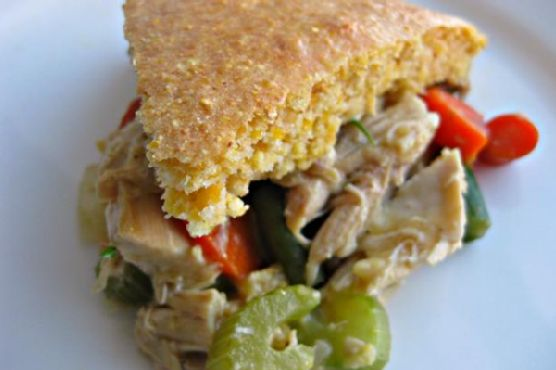
Turkey Pot Pie With Cornbread Crust | Made by Meaghan Moineau

Turkey Pot Pie With Cornbread Crust

Intro

There’s something about the aroma of a homemade pot pie wafting through the house that instantly transports me back to my childhood. I remember those chilly autumn evenings when my grandmother would pull a bubbling pot pie out of the oven, the golden crust perfectly crisp. We’d gather around the table, the warmth of the meal and the love in the room keeping the cold at bay. This Turkey Pot Pie with Cornbread Crust is my twist on that nostalgic dish, combining tender turkey and hearty vegetables with a sweet and savory cornbread topping. It’s a comforting classic with a delightful twist that I’m excited to share with you.

Why You’ll Love It

This Turkey Pot Pie with Cornbread Crust is not just any pot pie. Here are a few reasons why you’ll absolutely love it:

  • Comfort Food at Its Best: The combination of flavors from the savory turkey filling and the sweet cornbread crust is the ultimate comfort food experience.
  • Perfect for Leftovers: This recipe is a wonderful way to use up leftover turkey, especially after the holidays.
  • Family-Friendly: It’s a dish that both kids and adults will enjoy, making it perfect for family dinners.
  • Simple Ingredients: Made with pantry staples, you won’t have to make a special trip to the store.

Ingredients

  • 2 tablespoons olive oil
  • 1 onion, chopped
  • 2 carrots, diced
  • 2 stalks celery, sliced
  • 1 cup trimmed green beans, cut into 1-inch pieces
  • 2 cloves garlic, minced
  • 2 tablespoons flour
  • 2 cups chicken stock
  • 2 cups cooked turkey, shredded or diced
  • 1 teaspoon ground sage
  • 1 teaspoon ground thyme
  • Salt and cracked pepper to taste
  • 1 cup yellow white cornmeal
  • 1 cup flour
  • 1 tablespoon baking powder
  • 1 tablespoon sugar
  • 1/2 teaspoon salt
  • 1 cup milk
  • 1 large egg
  • 1/4 cup canola oil

Instructions

  1. Preheat the Oven: Preheat your oven to 400°F (200°C). Generously coat a pie plate or baking dish with nonstick cooking spray.
  2. Prepare the Filling: Heat olive oil in a large pan over medium heat. Add the onion, carrots, celery, and green beans, and sauté for about 10 minutes until the vegetables are tender.
  3. Add minced garlic to the pan and stir constantly for 30 seconds until fragrant.
  4. Sprinkle flour over the vegetables and stir until it coats them evenly, about 30 seconds.
  5. Slowly stir in the chicken stock, letting it thicken slightly with the flour.
  6. Add cooked turkey, sage, thyme, salt, and pepper to the mixture. Stir well to combine and let it cook for another 5 minutes. Pour the filling into the prepared baking dish.
  7. Make the Cornbread Crust: In a large bowl, whisk together the cornmeal, flour, baking powder, sugar, and salt.
  8. In a separate bowl, mix the milk, egg, and canola oil until well combined.
  9. Stir the wet ingredients into the dry ingredients until just combined. Do not overmix.
  10. Spoon the cornbread batter evenly over the turkey filling in the baking dish.
  11. Bake in the preheated oven until the cornbread is golden brown, about 22 to 25 minutes.
  12. Let the pot pie cool for at least 15 minutes before serving to allow the flavors to meld together.

Tips

  • Ensure the vegetables are tender before adding the flour to avoid a raw flour taste in your filling.
  • If the filling seems too thick, add a splash more chicken stock to loosen it up.
  • For a richer flavor, substitute half of the milk in the cornbread crust with buttermilk.

Variations & Substitutions

  • Protein Variations: Swap out turkey for chicken, beef, or even a vegetarian protein like chickpeas or tofu.
  • Vegetable Additions: Feel free to add other vegetables like mushrooms, peas, or corn for extra flavor and nutrition.
  • Gluten-Free Option: Use a gluten-free flour blend for both the filling and cornbread crust.

Storage

Store any leftovers in an airtight container in the refrigerator for up to three days. To reheat, place in a preheated oven at 350°F (175°C) until warmed through. You can also freeze the pot pie before baking. Thaw in the refrigerator overnight and bake as directed.

FAQ

Can I make this pot pie ahead of time?

Yes, you can prepare the filling and cornbread batter separately, then assemble and bake when you’re ready to serve. This makes it a great option for a make-ahead meal.

What can I serve with turkey pot pie?

This pot pie is quite filling on its own, but you can complement it with a simple green salad or roasted vegetables for a complete meal.

Can I use canned vegetables instead of fresh?

While fresh vegetables are recommended for the best flavor and texture, you can use canned vegetables in a pinch. Just be sure to drain them well and reduce the cooking time during the sautéing step.

Nutrition

This Turkey Pot Pie with Cornbread Crust provides a balanced meal with protein, carbohydrates, and plenty of vegetables. Each serving is approximately 350 calories, making it a satisfying yet moderate meal choice.

Conclusion

This Turkey Pot Pie with Cornbread Crust is more than just a meal; it’s a slice of nostalgia wrapped in warmth and comfort. Whether you’re recreating cherished memories or starting new traditions, this dish is sure to become a family favorite. Enjoy the medley of flavors and the heartwarming satisfaction it brings to your table. Happy cooking!

Related update: Turkey Pot Pie With Cornbread Crust

Related update: Blast Of Color Mexican Stuffed Bell Peppers

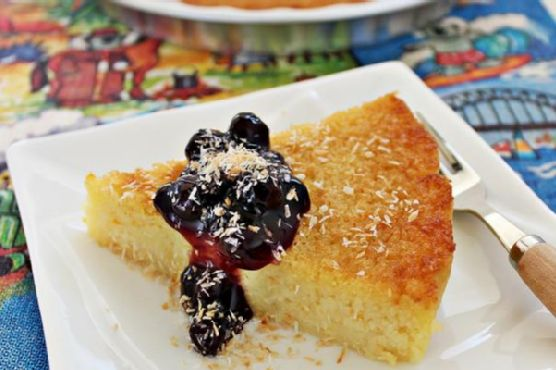
Impossible” Coconut Pie | Made by Meaghan Moineau

Impossible Coconut Pie: A Nostalgic Treat

Intro

There is something magical about certain recipes that transport us back to simpler times, and this “Impossible” Coconut Pie does just that for me. As a child, I remember visiting my grandmother’s house, the scent of coconut wafting through the air as she baked this pie that seemed to defy logic. The magic, she said, was in the way the ingredients blended together to create a crust, custard, and topping all in one go. It’s a recipe that brings warmth to my heart and a smile to my face every time I make it.

Why You’ll Love It

This Impossible Coconut Pie is not only a delight for the taste buds, but it’s also incredibly easy to make. With just a handful of ingredients and a food processor, you can whip up a dessert that looks and tastes like it took hours to prepare. The pie is rich with tropical flavors, thanks to the coconut milk and zest of citrus fruits, and has a unique texture that combines creamy custard with a lightly browned top. It’s a perfect dessert for any occasion, whether you’re hosting a dinner party or simply looking to satisfy a sweet tooth.

Ingredients

  • 4 eggs
  • 1 cup sugar
  • 1/2 cup butter, melted
  • 1 cup desiccated coconut
  • Zest of 1 lemon
  • Zest of 1 orange
  • Juice of 1 lemon
  • Juice of 1 orange
  • 1 cup coconut milk
  • 1/2 cup plain flour

Instructions

  1. Preheat your oven to 170°C (340°F).
  2. In a food processor, combine the eggs, sugar, melted butter, desiccated coconut, lemon zest, orange zest, lemon juice, orange juice, coconut milk, and plain flour.
  3. Blend the ingredients until they are well combined and smooth.
  4. Pour the mixture into a buttered 22cm (9 inch) pie tray.
  5. Place the pie tray on the lower rack of the oven and bake for 60 to 80 minutes.
  6. If the pie starts to brown too quickly, loosely cover it with aluminum foil halfway through baking.
  7. Once baked, set the pie aside to cool completely, then refrigerate for at least 1 hour to chill.
  8. Slice and serve with a dollop of whipped cream and a spoonful of passionfruit or blueberry jam. Sprinkle with toasted desiccated coconut for extra flavor.

Tips

To ensure your Impossible Coconut Pie turns out perfectly every time, consider these helpful tips:

  • Make sure the butter is fully melted and slightly cooled before adding it to the mixture to prevent scrambling the eggs.
  • For a more pronounced coconut flavor, lightly toast the desiccated coconut before blending it into the batter.
  • If you don’t have a food processor, you can use a blender or mix by hand, but ensure the mixture is as smooth as possible.

Variations & Substitutions

Feel free to get creative with this recipe. Here are some variations and substitutions you might consider:

  • Swap the coconut milk with almond milk or regular milk if you prefer a different flavor profile.
  • Add a teaspoon of vanilla extract for an extra layer of flavor.
  • For a gluten-free version, substitute the plain flour with almond flour or a gluten-free flour blend.

Storage

The Impossible Coconut Pie can be stored in the refrigerator for up to 3 days. Ensure it is covered with plastic wrap or stored in an airtight container to maintain its freshness. This pie does not freeze well, as the texture may change upon thawing.

FAQ

Can I make this pie in advance?

Yes, you can prepare the pie a day in advance. Simply bake it as directed, let it cool, and then refrigerate until you’re ready to serve. This makes it a great option for dinner parties or holiday gatherings.

What if I don’t have a food processor?

No worries! You can use a blender to achieve the same smooth consistency. Alternatively, you can mix by hand, though it may require a bit more effort to ensure the ingredients are well combined.

Nutrition

This dessert, while delicious, is rich and should be enjoyed in moderation. Each slice, assuming 8 slices per pie, contains approximately:

  • Calories: 320
  • Fat: 21g
  • Carbohydrates: 30g
  • Protein: 5g
  • Sugar: 20g

Conclusion

The Impossible Coconut Pie is a delightful dessert that brings a touch of magic to any occasion. Its ease of preparation paired with its rich, tropical flavors make it a standout choice for both novice and experienced bakers. Whether you’re reminiscing about fond memories or creating new ones, this pie is sure to become a cherished favorite. Enjoy each bite and the warm memories it brings!

Related update: Impossible” Coconut Pie

Related update: Delicious Rhubarb Custard Pie

Bears’ Defense Shaky Ahead of 49ers Night | Analysis by Brian Moineau

Bears enter Sunday night in San Francisco with question marks on defense

The Bears are headed to Levi's Stadium under a cloud of uncertainty. With playoff seeding on the line and a primetime national audience watching, Chicago’s defensive corps — normally one of the unit’s strengths this season — looks shakier than you’d like the week before the postseason push. Injuries and an illness bug have left multiple starters listed as questionable or out, forcing the Bears to lean on depth and coaching ingenuity against a 49ers offense that can punish hesitation.

What’s going on (short version)

  • Multiple defensive contributors are either ruled out or questionable because of injuries and illness.
  • Key concerns include cornerback availability, the status of veteran playmakers in the secondary, and whether linebackers can play at full strength.
  • The timing — late December, with seeding implications — makes these absences feel more urgent than they might earlier in the year.

Snapshot of the injury picture

  • Nick McCloud: ruled out due to illness.
  • Nahshon Wright: hamstring/illness and did not practice late in the week; questionable.
  • Josh Blackwell: missed late practices; questionable.
  • C.J. Gardner-Johnson: knee but practiced full; questionable.
  • T.J. Edwards: dealing with a glute issue; limited in practice and listed as questionable.
  • Rome Odunze (offense): ruled out (foot) — not a defensive player, but his absence affects game flow and offensive matchups.

(These notes reflect the team injury report and local media coverage released in the days leading into the Bears–49ers Sunday night game.)

Why this matters — more than just names on a sheet

  • Cornerback instability against a pass-heavy 49ers offense is a matchup problem: San Francisco’s route concepts and tight-end usage create high-demand coverage assignments. When your nickel and boundary corners are banged up or sick, you can expect the opponent to attack the seams and force the defense into matchup-based substitutions that invite communication errors.
  • Linebacker questions change fit and run-defense responsibilities: If T.J. Edwards is limited or unavailable, the Bears must shuffle reps and responsibility for middle-of-field coverage and run-gap integrity. That can open lanes for playmakers like Christian McCaffrey and force safeties into awkward run-support vs. coverage choices.
  • Depth and special teams get tested: Late-week illnesses frequently force elevation of practice-squad players and increased snaps for rotational guys. That’s not inherently bad, but it compresses the margin for error in a game where every possession matters.

How the Bears can cope (practical angles)

  • Lean on communication and simplify assignments: When bodies are limited, fewer moving parts helps reduce blown coverages. Expect play calls designed to keep the defense on its heels without relying on complex rotations.
  • Prioritize situational football: Limit third-and-long exposure and make the offense earn points. Winning field position and converting turnovers become even more valuable when personnel is stressed.
  • Trust experienced depth and scout-prep replacements: The Bears will look to backup corners and special teams standouts who already know the system. Coaching that prepares specific matchups for those replacements can blunt an opposing offense’s best plans.
  • Offense must stay on the field: Time of possession becomes a weapon when your defense is undermanned. A ball-control, methodical approach reduces the number of times the defense is forced to make game-altering plays.

Moments to watch on Sunday night

  • Early third-down plays: If the Bears struggle to get off the field, that will expose the thin spots in the secondary right away.
  • Matchups versus tight ends and slot receivers: How the Bears handle intermediate routes and seams will indicate whether Gardner-Johnson (if active) and the nickel package can hold up.
  • Substitution and communication penalties: Pre-snap confusion or repeated personnel errors often reflect last-minute lineup changes due to illness/injury.

A tempered optimism

This team has weathered stretches of adversity before. Coaching adjustments, veteran leadership, and a strong offensive identity can mitigate losses on the other side of the ball — at least to a degree. The 49ers present a stiff test, but football is still decided one play at a time; the Bears’ ability to slog through the ugly sequences and capitalize on turnovers will be decisive.

My take

Injuries and illnesses are part of NFL life, but timing is everything. Facing an elite offense in a primetime setting with multiple defensive starters uncertain elevates the stakes. I expect the Bears to simplify and play disciplined football — they don’t have the luxury of improvisation on defense. If the backups can hold the seams and the offense controls the clock, Chicago can make this a competitive game. If not, the 49ers will likely exploit matchup advantages and put the Bears on their heels.

Sources


Related update: We recently published an article that expands on this topic: read the latest post.


Related update: We recently published an article that expands on this topic: read the latest post.