
Jaguars Poised to Top Seahawks in Week 18 | Analysis by Brian Moineau

The door is open for the Jaguars to finish the year at No. 1

The NFL’s regular season is the kind of tightrope act that rewards momentum and punishes complacency. With Week 18 looming, Mike Florio’s PFT power rankings still list the Seattle Seahawks at No. 1 — but the narrative crackles: Jacksonville sits within arm’s reach, and one weekend of football could flip the whole script. If you like drama, this is peak NFL scheduling.

Why this moment feels electric

  • Seattle has been the storybook top dog all season — steady, defensively stout and riding the kind of late-season form that convinces voters and opponents alike.
  • The Jaguars have been on a tear, piling up wins and look every bit like a legitimate title contender. Their climb into the top-five of most national rankings is no accident.
  • Week 18 is uniquely volatile: teams fight for seeds, playoff positioning, or just to finish strong. When records are close and stakes are high, power rankings are more than opinion — they’re a snapshot of how the league’s balance of power could shift in 72 hours.

These are the ingredients that make the “Jags could end the year at No. 1” line more than media clickbait. It’s a real possibility amplified by matchups, health, and momentum.

What the outlets are saying

  • PFT/NBC Sports kept Seattle at No. 1 entering Week 18 but explicitly noted the continuing opportunity for Sam Darnold and the Seahawks to lock up the top seed — which implies the pecking order is still fluid. (nbcsports.com)
  • NFL.com’s Week 18 power rankings place Jacksonville among the top teams and highlight the jaguars’ sustained recent surge — a seven-game win streak and effective two-way play that make them dangerous in any postseason scenario. (nfl.com)
  • Local coverage and team angles (e.g., Jaguars media) emphasize confidence and the concrete gains Jacksonville has made this season, underscoring that the team’s ascent is built on results, not hype. (jaguars.com)

How Jacksonville could realistically finish No. 1

  • Win and get help: The simplest path is to play like the team they’ve become — win their Week 18 game and let higher-ranked rivals slip. Week 18 produces the weird, wonderful results that turn “ifs” into headlines.
  • Tiebreakers and seeding craziness: Power ranking status isn’t identical to playoff seeding, but perception follows results. A decisive Week 18 win by Jacksonville — especially over a quality opponent — would sway both public opinion and ranking panels.
  • Momentum matters: Beyond polls and seeding, finishing the regular season at No. 1 gives a psychological edge heading into January. Teams that look and feel dominant at the end of December often carry that identity into the postseason.

What Seattle brings to the table

  • Proven consistency: Seattle’s defense and roster construction have kept them at the top of lists all month. They’ve earned respect across national outlets for a reason. Losing the No. 1 moniker won’t happen without them ceding it on the field. (nbcsports.com)
  • Control of their destiny (depending on matchup): If the Seahawks win the game that matters in Week 18, they hold the narrative — and the top spot remains theirs.

Matchup and storyline watchlist for Week 18

  • Which contenders are playing for seeds versus resting players? Teams that have everything to gain will chase wins; teams with nothing to gain may sit starters, altering the landscape.
  • Injuries and health reports that surface late in the week can swing both real outcomes and perception-driven rankings.
  • Margin and dominance matter: A one-score squeaker looks different in the next morning’s power rankings than a blowout win.

A quick digest for casual fans

  • Yes, Seattle is the No. 1 team in many rankings today.
  • Yes, Jacksonville is very much in striking distance.
  • Week 18’s results are likely to change both playoff seeding and the national conversation — making the Jaguars’ potential climb to No. 1 feel plausible rather than fanciful.

Final thoughts

Power rankings are part snapshot, part narrative — and that’s why they’re fun. They tell us not just who the “best” teams are today, but who has momentum, identity and the narrative momentum that can carry into January. Right now the Seahawks wear the crown; but the Jaguars’ surge has opened the door. If Week 18 delivers the right mix of wins, blowouts and stumbles, Jacksonville could walk through it.

Enjoy the chaos — Week 18 is the NFL’s last, most theatrical act before postseason lights hit full strength.

Sources


Related update: We recently published an article that expands on this topic: read the latest post.


Related update: We recently published an article that expands on this topic: read the latest post.
Zucchini Ribbon Caper Salad | Made by Meaghan Moineau

Zucchini Ribbon Caper Salad

Intro

There’s something inherently magical about the simplicity of summer salads. Growing up, my grandmother’s garden was a vibrant tapestry of colors and textures, where we spent countless summer afternoons. Among her many garden treasures, zucchini was always in abundance, and she had a knack for turning it into the most delightful dishes. This Zucchini Ribbon Caper Salad is a tribute to those cherished moments—filled with fresh, crisp flavors reminiscent of sunny days spent in her backyard.

Why You’ll Love It

This Zucchini Ribbon Caper Salad is a symphony of flavors and textures that will captivate your taste buds. The crispness of the zucchini ribbons, the savory burst from the capers, and the aromatic dance of garlic and lemon zest create a dish that is both refreshing and satisfying. It’s an elegant addition to any meal, and its simplicity is matched only by its deliciousness. Perfect as a light appetizer or a side dish, this salad will become a staple in your culinary repertoire.

Ingredients

  • 2 medium zucchinis, thinly sliced into ribbons
  • 2 tablespoons capers
  • 1 clove garlic, minced
  • Zest of 1 lemon
  • 2 tablespoons olive oil
  • Salt and pepper to taste
  • 1 medium tomato, julienned
  • Dried parsley, for garnish

Instructions

  1. In a large bowl, toss the zucchini strips with the olive oil, lemon zest, lemon juice, garlic, salt, and pepper.
  2. Set aside and allow the mixture to marinate for 30 minutes. This step allows the flavors to meld beautifully and the zucchini to soften slightly.
  3. Divide the marinated zucchini between 2-3 plates.
  4. Top each serving with capers and julienned tomato.
  5. Drizzle any extra dressing over the salad, if desired.
  6. To garnish, sprinkle a pinch of dried parsley over each plate before serving.

Tips

For the best results, use fresh, firm zucchinis and a high-quality olive oil to enhance the flavor. A vegetable peeler or mandoline slicer works wonders for creating perfect zucchini ribbons. Remember to taste the salad before serving to ensure the seasoning is just right—sometimes a little extra lemon juice or a pinch of salt can make all the difference.

Variations & Substitutions

This salad is incredibly versatile, and you can easily adapt it to suit your tastes or what you have on hand:

  • Herbs: Fresh basil or mint can add a delightful twist to this salad. Simply chop and sprinkle over before serving.
  • Cheese: Add a sprinkle of feta or goat cheese for a creamy contrast to the crisp zucchini.
  • Olives: Substitute capers with chopped olives for a different kind of briny bite.

Storage

While this salad is best enjoyed fresh, you can store leftovers in an airtight container in the refrigerator for up to 2 days. Note that the zucchini may become more tender as it sits, but the flavors will continue to develop, making it even more delicious.

FAQ

Can I make this salad ahead of time?

Yes, you can prepare the salad up to a day in advance. Just keep the zucchini marinating in the refrigerator and add the capers and tomato just before serving to maintain their fresh texture.

What can I serve with this salad?

This salad pairs beautifully with grilled chicken, fish, or even a simple pasta dish. It’s also a lovely addition to a summer picnic or barbecue spread.

Is this salad vegan?

Yes, this Zucchini Ribbon Caper Salad is naturally vegan, making it a great choice for those following a plant-based diet.

Nutrition

This salad is not only delicious but also packed with nutrients. Zucchini is a low-calorie vegetable high in antioxidants, vitamin A, and fiber. The olive oil provides healthy fats, while the lemon and garlic contribute additional vitamins and immune-boosting properties.

Conclusion

Our Zucchini Ribbon Caper Salad is more than just a dish—it’s a celebration of fresh, vibrant flavors that bring a touch of brightness to any meal. Whether you’re looking to reminisce about summer days gone by or simply want to enjoy a nutritious, delightful salad, this recipe is sure to please. Gather your ingredients, embrace the simplicity, and savor the taste of summer with every bite. Enjoy!

Related update: Zucchini Ribbon Caper Salad

Related update: Mashed Potatoes with Garlic, Sage & Goat Cheese

Related update: Pizza bites with pumpkin

Related update: Traditional Panzanella

Trump Threatens Lawsuit Against Fed Chair | Analysis by Brian Moineau

When a President Threatens to Sue the Fed Chair: What "gross incompetence" Actually Means

A microphone, a press conference and a blistering critique — this time aimed squarely at Federal Reserve Chair Jerome Powell. At a December 29, 2025 appearance at Mar-a-Lago, former President Donald Trump accused Powell of “gross incompetence” over the costly renovation of the Fed’s headquarters and said he might sue. It’s a dramatic headline that taps into deeper questions about the independence of the central bank, the limits of presidential power, and what — if anything — can legally stick when a president levels personal and political allegations at the Fed’s leader.

Quick takeaways

  • -The threat to sue Powell centers on the Federal Reserve’s renovation project and allegations of mismanagement and excessive cost.
  • -It is unclear what specific legal claims could be brought; suing a sitting Fed chair for policy decisions or project management raises thorny jurisdictional, standing and sovereign immunity issues.
  • -Beyond legalities, the move is a political signal: it ratchets up pressure on an independent institution and could affect market and public perceptions of Fed independence.
  • -Any actual attempt to remove or litigate against a Fed chair would be unprecedented and face steep constitutional and statutory barriers.

Why this matters now

The Fed is not a typical executive agency. It’s designed to be insulated from short-term political pressure so its decisions on interest rates and financial stability remain focused on long-term economic health. Trump’s remarks follow months of public frustration about the pace of rate cuts and vocal complaints about project costs — amplified by social media and press events. Threatening legal action against the Fed’s chair therefore isn’t just personal invective; it’s a direct challenge to the norms that protect central-bank decision-making.

The immediate facts and competing figures

  • Trump criticized the Fed renovation as wildly over budget, at times citing figures as high as $4 billion. Fed officials and reporting indicate more modest — though still substantial — estimates (around $2.5 billion for the recent projects). (washingtonpost.com)
  • The comment came alongside familiar complaints about “too late” rate decisions and public demands for aggressive rate cuts, a recurring theme in Trump’s critiques of Powell. (cnbc.com)

Could a lawsuit actually work?

Short answer: very unlikely. Here’s why, in plain terms.

  • -Standing: To sue in federal court you must show concrete injury. It’s unclear how the president (or the federal government) would claim specific, legally cognizable harm from Powell’s renovation decisions that couldn’t be addressed inside the government.
  • -Sovereign immunity: The Federal Reserve Board and its officials are government actors. Claims for discretionary policy choices or allegedly poor management often run into immunity doctrines that shield officials from suit for policy-driven actions.
  • -Separation of powers and institutional design: The Fed has statutory independence for monetary policy. Courts are cautious about stepping into disputes that would effectively let one branch micromanage the central bank’s internal choices.
  • -Precedent: There is no modern precedent for a president suing the sitting chair of the Federal Reserve for incompetence. Removal of a Fed chair is tightly constrained and not a matter ordinarily resolved by litigation. (cnbc.com)

Put another way: calling someone incompetent in a speech is one thing; proving a legally cognizable claim that survives immunity and jurisdictional hurdles is another.

Politics, optics and markets

  • -Political signaling: Threats to sue or fire Powell operate as political pressure — a way to rally supporters and put opponents on the defensive. Whether they change Fed policy is a different question.
  • -Market reaction: Markets hate uncertainty. Attacks on Fed independence can increase volatility in Treasury yields, stocks and currency markets if investors fear politicized monetary policy. So far, markets have largely treated rhetorical attacks as noise, but sustained pressure could shift expectations about future policy or appointments. (cnbc.com)
  • -Institutional norms: Repeated public assaults on an independent regulator can erode norms even if they fail in court. That slow erosion matters for long-term credibility and the Fed’s ability to anchor inflation expectations.

What to watch next

  • -Any formal legal filing: If a lawsuit is actually filed, watch the complaint for the precise legal theory (e.g., breach of statute, ultra vires acts, fraud, or false testimony). That will reveal whether the attempt targets conduct (documents, contract awards) or policy choices.
  • -Congressional responses: Congress can compel documents, hold hearings, or consider statutory changes — all of which can be more consequential than a headline threat.
  • -Succession announcements: Trump has said he may announce a replacement for Powell; an actual nomination would shift the focus from litigation to confirmation politics. (reuters.com)

My take

Rhetoric aside, this episode looks less like a plausible legal strategy and more like a political lever. Attacking the Fed chair’s competence grabs headlines and mobilizes a base frustrated with borrowing costs and housing prices. But the legal path for a president to vindicate such complaints is narrow and uncertain. If the goal is policy change, nomination power and congressional oversight are the paths with real force — not lawsuits that are likely to be dismissed on procedural grounds.

That doesn’t mean the allegation is harmless. Repeated public attacks on the Fed chip away at trusted guardrails meant to keep monetary policy steady through political storms. Even unsuccessful threats can raise market anxiety and make the Fed’s job harder. For investors, policymakers and citizens, the more important question is whether political leaders will respect the borders that keep economic policy stable — or keep trying to redraw them for short-term advantage.

Sources


Related update: We recently published an article that expands on this topic: read the latest post.


Related update: We recently published an article that expands on this topic: read the latest post.


Related update: We recently published an article that expands on this topic: read the latest post.


Related update: We recently published an article that expands on this topic: read the latest post.

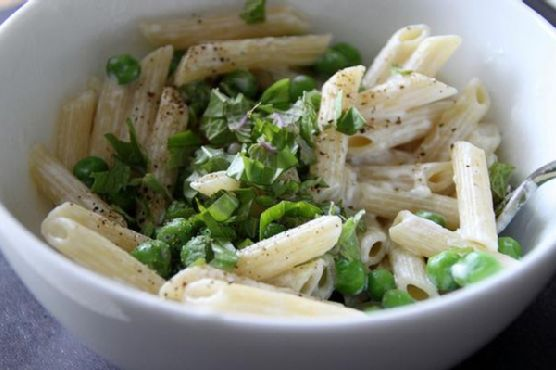
Penne with Goat Cheese and Basil | Made by Meaghan Moineau

Penne with Goat Cheese and Basil

Intro

There’s a certain magic in the simplicity of pasta dishes. Growing up, summer evenings were often capped with a family dinner on our patio, where the fragrant aroma of fresh basil mingled with the earthy scent of cooling evening air. My grandmother would make her signature Penne with Goat Cheese and Basil, a dish that encapsulated the essence of those warm nights. Today, I’m sharing this beloved recipe with you. It’s a dish that’s not only easy to prepare but also rich in flavor and comfort, reminiscent of those cherished family gatherings.

Why You’ll Love It

This Penne with Goat Cheese and Basil recipe is a celebration of flavors and textures. The creamy, slightly tangy goat cheese coats the pasta beautifully, while the fresh basil adds a burst of aromatic freshness. It’s a perfect balance of richness from the cheese and the light, herbaceous notes of basil. Plus, this dish requires minimal ingredients and is quick to prepare, making it an ideal option for both busy weeknights and leisurely weekend meals. Whether you’re a seasoned cook or a beginner in the kitchen, you’ll find this recipe both rewarding and satisfying.

Ingredients

  • Penne pasta
  • Basil leaves
  • Goat cheese
  • Olive oil
  • Salt and pepper

Instructions

  1. Cook the penne pasta according to the package directions until al dente. Drain and set aside.
  2. While the pasta is cooking, arrange the basil leaves in a stack. Roll them tightly like a cigar, then slice crosswise to create thin strips. This technique is known as chiffonade.
  3. In a large bowl, toss the cooked penne with olive oil and crumbled goat cheese. Allow it to cool for a few minutes, letting the cheese melt slightly and coat the pasta.
  4. Add the chiffonade basil to the pasta along with a generous pinch of salt and freshly ground pepper. Toss everything together until well combined.
  5. Serve immediately, garnished with additional basil or a drizzle of olive oil if desired.

Tips

For the best results, use fresh goat cheese and basil. The quality of these ingredients will significantly impact the flavor of the dish. When cooking the pasta, make sure to salt the water generously to enhance the overall taste. If you prefer a creamy texture, reserve a little pasta water before draining and add it to the mixture while tossing the ingredients together.

Variations & Substitutions

This recipe is incredibly versatile. For a heartier version, you can add grilled chicken or roasted vegetables such as cherry tomatoes or zucchini. If goat cheese isn’t your favorite, feta cheese is a great substitute that also pairs well with basil. For a vegan alternative, try using a plant-based cheese and olive oil-based pesto for added flavor.

Storage

Leftovers of Penne with Goat Cheese and Basil can be stored in an airtight container in the refrigerator for up to three days. To reheat, gently warm in a skillet over low heat, adding a splash of olive oil or water to loosen the sauce. Note that the basil may darken slightly, but the flavor will remain delightful.

FAQ

Can I use dried basil instead of fresh basil?

While fresh basil provides the best flavor and aroma, you can use dried basil in a pinch. Use about one-third of the amount specified for fresh basil, as dried herbs are more concentrated in flavor. However, the dish will lack the same vibrant freshness that fresh basil offers.

Is this dish suitable for meal prep?

Yes, Penne with Goat Cheese and Basil is a great option for meal prep. Prepare the dish as instructed and store it in individual portions. It’s best enjoyed fresh, but it can still be a convenient and tasty option for packed lunches.

Nutrition

This dish is a good source of protein and calcium from the goat cheese, and the olive oil provides healthy fats. The basil adds vitamins and minerals, while the pasta offers carbohydrates for energy. For a lighter version, consider using whole grain or gluten-free pasta.

Conclusion

Penne with Goat Cheese and Basil is more than just a meal; it’s a comforting embrace of flavors that evoke cherished memories and new culinary adventures. Whether you’re recreating a nostalgic dish or trying it for the first time, this recipe promises a delightful experience. Gather your loved ones, savor each bite, and let the simple elegance of this dish bring a touch of warmth to your table.

Related update: Penne with Goat Cheese and Basil

Related update: How to Make the Best Chili

How to make the World’s Greatest Lasagna Roll Ups | Made by Meaghan Moineau

How to Make the World’s Greatest Lasagna Roll Ups

Intro

Lasagna Roll Ups hold a special place in my heart. As a child, I vividly remember gathering in my grandmother’s cozy kitchen, the aroma of rich tomato sauce and melted cheese wafting through the air. We’d all take turns rolling the tender noodles around creamy ricotta filling, giggling as we sneaked bits of cheese into our mouths. This recipe for the World’s Greatest Lasagna Roll Ups is a tribute to those cherished memories, combining classic flavors with a fun twist. Let’s embark on this delicious journey together!

Why You’ll Love It

These Lasagna Roll Ups are not only incredibly tasty but also incredibly simple to make. With all the flavors of traditional lasagna wrapped up in a convenient roll, they’re perfect for portion control and easy serving. Whether you’re preparing a family dinner or entertaining guests, these roll ups are sure to impress. Plus, they’re customizable to suit various dietary preferences and are kid-friendly too!

Ingredients

  • 1 can tomato sauce
  • 1 tablespoon dried basil
  • 1 egg
  • 2 tablespoons extra virgin olive oil
  • 1 can fire roasted diced tomatoes
  • 1/4 cup fresh parsley, chopped
  • 3 cloves garlic, minced
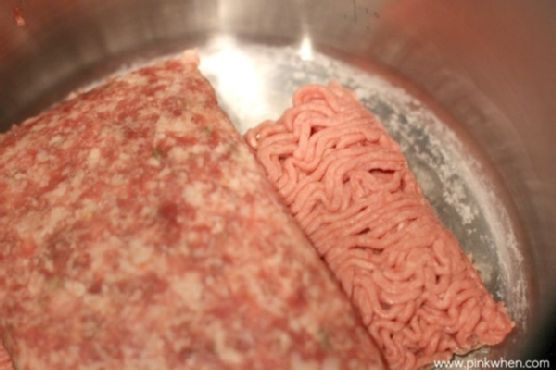
  • 1 pound lean ground beef
  • 1/2 teaspoon black ground pepper
  • 1/2 pound Italian sausage
  • 1 tablespoon Italian seasoning
  • 12 lasagna noodles
  • 2 cups mozzarella cheese, sliced
  • 1 onion, chopped
  • 1/2 cup Parmesan Reggiano, grated
  • 2 cups ricotta cheese
  • 1 teaspoon salt
  • 1 can tomato paste
  • 1/2 cup water

Instructions

  1. In a large saucepan over medium heat, brown the lean ground beef and Italian sausage.
  2. In a separate pan on medium heat, add 2 tablespoons of olive oil and sauté the onion, garlic, Italian seasoning, and basil for about 6-8 minutes or until the onion becomes translucent.
  3. Add the sautéed mixture to the meat. Stir in the fire roasted diced tomatoes, tomato sauce, tomato paste, water, black pepper, and 2 tablespoons of fresh parsley. Simmer uncovered for 1 hour to let the flavors meld.
  4. Bring a large pot of salted water to a boil. Cook lasagna noodles for 8-10 minutes, then drain and rinse with cold water to stop cooking.
  5. In a small mixing bowl, combine the remaining parsley, ricotta cheese, egg, and 1/2 teaspoon salt. Mix well to incorporate.
  6. Preheat oven to 375°F (190°C).
  7. Spread some of the meat sauce on the bottom of a 9 x 13-inch glass baking dish.
  8. Lay a lasagna noodle on a flat surface and spread with the ricotta mixture. Sprinkle with Parmesan Reggiano cheese and gently roll the noodle.
  9. Place the roll ups seam side down in the prepared baking dish. Cover each with a little more meat sauce and top with slices of mozzarella cheese.
  10. Cover the dish with foil and bake in the preheated oven for 20 minutes. Remove the foil and bake for an additional 10 minutes until the cheese is bubbly and slightly golden.
  11. Allow the roll ups to cool for 10 minutes before serving.

Tips

For perfectly cooked noodles, ensure you don’t over-boil them. They should be al dente to prevent them from becoming mushy during baking. Additionally, letting the lasagna roll ups rest after baking helps the ingredients set, making them easier to serve.

Variations & Substitutions

Feel free to experiment with different proteins such as turkey or chicken for a lighter version. For a vegetarian option, swap out the meat for sautéed mushrooms and zucchini. You can also use gluten-free lasagna noodles if you’re catering to dietary restrictions.

Storage

Leftover lasagna roll ups can be stored in an airtight container in the refrigerator for up to 3 days. They can also be frozen for up to a month. To reheat, simply thaw (if frozen) and warm in the oven at 350°F (175°C) until heated through.

FAQ

Can I make these lasagna roll ups ahead of time?

Absolutely! You can prepare the roll ups and store them in the refrigerator for up to 24 hours before baking. This makes them a great option for meal prep or entertaining guests.

What can I serve with lasagna roll ups?

These roll ups pair wonderfully with a simple green salad and garlic bread. You can also serve them with roasted vegetables for a complete and satisfying meal.

Nutrition

Each serving of lasagna roll ups is rich in protein and provides a good source of calcium and iron. For those watching their calorie intake, consider using lower-fat cheeses and leaner cuts of meat.

Conclusion

There you have it! Whether you’re recreating a beloved family tradition or starting a new one of your own, these World’s Greatest Lasagna Roll Ups are sure to become a household favorite. Packed with flavor and fun to make, they bring a delightful twist to a classic dish. I hope this recipe brings as much joy to your table as it has to mine. Happy cooking!

Related update: How to make the World’s Greatest Lasagna Roll Ups

Related update: Penne with Goat Cheese and Basil

Rename Your Gmail Without Losing Data | Analysis by Brian Moineau

Change the address, keep the files: Gmail may finally let you rename yourself online

You created that cringe-worthy Gmail handle in middle school. Maybe it was "cooldude123" or "princess_of_pop". For years the only fix was brutal: create a new account, forward mail, rebuild subscriptions, and slowly migrate your life. Now Google appears to be rolling out a long-requested escape hatch — the ability to change your @gmail.com address while keeping the same account and all the files tied to it.

What to know right away

  • Google’s help documentation (first seen in a Hindi-language support page) indicates users will be able to replace their existing @gmail.com address with a new @gmail.com address without losing emails, Drive files, Photos, purchases, subscriptions or YouTube channels. (techcrunch.com)
  • The old address becomes an alias that continues to receive mail and can still be used to sign in — so you don't lose continuity. (nasdaq.com)
  • There are limits and caveats: you can change the address only once every 12 months and at most three times (i.e., up to four addresses in total). Some managed (work/school) accounts will need admin approval. (nasdaq.com)

Why this matters more than it sounds

An email address is more than a username — it’s your digital identity across services. For most people the original Gmail handle is used as:

  • The login for Google services (Drive, Photos, YouTube, Play Store, Android devices).
  • The account recovery and notification contact.
  • The primary identifier in countless third‑party services that use “Sign in with Google.”

Until now, changing that identity forced a painful migration: new account, lost history, broken linkages. Letting users rename their primary address while keeping everything in place reduces friction and preserves years of digital baggage (the good and the awkward). It’s the kind of small-but-impactful quality-of-life change that consumers ask for for years but companies often resist because of identity, security and technical complexity.

How it looks to work (based on leaked/updated help docs and reporting)

  • Go to Google Account > Personal info > Email > Google Account email (once the feature reaches your account).
  • Choose a new @gmail.com address; Google verifies availability and confirms the change.
  • Your old address is retained as an alias; mail to either address lands in the same inbox.
  • You can sign in with either address, and all your existing data remains attached to your account. (techcrunch.com)

The catches and potential pitfalls

  • Limit frequency: only one change per 12 months and a maximum of three changes. That protects against abuse but also means you should pick carefully.
  • Third‑party logins: sites that use “Sign in with Google” may still reference the old email. You may need to update the email on those services manually, and in some cases, re-link accounts if they don’t recognize the new address. (forbes.com)
  • Device quirks: Chromebooks and some Android integrations tied to a specific Google account could require re‑signing or manual fixes (back up local data first if you use a managed Chromebook). Google’s documentation and early reporting specifically warn about possible device sign‑in loops. (nasdaq.com)
  • Alias permanence: Google’s docs suggest the old address remains tied to your account as an alias and can’t be released for reuse by others — good for continuity, less ideal if you wanted the address freed up. (nasdaq.com)
  • Rolling rollout: the change was initially spotted on a Hindi support page and is being rolled out gradually; not everyone will see it yet and Google had not published a broad announcement at the time of reporting. Expect regional and phased availability. (techcrunch.com)

A short timeline and context

  • For years, Google’s policy was simple: personal @gmail.com addresses could not be changed. Workspace (business/education) accounts have had more flexible options, but personal accounts were effectively permanent.
  • In late December 2025, tech reporters spotted updated Google help documentation — initially in Hindi — stating the company is “gradually rolling out” the ability to change a Gmail address. That triggered widespread reporting across outlets including The Verge, TechCrunch and Mashable. (theverge.com)

Who should (and shouldn’t) consider changing their address

  • Good candidates:

    • People with visibly unprofessional or embarrassing handles who want a cleaner public identity.
    • Users who want to update names after marriage, transition, or other life changes.
    • Anyone who wants to consolidate fewer accounts without losing history.
  • Be cautious if:

    • You rely heavily on "Sign in with Google" across many third‑party services and can’t afford temporary access issues.
    • You have Chromebooks or devices with complex enterprise profiles; test and back up first.
    • You expect to reclaim the old address for a new account — Google appears to keep the alias tied to your account.

My take

This is the kind of user-first tweak that should’ve arrived years ago. It scratches an itch we all felt when our teenage selves created forever addresses. Google is doing the sensible thing: preserving data continuity and minimizing friction while adding reasonable guardrails to prevent abuse. The phased rollout is expected — the underlying complexity of reassigning the account identity across product surfaces is significant. If you’re tempted to rename your account, wait until the option appears, read Google’s in‑product guidance carefully, and back up any device data that’s locally stored before you commit.

What to watch next

  • Google’s official English support pages and blog for a formal rollout notice and detailed step‑by‑step instructions.
  • Reports from early adopters about real‑world behavior on Chromebooks and third‑party sign‑ins.
  • Clarifications on whether aliases can ever be released for reuse and precise behavior for Workspace-managed accounts.

Sources

Final thought

If this rolls out to everyone as described, millions will finally be able to retire their old internet personas without losing the stuff that matters — the photos, receipts, and weird long‑forgotten email threads we all cling to. Pick a new name you won’t regret, because Google’s watchful guardrails mean this won't be something you can do every month.


Related update: We recently published an article that expands on this topic: read the latest post.


Related update: We recently published an article that expands on this topic: read the latest post.