Trump Accounts: $1,000 Start for Kids | Analysis by Brian Moineau

A $1,000 Head Start: What “Trump Accounts” Mean for Your Child’s Future

You probably saw the headline and felt a tiny burst of hope: the federal government is putting $1,000 into investment accounts for certain newborns. It sounds simple, generous — almost symbolic. But behind that four-figure deposit is a tangle of eligibility rules, tax mechanics, political theater, and real trade-offs for families trying to build long-term wealth.

Here’s a plain-speaking tour of what “Trump Accounts” are, who qualifies, how they’ll work, and why the policy matters beyond the initial $1,000.

The hook

Imagine your baby’s first college fund arriving from Washington: $1,000 deposited automatically into a tax-advantaged investment account. It’s enough to start compounding over 18 years — but not enough, by itself, to erase structural inequality. Still, the idea has grabbed attention because it’s easy to explain and politically resonant: a one-time “seed” for every eligible child.

What the program is and where it came from

  • The accounts were created as part of the broad tax and spending package signed into law on July 4, 2025. That legislation included many provisions; among them are these new child investment accounts popularly called “Trump Accounts.”
  • The Treasury will seed accounts with a $1,000 deposit for eligible children born in a specific window. The program is structured like a tax-advantaged investment vehicle: money grows tax-deferred and qualified withdrawals get favorable tax treatment. (See Sources for reporting details.)

Who is eligible and important dates

  • Government seed money applies to children born between January 1, 2025, and December 31, 2028.
  • The Treasury will set up accounts for eligible children (parents can opt out). Parents, guardians, family members, employers, and others can also open accounts and contribute.
  • Many news outlets report accounts or contributions will be able to begin in mid-2026 (July 2026 is widely cited for when account activity and signups will open).
  • Check official guidance and Form 4547 (the IRS form tied to enrollment) once the Treasury and IRS roll out the platform and instructions.

How the accounts work in practice

  • The accounts must invest in funds that track broad U.S. stock indexes (think S&P 500-like vehicles), so the balances are market-exposed rather than bank-savings style.
  • Annual contribution limits from private parties (parents, family, employers) are capped — commonly reported as a $5,000-per-child-per-year aggregate limit, with employer contributions limited in certain ways. Government seed money does not count toward that cap.
  • Withdrawals are restricted early on. Common outlines in reporting: partial qualified withdrawals allowed for education, home purchase, or starting a business at younger ages; fuller access as the beneficiary reaches older ages (e.g., half at 18, fuller access later). Taxes on qualified withdrawals are usually at long-term capital gains rates; nonqualified uses face ordinary income taxation. Exact age and tax rules should be confirmed with final Treasury/IRS regulations.

Why $1,000 both matters and falls short

  • The upside: $1,000 invested at birth, in a stock-index fund, can grow meaningfully over 18 years. It’s a psychological nudge toward saving, introduces children (and families) to investing, and can help some families get started.
  • The limits: $1,000 is not transformative on its own. Families with wealth or financial know-how are much more likely to contribute the full allowable amounts over years, widening the gap between those who can compound contributions and those who can’t. Critics note the program risks being a politically attractive yet unequal policy — visible but modest in impact for the most vulnerable children.
  • Administrative complexity and timing matter. The program’s effectiveness will depend on how straightforward enrollment, contribution, and withdrawal rules are, and how well the Treasury and private partners implement the accounts.

The politics and private partnerships

  • The accounts were a high-profile piece of a larger partisan bill; renaming (from earlier “MAGA” labels) and branding made the accounts a political signal as much as a policy.
  • Reporting shows private philanthropists and financial firms have signaled support or partnership to scale reach or initial funding. Whether and how that private involvement affects access and management is worth watching.

What parents should consider now

  • Confirm your child’s eligibility by birthdate and citizenship status. If eligible, be aware the Treasury may automatically open an account unless you opt out.
  • Think about goals: education, first home, entrepreneurship — the accounts are intended for long-term wealth-building within specified qualified uses.
  • Remember this is an investment in equities. That means risk and reward — markets can dip as well as climb. These accounts are less like a guaranteed grant and more like a long-term investment vehicle.
  • If you can, consider treating the $1,000 as a nudge: the real value will come from regular contributions over years. Even modest, consistent savings can compound alongside that initial deposit.

Early reactions from experts

  • Supporters highlight that the program mainstreams the idea of saving from birth and creates a universal pathway to capital formation for millions of children.
  • Skeptics point out the seed money is small relative to the cost of higher education, homeownership, or entrepreneurship, and the policy may privilege families who can add to the accounts — thereby widening wealth gaps.
  • Implementation details (tax treatment, withdrawal rules, contribution mechanics) will shape how useful the accounts are in practice.

Things to watch next

  • Official Treasury and IRS guidance, including the precise launch date for signups and contributions (widely reported as July 2026 for account activity).
  • Finalized rules on qualified uses, withdrawal ages, and tax treatment.
  • Any state-level interactions (means-tested benefits, public-benefit rules, or reporting requirements).
  • How private-sector partners handle account management and whether charitable/philanthropic funding expands access for lower-income families.

My take

This feels like a policy designed to deliver a visible benefit that’s easy to explain to voters: “the government gives every newborn $1,000.” That framing has power. But dollars and optics aren’t the same as structural change. The accounts could be a useful long-term tool if implemented transparently, if contribution pathways are easy for middle- and lower-income families, and if the rules avoid unintended consequences for benefits or taxes. Absent that, the program risks being a small, headline-friendly intervention that nudges savings for some while leaving deeper economic gaps intact.

Sources

Sources were used to verify dates, eligibility windows, contribution limits, and the general structure of the accounts.


Related update: We recently published an article that expands on this topic: read the latest post.

Related update: We recently published an article that expands on this topic: read the latest post.

Pork Carnitas Tacos | Made by Meaghan Moineau

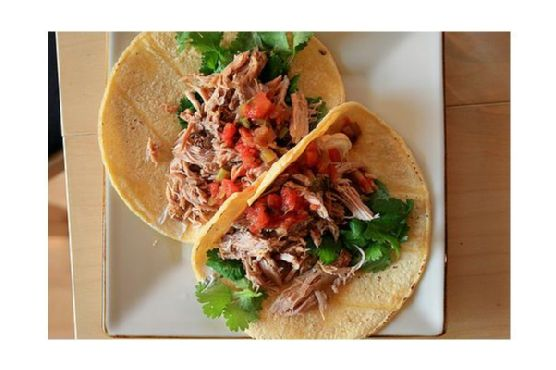
Pork Carnitas Tacos: A Deliciously Savory Mexican Delight

Intro

There’s something uniquely comforting about a warm, freshly made taco filled with tender, flavorful pork carnitas. It takes me back to my childhood, where every Sunday, my family would gather at my grandmother’s house. The aroma of sizzling pork and freshly made tortillas would fill the air, creating an atmosphere of warmth and togetherness. These pork carnitas tacos are a tribute to those cherished family gatherings, and I’m excited to share this recipe with you.

Why You’ll Love It

This pork carnitas taco recipe is a game-changer for your weeknight dinners or festive gatherings. Here are a few reasons why you’ll fall in love with it:

  • Flavorful and Tender: The combination of citrusy notes from the orange juice and the creamy richness of the milk ensures that the pork is both tender and bursting with flavor.
  • Simple Ingredients: You probably already have most of these ingredients in your pantry or fridge, making it a convenient dish to prepare.
  • Versatile: These tacos are perfect for any occasion, whether it’s a quick family dinner or a lively fiesta with friends.
  • Customizable: You can easily adjust the toppings to suit your taste, making it a dish everyone will enjoy.

Ingredients

  • Water
  • Lean pork butt
  • Garlic
  • Sea salt and ground pepper
  • Olive oil
  • Orange juice
  • Milk
  • Corn tortillas
  • Salsa fresca
  • Avocado
  • Cilantro
  • Onion
  • Limes

Instructions

  1. In a large Dutch oven, add the pork, garlic, salt, pepper, and water. Bring to a boil, then reduce heat, cover, and simmer over medium-low for 45 minutes to one hour.
  2. Drain the pork well. When cool enough to handle, shred the meat by hand or with the tines of a fork. Remove and discard any remaining fat.
  3. Transfer the shredded pork back to the Dutch oven and heat the olive oil.
  4. Add the orange juice and milk and cook until the liquid has evaporated and the pork has browned, stirring occasionally. Season with salt and pepper to taste.
  5. Chop the onions and cilantro, and slice the avocado and limes. Place each in small individual bowls for serving.
  6. Heat the tortillas in a dry frying pan and keep them warm.
  7. For each taco, stack two tortillas and layer with warm carnitas, chopped cilantro, onion, and avocado slices. Give it a good squeeze of lime juice.

Tips

  • Choose Quality Pork: Opt for a lean pork butt to ensure your carnitas are tender and juicy.
  • Shredding: Shredding the pork while it’s still warm makes the process much easier.
  • Heating Tortillas: Heating the tortillas on a dry pan gives them the perfect texture and flavor.

Variations & Substitutions

This recipe is versatile, so feel free to experiment:

  • Spicy Kick: Add jalapeños or chili powder to the carnitas for some heat.
  • Different Protein: Try using chicken or beef as an alternative to pork.
  • Vegetarian Option: Substitute the pork with jackfruit for a plant-based version.

Storage

Store any leftover carnitas in an airtight container in the refrigerator for up to 3 days. To reheat, simply warm them in a skillet with a little olive oil. You can also freeze the carnitas for up to 2 months; just thaw them in the refrigerator overnight before reheating.

FAQ

Can I use flour tortillas instead of corn tortillas?

Absolutely! While corn tortillas are traditional for carnitas, flour tortillas work just as well if you prefer their softer texture.

Is there a way to make this recipe more budget-friendly?

You can make this recipe more budget-friendly by purchasing pork in bulk or on sale and freezing portions for future use. Additionally, using canned salsa instead of fresh salsa fresca can reduce costs.

Nutrition

While this dish is rich and savory, you can control portion sizes and toppings to fit your dietary needs. The key ingredients—pork, avocado, and tortillas—provide a good balance of protein, healthy fats, and carbohydrates.

Conclusion

These pork carnitas tacos are more than just a meal; they’re an experience. From the tantalizing aroma to the burst of flavors in every bite, they bring a taste of Mexico to your home. Whether you’re enjoying them with family or sharing them with friends, these tacos are sure to become a beloved staple in your culinary repertoire. So gather your ingredients and get ready to create some delicious memories!

Related update: Pork Carnitas Tacos

Related update: Kunna (A Delicious Chinioti Dish, Punjab, Pakistan)

CES 2026: Practical AI Shapes Consumer | Analysis by Brian Moineau

CES 2026 is already teasing the future — and it’s surprisingly familiar

The lights of Las Vegas haven’t even finished warming up and the CES echo chamber is already full of the same humming theme: thinner, brighter, smarter, and more wired to AI than anything we saw last year. If you were hoping for flying cars or teleportation, CES 2026 isn’t that kind of sci‑fi show — but it is aggressively practical about folding AI into everyday screens, speakers, and wearables. Here’s a readable tour of what matters so far, why it matters, and what I’m watching next.

Early highlights worth bookmarking

  • LG’s Wallpaper OLED comeback: an ultra‑thin “disappearing” TV that shifts ports to a separate Zero Connect box to minimize visible cables and make the display feel like wall art.
  • Samsung’s scale flex: massive Micro RGB TVs (including a 130‑inch demo) and a pitch that treats AI as a continuous household companion rather than a one‑off feature.
  • AR and “smart glasses” momentum: more polished, affordable models (for example, Xreal’s mid‑generation refresh) that push resolution, latency, and gaming use cases.
  • Health and home: Withings‑style body scanners, smarter fridges and appliances, and robots like LG’s CLOiD inching from prototypes toward real household help.
  • AI everywhere, but software quality is the real test — hardware without useful, polished software will amount to shelfware.

Why these announcements matter

CES has always been half showmanship and half early indicator. This year the show feels less like a trunk show for idea experiments and more like an argument over where AI should live in your life:

  • Displays are becoming lifestyle objects. Manufacturers are investing in design (9 mm thinness), wireless cabling, and micro‑LED/Micro RGB tech — a sign that TVs are being sold as furniture and focal points, not just “the thing you stream on.”
  • AI is migrating out of labels into systems. Instead of “AI mode” stickers, vendors are promising continuous, embedded intelligence: TV personalization, smart appliances that anticipate tasks, and wearables that summarize or transcribe interactions.
  • AR is inching toward usefulness. The category looks less like a novelty and more like a capable accessory for gaming, portable productivity, and second‑screen experiences — especially as prices fall and software ecosystems improve.
  • Health and home converge. Smart scales, preventive health sensors, and robots aim to reduce friction — but they’ll also raise questions about data, privacy, and regulatory oversight.

What to watch for in the coming days

  • Real availability vs. concept volume. A lot of dramatic demos at CES don’t translate to retail shelves immediately. Watch for concrete launch windows and pricing (the 130‑inch Micro RGB TV is spectacular, but who’s buying one?).
  • The software stories. Which companies release developer tools, SDKs, or clear update policies? Hardware without long‑term software support is a short-lived promise.
  • Privacy and regulation signals. With more sensors and “always listening” devices on show, expect reporters and regulators to press vendors on how data is stored, processed, and shared.
  • Battery and thermal design for wearable AI. If AR and audio recorders want to be useful all day, the next breakthroughs will be in power management and on‑device model efficiency.

A few examples that illustrate the trend

  • LG’s new Wallpaper OLED (the company’s push to make displays disappear into décor) illustrates the push for cleaner living spaces and thoughtful wiring (ports off the panel, Zero Connect box, wireless video). This is an evolution in how displays fit into homes rather than a pure pixel war.
  • Samsung’s “Companion to AI Living” framing is notable: they’re arguing AI should be an integrated utility across appliances, TVs, and wearables, not a flashy checkbox. That’s a strategic positioning that will shape how consumers perceive AI-enabled products.
  • Xreal’s 1S refresh and similar AR glasses are narrowing the gap between novelty demo and usable product: better resolution, lowered price, and targeted integrations with gaming and mobile devices.

Practical implications for buyers and early adopters

  • If you value design and a clean living room aesthetic, the new Wallpaper and Micro RGB options are worth a showroom visit — but hold off on impulse buys until reviewers test real‑world use and longevity.
  • For people curious about AR: look for device compatibility, field of view, and comfort. The newest models are better, but the killer apps still need to emerge.
  • Health tech buyers should check regulatory claims. Devices touting advanced biometrics may still be awaiting approvals or have caveats on what they can reliably measure.
  • Watch subscription models. Many AI add‑ons (automatic transcription, “memory” search features) are likely to be subscription services; factor ongoing costs into your assessment.

My take

CES 2026 feels like a tidy pivot from “look at this shiny thing” to “how does this fit into my life?” That’s encouraging. The hardware is impressive — thinner OLEDs, massive micro‑LED canvases, and smarter household robots — but the big commercial winners will be the companies that make AI feel genuinely helpful without becoming intrusive or expensive. The next few months of reviews, price announcements, and software rollouts will reveal which of these demos become real, useful products and which stay good concepts for the demo loop.

Sources

The Perfect Butter Beans Stew | Made by Meaghan Moineau

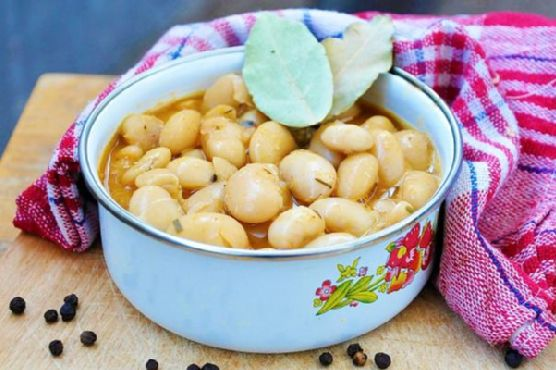
The Perfect Butter Beans Stew

Intro

There’s something about a warm bowl of stew that feels like a gentle hug on a chilly day. Growing up, butter beans stew was a staple in my grandmother’s kitchen, a dish that brought our family together around the dinner table. I remember the fragrant aroma wafting through the house, the anticipation of that first comforting bite, and the joy of sharing stories while savoring each spoonful. Over the years, I’ve adapted her recipe slightly, but the heart of it remains the same: a humble yet deeply satisfying stew that nourishes both body and soul.

Why You’ll Love It

This Perfect Butter Beans Stew is more than just a meal; it’s an experience. Here’s why you’ll find it irresistible:

  • Hearty and Satisfying: This stew is packed with protein-rich beans, making it a filling and nutritious option.
  • Simple Ingredients: With common pantry staples, you can whip up this delightful dish.
  • Rich Flavors: The combination of tarragon, sweet paprika, and bay leaves creates a symphony of flavors that dance on your palate.
  • Comforting and Nostalgic: It’s a timeless recipe that evokes warmth and homeliness, perfect for family dinners.

Ingredients

  • 250g dry lima beans, soaked overnight
  • 1 large onion, diced
  • 3 garlic cloves, minced
  • 1 teaspoon dry tarragon
  • 1 tablespoon fresh tarragon, chopped
  • 1 teaspoon sweet paprika
  • 2 bay leaves
  • 2 tablespoons unrefined sunflower oil
  • Ground pepper, to taste
  • Sea salt, to taste

Instructions

  1. To get the full instructions for making The Perfect Butter Beans Stew, visit my blog: The Perfect Butter Beans Stew Recipe.

Tips

Here are some tips to ensure your Butter Beans Stew turns out perfectly every time:

  • Soak the Beans: Soaking the beans overnight helps reduce cooking time and makes them easier to digest.
  • Season Generously: Don’t shy away from seasoning. Adjust the salt and pepper to suit your taste, enhancing the stew’s flavors.
  • Low and Slow: Cook the stew on a low flame to allow the flavors to meld beautifully, resulting in a richer taste.

Variations & Substitutions

This stew is wonderfully versatile. Here are some variations and substitutions you can try:

  • Meaty Addition: Add in some cooked bacon or sausage for a non-vegetarian twist.
  • Vegetable Boost: Include diced carrots or celery for added texture and nutrients.
  • Herb Swap: If you don’t have tarragon, try using thyme or rosemary for a different flavor profile.

Storage

Store any leftovers in an airtight container in the refrigerator for up to 3 days. This stew also freezes well. Place it in a freezer-safe container, and it should keep for up to 2 months. Reheat gently on the stovetop, adding a splash of water if needed to reach desired consistency.

FAQ

Can I use canned beans instead of dry beans?

Yes, you can use canned beans for a quicker version of this stew. Drain and rinse the beans before adding them to the stew. You won’t need to cook them as long, just until they are heated through and the flavors have melded.

What can I serve with this stew?

This butter beans stew pairs beautifully with crusty bread or over a bed of rice or quinoa. For a lighter option, serve it alongside a fresh green salad.

Is this stew vegan?

Yes, this recipe is naturally vegan, as it contains no animal products. It’s a great option for those following a plant-based diet.

Nutrition

While I’m not a nutritionist, this stew is packed with plant-based protein and fiber from the beans, making it a wholesome, nutrient-dense meal. The use of unrefined sunflower oil also adds healthy fats, and the variety of herbs and spices contribute additional micronutrients.

Conclusion

The Perfect Butter Beans Stew is more than just a recipe; it’s a cherished memory, a warm embrace, and a promise of comfort. Whether you’re sharing it with family or enjoying a quiet meal alone, this stew is sure to become a favorite in your home. I hope this dish brings as much joy to your table as it has to mine.

Related update: The Perfect Butter Beans Stew

Related update: Pork Carnitas Tacos

Cranberry Margarita | Made by Meaghan Moineau

Cranberry Margarita: A Festive Twist on a Classic Cocktail

Intro

There’s something undeniably festive about the tart burst of cranberries, especially when paired with the smooth, citrusy notes of a classic margarita. I vividly remember the first time I tasted this delightful concoction. It was a chilly Thanksgiving evening at my grandmother’s house. The air was filled with the comforting aroma of roasted turkey and spiced pies, and my uncle, known for his cocktail prowess, decided to shake things up with a cranberry twist on his usual margarita. From the first sip, I was hooked, and that memory has since inspired me to recreate the magic every holiday season.

Why You’ll Love It

This Cranberry Margarita is the perfect blend of tart and sweet, offering a refreshing change from the traditional lime-based margarita. It’s easy to make, visually stunning, and perfect for impressing your guests at any gathering. Whether you’re celebrating the holidays or just in the mood for something special, this drink is sure to become a favorite.

Ingredients

  • Fresh cranberries
  • Grand Marnier
  • Orange juice
  • Light Karo syrup
  • Sugar
  • Tequila

Instructions

  1. In a saucepan over medium heat, melt the cup of sugar in the orange juice.
  2. Add the cranberries, reserving some for the skewers, and cook over low heat for 10 minutes. Set aside and let it cool.
  3. Blend the cooked cranberries in a blender, then strain to make the puree.
  4. In a shaker, add crushed ice, 1 1/2 ounces of tequila, 1/2 ounce of Grand Marnier, and 2 ounces of cranberry puree. Shake to mix.
  5. Skewer several cranberries onto 10 skewer sticks but leave enough skewer exposed on one end.
  6. Lightly brush each cranberry skewer with Karo syrup and then sprinkle extra sugar over the cranberry skewers.
  7. Place the cranberry swizzle sticks on wax paper and place in the freezer to set.
  8. Pour the drink into a sugar-rimmed martini glass.
  9. Add a cranberry swizzle stick for garnish.

Tips

For the best flavor, use fresh cranberries if they are in season. You can also adjust the sweetness by adding more or less sugar to the cranberry puree. If you prefer a smoother drink, make sure to strain the pureed cranberries thoroughly.

Variations & Substitutions

If you’re looking to tweak this recipe, here are a few ideas:

  • Alcohol-Free Version: Replace tequila and Grand Marnier with a mix of orange juice and sparkling water for a refreshing mocktail.
  • Spicy Twist: Add a slice of jalapeño to the shaker for a spicy kick.
  • Alternative Sweeteners: Use agave syrup instead of Karo syrup for a different flavor profile.

Storage

The cranberry puree can be stored in an airtight container in the refrigerator for up to three days. The cranberry swizzle sticks can be frozen and kept for up to a month, making them a handy garnish for impromptu cocktail nights.

FAQ

Can I make the cranberry puree in advance?

Absolutely! You can prepare the cranberry puree a day or two in advance. Just store it in the refrigerator until you’re ready to use it.

What can I use instead of Grand Marnier?

If you don’t have Grand Marnier on hand, you can substitute it with triple sec or Cointreau. Each will lend a slightly different citrus note to your margarita.

How do I rim the glass with sugar?

To rim the glass with sugar, simply rub a lime wedge around the edge of the glass, then dip the rim into a plate of sugar. This will give your drink a sweet finish with every sip.

Nutrition

Each serving of Cranberry Margarita contains approximately:

  • Calories: 180
  • Carbohydrates: 20g
  • Sugar: 17g
  • Alcohol: 15g

Note: Nutritional information does not include sugar on the rim.

Conclusion

The Cranberry Margarita is more than just a cocktail; it’s a celebration in a glass. Its vibrant color and tantalizing flavor make it a standout choice for any occasion. Whether you’re sipping it by a cozy fire or sharing it with friends at a festive party, this drink is sure to bring joy and warmth to your gatherings. I hope this recipe brings you as much delight as it has brought to my family and me. Cheers to crafting memorable moments, one sip at a time!

Related update: Cranberry Margarita

Seahawks Steamroll 49ers, Claim NFC Top | Analysis by Brian Moineau

Why the Seahawks’ 13-3 win over the 49ers feels like the start of something bigger

A cold afternoon at Levi’s Stadium turned into a warm reminder: this Seahawks team doesn’t just show up — it shuts things down. Seattle’s 13-3 victory over the San Francisco 49ers on January 3, 2026, didn’t just decide the NFC West. It announced to the rest of the conference that the Seahawks are built to win in January — and maybe February too.

What happened (the quick version)

  • The Seahawks beat the 49ers 13-3 in Santa Clara to claim the NFC West title and the NFC’s No. 1 seed.
  • Seattle finished the regular season 14-3, the most wins in franchise history.
  • The game was dominated by Seattle’s defense: the 49ers managed just nine first downs, 173 yards and were 2-for-9 on third down.
  • Zach Charbonnet’s early 27-yard touchdown and a late Jason Myers field goal (after some red-zone miscues) were enough because the Seahawks kept San Francisco off the scoreboard for most of the night. (espn.com)

Why this win matters beyond the scoreboard

  • Home-field advantage matters. Clinching the No. 1 seed gives Seattle the luxury of playing at home throughout the NFC playoffs — a massive edge when weather, crowd and familiarity become factors. The Seahawks’ path to Levi’s Stadium next month is now much more plausible. (nfl.com)
  • Defense is the identity. Seattle didn’t win this game because of an offensive shootout — they won because they made the big stops. Holding a 49ers offense that had been prolific all season to three points is a statement: this defense can control tempo, force mistakes and win tight, ugly postseason-style games. (espn.com)
  • Resilience and coaching. This result is also a credit to the staff and the culture Mike Macdonald has been building. The Seahawks finished the season strong (seven straight wins) and did the tough, ugly work necessary to close out a division rival. (nfl.com)

Standout moments and turning points

  • Opening punch: Zach Charbonnet’s 27-yard touchdown set the tone early and gave Seattle the confidence to play keep-away with the running game. (espn.com)
  • Defensive masterpiece: Boye Mafe’s tip and Drake Thomas’ red-zone interception at the 3-yard line late in the game erased San Francisco’s best chance to come back. That play essentially sealed the win. (nbcsports.com)
  • Red-zone misses that didn’t matter (this time): Seattle went 0-for-3 in the red zone and had missed field goals, but the defense compensated. That’s a double-edged sword — great to win despite offensive inefficiency, but worrying if those problems persist into the playoffs. (nbcsports.com)

What this means for the playoffs

  • Momentum and matchups: With the No. 1 seed, Seattle avoids a wild-card trip and can tailor a playoff run at home. Historically, having home-field through the conference helps — especially for a team that leans on defense and a ball-control offense. (nfl.com)
  • Questions to monitor:
    • Can the offense clean up red-zone execution and special teams? Missed opportunities can be the difference in single-elimination football. (nbcsports.com)
    • Will the defense sustain this level of pressure against elite postseason quarterbacks? They’ll be tested, but shutting down San Francisco is an encouraging sign. (espn.com)

A few context notes

  • This was Seattle’s first NFC West title since 2020 and their first No. 1 seed since 2014; the 14-win mark is a franchise record in the regular season. Those milestones matter for the franchise narrative and fan confidence. (spokesman.com)
  • The 49ers walked in on a six-game winning streak and left with a reminder that playoff positioning can pivot on a single late-season matchup. For San Francisco, the loss means heading into the postseason without home-field for at least the opening round. (espn.com)

What to watch next

  • Seattle’s divisional-round opponent (and potential Super Bowl path) now depends on remaining wild-card outcomes, but the crucial thing is Seattle gets to play at home.
  • Fixing red-zone offense and special teams consistency should be priorities in the next week of practice. If the Seahawks tighten those leaks, their defense and run game could carry them a long way.
  • Matchups against top NFC quarterbacks: if the defense can repeat performances like this one, Seattle will be a matchup nightmare.

Final thoughts

There’s a particular thrill watching a team rediscover a defensive identity and pair it with timely offense. This Seahawks squad feels like it knows who it is — not flashy for the sake of flash, but physical, disciplined and opportunistic. Winning at Levi’s Stadium to clinch the division and the No. 1 seed isn’t just a good headline; it’s the kind of statement that reshapes expectations for January. If Seattle can marry this defensive dominance with cleaner offense and steadier kicking, a trip back to Levi’s — for a date on Super Bowl Sunday — no longer sounds far-fetched.

Sources


Related update: We recently published an article that expands on this topic: read the latest post.


Related update: We recently published an article that expands on this topic: read the latest post.