
January Playoff, September Sky Drama | Analysis by Brian Moineau

When the calendar says January but the sky says September

The sky over Bank of America Stadium looked like it had missed the memo. On a Saturday that should have felt like the crisp business of playoff football, Charlotte baked and brooded under a midwinter atmosphere more suited to late summer thunderheads. The Rams and Panthers didn’t just play each other — they played the weather, too, with thunderstorms and gusts hovering over kickoff and the NFL’s carefully timed broadcast windows.

Why the weather mattered more than a weather report

  • The Rams-Panthers wild-card kickoff was scheduled for 4:30 p.m. ET, with Packers-Bears set to stream at 8:00 p.m. ET. A lightning delay in the early game could push the later streamable game into overlapping territory — something the league can only partially manage (it can shift a kickoff by 10 minutes, per league guidance). (nbcsports.com)
  • Forecast models and local meteorologists flagged a solid chance of thunderstorms, gusty winds and sustained precipitation during kickoff and into the second half. That wasn’t just uncomfortable for fans; it changes punt dynamics, the passing game, field footing and coaching calculus in real time. (wral.com)
  • Weather narratives aren’t new in football, but they take on outsized importance in the playoffs: a sudden thunder delay can complicate broadcasters’ schedules, strain team routines and turn momentum on its head. NBC Sports flagged the structural issue — two playoff games possibly running at once — as an NFL logistics headache. (nbcsports.com)

Setting the scene: the context that matters

  • Playoff stakes: This was Wild Card Weekend — the margin for error is thin and every win, timeout and coaching choice magnifies. Teams plan for wind and rain during the season, but postseason weather can still be a curveball. (nbcsports.com)
  • Local forecast consensus: Multiple outlets and meteorologists warned of thunderstorms and gusts up to the mid-30s (mph) with a high probability of precipitation during the afternoon into evening — effectively a recipe for slippery balls and improvised clock management. (wral.com)
  • The game’s outcome: Despite the weather tangles and drama, the Rams won a tight one, 34–31, with a last-minute touchdown that ultimately decided the contest. The elements added texture to an already dramatic finish. (reuters.com)

What the weather actually changed on the field

  • Quarterback play and play-calling: Rain and wind nudge offenses toward shorter throws, quicker releases and more emphasis on the run game. For teams that rely on timing routes, even slight precipitation can disrupt rhythm — and force mid-drive adjustments. (sports.yahoo.com)
  • Special teams volatility: Punting and kicking become lotteries when gusts gust across the stadium. Field position swings and blocked-kick opportunities gain weight in the win probability model. Local forecasts and game-day notes warned fans to watch the punting game. (wral.com)
  • Broadcast and scheduling headaches: The NFL’s limited flexibilities — a 10-minute slide for a later kickoff, contingency plans for delays — are blunt instruments when lightning’s involved. If the early game stalls, networks, streaming services and in-stadium operations must improvise, while viewers juggling multiple platforms can miss decisive stretches. (nbcsports.com)

Lessons for fans, teams and broadcasters

  • Fans: Pack an umbrella and temper expectations for perfect football weather — and expect possible broadcast delays or overlap. If you’re streaming another game later, be ready for timing shifts. (foxsports.com)
  • Teams: Build weather drills into playoff prep. The ability to pivot quickly — shift to quick-game passing, protect against gusts, adjust punt formation — becomes a competitive advantage. (sports.yahoo.com)
  • Broadcasters and leagues: This is a reminder that modern scheduling — with linear and streaming rights layered — needs more nimble contingency plans for weather disruptions, especially as extreme-weather patterns become less predictable. The NFL’s 10-minute leeway is useful but limited. (nbcsports.com)

A few memorable in-game moments shaped by the conditions

  • Tight finishes feel tighter when a slippery ball makes a contested catch harder, or when a gust sends a kickoff farther than expected. The Rams’ last-minute drive that clinched a 34–31 victory carried extra drama against a backdrop of overcast, wind-swept stands. (reuters.com)

My take

Weather has a way of reminding us that football — even in January’s playoff theater — is played outdoors, subject to the same temperament as any other natural event. The Rams-Panthers game was a small case study in adaptability: teams adjust play-calling, special teams get riskier, and broadcasters juggle time slots. As fans we romanticize the “pure” postseason atmosphere; reality is more interesting. Storms, delays and gusts don’t just change outcomes — they give playoff games their cinematic texture.

Final thoughts

The calendar may say January, but the sky doesn’t check schedules. That mismatch is part of what keeps playoff football compelling. Weather can be an antagonist, an equalizer, and sometimes a plot twist — and this Rams-Panthers wild-card contest had all three. Whether you remember the game for the final drive or the thunderstorms rumbling above, it’s a reminder that in football the elements are always in play.

Sources


Related update: We recently published an article that expands on this topic: read the latest post.


Related update: We recently published an article that expands on this topic: read the latest post.
Cream Cheese Stuffed Baby Bell Pepper Appetizer | Made by Meaghan Moineau

Cream Cheese Stuffed Baby Bell Pepper Appetizer

Intro

There’s something magical about bite-sized appetizers that sparks joy and brings people together. I remember the first time I tried stuffed baby bell peppers at a family gathering. My grandmother had prepared them with such care and love, and as soon as I took that first bite, I was hooked. The creamy filling combined with the sweet crunch of the pepper was an explosion of flavors that left a lasting impression. Since then, I’ve tried recreating that delightful experience in my own kitchen, and today, I’m thrilled to share this recipe with you.

Why You’ll Love It

This cream cheese stuffed baby bell pepper appetizer is perfect for gatherings, whether it’s a casual get-together or a festive holiday party. You’ll love how easy it is to prepare, and your guests will appreciate the burst of flavors in each bite. The combination of creamy cheese, crunchy walnuts, and the subtle heat of sriracha makes this dish an instant crowd-pleaser. Plus, it’s a versatile recipe that can be adapted to suit various dietary preferences.

Ingredients

  • Cream cheese
  • Garlic
  • Green onion
  • Black ground pepper
  • Olive oil
  • Salt
  • Snack peppers
  • Walnuts

Instructions

  1. Preheat the oven to 350 degrees.
  2. Cut the bell peppers lengthwise, remove the seeds and stems.
  3. Lightly oil the bell peppers by tossing them in a bowl with some olive oil.
  4. Place the peppers on a baking sheet skin-side down.
  5. Roast in the oven for 8-10 minutes until the edges begin to show some color. Remove from the oven and allow to cool.
  6. While the peppers are roasting, prepare your stuffing. Place the cream cheese, walnuts, garlic, salt, sriracha, and black pepper in a bowl and mix until creamy. Add the green onion and fold in to the cream cheese until combined. Test and adjust seasoning as needed.
  7. Heat your oven to 400 degrees.
  8. Use a spoon or a piping bag to stuff the peppers liberally and place them back on the baking sheet.
  9. If the cream cheese is very soft, place the baking sheet in the refrigerator for 15 minutes to allow it to set up.
  10. Bake in the oven for about 8 minutes. Then, change the oven setting to high broil and bake for an additional 2 minutes, until the tops of the cream cheese begin to brown.
  11. Put on a pretty plate and serve to your friends.

Tips

For best results, ensure your cream cheese is softened to room temperature before mixing. This makes it easier to combine with the other ingredients and ensures a smooth texture. If you’re using a food processor, pulse gently to avoid over-processing the walnuts. This will retain some texture and add a delightful crunch to your stuffing.

Variations & Substitutions

If you’re looking to switch things up, consider adding some crumbled feta or goat cheese to the stuffing for a tangy twist. For a nut-free version, you can replace walnuts with sunflower seeds or omit them altogether. If you prefer a milder flavor, reduce or eliminate the sriracha. Vegans can substitute the cream cheese with a plant-based alternative to create a dairy-free version of this delightful appetizer.

Storage

These stuffed peppers are best enjoyed fresh, but if you have leftovers, they can be stored in an airtight container in the refrigerator for up to 3 days. To reheat, place them in a preheated oven at 350 degrees for about 5-7 minutes or until warmed through.

FAQ

Can I make these stuffed peppers ahead of time?

Yes, you can prepare the stuffing and fill the peppers in advance. Store them in the fridge and simply bake them when you’re ready to serve. Just remember to adjust the baking time if they’re cold from the fridge.

What can I serve with these appetizers?

These stuffed peppers pair beautifully with a variety of dips like hummus or tzatziki. They also complement charcuterie boards and can be served alongside crackers, breadsticks, or fresh veggies.

Nutrition

This appetizer is a balanced blend of healthy fats from olive oil and walnuts, along with the protein-rich cheese filling. The peppers add a dose of vitamins and antioxidants, making this not just a delicious, but also a nutritious option for your gatherings.

Conclusion

These Cream Cheese Stuffed Baby Bell Peppers are a delightful addition to any appetizer spread. Their vibrant colors and rich flavors are sure to impress your guests and make your gatherings extra special. Whether you’re hosting a party or just want to enjoy a delicious snack, this easy-to-make recipe will quickly become a favorite in your repertoire. Enjoy!

Related update: Cream Cheese Stuffed Baby Bell Pepper Appetizer

Related update: Hot Artichoke Crab Dip

Trump’s 10% Credit Cap: Feasible | Analysis by Brian Moineau

Will a 10% Cap on Credit Card Interest Rates Fly? A look at Trump's latest push

A punchy Truth Social post — and a bold promise: a one-year cap on credit card interest at 10% starting January 20, 2026. It reads like a populist balm for households drowning in high-rate debt, but the announcement raised an immediate and obvious question: how would it actually work? The president offered no enforcement details, no legislative text and no clear path to make banks comply. That gap is where the real story lives.

Why this matters right now

  • U.S. credit card balances and interest burdens are headline issues for many households; credit-card APRs averaged near 20% in recent years.
  • Capping rates at 10% would materially reduce interest payments for millions of cardholders — and compress revenues for card issuers that rely on interest income.
  • Any abrupt regulatory change could alter credit availability, lending pricing models, rewards programs and the broader consumer finance market.

What the announcement said — and what it didn't

  • The president called for a one-year cap at 10% and said it would take effect January 20, 2026. (reuters.com)
  • He did not provide implementing details: no executive order text, no proposed statute, no explanation of enforcement mechanisms, and no guidance about exemptions (e.g., business cards, store cards, secured cards). (reuters.com)

A quick reality check: legal and practical hurdles

  • Federal law and regulatory authority: Major changes to interest-rate limits generally require legislation or changes to existing regulatory rules. An administrative unilateral cap across all card issuers — imposed overnight — would face constitutional, statutory and logistical obstacles. Congress is the usual route for rate caps affecting private contracts. (reuters.com)
  • Market reactions: Banks and card issuers earn substantial net interest income from high-rate cards. A 10% cap would squeeze margins, likely triggering responses such as:
    • Tighter underwriting (fewer cards for lower-score borrowers).
    • Higher fees in other areas (annual fees, origination or late fees).
    • Reduced rewards and perks tied to interchange or interest spread.
    • Potential exit or consolidation in riskier business lines. (washingtonpost.com)
  • Consumer access trade-off: Historical and state examples show interest caps can improve affordability for existing borrowers but may reduce credit access for subprime or thin-file consumers. That trade-off is central to the policy debate. (washingtonpost.com)

Who would win and who might lose

  • Potential winners
    • Existing cardholders who carry balances would likely pay much less interest while the cap is in place.
    • Consumers in the middle of the credit spectrum might see near-term relief if banks keep accounts open and pricing stable.
  • Potential losers
    • Subprime borrowers or applicants with low credit scores could face reduced access as issuers reprice risk or pull back.
    • Investors in major card issuers could see profit hit and volatility in bank stocks.
    • Small merchants and consumers who depend on card rewards could lose benefits if issuers cut programs to offset lost interest revenue. (barrons.com)

Politics and timing

  • The proposal dovetails with political messaging about affordability and “taking on” big financial firms — a resonant theme in an election-year environment. It echoes earlier bipartisan bills and activist pressure from lawmakers such as Senators Bernie Sanders and Josh Hawley, who previously backed a similar 10% idea. (theguardian.com)
  • Industry groups quickly criticized the move, warning of reduced credit access and unintended consequences; some lawmakers praised the idea but noted it requires legislation. The president’s lack of detailed implementation planning drew skepticism from both critics and some supporters. (washingtonpost.com)

What implementation might realistically look like

  • Congressional path: A statute that amends consumer lending rules or establishes a temporary rate cap is the most straightforward legal path — it would require votes in the House and Senate and reconciliation with existing federal and state usury laws. (reuters.com)
  • Regulatory tools: Agencies (e.g., CFPB, Fed, Treasury) can issue rules or guidance, but imposing a across-the-board APR ceiling without Congress is legally risky and likely to be litigated. Any regulatory approach would also need to reconcile federal preemption and state usury regimes.
  • Phased or targeted design: A more politically viable and economically nuanced approach could target specific practices (penalty APRs, junk fees, or certain high-cost “store cards”) rather than a blunt across-the-board APR cap, reducing shock to credit markets.

How consumers should think about it now

  • Short term: Expect headlines, political theater and statements from banks. Actual change — if any — will take time and likely require legislative action or complex regulatory steps.
  • If you carry card debt: Focus on basics — shop rates, consider balance transfers where feasible (watch fees and limits), and prioritize paying down high-interest balances.
  • Watch the details: Any real policy will hinge on exemptions, definitions (APR vs. retroactive rates), and enforcement mechanisms — those details will determine winners, losers and the depth of impact.

My take

The 10% cap is a bold, attention-grabbing proposal that taps real consumer pain around credit-card interest. But without a clear path to implementation, it’s more a political signal than an immediate fix. If policymakers want durable, pro-consumer change, the conversation needs to move from headlines to crafted policy design: targeted statutory language, guardrails to preserve safe access to credit, and attention to how issuers might shift costs. Done thoughtfully, lowering excessive consumer-costs is achievable; done abruptly, it risks pushing vulnerable borrowers into riskier alternatives.

Further reading

  • For reporting on the announcement and early responses, see Reuters and The Guardian (non-paywalled summaries and context). (reuters.com)

Sources


Related update: We recently published an article that expands on this topic: read the latest post.


Related update: We recently published an article that expands on this topic: read the latest post.


Related update: We recently published an article that expands on this topic: read the latest post.

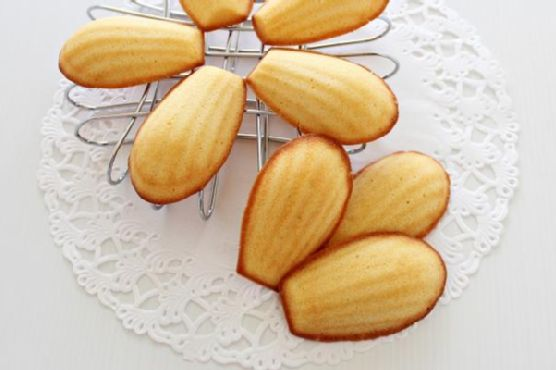
Yoghurt Honey Madeleines | Made by Meaghan Moineau

Yoghurt Honey Madeleines

Intro

There’s something magical about the delicate, shell-shaped madeleines that transport me back to my grandmother’s cozy kitchen. As a child, I would sit on a high stool, eagerly watching her expertly prepare these delightful French treats. The sweet aroma of honey and the comforting scent of butter would envelop the room, creating a warm and inviting atmosphere. Today, I’m excited to share this cherished recipe with you, adding a twist of natural yoghurt for an extra touch of moisture and tang.

Why You’ll Love It

Yoghurt Honey Madeleines are a delightful blend of classic French pastry with a modern twist. Here’s why they’ll win you over:

  • Moist and Tender: The addition of natural yoghurt ensures each bite is perfectly moist and tender.
  • Sweet and Subtle: The honey adds a delicate sweetness that pairs beautifully with the buttery richness.
  • Simple Ingredients: You likely have most of these ingredients in your pantry already.
  • Quick to Bake: With just a short baking time, these madeleines are perfect for a quick treat.
  • Elegant Presentation: Their unique shape and golden hue make them an impressive addition to any dessert table.

Ingredients

  • 1 egg
  • 2 tablespoons honey
  • 50g sugar
  • 50g natural yoghurt
  • 100g plain flour
  • 1 teaspoon baking powder
  • 100g butter, melted
  • Extra soft butter for greasing

Instructions

  1. Preheat your oven to 180°C (356°F). Grease your madeleine mould with some soft butter and set aside.
  2. In a mixing bowl, gently whisk the egg. Add in the sugar and honey, and continue whisking until the sugar has dissolved.
  3. Add the natural yoghurt to the mixture and whisk vigorously until the batter becomes foamy.
  4. Sift the plain flour and baking powder together, then gradually add them into the batter, mixing until combined and the mixture becomes a thick paste.
  5. Slowly incorporate the melted butter into the batter in two batches, ensuring it is mixed well with each addition.
  6. Using a spoon, scoop the batter into the prepared madeleine moulds.
  7. Bake in the preheated oven for about 12 minutes or until a skewer inserted comes out clean.
  8. Remove the madeleines from the mould and place them on a wire rack to cool.

Tips

For the best results, here are some tips to consider:

  • Use Room Temperature Ingredients: This ensures better mixing and a smoother batter.
  • Don’t Overfill the Moulds: Fill each mould about 3/4 full to allow room for the madeleines to rise.
  • Chill the Batter: For a more pronounced hump, chill the batter for at least 30 minutes before baking.
  • Be Gentle: When incorporating the flour, fold gently to keep the batter light and airy.

Variations & Substitutions

Feel free to experiment with these variations and substitutions to suit your taste:

  • Flavored Yoghurt: Try using flavored yoghurt, such as vanilla or lemon, for an extra layer of flavor.
  • Spices: Add a pinch of cinnamon or nutmeg for a warm, spiced version.
  • Gluten-Free: Substitute the plain flour with a gluten-free flour blend to accommodate dietary needs.
  • Citrus Zest: Add a teaspoon of lemon or orange zest to the batter for a zesty twist.

Storage

Store your Yoghurt Honey Madeleines in an airtight container at room temperature for up to 2 days. For longer storage, you can freeze them for up to a month. When ready to enjoy, thaw them at room temperature and warm slightly in the oven for that fresh-baked feel.

FAQ

Can I make the batter ahead of time?

Yes, you can prepare the batter a day in advance. Simply cover the bowl with plastic wrap and refrigerate. When you’re ready to bake, let the batter come to room temperature before scooping it into the moulds.

Why didn’t my madeleines rise properly?

If your madeleines didn’t rise, it might be due to insufficient baking powder or overmixing the batter. Ensure your baking powder is fresh and be gentle when folding in the flour to maintain airiness in the batter.

How can I achieve the classic madeleine hump?

To achieve the classic hump, chill the batter for at least 30 minutes before baking. The contrast between the cold batter and hot oven helps create that signature rise.

Nutrition

Each Yoghurt Honey Madeleine contains approximately 90 calories, 5g of fat, 10g of carbohydrates, and 2g of protein. These values are estimates and can vary based on ingredient brands and measurements.

Conclusion

Yoghurt Honey Madeleines are a delightful fusion of tradition and a modern twist, perfect for any occasion. Whether you’re enjoying them with a cup of tea or as a sweet treat after a meal, these madeleines are sure to impress with their moist texture and subtle sweetness. I hope this recipe brings as much joy to your kitchen as it does to mine. Happy baking!

Related update: Yoghurt Honey Madeleines

Related update: Blueberry Almond Crescent Rolls

Related update: Tart Raspberry Sorbet with a Hint of Heat

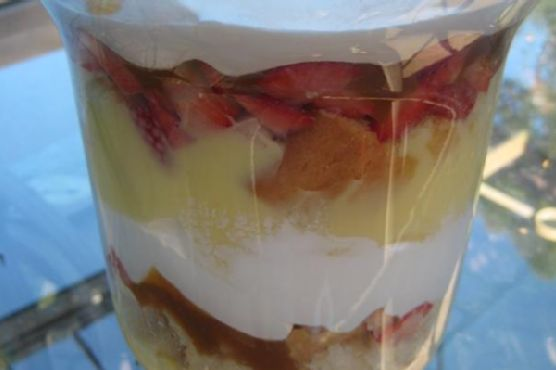
Caramel Almond Berry Trifle | Made by Meaghan Moineau

Caramel Almond Berry Trifle

Intro

There’s something truly special about desserts that combine layers of flavor and texture, and the Caramel Almond Berry Trifle is a perfect example of this magic. This dessert takes me back to warm summer afternoons at my grandmother’s house, where the aroma of fresh berries and sweet caramel wafted through the air. The kitchen was always bustling with activity, and the centerpiece was always a beautiful trifle that brought smiles to everyone’s faces. Today, I’m sharing this cherished recipe with you, hoping it brings as much joy to your table as it did to ours.

Why You’ll Love It

This Caramel Almond Berry Trifle is a showstopper for several reasons. First, it combines the richness of butterscotch caramel with the freshness of berries, creating a balance that will delight your taste buds. The almond extract adds a subtle but distinct flavor that elevates the entire dessert. It’s a perfect treat for gatherings, as it’s easy to make and assemble, yet impressive enough to wow your guests. Whether you’re hosting a summer party or just want to indulge in a sweet treat, this trifle is bound to become a favorite.

Ingredients

  • 1 large box of vanilla pudding mix
  • Milk (as directed on pudding package)
  • 1 cap full of almond extract
  • Fresh berries (such as strawberries, blueberries, and raspberries)
  • Mrs. Richardson’s Butterscotch Caramel Sauce
  • 1 container of Cool Whip
  • Pound cake, cut into cubes

Instructions

  1. Prepare the vanilla pudding by mixing the pudding mix with milk according to the package instructions.
  2. Add one cap full of almond extract to the pudding and mix well. Allow the pudding to set by chilling it in the refrigerator.
  3. Once the pudding has set, begin layering the trifle. Start with a thick layer of pudding at the bottom of your trifle dish.
  4. Add a layer of pound cake cubes over the pudding.
  5. Spread a layer of fresh berries over the pound cake.
  6. Drizzle a generous amount of butterscotch caramel sauce over the berries.
  7. Add a layer of Cool Whip on top of the caramel sauce.
  8. Repeat the layers until you reach the top of your dish, ending with Cool Whip.
  9. Top with additional fresh berries and a final drizzle of caramel sauce for a beautiful finish.

Tips

For the best results, make sure your pudding is fully set before beginning the layering process. This will help each layer maintain its shape. You can also slightly toast the pound cake cubes for added texture and flavor. Ensure your berries are fresh and washed thoroughly, and consider using a mix of different berries for a more vibrant presentation.

Variations & Substitutions

If you want to switch things up, consider using different flavors of pudding, such as chocolate or butterscotch, instead of vanilla. You can also swap the pound cake for angel food cake or even brownies for a richer dessert. For a nut-free version, simply omit the almond extract. If fresh berries are not available, frozen berries can be used, but make sure to thaw and drain them properly to avoid excess moisture in your trifle.

Storage

The Caramel Almond Berry Trifle is best enjoyed fresh, but it can be stored in the refrigerator for up to two days. Cover the dish with plastic wrap to keep the layers intact and prevent the dessert from absorbing any fridge odors. Note that the longer it sits, the more the layers will blend together, which may affect the texture.

FAQ

Can I make this trifle ahead of time?

Yes, you can prepare the individual components of the trifle, such as the pudding and cake, a day in advance. Assemble the trifle on the day you plan to serve it to ensure the freshest layers and presentation.

What can I do if I don’t have a trifle dish?

If you don’t have a trifle dish, any large, clear bowl will work. You can also create individual servings using smaller glasses or jars, which makes for a beautiful presentation at parties.

Nutrition

While this trifle is a treat best enjoyed in moderation, it’s good to be aware of its nutritional content. Each serving provides a delightful combination of carbohydrates, fats, and sugars. For a lighter option, consider using sugar-free pudding mix, low-fat Cool Whip, and a reduced-sugar caramel sauce.

Conclusion

The Caramel Almond Berry Trifle is not just a feast for the taste buds but also a feast for the eyes. It combines the best of flavors and textures into a dessert that’s perfect for any occasion. Whether you’re reminiscing about family gatherings or creating new memories, this trifle is sure to become a beloved part of your dessert repertoire. Give it a try, and watch as it becomes a staple at your family gatherings, just as it has in mine.

Related update: Caramel Almond Berry Trifle

Related update: Yoghurt Honey Madeleines

California’s Billionaire Tax Sparks Rift | Analysis by Brian Moineau

California’s billionaire tax: a rebellion in the heart of Silicon Valley

An audacious idea landed in Sacramento’s inbox and the reaction was immediate: outrage, delight, opportunism and a scramble to change addresses. A proposed one-time levy on billionaires—aimed at people with nine-figure and higher net worths who live in California—has ripped open debates about fairness, economic growth and the political future of the state that invents so much of the modern tech economy.

This post untangles the politics, the likely economic fallout, and why the proposal has split Democrats and rattled Silicon Valley in equal measure.

Quick snapshot

  • What: A proposed “billionaire tax” — a one-time 5% levy on net worth above $1 billion, with stiffer fixed amounts for ultra-wealthy tiers (the initiative was filed for the 2026 ballot by SEIU-UHW).
  • Why now: Supporters say it would raise roughly $100 billion to shore up healthcare, food assistance and education after federal cuts; opponents warn it will chase away the state’s richest residents and damage growth.
  • Political reaction: Progressive leaders like Bernie Sanders endorsed it; Governor Gavin Newsom and many business leaders oppose it. Some billionaires publicly threatened to leave; at least a few have already rearranged domiciles or offices.

Why the idea landed and why it resonates

California is a place of extremes: world-class wealth next to deeply stressed public services. That contrast fuels political energy.

  • Rising inequality and the visibility of nine-figure fortunes make a targeted wealth tax emotionally and politically compelling for many voters.
  • The immediate goal—raising money to replace lost federal funding for healthcare and shore up safety-net programs—gives the proposal a concrete use-case beyond abstract redistribution.
  • The union behind the filing argues the tax focuses only on the ultra-rich and won’t touch the middle class.

In short: it’s a focused ask with a dramatic headline number, and in politics, dramatic asks tend to move the needle.

Why Silicon Valley is panicking (and why some aren’t)

The reaction among the ultra-wealthy has not been uniform, but loud and visible.

  • Many tech figures portrayed the proposal as an existential threat: if taxes rise on paper wealth (stock holdings, unliquidated shares), founders and investors say they could be forced to sell stakes or move. Some have publicly announced moves to Florida or Texas; offices and legal addresses have shifted in ways that critics say preempt the levy.
  • Opponents argue that a state-level tax on worldwide assets creates enforcement and constitutional headaches, and that wealthy people are mobile—so revenue estimates may be optimistic if people pack up and leave.
  • Not everyone in the top tier sees it as catastrophic. Some billionaires have publicly shrugged, noting they chose California for talent and infrastructure and won’t be chased off by a one-time levy.

The net effect: a mix of bluster, legal posturing, real relocations and a publicity fight that will shape public opinion.

The political split inside the Democratic coalition

This proposal has exposed a rare public split among Democrats:

  • Progressive leaders frame the levy as moral and practical: wealthy Californians benefit from public goods (education, infrastructure, legal stability) and the state needs revenue for essential services. Some Democrats see it as a way to regain political legitimacy amid affordability crises.
  • Moderate Democrats and many elected officials worry about the state’s tax base. California already depends heavily on high-income taxpayers; if a number of the richest leave or shelter assets, revenues could fall. The governor’s opposition signals that the establishment wing is worried about economic consequences and political optics.

This isn’t just an intra-party debate about tax policy; it’s a fight over political identity—whether California leans into aggressive redistribution or prioritizes a stable business climate.

Economic and legal realities to watch

  • Revenue estimates are uncertain. Ballpark figures like $100 billion assume most targeted people remain in-state and that valuation and collection are enforceable. Past experiences suggest aggressive taxes can trigger behavioral responses that reduce expected receipts.
  • Valuation complexity. Taxing unrealized gains or illiquid assets (private company stock, art, intellectual property) is administratively hard and prone to legal challenge.
  • Mobility matters. The very wealthy can—and sometimes do—change residency or restructure holdings. Even the appearance of tax risk can spur preemptive moves.
  • Constitutional, interstate and federal issues could surface. State-level wealth taxes are uncommon in the U.S., and legal fights over retroactivity, apportionment, and interstate effects are likely.

All of that means the practical outcome will be shaped as much in courtrooms and tax counsels’ offices as at the ballot box.

What happens next

  • Signature drive and ballot placement. The initiative needs enough valid signatures to qualify for the November ballot (the filing targeted 2026). If it makes the ballot, the public debate will intensify.
  • Counter-campaigning. Expect deep-pocketed opposition, ad spending, messaging about jobs and innovation, and union-backed pro-tax campaigns framing the tax as funding essential services.
  • Potential legal challenges even before election day, and numerous legislative and advocacy responses aimed at shaping public perception and technicalities.

Something to keep in mind

Policies like this don’t play out in a single election cycle. Even if a ballot measure fails, the conversation nudges policy options and political narratives for years—about taxation, corporate responsibility, and the balance between wealth creation and social stability.

What the headlines miss

  • The debate isn’t only about punishing success. It’s about how a state dependent on a handful of mega-wealthy taxpayers secures long-term funding for services most residents rely on.
  • It’s also a test of political branding: can progressives convert anger at inequality into durable policy without triggering capital flight that undermines the tax base?

Key takeaways

  • The billionaire tax proposal crystallizes a larger question: who pays for California’s public goods when wealth is increasingly concentrated?
  • Economic estimates are uncertain and vulnerable to behavioral changes—residency shifts and asset structuring could shrink expected revenues.
  • The split among Democrats shows this is as much a political and cultural contest as a fiscal one.
  • Expect years of litigation, lobbying and relocation strategies regardless of the ballot outcome.

My take

There’s a moral clarity to asking the ultra-rich for more when public systems are strained—but the mechanics matter. A smart approach would pair targeted revenue aims with careful legal design and federal coordination to avoid making California a test-case for unintended consequences. Whether through state action or renewed federal attention to wealth taxation, the core problem—extreme concentration of wealth amid crumbling public infrastructure—needs durable solutions, not just headline-grabbing measures.

Sources


Related update: We recently published an article that expands on this topic: read the latest post.