Knicks Rally Past Blazers in Momentum Win | Analysis by Brian Moineau

Knicks 123, Trail Blazers 114 — A Night of Small Edges and Big Comebacks

The Moda Center felt electric but not out of control on January 11, 2026 — a tight, high-energy game that swung like a pendulum before the New York Knicks grabbed the final momentum and walked away with a 123-114 win. This wasn’t a blowout or a buzzer-beater; it was a game decided by composure, timely defense and a few veteran plays down the stretch. For Knicks fans, it was a welcome reset after a rough stretch. For Portland, it was a test of depth and health that raised new questions.

Why this game mattered

  • The Knicks were coming off a slump, having lost five of six. A road win against a streaking opponent was exactly the kind of reset they needed.
  • The Trail Blazers had been rolling — five straight wins — and are trying to prove they can compete in tight spots without their full complement of stars.
  • Returns and injuries shaped the narrative: Josh Hart returned for New York after an ankle injury; Jrue Holiday returned for Portland after a calf issue; late in the game Deni Avdija exited with a back tweak that could matter for Portland’s short-term outlook.

What swung the game

  • Veteran play and late-game poise: Jalen Brunson (26 points) and OG Anunoby (24) took control when it mattered. Brunson’s scoring and ball security in the fourth pushed the Knicks separation when the Blazers tried to rally.
  • A balanced attack: Karl-Anthony Towns added 20 points and 11 rebounds, and Josh Hart contributed a breezy 18 in his first action since Christmas. The Knicks didn’t rely on one hot streak — multiple contributors kept the offense rolling.
  • Portland’s resilience — and limits: Deni Avdija poured in 25 for the Blazers and helped keep them in the fight, but his late injury and the team’s thin depth exposed Portland when the Knicks tightened defensively. Jrue Holiday offered a measured return (8 points in 16 minutes), but the Blazers still felt the absence of full-strength continuity.

Midgame turning points

  • Third-quarter control: The Knicks built a 10-point edge in the third, looking like they might pull away — only to see Portland rally and tie it early in the fourth. That back-and-forth set the stage for a tense finish.
  • Late baskets and defensive stops: Miles McBride’s pullup 3 at 3:47 left the Knicks ahead 109-104 and felt like a tone-setter; Brunson’s later 3 at 2:23 extended the gap and took the sting out of Portland’s comeback attempts.

What the box score tells you

  • Balanced scoring: Several Knicks finished with high-teen or 20+ point nights, preventing Portland from focusing on one star.
  • Rebounding and second-chance points swung momentum at times, but New York’s late defensive focus (limiting transition and miscues) created separation down the stretch.
  • Injuries remain a variable: Avdija’s late back issue — he left after grabbing his back — is the kind of in-game moment that can affect rotations and upcoming matchups for Portland.

A few quick numerical observations:

  • Jalen Brunson: 26 points, the steady hand in crunch time.
  • OG Anunoby: 24 points and defensive presence across 34 minutes.
  • Deni Avdija: 25 points for Portland before exiting late.

(Stats referenced from game coverage and box score reports.)

What this means for both teams

  • Knicks: This win can be a psychological turning point. Snapping Portland’s five-game streak and getting meaningful contributions from returning players like Josh Hart helps stabilize rotations and confidence. For a team that’s had streaky stretches, a composed road win matters more than a highlight play.
  • Trail Blazers: The Blazers keep showing fight, but health and depth are the bottlenecks. Jrue Holiday’s return is a positive, but late injuries (like Avdija’s back) and the limited minutes of key players leave Portland vulnerable in tight games. They’ll need players beyond the usual rotation to step up if they want to sustain a run.

Three practical takeaways

  • Veteran stability matters: In a close fourth quarter, experienced scorers who can avoid turnovers and hit clutch shots make all the difference.
  • Health is destiny: Returns help, but lingering or new injuries (especially late-in-game ones) can blunt a team’s momentum and force rapid rotation changes.
  • Balanced offenses are tougher to stop: When multiple players can score 15–25 points, opponents can’t key-in on a single defensive game plan.

My take

This game felt like a microcosm of the current NBA midseason: talent everywhere, but the teams that win are the ones that manage the small things — fouls, turnovers, late possessions, and player health. The Knicks showed they can lean on vets and still get production from role players; the Blazers showed grit but also the fragility that injuries can impose. If Brunson, Towns and Anunoby continue to click, the Knicks look like a team that can turn a middling stretch into a solid second half. Portland’s ceiling still depends on bodies staying available and some younger pieces growing into more consistent two-way roles.

Final thoughts

A 123-114 scoreline doesn’t tell the full story — the game lived in the ebb and flow between urgency and composure. For New York, this was a confidence-building win. For Portland, it’s a reminder that every inch matters when rosters are tested. Expect both teams to be active, hungry and a bit cautious as they navigate the next few weeks.

Sources


Related update: We recently published an article that expands on this topic: read the latest post.


Related update: We recently published an article that expands on this topic: read the latest post.

Blueberry Almond Crescent Rolls | Made by Meaghan Moineau

Blueberry Almond Crescent Rolls

Intro

Growing up, my grandmother’s kitchen was always filled with the most incredible aromas. On Sunday mornings, the smell of fresh pastries would waft up the stairs and gently coax me out of bed. One of my fondest memories is of her blueberry almond crescent rolls, golden and flaky, with a hint of almond that balanced perfectly with the sweet-tart blueberry jam. This recipe is my homage to those cherished mornings, bringing a piece of nostalgia to your kitchen. Whether you’re making these for a special brunch or just because, these crescent rolls promise to deliver warmth and joy with every bite.

Why You’ll Love It

These Blueberry Almond Crescent Rolls are the perfect blend of simplicity and elegance. The flaky pastry is filled with a luscious cream cheese and blueberry filling, kissed with almond essence. The rolls are easy to make yet look and taste like they took hours to prepare. Perfect for breakfast, brunch, or a delightful dessert, these crescent rolls are sure to become a family favorite. The combination of textures and flavors will leave everyone reaching for seconds.

Ingredients

  • 1 teaspoon almond extract
  • 1/2 cup blueberry jam
  • 4 oz cream cheese, softened
  • 1 can (8 oz) regular crescent rolls
  • 1 egg
  • 1 tablespoon water
  • 1 tablespoon all-purpose flour
  • 1 tablespoon milk
  • Pinch of sea salt
  • 1/4 cup confectioner’s sugar, divided
  • Turbinado sugar for sprinkling

Instructions

  1. Preheat your oven to 375 degrees F and line a large baking sheet with parchment paper or a silicone baking mat. Set aside.
  2. In the bowl of your stand mixer, with paddle attachment fixed (or a handheld electric mixer may be used), combine the cream cheese, blueberry jam, 2 tablespoons of confectioner’s sugar, flour, salt, and 1 teaspoon of almond extract. Mix until smooth, about 30 seconds. Set aside.
  3. Lay your crescent roll wedges out on a large work surface. Take about a tablespoon of the cream cheese mixture and dollop it on the wide end of each crescent roll. Roll them up until the narrow end is sealed underneath.
  4. Transfer them to the prepared baking sheet and brush them with the egg wash. Sprinkle with turbinado sugar.
  5. Place the crescent rolls in the oven and bake for 13-15 minutes, or until puffed and golden. Remove from heat and transfer to a wire rack to cool.
  6. While the crescent rolls are cooling, prepare your glaze. In a medium bowl, combine the remaining 2 tablespoons of confectioner’s sugar, remaining 1 teaspoon of almond extract, and milk. Whisk until smooth. Adjust seasoning by adding a pinch of sea salt if you find that the glaze is too sweet.
  7. Drizzle the glaze on the slightly cooled crescent rolls and serve immediately. Enjoy!

Tips

For the best results, ensure your cream cheese is at room temperature before mixing to achieve a smooth filling. When rolling the crescents, try not to overfill them to avoid the filling spilling out during baking. If you prefer a stronger almond flavor, consider adding a few extra drops of almond extract to the glaze. Allow the crescent rolls to cool for a few minutes before glazing to prevent the glaze from melting off completely.

Variations & Substitutions

If you’re looking to mix things up, try substituting raspberry or apricot jam for the blueberry jam. You can also add a handful of chopped almonds to the filling for an added crunch. For a dairy-free version, use a dairy-free cream cheese alternative and plant-based milk for the glaze. If you’re not a fan of almond extract, vanilla extract makes a lovely substitute.

Storage

These crescent rolls are best enjoyed fresh, but if you have leftovers, store them in an airtight container at room temperature for up to two days. For longer storage, place them in the refrigerator for up to a week. To reheat, simply pop them in the oven at 350 degrees F for a few minutes.

FAQ

Can I make these crescent rolls ahead of time?

Yes, you can prepare the rolls up to the baking step and store them in the refrigerator for a few hours. Bake them fresh when you’re ready to serve.

Can I freeze these crescent rolls?

Absolutely! After baking, let them cool completely, then freeze in a single layer on a baking sheet. Transfer to a freezer-safe container or bag for up to three months. To serve, thaw overnight in the refrigerator and reheat in the oven.

What can I use instead of turbinado sugar?

If you don’t have turbinado sugar, you can use regular granulated sugar or skip the sugar topping altogether for a less sweet option.

Nutrition

While these crescent rolls are a delightful treat, they are rich and best enjoyed in moderation. Each roll contains approximately 180 calories, 9 grams of fat, 22 grams of carbohydrates, and 3 grams of protein. Always consider your dietary needs and adjust portion sizes accordingly.

Conclusion

Blueberry Almond Crescent Rolls are a delightful way to bring a touch of nostalgia and warmth to your table. Perfect for special occasions or simply to indulge in a moment of sweetness, these rolls are sure to impress with their delicate balance of flavors and textures. Whether you’re a seasoned baker or a novice in the kitchen, this recipe is straightforward yet rewarding. Gather your ingredients, embrace the comforting aroma, and enjoy the satisfaction of creating something truly delicious. Happy baking!

Related update: Blueberry Almond Crescent Rolls

AI Aristocracy: How Wealth Locks Power | Analysis by Brian Moineau

The new aristocracy: how AI is minting a class of "Have-Lots" — and why Washington helps keep them that way

AI isn't just rearranging industries. It's rearranging who gets the upside. Over the past two years, the winners of the AI boom have stopped being a diffuse set of tech founders and turned into a concentrated, politically powerful cohort — the "Have-Lots." They're not just richer; they're increasingly invested in preserving the political and regulatory status quo that lets their gains compound. That matters for jobs, markets, and the future of U.S. policymaking.

At a glance

  • The AI era has created a distinct elite — the Have-Lots — whose wealth rose far faster than the rest of the country in 2025.
  • Their advantage comes from outsized equity positions, privileged access to private deals, and close ties to government.
  • That concentration of money and influence makes policy outcomes (taxes, regulation, export controls, procurement) more likely to favor continuity over disruption.
  • The political consequence: an intensifying split between those who feel left behind and those who are financially insulated, which fuels polarization and public distrust.

Why "Have-Lots" are different this time

We’ve seen wealth concentration before, but AI is amplifying two key dynamics:

  • Ownership leverage. AI value accrues heavily to the owners of critical IP, compute infrastructure, and data. A few companies and their insiders hold disproportionate slices of these assets — and their equity rewards are exponential when AI markets run hot.
  • Private-market exclusivity. Much of the biggest early AI upside lives in private financings, venture rounds, and exclusive partnerships. Regular retail investors and most households simply can't access the same terms or allocations.
  • Policy proximity. The largest AI players are now deeply embedded in Washington — through advisory roles, executive meetings, and lobbying — giving them influence over trade rules, export controls, procurement decisions, and the pace of regulation.

Axios framed the story as three economies — Have-Nots, Haves, and Have-Lots — and showed how 2025 became a banner year for a narrow group of ultra-wealthy Americans tied to AI and tech. The result: a class that benefits from market booms and tends to favor stability in the institutions that enabled their gains. (axios.com)

How money becomes political staying power

Money buys more than yachts. It buys lobbying, think tanks, campaign influence, and the ability to hire teams that translate business goals into policy narratives. A few mechanisms to watch:

  • Lobbying and regulatory capture. Tech companies and large investors spend heavily on lobbying and hire former officials who understand how to shape rulemaking. That raises the cost (and political friction) for hard-curtailing policies.
  • Strategic philanthropy and media influence. Big donations to policy institutes and universities can alter the research and messaging ecosystems, steering public debate toward industry-friendly framings.
  • Access to procurement and export levers. Large AI firms can influence government purchasing decisions and negotiate carve-outs or implementation details that advantage incumbents. When export controls are on the table, these firms lobby for interpretations that preserve critical markets.
  • Defensive investment strategies. The Have-Lots aren't just earning more — they're investing to fortify advantages (exclusive funds, acquisitions, cross-border deals) that make it harder for challengers to scale.

Real-world markers of this dynamic were visible in 2025: outsized gains for several tech founders and investors tied to AI, and public reports of deepening ties between major AI companies and government officials. Those links make changes to the rules — from tougher wealth taxes to stringent antitrust enforcement — both politically and technically harder to push through. (axios.com)

What it means for average Americans and markets

  • Wealth inequality meets political inertia. When the richest segment accumulates both capital and influence, reform that would rebalance outcomes becomes more difficult. That leaves many households feeling the economy is working against them even when headline GDP and markets climb.
  • Labor displacement and retraining get politicized. Workers worried about AI-driven job loss will look for policy fixes. If those fixes threaten concentrated interests, pushback and gridlock are likely.
  • Market distortions. Concentration of AI capital can inflate a narrow set of winners (chipmakers, cloud infra, platform owners) while starving broader innovation in complementary areas. That can deepen sectoral risk even as headline indices rise.
  • Policy unpredictability. The tug-of-war between populist pressures and elite influence can produce swings — intermittent regulation, targeted carve-outs, or transactional interventions — rather than coherent long-term strategy.

Where policymakers might push back (and the headwinds)

  • Wealth and corporate taxation. Targeted tax changes could blunt accumulation, but they face political, legal, and lobbying resistance — especially if the Have-Lots effectively argue that higher taxes will slow innovation or capital investment.
  • Antitrust and competition policy. Strengthening antitrust tools could lower concentration, yet enforcement takes time and expertise, and the enforcement agencies often duel with well-resourced legal teams.
  • Procurement reform and open access. Government can favor open standards and wider procurement rules, but incumbents lobby to maintain advantageous arrangements.
  • Democratizing access to AI gains. Proposals to expand employee equity, broaden retail access to private markets, or invest in public AI infrastructure could help, but they require political coalitions that cut across partisan lines — a tall order in the current climate.

Axios and reporting elsewhere highlight that many of the Have-Lots actively prefer the current mix of regulation and government interaction because it preserves their returns and strategic position. That creates a structural incentive to resist reforms that would meaningfully redistribute AI-driven gains. (axios.com)

My take

We’re at a crossroads where technological change is colliding with political economy. The Have-Lots are not just a distributional outcome — they're a political force. If the U.S. wants AI broadly to raise living standards rather than concentrate windfalls, the policy conversation needs both humility (tech evolves fast) and muscle (policy and public institutions must adapt faster).

That will mean designing pragmatic, durable interventions: smarter tax code adjustments, stronger competition enforcement, transparent procurement that favors open systems, and public investments in training and AI infrastructure that broaden participation. None are magic bullets, but together they can slow the drift toward a permanently bifurcated economy.

Final thoughts

We can admire the innovation that produced AI — and still question who gets the upside. Right now, the Have-Lots have structural advantages that let them lock in gains and political protections. If that trend continues unchecked, it will shape not only markets, but the public’s faith in institutions. The policy challenge is to make the rewards of AI less gated and the rules of the game more inclusive — a task that will require both political courage and technical nuance.

Sources


Related update: We recently published an article that expands on this topic: read the latest post.


Related update: We recently published an article that expands on this topic: read the latest post.

Easy Chicken Cordon Bleu | Made by Meaghan Moineau

Easy Chicken Cordon Bleu

Intro

There’s something about the aroma of a good Chicken Cordon Bleu that always takes me back to my grandmother’s kitchen. I remember sitting on a stool, watching her skillfully roll each chicken breast, the aroma of melting cheese filling the air. Her version of this classic dish was something I looked forward to every Sunday dinner. Today, I’ve taken that cherished recipe and added a few personal touches, making it even easier for you to bring a piece of that nostalgia into your own home.

Why You’ll Love It

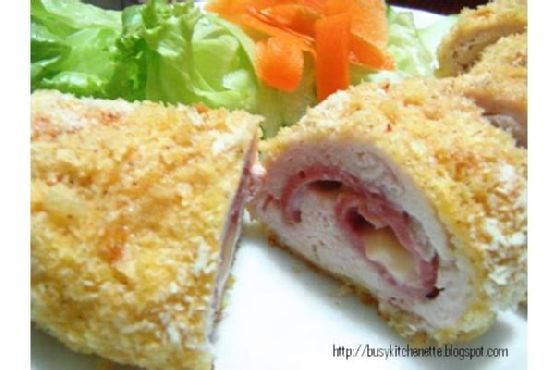
This Easy Chicken Cordon Bleu recipe is perfect for a cozy dinner at home or a special occasion. Its simplicity doesn’t compromise its flavor. You’ll love how the juicy chicken breast wraps around savory ham and oozy cheddar cheese, all encased in a crispy breadcrumb coating. It’s a dish that’s as delightful to make as it is to eat, and it doesn’t require any fancy cooking techniques. Plus, it’s customizable to your taste preferences, making it a versatile addition to your recipe arsenal.

Ingredients

  • 4 skinless boneless chicken breasts
  • 4 slices of ham
  • 8 sticks of cheddar cheese (or more, if you’re a cheese lover!)
  • Salt, to taste
  • Ground peppercorn, to taste
  • 1 cup bread crumbs
  • 1/2 cup all-purpose flour
  • 2 eggs, beaten
  • Butter

Instructions

  1. Preheat your oven to 180°C (350°F).
  2. Gently pound the chicken breasts to about 1/4 inch thickness using a meat mallet. This ensures even cooking and makes it easier to roll.
  3. Season both sides of the chicken with salt and ground peppercorn.
  4. Place 1 slice of ham and 2 sticks of cheddar cheese on top of each breast. Feel free to add more cheese if desired!
  5. Roll up each breast tightly and secure with a toothpick to hold the shape.
  6. Dredge each rolled chicken breast in flour, ensuring it’s lightly coated.
  7. Brush each roll with beaten eggs, then roll in bread crumbs for a crispy coating.
  8. Brush a baking pan with olive oil and place the chicken rolls inside.
  9. Bake in the preheated oven for about 20 minutes.
  10. Layer each roll with butter cubes. Allow the butter to melt on top, infusing the rolls with its flavor and aroma.
  11. Bake for another 15 minutes, or until the chicken is cooked through and the coating is golden brown.
  12. Remove from the oven and let rest for a few minutes before serving with your favorite sauce.

Tips

For the best results, make sure to pound the chicken thinly and evenly. This not only helps with rolling but also ensures the chicken cooks evenly. If you’re a cheese enthusiast like me, don’t hesitate to add a bit more cheese for an extra gooey center. Lastly, using fresh breadcrumbs can elevate the texture of the crust, giving it a superior crunch.

Variations & Substitutions

Feel free to experiment with different types of cheese; Swiss cheese or Gruyère can be excellent substitutes for cheddar. For a healthier twist, you can use whole wheat breadcrumbs or almond flour instead of regular bread crumbs. If you prefer a different type of meat, turkey breast is a great alternative to chicken.

Storage

Leftover Chicken Cordon Bleu can be stored in an airtight container in the refrigerator for up to 3 days. To reheat, place the rolls in a preheated oven at 175°C (350°F) until warmed through. Avoid microwaving as it can make the breadcrumb coating soggy.

FAQ

Can I prepare Chicken Cordon Bleu ahead of time?

Yes, you can prepare the rolls ahead of time and store them in the refrigerator for up to 24 hours before baking. This makes it a great dish for entertaining, as you can do all the prep work in advance.

What sauce pairs well with Chicken Cordon Bleu?

A creamy Dijon mustard sauce or a simple white wine sauce pairs wonderfully with Chicken Cordon Bleu. The tanginess of the mustard complements the richness of the chicken and cheese perfectly.

Can I freeze Chicken Cordon Bleu?

Absolutely! Once the chicken rolls are assembled, wrap them tightly in plastic wrap and freeze for up to 2 months. When you’re ready to cook, thaw them in the refrigerator overnight before baking.

Nutrition

This recipe serves four and provides approximately 400 calories per serving, with 25g of protein, 20g of fat, and 30g of carbohydrates. Please note that these values can vary based on the specific brands and quantities used.

Conclusion

This Easy Chicken Cordon Bleu recipe is not just a nod to a timeless classic but also a celebration of flavors and memories. It’s perfect for a family dinner or an impressive dish for guests. With its crispy exterior and melty interior, it’s bound to become a beloved favorite in your household, just as it has in mine. Enjoy the process, and don’t forget to savor every bite!

Related update: Easy Chicken Cordon Bleu

Related update: Kielbasa With Brussels Sprouts In Mustard Cream Sauce

Turkey Enchilada Bake | Made by Meaghan Moineau

Turkey Enchilada Bake: A Delicious Twist on a Classic Comfort Dish

Intro

There’s something truly magical about the aroma of enchiladas wafting through the house. It takes me back to warm, cozy evenings in my grandmother’s kitchen, where laughter was abundant, and the food was always made with love. She would spend hours crafting the perfect enchilada sauce, her apron dusted with flour and spices. I’ve taken those cherished memories and added my own twist to create a dish that’s both comforting and modern: the Turkey Enchilada Bake.

Why You’ll Love It

This Turkey Enchilada Bake combines the rich, savory flavors you adore in traditional enchiladas with the convenience of a one-dish meal. It’s perfect for busy weeknights or family gatherings, offering hearty, satisfying layers that will leave everyone asking for seconds. Plus, it’s packed with lean protein and vibrant vegetables, making it a nutritious option you can feel good about serving.

Ingredients

  • 2 ripe avocados
  • 1 can black beans, drained and rinsed
  • 1 tbsp chili powder
  • 2 chipotles in adobo, chopped
  • 1 bunch fresh cilantro, chopped
  • 12 corn tortillas
  • 1 can fire roasted canned tomatoes
  • 3 cloves garlic
  • 1 can green chilies
  • 1 tsp ground coriander
  • 1 tsp ground cumin
  • Juice of 1 lime
  • 1 lb lean ground turkey
  • 1 red onion, diced
  • 1 tsp paprika
  • 1 can salsa
  • 2 cups shredded Mexican cheese blend
  • 1 cup light sour cream
  • 5 tomatillos
  • 1 yellow onion

Instructions

  1. Make the turkey mixture: In a large skillet over medium heat, cook the ground turkey until browned. Add the diced red onion, chili powder, ground cumin, ground coriander, and paprika. Stir until the spices are well combined. Add the black beans and half of the chopped cilantro. Cook for an additional 5 minutes, then set aside.
  2. Roast the vegetables: Preheat your oven to 400 degrees. Cut the tomatillos in half and slice the yellow onion into thin slices. Remove the garlic from its covering. Arrange the tomatillos, onion slices, and garlic on a baking sheet. Roast in the oven for 15-20 minutes until the vegetables are tender and slightly charred.
  3. Prepare the sauce: In a blender, combine the roasted vegetables, fire roasted tomatoes, chipotles in adobo, green chilies, and lime juice. Blend until smooth and adjust seasoning with salt and pepper to taste.
  4. Assemble the bake: Reduce the oven temperature to 375 degrees. In a large baking dish, spread a thin layer of the sauce at the bottom. Layer 6 corn tortillas over the sauce, followed by half of the turkey mixture, a third of the remaining sauce, and a sprinkle of cheese. Repeat the layers with the remaining tortillas, turkey mixture, sauce, and cheese.
  5. Bake: Cover the dish with foil and bake for 20 minutes. Remove the foil and bake for an additional 10 minutes, until the cheese is bubbly and golden.
  6. Serve: Let the dish cool for a few minutes. Garnish with sliced avocados, the remaining cilantro, and dollops of light sour cream. Serve with additional lime wedges if desired.

Tips

For the best flavor, allow the turkey mixture to simmer with the spices for a few extra minutes. This will ensure that the spices fully develop and infuse the meat with deliciousness. When roasting the vegetables, keep an eye on them to avoid over-charring, which can lead to bitterness in the sauce.

Variations & Substitutions

Feel free to customize your Turkey Enchilada Bake with your favorite ingredients. Swap the ground turkey for shredded chicken or beef to suit your taste. For a vegetarian version, skip the meat entirely and add more beans or roasted vegetables like zucchini or bell peppers. If you prefer a spicier dish, include additional chipotles in adobo or a sprinkle of cayenne pepper.

Storage

Leftovers can be stored in an airtight container in the refrigerator for up to 3 days. To reheat, simply cover and bake in a 350-degree oven until warmed through. This dish also freezes well; wrap portions individually for easy defrosting and reheating on busy days.

FAQ

Can I make this dish ahead of time?

Absolutely! You can prepare the Turkey Enchilada Bake a day in advance and store it in the refrigerator. When ready to serve, simply bake as directed, adding a few extra minutes if needed.

What can I serve with Turkey Enchilada Bake?

This dish pairs beautifully with a simple side salad or a serving of Mexican rice. You can also offer additional toppings such as diced tomatoes, jalapeños, or olives for added flavor.

Can I use flour tortillas instead of corn tortillas?

Yes, you can substitute flour tortillas if you prefer. Keep in mind that they may absorb more sauce, so consider adding a bit extra if needed to keep the dish moist.

Nutrition

This Turkey Enchilada Bake is a nutritious choice, offering lean protein from the turkey and plenty of vitamins from the roasted vegetables. Each serving is approximately 350 calories, with 15g of fat, 30g of carbohydrates, and 25g of protein. It’s a well-balanced meal that fits into a variety of dietary plans.

Conclusion

Whether you’re looking for a comforting meal reminiscent of family gatherings or a new recipe to add to your weeknight rotation, this Turkey Enchilada Bake is sure to become a favorite. It captures the essence of traditional enchiladas while offering a lighter, modern twist. I hope you enjoy making and sharing this dish as much as I do, keeping the spirit of family and love alive in every bite.

Related update: Turkey Enchilada Bake

Related update: Easy Chicken Cordon Bleu

LSU Shocks No. 2 Texas in PMAC Win | Analysis by Brian Moineau

Upset at the PMAC: LSU Topples No. 2 Texas, 70–65

The Pete Maravich Assembly Center was electric — sold out, loud and pulsing with that particular kind of belief that only a packed college arena can generate. On January 11, 2026, LSU’s women’s basketball team fed off that energy and delivered a signature victory: a 70–65 win over No. 2 Texas. It wasn’t a blowout highlight reel, but a gritty, full-team performance that felt like the kind of game that can define a season.

Why this mattered

  • Beating a top-two team at home changes perception. LSU’s 70–65 victory over an 18–0 Texas squad isn’t just one in the win column — it’s a statement that LSU can compete with the nation’s elite.
  • Momentum and confidence are contagious. LSU had stumbled recently; this win provides a reset and shows resilience under Kim Mulkey’s leadership.
  • The SEC shook a little bit. Texas remains a program to respect, but conference standings and March narratives are subtly different after a home upset like this.

The game in moments

  • Slow first quarter, competitive first half: The teams traded baskets early and the first quarter ended tied 11–11. LSU closed the half with a buzzer-beater by Jada Richard to carry a five-point lead (30–25) into halftime. (LSU finished the half shooting 12-of-31.)
  • Second-half toughness: LSU stretched its lead in the third and managed the Longhorns’ late rally in the fourth. Texas chipped away — including a 13–3 run that put the pressure on — but LSU hit the critical plays down the stretch to hold on.
  • Paint and boards won it: LSU’s ability to rebound and convert inside proved decisive. The Tigers won the rebounding battle and limited Texas’s second-chance opportunities at key moments.
  • Standouts: Mikaylah Williams led LSU with 20 points on 7-of-13 shooting and two 3s. For Texas, Madison Booker poured in 24 points (10-of-16), and Kyla Oldacre posted a 16/16 double-double in a losing effort.

Takeaways for fans and followers

  • This was a full-team effort, not a one-player miracle. Multiple Tigers contributed double-figure scoring and timely defense.
  • LSU’s home-court energy is real. A sold-out PMAC was a tangible advantage and the Tigers used it to control momentum at crucial stretches.
  • Texas remains a top program — their late surge showed why they’re ranked — but LSU exposed vulnerabilities and earned a resume-boosting win that will matter on selection Sunday and in the polls.

Impact on both teams

  • LSU: The win moves the Tigers to 16–2 and restores confidence after a couple of SEC stumbles. It validates Kim Mulkey’s message about toughness and should galvanize the roster for the stretch run.
  • Texas: Falling to 18–1 halts an undefeated run and answers some questions about how the Longhorns respond to adversity away from home. They still have depth, star scoring and an elite resume, but this loss will give opponents hope and scouting material.

My take

Upsets like this boil down to more than X’s and O’s — they’re about identity and belief. LSU didn’t just outscore Texas; they played with a renewed edge and grabbed extra possessions when it mattered. That kind of win can be transformative, especially in a league as deep and competitive as the SEC. If LSU builds on this and tightens a few loose moments, they’ve shown they can be a dangerous team in March. And for Texas, the loss is a reminder that dominant records bring targets — and the best teams respond by learning fast.

Sources


Related update: We recently published an article that expands on this topic: read the latest post.


Related update: We recently published an article that expands on this topic: read the latest post.