
Tisch, Epstein Emails and Public Trust | Analysis by Brian Moineau

Epstein’s emails and the Steve Tisch revelations: why the latest document dump matters

A short, sharp scene: an email thread from 2013 shows Jeffrey Epstein offering to connect New York Giants co-owner Steve Tisch with women — one exchange even has Tisch asking, “Is she fun?” The U.S. Department of Justice’s recent release of millions of pages of Epstein-related material has forced that exchange and others back into the public eye, raising familiar questions about power, access and accountability.

This post walks through what the records show, why those details matter beyond the salacious headlines, and how to think about reputational fallout when prominent figures appear in leaked or released documents tied to criminal networks.

Why this story landed in the headlines

  • The Department of Justice released a massive trove of documents related to Jeffrey Epstein and Ghislaine Maxwell in late January 2026 under the Epstein Files Transparency Act.
  • Multiple news outlets reported that the files contain emails from 2013 in which Epstein repeatedly offered or arranged meetings between women and Steve Tisch, who has been a co-owner and executive of the New York Giants for decades.
  • Tisch has publicly said he “had a brief association” with Epstein, exchanged some emails about “adult women,” and “did not take him up on any of his invitations” nor visited Epstein’s private island. He was not charged with any crimes related to Epstein’s trafficking.

What the newly released emails actually show

  • The exchanges appear to be largely contemporaneous threads from 2013 in which Epstein proposes or confirms introductions between Tisch and various women — described by Epstein in transactional language and sometimes with details about travel, age differences, or anxieties.
  • Some messages show Tisch asking pointed questions (for example, whether a woman was a “working girl” or whether she was “fun”) and responding casually when Epstein followed up about encounters.
  • Other messages reference professional topics — movies, philanthropy, or invitations to sporting events — mixing conventional networking with arrangements that read as personal and sexual in nature.

(These descriptions are based on contemporaneous reporting and direct excerpts from the released files as covered by major outlets.)

A few ways to interpret these revelations

  • Reputation vs. criminal liability:
    • Being named in documents or receiving introductions does not equal criminal wrongdoing. Tisch has not been charged, and he denies participation in criminal acts linked to Epstein.
    • But reputational harm can be swift and enduring for public figures tied—even peripherally—to criminal networks, particularly in sex-trafficking scandals.
  • Power dynamics and plausibility:
    • The exchanges exhibit the social choreography that allowed Epstein to act as a broker of introductions between wealthy men and vulnerable or young women. That pattern matters because it helps explain how trafficking networks exploited influence and financial incentives.
  • Media and institutional response:
    • Teams, leagues, studios and foundations often respond defensively or with distance when board members or executives are implicated. Statements of regret, clarification of limited contact, or policies review are typical first steps — but not always sufficient to restore public trust.

What we should ask next

  • Transparency: Will institutions connected to named individuals disclose any internal reviews or conclusions about conduct and associations?
  • Context and corroboration: Do the emails stand alone, or are there additional documents, witness statements or contemporaneous evidence that further clarify intent and actions?
  • Policy: How will sports franchises and cultural institutions update vetting and governance to reduce the risk of leaders being entangled in abusive networks?

What to remember

  • Released emails indicate that Jeffrey Epstein acted as a connector between prominent men and women; they show social introductions and suggestive exchanges involving Steve Tisch but do not prove criminal conduct by Tisch.
  • The public and institutions reasonably expect clearer explanations from those named in the files — both about what happened and about steps taken since to address any ethical lapses.
  • Document dumps create headlines, but the long-term consequences fall on how organizations and individuals handle accountability, transparency, and prevention.

My take

The Epstein file releases are ugly, necessary reminders of how influence and commerce can cloak predatory behavior. When powerful people show up in those documents, we shouldn’t leap straight to assumptions about criminality — but we also shouldn’t minimize the moral responsibility that comes with wealth and leadership. The right first moves are clear: full transparency from institutions, independent review where warranted, and public policy that makes it harder for exploiters to operate in plain sight. The real test is whether cultural and legal systems learn from these revelations or simply file them away as another scandal headline.

Sources

(Note: links above point to non-paywalled news reporting on the January 2026 release of Epstein-related documents.)


Related update: We recently published an article that expands on this topic: read the latest post.


Related update: We recently published an article that expands on this topic: read the latest post.

Related update: We recently published an article that expands on this topic: read the latest post.


Related update: We recently published an article that expands on this topic: read the latest post.


Related update: We recently published an article that expands on this topic: read the latest post.

Curious George’s Gluten-Free Banana Nut Bread | Made by Meaghan Moineau

Curious George’s Gluten-Free Banana Nut Bread

Intro

Welcome to my kitchen! Today, we’re diving into a recipe that’s as delightful as it sounds: Curious George’s Gluten-Free Banana Nut Bread. I remember as a child, curling up with a Curious George book while the warm, comforting aroma of banana bread wafted through the house. It’s one of those cherished memories that I hold dear. The smell, the taste, and the joy of a simple slice of banana bread brings such warmth and nostalgia. I’m thrilled to share this gluten-free version with you, perfect for those who need or choose to avoid gluten without sacrificing flavor or texture.

Why You’ll Love It

This banana nut bread is a game-changer for several reasons. First, it’s gluten-free, making it accessible to those with dietary restrictions while still being incredibly moist and flavorful. The combination of very browned bananas and a touch of lemon juice adds a tangy sweetness that’s simply irresistible. Plus, the ground walnuts offer a delightful crunch that compliments the soft, tender bread. Whether you’re enjoying it as a breakfast treat, a snack, or a dessert, this banana bread is sure to become a household favorite.

Ingredients

  • 1/4 cup shortening
  • 1/4 cup unsalted butter
  • 1 cup canned raw dried sugar
  • 3 very browned bananas, mashed
  • 1 tablespoon lemon juice
  • 2 large eggs
  • 2 cups gluten-free flour
  • 1 teaspoon baking powder
  • 1/2 teaspoon salt
  • 1 cup ground walnuts

Instructions

  1. Preheat your oven to 350°F (175°C). Grease a loaf pan and set aside.
  2. In a medium bowl, combine the gluten-free flour, baking powder, and salt. Set aside.
  3. In a large bowl, cream together the shortening, unsalted butter, and canned raw dried sugar until the mixture is light and fluffy.
  4. Add the mashed bananas, lemon juice, and eggs to the creamed mixture. Beat until all the ingredients are well incorporated.
  5. Gradually add the dry ingredients to the wet mixture, beating slowly until just combined.
  6. If using, spread the ground walnuts on a cookie sheet and toast in the oven for about 4 minutes, checking every minute, until they are slightly browned.
  7. Fold the toasted walnuts into the batter, stirring gently to distribute evenly.
  8. Pour the batter into the prepared loaf pan and flatten the top slightly with a spatula.
  9. Bake for 75 to 90 minutes or until the top is golden brown and the bread gives a little under your touch.
  10. Let the bread cool in the pan for about 10 minutes before transferring it to a wire rack to cool completely.

Tips

Here are some helpful tips to ensure your banana nut bread turns out perfectly every time:

  • Use very ripe bananas; the riper they are, the more natural sweetness they provide.
  • Check the bread around the 75-minute mark to avoid over-baking. A toothpick inserted in the center should come out clean.
  • Allow the bread to cool completely before slicing to prevent it from crumbling.

Variations & Substitutions

If you want to put your own twist on this classic recipe, consider these variations and substitutions:

  • Nut-Free Option: Omit the walnuts or replace them with chocolate chips for a sweet alternative.
  • Dairy-Free: Substitute the butter with a dairy-free alternative like coconut oil or a vegan butter spread.
  • Sugar Substitute: Use coconut sugar or a sugar substitute like erythritol for a lower glycemic index.

Storage

To keep your banana nut bread fresh, wrap it tightly in plastic wrap or store it in an airtight container. It can be kept at room temperature for up to 3 days. For longer storage, refrigerate it for up to a week or freeze it for up to 3 months. If freezing, slice the bread first for easy, single-serving portions.

FAQ

Can I use regular flour instead of gluten-free flour?

Yes, you can substitute regular all-purpose flour in equal amounts if you don’t need a gluten-free option. Just make sure to monitor the baking time, as it might vary slightly.

What can I use instead of butter?

If you’re looking for a dairy-free alternative, you can replace the butter with coconut oil or a vegan butter substitute. This will still give you a moist and delicious bread.

Nutrition

While I don’t have the exact nutrition breakdown for this recipe, it does contain healthy fats from walnuts and bananas, which are rich in potassium. Using a gluten-free flour blend ensures that those with gluten sensitivities can also enjoy a slice without concerns. As always, moderation is key!

Conclusion

There you have it—Curious George’s Gluten-Free Banana Nut Bread, a delightful and nostalgic treat that’s perfect for any occasion. Whether you’re enjoying a slice with a cup of coffee in the morning or as a cozy evening snack, this bread is sure to bring warmth and joy to your home. I hope this recipe becomes a beloved staple in your kitchen, just as it has in mine. Happy baking!

Related update: Curious George’s Gluten-Free Banana Nut Bread

Related update: Oven Roasted Pears With Blackberry Sauce

Related update: Chocolate Orange Madeleines

Related update: Butternut Squash Frittata

Musk Merge Could Centralize $1.7B Bitcoin | Analysis by Brian Moineau

A $1.7B Bitcoin Vault Moves Under One Roof? Why the SpaceX–Tesla Merger Talk Matters

Elon Musk’s empire has always been part tech, part theater. Now imagine folding two of his biggest companies together — SpaceX and Tesla — and along with rockets and robots, consolidating almost 20,000 bitcoin on a single balance sheet. That’s the scenario swirling around recent reports, and it’s worth unpacking: not because a merger changes bitcoin’s fundamentals, but because it changes governance, accounting, and the way markets perceive a meaningful corporate crypto treasury.

A quick hook

Picture an institutional-sized bitcoin position — roughly $1.7 billion worth — that today sits split between a private rocket company and a public carmaker. Put them together, and suddenly one corporate entity has a headline-making crypto exposure. That’s the axis of risk and opportunity investors and crypto-watchers are now watching.

What the reports say (short version)

  • SpaceX is reportedly exploring deals that could include merging with Tesla or tying up with xAI, ahead of a potential SpaceX IPO slated for mid-2026. (investing.com)
  • Public filings, analytics and reporting suggest SpaceX holds about 8,285 BTC and Tesla about 11,509 BTC — roughly 19,700–20,000 BTC in total, currently valued near $1.7 billion (price-sensitive). Many outlets repeat that tally. (mexc.co)

Those facts create a practical question: what happens when corporate bitcoin positions this large live inside a single legal and financial structure?

Why consolidation changes the story

  • Different accounting regimes matter.

    • Tesla is public, so under fair-value/mark-to-market rules bitcoin swings feed directly into quarterly earnings and may produce large realized or unrealized P&L volatility. SpaceX, as a private company, hasn’t been subject to the same public quarter-to-quarter visibility. Combining them could put the whole stash under public accounting scrutiny (if the merged entity is public). (coincentral.com)
  • Governance and disclosure tighten.

    • A single treasury means a single policy on custody, hedging, sales and spending. Investors, auditors and regulators will demand clarity about who can move assets, what approvals are required, and whether crypto might be used as collateral or monetized. The due diligence for any IPO would spotlight those policies. (investing.com)
  • Liquidity and market flow become more visible.

    • Nearly 20,000 BTC is a large corporate holding but still a small share of daily spot volume; however, concentrated decisions (sell-offs, rehypothecation, token lending, or using positions in structured deals) can create outsized market ripples and headline risk. Any hint of distribution would be monitored closely by traders. (ainvest.com)
  • Strategic uses create new linkages.

    • If Tesla’s energy and battery tech or SpaceX’s Starlink and orbital ambitions get folded together with a big crypto treasury, companies might explore alternative financing, treasury swaps, or using digital asset custody as part of capital strategy — all of which enlarge the bridge between traditional finance and crypto markets. (theverge.com)

The potential near-term impacts

  • Earnings volatility for shareholders.

    • If the merged entity is public or the combined Bitcoin is reported under mark-to-market accounting, swings in BTC price could materially affect reported profits and losses. Tesla already recorded notable after-tax swings tied to bitcoin in recent quarters. (coincentral.com)
  • Heightened scrutiny from auditors and investors.

    • Analysts and institutional buyers performing IPO or M&A due diligence will press for custody proof, movement histories (on-chain tracing), and policy limits. That can slow deals or add conditional terms. (investing.com)
  • Crypto-market signaling.

    • Consolidation under a high-profile, Musk-controlled entity would be perceived as an endorsement of bitcoin as a treasury asset — or conversely, a single point of systemic headline risk if things go sideways. Traders price narratives as well as supply-demand. (ainvest.com)

What it does not do

  • It doesn’t change Bitcoin’s supply or network fundamentals.

    • Consolidation is an ownership and governance event, not a change to Bitcoin’s protocol, issuance, or the global distribution of retail holdings. Market psychology and flows can shift, but the network-level fundamentals remain the same.
  • It doesn’t mean an imminent sell-off.

    • Merger talk is preliminary in reporting; neither company has publicly declared a plan to liquidate the holdings. Consolidation raises questions, it doesn’t answer them. (investing.com)

How different stakeholders might react

  • Institutional investors and prospective IPO buyers will demand transparency on custody, movement, and hedging rules.
  • Crypto traders will watch on-chain flows and any anomalous wallet activity for signs of pre-transaction reorganization.
  • Regulators and auditors will likely ask tougher questions about risk management and disclosure if a major company puts large digital assets on a public balance sheet.
  • Retail investors and bitcoin holders will parse the news as either bullish (Musk doubling down) or risky (a single corporate counterparty now holds a big chunk).

A few plausible scenarios worth watching

  • The merged entity keeps the BTC and formalizes a conservative treasury policy: public disclosure, cold custody, long-term hold language. That lowers noise and reassures markets.
  • The merged entity hedges or monetizes part of the stash for capital needs (e.g., to fund SpaceX expansion or an IPO), introducing cash flows to the market.
  • The merged entity sells opportunistically, creating short-term downward pressure and headline volatility — though coordinated sales of many thousands of BTC would be visible and impactful.

My take

This story is a reminder that crypto exposure is no longer an obscure footnote — it sits at the center of strategic corporate finance when big players hold material positions. Whether or not a SpaceX–Tesla merger happens, the conversation around governance, accounting, and disclosure for corporate crypto treasuries is moving from niche to mainstream. For investors, the practical questions matter more than the spectacle: who controls the keys, what are the limits on selling or pledging assets, and how will swings in bitcoin reverberate through reported earnings?

Final thoughts

Musk’s empire has a knack for making headlines — and market microstructure. The notion of nearly 20,000 BTC under one corporate roof is compelling not because it breaks Bitcoin, but because it brings corporate treasury management, accounting rules and on-chain transparency into sharper relief. Watch the filings, watch the wallets, and watch how governance evolves — those will tell you whether consolidation becomes a stabilizing force or a new source of market chatter.

Sources


Related update: We recently published an article that expands on this topic: read the latest post.

Spanakopita Cups | Made by Meaghan Moineau

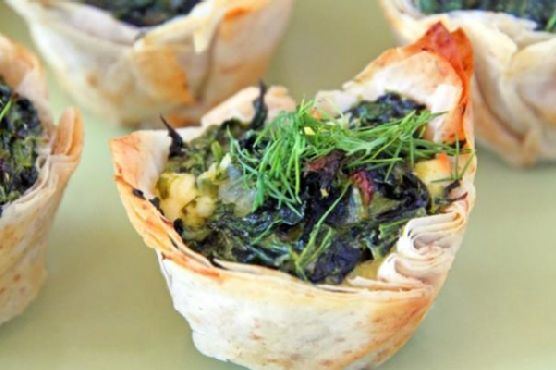
Spanakopita Cups: A Bite-Sized Greek Delight

Intro

Spanakopita cups are a delightful twist on the traditional Greek spinach pie, Spanakopita. These bite-sized treats capture the essence of the Mediterranean, combining flaky phyllo dough with a rich and savory spinach filling. I remember my first encounter with Spanakopita during a family trip to Greece when I was a child. The bustling market stalls, filled with aromatic herbs and spices, captivated my senses. The moment I took a bite of the warm, flaky pastry, I was hooked. That trip ignited my love for Greek cuisine, and this recipe is a homage to those cherished memories. Now, I am thrilled to share this recipe with you, bringing a piece of Greece into your home.

Why You’ll Love It

Spanakopita cups are perfect for entertaining and make for a wonderful appetizer or snack. Here’s why you’ll love them:

  • Easy to Make: Despite their elegant appearance, these cups are simple to prepare and require minimal ingredients.
  • Flavorful and Satisfying: The combination of spinach, feta, and dill creates a savory filling that is full of flavor.
  • Versatile: They can be served warm or at room temperature, making them ideal for parties or picnics.
  • Kid-Friendly: The mini size makes them a hit with kids and adults alike.

Ingredients

  • 2 tablespoons olive oil
  • 1 cup chopped green white scallions
  • 10 ounces frozen spinach, thawed and drained
  • 2 tablespoons chopped fresh dill
  • 3 large eggs, beaten
  • 1 cup crumbled feta cheese
  • Kosher salt, to taste
  • Black pepper, to taste
  • 1 package frozen phyllo dough, thawed
  • 1/2 cup unsalted butter, melted
  • 1/4 cup dry plain breadcrumbs

Instructions

  1. Preheat your oven to 400°F (200°C).
  2. Heat the olive oil in a pan over medium heat. Add the chopped scallions and cook for about 5 minutes until they are soft and fragrant.
  3. Squeeze most of the water out of the thawed spinach, then mix it with the cooked scallions, fresh dill, beaten eggs, and crumbled feta cheese. Season the mixture with kosher salt and black pepper to taste.
  4. Keep the phyllo dough sheets covered with a damp kitchen towel to prevent them from drying out.
  5. Unfold one sheet of the phyllo dough. Brush the sheet lightly with melted butter and sprinkle it with dry breadcrumbs.
  6. Repeat the process by laying a second sheet of phyllo dough over the first sheet, brushing it with melted butter and sprinkling with breadcrumbs. Continue this process until all four sheets have been used.
  7. Using a round cutter, cut circles out of the dough that will fit as a shell into mini muffin pans.
  8. Place the phyllo circles into the pan molds and fill each with the spinach mixture.
  9. Repeat until all the spinach mixture is used.
  10. Bake the spanakopita cups in the preheated oven for 17 minutes or until the phyllo pastry is golden brown and crispy.

Tips

  • Ensure the spinach is well-drained to prevent the filling from becoming too watery.
  • Keep the phyllo dough covered with a damp towel to maintain its pliability.
  • Use a pastry brush for even butter distribution on the phyllo sheets.

Variations & Substitutions

Feel free to experiment with the ingredients to suit your taste preferences:

  • Cheese: Swap feta for ricotta or goat cheese for a different flavor profile.
  • Herbs: Add or substitute other herbs like parsley or mint for a fresh twist.
  • Vegetables: Incorporate finely chopped mushrooms or bell peppers for added texture.

Storage

Store any leftover spanakopita cups in an airtight container in the refrigerator for up to 3 days. To reheat, place them in a preheated oven at 350°F (175°C) for about 10 minutes or until warmed through.

FAQ

Can I use fresh spinach instead of frozen?

Yes, you can use fresh spinach. Simply sauté the fresh spinach until wilted, then drain any excess moisture before combining it with the other filling ingredients.

How do I prevent the phyllo dough from drying out?

Keep the unused phyllo sheets covered with a damp kitchen towel while you work. This will keep the dough pliable and prevent it from cracking.

Nutrition

Each spanakopita cup is roughly 150 calories, containing healthy fats from olive oil and butter, and offering a good source of protein from the eggs and feta cheese. Spinach and dill add vitamins and minerals, making these cups not only delicious but also nutritious.

Conclusion

Spanakopita cups are a delightful and flavorful appetizer that brings a taste of Greece to your table. Their ease of preparation and versatile serving options make them a perfect choice for any occasion, from casual get-togethers to elegant parties. Whether you’re reminiscing about a past trip to Greece or simply looking to try something new, these spanakopita cups are sure to impress. Enjoy the warm, flaky goodness and share the joy of Greek cuisine with your loved ones!

Related update: Spanakopita Cups

Fresh Peach Margarita With Lime Sugar | Made by Meaghan Moineau

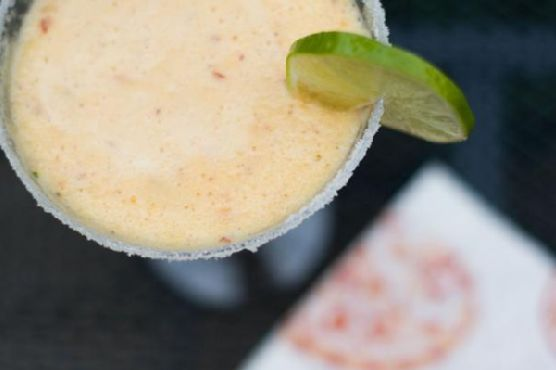
Fresh Peach Margarita With Lime Sugar

Intro

There’s something incredibly nostalgic about sipping on a refreshing cocktail that takes you back to warm summer evenings and gatherings with loved ones. The Fresh Peach Margarita with Lime Sugar does just that. It reminds me of the time I spent at my grandmother’s house in the heart of peach country, where the air always smelled of fresh fruit. We would sit on her porch and watch the sunset, savoring the sweetness of ripe peaches. This margarita is a delightful blend of those cherished memories and the vibrant flavors of peach and lime, offering a unique twist on the classic margarita.

Why You’ll Love It

This Fresh Peach Margarita is not just another cocktail; it’s an experience. The combination of juicy peaches and tangy lime sugar creates a harmony of flavors that’s both refreshing and invigorating. You’ll love the way the lime sugar adds a zesty kick to the sweet peach and smooth tequila, making each sip feel like a mini-vacation. Whether you’re hosting a summer party or simply enjoying a quiet evening at home, this margarita is sure to delight your taste buds and transport you to sunnier days.

Ingredients

  • Ice
  • 1 lime (juice)
  • Lime sugar (1/2 teaspoon of finely minced lime zest and 1/4 cup granulated sugar)
  • 1 ounce orange liquor
  • 1 ripe peach, peeled and sliced
  • 1 ounce peach schnapps
  • 1 tablespoon sugar
  • 2 ounces silver tequila

Instructions

  1. Add 1/2 teaspoon of finely minced lime zest to 1/4 cup granulated sugar and set aside for about 30 minutes, stirring occasionally.
  2. For a pretty presentation, coat the rims of the glasses you are using with lime sugar. Do this by rubbing the rim with a lime wedge and then placing the rim into a plate that has the sugar in it until the rim is coated.
  3. Place all ingredients into the blender and puree until smooth.
  4. If the mixture is too thick, add a little cold water to achieve the desired consistency.
  5. Either chill all ingredients before making or add some ice cubes after you have made the margarita and stir it until it is as cold as you like.
  6. Strain it into your glasses or serve on the rocks, as per your preference.

Tips

For the best flavor, use ripe peaches that are in season. They will be sweeter and more flavorful. If peaches aren’t available, frozen peaches can be used as a substitute. To enhance the lime flavor, consider adding a splash of lime juice directly into the margarita mixture. If you’re a fan of spicy drinks, try adding a dash of chili powder to the rim of your glass along with the lime sugar for an extra kick.

Variations & Substitutions

If you want to mix things up, consider using different fruits. Mango or pineapple can be excellent substitutes for peach, offering a tropical twist. You can also experiment with flavored tequilas or use a splash of coconut rum for a different flavor profile. For a non-alcoholic version, simply omit the tequila and schnapps and replace them with peach juice or nectar.

Storage

If you have any leftover margarita mix, store it in an airtight container in the refrigerator for up to two days. Before serving, give it a good stir or shake, as the ingredients may settle. It’s best enjoyed fresh, so try to consume it as soon as possible for the best taste.

FAQ

Can I make this margarita ahead of time?

Yes, you can prepare the lime sugar and slice the peaches ahead of time. However, for the freshest taste, it’s best to blend the margarita just before serving. If you must make it in advance, store it in the refrigerator and give it a good stir before serving.

What can I use if I don’t have a blender?

If a blender isn’t available, you can use a cocktail shaker. Muddle the peach slices in the shaker to release their juice, then add the rest of the ingredients with ice and shake well. Strain into your glass and enjoy.

Nutrition

While this cocktail is a treat, it’s worth noting that it contains sugar and alcohol, so enjoy it in moderation. The inclusion of fresh fruit does provide some nutritional benefits, such as vitamins and antioxidants from the peaches.

Conclusion

The Fresh Peach Margarita with Lime Sugar is a delightful way to celebrate the flavors of summer. Its vibrant taste and beautiful presentation make it the perfect addition to any gathering or a relaxing evening at home. I hope this recipe brings you as much joy as it has brought me, conjuring memories of sun-drenched days and cherished moments with loved ones. Cheers to creating new memories with every sip!

Related update: Fresh Peach Margarita With Lime Sugar

Related update: Spiced Apple Cider

AmEx Doubling Down on Wealthy Spenders | Analysis by Brian Moineau

When the Rich Keep Spending: Why AmEx Is Doubling Down on High Rollers

There’s a certain poetry to a company that built its brand on luxe travel perks and exclusive lounges now deciding to lean even harder into luxury. American Express — the credit card company everyone associates with status, Platinum cards and concierge lines — is reorienting marketing and product investment toward its top spenders. The result is a clear snapshot of a K-shaped economy: one group keeps splurging, while the rest of the country watches their wallets more carefully.

A hook: imagine a restaurant where the back table orders another bottle of champagne — again

That’s American Express’s world right now. After reporting strong quarterly results driven by premium-card spending, AmEx told investors and analysts it shifted marketing dollars away from broad no-fee cash-back products and toward its refreshed Platinum line (now with a steeper annual fee and expanded perks). The strategy is straightforward: invest where spending — and merchant fees — grow the fastest.

What happened and why it matters

  • AmEx reported higher cardmember spending, a bump in luxury retail and travel transactions, and raised guidance for the year ahead. Premium product demand — especially for the refreshed Platinum card — moved the needle. (See source list below for coverage.)
  • The company is deliberately prioritizing higher-fee, higher-reward cards because those customers generate outsized transaction volume and attract merchants willing to pay higher acceptance fees.
  • That shift is profitable not only through higher card fees but also via “discount revenue” — the merchant fees that are AmEx’s primary revenue engine — and typically lower default rates among affluent customers.

The bigger picture: the K-shaped economy at work

  • The K-shaped recovery or economy describes widening divergence: one cohort (high earners and asset owners) enjoys income and spending growth, while the other sees stagnant wages and tighter budgets.
  • AmEx’s results read like a case study: luxury retail spending and first/business class airfares outpaced more general categories. Younger wealthy cohorts (millennials and Gen Z within AmEx’s premium base) are spending more on experiences — travel, dining, events — which plays directly into AmEx’s rewards and partnerships.
  • For AmEx, leaning into premium customers is both defensive and aggressive: defensive because those customers tend to be lower credit risk and higher-margin, and aggressive because it captures more high-value transactions before rivals do.

Why this is smart (and why it’s risky)

  • Smart moves:
    • Higher revenue per cardmember: premium cards command large annual fees and drive higher transaction volumes.
    • Better merchant economics: merchants accept AmEx for access to affluent spenders who buy big-ticket items and travel.
    • Strong lifetime value: affluent customers often show loyalty if perks and experiences align with their lifestyles.
  • Risks to watch:
    • Concentration: leaning more into high-net-worth customers exposes AmEx to swings if that cohort retrenches.
    • Competition: banks like Chase and Citi have aggressive premium products; battle for affluent customers can escalate perks and costs.
    • Brand friction: shifting marketing away from broad, no-fee products could alienate aspirational or younger customers who might later become premium members.
    • Regulatory pressure: proposals to cap credit card interest rates or change interchange rules could alter the math.

What this means for consumers and businesses

  • For wealthy consumers: more tailored premium benefits, more competition for your loyalty, and potentially increasingly segmented offers.
  • For mass-market consumers: fewer marketing dollars and product innovation aimed at no-fee or mid-tier products, at least in the near term.
  • For merchants: sustained willingness to pay premium merchant fees if it continues to deliver wealthy, high-frequency spenders.

How investors and managers might read the tea leaves

  • Investors could view AmEx’s pivot as earnings-accretive in the near term because higher-fee customers lift revenue and margins — but they should price in higher customer-engagement costs for upgrades and shelf-refreshes.
  • Management teams across retail and travel should note the asymmetry of demand: luxury and premium segments may warrant distinct merchandising, loyalty tie-ins, and partnership investments to capture affluent spending power.

A few takeaways for everyday readers

  • The economy isn’t uniform. Corporate earnings that sound strong (AmEx up, luxury spending up) can coexist with broader household squeeze.
  • Credit-card economics favor the spender: companies that drive top-line transaction volume from affluent customers have a different playbook than mass-market lenders.
  • Changes at major card issuers ripple through travel, hospitality, luxury retail and fintech partnerships — so a strategic nudge toward premium products can reshape customer experiences and merchant deals.

My take

AmEx’s tilt toward its highest spenders is both unsurprising and instructive. It’s surprising only in how explicit the strategy is: the firm is putting marketing muscle where returns per customer are highest. In a world where younger affluent cohorts want experiences and are willing to pay for curated access, AmEx’s move is consonant with consumer trends. But the company should keep one eye on diversification: a too-narrow focus on the top of the market can accelerate growth — and magnify vulnerability — if economic sentiment shifts.

Sources


Related update: We recently published an article that expands on this topic: read the latest post.


Related update: We recently published an article that expands on this topic: read the latest post.