
Airo Trains Bring 2026 Cascades Upgrade | Analysis by Brian Moineau

A new ride for the Pacific Northwest: Amtrak’s Airo trains arrive in 2026

Imagine settling into a comfy seat, the Cascades rolling by outside panoramic windows, your phone quietly charging at a USB port while onboard Wi‑Fi handles the heavy lifting. That image is about to become routine for travelers between Eugene, Portland, Seattle and Vancouver, B.C. — Amtrak’s sleek new Airo trainsets are set to debut on the Amtrak Cascades line in 2026.

This post sketches what the Airo rollout means for Cascades riders, why the timing matters, and what to watch for as the Pacific Northwest becomes the first region to get these next‑generation trains.

Why this feels like an inflection point

  • The Cascades corridor is one of the country’s most scenic and increasingly busy regional routes. Riders have long wanted more comfort, reliability, and amenities that match modern expectations.
  • Airo is part of a wider Amtrak fleet modernization program — 83 trainsets are planned nationwide — funded in part by the federal Infrastructure Investment and Jobs Act.
  • The Cascades is slated to be the first route to receive Airo trainsets; eight Cascades trainsets and two new locomotives are expected to arrive and enter service during 2026. That makes the Pacific Northwest a testing ground of sorts for how modern equipment changes everyday travel.

What makes the Airo trains different

  • Modern interiors designed for comfort:
    • Panoramic windows and more table seating ideal for the scenic I‑5 corridor.
    • Ergonomic seats, larger tray tables, water bottle holders, and seatback tablet holders.
  • Better connectivity and convenience:
    • Individual power outlets and USB ports at seats; onboard 5G/Wi‑Fi to keep passengers connected.
    • Digital information screens showing speed, stops and connections.
  • Accessibility and hygiene upgrades:
    • Automated boarding steps to help at mixed‑height platforms.
    • Touchless restroom controls and updated restroom layouts.
  • Food and regional identity:
    • Redesigned café cars with Northwest‑inspired menu items, self‑service options, and alcohol service.
    • New Cascades liveries: evergreen, cream and mocha with Cascade Range graphics (Mount Hood and Mount Rainier).
  • Environmental and performance improvements:
    • Engines and systems built to reduce particulate emissions in diesel mode (Amtrak cites up to 90% lower particulate emissions in some modes).
    • Top technical speed is 125 mph, though on Cascades where tracks are shared with freight, operating speeds will remain limited by track conditions and rules (often 79 mph without significant track upgrades).

Why Cascades first — and what that means for riders

  • Manufacturing and testing sequencing: Siemens-built trainsets for the Cascades were among the first to roll off production lines and undergo testing (including in Pueblo and on the Northeast Corridor), so the region will see the earliest revenue service.
  • Maintenance facilities and readiness: Seattle and other cities have seen investment in new or upgraded maintenance yards so the new equipment can be supported locally — a practical necessity before full deployment.
  • Real-world constraints: Even with Airo’s 125 mph capability, actual running speeds depend on track upgrades, signaling, and agreements with freight railroads. So riders should expect a smoother, more comfortable journey more than dramatic time savings immediately — unless parallel infrastructure projects accelerate.

How this affects typical Cascades trips

  • Commuters and day‑trippers: More reliable equipment and better onboard amenities make train travel a more attractive alternative to driving or flying between Portland and Seattle.
  • Tourists and leisure travelers: Panoramic windows and more table seating enhance the scenic experience, making the Cascades a stronger tourism draw.
  • Cyclists and multi‑modal travelers: Local Cascades policies already support bike riders (reserved bike rack spaces on trains). Airo’s redesigned baggage/café layouts may change how easy it is to bring bikes — check the Cascades bike policy when booking.
  • Cross‑border travel to Vancouver, B.C.: Resumption and reliability of international trips will depend on border policies and schedules, but the new trains should improve the travel experience when service runs.

What to watch between now and rollout

  • Service announcements and exact entry‑into‑service dates from Amtrak and Amtrak Cascades (trainsets must complete testing and inspections).
  • Local station and yard upgrades that could affect schedules or temporary disruptions.
  • Any updates from Amtrak’s inspector reports about facility readiness; fleet rollout plans sometimes shift as facilities are completed and crews are trained.
  • Ticketing and reservation changes as Airo capacity comes online — new seating maps, café offerings, or bike reservation rules could appear.

Key points to remember

  • The Airo fleet is scheduled to begin service on Amtrak Cascades in 2026, with eight Cascades trainsets planned that year.
  • Riders should expect improved comfort, connectivity, and regional food options rather than large immediate speed gains on the Cascades corridor.
  • Long‑term benefits are substantial: environmental improvements, more consistent equipment, and a model for expanding modern train service nationwide.

My take

This is a feel‑good moment for Pacific Northwest travelers: a tangible upgrade to the daily experience of rail travel, not just a branding refresh. The Airo trains bring amenities passengers expect in 2026 — better connectivity, cleaner operations, and interior design that respects both commuter and scenic‑route needs. But the full promise — faster trips and transformative service growth — still hinges on track, signaling, and freight‑rail negotiations. For now, expect a nicer, more modern ride that makes the Cascades corridor more competitive with driving and flying.

Sources


Related update: We recently published an article that expands on this topic: read the latest post.
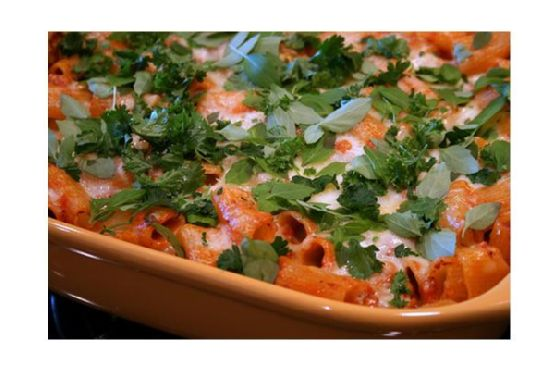

Baked Rigatoni | Made by Meaghan Moineau

Baked Rigatoni: A Comforting Classic

Intro

There’s something incredibly soothing about a warm, cheesy pasta dish fresh out of the oven. For me, baked rigatoni isn’t just food; it’s a cherished memory. Growing up, my grandmother would make this delightful dish every Sunday. The smell of pasta sauce mingling with melted mozzarella would fill the house, drawing everyone to the kitchen. I remember sitting at the table, eagerly watching as she pulled the bubbling casserole from the oven, the cheese golden and inviting. Today, I’m excited to share this nostalgic recipe with you, hoping it brings the same warmth and comfort to your home as it did to mine.

Why You’ll Love It

Baked Rigatoni is the epitome of comfort food. It’s hearty, satisfying, and incredibly easy to prepare. Whether you’re cooking for a family dinner or preparing a meal for a crowd, this dish is a guaranteed hit. You’ll love how the flavors of the tomatoes, broccoli, and pasta sauce meld together beautifully. The addition of mozzarella cheese creates a gooey, cheesy top that’s irresistible to both adults and kids alike. Plus, it’s easily adaptable for those with dietary preferences or restrictions.

Ingredients

  • 1 package frozen broccoli flowerets
  • 1 teaspoon dried basil
  • 1 teaspoon fennel seeds
  • 1 jar pasta sauce
  • 1 pound rigatoni
  • 6 oz. shredded mozzarella cheese, divided
  • 1 can diced ready-cut tomatoes
  • 1 package frozen vegetable burger crumbles

Instructions

  1. Preheat your oven to 400°F (200°C).
  2. Cook the rigatoni according to the package directions until al dente. Drain and set aside.
  3. In a large 9×13-inch baking dish, combine the cooked pasta, pasta sauce, diced tomatoes, frozen broccoli, burger crumbles, dried basil, fennel seeds, and 4 oz. of the shredded mozzarella cheese.
  4. Mix everything together until well combined, ensuring the pasta is evenly coated with sauce.
  5. Sprinkle the remaining 2 oz. of mozzarella cheese over the top of the pasta mixture.
  6. Bake in the preheated oven for about 20 minutes, or until the cheese is melted and the dish is heated through.
  7. Remove from the oven and let it cool slightly before serving. Enjoy your hearty and delicious baked rigatoni!

Tips

Here are a few tips to ensure your Baked Rigatoni turns out perfectly every time:

  • Don’t overcook the pasta. It should be slightly firm as it will continue to cook in the oven.
  • Feel free to adjust the amount of cheese according to your preference. If you’re a cheese lover, add extra mozzarella or even some Parmesan for added flavor.
  • Using a high-quality pasta sauce can make a significant difference in the overall taste of the dish.

Variations & Substitutions

Baked Rigatoni is a versatile dish that can be customized to suit your tastes:

  • Protein Swap: Substitute the vegetable burger crumbles with cooked ground beef, chicken, or turkey for a meatier version.
  • Vegetable Additions: Consider adding other vegetables like bell peppers, mushrooms, or spinach for added nutrition and flavor.
  • Cheese Options: Experiment with different cheeses such as cheddar, gouda, or ricotta for a unique twist.
  • Gluten-Free: Use gluten-free pasta to make this recipe suitable for those with gluten intolerance.
  • Vegan: Use vegan cheese and ensure your pasta sauce is vegan-friendly to make this dish entirely plant-based.

Storage

Baked Rigatoni can be stored in the refrigerator for up to 3-4 days. Simply cover the baking dish with plastic wrap or transfer leftovers to an airtight container. To reheat, place the desired portion in the oven at 350°F (175°C) until heated through, or microwave it for a quicker option.

FAQ

Can I prepare Baked Rigatoni ahead of time?

Absolutely! You can assemble the dish, cover it tightly, and refrigerate for up to 24 hours before baking. This makes it a great option for meal prep or when you’re expecting guests.

Can I freeze Baked Rigatoni?

Yes, you can freeze Baked Rigatoni. After baking, allow it to cool completely, then wrap it tightly with aluminum foil or plastic wrap and place it in a freezer-safe container. It can be frozen for up to 2 months. To reheat, thaw in the refrigerator overnight and bake at 350°F (175°C) until heated through.

Nutrition

While the nutritional content can vary based on specific brands and quantities, a typical serving of Baked Rigatoni made with the ingredients listed above is estimated to provide:

  • Calories: Approximately 400-500 per serving
  • Protein: 20-25 grams
  • Carbohydrates: 60-70 grams
  • Fat: 10-15 grams
  • Fiber: 5-8 grams

This dish is not only filling but also offers a good source of protein and fiber, making it a balanced meal option.

Conclusion

Baked Rigatoni is more than just a meal; it’s a tradition, a comforting embrace on a plate. Whether you’re revisiting old memories or creating new ones, this dish is sure to become a staple in your home. With its simple preparation and delicious flavors, it’s a recipe you’ll turn to time and time again. Gather your loved ones, serve it hot from the oven, and relish the joy that comes with sharing a meal together. Happy cooking!

Related update: Baked Rigatoni

Related update: Miso Eggplant Gratin

Moon Factory Plan: Musk’s AI Space Gamble | Analysis by Brian Moineau

Moonshots and Mutinies: Elon Musk Wants a Lunar Factory to Launch AI Satellites

The headline sounds like science fiction: build a factory on the Moon, assemble AI satellites there, then fling them into orbit with a giant catapult. But this is exactly the vision Elon Musk sketched for xAI at a recent all‑hands meeting — a talk first reported by The New York Times and covered by TechCrunch and other outlets. The timing is notable: co‑founders departing, a major reorg, and a SpaceX‑xAI merger that some expect will lead to a blockbuster IPO later this year. The result is a mix of bravado, engineering fantasy, strategic logic, and regulatory questions — the kind of story that forces you to ask whether this is grand strategy or grandstanding.

Why this matters now

  • xAI is freshly merged into Elon Musk’s space and social empire, amplifying ambitions and tightening the spotlight.
  • Several of xAI’s original co‑founders have recently left, raising questions about execution and culture during a pivotal scaling phase.
  • Musk’s moon plan reframes the debate about where the future of compute will live — on Earth, in orbit, or on the lunar surface — and what would be required to get there.

The pitch in plain language

According to reporting summarized by TechCrunch, Musk told xAI employees that:

  • xAI will need a lunar manufacturing facility to build AI satellites.
  • The proposed lunar facility would include a mass driver — an electromagnetic catapult — to launch satellites into space.
  • The rationale is raw compute scale: the Moon (and space in general) offers a way to access vast energy and cooling potential that Earth datacenters can’t match.

Those comments came during an all‑hands that coincided with a flurry of departures by co‑founders such as Tony Wu and Jimmy Ba, and as the merged entity prepares for a possible IPO. TechCrunch later published the full 45‑minute all‑hands video, which adds context to the public reporting.

Why a lunar factory sounds plausible (on paper)

  • Energy and cooling: Space (and the lunar surface) offers unique opportunities, e.g., direct access to sunlight for massive solar farms and passive cooling in shaded regions — appealing for power‑hungry AI clusters.
  • Vertical integration: Musk’s conglomerate already spans rockets (SpaceX), social/data platforms (X), and energy/transport (Tesla, Starlink synergies). Adding lunar manufacturing could be pitched as the next step in controlling a full stack of data, transport, and infrastructure.
  • Proprietary data and differentiation: A moon‑based platform could, in theory, enable data flows and sensors unavailable to competitors — feeding a unique “world model” that Musk has described as the long‑term objective.

The big, practical hurdles

  • Engineering scale: Building habitable factories, reliable lunar construction techniques, and a functional mass driver are orders of magnitude harder than launching satellites from Earth. Cost, time, and risk are enormous.
  • Legal and geopolitical limits: The 1967 Outer Space Treaty bars national appropriation of celestial bodies. U.S. law allows companies to extract resources they mine, but the legal landscape for permanent facilities and mass industrial activity is contested internationally.
  • Talent and timing: Key technical leaders exiting during a reorg makes execution riskier. Ambitious long‑horizon projects don’t mesh easily with the short timelines and accountability of public markets and IPO cycles.
  • Environmental and safety concerns: Unproven large‑scale lunar manufacturing and mass drivers raise questions about space debris, lunar environment stewardship, and collision risk for satellites and crewed missions.

What investors and competitors see

  • Investors may cheer the vision’s upside: unique assets and defensible moats that could justify sky‑high valuations if achieved.
  • Shorter time‑horizon stakeholders (public markets, customers, partners) will want tangible milestones: product roadmaps, revenue paths, and credible technical milestones long before any lunar steel is laid.
  • Competitors are watching the tech stack: if the Moon pitch is an attempt to lock in energy, data, and unique sensors, rivals will adapt via orbital compute, international partnerships, or legal/policy pressure.

A few scenarios to watch

  • Near term (months): continued reorg and talent churn at xAI; more public messaging to frame the Moon idea as long‑term strategy rather than an immediate product pivot.
  • Medium term (1–3 years): concrete engineering programs announced — prototypes for orbital data centers, power projects, or lunar robotics partnerships — which would signal movement from concept to execution.
  • Long term (decades): if the idea survives technical, legal, and funding hurdles, it could reshape where large AI clusters live — and who controls the data those clusters consume.

Notes on credibility and context

  • TechCrunch’s coverage and the publicly posted all‑hands video are non‑paywalled, accessible records of the pitch and surrounding company changes.
  • Reporting across outlets (The Verge, Financial Times, TechCrunch) shows consistent core claims: Musk pitched lunar infrastructure as part of xAI’s future while several co‑founders departed.
  • Some outlets add detail or editorial framing (e.g., energy scale ambitions, concerns about deepfakes on X), which are relevant to the company’s near term optics but separate from the moon manufacturing claim itself.

What this says about Musk’s strategy

  • Moon plans are less a literal product roadmap than a narrative lever: they signal scale, ambition, and an integrated multi‑domain approach that stokes investor enthusiasm.
  • The vision ties disparate pieces of Musk’s empire into a single storyline: rockets, satellites, social data, and energy converge into a proprietary vertical. That’s strategically coherent — if technically audacious.
  • For employees and early leaders, the shift from a scrappy startup to a multi‑domain industrial ambition means differing skill sets and appetites for risk — which helps explain departures amid reorganization.

My take

There’s a productive tension here between audacity and accountability. Big visions — even wildly improbable ones — have a role in attracting capital and talent. But the moment you promise lunar factories and mass drivers, you invite intense scrutiny: technical feasibility, timelines, legal permission, and human capital. The most useful question for xAI and its stakeholders is not whether the Moon is “possible” in a vacuum; it’s whether the company can credibly deliver meaningful intermediate milestones that justify investment and retain top talent while the moonshot remains decades away.

Final thoughts

Ambition keeps technology moving forward, but execution makes it real. Musk’s lunar pitch is headline‑grabbing and strategically provocative; whether it becomes a blueprint or a branding exercise depends on the hard, incremental work that follows: prototypes, partnerships, regulatory clarity, and, crucially, people who stay to build it.

Sources


Related update: We recently published an article that expands on this topic: read the latest post.



Related update: We recently published an article that expands on this topic: read the latest post.

Siew Mai | Made by Meaghan Moineau

Siew Mai Recipe: A Delightful Dim Sum Treat

Intro

Growing up, weekends meant one thing: dim sum with the family. We would gather around a bustling table, eagerly awaiting the arrival of steaming baskets of our favorite dumplings. Among them, Siew Mai was always a standout. These flavorful pork dumplings, adorned with vibrant toppings, were a family favorite. Now, I’m excited to share this treasured recipe with you, bringing the joy of dim sum into your home.

Why You’ll Love It

Siew Mai, also known as Shumai, offers a delightful combination of flavors and textures that will captivate your taste buds. The juicy pork filling, coupled with the subtle crunch of water chestnuts and a burst of umami from mushrooms, creates a harmonious blend. Whether you’re a dim sum aficionado or a first-timer, these dumplings are sure to become a beloved addition to your culinary repertoire.

Ingredients

  • Wonton wrappers
  • 700g fatty pork
  • 2 tablespoons corn starch
  • 1 teaspoon salt
  • 1 teaspoon white ground pepper
  • 1/2 teaspoon sugar
  • 1 teaspoon Worcestershire sauce or Maggie Seasoning Sauce
  • 2 tablespoons Shaoxing Huatiao wine
  • 2 tablespoons sesame oil
  • 80g canned water chestnuts
  • 4 large Chinese mushrooms
  • 1 small carrot
  • Cooked whole shrimp
  • Raw glutinous rice
  • Shallots
  • Ginger
  • Cooking oil
  • Dried shrimps
  • Cooked dried scallops
  • Light soy sauce
  • Oyster sauce
  • 2 lap cheongs (Chinese sausages)
  • Water

Instructions

  1. To prepare the pork filling, mince 700g of pork and place it in a large mixing bowl. Add 2 tablespoons of corn starch, 1 teaspoon of salt, 1 teaspoon of white ground pepper, 1/2 teaspoon of sugar, 1 teaspoon of Worcestershire sauce, 2 tablespoons of Shaoxing Huatiao wine, and 2 tablespoons of sesame oil.
  2. Roughly chop 80g of water chestnuts and 4 large Chinese mushrooms into fine pieces. Add them to the pork mixture and mix well to combine.
  3. Finely dice a small carrot. Set aside the pork mixture and diced carrots for garnishing.
  4. For the glutinous rice filling, soak 2 lap cheongs in boiling water until the skin separates. Remove the skin and dice the meat.
  5. In a large saucepan, pan-fry the diced lap cheong until golden red. Follow instructions to prepare the glutinous rice as per Glutinous Rice in Lotus Leaf. Add fried lap cheong pieces and set aside to cool.
  6. To wrap the dumplings, place a wonton wrapper on a flat surface. Add a teaspoon of filling in the center, wet the edges with water, and fold the wrapper around the filling tightly.
  7. Top each pork Siew Mai with a shrimp and diced carrot. Add more lap cheong pieces to the glutinous rice Siew Mai if desired.
  8. Place dumplings in a steamer lined with baking paper. Steam over boiling water for 14-15 minutes or until cooked. Serve hot.

Tips

For the best texture, ensure that the pork is fatty, as this keeps the dumplings juicy. When wrapping, make sure the dumplings are tightly sealed to prevent them from falling apart during steaming.

Variations & Substitutions

If you prefer a different protein, ground chicken or turkey can be used instead of pork. For a vegetarian option, substitute the meat filling with a mixture of finely chopped vegetables like cabbage, mushrooms, and tofu. Feel free to experiment with different toppings, such as salmon roe or salted egg yolk, to enhance the visual appeal and taste.

Storage

Uncooked Siew Mai can be frozen for up to three months. To prevent them from sticking, dust a container with flour before placing the dumplings inside. When ready to serve, steam directly from the freezer for an additional 2-3 minutes.

FAQ

Can I make Siew Mai ahead of time?

Yes, you can prepare the fillings a day in advance and store them in the refrigerator. Assemble the dumplings just before steaming for the freshest taste.

What can I serve with Siew Mai?

Siew Mai pairs beautifully with a variety of dipping sauces, such as soy sauce, chili oil, or a simple vinegar and ginger dip. Serve them alongside other dim sum favorites for a complete meal.

Is there a gluten-free option?

To make this recipe gluten-free, use gluten-free wonton wrappers and replace soy sauce with a gluten-free alternative. Ensure all other ingredients are verified gluten-free.

Nutrition

While exact nutrition will vary based on specific ingredients and quantities used, Siew Mai is generally a good source of protein and provides essential vitamins and minerals from the vegetables and shrimp. For a healthier option, use lean pork or substitute with chicken.

Conclusion

Siew Mai is more than just a dumpling; it’s a celebration of flavors and a connection to cherished memories of family gatherings. Whether you’re reminiscing about past dim sum experiences or creating new ones, this recipe is sure to bring warmth and joy to your table. Happy cooking!

Related update: Siew Mai

Related update: Baked Rigatoni

Gingerbread | Made by Meaghan Moineau

The Perfect Gingerbread Recipe

Intro

Growing up, the aroma of gingerbread was synonymous with the holiday season in our household. The scent would waft through the house, wrapping us in a warm, spicy embrace that hinted at the festivities to come. My grandmother would always manage to sneak a few mini loaves to our neighbors, spreading the joy and warmth outside our home. It was during those times, sitting around the kitchen table with a slice of gingerbread and a glass of milk, that I learned the true meaning of sharing and community. This gingerbread recipe is a cherished family heirloom that I am thrilled to share with you today.

Why You’ll Love It

This gingerbread recipe is not just a treat for the taste buds; it’s a sensory experience that brings warmth and nostalgia. The spicy notes of ginger and cloves, combined with the sweetness of molasses and honey, create a rich and comforting flavor profile. Whether you enjoy it as a breakfast treat, a midday snack, or a holiday dessert, this gingerbread is sure to become a staple in your home. Plus, it’s made with whole wheat pastry flour, making it a slightly healthier option without compromising on taste.

Ingredients

  • 1 cup whole wheat pastry flour
  • 1 teaspoon baking powder
  • 1/2 teaspoon baking soda
  • 1/2 cup sweet un-packed brown sugar
  • 1/4 cup butter, melted
  • 1/2 cup canned pumpkin
  • 2 large eggs
  • 1 teaspoon ground cinnamon
  • 1/2 teaspoon ground cloves
  • 1 tablespoon ground ginger
  • 1/4 cup honey
  • 1/4 cup molasses
  • 1 tablespoon turbinado sugar
  • 1/4 cup water

Instructions

  1. Preheat your oven to 350°F (175°C).
  2. Spray 4 mini loaf pans with non-stick cooking spray and set aside.
  3. In a large mixing bowl, stir together the whole wheat pastry flour, brown sugar, baking powder, baking soda, ground cinnamon, ground ginger, and ground cloves.
  4. Add the canned pumpkin, molasses, eggs, honey, water, and melted butter to the bowl.
  5. Using an electric mixer, beat the mixture on low to medium speed until all ingredients are combined, about 30 seconds.
  6. Increase the speed to medium-high and continue beating for 2 minutes. Make sure to scrape the sides of the bowl occasionally to ensure even mixing.
  7. Divide the batter evenly between the prepared mini loaf pans.
  8. Sprinkle the tops with turbinado sugar for an extra crunch.
  9. Bake in the preheated oven for 25-30 minutes, or until a toothpick inserted into the center comes out clean.
  10. Allow the loaves to cool in the pans for 10 minutes before transferring them to a wire rack to cool completely.

Tips

To ensure your gingerbread loaves come out perfectly every time, consider these tips:

  • Make sure all your ingredients are at room temperature before starting. This helps them combine more smoothly.
  • Do not overmix the batter. Once the ingredients are combined, beat just enough to incorporate everything thoroughly.
  • If you prefer a stronger spice flavor, feel free to add more ginger or cloves according to your taste.

Variations & Substitutions

This gingerbread recipe is versatile and can be adjusted to suit different dietary needs and flavor preferences:

  • Gluten-Free: Substitute the whole wheat pastry flour with a gluten-free all-purpose flour blend.
  • Vegan: Replace the eggs with flax eggs (1 tablespoon ground flaxseed mixed with 3 tablespoons water per egg) and use a plant-based butter.
  • Extra Flavor: Add a handful of raisins or chopped nuts for an added texture and flavor boost.

Storage

To keep your gingerbread fresh, wrap the cooled loaves tightly in plastic wrap or store them in an airtight container. They can be kept at room temperature for up to three days. For longer storage, place them in the refrigerator for up to a week or freeze them for up to three months. If freezing, remember to thaw them at room temperature before serving.

FAQ

Can I make this gingerbread in a regular loaf pan instead of mini loaf pans?

Yes, you can use a regular loaf pan. However, you will need to adjust the baking time to approximately 45-50 minutes, or until a toothpick inserted into the center comes out clean.

What can I use instead of canned pumpkin?

If you don’t have canned pumpkin, you can use homemade pumpkin puree or even sweet potato puree as a substitute. Just ensure it’s similar in consistency to canned pumpkin.

Nutrition

While this gingerbread is a treat, it’s made with whole wheat pastry flour, which provides more fiber than traditional white flour. The addition of pumpkin not only adds moisture but also provides a dose of vitamins A and C. Enjoying a slice in moderation can be part of a balanced diet.

Conclusion

This gingerbread is more than just a baked good; it’s a slice of warmth and comfort that brings people together. Whether you’re enjoying it with your morning coffee or sharing it with friends and family during the holidays, this recipe is sure to become a beloved tradition in your home. I hope it brings you as much joy and connection as it has brought to my family over the years. Happy baking!

Related update: Gingerbread

Related update: Gingerbread Pancakes

Cloudflare Rally: Q4 Beats and Bullish | Analysis by Brian Moineau

When the Agentic Internet Shows Up to Work: Cloudflare’s Q4 Surprise and a Bullish 2026 Outlook

Cloudflare just reminded the market why infrastructure businesses can suddenly feel like the center of the AI party. On February 10, 2026, the company reported a stronger-than-expected fourth quarter and issued a 2026 revenue outlook that beat consensus — and the stock reacted accordingly. But beneath the headline beats lies a mix of durable growth signals, new AI-driven demand, and a few technical and valuation wrinkles investors should notice.

Quick snapshot you can skim

  • Quarter reported on February 10, 2026: revenue $614.5M (up ~34% year-over-year).
  • Q4 non-GAAP EPS: $0.28.
  • Full-year 2026 revenue guide: $2.79B and adjusted EPS guidance around $1.11 — above Street revenue expectations.
  • Management highlights: AI agents and Cloudflare Workers driving more traffic and developer adoption.
  • Cash/financials: >$4.1B in cash and marketable securities, improving free cash flow margins.

(Primary numbers come from Cloudflare’s February 10, 2026 press release and subsequent market coverage.) (cloudflare.net)

What changed — and why investors cheered

  • Real beats, not just optics. Cloudflare’s Q4 revenue and non-GAAP EPS both beat Street estimates, and management pointed to one of its largest-ever ACV deals and accelerated new ACV growth. Those are hard, enterprise-level wins, not seasonal flukes. (cloudflare.net)
  • AI activity = traffic multiplier. Cloudflare says AI-generated requests and “agentic” activity are meaningfully increasing the volume and complexity of traffic across its network. That trend boosts demand for edge compute (Workers), performance, and security services — Cloudflare’s core product set. Multiple analysts tied the beat to tailwinds from AI-driven traffic. (investors.com)
  • Profitability is improving. GAAP still shows a loss from operations, but non-GAAP operating income and free cash flow expanded materially in Q4 — a signal that revenue growth is starting to translate into better margins and cash generation. (cloudflare.net)

Why the 2026 guide matters

Cloudflare’s guidance for 2026 (roughly $2.79B revenue) came in above consensus. That’s the cleanest proof management expects the AI-driven lift and large-account momentum to persist. Guidance beats reduce the uncertainty premium investors place on growth names and give analysts license to raise models — which often fuels short-term share-price pops.

But guidance also carried prudence on EPS: full-year adjusted EPS guidance was slightly below some expectations, implying Cloudflare is investing to capture growth even while improving margins. That mix — revenue optimism with measured margin assumptions — is typically viewed favorably by growth investors who want scale without runaway spending.

The investor dilemma: growth story vs. technical reality

  • Bull case: Cloudflare sits at the intersection of networking, security, and edge compute. If AI agents become permanent heavy users of the web, Cloudflare’s platform and its Workers developer ecosystem become sticky, high-margin revenue drivers. Large ACV deals and expanding RPO (remaining performance obligations) give the company predictable, durable revenue. (cloudflare.net)

  • Bear case: software multiples have been under pressure, and Cloudflare’s stock had seen institutional selling before this beat (technical indicators like Accumulation/Distribution were flagged as weak by market data providers). In plain terms: fundamentals are improving, but some investors may remain cautious until the company consistently delivers margin expansion and sustained higher growth rates. (investors.com)

  • The middle path: Treat the stock as an infrastructure growth play that merits patience. Short-term volatility is likely; the longer-term thesis hinges on AI traffic continuing to re-platform the Internet and Cloudflare converting that traffic into higher ARPU and enterprise traction.

What to watch next (near-term catalysts)

  • Q1 2026 results and whether sequential revenue trends and margin expansion continue. Cloudflare guided Q1 revenue modestly above consensus; execution there will be telling. (investing.com)
  • Growth of Cloudflare Workers and developer adoption metrics — these are leading indicators for future revenue per developer and platform monetization. (cloudflare.net)
  • Deals and ACV cadence: will large deals keep accelerating, or was the big Q4 ACV a one-off? Large-contract momentum is central to the enterprise story. (cloudflare.net)
  • Broader software multiple compression or expansion — macro moves in tech stocks will still sway Cloudflare’s share price regardless of company-level execution.

A few strategic takeaways for investors and builders

  • Infrastructure is the quiet winner when usage patterns shift. When users (or agents) change how they interact with the web, companies that own reliable, global pipes and flexible edge compute win.
  • Developer platforms scale differently. Success in developer adoption (Workers, SDKs, APIs) can create durable revenue streams if monetized thoughtfully.
  • Cash and profitability matter even for growth names. Cloudflare’s >$4B cash cushion and improving free cash flow give it optionality to invest in product, sales, or tuck-in M&A while weathering market cycles. (cloudflare.net)

My take

Cloudflare’s Q4 and 2026 guide are a meaningful validation of the “Agentic Internet” thesis management has been selling: agents and AI workloads are real demand multipliers for edge and networking infrastructure. The numbers back the narrative — enterprise ACV growth, developer traction, and a rising cash flow profile are all positive. That said, investors should balance enthusiasm with discipline: stock moves from guidance beats can overshoot, and the share performance will still respond to broader sector sentiment and technical flows. If you believe AI agents materially re-platform web traffic, Cloudflare is a natural infrastructure play worth owning; if you’re skeptical about the durability of the lift or the multiple, use the recent rally as an opportunity to reassess position size rather than chase.

Sources


Related update: We recently published an article that expands on this topic: read the latest post.