Why Chrome’s Tiny Home Icon Matters | Analysis by Brian Moineau

A tiny icon, a surprising ripple: Chrome’s Home icon quietly changed on Android

It’s funny how a tiny symbol can feel like the end of the world — or the start of a fresh design language. In mid-February 2026 Google rolled Chrome 145 out to Android devices, and if you updated (or simply noticed), you might have seen a small but noticeable tweak: the Home icon in the address bar was redesigned. It’s just a house, right? But the new one drops the rounded corners, adds a visible door, and aligns the roof differently — and some people are already nostalgic for the old, softer mark.

This post looks at why this matters, what else is in Chrome 145, and why UI micro-changes like this land with more force than their pixel count suggests.

Why a little Home icon matters

  • Visual cues are anchors. The Home icon sits next to the omnibox where your eye naturally goes when you want to return to a start point. Changing that mark—even subtly—affects familiarity.
  • Consistency across platforms. The new house matches an icon style Chrome has used on desktop for a while, which suggests Google is nudging toward a unified Chrome look across form factors.
  • Perception of polish. Small changes telegraph intent: either a careful refinement or a UI team experimenting with tone. Users interpret those signals emotionally (comfortable, modern, robotic, cold), not just functionally.

What changed (and what didn’t)

  • The icon swap: The old Home icon had rounded corners and a softer silhouette. The Chrome 145 update replaces it with a sharper, squarer house with a visible door and a roof that sits flush with the side. The difference is subtle at typical phone-screen sizes, but visible when you look closely. (9to5google.com)
  • How to remove it: If you dislike the Home icon or want a slightly wider address bar, you can disable the homepage shortcut in Chrome’s Settings > Homepage (or set the Home action to a custom URL or New Tab). (9to5google.com)
  • Bigger picture of Chrome 145: Beyond the icon tweak, Chrome 145 for Android was released as a stable update that includes stability and performance fixes; the icon swap is the most visible user-facing change reported. Google’s Chrome Releases blog lists the rollout and version numbers. (chromereleases.googleblog.com)

A small change, bigger implications

  • Design language and platform parity
    • Matching desktop iconography hints at Google’s continued effort to harmonize Chrome’s visual language across desktop, Android, and other platforms. For people who use multiple devices, consistent icons reduce friction.
  • Accessibility and legibility tradeoffs
    • Sharper geometry can improve legibility on high-contrast displays and when icons are shown at small sizes. But some users prefer softer shapes because they feel friendlier—so any change risks alienating part of the audience.
  • User reaction cycle
    • Minor UI swaps are easy to notice and easy to mock online. The reaction usually follows a predictable arc: quick complaints and comparisons, then either acceptance or a request for a toggle. Google already exposes a way to hide the home icon, so power users have an escape hatch. (9to5google.com)

Quick tips for users

  • Don’t like the new Home icon? Disable the Home button in Chrome Settings > Homepage to reclaim address-bar space. (9to5google.com)
  • Want the address bar in a different place? Chrome has been gradually giving Android users more address-bar positioning options (bottom vs top) across recent updates — explore the long-press options or Settings if the placement matters to you. (theverge.com)
  • If you want to confirm your Chrome version after an update, check Chrome in your Android app list or the Play Store to see the version number (Chrome 145 began rolling out in late January/February 2026). (chromereleases.googleblog.com)

A few broader design lessons

  • Microcopy and micrographics matter. Tiny things—icons, labels, spacing—drive user trust and perceived care.
  • Test with the real world. What looks great on a desktop mockup can feel cramped or weird on a 6.8-inch phone held in one hand.
  • Give users control. Optional toggles (show/hide Home, move the bar, choose homepage) turn a forced change into a configurable preference, smoothing backlash.

My take

Design is negotiation: between brand voice, usability, platform consistency, and a noisy audience. This Home icon tweak is the kind of low-risk, high-visibility change that reveals how much weight users place on familiar pixels. It’s not a paradigm shift, but it’s a reminder that small interface elements are part of a larger conversation about how software communicates personality. For those who care — and many do — the option to hide the icon keeps everyone reasonably happy.

Sources


Related update: We recently published an article that expands on this topic: read the latest post.


Green Beans with Garlic Chips | Made by Meaghan Moineau

Green Beans with Garlic Chips

Intro

Welcome to a delightful culinary journey with our Green Beans with Garlic Chips recipe! This dish brings back cherished memories of family gatherings around the dinner table. I remember my grandmother preparing this recipe for special occasions, the aroma of garlic and onions wafting through the house, creating a warm and inviting atmosphere. It’s a simple yet elegant dish that has become a family favorite over the years. Now, I’m thrilled to share it with you, so you can create your own cherished memories with this flavorful side dish.

Why You’ll Love It

This Green Beans with Garlic Chips recipe is a delightful blend of simplicity and sophistication. You’ll love the contrasting textures of tender green beans and crispy garlic chips, while the combination of apple cider and white balsamic vinegar adds a tangy sweetness that perfectly complements the savory flavors. This dish is not only easy to prepare but also makes a stunning addition to any meal, whether it’s a weeknight dinner or a festive holiday feast.

Ingredients

  • 2 tablespoons olive oil
  • 4 garlic cloves, thinly sliced
  • 1 pound trimmed green beans
  • 2 tablespoons unsalted butter
  • 1 yellow onion, thinly sliced
  • Salt and pepper, to taste
  • 1 tablespoon apple cider vinegar
  • 1 tablespoon white balsamic vinegar

Instructions

  1. Heat the olive oil with the garlic in a heavy skillet over medium heat. Cook, stirring occasionally, until the garlic is golden. Remove the garlic from the skillet with a slotted spoon and transfer to a paper towel to drain.
  2. Add the unsalted butter to the oil in the skillet and heat over medium heat. Add the sliced onions, season with salt and pepper, and sauté until the onions are translucent and starting to turn golden, about 5-7 minutes.
  3. Add the trimmed green beans to the skillet and continue cooking, stirring occasionally, until the beans are tender but still crisp, about 8-10 minutes.
  4. Stir in the apple cider vinegar and white balsamic vinegar, and season with additional salt and pepper to taste.
  5. Transfer the beans to a serving dish and sprinkle with the crispy garlic chips before serving.

Tips

For the best flavor, choose fresh green beans that are bright in color and free from blemishes. When cooking the garlic, keep a close eye on it to prevent burning, as it can turn bitter quickly. If you prefer your beans with a bit more crunch, reduce the cooking time slightly. Lastly, be sure to taste and adjust the seasoning before serving to ensure the perfect balance of flavors.

Variations & Substitutions

If you’re looking to switch things up, consider adding a pinch of red pepper flakes for a spicy kick. You can also substitute shallots for the yellow onion for a milder flavor, or use sherry vinegar instead of white balsamic for a different tangy note. For a touch of sweetness, toss in a handful of toasted almonds or pine nuts just before serving.

Storage

Leftover Green Beans with Garlic Chips can be stored in an airtight container in the refrigerator for up to 3 days. To reheat, simply warm them in a skillet over medium heat until heated through. While the dish is best enjoyed fresh, the flavors will meld beautifully overnight, making it a great make-ahead option for busy days.

FAQ

Can I use frozen green beans for this recipe?

Yes, you can use frozen green beans if fresh ones aren’t available. Be sure to thaw and drain them well before adding to the skillet to avoid excess moisture, which can affect the texture of the dish.

What can I serve with Green Beans with Garlic Chips?

This dish pairs wonderfully with a variety of main courses. Try serving it alongside roasted chicken, grilled fish, or a hearty steak. It also complements vegetarian mains like mushroom risotto or lentil loaf beautifully.

How can I make this dish vegan?

To make this recipe vegan, simply replace the unsalted butter with your favorite plant-based butter or additional olive oil. The dish will retain its delicious flavor without any animal products.

Nutrition

This dish is not only delicious but also nutritious. Green beans are a great source of vitamins A, C, and K, as well as fiber and folate. Garlic adds an immune-boosting element, and the use of olive oil provides healthy monounsaturated fats. Overall, it’s a heart-healthy side dish that you can feel good about serving to your family.

Conclusion

Whether you’re preparing a cozy family meal or entertaining guests, Green Beans with Garlic Chips is a versatile and delightful choice. Its rich flavors, appealing textures, and simple preparation make it a go-to recipe in any kitchen. I hope you enjoy making and sharing this dish as much as I do. Let it be a part of your cherished culinary traditions, creating new memories with every bite. Enjoy!

Related update: Green Beans with Garlic Chips

Google I/O 2026: AI, Gemini, Android | Analysis by Brian Moineau

Google I/O 2026 is locked in for May 19–20 — and AI will take center stage

Mark your calendars: Google I/O 2026 will run May 19–20, 2026, at Shoreline Amphitheatre in Mountain View, California — with the full program also livestreamed online. The company says this year’s event will spotlight the “latest AI breakthroughs” and product updates across Gemini, Android and more. (blog.google)

Why this matters now

Google I/O has long been the place where Google sets the tone for the next year of software, developer tools, and sometimes hardware. After a string of AI-first announcements in recent years — from tighter assistant integrations to model-led creativity tools — this year looks like another inflection point where Gemini and Android take center stage. Expect the usual mix of big-keynote product visions, developer-focused sessions, and demos that preview what millions of users will actually see on their phones, laptops and services. (theverge.com)

Quick overview

  • Dates: May 19–20, 2026 (keynote typically opens the morning of May 19). (blog.google)
  • Location: Shoreline Amphitheatre, Mountain View, California — and livestreamed at io.google. (blog.google)
  • Focus: AI (Gemini), Android, Chrome/ChromeOS, developer tooling, and product integrations. (theverge.com)

What to watch for (the things that could actually move the needle)

  • Gemini’s next act
    Google has been rolling Gemini into search, Workspace and developer tools. At I/O, expect deeper product integrations and potentially new capabilities that make Gemini a core layer powering user-facing features rather than an experimental add-on. That could include richer multimodal features, better context-aware assistance, or tooling aimed squarely at developers. (theverge.com)

  • Android 17 and platform polish
    Android 17 is already in early beta; I/O is a natural point to show off consumer-facing features, APIs for OEMs and developers, and how Android will lean on AI (for privacy-preserving on-device processing, smarter sensors, or new UX paradigms). Expect demos that tie Android behavior to Gemini-style models. (tomsguide.com)

  • XR and cross-device threads
    Google has been hinting at Android XR and broader multi-device OS work (rumors around an “Aluminium OS” or simplified cross-device experiences keep resurfacing). I/O could be where the company ties AR/VR, wearables, phones and Chromebooks together with AI glue. Even a teaser for new hardware partnerships or SDKs would be strategically meaningful. (techradar.com)

  • Developer tools, ethics and controls
    As AI features proliferate, expect new SDKs, API changes, and discussion of responsible deployment — both to help developers build faster and to address the regulatory/ethical questions that follow model-driven products. I/O is as much about getting developers the tools as it is about dazzling headlines. (blog.google)

What I/O probably won’t do

  • Major surprise hardware spectacle
    I/O often teases hardware, but full product launches (a flagship Pixel phone, for example) are less predictable. This year’s framing on “breakthroughs” across software and AI suggests Google’s emphasis will be on models, APIs and services — though small hardware reveals or partner demos are possible. (theverge.com)

The bigger picture: why Google keeps pushing AI into everything

Google sits at the intersection of search, mobile OS, cloud, and major consumer apps. Stitching Gemini across those layers lets Google offer richer experiences (and retain user attention) while creating new developer hooks. That ambition creates friction with competitors and regulators, but it also shapes how products will evolve: less siloed apps, more assistant-driven flows, and a split between on-device models and cloud-scale capabilities. I/O is where those directions are explained and where developers get the tools to follow them. (theverge.com)

What to do if you care (practical next steps)

  • Save the dates: May 19–20, 2026. Register on io.google if you want livestream access or developer sessions. (blog.google)
  • Watch keynote timing on May 19 — that’s where the biggest product narratives will land. (tomsguide.com)
  • If you’re a developer or product person, keep an eye on new SDK announcements and privacy/usage docs — those determine how quickly you can adopt the new AI features. (blog.google)

Final thoughts

Google I/O 2026 looks like another step in the company’s long game: bake AI into the plumbing of products and hand developers the keys to build with it. Whether Gemini becomes the connective tissue users actually notice (and prefer) depends on execution — latency, privacy, and usefulness will decide adoption more than flashy demos. If you’re curious about where mainstream AI experiences are headed, May 19–20 is shaping up to be one of the clearest signals we’ll get this year. (theverge.com)

Sources

Roasted red peppers and tomatoes salad | Made by Meaghan Moineau

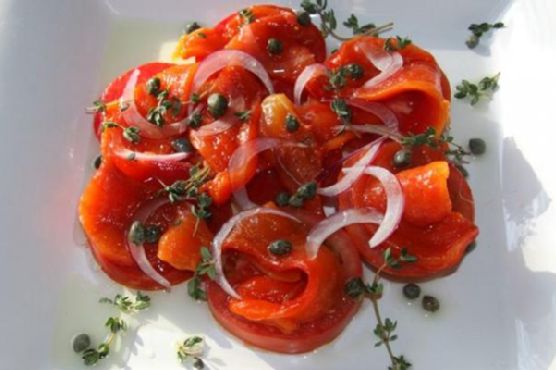
Roasted Red Peppers and Tomatoes Salad

Intro

There’s something magical about the aroma of roasted red peppers wafting through the kitchen. It instantly transports me back to summers spent at my grandmother’s house, where she would prepare the most delightful salads with freshly picked vegetables from her garden. The vibrant colors and rich flavors were a staple at family gatherings, and it’s a tradition I’ve lovingly carried on in my own home. This roasted red peppers and tomatoes salad is a true celebration of those cherished memories and a testament to the simple joys of wholesome cooking.

Why You’ll Love It

This salad is not just another side dish; it’s a symphony of flavors and textures that will captivate your senses. The sweetness of roasted red peppers pairs beautifully with the juicy tartness of ripe tomatoes. Add the mild sharpness of red onions and the briny pop of capers, and you’ve got a dish that’s as satisfying as it is refreshing. It’s a versatile recipe that works equally well as a light lunch, a side for grilled meats, or even a vibrant addition to a picnic spread. Not to mention, it’s incredibly easy to prepare, making it a perfect choice for both novice cooks and seasoned chefs.

Ingredients

  • 2 red bell peppers
  • 1 ripe tomato, thickly sliced
  • 1/2 red onion, thinly sliced
  • 2 tablespoons capers
  • 3 tablespoons olive oil
  • Coarse salt, to taste
  • Cracked black pepper, to taste
  • Fresh thyme, for garnish

Instructions

  1. Char the red bell peppers over a grill or gas flame, or on a cookie sheet under the broiler. Turn the peppers frequently as their skin blisters and chars on all sides.
  2. Transfer the charred peppers to a bowl and cover it to let them steam. This will make the skin easier to peel off.
  3. Once the peppers are cool to the touch, peel off the skin with your fingers, pull off the stems, then tear them open and remove and discard the seeds.
  4. Cut the peeled peppers into large pieces.
  5. Arrange the thickly sliced ripe tomato and large bell pepper pieces on a serving platter.
  6. Scatter the thinly sliced red onion and capers over the tomatoes and peppers.
  7. Drizzle the salad with olive oil and season to taste with coarse salt and cracked black pepper.
  8. Garnish with fresh thyme before serving.

Tips

To make peeling the peppers even easier, you can place them in a sealed plastic bag or a covered bowl after roasting. The trapped steam will help loosen the skin, making it more effortless to remove. Additionally, choosing ripe, firm tomatoes will ensure they hold their shape and add a burst of flavor to the salad.

Variations & Substitutions

Feel free to get creative with this salad. If you’re not a fan of capers, olives can be a great substitute, offering a similar briny kick. For a bit of creaminess, add slices of fresh mozzarella or sprinkle some crumbled feta over the top. Herbs like basil or parsley can replace thyme if you prefer a different aromatic note.

Storage

This salad is best enjoyed fresh, but if you have leftovers, store them in an airtight container in the refrigerator for up to two days. Keep in mind that the flavors will meld together over time, which can enhance the taste, but the texture of the tomatoes and peppers might become a bit softer.

FAQ

Can I use yellow or orange bell peppers instead?

Absolutely! Yellow or orange bell peppers can be used in place of red ones. They will add a slightly different sweetness and color to the salad, but the overall flavor will remain delicious.

Is this salad suitable for a vegan diet?

Yes, this salad is naturally vegan. It’s packed with plant-based goodness, and its vibrant ingredients make it a nutritious choice for anyone following a vegan lifestyle.

Nutrition

This salad is not only flavorful but also packed with nutrients. It’s rich in vitamins A and C from the bell peppers and tomatoes, while the olive oil provides healthy fats. It’s low in calories, making it a perfect choice for those looking to enjoy a healthy and satisfying meal.

Conclusion

This roasted red peppers and tomatoes salad is more than just a dish; it’s a nostalgic journey back to simpler times, where the focus was on fresh ingredients and bold flavors. Whether you’re hosting a family gathering or simply looking to enjoy a wholesome meal, this salad is sure to impress. It’s a tribute to the beauty of uncomplicated cooking and a reminder that the best recipes are often the ones passed down through generations. Enjoy this delightful salad and savor the moments it brings to your table.

Related update: Roasted red peppers and tomatoes salad

Related update: Green Beans with Garlic Chips

Related update: Easy Gluten Free Vegetarian Pasta Salad

Kale and Roasted Sweet Potato Soup with Chicken Sausage | Made by Meaghan Moineau

Kale and Roasted Sweet Potato Soup with Chicken Sausage

Intro

There’s something incredibly comforting about a warm bowl of soup on a chilly day. It reminds me of the afternoons spent in my grandmother’s kitchen, where the aroma of simmering vegetables and spices would fill the air, wrapping us in a cozy embrace. One of her favorites to make was a hearty soup with whatever vegetables were in season. Drawing inspiration from those cherished memories, I’ve crafted this Kale and Roasted Sweet Potato Soup with Chicken Sausage. It’s a dish that speaks to the soul and nourishes the body, perfect for family gatherings or a quiet evening at home.

Why You’ll Love It

This soup is a delightful blend of savory and sweet flavors, thanks to the roasted sweet potatoes and seasoned chicken sausage. It’s packed with nutritious kale and mushrooms, giving you a boost of vitamins and minerals. The spices add a subtle warmth, making each spoonful a delightful experience. Whether you’re looking for a quick weeknight meal or something special to share with guests, this soup is a versatile choice that’s both satisfying and comforting.

Ingredients

  • 2 large sweet potatoes, peeled and cubed
  • 1 yellow onion, diced
  • 1 bunch of kale, washed and chopped
  • 8 ounces mushrooms, sliced
  • 12 ounces chicken sausage, sliced
  • 4 cups chicken stock
  • 3 cloves garlic, minced
  • 1 teaspoon dried thyme
  • 1 teaspoon ground coriander
  • 1/2 teaspoon chili flakes (optional)
  • Sea salt, to taste
  • Black pepper, to taste
  • Olive oil

Instructions

  1. Preheat your oven to 400°F (200°C). Place the cubed sweet potatoes in a baking pan or dish. Season with sea salt and black pepper, then coat with olive oil. Bake for 20 to 25 minutes, until soft. Remove from oven and set aside.
  2. In a dutch oven over medium heat, warm some olive oil. Add the chicken sausage and cook until just browned.
  3. Add in the diced onion and sliced mushrooms. Cook for about 3 to 5 minutes, until softened.
  4. Stir in the minced garlic, dried thyme, ground coriander, a pinch of sea salt, and black pepper. Cook for about 1 minute, allowing the spices to become fragrant.
  5. Pour in the chicken stock and bring the mixture to a boil. Reduce the heat and let it simmer for about 5 to 10 minutes.
  6. Add in the roasted sweet potatoes and chopped kale. Push the kale down into the soup so it is submerged. Cook for about 3 to 5 minutes, until the kale is bright green and tender.
  7. Taste and adjust seasoning with more salt and pepper if needed. Serve hot and enjoy!

Tips

For the best flavor, choose high-quality chicken sausage and fresh kale. Be sure to season the sweet potatoes well before roasting to enhance their natural sweetness. If you prefer a thicker soup, you can mash some of the roasted sweet potatoes before adding them to the pot. Also, feel free to adjust the spice level by adding more or less chili flakes according to your preference.

Variations & Substitutions

If you’re looking to switch things up, try using turkey sausage or a plant-based sausage for a different protein option. You can also substitute spinach for kale if you prefer a milder green. For a more substantial meal, consider adding cooked quinoa or orzo to the soup. If you’re aiming for a vegetarian version, simply omit the sausage and use vegetable stock instead of chicken stock.

Storage

This soup stores beautifully and can be kept in an airtight container in the refrigerator for up to 3 days. For longer storage, freeze portions in airtight containers for up to 3 months. To reheat, simply thaw in the refrigerator overnight and warm on the stove over low heat.

FAQ

Can I make this soup ahead of time?

Absolutely! This soup is even more flavorful the next day as the ingredients have more time to meld together. Simply prepare it as per the instructions and store it in the refrigerator. Reheat gently on the stove before serving.

What can I serve with this soup?

This soup pairs wonderfully with crusty bread or a fresh green salad. For a heartier meal, consider serving it alongside a grilled cheese sandwich or a roasted vegetable platter.

Is this soup spicy?

The soup has a mild kick from the chili flakes, but it’s not overly spicy. You can adjust the spice level by varying the amount of chili flakes according to your taste preference.

Nutrition

This soup is a nutrient powerhouse packed with vitamins A and C from the sweet potatoes and kale. It’s also a good source of protein from the chicken sausage and provides fiber and antioxidants from the mushrooms. With its balanced blend of macronutrients and micronutrients, this soup is both nourishing and satisfying.

Conclusion

Warm, nourishing, and packed with flavor, this Kale and Roasted Sweet Potato Soup with Chicken Sausage is a bowl of comfort that’s perfect for any occasion. Whether you’re sharing it with loved ones or savoring a quiet moment alone, this soup is sure to bring a sense of warmth and satisfaction. Don’t forget to experiment with the variations and make it your own. Happy cooking!

Related update: Kale and Roasted Sweet Potato Soup with Chicken Sausage

Related update: Greek-Style Baked Fish: Fresh, Simple, and Delicious

Related update: Julia Child's Vichyssoise

Psilocybin Breakthrough: COMP360 Nears | Analysis by Brian Moineau

A potential first: COMP360 and the promise of a psilocybin medicine for severe depression

The headline landed with the particular mix of hope and caution that defines much of modern psychedelics reporting: Compass Pathways says its psilocybin candidate, COMP360, produced meaningful improvements for people with treatment‑resistant depression in two Phase 3 trials. If regulators agree, COMP360 could become the first approved psilocybin‑based medicine — and only the second psychedelic‑derived drug after Johnson & Johnson’s Spravato. That’s a big deal, but it’s also the start of another complicated conversation about efficacy, safety, access, and what “success” really means for people who have run out of options.

What matters most right now

  • Compass announced two positive Phase 3 readouts showing statistically significant improvements on the MADRS depression scale at Week 6. (statnews.com)
  • The trials show a rapid onset of effect (some patients reporting improvement by the day after dosing) and some durability through later follow‑up in at least one study arm. (ir.compasspathways.com)
  • Compass has requested an FDA meeting and intends to pursue a rolling NDA submission, targeting completion of the filing later in the year. (ir.compasspathways.com)

A little background that frames the excitement

  • Treatment‑resistant depression (TRD) generally means a patient hasn’t responded to two or more antidepressant treatments. TRD is common, debilitating, and costly — clinically and personally. Novel approaches that deliver rapid relief would be transformative.
  • COMP360 is a synthetic, proprietary formulation of psilocybin administered in a controlled, therapeutic context (dosing sessions plus psychological support). Compass has been running two parallel Phase 3 trials: COMP005 (single‑dose design) and COMP006 (two doses three weeks apart). (ir.compasspathways.com)
  • This program builds on prior Phase 2 work and growing evidence that classic psychedelics, paired with therapy, can produce meaningful changes in mood and cognition for some patients. But psychedelics aren’t a universal fix — and clinical trials face unique blinding and placebo challenges. (theguardian.com)

Reading the results with sensible optimism

What Compass reported is encouraging but not unequivocal. Here are the key technical points that shape how to interpret the news:

  • Statistically significant but modest mean differences: The primary endpoint in the most recent trial showed a mean MADRS difference of about -3.8 points (25 mg vs 1 mg) at Week 6 — statistically significant, and described by Compass as “clinically meaningful.” Context matters: group mean differences in depression trials can underestimate benefit for individual responders, but regulators weigh both average effect and responder/remission rates. (ir.compasspathways.com)
  • Rapid effects: Multiple reports emphasize a fast onset — some patients reporting improvement by the day after dosing — which is distinct from conventional antidepressants that typically take weeks. Rapid relief can be especially important in severe, suicidal, or highly incapacitating depression. (ir.compasspathways.com)
  • Durability and retreatment: Compass reported durability through Week 26 for many participants in COMP005 and suggested that a second dose helped some people who had not fully remitted by six weeks. Durability of benefit without frequent repeat dosing will be crucial for adoption and payer decisions. (ir.compasspathways.com)
  • Safety profile: Compass reports no unexpected safety findings and that adverse events were generally mild to moderate and transient. Still, the psychedelics space must remain alert to rare but serious psychiatric adverse events and to the challenges of scaling therapy‑intensive treatments safely. (ir.compasspathways.com)

How regulators and clinicians will look at this

  • Regulators want both robust statistical evidence and clinically meaningful benefits for patients. The FDA will review full datasets, not headlines — that includes remission and responder rates, subgroup analyses, safety signals, durability, and real‑world feasibility considerations. Compass has asked for a meeting and is planning a rolling NDA submission. (ir.compasspathways.com)
  • Clinicians and payers will ask: who benefits most? How durable is the effect? How many supervised sessions and trained therapists are required? What are the risks in real‑world settings? Answers to those questions will determine whether COMP360 becomes a narrowly used specialty treatment or a broadly accessible option. (statnews.com)

The access and implementation puzzle

Even if COMP360 wins approval, substantial obstacles remain before many patients benefit:

  • Delivery model: Psilocybin treatment, as tested, pairs drug administration with extended therapeutic support. That requires trained facilitators, clinic space, monitoring, and billing pathways — all of which add cost and complexity.
  • Workforce and training: There’s a practical shortage of clinicians trained to deliver psychedelic‑assisted therapy at scale. Building that workforce will take time, standardized curricula, and possibly new professional roles.
  • Cost and coverage: Payers will weigh the drug cost plus therapy sessions against clinical benefit and alternative treatments (including Spravato and standard antidepressants). Demonstrating durable remission and reduced overall health costs will strengthen the case for coverage.
  • Equity concerns: If early access remains primarily private or clinic‑based, underserved patients may be left behind, worsening disparities in mental‑health care. (washingtonpost.com)

Where COMP360 fits in the broader psychedelic landscape

  • COMP360 could be the first approved classic psilocybin medicine, which would be a regulatory milestone and likely accelerate investment and research across the field. But one approval doesn’t settle debates about indications, dosing strategies, or the therapeutic model. (statnews.com)
  • Other psychedelics (ketamine derivatives like Spravato, MDMA for PTSD, DMT trials) are advancing along parallel tracks. Each compound has a different pharmacology, therapeutic profile, and logistical footprint — meaning multiple psychedelic options could coexist, each suited to distinct patients and settings. (theguardian.com)

My take

This is a meaningful step. The consistency of two positive Phase 3 readouts moves COMP360 from hopeful experiment toward a plausible treatment option. The truly consequential questions now aren’t just whether regulators will approve COMP360, but who will be able to access it, how durable its benefits are in routine care, and whether health systems can deliver it safely and equitably. Hype is easy; the hard work is operationalizing evidence into care that reaches the people who need it most.

What to watch next

  • The FDA meeting and the timing/details of Compass’s NDA rolling submission. (ir.compasspathways.com)
  • Full trial publications or datasets showing remission and responder rates, subgroup analyses (e.g., by severity, comorbidity), and safety details beyond Week 6. (statnews.com)
  • Real‑world pilots and payer decisions that will reveal how accessible and sustainable psilocybin therapy can be outside trials.

Sources

Final note: these developments are unfolding quickly. The next weeks — regulatory meetings, full data disclosures, and peer‑reviewed publications — will be the best place to revisit whether COMP360’s promise holds up in the detailed numbers and in real‑world practice.