Xbox Identity Crisis: What Comes Next | Analysis by Brian Moineau

What even is an Xbox anymore?

A good marketing tagline sticks. A product that people can describe in one sentence — a phone, a pickup truck, a streaming service — is easier to love, defend, and buy. Lately, Xbox has been anything but tidy. After decades and billions of dollars spent on studios, subscriptions, and cloud dreams, the brand feels like an argument with itself: is Xbox a console, a subscription, a cloud service, or a Microsoft-shaped ecosystem stitched across everything? The Verge’s recent piece captures that unease perfectly — and the leadership shake-up at Microsoft’s gaming division only raises more questions about what comes next.

Why this matters now

  • Phil Spencer, the public face of Xbox for more than a decade, announced his retirement on February 23, 2026.
  • Microsoft promoted Asha Sharma, a senior AI and CoreAI executive, to lead Microsoft Gaming.
  • Xbox president Sarah Bond is leaving, and internal promotions (like Matt Booty becoming Chief Content Officer) aim to anchor creative output.
  • These moves come after huge, headline-grabbing acquisitions — Bethesda ($7.5B) and Activision Blizzard ($68.7B) — and heavy investment in Game Pass and cloud initiatives that have reshaped Xbox’s strategy and identity.

Taken together, those facts make this more than a CEO change: it’s a brand identity crisis at scale.

The messy legacy of “Game Pass first”

The last decade under Spencer is, in one word, transformative — in another, contradictory.

  • Microsoft pivoted from a hardware-first console identity toward subscription and cloud-first thinking. Game Pass became the north star: an all-you-can-play library meant to expand Xbox beyond living-room consoles.
  • To fuel that vision, Microsoft bought entire studios and publishers. The result: more content, but also unexpected costs, antitrust headaches, layoffs, canceled projects, and a dilution of the old “this is an Xbox” simplicity.
  • Game Pass growth has slowed. Public metrics have been sparse since the service reported 34 million subscribers in 2024, far from the 100 million-by-2030 target once floated. Meanwhile the economics of bundling day-one releases with a subscription have complicated traditional game-sales revenue streams.

That mix — massive content buys, aggressive subscription bets, and a partially cloud-driven future — left Xbox with incredible capabilities and an unclear pitch for players.

What Asha Sharma’s hiring signals

Asha Sharma comes from Microsoft’s CoreAI organization, not from decades inside game development. That has provoked two reactions:

  • Worry: gaming communities and some industry watchers fear the company will lean heavy on AI-driven efficiencies, monetization shortcuts, or product decisions steered by machine-first thinking rather than craft.
  • Hope: others see a fresh strategic lens. Xbox has been accused of losing its way; an executive experienced in large-scale platform shifts (AI, cloud) might be exactly the toolkit needed to reframe Xbox for a multi-device, multi-modal future.

In her early messaging, Sharma pledged a “return of Xbox” and explicitly rejected “soulless AI slop” in creative work. That’s encouraging as rhetoric, but it’s vague — and rhetoric doesn’t replace clear product direction.

The core problem: identity, not just organization

The leadership turnover highlights a deeper question: Xbox means different things to different audiences.

  • To some, Xbox has been a hardware brand — recognizable green console boxes, controllers, and platform exclusives.
  • To others, it’s Game Pass, a subscription that breaks games out from devices and into libraries across PC, cloud, and console.
  • To developers and studios, Xbox is a publisher, partner, or corporate owner whose incentives shape projects and pipeline decisions.

Those roles are compatible in theory, but Microsoft’s choices — bringing its biggest acquisitions to multiple platforms and making many first-party titles available everywhere — blurred the lines. The “This is an Xbox” campaign tried to redefine the brand as a state of play that lives on any screen. The risk: a diluted brand that has trouble inspiring fervent fans, convincing console buyers, or explaining what unique value Xbox contributes that competitors do not.

What to watch next

  • Clarity on exclusives: will Microsoft make recently acquired franchises truly exclusive, or continue a multiplatform approach that treats exclusivity as an afterthought?
  • Game Pass economics: will Microsoft change pricing, tier structure, or content windows to stabilize revenue vs. subscriber growth?
  • Hardware roadmap: Sharma’s memo referenced “starting with console” — watch for clear signals on next-gen hardware or Windows-integrated devices (e.g., handhelds, Xbox-branded PCs).
  • Studio autonomy and layoffs: after past closures and reorganizations, preserving creative teams and confidence will be essential to shipping compelling games.
  • How AI is used (and limited): concrete policies about creative AI — when it’s used, and when human-driven craft is protected — will matter for developer trust and public perception.

The reader’s cheat-sheet

  • This is not just a CEO swap. It’s a reframing of Microsoft’s bets on gaming at scale.
  • Past spending bought content and capability, not an automatic audience. Xbox’s identity problem is now a business problem.
  • The company’s next concrete moves — exclusivity, pricing, hardware, and studio support — will decide whether this is a course correction or more strategic drift.

My take

Microsoft’s bet on a cloud-and-subscription future was bold and inevitable in many ways — but bold doesn’t mean flawless. Building a new, platform-spanning definition of “Xbox” needed both product clarity and patient execution. What’s happened instead is a high-cost experiment with uneven returns and a brand that’s harder to explain to newcomers and die-hards alike.

Asha Sharma’s appointment is an honest admission that the playbook has to change. Whether that means returning to a strong, console-rooted identity, fully embracing an everywhere-play playbook, or inventing something genuinely new depends on the humility to learn from what didn’t work and the courage to pick a clearer direction. The next year will be decisive: rhetoric about “the return of Xbox” needs follow-through in product roadmaps, studio support, and messaging that players can actually understand.

Sources


Related update: We recently published an article that expands on this topic: read the latest post.


Related update: We recently published an article that expands on this topic: read the latest post.

HomeMade Hashbrowns with Spinach and Carrots | Made by Meaghan Moineau

Homemade Hashbrowns with Spinach and Carrots

Intro

There’s something incredibly comforting about a plate of crispy hashbrowns. They remind me of weekend breakfasts at my grandmother’s house, where the aroma of frying potatoes would gently wake us up. My grandmother had a knack for adding a little something extra to her hashbrowns, a touch of love that made them irresistible. Inspired by those mornings, I’ve crafted a recipe that not only hits the comfort spot but also packs a nutritious punch with the addition of fresh spinach and carrots. These Homemade Hashbrowns with Spinach and Carrots are a delightful twist on the classic, providing a burst of flavor and a boost of nutrients in every bite.

Why You’ll Love It

This recipe is perfect for those seeking a delicious, healthy meal that doesn’t compromise on taste. The combination of crispy potatoes with the fresh, earthy flavor of spinach and the subtle sweetness of carrots is truly magical. These hashbrowns are versatile and can be served as a hearty breakfast, a delicious side dish, or even a satisfying snack. They’re also vegetarian-friendly and can be easily adapted to suit a variety of dietary needs.

Ingredients

  • 2 large potatoes, grated
  • 1 cup fresh spinach leaves, finely chopped
  • 1 onion, finely chopped
  • 1 carrot, grated
  • 1/2 teaspoon red chili powder
  • 2 tablespoons cornflour
  • 1/2 teaspoon salt, plus more to taste
  • Oil for shallow frying

Instructions

  1. In a large bowl, combine grated potatoes, chopped spinach, chopped onion, and grated carrot.
  2. Add 1/2 teaspoon of salt to the mixture and mix well.
  3. Squeeze the vegetable mixture to remove all the excess moisture.
  4. Stir in the red chili powder and cornflour, mixing until well combined. Adjust salt by tasting the mixture.
  5. Form the mixture into small patties, ensuring they’re compact and hold together.
  6. Heat oil in a pan over medium-high heat for shallow frying.
  7. Gently place the patties in the hot pan, allowing them to brown on both sides for a few minutes.
  8. Lower the heat to medium and cook until the patties are cooked through and crispy.
  9. Remove from the pan and drain on paper towels before serving.

Tips

For the best results, make sure to thoroughly squeeze out any moisture from the vegetable mixture. This ensures your hashbrowns are crispy rather than soggy. Also, be patient while frying; allow each side to brown completely before flipping to achieve that perfect golden crust.

Variations & Substitutions

Feel free to experiment with other veggies such as zucchini or bell peppers for added flavor and nutrition. If you’re avoiding cornflour, you can substitute with all-purpose flour or rice flour. For a spicier kick, consider adding a pinch of cayenne pepper or some finely chopped jalapeños.

Storage

These hashbrowns can be stored in an airtight container in the refrigerator for up to 3 days. To reheat, simply place them in a hot oven or in a pan to restore their crispiness. They can also be frozen for up to a month; just make sure to thaw them thoroughly before reheating.

FAQ

Can I make these hashbrowns gluten-free?

Yes, you can easily make this recipe gluten-free by using a gluten-free flour alternative like rice flour or chickpea flour in place of cornflour.

How can I make these hashbrowns vegan?

This recipe is naturally vegan as it contains no animal products. Just be sure to use a vegetable-based oil for frying.

Can I bake these hashbrowns instead of frying?

Absolutely! To bake, preheat your oven to 400°F (200°C) and line a baking sheet with parchment paper. Arrange the patties on the sheet and bake for about 20-25 minutes, flipping halfway, until they are golden brown and crispy.

Nutrition

These hashbrowns are not only delicious but also nutritious, providing a healthy dose of vitamins and minerals from the spinach and carrots. They’re a great source of dietary fiber and contain a good balance of carbs and protein to fuel your day.

Conclusion

Homemade Hashbrowns with Spinach and Carrots are a versatile and delicious addition to any meal. Whether you serve them for breakfast, as a side dish, or a snack, they are sure to please. This recipe is a nod to the comforting meals of my childhood, with a modern twist that incorporates fresh, nutritious ingredients. I hope you enjoy making and sharing these hashbrowns as much as I do. Happy cooking!

Related update: HomeMade Hashbrowns with Spinach and Carrots

Crunchyroll Outage: Why Streams Fail Now | Analysis by Brian Moineau

When Crunchyroll Goes Dark: Why outages feel worse than ever — and what to do about them

It’s Sunday night. You settle in for the latest episode, hit Play — and the wheel of buffering becomes the main character. On February 22, 2026 thousands of Crunchyroll viewers across the U.S. and beyond reported exactly that: login errors, “server not responding,” lost premium status, and interrupted episodes. For anyone who treats anime streaming like a weekend ritual, a platform-wide hiccup turns into a collective grievance and a frantic scroll through X and Reddit for answers.

Below I unpack what happened, why a single outage ripples so widely today, quick fixes that actually help, and what streaming services should be doing differently to avoid repeat meltdowns.

Quick summary: what happened

  • On February 22, 2026 thousands of users reported Crunchyroll problems, including streaming failures, site/app errors, and login/ subscription glitches. Downdetector activity spiked and social channels filled with frustrated posts. (hindustantimes.com)

At a glance (key points to remember)

  • Outage signals were mostly connection and playback failures — not immediate reports of a data breach or account compromise. (hindustantimes.com)
  • The official Crunchyroll status page initially showed services “running,” even as user reports surged — a frequent source of friction when users can see a different reality than the company’s public dashboard. (hindustantimes.com)
  • Community troubleshooting (restarts, clearing cache, disabling extensions, test on other devices) often resolves or narrows the problem for individual users. Many reported success after these steps. (reddit.com)

Why outages like this feel so catastrophic now

  • Streaming is synchronous: millions expect to watch the same content on demand. When the service falters, that expectation turns into immediate, visible outrage on social platforms.
  • Complexity of modern stacks: streaming platforms rely on CDN providers, authentication services, DRM, app stores, and account-billing systems. A failure in any of these layers — or in how they communicate — can look like the whole service is down.
  • Status-page mismatch: when users see outages but the official status page shows “all clear,” trust erodes quickly. Transparency during incidents matters as much as the fix itself. (hindustantimes.com)

Practical steps if Crunchyroll (or any streaming app) stops working

Try these in order — they’re the fastest ways to get back to your show.

  • Check outage trackers and social channels first:
    • Downdetector and subreddit/X threads will tell you if the issue is widespread. If reports are spiking, it’s likely a platform-side problem. (hindustantimes.com)
  • Basic local troubleshooting:
    • Force-close and relaunch the app or browser.
    • Log out and sign back in.
    • Clear browser cache/cookies or app cache (settings → storage).
    • Reboot the device (TV, Roku, Fire TV, console, phone).
    • If watching on web, disable browser extensions (adblockers, Tampermonkey) — some users found extensions caused site failures. (reddit.com)
  • Network troubleshooting:
    • Switch from Wi‑Fi to a wired connection if possible.
    • Restart your router/modem.
    • Try a different network (mobile hotspot) to rule out ISP issues.
  • Lower the stream quality temporarily (auto → 720p or below) to reduce buffering.
  • Check account status:
    • If the app claims your subscription is gone, log in on the website and confirm billing/account settings before panicking. Some users reported temporary “not premium” messages during the outage. (hindustantimes.com)
  • If nothing works:
    • Monitor official Crunchyroll channels for updates and wait it out — many outages are resolved within hours.
    • Contact support with timestamps, error messages, and device details if the problem persists.

Why these outages keep happening (system-level view)

  • CDN or edge outages: a misconfiguration or provider incident can prevent video segments from reaching users.
  • Authentication/session issues: if the login or subscription verification layer struggles, users may be kicked out or shown incorrect subscription status.
  • App regressions or bad releases: an update to apps (mobile, smart TV) that contains a bug can trigger mass failures. Reddit reports of “an app update released then problems started” are common signals. (reddit.com)
  • Infrastructure scale: spikes in traffic or poorly handled retries can cascade into rate-limiting or API timeouts.

What platforms should do differently

  • Improve incident transparency:
    • Publish real-time telemetry (even coarse) and honest timelines on status pages. Users tolerate outages if they know what’s happening and when to expect a fix. (hindustantimes.com)
  • Harden authentication and subscription checks:
    • Cache short-lived subscription validations so temporary API hiccups don’t drop users to “non-premium” states.
  • Stronger canarying of updates:
    • Roll out client updates gradually and watch canary metrics closely to halt a bad release before it affects millions.
  • Multi-CDN strategy:
    • Distribute load across providers so a localized CDN failure doesn’t take the whole service offline.
  • Better tooling for customer-facing messages:
    • Provide contextual messages in-app (e.g., “We’re aware of playback errors in your region. Working on a fix.”) rather than generic errors.

My take

Outages are inevitable; the question is how you respond. For viewers, a few device-level tricks and the patience to check outage trackers usually get you back online. For platforms, reliability is an operational product — it needs the same energy and transparency that goes into securing content licenses and rolling out new features. When the status page says “all systems go” and the community feed says otherwise, trust is the real casualty.

If Crunchyroll — or any streaming service — wants to avoid turning every weekend drop into a PR headache, they should treat incidents as product features: observable, graded, and communicated. Until then, keep a backup episode list, a downloaded episode or two, and maybe a second streaming habit for those inevitable nights when the servers decide to take a break.

Sources


Related update: We recently published an article that expands on this topic: read the latest post.


Related update: We recently published an article that expands on this topic: read the latest post.

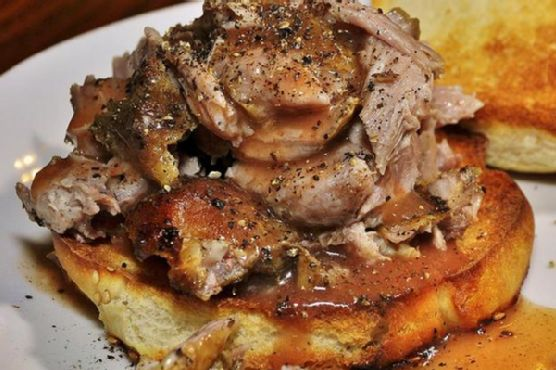
North Carolina-Style BBQ Pulled Pork | Made by Meaghan Moineau

North Carolina-Style BBQ Pulled Pork

Intro

Welcome to a delightful culinary journey to the heart of North Carolina with our authentic BBQ Pulled Pork recipe. I remember summer afternoons at my grandmother’s house, where the aroma of slow-cooked pork would waft through the air as we played outside. This dish was the centerpiece of our family gatherings, bringing everyone together with its rich flavors and tender texture. Now, I’m thrilled to share this cherished recipe with you, so you can create your own memories around the table.

Why You’ll Love It

This North Carolina-Style BBQ Pulled Pork is a true crowd-pleaser. It’s a perfect blend of tangy, savory, and sweet flavors, with a hint of smokiness that takes it over the top. Whether you’re hosting a backyard barbecue, a family dinner, or just craving something comforting, this dish is incredibly versatile and sure to satisfy. Plus, it’s easy to make, allowing you to enjoy the company of your loved ones while the oven does most of the work.

Ingredients

  • 8 cups apple cider vinegar
  • 1 boneless pork shoulder (about 5 pounds)
  • 1/4 cup dark firmly-packed brown sugar
  • 1/4 cup butter, melted
  • 1 tablespoon celery salt
  • 1 tablespoon dry mustard
  • 1 tablespoon garlic salt
  • 1 tablespoon black ground pepper
  • 1 cup ketchup
  • 1/4 cup light brown sugar
  • 2 tablespoons liquid hickory smoke
  • 1 tablespoon onion powder
  • 1 tablespoon crushed red pepper flakes
  • 2 tablespoons salt
  • 1 cup water

Instructions

  1. In a small bowl, mix together paprika, light brown sugar, celery salt, garlic salt, dry mustard, black pepper, onion powder, and salt.
  2. Season the entire pork roast with the spice mixture and cover it. Let it rest overnight in the refrigerator to absorb the flavors.
  3. Preheat your oven to 325°F (165°C).
  4. Place the seasoned pork roast in a large, disposable aluminum roasting pan.
  5. In a small bowl, combine the melted butter and liquid hickory smoke to create the basting marinade.
  6. Pour the basting marinade over the pork and cover the pan with aluminum foil.
  7. Cook the pork for approximately 4 1/2 hours or until the meat becomes tender enough to pull apart. Turn the pork every hour and baste it every 30 minutes. Alternatively, cook the pork over white hot coals, covered, for 3-3 1/2 hours, basting and turning frequently with the marinade.
  8. Transfer the pork roast to a cutting board and drain the excess juices from the pan.
  9. Slice the pork roast and pull apart the meat, trimming any fat. Place the shredded pork back into the roasting pan.
  10. Prepare the BBQ sauce by mixing together the cider vinegar, water, ketchup, dark brown sugar, salt, and red pepper flakes in a large bowl.
  11. Pour the BBQ sauce over the pulled pork, stirring to ensure all the meat is covered. Cover with aluminum foil.
  12. Place the pulled pork back into the oven (still at 325°F) or grill and cook for 1 1/2 hours, stirring the pork and sauce every 30 minutes.

Tips

For best results, make sure to let the pork marinate overnight. This allows the spices to penetrate deeply, enhancing the flavor of the meat. When pulling the pork, be patient and gentle to ensure it remains juicy and tender. If you’re cooking on a grill, maintain a consistent temperature to avoid overcooking.

Variations & Substitutions

Feel free to get creative with this recipe! You can substitute the pork shoulder with a pork butt if preferred. For a spicier kick, add more red pepper flakes or a dash of hot sauce to the BBQ sauce. If you don’t have apple cider vinegar on hand, white vinegar can be used as a substitute. For a smoky flavor without liquid smoke, try grilling the pork over wood chips.

Storage

Store any leftover pulled pork in an airtight container in the refrigerator for up to 4 days. It can also be frozen for up to 3 months. To reheat, gently warm it in the oven or on the stovetop, adding a splash of water or extra BBQ sauce to keep it moist.

FAQ

Can I make this recipe in a slow cooker?

Absolutely! To adapt this recipe for a slow cooker, follow the same steps for seasoning the pork and making the sauce. Place the seasoned pork in the slow cooker, pour the sauce over it, and cook on low for 8-10 hours or until the pork is tender and falls apart easily.

How do I know when the pork is fully cooked?

The pork is done when it reaches an internal temperature of 195°F to 205°F and easily pulls apart with a fork. If using a meat thermometer, insert it into the thickest part of the pork for an accurate reading.

What should I serve with BBQ pulled pork?

BBQ pulled pork pairs wonderfully with classic sides like coleslaw, cornbread, baked beans, or potato salad. For a lighter option, serve it with a fresh green salad or roasted vegetables.

Nutrition

This North Carolina-Style BBQ Pulled Pork is high in protein and provides a satisfying meal. Keep in mind that portion sizes and sides will affect the overall nutritional value. For specific dietary concerns, consider using leaner cuts of pork or modifying the sugar content in the sauce.

Conclusion

Our North Carolina-Style BBQ Pulled Pork is a must-try for anyone who loves a good barbecue. With its rich flavors and tender texture, it’s a dish that brings people together, creating lasting memories around the table. Whether you’re a seasoned cook or a beginner, this recipe is straightforward and rewarding. So gather your loved ones, fire up the oven or grill, and enjoy this delicious taste of North Carolina tradition.

Related update: North Carolina-Style BBQ Pulled Pork

Related update: Easy Pork Chops on Stuffing

Korean Sweet n Sour Chicken | Made by Meaghan Moineau

Korean Sweet n Sour Chicken

Intro

There’s something about the combination of sweet and sour flavors that transports me back to my childhood. I remember the first time I tasted this delightful Korean Sweet n Sour Chicken; it was during a family gathering. My grandmother, who was an exceptional cook, had prepared this dish with so much love. As the aroma filled the house, we all gathered around the table, our mouths watering in anticipation. That first bite was a revelation — the perfect balance of crispy chicken, tangy sauce, and fresh vegetables. Today, I am thrilled to share this cherished recipe with you, hoping it becomes a favorite in your home as well.

Why You’ll Love It

This Korean Sweet n Sour Chicken recipe is not only delicious but also easy to make. It’s a wonderful fusion of flavors that takes your taste buds on a delightful journey. The crispy chicken pairs perfectly with the sweet and tangy sauce, and the colorful vegetables add a burst of freshness and nutrition. Whether you’re cooking for your family or hosting a dinner party, this dish is sure to impress.

Ingredients

  • 2 boneless chicken breasts
  • 2 tablespoons soy sauce
  • 1 cup flour
  • 1/2 cup cornstarch
  • 1 egg, beaten
  • 1 cup water (divided)
  • Vegetable oil for frying
  • 1 onion
  • 1 cup carrot slices
  • 1 cup edamame
  • 1/2 cup cider vinegar
  • 1/2 cup pineapple juice
  • 3 tablespoons sugar
  • 1/4 cup mixed corn starch and water

Instructions

  1. Cut the chicken into thin strips, about 1 or 2-inch pieces. Add soy sauce to the chicken for a short marination; mix well and set aside.
  2. Cut the vegetables into large bite-sized pieces. Set aside until the sauce is ready and thickened.
  3. Make the batter by mixing the flour, cornstarch, water, and beaten egg. Add more flour until a thick consistency is reached.
  4. Dip the marinated chicken strips into the batter.
  5. Bring vegetable oil to medium-high heat. Deep fry each of the strips for about 3 to 4 minutes per batch or until browned and cooked through.
  6. When finished, place on a paper towel-lined dish to remove excess oil. For extra crispiness, optionally re-fry the chicken strips for a second time.
  7. To make the sauce, bring 1 cup of water, 3 tablespoons of vinegar, 3 tablespoons of sugar, and 2 tablespoons of soy sauce to a rapid boil in a saucepan.
  8. Add the mixture of cornstarch and water to the saucepan. Add desired vegetables and let simmer for about 5 minutes or until it thickens.
  9. On a large plate, add the fried chicken strips, then pour over the sauce/vegetable mixture and serve while warm.

Tips

  • For best results, ensure the oil is at the right temperature before frying. Too low, and the chicken will absorb too much oil; too high, and it will burn.
  • Feel free to adjust the sweetness or sourness of the sauce according to your taste preferences.
  • Use paper towels to drain excess oil from the fried chicken, ensuring it stays crispy.

Variations & Substitutions

If you’re looking to switch things up, here are some variations and substitutions you can try:

  • Protein Swap: Substitute chicken with tofu or shrimp for a different protein option.
  • Vegetable Variety: Add bell peppers, snow peas, or broccoli for additional flavor and nutrients.
  • Gluten-Free Option: Use a gluten-free flour blend instead of regular flour for a gluten-free version.

Storage

Store any leftovers in an airtight container in the refrigerator for up to 3 days. To reheat, place the chicken and sauce in a skillet and warm over low heat until heated through. Alternatively, use a microwave, but be mindful that the chicken may not remain as crispy.

FAQ

Can I prepare this dish in advance?

Yes, you can prepare the sauce and marinate the chicken in advance. Store them separately in the refrigerator for up to 24 hours. When you’re ready to serve, fry the chicken and heat the sauce with the vegetables.

Is there a way to make this dish healthier?

To make this dish healthier, consider air frying the chicken instead of deep frying to reduce oil content. You can also use brown rice flour for the batter and serve with a side of steamed brown rice for added fiber.

Nutrition

While specific nutritional values can vary, this dish provides a good source of protein from the chicken and edamame. The vegetables offer dietary fiber, and the sauce, when used in moderation, can fit into a balanced diet. If you have dietary concerns, consider adjusting the sugar and oil quantities.

Conclusion

There you have it, a delightful and nostalgic Korean Sweet n Sour Chicken recipe that is bound to become a staple in your kitchen. Whether you’re making it for a special family gathering or a casual weeknight dinner, this dish is sure to bring smiles and satisfy cravings. Enjoy the harmonious blend of flavors and the joy of sharing a meal with loved ones. Happy cooking!

Related update: Korean Sweet n Sour Chicken

Related update: North Carolina-Style BBQ Pulled Pork

BYU Role Players Steal Spotlight Against | Analysis by Brian Moineau

Don’t let the star steal the story: BYU’s unsung pieces that made the Iowa State upset possible

There are nights when a singular performance steals the headlines — and rightfully so. AJ Dybantsa’s near triple‑double (29 points, 10 rebounds, 9 assists) in BYU’s 79–69 upset of No. 6 Iowa State on February 21, 2026, was one of those nights. But if you watched the whole game, you saw something else: a supporting cast that stepped up in ways the box score and highlights don’t fully capture. That collective lift turned a brilliant individual night into a signature team win. (byucougars.com)

Why this win matters beyond the highlight reel

  • BYU earned its first Top‑10 victory of the season, a marquee result that improves resume and belief. (byucougars.com)
  • Iowa State came in hot — a top‑10 team with national expectations — meaning this wasn’t a fluke; it was earned. (espn.com)
  • The win came after BYU lost a key rotation player (Richie Saunders), so the responsibility shifted to others and they delivered. (991thesportsanimal.com)

The unsung contributions that swung the game

  1. Kennard Davis Jr.: The reliable secondary scorer

    • Davis scored 17 points and provided timely shooting and offensive rebounding that sustained BYU through Iowa State’s runs. His floor spacing and willingness to crash the glass helped maintain possessions that became crucial late. (byucougars.com)
  2. Mihailo Boskovic: Confidence when it mattered most

    • In his third career start, Boskovic delivered a career‑best 13 points — including a big corner 3 with 1:20 left that pushed the lead back to double digits. That’s the kind of shot a freshman forward remembers. (byucougars.com)
  3. Khadim Mboup and the rebound margin

    • BYU dominated the boards (39–28), translating defensive rebounds into transition chances and limiting second‑chance points for Iowa State. Mboup’s activity and the team’s collective effort on the glass were foundational. (vanquishthefoe.com)
  4. Defense and timely stops

    • BYU’s ability to get stops at key moments — including forcing contested possessions on Iowa State’s sharpshooters — created the transition opportunities Dybantsa capitalized on and kept momentum on the home side. Coach Kevin Young highlighted the defensive fight as pivotal. (heraldextra.com)

The narrative shift: from reliance to resilience

Before this game, many narratives framed BYU as “AJ plus helpers.” Saturday’s result showed the helpers are not merely interchangeable pieces; they are decisive contributors. When the Cyclones closed within three late, it wasn’t another Dybantsa hero ball that finished it — it was a sequence that involved drawing defenders, kicking to the open man, a Boskovic 3, and rebounding grit that preserved possessions. That kind of team basketball is what separates one‑off wins from program momentum. (heraldextra.com)

What this suggests for the rest of the season

  • Opponents can no longer schematically focus only on Dybantsa; BYU has shown credible secondary options who can punish over‑help and capitalize on attention. (byucougars.com)
  • Confidence gained from beating a top‑10 opponent at home is intangible but real — it can change how players attack late‑game situations and how coaches deploy lineups. (heraldextra.com)
  • If BYU continues to win the rebound battle and get contributions from its role players, they’re not just dark‑horse candidates — they’re dangerous. (vanquishthefoe.com)

Plays to watch (so you notice the helpers next time)

  • The offensive rebound that turned into a Dybantsa finish at 16:39 of the second half — an example of how extra possessions changed the scoreboard. (heraldextra.com)
  • The late kickout to Boskovic for the corner 3 at 1:20 left — not a highlight that would trend, but a finish that sealed the game. (heraldextra.com)
  • Team defensive rotations on Milan Momcilovic when he got into early foul trouble — the attention on stopping the Cyclones’ sharpshooters bought BYU transition looks. (heraldextra.com)

My take

This wasn’t just a night for AJ Dybantsa — it was a night BYU earned by committee. Stars create separation, but championships and résumé‑building wins are often assembled by the supporting cast: the rebounder who scrapes for seconds, the young starter who drills a corner triple, the wing that takes a contested charge or a late defensive stop. BYU’s victory over Iowa State was a reminder that basketball is a team sport in the deepest sense. Keep watching those quiet box‑score lines; they’re telling a bigger story.

Sources


Related update: We recently published an article that expands on this topic: read the latest post.