
Riot’s MMR Reset: What It Means for Climbs | Analysis by Brian Moineau

Why Riot is re-mapping MMR to rank — and why it matters for your climb

When Riot quietly tweaked the way hidden MMR maps to visible ranks, a lot of players felt it immediately: different LP swings, weirder promotion timing, and—if you’re in Iron or Diamond—maybe finally facing opponents who actually match what your rank should mean. Riot’s dev post on March 2, 2026 announced those changes and explained the reasoning: make ranked games feel fairer and more consistent across the entire ladder. This isn’t just technical housekeeping. It’s a nudge at how the whole competitive experience reads to players.

Below I unpack what they changed, why they changed it, who wins (and who doesn’t), and what to expect next for Ranked climbs.

What Riot changed (the short version)

  • Riot adjusted the MMR-to-rank distribution so that the mapping between hidden skill (MMR) and visible rank (Iron → Challenger) better reflects differences in demonstrated ability.
  • At the bottom of the ladder, Iron’s MMR band was shifted so more seasoned-but-struggling players move into Bronze, leaving Iron closer to a true “learning” tier.
  • At the top, the upper Diamond MMRs were pushed into Master’s range to reduce the enormous skill spread inside Diamond and make climbing through Diamond less painful.
  • These shifts widened Master’s MMR range and raised practical LP thresholds for Grandmaster and Challenger, which Riot says they’re monitoring and may adjust before next season.
  • Riot also flagged upcoming work on autofill, role parity, Apex tier duoing, and LP resolution for Master+ games.

(Source: Riot dev post, March 2, 2026.)

Why this matters for players

  • Match quality: Better alignment between MMR and rank should reduce the number of matches where one team contains players who are clearly over- or under-skilled for the division label on their profile.
  • Clarity of skill expectations: If you’re in Gold or Platinum, Riot’s goal is that players within the same rank should share a baseline of game knowledge and macro expectations—making games more predictable for learning and teaching.
  • More meaningful progression: Iron becomes a safer place for real beginners to play without being dominated by veterans who “belong” at higher visible ranks but have stayed in Iron due to LP quirks or alternating demotions/promotions.
  • Harder apex tiers (for now): Master, Grandmaster and Challenger players may see different LP dynamics while Riot balances population vs. MMR spread.

Who benefits and who might feel the friction

  • Beneficiaries

    • Newer players: Iron being more of a true learn-to-play tier can reduce stomps and help new players find teammates with similar fundamentals.
    • Skilled-but-stuck players: People who actually belong in Bronze/low Silver but were trapped in Iron could see more consistent matchmaking.
    • Climbers in Diamond: Narrowing the skill spread within Diamond should make promotions feel more linear and less grindy.
  • Players who may notice pushback

    • Some Master+ players: Wider MMR in Master made LP math shift for Grandmaster/Challenger; Riot is aware and monitoring LP consistency.
    • People used to exploit rank irregularities (smurfs, account sellers): Changes aim to reduce those edge cases, so some old tricks will be less effective.

The broader competitive design thinking

Riot’s changes are a window into how modern competitive systems balance two things that often pull in opposite directions:

  • Psychological progression: Visible ranks and promotions are motivating. Letting players feel upward movement keeps people engaged.
  • Statistical fairness: Matchmaking must pair players of similar demonstrated skill to make games meaningful and teachable.

Too much emphasis on visible progression without aligning the hidden MMR leads to mismatches, confusing LP swings, and a poorer learning environment. Riot’s mapping adjustment is an attempt to reset that balance: keep the motivational benefits of ranks while reducing the mismatch noise.

What to watch next (and practical takeaways)

  • Autofill and role parity tests (noted for 26.4/26.5 rollout) — these directly affect queue fairness and how long you wait to play your chosen role.
  • LP fixes for Master+ — if you play Apex tiers, expect changes aimed at stabilizing +/− LP outcomes.
  • Potential new tier below Iron — Riot hinted they might add a true-stepping-stone tier for fresh players if Iron still isn’t distinct enough.

Practical advice for climbers:

  • Focus on wins, not short-term LP swings. MMR moves your long-term trajectory even when visible LP looks weird.
  • Track average LP gain per win over multiple games—those numbers are the best signal of whether your MMR is above or below your visible rank.
  • If you’re a high-skill player stuck in a low visible rank, expect the system to pull you up faster now that Riot is re-mapping ranges.

A few implementation notes (for context nerds)

  • Riot didn’t change how MMR is calculated per game (it’s still primarily win/loss driven); they changed how that hidden number translates into the visible rank bands.
  • Expanding MMR ranges at the top or shifting bands at the bottom is a blunt tool—effective for population-level fixes, but it requires listening to player data after deployment (which Riot said they’re doing).
  • These changes are iterative. Expect small follow-up patches over the coming months as Riot checks queue times, LP distribution, and player experience signals.

My take

This feels like a long-overdue re-centering. Visible ranks are the social language of League—the badge you and your friends talk about. If that language stops meaningfully matching the players behind the badge, it erodes the ladder’s usefulness for learning and for measuring progress. Riot’s MMR-to-rank re-mapping aims to restore that trust: make ranks informative again, reduce weird LP variance, and give beginners a safer space to learn.

It won’t be perfect overnight—changes like this always create ripple effects—but Riot’s transparency about the goals and the planned follow-ups (autofill, LP fixes, Apex duoing) is a good sign. If you play ranked seriously, keep an eye on your LP per win trends and the Master+/Grandmaster LP behavior Riot said they’ll address.

Sources


Related update: We recently published an article that expands on this topic: read the latest post.


Related update: We recently published an article that expands on this topic: read the latest post.

San Francisco Cioppino | Made by Meaghan Moineau

San Francisco Cioppino

Intro

There’s something magical about a bowl of seafood stew that can transport you straight to the bustling shores of San Francisco. Cioppino, a classic Italian-American dish, is a hearty seafood stew known for its rich tomato base and an array of fresh seafood. My first encounter with this delightful dish was during a family trip to the Bay Area when I was a child. I vividly remember savoring each bite while the cool ocean breeze brushed against my skin. Today, I’m excited to share this cherished recipe with you, so you can bring a taste of the San Francisco coast into your home.

Why You’ll Love It

Cioppino is more than just a meal; it’s an experience. Here’s why you’ll love it:

  • Flavorful and Rich: The combination of fresh seafood and a tomato-based broth creates a symphony of flavors that dance on your palate.
  • Easy to Make: Despite its gourmet appearance, cioppino is surprisingly simple to prepare, making it perfect for both weeknight meals and special occasions.
  • Hearty and Nutritious: Packed with protein from a variety of seafood, this stew is both satisfying and nutritious.
  • Customizable: You can easily adjust the ingredients to suit your taste or whatever seafood you have on hand.

Ingredients

  • Fresh canned tomatoes
  • Clams
  • Dry white wine
  • Cooked freshly Dungeness crabs
  • White fresh fish
  • Fresh basil
  • Fresh parsley
  • Garlic
  • Black fresh ground pepper
  • Olive oil
  • Fresh oregano
  • Raw shrimp
  • Scallops
  • Tomato paste
  • Yellow onion

Instructions

  1. Remove the legs and claws from the crabs and break the body in half, reserving as much of the “crab butter” as possible (the yellow-colored center). Set crab pieces aside and force the crab butter through a sieve into a small bowl. Set aside.
  2. Place the clams in a pan, add 1 cup of wine, and steam, covered, over medium heat for 5 minutes or until clams open. Remove clams and discard any that do not open. Strain the stock through a cheesecloth and reserve.
  3. In an 8-quart saucepan, heat the oil. Add the onion and garlic and sauté over medium heat until soft, but not browned.
  4. Add tomatoes, tomato paste, and remaining 2 cups of wine, pepper, herbs, and clam stock. Partially cover and simmer for 20 minutes.
  5. Add the fish, scallops, shrimp, crab, and crab butter. Simmer for approximately 5 minutes or until all seafood is cooked; do not stir or the fish will break apart.
  6. Add the clams and heat for a scant 1 minute. Sprinkle with parsley and serve immediately from the pot.

Tips

Here are some tips to ensure your cioppino turns out perfectly:

  • Use Fresh Seafood: The freshness of the seafood significantly impacts the flavor of the dish. If possible, buy your seafood on the day you plan to make the cioppino.
  • Don’t Overcook the Seafood: Seafood cooks quickly, so be careful not to overcook it to prevent it from becoming tough.
  • Wine Selection: Choose a dry white wine that you enjoy drinking, as it will impart flavor to the stew.

Variations & Substitutions

Cioppino is a versatile dish that can be adapted to your preferences:

  • Seafood: Feel free to add mussels, squid, or lobster to the stew for a different seafood combination.
  • Wine: If you prefer, you can use a light red wine instead of white wine for a deeper flavor.
  • Herbs: Experiment with different herbs such as thyme or rosemary for a unique twist.

Storage

Leftover cioppino can be stored in an airtight container in the refrigerator for up to 2 days. Reheat gently on the stove over low heat, adding a splash of water or broth if needed to thin the stew. Freezing is not recommended as it can affect the texture of the seafood.

FAQ

Can I make cioppino ahead of time?

Yes, you can prepare the tomato base of the stew ahead of time and store it in the refrigerator for up to two days. Add the seafood just before serving to ensure it remains tender and fresh.

What should I serve with cioppino?

Cioppino is traditionally served with crusty bread, which is perfect for soaking up the flavorful broth. A simple green salad or steamed vegetables also complement the dish well.

Nutrition

Cioppino is a nutritious meal, high in protein and low in carbohydrates. The exact nutritional content will vary based on the specific seafood used, but this stew is an excellent source of omega-3 fatty acids, vitamins, and minerals.

Conclusion

Whether you’re reminiscing about a past visit to the San Francisco coast or simply looking to try something new, this cioppino recipe is sure to delight your senses. With its robust flavors and comforting warmth, it’s the perfect dish to share with family and friends. So gather your ingredients, don your apron, and embark on a culinary journey to the heart of San Francisco. Enjoy your homemade cioppino and the cherished memories it may inspire!

Related update: San Francisco Cioppino

Related update: Salmon In Banana Leaf

Horror Beats Mario: Switch 2 Matches | Analysis by Brian Moineau

When a horror blockbuster outsells a tennis game: why Resident Evil Requiem’s UK launch matters

The moment a survival-horror epic shakes up the UK retail charts and quietly outperforms a bright, family-friendly Mario tennis title is the sort of headline that makes you rethink platform dynamics. Resident Evil Requiem launched on 27 February 2026 and immediately grabbed the number one spot in the UK physical charts — and the details underneath that top line are the interesting part.

Quick snapshot

  • Resident Evil Requiem debuted at number 1 on the UK physical charts the week after its 27 February 2026 release.
  • Platform split for Requiem’s launch week: PS5 54%, PC 36%, Xbox 6%, Switch 2 4%.
  • Industry observers say Requiem’s first-week Switch 2 sales were “broadly the same” as Cyberpunk 2077: Ultimate Edition’s Switch 2 performance last year.
  • Requiem’s launch week physical sales outpaced both Resident Evil 4 (remake) and Resident Evil Village, and — notably for Nintendo watchers — did more in week one than Mario Tennis Fever. (nintendolife.com)

What the numbers are actually telling us

On paper, 4% for Switch 2 looks tiny — and it is small relative to PS5 and PC — but context matters:

  • Switch 2 is still early in its lifecycle and many third-party launches are leaning into game-key cards rather than full cartridges. That affects how some publishers and consumers approach physical copies.
  • Comparing Switch 2 numbers to past Switch/console launches is fraught: the install base, consumer expectations, and distribution choices (real cart vs key card) all change how physical sales look. Yet, the assertion that Requiem’s Switch 2 physical sales mirror Cyberpunk 2077’s Switch 2 week-one is notable because Cyberpunk’s Switch 2 release was an unexpectedly strong third-party showing. (gamesradar.com)

Why a mature, third‑person horror game beating Mario Tennis matters

  • Audience overlap and shelf space — Mario Tennis Fever targets families and casual players; Resident Evil targets an older, franchise-loyal crowd. For Requiem to outsell Mario Tennis in physical UK retail suggests strong core-fan purchases and collector interest (physical editions still matter to that audience).
  • Third-party momentum on Switch 2 — Cyberpunk 2077’s strong Switch 2 performance earlier set a benchmark for how third-party, big-budget Western games could find a market on Nintendo’s new handheld-console hybrid. Requiem showing similar Switch 2 physical traction implies the platform can still be a meaningful revenue source for non-Nintendo AAA titles — even if as a modest slice of the whole. (gamesradar.com)
  • Physical demand persists — Despite an industry tilt to digital, certain franchises drive physical purchases: collectors, special editions, and players who prefer ownership of a tangible product. Requiem’s performance — and the appearance of a “Generation Pack” (Switch 2 exclusive bundle) in the top 10 — highlights how packaging and exclusivity still move units. (nintendolife.com)

Platform strategy and physical formats

  • Game-key cards vs cartridges: Some publishers opt for game-key cards on Switch 2 to save costs and logistics; others release traditional cartridges. CD Projekt’s decision to use cartridges for Cyberpunk previously was singled out as a factor in its strong physical sales on Switch 2. Choices like that affect retail visibility and buyer preference. Requiem’s sales suggest that even with key cards being common, a strong brand will still push physical sales. (gamesradar.com)
  • The long tail matters: Requiem’s launch top spot is an initial snapshot. Sustained sales (and digital performance) will show whether this is a one-week peak or a longer franchise resurgence. Early Steam concurrent peaks and PC success also paint a fuller picture beyond physical UK charts. (gamesradar.com)

Notes for Nintendo and third‑party watchers

  • Don’t read 4% as failure — for Switch 2-specific strategy, small slices can still be profitable, and they often come with higher ancillary revenue (deluxe editions, merch, digital DLC).
  • Comparative benchmarks (like Cyberpunk 2077) matter because they show a precedent: big Western AA/AAA games can carve out a meaningful niche on Switch 2 if handled right.
  • Mario Tennis Fever’s drop behind a mature horror release is a reminder that launch hype doesn’t guarantee sustained retail dominance; competition and catalog dynamics quickly reshuffle the charts. (gamesasylum.com)

What to watch next

  • Week-to-week chart movement for Requiem and Mario Tennis Fever to see whether Requiem holds momentum or if Nintendo-first titles reassert themselves.
  • Digital storefront performance and worldwide sales reports (Capcom’s statements and Steam/PC metrics) for a fuller commercial picture.
  • Whether more publishers choose cartridges over key cards for future Switch 2 releases — decisions here will shape physical retail performance going forward. (gamesradar.com)

Final thoughts

A horror blockbuster topping the UK physical charts and outpacing a Nintendo-branded tennis game is a tidy reminder that the videogame market still loves surprises. It’s not just about platform loyalties; it’s about franchises that capture attention, smart release formats, and the persistent appetite for physical editions among certain buyers. Resident Evil Requiem’s launch week is a useful case study: big-name third-party games can still make an impact on Nintendo’s new hardware, even if they grab only a sliver of the platform split.

Sources

Baked Cinnamon Apple Wedges | Made by Meaghan Moineau

Baked Cinnamon Apple Wedges

Intro

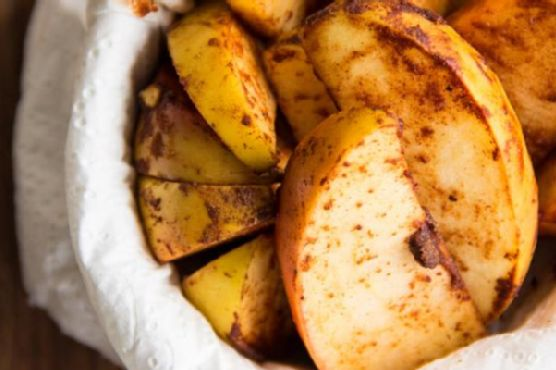
There’s something undeniably comforting about the aroma of apples and cinnamon filling your home, a scent that transports you back to cozy autumn days spent with family. I remember as a child, my grandmother would make a similar dish on chilly afternoons. Her kitchen would be a haven of warmth and sweet spices, and I’d eagerly await the moment the timer would ding, signaling it was time to enjoy the fruits of her labor. Those baking sessions with her were more than just cooking; they were cherished memories filled with love and laughter. Today, I’m thrilled to share a modern twist on her classic recipe: Baked Cinnamon Apple Wedges. This dish is simple yet full of flavor, a delightful treat for any occasion.

Why You’ll Love It

This recipe for Baked Cinnamon Apple Wedges is a delightful combination of simplicity and taste. Here’s why you’ll adore it:

  • Quick and Easy: With just four ingredients and minimal prep time, it’s perfect for those busy days when you crave something sweet yet uncomplicated.
  • Healthy Indulgence: Using natural sweeteners like maple syrup and the inherent goodness of apples, it’s a guilt-free treat.
  • Aromatic and Inviting: The scent of cinnamon and nutmeg baking in your oven creates a cozy and inviting atmosphere.
  • Versatile Snack: Whether enjoyed warm or cold, these wedges make a perfect snack, dessert, or even a breakfast side.

Ingredients

  • 1 apple, cut into about 10-12 wedges
  • 2 tablespoons maple syrup
  • 1 teaspoon ground cinnamon
  • 1/4 teaspoon ground nutmeg

Instructions

  1. Preheat your oven to 180 degrees Celsius (350 degrees Fahrenheit).
  2. Cut the apple into about 10-12 wedges. Make sure they are evenly sliced to ensure uniform cooking.
  3. In a mixing bowl, combine the apple wedges with maple syrup, cinnamon, and nutmeg. Toss until the apples are well-coated.
  4. Place the apple wedges in a small baking dish or on a baking tray, ensuring they are in a single layer for even baking.
  5. Bake in the preheated oven for 10 minutes.
  6. The apples should emerge golden brown and cooked through. Serve them warm for the best experience.

Tips

  • Choose the Right Apple: Opt for a firm apple variety like Honeycrisp or Granny Smith to maintain a pleasant texture after baking.
  • Even Slices: Try to slice the apple wedges as uniformly as possible to ensure they all cook at the same rate.
  • Adjust Sweetness: Feel free to adjust the amount of maple syrup to suit your taste preferences.

Variations & Substitutions

Feel free to experiment with this recipe to suit your preferences and dietary needs:

  • Spice Blend: Add a pinch of ground ginger or cloves for an extra spice kick.
  • Sweeteners: Honey or agave syrup can be used in place of maple syrup if you prefer.
  • Toppings: Consider adding a sprinkle of chopped nuts or a drizzle of caramel sauce for added texture and flavor.

Storage

If you manage to have any leftovers, store them in an airtight container in the refrigerator for up to three days. To enjoy them warm again, reheat in the oven at a low temperature or use a microwave for a quick fix.

FAQ

Can I use other types of fruit with this recipe?

Absolutely! This recipe is quite versatile. Pears work wonderfully as a substitute for apples, offering a slightly different flavor profile but maintaining the same warm, comforting essence.

Is it possible to make this recipe vegan?

This recipe is already vegan, thanks to the use of maple syrup as a sweetener. Just be sure to use pure maple syrup without any added ingredients that might not align with a vegan diet.

Can I prepare this in advance?

Yes, you can slice the apples and coat them with the syrup and spices a few hours in advance. Keep them refrigerated until you’re ready to bake. This makes it convenient for planning ahead, especially if you’re entertaining guests.

Nutrition

Each serving of Baked Cinnamon Apple Wedges (assuming one apple serves two) is approximately:

  • Calories: 95
  • Carbohydrates: 25g
  • Fiber: 3g
  • Sugars: 18g
  • Protein: 0.5g
  • Fat: 0.2g

These values may vary slightly depending on the size of the apple and the exact measurements used.

Conclusion

Baked Cinnamon Apple Wedges are a testament to the beauty of simple, wholesome ingredients coming together to create something truly special. Whether you’re reminiscing about family moments from the past or creating new ones, this dish is sure to become a cherished favorite. The ease of preparation and the delightful aroma make it a go-to recipe for any occasion. So next time you’re in the mood for a cozy treat, give these apple wedges a try, and let your kitchen be filled with warmth and joy.

Related update: Baked Cinnamon Apple Wedges

Related update: Healthy Mint Brownies

Spiced Apple Cider | Made by Meaghan Moineau

Spiced Apple Cider

Intro

As the leaves begin to turn and the air grows crisp, there’s nothing quite like the comforting warmth of a mug of spiced apple cider. I still remember the autumn afternoons spent at my grandmother’s house, where the scent of cinnamon and apples would fill the air. She would always have a pot simmering on the stove, ready to fill our mugs as we returned from playing in the fallen leaves. Those moments have stayed with me, and now, I find joy in recreating this cozy tradition for my family and friends. Let me share with you my take on this timeless beverage, perfect for any fall gathering or a quiet night in.

Why You’ll Love It

This spiced apple cider is a hug in a mug. It’s incredibly easy to make, filling your home with an inviting aroma that embodies the essence of fall. The combination of freshly pressed apple juice with warming spices like cinnamon, nutmeg, and allspice creates a rich and flavorful drink. Plus, it’s versatile—you can keep it family-friendly or add a splash of dark rum for a grown-up treat. Whether you’re serving it at a festive gathering or sipping it by the fire, this cider is sure to become a seasonal favorite.

Ingredients

  • 1 gallon freshly pressed apple juice
  • 1 tablespoon allspice
  • 4 cinnamon sticks
  • 2 inches fresh ginger, sliced
  • 1/4 cup maple syrup
  • 1/2 teaspoon ground nutmeg
  • 1 orange, sliced
  • 2 cups water

Instructions

  1. In a large non-reactive pot, combine all the ingredients: apple juice, allspice, cinnamon sticks, ginger, maple syrup, nutmeg, orange slices, and water. Stir to mix the spices thoroughly.
  2. Place the pot over medium-high heat and bring the mixture to a boil. Allow it to boil for about 5 minutes to help the flavors meld.
  3. Cover the pot with a lid, reduce the heat, and let it simmer for 30-40 minutes. This will allow the spices to infuse deeply into the cider.
  4. Line a colander with cheesecloth and carefully strain the cider to remove solids. This will leave you with a smooth, spiced liquid.
  5. Serve the cider warm. For an adult version, consider spiking it with a splash of dark rum.

Tips

To enhance the flavor of your cider, try to use freshly pressed apple juice if possible. This makes a significant difference in taste compared to store-bought versions. If you find the cider too sweet, adjust the maple syrup to your liking. Additionally, keep an eye on the simmering time; if you prefer a stronger spice flavor, allow it to simmer longer.

Variations & Substitutions

If you’re missing an ingredient or want to change things up, there are plenty of ways to adapt this recipe. You can substitute honey or brown sugar for the maple syrup if desired. For a citrusy twist, add a few lemon slices along with the orange. If you’re out of fresh ginger, ground ginger can work in a pinch, though fresh is always best for a more robust flavor. For a non-alcoholic zing, consider adding a splash of pomegranate juice before serving.

Storage

Store any leftover cider in an airtight container in the refrigerator for up to a week. To reheat, simply warm it on the stove over low heat, stirring occasionally. Avoid boiling it again to preserve the flavors.

FAQ

Can I make this cider in a slow cooker?

Absolutely! Combine all the ingredients in a slow cooker and cook on low for 4-6 hours. This method is great for keeping the cider warm for a party.

Can I use ground spices instead of whole?

Yes, you can substitute ground spices, but use them sparingly to avoid overpowering the cider. About 1 teaspoon of ground cinnamon and 1/4 teaspoon of ground allspice should suffice.

Is it possible to make this cider sugar-free?

Yes, you can omit the maple syrup if you prefer a sugar-free version. The natural sweetness of the apple juice should still provide plenty of flavor.

Nutrition

While the precise nutritional content can vary based on the specific ingredients used, a typical serving of spiced apple cider (without alcohol) contains approximately:

  • Calories: 120
  • Sugars: 24g
  • Vitamin C: 10% of Daily Value
  • Calcium: 2% of Daily Value

Conclusion

This spiced apple cider is more than just a drink; it’s an experience, a journey back to simpler times when the warmth of a kitchen and the love of family were all you needed to feel at home. Whether you’re serving it at a festive gathering or enjoying a quiet moment by yourself, this cider brings comfort and joy with every sip. I hope this recipe finds a cherished place in your fall traditions, just as it has in mine.

Related update: Spiced Apple Cider

Berkshire’s New CEO Labels Four Forever | Analysis by Brian Moineau

Why Berkshire’s new boss just named four “forever” stocks — and quietly shrugged at two others

When a company built by Warren Buffett hands the reins to Greg Abel, investors listen. In his first shareholder letter as Berkshire Hathaway’s CEO (published in early March 2026), Abel did more than salute the past — he clarified which holdings he views as “forever” and which ones didn’t make that inner circle. The choices are equal parts reassurance and subtle signal about what matters when stewardship changes but the mandate to preserve value doesn’t.

This matters because Berkshire’s portfolio is enormous, concentrated, and iconic. What the company says about its biggest positions matters for markets and for anyone trying to think long term about durable businesses.

What Abel called “forever” — and why it matters

Abel described four holdings as core, long-term positions Berkshire expects to own for decades:

  • Apple
  • American Express
  • Coca-Cola
  • Moody’s

Why those four? The common thread is clarity: strong brand moats, predictable cash flow, management teams Berkshire trusts, and business models that have shown resilience across cycles. Abel’s naming of these companies signals continuity with Buffett’s playbook: identify exceptional businesses, buy sizeable stakes at attractive prices, and hold through time.

A few quick context points:

  • These four companies make up a large portion of Berkshire’s equity portfolio — together they’re a center of gravity for the firm’s public-equity bets.
  • Apple in particular is massive for Berkshire by market value; Coke and AmEx are classic Buffett examples of consumer and financial moats; Moody’s offers a high-margin, durable niche in credit-rating services.

The two notable omissions

Two of Berkshire’s other very large holdings were notably absent from Abel’s “forever” roster:

  • Bank of America
  • Chevron

That doesn’t mean they’re being sold tomorrow. But omission is itself information. In Bank of America’s case, Berkshire has already trimmed its position significantly in recent quarters, and Buffett historically points to stakes he truly intends to “maintain indefinitely” — the omission hints at reduced conviction or simply a pragmatic reweighting. Chevron remains a huge position but is more exposed to commodity cycles and capital allocation debates than the four Abel singled out.

Why this distinction matters for investors

  • Signaling vs. action: Naming a stock as “forever” is not a trade order, but it is a governance signal. It tells shareholders what management views as reliable anchors of capital allocation.
  • Style clarity: The four “forever” names reinforce Buffett-era core principles — brands, margins, predictability — while the omitted names underscore that portfolio composition can shift even at a company famous for buy-and-hold.
  • Succession risk and continuity: Abel’s list reassures those worried that Berkshire might abandon Buffett’s temperament. It also highlights the open question of who will make day-to-day portfolio choices; Abel inherited stewardship responsibilities but doesn’t have the same public track record as Buffett.

How to think about “forever” stocks for your own portfolio

  • “Forever” for Berkshire ≠ forever for every investor. Berkshire’s stake sizes, tax position, and horizon are unique.
  • Look for durable cash flows and pricing power, not just nostalgia. Coca-Cola’s brand vs. Chevron’s commodity exposure illustrates the difference.
  • Be honest about concentration: Berkshire’s approach is concentrated bets. Most individual investors should balance conviction with diversification.
  • Reassess when the business changes, not when the stock price does. Holding forever means monitoring the business — management quality, competitive edge, and capital allocation — not checking charts daily.

A few concrete investor takeaways

  • If you admire Buffett-style investing, study why Apple, AmEx, Coke, and Moody’s fit that mold rather than simply copy the tickers.
  • Treat the omission of Bank of America and Chevron as a reminder that even blue-chip holdings can be downgraded in conviction.
  • For long-term investors, focus on business durability and management incentives; for traders, these signals may matter more for short-term flows than long-term fundamentals.

What this moment reveals about Berkshire itself

  • Continuity with adaptation: Abel’s letter emphasizes sticking to durable businesses while acknowledging an evolving portfolio and new capital-allocation dynamics.
  • Cash pile and patience: Berkshire still holds massive cash reserves — a tactical advantage if valuations wobble and buying opportunities appear.
  • Uncertainty in day-to-day management: With the portfolio’s traditional stewards reshuffled, the market is watching how Berkshire will source new big ideas and allocate capital at scale.

My take

Abel’s naming of four “forever” stocks reads like a careful bridge: it comforts investors who feared a wholesale departure from Buffett’s philosophy, while also hinting that practical decisions — trimming, adding, and pivoting — will continue. For most individual investors, the lesson isn’t to buy these exact names blindly; it’s to adopt Berkshire’s discipline: buy strong businesses with durable advantages and hold them until the story truly changes.

Sources


Related update: We recently published an article that expands on this topic: read the latest post.


Related update: We recently published an article that expands on this topic: read the latest post.