Moderna Settlement Clears Path for Growth | Analysis by Brian Moineau

A clean break for Moderna — and why investors cheered

It felt like a legal cloud that wouldn’t lift: years of headline-grabbing patent fights over the lipid nanoparticle (LNP) delivery systems that made mRNA COVID vaccines effective. On March 3–4, 2026 Moderna announced a settlement that resolves the high-profile litigation with Roivant/Genevant and Arbutus, and markets reacted quickly. Stocks jumped, balance-sheet math shifted, and a central question landed squarely on the table: does settling a legacy pandemic dispute free Moderna to focus on growth, or did the company just write a very large check for certainty?

Below I unpack the settlement, why traders liked it, and what long-term investors should consider next.

Fast summary you can scan

  • Deal headline: Moderna agreed to resolve global litigation with Genevant (Roivant subsidiary) and Arbutus for up to $2.25 billion, with $950 million payable upfront and up to $1.3 billion contingent on a separate appellate outcome. (globenewswire.com)
  • Market move: Moderna shares rose sharply on the news as the settlement removes a major legal overhang that had shadowed the company’s vaccine franchise. (wbur.org)
  • Structural win: The deal reportedly includes no future royalties for Moderna’s future vaccines, which investors saw as preserving long-term gross margins on the company’s infectious-disease portfolio. (bignewsnetwork.com)

Why the settlement mattered (beyond the headline number)

  • Legal overhangs are expensive even when you don’t pay them. For years the uncertainty around LNP patent claims added a risk premium to Moderna’s valuation. Removing that overhang makes future cash flows—and the odds of pipeline monetization—easier to model. (investing.com)
  • The structure is important: $950 million upfront (reported for Q3 2026 timing) and an additional contingent payment tied to an appeal. That means Moderna recognized a near-term charge while keeping a cap on potential future liability. Analysts quoted in coverage framed the payment as material but manageable relative to historical COVID-era revenues. (investing.com)
  • No ongoing royalties for future vaccine use is the strategic nugget. If accurate, Moderna buys freedom to use its platform across upcoming respiratory programs (COVID/flu combos, seasonal vaccines) without a royalty tax on each dose sold—valuable if those programs scale. (bignewsnetwork.com)

What the market priced in (and the immediate reaction)

  • Short-term: equity pop. Traders rewarded clarity; Moderna shares rallied after-hours and into the next session as the legal risk premium evaporated. Coverage noted moves of ~6–10% on the news. (wbur.org)
  • Mid-term: balance-sheet hit, but offset by clarity. Moderna expects to book a $950 million charge in Q1 2026 tied to the settlement; yet management forecasts year-end liquidity that still supports late-stage oncology and respiratory programs. Investors appear to prefer certainty and predictable cash needs over lingering legal risk. (barchart.com)

The investor dilemma: growth runway vs. legacy liabilities

  • Positive case:
    • Clears a multisided legal distraction so management can refocus on regulatory milestones (flu + COVID filings, other vaccine approvals) and clinical readouts. (investing.com)
    • No royalties on future vaccines preserves upside for profitable launches.
    • One-time charge is finite; it’s a controlled cost to eliminate open-ended litigation risk.
  • Cautionary case:
    • The headline figure is large. If contingent payments are triggered or additional litigation emerges (other LNP owners, or parallel suits), the total bill could rise.
    • Paying to end a dispute does not change execution risk on pipeline programs—regulatory setbacks, clinical failures, or slow uptake of new respiratory vaccines would still hurt valuation.
    • The settlement resolves one set of claims but doesn’t eliminate competition or broader IP fights (other players like Pfizer/BioNTech have had their own disputes). (statnews.com)

How different investor types might think about this

  • Short-term traders: the headline is a clean catalyst. The post-announcement rally reflects relief; momentum traders could ride the immediate volatility but should watch upcoming liquidity guidance and any analyst revisions.
  • Long-term investors: focus on the payoff—the settlement reduces a persistent tail risk. The more important drivers remain pipeline success, commercial uptake of future respiratory vaccines, and margin expansion without royalty burdens.
  • Risk-averse holders: analyze cash guidance and balance-sheet effects. Moderna indicated expected year-end liquidity projections that still fund development priorities even after the charge. Verify management’s updated guidance in the next reporting cycle. (barchart.com)

Big-picture takeaways for the biotech space

  • Patent wars over platform technologies (like LNPs) are costly—and their resolution reshapes competitive dynamics. When platform ownership is clarified, winners can invest in scale rather than legal defense.
  • Settlements can be strategically smart: paying to remove a multi-year uncertainty can unlock value that dwarfs the payment itself if it enables faster commercialization of high-margin products.
  • Investors should continue watching IP developments across the industry (including analogous suits involving other vaccine makers), since one settlement doesn’t reset the sector’s legal landscape. (statnews.com)

My take

Moderna’s settlement reads like a pragmatic corporate move: a meaningful but finite payment to replace open-ended legal risk with a cleaner runway for product development and commercialization. For long-term investors the key question is execution—can Moderna convert this clearer path into approved, widely adopted products (seasonal respiratory vaccines, oncology readouts, etc.) that justify the current valuation multiple? If the answer is yes, the settlement will look like a sensible insurance premium; if not, it will be an expensive but ultimately cosmetic fix.

Sources

(Note: this post was inspired by coverage of the Barron's business article headline and synthesized from non-paywalled reporting and the parties' press information cited above.)
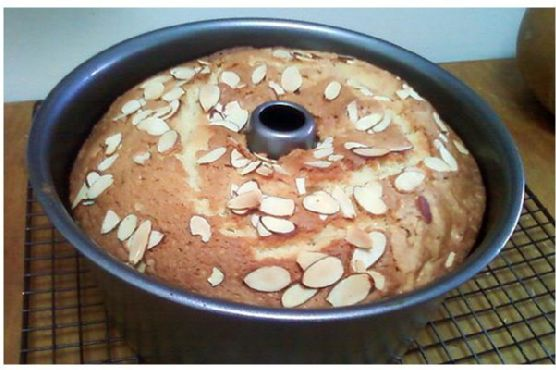

Buttermilk Pound Cake | Made by Meaghan Moineau

Buttermilk Pound Cake

Intro

There’s something timeless about a classic buttermilk pound cake. It takes me back to my grandmother’s cozy kitchen, where the aroma of fresh-baked cake would waft through the air, inviting everyone in the house to gather around the table. Her secret ingredient? Buttermilk, which added a tangy richness to the cake, making it irresistibly moist and flavorful. Today, I’m thrilled to share this cherished family recipe with you, hoping it brings as much joy to your home as it has to mine.

Why You’ll Love It

This buttermilk pound cake is a delightful combination of simplicity and elegance. The creamy texture and subtle hints of lemon zest and nutmeg make it a versatile dessert for any occasion. Whether you’re enjoying a slice with your morning coffee or serving it as a centerpiece at a dinner party, this cake is sure to impress. Plus, the recipe is straightforward enough for both seasoned bakers and novices alike. Let’s dive into why this cake will become a staple in your baking repertoire:

  • Rich Flavor: The combination of butter, vanilla, and buttermilk creates a deeply flavorful cake.
  • Perfect Texture: Achieves a moist, tender crumb that’s never dry or crumbly.
  • Easy to Make: Simple ingredients and step-by-step instructions ensure success every time.
  • Versatile: Serve it plain, with a dusting of powdered sugar, or topped with fresh berries.

Ingredients

  • 2 cups all-purpose flour
  • 1/2 teaspoon baking soda
  • 1/4 teaspoon salt
  • 1 cup unsalted butter, softened
  • 2 cups white sugar
  • 4 large eggs
  • 1 tablespoon lemon zest
  • 1/4 teaspoon ground nutmeg
  • 2 teaspoons vanilla extract
  • 1 cup buttermilk

Instructions

  1. Preheat your oven to 325°F (163°C). Butter one 9- or 10-inch tube pan. Line the bottom with parchment paper, and butter the bottom again. If desired, coat the sides with sugar for a sweet crust.
  2. In a medium bowl, sift together the flour, baking soda, and salt. Set aside.
  3. In a large mixing bowl, beat the softened butter and sugar together until creamy, about 5 minutes. This step is crucial for a light texture.
  4. Add the eggs one at a time, beating well after each addition. Ensure the mixture is smooth and fully combined.
  5. Stir in the lemon zest, nutmeg, and vanilla extract.
  6. Alternately add the flour mixture and buttermilk to the batter, starting and ending with the flour mixture. Mix well after each addition to ensure a smooth batter.
  7. Pour the batter into the prepared pan, smoothing the top with a spatula.
  8. Bake in the preheated oven for 60-70 minutes, or until a toothpick inserted into the center comes out clean.
  9. Allow the cake to cool in the pan for 15 minutes before transferring it to a wire rack to cool completely.
  10. Slice and serve as desired. Enjoy!

Tips

For the best results, ensure your ingredients are at room temperature before you begin. This helps create a smooth, even batter. Additionally, don’t rush the creaming process for the butter and sugar; this step is key to achieving a light and fluffy cake. Lastly, don’t overmix once you add the flour, as this can result in a dense cake.

Variations & Substitutions

This recipe is wonderfully versatile. If you prefer a more citrusy flavor, try adding the zest of an orange or lime. For a spiced version, increase the nutmeg or introduce a pinch of cinnamon. If you’re out of buttermilk, you can make a substitute by mixing 1 cup of milk with 1 tablespoon of lemon juice or white vinegar and letting it sit for 5 minutes. For a dairy-free option, use a plant-based butter and a buttermilk substitute made from non-dairy milk.

Storage

Store your buttermilk pound cake in an airtight container at room temperature for up to 3 days. If you wish to keep it longer, wrap it tightly in plastic wrap and aluminum foil, then freeze it for up to 3 months. Thaw at room temperature before serving.

FAQ

Can I use a different type of pan?

Yes, while a tube pan is traditional, you can also use a bundt pan. Ensure it’s well-greased and floured to prevent sticking, and adjust baking time if necessary.

Why did my cake turn out dense?

A dense cake can result from overmixing the batter after adding the flour or using cold ingredients. Ensure all ingredients are at room temperature, and mix just until combined.

Can I add frosting?

Absolutely! While delicious on its own, a simple glaze or cream cheese frosting can elevate this cake. For a lighter option, a dusting of powdered sugar works beautifully.

Nutrition

This cake is a rich and indulgent treat. Each slice (1/12 of the cake) is approximately 320 calories, with 16g of fat, 40g of carbohydrates, and 5g of protein. Please note these values are approximate and can vary based on specific ingredients used.

Conclusion

Our buttermilk pound cake is a testament to the magic of simple ingredients coming together to create something truly special. With its moist texture and delightful flavor, it’s a cake that speaks to the heart, evoking memories of cherished family gatherings and celebrations. Whether you’re baking it for a special occasion or just because, I hope this recipe brings warmth and joy to your kitchen. Happy baking!

Related update: Buttermilk Pound Cake

Louisville’s Nasty Bounce-Back Win | Analysis by Brian Moineau

Nasty and Necessary: Louisville Closes the Yum! with a Statement Win over Syracuse

Pat Kelsey used the word “nasty” like he’d found it in a drawer labeled “Things Louisville Has Been Missing” and decided to bring it back into fashion. The result: a 77-62 win over Syracuse in the Cardinals’ regular-season home finale that felt less like punctuation and more like a paragraph break — a clear reset before the chaos of conference tournament time.

The hook: why “nasty” matters

“Nasty” in basketball isn’t just physicality. It’s the scratch-and-claw mentality on defense, the willingness to finish through contact, the gritty plays that don’t show up in highlight reels but swing momentum. Kelsey’s one-word prescription felt like a conscious correction: Louisville hasn’t always been that team this season, but on Tuesday night they were. They defended, they rebounded, they shared the ball, and they protected the home floor when it mattered.

Quick context

  • Final score: Louisville 77, Syracuse 62.
  • Game: Final regular-season home game of the 2025–26 season at the KFC Yum! Center.
  • Why it mattered: After a stretch of uneven results, the Cards needed a confident finish at home heading into the postseason. The win also kept Louisville’s conference résumé intact and gave fans something to cheer about before tournament play.

(Reporting from WDRB and player/coach quotes published after the game provide the basis for this recap and perspective.) (wdrb.com)

What happened — a readable recap

  • Louisville set the tone early with aggressive defense and better execution on offense. Instead of letting Syracuse’s zone create confusion, the Cards attacked the seams, moved the ball, and got looks inside and out.
  • The first half featured strong rebounding and physicality from Louisville, allowing them to build a lead and dictate pace. Syracuse made runs, but Louisville’s toughness repeatedly answered.
  • Down the stretch the Cardinals mixed smart shot selection with assertive drives that forced Syracuse to clamp up, leading to easier baskets and free throws. The 15-point final margin reflected a game where Louisville owned the second half.

Standouts and storyline players

  • Guards who hit timely shots and attacked closeouts helped break Syracuse’s rhythm. Multiple box-score contributors stepped up when the team needed finishing and ball movement. (Postgame quotes and game notes highlighted McKneely’s contributions and other role players who provided lift.) (wlky.com)
  • Pat Kelsey’s coaching: beyond the “nasty” soundbite, the adjustments and motivational tone mattered. The team looked like one that bought into a single-game identity: play tougher than the opponent and the rest follows. (wdrb.com)

What this win tells us about Louisville

  • The Cards can still be a dangerous, physical team. When they commit to that identity they limit the kinds of runs that have cost them in recent weeks.
  • Depth and buy-in are real assets. This wasn’t just star scoring; it was a group performance in which role players help create winning margins.
  • Momentum is fragile — but this game gives Louisville something concrete to carry into the ACC tournament: a confidence-building home finish and a reminder of the style that wins low-possession, grind-it-out conference games.

Three takeaways for fans and bettors

  • Defense first matters: Louisville’s win underscores that when the Cards defend the paint and rebound, they’re difficult to beat.
  • “Nasty” is repeatable when coached: Kelsey’s message — and the team’s response — shows attitude can be a game plan, not just a phrase.
  • Depth wins late: look for bench contributors to be a decisive factor in tournament matchups where every extra possession counts.

My take

This felt like the kind of win that repairs confidence. The scoreline is tidy, but the more important metric is tone: Louisville reclaimed an edge. If the Cards can reproduce the defensive intensity and the willingness to finish through contact, they’ll be tough to handle in the weeks ahead. Keep an eye on how they sustain the “nasty” mentality under tournament pressure — that will tell us whether this was a momentary surge or the start of something steadier.

Sources

Croissants With Sesame Seeds (Kifli) | Made by Meaghan Moineau

Croissants With Sesame Seeds (Kifli): A Taste of Home

Intro

There’s something deeply satisfying about baking, a process that transforms humble ingredients into something truly special. For me, making croissants with sesame seeds—or kifli as my grandmother called them—evokes a nostalgic warmth that harks back to bustling family kitchens filled with chatter and the comforting aroma of freshly baked goods. I remember watching my grandmother skillfully roll the dough, her fingers working with practiced ease as she shared stories of her childhood. These croissants are not just a treat; they are a bridge to the past, a delightful experience to be shared with loved ones.

Why You’ll Love It

These croissants with sesame seeds are a delightful twist on a classic pastry. They are light, flaky, and topped with crunchy sesame seeds that add an extra layer of flavor. Whether you’re enjoying them fresh out of the oven with a cup of coffee or as a savory snack throughout the day, these kifli are sure to become a family favorite. Plus, the process of making them can be a rewarding experience, allowing you to slow down and enjoy the art of baking.

Ingredients

  • 1 cup lukewarm milk
  • 1 tablespoon dry active yeast
  • 2 tablespoons sugar
  • 6 cups flour, plus extra for kneading
  • 1 teaspoon baking powder
  • 1 teaspoon salt
  • 1/2 cup vegetable oil
  • 4 eggs, separated
  • 1/2 cup margarine
  • Sesame seeds for topping

Instructions

  1. In a large, deep mixing bowl, pour in the lukewarm milk. Stir in the sugar, 2 tablespoons of flour, and the yeast. Let it stand for ten minutes to allow the yeast to activate.
  2. Add in the baking powder, salt, vegetable oil, egg whites, and 6 cups of flour. Stir with a wooden spoon until the mixture is well incorporated. As the dough comes together, you may need to use your hands to ensure it is thoroughly mixed.
  3. Transfer the dough to a lightly floured surface and knead it for 10 minutes until smooth and elastic.
  4. Place the dough in a large bowl, cover it with a clean kitchen towel, and let it rise for one hour in a warm place.
  5. Preheat your oven to 375°F (190°C).
  6. After the dough has risen, return it to your working area and knead it again for another 5 minutes to remove any air bubbles.
  7. Form the dough into a log and cut it into 5 or 6 equal pieces. Keep the pieces you are not currently working with covered with a kitchen towel to prevent them from drying out.
  8. Take one piece of dough and roll it out to the size of a medium pizza. Use a knife to cut the rolled-out dough into 8 equal slices.
  9. Starting at the widest part of each slice, roll it towards the narrowest point to form croissants. Place them on a lightly greased baking sheet.
  10. In a small mixing bowl, whisk the egg yolks and brush each croissant with the egg yolk mixture. Sprinkle sesame seeds over the top of each croissant.
  11. Add 4 or 5 small pieces of margarine around the baking sheet for added flavor and moisture.
  12. Bake the croissants for 15 to 20 minutes, or until they are golden brown. Cover them with a kitchen towel while they cool to keep them soft.
  13. Serve immediately or store in an airtight container to maintain freshness.

Tips

For the best results, ensure that your ingredients are at room temperature before you start baking. This will help the dough rise more effectively. Additionally, be gentle when kneading to avoid overworking the dough, which can make the croissants tough. If you’re new to baking, don’t worry if your croissants aren’t perfect the first time; practice makes perfect!

Variations & Substitutions

If you’re looking to mix things up, consider adding a filling to your croissants before rolling them up. Cheese, chocolate, or a sweet jam can add a delightful surprise to each bite. For a dairy-free version, substitute the milk with almond or soy milk and use a vegan margarine. You can also experiment with different seeds or toppings, such as poppy seeds or coarse sea salt, for a unique flavor twist.

Storage

To keep your croissants fresh, store them in an airtight container at room temperature for up to two days. If you want to keep them longer, consider freezing them. Wrap each croissant in plastic wrap and place them in a freezer-safe bag. When you’re ready to enjoy them, simply reheat in the oven at 350°F (175°C) until warm and crispy.

FAQ

Can I make the dough ahead of time?

Yes, you can prepare the dough in advance. After kneading, cover the dough and refrigerate it overnight. Let it come to room temperature and rise before proceeding with the recipe.

What can I do if my dough doesn’t rise?

If your dough doesn’t rise, it could be due to inactive yeast. Make sure your yeast is fresh and that the milk is warm but not hot, as high temperatures can kill yeast. If the dough still doesn’t rise, you might need to start over with fresh yeast.

Can I use butter instead of margarine?

Absolutely! Butter can be used in place of margarine if you prefer. It will add a richer flavor to the croissants, which many people enjoy.

Nutrition

While these croissants are a treat, it’s helpful to know what you’re enjoying. Each croissant contains approximately 200 calories, depending on the size and any additional fillings or toppings added. They also provide a modest amount of protein and carbohydrates, making them a satisfying snack or breakfast option.

Conclusion

Baking croissants with sesame seeds is more than just making a delicious treat; it’s an opportunity to connect with tradition and savor the simple joys of life. Whether you’re sharing them with family, enjoying them alone as a peaceful moment of indulgence, or gifting them to friends, these kifli are sure to bring warmth and happiness. So, gather your ingredients, roll up your sleeves, and enjoy the delightful journey of baking these irresistible croissants.

Related update: Croissants With Sesame Seeds (Kifli)

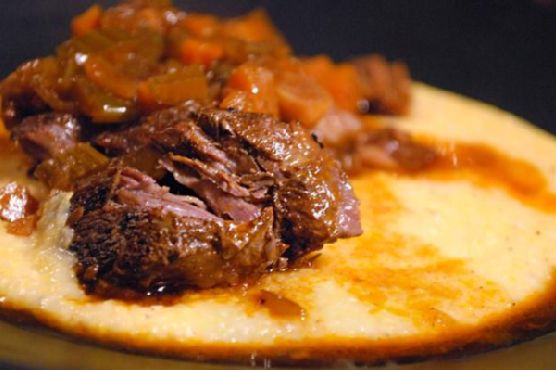
Beef Braised In Red Wine | Made by Meaghan Moineau

Beef Braised In Red Wine

Intro

There’s something magical about the aroma of a hearty stew simmering gently in the oven. It always takes me back to my grandmother’s kitchen, where the scent of herbs and red wine would fill the room, promising a meal that warmed the soul as much as it did the body. This Beef Braised in Red Wine recipe is my homage to those cherished days. The tender beef, the rich sauce, and the earthy vegetables create a symphony of flavors that feels both nostalgic and comforting. Join me as we explore this classic dish that is perfect for cozy family dinners or special occasions.

Why You’ll Love It

This dish is a celebration of deep, robust flavors that develop beautifully over a few hours of slow cooking. The beef becomes exceptionally tender, practically melting in your mouth, while the red wine sauce is rich and velvety, with hints of rosemary and thyme. Whether you’re a seasoned chef or a home cook looking to impress, this recipe is straightforward yet delivers restaurant-quality results. Plus, the delicious aroma while it cooks will make your home feel warm and welcoming.

Ingredients

  • Bacon
  • Boneless beef chuck roast
  • Carrot
  • Celery
  • Dry red full-bodied wine
  • Garlic cloves
  • Olive oil
  • Onion
  • Pepper
  • Rosemary
  • Salt
  • Thyme
  • Tomato paste
  • Water

Instructions

  1. Put the oven rack in the middle and preheat the oven to 325°F (163°C).
  2. Heat oil in a large Dutch oven until hot but not smoking.
  3. Meanwhile, pat the beef dry and season with salt and pepper.
  4. Brown the beef on both sides, about 10 minutes total. If the bottom of your pan starts to scorch, turn down the heat slightly.
  5. Remove the beef from the pan and let it rest on a plate.
  6. Add bacon to the pan and sauté until browned.
  7. Add the carrot, celery, and onion, cooking until they are softened and golden brown.
  8. Add garlic, thyme, and rosemary, sautéing for 1 minute.
  9. Add tomato paste, stirring in and cooking for 1 minute.
  10. Add wine, and boil until the liquid is reduced by half.
  11. Add water to the pan and bring to a simmer.
  12. Return the beef and any juices to the pan.
  13. Cover the pot with the lid and transfer to the oven.
  14. Cook for 2 1/2 to 3 hours, or until the beef is very tender.
  15. Remove beef from the pan and slice across the grain.
  16. Serve beef on top of potatoes or grits, topped with sauce from the pan.

Tips

For best results, choose a full-bodied red wine, like Cabernet Sauvignon or Merlot, which will enhance the flavor of the dish. Make sure to brown the beef properly to develop a deep flavor base. If you find the sauce too thin after cooking, you can reduce it further on the stovetop.

Variations & Substitutions

If you prefer, you can substitute the beef chuck roast with beef short ribs for a different texture. For a non-alcoholic version, replace the wine with a mixture of beef broth and a splash of balsamic vinegar. To add a touch of sweetness, consider adding a handful of dried fruit, like prunes or raisins, during the braising process.

Storage

This dish stores beautifully and tastes even better the next day. Keep leftovers in an airtight container in the refrigerator for up to 3 days. To reheat, gently warm on the stovetop or in the oven until heated through. You can also freeze the beef and sauce for up to 3 months; just ensure it’s fully cooled before transferring to freezer-safe containers.

FAQ

Can I make this dish in advance?

Absolutely! In fact, the flavors deepen and improve if made a day ahead. Simply prepare the dish, allow it to cool to room temperature, and store it in the refrigerator. Reheat gently before serving.

What side dishes pair well with beef braised in red wine?

This dish pairs wonderfully with creamy mashed potatoes, polenta, or crusty bread to soak up the rich sauce. Steamed green beans or a simple salad also make for a refreshing contrast.

Is it possible to use a slow cooker instead of an oven?

Yes, after browning the beef and sautéing the vegetables, transfer everything to a slow cooker. Cook on low for 6-8 hours or until the beef is tender. Adjust the sauce consistency as needed before serving.

Nutrition

This dish is rich and hearty, so a little goes a long way. While specific nutrition can vary based on portion sizes and specific ingredients used, beef braised in red wine is a good source of protein and iron. For those watching their intake, consider serving smaller portions with plenty of vegetables on the side.

Conclusion

Beef Braised in Red Wine is more than a meal; it’s an experience. The deep, complex flavors and tender beef create a dish that feels like a warm embrace on a chilly evening. Whether for a special occasion or simply to indulge in a comforting classic, this recipe is a keeper. I hope it brings as much joy to your table as it has to mine over the years. Enjoy every savory, satisfying bite!

Related update: Beef Braised In Red Wine

Why a Hormuz Blockade Won’t Last | Analysis by Brian Moineau

When the Strait of Hormuz Looms Large: Why a “Second Oil Shock” Feels Real — but May Not Last

The headlines are doing what headlines do best: grabbing your attention. Talk of a blockade of the Strait of Hormuz — the narrow sea lane through which a sizable chunk of the world’s oil flows — triggers instant images of spiking petrol prices, panic buying and a rerun of 1970s-style stagflation. The fear of a “second oil shock” is spreading fast, but a growing body of analysis suggests a prolonged shutdown is structurally unlikely. Below I unpack the why and the how: the immediate risks, the market mechanics, and the geopolitical limits that make an extended blockade a hard-to-sustain strategy.

Why this matters (the hook)

  • Roughly one-fifth of seaborne oil trade funnels past the Strait of Hormuz — so any threat to passage immediately rattles traders, insurers, and policymakers.
  • Energy markets react to risk, not just supply. Even the rumor of a blockade can push prices up and premiums higher.
  • But tangible market shifts, diplomatic levers, and hard logistics place real limits on how long such a chokehold could be maintained.

Pieces of the puzzle: what's pushing analysts toward pessimism about a long blockade

  • Regional self-harm. A full, lasting closure would blow back on Gulf exporters themselves — Saudi Arabia, the UAE, Qatar and Iraq would lose export revenue and face domestic strains. That creates strong deterrence among neighboring states against tolerating or enabling a prolonged shutdown.
  • Military and maritime reality. Iran has capabilities to harass shipping (fast boats, mines, missile strikes), but sustaining a durable, enforced blockade against allied and Western navies is a different proposition. Reopening a major chokepoint in the face of escorts, convoys or international interdiction is costly and risky.
  • Demand-side buffers and rerouting. Buyers, especially in Asia, can and do tap spare production, strategic reserves, and alternative shipping routes and pipelines (though capacity is limited and costly). Oil traders and refiners pre-position supplies when risk rises.
  • Geopolitics and diplomacy. Key buyers such as China and major powers have strong incentives to press for keeping the strait open or mitigating impacts quickly — which can produce fast diplomatic pressure and economic levers to de-escalate.
  • Market elasticity: the first few weeks of a shock generate the biggest headline price moves. After that, markets adjust — inventories, substitution, and demand responses blunt the worst-case scenarios unless the disruption is both broad and prolonged.

A quick timeline of likely market dynamics

  • Week 0–2: Volatility spike. Insurance premiums, freight rates and oil futures surge on risk premia and speculation.
  • Weeks 2–8: Substitution and release. Buyers tap strategic reserves, non-Hormuz export capacity rises where possible, alternative crude grades move through different routes, and some speculative premium fades.
  • After ~8–12 weeks: Structural limits show. If the strait remains closed without major allied inability to reopen it, the world would face real supply deficits and deeper price effects — but many analysts judge that political, military and economic counter-pressures make this scenario unlikely to persist.

Why Japan’s (and other analysts’) view that a prolonged blockade is unlikely makes sense

  • Diversified sourcing and large strategic reserves reduce vulnerability. Japan, South Korea and many European refiners have the logistical flexibility and stockpiles to withstand short-to-medium shocks while diplomatic pressure mounts.
  • China’s role is pivotal. As a top buyer, China benefits from keeping trade flowing. Analysts note Beijing’s leverage with Tehran and its exposure to higher energy costs — incentives that reduce the attractiveness of a sustained blockade for actors that seek to maximize their own long-term economic stability.
  • The cost-benefit for an aggressor is terrible. Any state attempting a long-term closure would suffer massive economic retaliation (sanctions, shipping interdiction, loss of export revenue) and risk full military retaliation — making a long-term blockade an unlikely rational policy.

What markets and businesses should watch now

  • Insurance & freight costs. Sharp rises signal market participants are pricing in heightened transit risk even if supply lines remain open.
  • Inventory and SPR movements. Large coordinated releases (or lack thereof) from strategic petroleum reserves are a strong signal of how seriously governments view the disruption.
  • Alternative-route throughput. Pipelines, east-of-Suez export capacity, and tanker loadings from Saudi/US/West Africa show how quickly supply can be rerouted — and where capacity is already maxed out.
  • Diplomatic climate. Rapid negotiations or public pressure from major buyers (especially China) and coalition naval movements are early indicators that a blockade will be contested and likely temporary.

Practical implications for readers (businesses, investors, consumers)

  • Short-term market turbulence is probable; plan for volatility rather than a long-term structural supply cutoff.
  • Energy-intensive firms should stress-test operations for weeks of elevated fuel and freight costs, not necessarily months of zero supply.
  • Investors should note that energy-price spikes can flow into inflation metrics and ripple through bond yields and equity sectors unevenly: energy stocks may rally while consumer-discretionary sectors weaken.
  • Consumers are most likely to feel higher pump and heating costs in the near term; prolonged shortages remain a lower-probability but higher-impact tail risk.

What could change the calculus

  • An escalation that disables international naval responses or damages a major exporter’s capacity (not just transit).
  • Coordinated action by regional powers that refrains from reopening routes or sanctioning the blockader.
  • A drastically different international response — for example, if major buyers refrain from diplomatic pressure or if maritime insurance markets seize up.

My take

Fear sells and markets price risk — and right now the headline risk is real. But looking beyond the initial price spikes and political theater, the structural incentives on all sides point toward the outcome analysts are describing: short-lived disruption that forces expensive, noisy adjustments rather than a sustained global energy cutoff. The real dangers are in complacency and under-preparedness: even a temporary closure can roil supply chains, push up inflation, and squeeze vulnerable economies. Treat this as a severe-but-short shock on the probability scale, and plan accordingly.

A few actionables for those watching closely

  • Track shipping and insurance rate indicators for real-time signals of market stress.
  • Monitor strategic reserve announcements from major consuming countries.
  • Businesses should scenario-plan for 30–90 day spikes in energy and freight costs.
  • Investors should weigh energy exposure against inflation-sensitive assets and keep horizon-specific hedges in mind.

Sources

Keywords: Strait of Hormuz, oil shock, blockade, energy markets, shipping insurance, strategic petroleum reserves, China, Japan, Gulf exporters.


Related update: We recently published an article that expands on this topic: read the latest post.