Tracking Trump: Tariff threats send stocks tumbling; fallout from the Trump-Zelensky meeting; and more – The Washington Post | Analysis by Brian Moineau

Tracking Trump: Tariff threats send stocks tumbling; fallout from the Trump-Zelensky meeting; and more - The Washington Post | Analysis by Brian Moineau

**Title: Navigating the Trump Effect: Markets, Meetings, and More**

Ah, the whirlwind world of politics and economics! Just when you think the waters are calming, a new ripple—or in this case, a wave—comes along, courtesy of President Donald Trump. In the first 100 days of Trump's presidency, the markets experienced a rollercoaster ride, largely thanks to his unpredictable policy announcements. For instance, recent tariff threats have left stocks tumbling, creating a ripple effect akin to dropping a boulder into a pond. But what exactly is happening here, and how does it connect to the broader world stage?

**The Tariff Tango**

Let's start with tariffs. Trump's aggressive stance on trade, particularly with China, has been a hallmark of his administration. By threatening tariffs, he aims to level the playing field for American businesses, but this approach often sends the stock market into a frenzy. Investors are left holding their breath, unsure of the next move in this high-stakes game of economic chess. The Dow Jones Industrial Average, for instance, often fluctuates wildly with each new announcement.

But Trump's approach isn't without precedent. Remember the Smoot-Hawley Tariff Act of 1930? It aimed to protect American businesses during the Great Depression but instead led to a trade war and worsened the economic downturn. History, it seems, has a way of echoing through the ages.

**Diplomatic Drama: The Trump-Zelensky Meeting**

In another episode of international intrigue, fallout from the Trump-Zelensky meeting has captured global attention. This meeting, which led to a controversial phone call, became a linchpin in the impeachment inquiry against Trump. The conversation allegedly involved Trump pressuring Ukrainian President Volodymyr Zelensky to investigate Joe Biden, a potential political rival.

The diplomatic dance here is reminiscent of the Cold War era, where every conversation had the potential to shift the geopolitical landscape. And while the world watched, it became clear that Trump's presidency was as much about the art of the deal as it was about the art of diplomacy—or lack thereof.

**Trump's Unconventional Approach**

Love him or loathe him, Trump's style is anything but conventional. His presidency has been marked by a break from tradition, whether it's engaging directly with world leaders via Twitter or hosting impromptu press conferences. This unpredictability keeps both supporters and critics on their toes, creating a political climate that's as invigorating as it is exhausting.

Outside of the specifics of tariffs and meetings, Trump's presidency aligns with a global trend of populist leaders rising to power. Figures like Jair Bolsonaro in Brazil and Boris Johnson in the UK reflect a broader shift in politics—a move towards leaders who position themselves as outsiders willing to shake up the status quo.

**Final Thoughts**

As we track the tremors of Trump's first 100 days, it's essential to recognize that we're witnessing a unique chapter in American history. The ripple effects of his policies and interactions are felt not only on Wall Street but across the globe. Whether this approach ultimately benefits or hinders the US and the world remains to be seen.

In the meantime, let's grab some popcorn and watch the show unfold. After all, in the world of Trump, the only certainty is uncertainty itself. And who knows? In this ever-evolving narrative, the next plot twist could be just around the corner.

Read more about AI in Business

Read more about Latest Sports Trends

Read more about Technology Innovations

SEC Dangles $50,000 Incentive for Employees to Resign or Retire – Bloomberg | Analysis by Brian Moineau

SEC Dangles $50,000 Incentive for Employees to Resign or Retire - Bloomberg | Analysis by Brian Moineau

**The SEC's $50,000 Goodbye: A Sign of Changing Times or Just a Generous Farewell?**

In a move that might seem more fitting for a reality TV show than a federal agency, the US Securities and Exchange Commission (SEC) is offering a $50,000 incentive for eligible employees to resign or retire by April 4th. This surprising offer, revealed in an email reviewed by Bloomberg, raises eyebrows and questions about what exactly is happening behind the SEC's doors.

**The SEC's Motivations:**

At first glance, this incentive might seem like a golden parachute for employees ready to take the leap into retirement or explore new opportunities. However, beneath the surface, there could be more strategic motives at play. The SEC, like many organizations, is navigating the challenges of a post-pandemic world, where remote work and digital transformation are the new norms. Encouraging voluntary departures could be a way to restructure and bring in fresh talent with new skills better suited for these times.

**A Broader Trend:**

The SEC’s incentive program is not an isolated event. Across various sectors, companies are rethinking their workforce strategies. For instance, during the pandemic, various tech giants offered voluntary buyouts as a way to adjust to the rapid changes in the business environment. In 2020, IBM offered its employees early retirement packages as part of a broader restructuring plan to focus on emerging technologies [1]. This trend reflects a broader shift towards agility and adaptability in the workforce.

**The Financial Sector's Evolution:**

Interestingly, the financial sector has been undergoing significant transformations, with an increased emphasis on technology and regulatory changes. The rise of fintech and blockchain technologies is reshaping how financial transactions are conducted and regulated. In this environment, the SEC might be looking to pivot its focus and resources to better align with these advancements.

**Global Connections:**

Looking beyond the US, similar workforce adjustments are happening globally. In Japan, companies like Toshiba have offered voluntary retirement packages as they restructure to compete on the global stage [2]. This global trend highlights the interconnectedness of today's business world, where strategies adopted in one part of the world can ripple across borders.

**Final Thoughts:**

The SEC's $50,000 incentive is more than just a generous farewell; it’s a reflection of the changing landscape in which organizations operate today. As the world continues to evolve, so too must the institutions that govern it. Whether this move will lead to a more agile and tech-savvy SEC remains to be seen, but one thing is certain: in the world of business, change is the only constant.

As we watch this development unfold, it's a reminder that the future of work is not just about where we work, but how organizations adapt to the ever-changing world around them. Whether you're an SEC employee considering this offer or simply an observer, it's an intriguing time to reflect on what lies ahead in your career or industry.

**References:**

1. IBM's Shift to Emerging Technologies: [Forbes Article](https://www.forbes.com/sites/patrickmoorhead/2020/10/08/ibm-announces-its-splitting-itself-in-two/?sh=1bdd3e9d5b8a)

2. Toshiba's Global Restructuring: [Nikkei Asia Article](https://asia.nikkei.com/Business/Companies/Toshiba-to-cut-7-000-jobs-sell-non-core-businesses-in-restructuring)

---

Note: The above links are illustrative and may not lead to the actual articles mentioned.

Read more about AI in Business

Read more about Latest Sports Trends

Read more about Technology Innovations

Mikal Bridges benched again in crunch time as his rocky Knicks season takes another turn – New York Post | Analysis by Brian Moineau

Mikal Bridges benched again in crunch time as his rocky Knicks season takes another turn - New York Post | Analysis by Brian Moineau

**Title: Mikal Bridges: A Sideline View on Leadership and Opportunity**

Ah, the New York Knicks—where the drama isn’t confined to Broadway stages but spills onto the hardwood of Madison Square Garden. The latest plot twist? Mikal Bridges, the highly-touted trade acquisition, found himself watching the Knicks’ comeback not from the court, but from the bench. It’s a scene almost as gripping as the Knicks' storied history of ups and downs, and it gives us plenty to chew on.

**Bench-Warming with Mikal: The Unexpected Twist**

Mikal Bridges, known for his defensive prowess and versatility on the floor, was expected to be a pivotal part of the Knicks' lineup. Yet, in a surprising move, he was benched during crunch time in a recent game. Fans were left scratching their heads while the Knicks miraculously mounted a comeback without their star acquisition actively contributing on the court.

This isn’t the first time a player of Bridges' caliber has faced such a situation. Remember James Harden's early years with the Oklahoma City Thunder? He was often benched during critical moments before flourishing into an MVP-caliber player. Sometimes, a stint on the bench can be a catalyst for growth, providing players with a different perspective.

**Bridges' Role in the Knicks' Bigger Picture**

While the sight of Bridges on the bench might be perplexing, it’s essential to view this move through the lens of team dynamics. The Knicks have been in a perpetual state of rebuilding, and integrating new players into a cohesive unit is no small feat. This benching might be less about Bridges' performance and more about experimenting with lineups to find the perfect chemistry.

In fact, Bridges' situation parallels broader themes in sports and beyond. In the tech world, for example, companies often bring in new talent and then adjust roles as they find the best fit within the team. It’s a process of adaptation and innovation, much like what the Knicks are navigating now.

**A Glance at Bridges’ Journey**

Originally drafted by the Philadelphia 76ers and quickly traded to the Phoenix Suns, Bridges honed his skills into those of a formidable defender and a reliable shooter. His journey is a testament to resilience and adaptability. Knicks fans eagerly anticipate how Bridges will leverage this experience to contribute even more significantly to the team when he’s on the court.

**Final Thoughts: The Bench as a Springboard**

While being benched might seem like a setback, it can also be an opportunity. For Mikal Bridges, this moment on the sidelines could be a launching pad for greater things. It offers a chance to observe, regroup, and prepare to seize future opportunities with even more vigor.

As the Knicks continue their season, all eyes will be on how Bridges responds. Will he rise to the occasion, bringing his signature intensity and skill back onto the court? If history is any guide, players like Bridges often come back stronger, proving that sometimes, the best vantage point is one that allows for reflection and growth.

In the end, basketball, much like life, is a game of adjustments. Here’s hoping Mikal Bridges turns this temporary benching into a defining chapter of his Knicks career. As the saying goes, the comeback is always stronger than the setback.

Read more about AI in Business

Read more about Latest Sports Trends

Read more about Technology Innovations

Google Sheets gets a Gemini-powered upgrade to analyze data faster and create visuals – TechCrunch | Analysis by Brian Moineau

Google Sheets gets a Gemini-powered upgrade to analyze data faster and create visuals - TechCrunch | Analysis by Brian Moineau

**Title: Google Sheets’ Gemini-Powered Upgrade: A New Era of Data Analysis and Visualization**

In the fast-paced world of technology, where data is the new gold, staying ahead of the curve is essential. Enter Google Sheets, now supercharged with a Gemini-powered upgrade, designed to revolutionize how we analyze data and visualize information. This latest enhancement leverages the magic of artificial intelligence to transform raw data into insightful charts and graphs quicker than ever before.

**AI and the Future of Data Analysis**

The integration of Gemini AI into Google Sheets is a testament to the growing importance of artificial intelligence in our daily workflows. With this upgrade, users can now harness the power of AI to sift through mountains of data, drawing connections and insights that might have been missed by the human eye. This not only speeds up the process of data analysis but also democratizes it, making it accessible to users who might not have a background in data science.

This move by Google is part of a broader trend in the tech industry, where giants like Microsoft and IBM are also incorporating AI into their productivity tools. For instance, Microsoft’s Power BI has been leveraging AI to provide users with deeper insights into their business data, while IBM’s Watson continues to push boundaries in data analytics across various industries.

**A Visual Revolution**

Turning data into visuals is not just about making spreadsheets look prettier; it’s about enhancing comprehension and decision-making. With the Gemini upgrade, Google Sheets can now automatically suggest the best ways to visualize data, whether it’s through bar charts, line graphs, or pie charts. This feature is particularly valuable in a world where decision-makers often don’t have the time to dive into raw data but need quick, digestible insights.

The importance of data visualization cannot be overstated. According to a study by MIT, human brains process visual information 60,000 times faster than text, underscoring why tools like Google Sheets’ new upgrade are vital for effective communication in business and beyond.

**Connections to the Broader World**

The implications of this upgrade extend beyond the realm of spreadsheets. As AI continues to evolve, its impact is being felt in various sectors. In healthcare, for instance, AI is being used to analyze patient data to predict outcomes and personalize treatment plans. In finance, algorithms are being used to detect fraud and manage risk. The common thread is clear: AI is reshaping how we understand and interact with data across the board.

This development also aligns with the increased focus on data literacy in education. Schools and universities are recognizing the importance of equipping students with the skills needed to navigate and interpret data effectively. Google Sheets’ new capabilities could serve as a valuable tool in the classroom, helping students visualize complex data sets and hone their analytical skills.

**Final Thoughts**

The Gemini-powered upgrade to Google Sheets represents a significant leap forward in the realm of data analysis and visualization. As we continue to generate and rely on vast amounts of data in our personal and professional lives, tools that enhance our ability to interpret and act on this information are invaluable.

In a world where data is omnipresent, the ability to quickly and effectively turn numbers into narratives is a game-changer. As Google Sheets continues to evolve, it’s exciting to imagine the future possibilities for AI-driven tools in transforming our interaction with data. Whether you're a data analyst, a business leader, or a student, this upgrade is sure to make waves in how we understand and utilize information in the digital age.

Read more about AI in Business

Read more about Latest Sports Trends

Read more about Technology Innovations

Economic Blackout: A day of protest across Western New York – WGRZ.com | Analysis by Brian Moineau

Economic Blackout: A day of protest across Western New York - WGRZ.com | Analysis by Brian Moineau

**Title: Economic Blackout: Power to the People, One Purchase at a Time**

In the heart of Western New York, a quiet yet powerful revolution is brewing. Dubbed "Economic Blackout," this one-day protest calls on citizens to pause their spending at major retailers, urging them instead to focus on essentials or patronize small, local businesses. It's a grassroots movement, born from the idea that every dollar is a vote for the kind of economy we want to build.

So why should you care about a protest in Western New York? Because it's a small part of a much larger global narrative. Across the world, consumers are waking up to the immense power they wield in their wallets. This isn't just about frugality; it's about rethinking capitalism itself.

### The Power of the Wallet

Economic Blackout is more than just a day of financial fasting; it's a statement. By choosing to limit spending at big-box retailers and instead support local businesses, participants are sending a clear message: community matters. This echoes the sentiments of similar movements like "Small Business Saturday," which encourages shopping at local retailers to boost the local economy.

It's a call to action that resonates with many, especially in the wake of the COVID-19 pandemic that saw small businesses struggling to survive. According to the U.S. Small Business Administration, small businesses account for 44% of U.S. economic activity. Yet, they often get outshined by the marketing prowess of retail giants. Economic Blackout aims to level the playing field, if only for a day.

### A Global Perspective

This local protest is reminiscent of broader movements around the world that focus on economic justice and sustainability. Take, for instance, the "Buy Nothing Day," which started in Canada in the early 1990s. It encourages people to abstain from spending for 24 hours to reflect on the effects of consumerism. Similarly, the "Fridays for Future" climate strikes led by Greta Thunberg highlight the environmental impact of unchecked consumption.

These movements share a common thread: the belief that individual actions can collectively lead to systemic change. The Economic Blackout is a microcosm of this idea, emphasizing that change begins at home—or in this case, in the aisles of your local grocery store.

### A Lighthearted Spin

While the concept of an Economic Blackout might sound serious, there's room for some humor and creativity. Imagine the conversations at dinner tables when families explain why they're having homemade pizza instead of delivery, or the newfound appreciation for the quirky items found in local mom-and-pop shops. It's an opportunity to reconnect with our communities and rediscover the charm of local flavors and products.

### Final Thoughts

The Economic Blackout in Western New York is more than just a protest; it's a reminder of the latent power we all possess as consumers. As we face global challenges like climate change and economic inequality, re-evaluating our spending habits can be a step toward a more equitable and sustainable world.

So the next time you reach for your wallet, remember: every purchase is a vote. Make it count. And if you're in Western New York, perhaps take a day to turn off the economic lights and illuminate the local businesses right in your backyard. After all, change often starts with something as simple as choosing where to shop.

Read more about AI in Business

Read more about Latest Sports Trends

Read more about Technology Innovations

Intel delays its Ohio chip factory to 2030 – TechCrunch | Analysis by Brian Moineau

Intel delays its Ohio chip factory to 2030 - TechCrunch | Analysis by Brian Moineau

### The Great Chip Delay: Intel's Ohio Plant Pushed to 2030

In the fast-paced world of technology, where speed is often equated with success, news of delays can feel like a major setback. That's exactly what's happening with Intel's ambitious plan to open its first chip fabrication plant in Ohio. According to a report in The Columbus Dispatch, the plant, which was initially expected to be up and running much sooner, now has its grand opening pushed back to 2030. What does this mean for the tech industry, and why should we care? Let's dive into this silicon saga.

#### The Silicon Heartland: Ohio's Chip Dream

Intel's decision to build a mega-fab in Ohio was a strategic move to bolster domestic semiconductor production. The plant is part of a broader $20 billion investment plan aimed at revitalizing the U.S. chip manufacturing industry, reducing reliance on Asian markets, and ultimately strengthening national security. The delay, however, casts a shadow over these ambitious goals.

But why Ohio, you may ask? The Buckeye State offers a favorable business climate, access to a skilled workforce, and proximity to major universities and research institutions. Ohio's economic development officials had high hopes that the plant would transform the state into a "Silicon Heartland," bringing jobs and boosting local economies. This delay, therefore, might feel like a rain check on that economic boom.

#### The Global Chip Shortage Connection

It's impossible to discuss Intel's delay without mentioning the ongoing global chip shortage. This crisis has disrupted industries worldwide, from automotive to consumer electronics. While Intel's Ohio plant was never a silver bullet for this issue, it was certainly a piece of the puzzle. The delay signifies not just a setback for Ohio but also a missed opportunity for the global supply chain to regain some balance.

The shortage has been driven by a perfect storm of factors, including pandemic-related disruptions, increased demand for electronics, and geopolitical tensions. Companies like TSMC and Samsung have been racing to expand their production capacities, but Intel's delay indicates that the solution is not a sprint but a marathon.

#### The Political Landscape

It's also worth noting the political undertones. The Biden administration has prioritized boosting domestic semiconductor production as part of its infrastructure and innovation agenda. The delay of Intel's plant could complicate these efforts, particularly as lawmakers push for more investment in U.S.-based chip production.

The CHIPS Act, a legislative proposal to provide incentives for semiconductor manufacturing in the U.S., has been in the works. Intel's Ohio plant was expected to benefit from such initiatives. This delay underscores the challenges of translating policy into practice and the long lead times required for such high-tech projects.

#### A Light at the End of the Tunnel?

So, what does this delay mean in the grand scheme of things? While it might seem like a setback, it's important to remember that the tech industry's innovation cycle is long and complex. Building a semiconductor fab is no small feat—it's a massive undertaking that requires precision, resources, and time.

In the meantime, Intel is not standing still. The company is investing in other projects and facilities to ensure it remains competitive. Additionally, the delay gives Ohio more time to prepare—investing in infrastructure, training programs, and partnerships with educational institutions to ensure that when the plant does open, it will be a resounding success.

#### Final Thoughts

Intel's delay in Ohio is a reminder that even the giants of the tech world face hurdles. It highlights the challenges of manufacturing in a global economy and underscores the importance of strategic planning and patience. While the wait may be longer than anticipated, the potential rewards—a robust domestic chip industry and a revitalized local economy—are worth it. In the world of technology, sometimes the best things really do come to those who wait.

Read more about AI in Business

Read more about Latest Sports Trends

Read more about Technology Innovations

Suns look resigned to fate in awful loss to shorthanded Pelicans – Arizona Sports | Analysis by Brian Moineau

Suns look resigned to fate in awful loss to shorthanded Pelicans - Arizona Sports | Analysis by Brian Moineau

**The Phoenix Suns and the Apathy Epidemic: A Cautionary Tale in Sports and Beyond**

Ah, the Phoenix Suns. A team that once soared to the heights of NBA glory, now seemingly resigned to wandering in a fog of indifference. In a recent disheartening loss to a shorthanded New Orleans Pelicans team, the Suns’ performance (or lack thereof) has sparked a conversation about the silent saboteur of success: apathy.

Apathy, like a pesky virus, has a way of creeping into teams and organizations, spreading its tendrils of lethargy and complacency until the vibrant energy that once fueled victory is all but extinguished. The Suns’ recent display on the court is a testament to this, as they appeared to shuffle through the game with the enthusiasm of a teenager dragged out of bed on a Saturday morning.

But let’s take a step back and look at the bigger picture. The Suns are not the first, nor will they be the last, to fall victim to this intangible malaise. In the world of sports, we’ve seen it time and time again. Remember the Los Angeles Lakers' drama-filled seasons post-Kobe Bryant? Or how about the New York Knicks’ seemingly endless cycle of rebuilding? Apathy can strike any team, at any time.

This isn’t just a sports phenomenon. In corporate settings, apathy can lead to stagnation, as noted in a Harvard Business Review article discussing how employee disengagement can drag down productivity. Similarly, in politics, voter apathy is a well-documented issue that can drastically alter election outcomes. The parallels are uncanny: when people stop caring, success becomes an elusive goal.

So, what’s causing this wave of indifference to crash over the Suns? Some might point to internal team dynamics, coaching strategies, or even the pressures of past successes. Monty Williams, the Suns’ head coach, has the unenviable task of reigniting the spark within his players. Known for his leadership and motivational skills, Williams has previously transformed the Suns into a formidable force, leading them to the NBA Finals in 2021. However, as any seasoned coach will tell you, sustaining that fire is often more challenging than igniting it.

In the broader context of 2023, we’re seeing a world grappling with its own forms of apathy. From climate change fatigue to the ongoing challenges of the COVID-19 pandemic, there’s a palpable sense of burnout. Just as the Suns must rally to overcome their on-court indifference, so too must we, as a global community, find ways to combat this pervasive sense of disengagement.

So, what’s the takeaway here? If there’s one thing we can learn from the Suns’ current plight, it’s the importance of resilience and the need for a renewed sense of purpose. Whether it’s a basketball team striving for victory or a world aiming for progress, shaking off the cloak of apathy is the first step toward achieving greatness.

In the end, the Suns’ story is a mirror reflecting a universal truth: success is not just about talent or strategy; it’s about heart, passion, and the relentless pursuit of excellence. Here’s hoping the Suns find their mojo soon—because as any fan will tell you, there’s nothing more thrilling than watching a team rise from the ashes to shine once more.

Read more about AI in Business

Read more about Latest Sports Trends

Read more about Technology Innovations

Nvidia Stock Rises Slightly After Tech Stumble. What Analysts Are Saying. – Barron’s | Analysis by Brian Moineau

Nvidia Stock Rises Slightly After Tech Stumble. What Analysts Are Saying. - Barron's | Analysis by Brian Moineau

**Nvidia's Stock: The Tiny Rise After the Tech Tumble - A Silver Lining or Just a Blip?**

In the fast-paced world of technology stocks, Nvidia once again finds itself in the spotlight. Recently, Nvidia's stock experienced a modest uptick following a broader stumble in the tech sector. This slight rise might seem insignificant at first glance, but in the grand tapestry of financial markets and technological advancements, every move is worth a closer look.

**The Rise Amidst the Fall**

The recent stumble in the tech sector, which saw giants like Apple and Microsoft grappling with market pressures, didn't spare Nvidia. However, the chipmaker's resilience, as evidenced by its slight stock rise, highlights the company's robust position in the industry. Analysts are keenly observing Nvidia, not only for its prowess in graphics processing units (GPUs) but also for its ventures into artificial intelligence (AI) and data centers — sectors that are currently the darlings of the tech world.

Nvidia's journey is reminiscent of the tech sector's ebbs and flows. The company has been at the forefront of technological innovation, consistently pushing boundaries. Just as the semiconductor industry is critical for technological advancement, Nvidia's role is pivotal, particularly as AI continues its march into mainstream applications.

**Drawing Parallels with Broader Trends**

This slight stock boost occurs during a time of intriguing happenings in the tech world. Consider the global semiconductor shortage, a crisis that has affected everything from automotive production to consumer electronics. Nvidia's adept navigation through these challenges underscores its strategic acumen.

Moreover, the AI narrative is expanding beyond Silicon Valley. Countries like China are investing heavily in AI technologies, and Nvidia is strategically positioned to capitalize on these global shifts. As AI becomes increasingly integrated into various sectors, from healthcare to finance, Nvidia's technological contributions are set to grow exponentially.

**A Glimpse Beyond the Numbers**

While stock performance is crucial, the human element behind Nvidia's success cannot be ignored. CEO Jensen Huang's visionary leadership has been instrumental in propelling Nvidia to new heights. Huang, known for his charismatic presentations and forward-thinking strategies, has cultivated a company culture that thrives on innovation and agility. His story is a testament to the power of leadership that combines technical expertise with strategic foresight.

**Final Thoughts**

In the grand scheme of things, Nvidia's slight stock rise might seem like just another blip on the financial radar. However, it serves as a reminder of the company's resilience and its pivotal role in the ever-evolving tech landscape. As Nvidia continues to innovate and adapt, it remains a beacon of potential for investors and tech enthusiasts alike.

As we watch the tech sector's ebbs and flows, Nvidia's journey offers valuable insights into the intersection of technology, leadership, and market dynamics. Whether you're a seasoned investor or a curious observer, Nvidia's story is one to watch — a testament to the power of innovation and strategic foresight in shaping the future of technology.

Read more about AI in Business
Read more about Latest Sports Trends

Read more about Technology Innovations

Amazon Web Services announces new quantum computing chip – About Amazon | Analysis by Brian Moineau

Amazon Web Services announces new quantum computing chip - About Amazon | Analysis by Brian Moineau

**Title: Quantum Leaps: Amazon's New Chip and the Future of Computing**

In the ever-evolving realm of technology, Amazon Web Services (AWS) has once again caught our attention with their announcement of a new quantum computing chip, affectionately named "Ocelot." This development is not just a testament to Amazon's relentless pursuit of innovation, but it also underscores the transformative potential of quantum computing in our modern world.

The Ocelot chip is part of AWS's broader strategy to harness quantum computing's capabilities to solve complex problems that are currently beyond the reach of classical computers. One of the most significant advancements the Ocelot chip brings to the table is its scalable architecture, which promises to reduce error correction by up to 90%. For those of us not knee-deep in quantum jargon, this essentially means that quantum computers can perform tasks more efficiently and with greater precision, bringing us closer to real-world applications.

Quantum computing is not just a buzzword; it's a seismic shift in how we process information. Traditional computers use bits as the smallest unit of data, which can be either a 0 or a 1. Quantum computers, on the other hand, use quantum bits or qubits, which can be both 0 and 1 simultaneously, thanks to the principles of quantum superposition. This allows quantum computers to process a vast amount of data at unprecedented speeds.

The journey to practical quantum computing is akin to a rollercoaster ride, filled with both exhilarating advancements and formidable challenges. Error correction, which Ocelot addresses, has long been a stumbling block. Quantum bits are notoriously delicate, prone to errors due to even the slightest environmental disturbances. The Ocelot chip's ability to drastically reduce these errors is a game-changer in making quantum computing more feasible for real-world applications.

Beyond Amazon's labs, the world of quantum computing is buzzing with activity. Google, IBM, and Microsoft are also racing to achieve quantum supremacy—the point where quantum computers can outperform classical computers in specific tasks. Google's Sycamore processor famously claimed this milestone in 2019 by solving a problem in 200 seconds that would have taken the fastest supercomputer 10,000 years. However, the debate about the practical significance of these achievements continues.

The potential applications of quantum computing are vast and varied. From revolutionizing cryptography and enhancing cybersecurity to optimizing logistics and advancing drug discovery, the implications are profound. For instance, pharmaceutical companies are particularly excited about the prospect of using quantum computers to simulate molecular interactions at a speed and accuracy unachievable today, potentially leading to breakthroughs in medicine.

Interestingly, the timing of Amazon's announcement coincides with a broader conversation about the future of artificial intelligence and machine learning. Quantum computing could play a pivotal role in advancing these fields by processing and analyzing data at a scale and speed that classical computers cannot match. Imagine AI models that learn and adapt instantaneously, or machine learning algorithms that can solve problems in real-time—quantum computing could make such scenarios a reality.

As we stand on the cusp of this quantum revolution, it's important to recognize both the potential and the limitations of this technology. While the Ocelot chip represents a significant step forward, the road to widespread quantum computing is still under construction. The collaboration between industry leaders, researchers, and governments will be crucial in overcoming the remaining hurdles and ensuring that the benefits of quantum computing are realized for the greater good.

In conclusion, Amazon's introduction of the Ocelot chip is a thrilling development in the world of quantum computing. As we continue to explore the possibilities, it's clear that the fusion of quantum technology with our existing digital landscape holds the promise of reshaping industries and redefining the limits of what we can achieve. So, whether you're a tech enthusiast or just someone who appreciates the marvels of modern science, the future looks undeniably exciting. Keep your eyes on the horizon—quantum leaps are on the way.

Read more about AI in Business

Read more about Latest Sports Trends

Read more about Technology Innovations

Rob Gronkowski shoots down report of NFL comeback: ‘No football’ in former Patriots star’s future – CBS Sports | Analysis by Brian Moineau

Rob Gronkowski shoots down report of NFL comeback: 'No football' in former Patriots star's future - CBS Sports | Analysis by Brian Moineau

**Title: Gronk's Grid-Iron Goodbye: Embracing Life Beyond the Field**

Rob Gronkowski, the larger-than-life former NFL superstar, has once again made it clear: the cleats are hung, and the football is officially off his radar. In a recent statement that might deflate any lingering hopes of his NFL return, Gronkowski shot down rumors of a comeback with a definitive "No football" proclamation. For fans who remember his electrifying plays with the New England Patriots and the Tampa Bay Buccaneers, it’s a bittersweet moment, but one that opens the door to exciting new chapters for Gronk.

Having last graced the NFL field in 2021, Gronkowski has been anything but idle. Known for his exuberant personality and infectious energy, Gronk has channeled his post-gridiron life into a myriad of ventures. From hosting TV shows to launching a line of fitness products, he’s proving that retirement doesn't mean retreat. It’s reminiscent of how Michael Jordan dove into baseball during his first retirement or how Shaquille O'Neal seamlessly transitioned into a successful career in entertainment and business after basketball.

Gronkowski's decision to stay away from football is a testament to the evolving nature of professional athletes' careers today. Many are opting to step away on their terms, prioritizing health and personal life, much like Andrew Luck’s surprise departure to focus on his well-being. This shift reflects a broader societal trend where work-life balance takes precedence, and mental health is given its due importance.

But let's circle back to Gronk. With his larger-than-life persona, he’s managed to remain in the public eye, often through humorous commercials and appearances that showcase his playful nature. His antics off the field have always been part of his charm, making him a favorite not only among sports fans but also in pop culture. Remember his memorable dance moves during the Patriots' Super Bowl victory parades? Or his stint on WWE, bringing his athleticism and charisma to the wrestling ring? Gronk seems to be everywhere, doing everything, except playing football.

Interestingly, Gronkowski's story aligns with the broader narrative of athletes who are redefining retirement. Just as Serena Williams announced her "evolution" away from tennis, focusing on ventures that inspire her beyond the sport, Gronk too is embracing his post-football identity. The trend is clear: retirement is no longer a full stop but rather a new beginning.

As we look to the future, Gronkowski’s journey offers a refreshing perspective on life beyond professional sports. It’s about finding joy and purpose in new endeavors while cherishing past achievements. For those of us who followed his career, it's a reminder that the end of one chapter is just the start of another.

In conclusion, while the football field may no longer echo with Gronk's laughter and prowess, his impact continues in diverse ways. Whether he's making us laugh in a commercial or inspiring us with his entrepreneurial spirit, Gronkowski is a testament to the idea that life after sports can be as thrilling as the game itself. So here’s to Gronk – may his post-NFL journey be as dynamic and entertaining as his time on the field. And who knows? Perhaps in true Gronk fashion, he’ll surprise us once again with his next big move.

Read more about AI in Business

Read more about Latest Sports Trends

Read more about Technology Innovations

Kirk Cousins To Remain Falcons’ QB2 – profootballrumors.com | Analysis by Brian Moineau

Kirk Cousins To Remain Falcons’ QB2 - profootballrumors.com | Analysis by Brian Moineau

**Kirk Cousins: The Unlikely QB2 and Atlanta's Bold Move**

In a world where sports headlines are dominated by superstar quarterbacks and flashy draft picks, the news that Kirk Cousins will remain the Atlanta Falcons' QB2 for the 2025 season is a refreshing twist. For those who might not be familiar, Cousins has built a reputation over the years as a reliable, if understated, presence on the field. Known for his consistency and work ethic, Cousins is one of those players who may not always steal the spotlight but certainly knows how to work a play.

The decision to keep Cousins as QB2 might raise some eyebrows, particularly among those who remember his days as a starter with the Minnesota Vikings. However, this move speaks volumes about the Falcons' strategy and their understanding of the value that a seasoned veteran can bring to the team. In an era where younger, flashier quarterbacks are often favored, the Falcons' decision is reminiscent of a classic tale of valuing wisdom and experience over youthful exuberance.

This choice also highlights a broader trend in the NFL, where teams are increasingly recognizing the importance of depth and mentorship. Having a seasoned backup quarterback like Cousins can be a game-changer, especially when the stakes are high, and a team's playoff hopes are on the line. His presence in the locker room and on the practice field can provide invaluable guidance to younger players, much like the legendary Charlie Batch did for Ben Roethlisberger during their time with the Pittsburgh Steelers.

But let's not just focus on the field; there's more to Kirk Cousins than meets the eye. Off the field, Cousins has been known for his charitable work and community involvement. He's a family man, often sharing heartwarming glimpses into his life with his wife, Julie, and their children. His grounded personality and leadership qualities make him a beloved figure not just among teammates, but also among fans.

In a broader context, the decision to retain Cousins adds an interesting layer to the evolving narrative of the 2025 NFL season. It aligns with a global trend of valuing experience, not just in sports but across various fields. Whether it's businesses leaning on seasoned leaders to guide them through volatile markets, or even film studios banking on veteran actors to bring depth to new projects, the value of experience is being celebrated like never before.

As the Falcons prepare for the upcoming season, with Cousins ready to step up when needed, one can't help but draw parallels to other domains where the old guard is proving that they've still got it. In a world that's constantly changing, sometimes the steady hand of experience is exactly what's needed to navigate the choppy waters.

In conclusion, while Kirk Cousins may not be the headline-grabbing quarterback of the moment, his continued presence on the Falcons' roster is a testament to the enduring value of experience and reliability. It's a strategic move by the Falcons, and one that could very well pay off in the long run. Whether you're a die-hard football fan or just someone who appreciates a good underdog story, Cousins' journey is a reminder that sometimes, the unsung heroes are the ones who make all the difference.

Read more about AI in Business

Read more about Latest Sports Trends

Read more about Technology Innovations

Starbucks is cutting some ‘less popular’ drinks from its menu. Here’s what will be removed next week – The Associated Press | Analysis by Brian Moineau

Starbucks is cutting some 'less popular' drinks from its menu. Here's what will be removed next week - The Associated Press | Analysis by Brian Moineau

**Goodbye to the Unpopular: Starbucks' Menu Makeover and What It Means for Us All**

In a world where the Pumpkin Spice Latte reigns supreme, Starbucks has decided to shake things up by bidding farewell to some of its "less popular" drinks. Next week, a selection of beverages, including certain blended Frappuccino options and the Royal English Breakfast Tea Latte, will be retired from the menu. While this might leave a few niche fans in mourning, the coffee giant’s decision is a fascinating reflection on consumer behavior and the ever-evolving landscape of the food and beverage industry.

**The Art of the Menu Prune**

Starbucks' decision to streamline its menu is not just about making room for new creations, but also about maximizing efficiency and profitability. This isn’t the first time Starbucks has trimmed the fat; in 2008, they famously pared down offerings to refocus on quality and service during the economic downturn. The current cuts likely reflect a similar strategic pivot, ensuring that resources are dedicated to high-demand items that keep their loyal customer base hooked.

This approach is not unique to Starbucks. Fast-food chains, like McDonald's, have also simplified their menus over recent years, opting to focus on core items that deliver the most value. It's a reminder that in the business world, sometimes less is more.

**A Sign of the Times**

The decision to cut certain beverages also mirrors broader trends in the food and beverage industry. In an era where consumer preferences are rapidly shifting towards health-conscious choices and customization, drinks that don’t quite fit the bill are the first to go. The rise of the "clean eating" movement, for example, has seen many consumers opt for simpler, healthier options, which could explain why some of the more indulgent Frappuccinos are being shown the door.

Moreover, the pandemic has accelerated the demand for personalized and convenient dining experiences. Starbucks, like many other companies, has to continuously adapt to these changes, ensuring they meet customer demands while remaining true to their brand.

**The Cultural Connection**

Starbucks’ menu changes are yet another reminder of how cultural trends influence our daily lives. Consider how the rise of digital nomadism and remote work has transformed coffee shops into impromptu offices. As people’s lifestyles evolve, so too must the businesses that serve them. Starbucks’ willingness to pivot and adapt is a testament to their understanding of cultural currents.

Interestingly, this move comes at a time when other sectors are witnessing similar shifts. The publishing industry, for example, is seeing a surge in demand for audiobooks and e-books, as readers seek content that fits seamlessly into their fast-paced lives. Just as with Starbucks, businesses everywhere are learning that adaptation is key to survival.

**Final Thoughts**

While some may lament the loss of their favorite under-the-radar Starbucks drink, this menu shake-up is a positive sign of a company willing to evolve with the times. By focusing on popular offerings and introducing new, innovative products, Starbucks is ensuring it remains a relevant and beloved brand in the hearts (and cups) of millions.

In the end, the coffee giant’s decision is a reminder that change is inevitable, but it also brings with it the opportunity for growth and innovation. As we bid farewell to these lesser-known beverages, we can look forward to what Starbucks and the wider food and beverage industry have in store for us next. Who knows? The next big thing might just be one sip away.

Read more about AI in Business

Read more about Latest Sports Trends

Read more about Technology Innovations

Unilever Ousts Chief and Elevates CFO in Surprise Move – Bloomberg | Analysis by Brian Moineau

Unilever Ousts Chief and Elevates CFO in Surprise Move - Bloomberg | Analysis by Brian Moineau

Title: Unilever's Leadership Shake-Up: A Lesson in Corporate Patience and Progress

In a surprising twist that even the most seasoned corporate analysts might not have seen coming, Unilever Plc has decided to part ways with its Chief Executive Officer, Hein Schumacher, after a tenure that lasted less than two years. This abrupt leadership change has sent ripples through the business world, sparking discussions about the ever-evolving demands of corporate leadership and the pace of restructuring in giant conglomerates.

Unilever, a household name known for its diverse portfolio—which includes beloved brands like Hellmann’s mayonnaise and Ben & Jerry’s ice cream—has been on a journey of transformation. However, it seems that Hein Schumacher’s vision and pace did not align with the board's expectations. In a move signaling urgency for change, the company has elevated its CFO, suggesting a shift towards a more financially driven strategy.

### The Hein Schumacher Chapter

Schumacher’s short-lived leadership at Unilever is a testament to the high stakes and swift decision-making that characterize the upper echelons of the corporate hierarchy. Coming from a robust background in the consumer goods sector, Schumacher was expected to usher in a new era of innovation and efficiency. However, his tenure highlights a critical lesson: even seasoned leaders with impressive track records can face challenges when aligning with the strategic tempo set by a board.

While we may not know the intricate details of the boardroom dynamics, Schumacher’s exit underscores the importance of adaptability in leadership roles. It's a reminder that success in such positions often hinges not only on implementing change but doing so at a pace that satisfies diverse stakeholders.

### Lessons from Other Industries

Unilever's situation isn't unique in the corporate world. The tech industry, for instance, offers parallel narratives. Consider the case of John Sculley, former CEO of Apple, whose leadership was marked by both innovation and controversy, leading to his eventual departure. Much like Schumacher, Sculley faced the challenge of balancing visionary change with the expectations of a deeply invested board.

Similarly, in the world of sports, coaches and managers often face swift exits when their vision doesn’t translate into victories. The recent sacking of Chelsea FC's manager after a string of disappointing performances is a case in point. These scenarios across industries reveal a common theme: the delicate balance between long-term strategy and short-term results.

### The Road Ahead for Unilever

With the CFO stepping into a more prominent role, Unilever seems poised to focus on financial stability and possibly a more conservative restructuring approach. This change could mean a sharpening of focus on core brands, streamlining operations, and enhancing shareholder value. The board's decision reflects a growing trend in corporate governance where financial acumen is increasingly valued in top leadership positions.

### Final Thoughts

As Unilever navigates this transition, it serves as a reminder of the age-old adage that change is the only constant. For stakeholders, it's crucial to recognize that leadership changes, while often unsettling, can pave the way for fresh perspectives and renewed vigor in business strategy.

In the broader business landscape, this episode at Unilever is a cue for leaders across sectors to continually assess their approach, ensuring alignment with both market demands and internal expectations. Ultimately, whether in consumer goods, technology, or sports, the ability to adapt and thrive amidst change remains a timeless requisite for success.

So, as we watch Unilever's next chapter unfold, let's keep an eye on how this strategic pivot plays out—because in the business world, the only thing more certain than change is the intrigue it brings along.

Read more about AI in Business

Read more about Latest Sports Trends

Read more about Technology Innovations

Surprise! Balatro has shadow dropped on Game Pass – Eurogamer | Analysis by Brian Moineau

Surprise! Balatro has shadow dropped on Game Pass - Eurogamer | Analysis by Brian Moineau

**Surprise Drop! Balatro Joins Xbox Game Pass**

In today's era of instant gratification and surprise releases, the gaming world just got a delightful jolt with the shadow drop of "Balatro" on Xbox Game Pass. This card-based roguelike from the innovative minds at Local Thunk has been quietly building a reputation among gaming enthusiasts, and now it’s poised to reach an even wider audience thanks to its sudden availability on this popular gaming subscription service.

For those unfamiliar, Balatro is a game that combines the strategic depth of deck-building with the unpredictable fun of roguelike elements. It's one of those games where every playthrough feels fresh, and your strategic choices can lead to wildly different outcomes. This is a big part of why it's been so well-received by the gaming community, and it's easy to see why Xbox would want it on Game Pass.

The surprise drop of Balatro echoes recent trends in the entertainment industry where stealth releases have become a powerful marketing tool. Beyoncé's surprise album drop in 2013 is often cited as a game-changer in the music industry, and it seems this trend has made its way into the gaming world. The element of surprise creates buzz and excitement, drawing in an audience eager to experience something fresh and unexpected.

Moreover, the addition of Balatro to Xbox Game Pass highlights the broader strategy of subscription services in the gaming industry. Much like Netflix transformed how we consume movies and TV shows, Xbox Game Pass is shifting the paradigm for video games, offering players a buffet of titles for a monthly fee. This model not only provides gamers with incredible value but also gives indie developers like Local Thunk a platform to reach millions of potential players without the traditional barriers.

On the global front, the gaming industry continues to thrive, with recent reports indicating that it’s on track to reach a value of $200 billion by 2023. This growth is fueled by the increasing accessibility of games through digital platforms and subscriptions like Game Pass. The success of games like Balatro reinforces the notion that innovative gameplay and unique experiences are what drive the industry forward.

In the grand scheme of things, Balatro's shadow drop is a reminder of the dynamic nature of the gaming world. It's a place where surprises lurk around every corner, and where creativity and innovation are constantly celebrated. As we continue to navigate this ever-changing landscape, it’s thrilling to see how developers and platforms alike are finding new ways to captivate audiences.

In conclusion, the unexpected arrival of Balatro on Xbox Game Pass is a win-win for both players and developers. It’s an exciting addition to the already diverse library of games available on the service and a testament to the evolving strategies in game publishing. So, whether you’re a seasoned gamer or someone who just likes to dabble, make sure to check out Balatro and experience the thrill of its unpredictable, card-based adventures. Happy gaming!

Read more about AI in Business

Read more about Latest Sports Trends

Read more about Technology Innovations

The Pokémon Company Catches A Win In Lawsuit Against Another Rip-Off App – Nintendo Life | Analysis by Brian Moineau

The Pokémon Company Catches A Win In Lawsuit Against Another Rip-Off App - Nintendo Life | Analysis by Brian Moineau

### The Pokémon Company Catches Another Win: A Victory Against Rip-Off Apps

In a world where digital innovation is often a double-edged sword, it's no surprise that The Pokémon Company has once again found itself in court, battling against yet another copycat app. This time, the lawsuit involved a game eerily reminiscent of our beloved Pokémon universe, and the legal outcome was a win for The Pokémon Company. The case highlights ongoing issues within the tech industry, particularly concerning intellectual property rights and the ever-present challenge of rip-off apps.

#### The Battle against Copycats

The app in question, which bore striking similarities to Pokémon, was accused of infringing on the intellectual property rights of The Pokémon Company. This is not the first time the company has had to defend its iconic franchise in court. Pokémon, a cultural phenomenon since the 1990s, has spawned countless games, TV shows, movies, and merchandise, making it a prime target for imitation.

The Pokémon Company has always been vigilant about protecting its brand, and for good reason. The franchise is not just a nostalgic relic of the past but a thriving entity with a massive global fanbase. With Pokémon GO's resounding success and continued updates keeping the game fresh, it's clear that the Pokémon craze is far from over.

#### The Wider Implications in the Tech World

This lawsuit victory is not just a win for The Pokémon Company but also for the broader issue of intellectual property protection in the tech industry. The rise of app development has brought with it an increase in copycat apps, which can dilute the brand value of original products and confuse consumers. This case serves as a reminder of the importance of protecting creative works and the legal avenues available to do so.

In the tech world, companies like Apple and Samsung have also faced similar battles, albeit on a much larger scale. Their infamous patent wars have set precedents for how intellectual property is handled in the technology sector. Such cases underline the necessity for clear and enforceable intellectual property laws to foster innovation while protecting creators' rights.

#### An Unlikely Connection: Palworld

The article's cheeky mention of "Watch out, Palworld" brings another layer to this narrative. Palworld, a game that has gained attention for its Pokémon-like creatures and open-world gameplay, walks a fine line between inspiration and imitation. While Palworld distinguishes itself with unique elements such as survival mechanics and a darker tone, its developers should be cautious not to overstep the boundaries of creative inspiration.

In a similar vein, the gaming world has seen other cases where inspiration turns into legal battles. For example, Epic Games' Fortnite faced a lawsuit from PUBG Corp. over similarities between the two games. The case was eventually settled, but it highlights the thin line between homage and infringement.

#### Closing Thoughts

The Pokémon Company's latest legal victory is a testament to the importance of safeguarding intellectual property in a rapidly evolving digital landscape. As technology continues to advance, and as the app market becomes increasingly saturated, companies must remain vigilant in protecting their creations.

For fans of Pokémon, this win ensures that the franchise remains untarnished by cheap imitations. It also reinforces the message that creativity deserves respect, and those who innovate should be able to do so without fear of their ideas being stolen.

In the end, while technology offers endless possibilities, it also demands responsibility. As consumers, creators, and companies, we all play a role in shaping a digital world that respects and celebrates originality. So, here's to The Pokémon Company—may the journey to catch 'em all continue, free from the shadows of rip-offs.

---

Feel free to share your thoughts on the impact of intellectual property issues in the tech world, and let's keep the conversation going. After all, in the wise words of Professor Oak, "The world of Pokémon is a world of dreams and adventures." Let's keep it that way.

Read more about AI in Business

Read more about Latest Sports Trends

Read more about Technology Innovations

Alibaba to Spend $53 Billion on AI Infrastructure in Big Pivot – Bloomberg | Analysis by Brian Moineau

Alibaba to Spend $53 Billion on AI Infrastructure in Big Pivot - Bloomberg | Analysis by Brian Moineau

**Title: Alibaba’s Bold AI Investment: A Glimpse into the Future of E-Commerce and Beyond**

In a move that has left the tech world buzzing, Alibaba Group Holding Ltd. recently announced its commitment to invest a staggering $53 billion in AI infrastructure over the next three years. This ambitious strategy highlights the e-commerce giant’s determination to cement its status as a leader in artificial intelligence. By earmarking such a substantial sum for data centers and related AI technologies, Alibaba is not only setting the stage for its own transformation but also contributing to the broader evolution of digital commerce and technology.

**The AI Race: Alibaba’s Strategic Leap**

Alibaba’s investment is more than just a financial commitment; it’s a strategic leap towards the future. The company’s focus on AI infrastructure suggests a keen understanding of the integral role that artificial intelligence plays in modern business. From streamlining logistics to enhancing customer experience, AI has the potential to revolutionize every facet of e-commerce. Alibaba’s strategy aligns with global trends, where companies like Amazon and Google are also heavily investing in AI capabilities to maintain their competitive edge.

In recent years, AI has emerged as the backbone of technological advancement. Whether it’s through machine learning algorithms that predict consumer behavior or sophisticated chatbots that enhance customer service, AI is reshaping the way businesses operate. Alibaba’s investment underscores the importance of staying ahead in this rapidly evolving landscape.

**A Global Perspective: China's Tech Aspirations**

Alibaba’s move is reflective of a broader trend within China, where tech giants are doubling down on AI to drive innovation. The Chinese government has been vocal about its aspirations to become a global leader in AI by 2030, and companies like Alibaba are pivotal to this vision. The investment in AI infrastructure not only propels Alibaba forward but also places China in a stronger position on the global tech stage.

Globally, the race for AI supremacy is heating up. Nations and corporations alike are in a constant battle to outpace each other in the development and deployment of AI technologies. Alibaba’s ambitious investment can be seen as both a response to and a catalyst for this worldwide competition.

**Beyond Business: AI’s Role in Society**

Beyond its business applications, AI holds the potential to address some of the world's most pressing challenges. From healthcare to education, AI-driven solutions promise to enhance efficiency, accessibility, and effectiveness. As Alibaba pours billions into AI infrastructure, it’s worth considering the potential societal benefits that could emerge from such advancements.

Furthermore, this massive investment could spur innovation and create job opportunities in sectors related to AI and technology. The ripple effect of Alibaba’s decision could lead to advancements that benefit not only businesses but also communities and economies at large.

**Conclusion: A Visionary Step Forward**

Alibaba’s $53 billion investment in AI infrastructure is a testament to the company’s vision and foresight. This bold move signals a transformative period not just for Alibaba but for the entire e-commerce industry. As AI continues to redefine the boundaries of what’s possible, Alibaba’s commitment serves as a reminder that staying ahead requires both courage and innovation.

In a world increasingly driven by technology, Alibaba’s strategic pivot highlights the importance of investing in the future today. As we watch this ambitious plan unfold, one thing is certain: the future of e-commerce and AI is bright, and Alibaba is poised to play a leading role in shaping it.

As we embrace these changes, it’s crucial to keep the conversation going about the ethical and societal implications of AI. After all, technology should serve humanity, and with great power comes great responsibility. Here’s to a future where innovation leads to positive transformation, one investment at a time.

Read more about AI in Business

Read more about Latest Sports Trends

Read more about Technology Innovations

Will Warren Buffett say why he’s holding so much cash? – Fortune | Analysis by Brian Moineau

Will Warren Buffett say why he’s holding so much cash? - Fortune | Analysis by Brian Moineau

**Title: Cash Piles and Market Smiles: Warren Buffett's Billion-Dollar Dilemma**

When Warren Buffett holds onto something, the world pays attention. And right now, what the Oracle of Omaha is clutching tightly is a staggering $325 billion in cash reserves at Berkshire Hathaway. This isn't just pocket change; it's a record-setting heap that has everyone buzzing. But the big question on everyone's lips is: Why?

Berkshire's mountainous cash reserve comes at a time when the stock market is historically expensive, with few apparent value buys. It's like going to a gourmet grocery store with a wallet full of cash, only to find the shelves stocked with overpriced artisanal cheeses, and you're really just looking for a good deal on cheddar.

Buffett, known for his value investing philosophy, might be waiting for the right opportunity—a market correction or a major downturn that could offer attractive deals. In the meantime, this mountain of cash sits, akin to a dragon hoarding gold, waiting for the opportune moment to strike.

**The Oracle and His Wisdom**

Warren Buffett is no ordinary investor. At 93, his decisions are closely watched, not just because of his staggering net worth, but due to the wisdom he has imparted over decades. His strategy has always been about patience and precision, famously saying, "The stock market is designed to transfer money from the Active to the Patient."

In a world where instant gratification is the norm, Buffett's approach is a reminder of the virtues of patience. His choice to hold cash, rather than dive into an overpriced market, is a testament to his disciplined strategy. It's a move that echoes the advice of another wise investor, Benjamin Graham, Buffett's mentor, who taught the importance of investing with a margin of safety.

**A Global Connection**

Buffett's cash reserve strategy isn't in isolation. It resonates with broader economic trends. For example, central banks worldwide are navigating the tricky waters of inflation and interest rates, with many holding onto cash reserves as a safety net. In the tech world, companies like Apple and Google are also sitting on large cash piles, a common strategy during uncertain economic times.

Interestingly, this cash-hoarding trend aligns with a shift in personal finance. More individuals are prioritizing savings, influenced by economic uncertainties and the recent pandemic's lessons. It's a reminder that whether you're an individual or a multi-billion-dollar conglomerate, having a financial buffer is never a bad idea.

**Final Thoughts**

As we watch Buffett's next move, we're reminded of the power of patience in investing. While the market might currently present few bargains, history tells us that the tides will turn, and opportunities will arise. Until then, Buffett's action (or inaction) serves as a masterclass in strategic financial management.

So, as we sip our morning coffee and ponder our own financial strategies, perhaps we can take a page from Buffett's playbook: Sometimes, the best move is no move at all—at least until the time is right. After all, in the world of investing, patience isn't just a virtue; it's a strategy.

Read more about AI in Business

Read more about Latest Sports Trends

Read more about Technology Innovations

Block Q4 Earnings, Revenue Miss Estimates. Square Stock Falls. – Investor’s Business Daily | Analysis by Brian Moineau

Block Q4 Earnings, Revenue Miss Estimates. Square Stock Falls. - Investor's Business Daily | Analysis by Brian Moineau

**Title: Navigating the Choppy Waters of Block's Q4 Earnings: A Light-Hearted Look at Financial Forecasting**

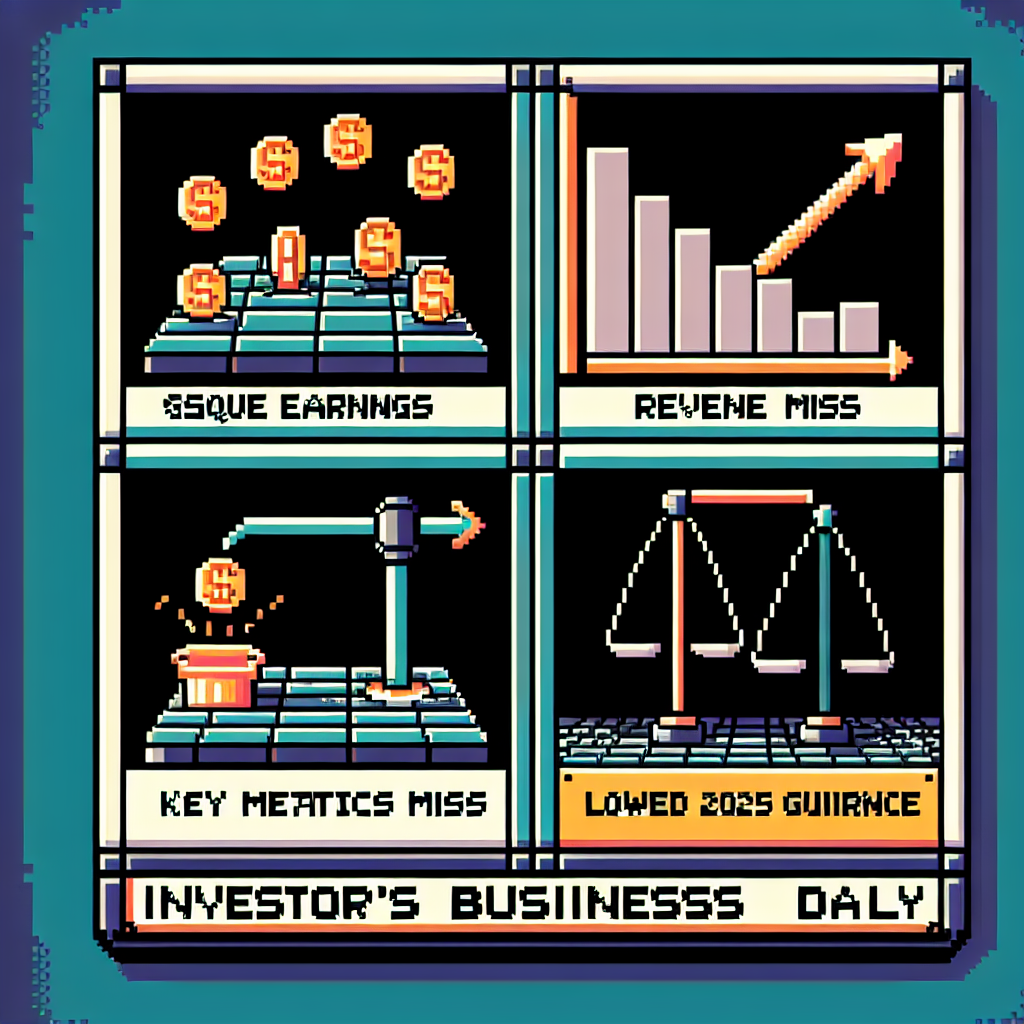
In the ever-evolving world of fintech, surprises are the only constant. Recently, Block Inc., the parent company of Square, released its Q4 earnings and revenue report, which, unfortunately, didn't quite hit the bullseye. As reported by Investor's Business Daily, the numbers fell short of analysts' expectations, causing Square's stock to take a bit of a nosedive. But before we start sounding the alarm bells, let's take a moment to put things into perspective.

Block's mixed results aren't an isolated incident in today's economic landscape. In fact, many companies have been grappling with the unpredictability brought on by the pandemic, fluctuating consumer behavior, and global supply chain disruptions. It's a bit like trying to sail through a storm with a compass that occasionally decides to spin around just for fun.

While the earnings miss might have spooked some investors, it's essential to remember that the stock market is a long game. Remember the wise words of Warren Buffett: "The stock market is designed to transfer money from the Active to the Patient." In other words, a single quarter's performance isn't the end of the world.

Block isn't the only financial player feeling the heat. Over in the world of cryptocurrencies, we've seen similar volatility. Bitcoin, for instance, has been on a rollercoaster ride, reflecting the broader uncertainty in the financial market. As fintech companies like Block continue to innovate and expand into crypto and other digital services, they're bound to encounter a few bumps in the road.

Looking beyond the numbers, it's fascinating to see how companies like Block are adapting to the changing financial ecosystem. Their efforts to integrate more services and expand globally are commendable. It's a bit like watching a team of chefs whipping up a new recipe while the ingredients keep changing. Sometimes the dish turns out perfectly, and other times, it's back to the drawing board.

As we mull over Block's recent earnings report, it's worth reflecting on the broader trends shaping the financial industry. Fintech companies are pushing the boundaries, challenging traditional banking models, and paving the way for a more digital future. It's an exciting time to watch these companies innovate and evolve, even when they occasionally stumble.

In conclusion, while Block's Q4 earnings and revenue might have missed the mark, it's crucial to keep the bigger picture in mind. The world of finance is a dynamic one, full of unexpected twists and turns. Instead of panicking, let's embrace the journey and keep an eye on how Block and other fintech giants continue to shape the future.

Final Thought: Just as sailors adjust their sails to navigate rough seas, investors and companies must adapt to the ever-changing financial landscape. With resilience, innovation, and a dash of humor, we can weather any storm that comes our way.

Read more about AI in Business

Read more about Latest Sports Trends

Read more about Technology Innovations

Google Tasks is now its own website – 9to5Google | Analysis by Brian Moineau

Google Tasks is now its own website - 9to5Google | Analysis by Brian Moineau

**Google Tasks Gets Its Own Website: A Small Leap for Mankind**

In the bustling world of productivity apps, Google has taken a step forward by launching a standalone website for Google Tasks. While it may not seem like a giant leap for mankind, it certainly is a small but noteworthy stride in the realm of digital organization. This change allows users to access their task lists in a more focused and expanded manner, without having to navigate through the previously required Google Calendar fullscreen interface. You can now experience the magic of Google Tasks at [tasks.google.com](https://tasks.google.com).

**The Evolution of Task Management**

Task management tools have become an integral part of our daily routines, especially in this fast-paced, ever-connected world. Remember the good old days of sticky notes and handwritten to-do lists? While some of us might still cling to the tactile satisfaction of crossing out a task with a pen, the digital age has brought about a revolution in how we organize our lives.

Apps like Todoist, Trello, and Microsoft To Do have built empires on the need for better task management. Google, with its vast suite of productivity tools, has always had a presence in this arena, but Google Tasks often felt like the underdog. With this new standalone site, it seems Google is ready to give Tasks the spotlight it deserves.

**A Step Towards Digital Simplicity**

In an age where we're inundated with information and digital noise, simplicity is the new luxury. Google Tasks' minimalist design and straightforward functionality echo this sentiment. By giving Tasks its own dedicated web space, Google provides users with a distraction-free environment to organize their thoughts and plans.

Interestingly, this move also aligns with the broader trend of companies focusing on streamlined user experiences. Take the recent redesign of Apple's iOS, for example, which emphasizes simplicity and ease of use. It's a reminder that sometimes, less really is more.

**The Timing Couldn't Be Better**

The launch of the Google Tasks website comes at a time when many are re-evaluating how they manage their work-life balance. With hybrid work models becoming the norm, tools that help individuals organize their tasks effectively are more crucial than ever. The pandemic has taught us the importance of adaptability and the need for tools that cater to our evolving lifestyles.

Moreover, as the world increasingly prioritizes mental health, having a clear, organized task list can significantly reduce stress levels. A dedicated platform for managing tasks can help users avoid the overwhelm that often comes with juggling multiple responsibilities.

**Final Thoughts**

While the announcement of a standalone Google Tasks website might not make headline news, it's a meaningful development in the tech world. It reflects a broader trend towards user-centric design and the growing importance of effective task management in our digital lives.

As we continue to navigate the complexities of modern existence, having tools that simplify and support our daily routines is invaluable. So, whether you’re a die-hard Google user or just someone looking for a new way to keep your to-do list in check, the standalone Google Tasks site might just be worth a visit.

In the end, it's the small enhancements like these that often make the biggest difference in our day-to-day lives. Here's to hoping that Google continues to innovate and refine its tools for the benefit of all its users.

Read more about AI in Business

Read more about Latest Sports Trends

Read more about Technology Innovations

Mark Zuckerberg’s recent decision triggers social media backlash – TheStreet | Analysis by Brian Moineau

Mark Zuckerberg’s recent decision triggers social media backlash - TheStreet | Analysis by Brian Moineau

**Title: Mark Zuckerberg's Latest Move: A Digital Domino Effect?**

In the ever-evolving realm of social media, Mark Zuckerberg has once again found himself at the center of a digital storm. The Meta CEO's latest decision, as reported by TheStreet, has sparked a significant backlash across social media platforms, with users and tech enthusiasts alike questioning the implications of his actions. But what exactly did Zuckerberg do to stir the pot this time, and could this move indeed come back to haunt him?

To understand the gravity of the situation, let's dive into the heart of the controversy. Zuckerberg's decision involved a strategic shift within Meta, formerly known as Facebook, that many perceive as a bold, albeit risky, maneuver. While the specifics of the decision weren't detailed in TheStreet's article, it's clear that the move has resonated negatively with a significant portion of the online community.

This isn't the first time Zuckerberg has faced public scrutiny. His 2018 testimony before Congress about Facebook's data privacy practices is still fresh in the minds of many, reminding us of the delicate balance tech giants must maintain between innovation and user trust. Zuckerberg's journey from a Harvard dorm room to the helm of a global tech empire is a testament to his visionary approach to social networking. However, it's also a reminder of the heavy responsibilities that come with such influence.

Interestingly, Zuckerberg's recent decision coincides with broader debates about tech industry ethics and accountability. Just last year, the whistleblower Frances Haugen made headlines by leaking internal documents that suggested Facebook prioritized profit over public good, reigniting discussions about the moral obligations of tech companies. This backdrop makes Zuckerberg's current predicament even more poignant, as the digital world grapples with balancing innovation with ethical responsibility.

Moreover, the timing of Zuckerberg's move is worth noting. As the world becomes increasingly reliant on digital platforms, especially in the wake of the COVID-19 pandemic, tech leaders like Zuckerberg are under unprecedented pressure to ensure their platforms serve as forces for good. This pressure is compounded by the rise of new players in the tech space, such as TikTok, which continue to challenge Meta's dominance and push the boundaries of digital interaction.

In the context of these dynamics, Zuckerberg's latest decision is more than just a business strategy; it's a reflection of the ongoing tension between technological advancement and societal values. While it's too early to predict the long-term consequences of this move, it's clear that the stakes are high.

As we watch this situation unfold, it's worth considering the broader implications for the tech industry. Will this backlash prompt other tech leaders to reevaluate their strategies? Could it lead to increased regulation and oversight? Only time will tell.

In the meantime, one thing is certain: Mark Zuckerberg's journey is far from over. As he navigates this latest challenge, the world watches with bated breath, eager to see how one of the most influential figures in tech will respond to yet another critical moment in his storied career.

**Final Thought:**

In the fast-paced world of technology, change is the only constant. Mark Zuckerberg's recent decision is a reminder that even the most established leaders must continuously adapt to remain relevant. As users, stakeholders, and digital citizens, it's up to us to engage critically with these changes and hold tech giants accountable. After all, the future of the digital landscape is not just in the hands of a few; it's a collective responsibility.

Read more about AI in Business

Read more about Latest Sports Trends

Read more about Technology Innovations