When Paul Skenes Says “I’m Never Saying No,” It’s Not Just Baseball — It’s a Statement
If you thought Team USA’s hockey gold stirred the pot, wait until the World Baseball Classic arrives and Paul Skenes takes the hill. The Pirates’ young ace didn’t offer a tepid, neutral soundbite when asked about representing the United States — he gave the kind of full-throated yes that turns a sports story into something bigger: identity, pride, and the culture wars that keep showing up in sports coverage.
Skenes’ line — effectively, “If I ever get the chance to do this, I’m never saying no” — is simple, direct, and unglamorous. But in 2026, when the World Baseball Classic puts country jerseys back under the spotlight, simple things can become cultural Rorschach tests. OutKick’s take (loud, partisan, and gleefully provocative) frames that answer as fuel for the right’s narrative that “lefty sports media” will be outraged. Other outlets treat it as what it most likely is: a top player eager to compete for his country.
Below I run through the context, why the reaction matters beyond headlines, and what this moment says about sport, fans, and media.
The set-up: Skenes, Team USA, and the WBC stage
- Paul Skenes is among the game’s brightest young pitchers — a former Air Force Academy cadet turned LSU national champion, No. 1 overall pick, and immediate frontline starter in MLB.
- Team USA for the 2026 World Baseball Classic has been building star power: Aaron Judge as captain, high-profile pitchers (including Skenes), and a roster meant to fix the pitching shortfalls that dogged the 2023 squad.
- The WBC is different than the regular season: short tournaments, national jerseys, and emotions that bring out patriotism and critique in equal measure. Players say it feels like playoff baseball; fans and media often treat it like geopolitics in cleats.
(Sources: MLB, CBS, Fox Sports.) (mlb.com)
Why a straightforward “I’ll always say yes” matters right now
- It underscores a rare thing in modern pro sports: player enthusiasm for international competition. That alone helps legitimize the WBC’s prestige.
- It invites interpretation. In today’s polarized media ecosystem, a short quote becomes raw material. Outlets on the right will frame it as patriotic defiance; critics will scrutinize the broader symbolism (which players wear the star, what national representation means, etc.).
- Skenes’ background — Air Force Academy, collegiate national team experience — makes his answer resonate differently than if it came from a player without military ties or prior Team USA history. That personal history amplifies the authenticity people read into his words. (mlb.com)
What we’re likely to see in coverage — and why it matters
- Polarized headlines: Expect the extremes. Some pieces will paint Skenes as emblematic of unapologetic national pride; others will analyze how the WBC interacts with social and political narratives. OutKick’s headline is an example of the first approach — combative and performative. (outkick.com)
- Sports-as-culture coverage: The WBC will be less about batting averages for many readers and more about what the event means culturally — unity, protest, representation, or division. That’s not new, but tournaments focused on national teams concentrate those conversations.
- Player reactions will matter more than ever: If Skenes and other high-profile athletes lean into patriotism-themed messaging, the storylines will feed themselves; if they avoid politics and focus on competition, the coverage may pivot back to tactics and rosters.
What this says about fans and the media ecosystem
- Fans want narratives. A player who pledges to “never say no” gives them a clean, emotional story to latch onto. National-team competition sells easily because it taps into identity.
- Media incentives push toward extremes. Outlets that traffic in outrage or confirmation bias will squeeze a soundbite for clicks. Balanced outlets will contextualize Skenes’ quote with his history and the WBC’s competitive stakes. Both approaches coexist — and both shape public perception.
- The athlete’s control is limited. Skenes can make a heartfelt statement; how it’s amplified is up to dozens of editors, columnists, podcasters, and social-media users. That’s the modern cost (and reach) of five words on a microphone.
Notes on the bigger baseball picture
- Team USA’s pitching concerns from 2023 were real; adding Skenes addresses that on-paper weakness and raises expectations that the U.S. can contend for gold again. (cbssports.com)
- The WBC’s March schedule and host cities (including pool play sites) mean the spotlight will be intense and geographically diverse — big markets, international stages, and the chance for narrative-heavy games (e.g., the U.S. versus Japan rematch potential). (mlb.com)
Notes for readers skimming headlines
- OutKick’s piece uses partisan framing and rhetorical provocation to stoke reaction; other outlets (MLB.com, CBS, Fox Sports) focus more on Skenes’ enthusiasm and the team-building aspect. Read both types of coverage to separate spin from context. (outkick.com)
A few takeaways worth bookmarking
- The simplest athlete quotes can become cultural flashpoints in today’s media climate.
- Paul Skenes’ commitment to Team USA is both a purely sporting plus (better rotation) and a flashpoint for national narratives.
- Expect WBC coverage to mix game analysis with broader cultural framing — sometimes in the same headline.
- If you prefer calmer coverage, prioritize direct interviews and league reporting over partisan commentary.
My take
I think Skenes’ answer is exactly what most athletes mean when they talk about representing their country: pride, competitiveness, and a rare chance to wear a different uniform. The rest — outrage, triumphalism, hot takes — is a noisy overlay that tells us as much about the media and fans as it does about the player.
If you want hard baseball reasons to care, Skenes’ presence materially strengthens Team USA’s rotation. If you want cultural reasons, his background and the current media moment guarantee the conversation will be louder than the quote. Both are true, and both are interesting.
Sources
Related update: We recently published an article that expands on this topic: read the latest post.
Related update: We recently published an article that expands on this topic: read the latest post.

Chandler Smith Pulled Off One of Daytona’s Wildest Finishes — One Day After Missing the 500
There are few things in NASCAR that feel as electric as a superspeedway photo finish. Then there was Friday at Daytona: Chandler Smith — fresh off failing to make the Daytona 500 the previous day — ripped through a four‑wide melee on the final drag to the line and stole the NASCAR Craftsman Truck Series season opener in a finish that felt like something out of a movie.
This wasn’t luck. It was timing, teamwork, and the kind of boldness that separates a headline moment from a "what if." Let’s unpack why that last lap mattered, how Smith got there, and what it might mean for his season.
What happened — the finish in plain English
- On the final lap of the Fresh From Florida 250 at Daytona International Speedway, John Hunter Nemechek led the pack out of Turn 4.
- As the leaders jockeyed three‑wide, Gio Ruggiero made an aggressive outside run. Nemechek tried to block, which opened the inside just enough.
- Chandler Smith, running sixth entering Turn 3 of the final circuit, grabbed a huge push from teammate Ty Majeski and sliced into the open bottom lane.
- Smith completed a four‑wide pass and beat Ruggiero to the line by 0.044 seconds. The top five were separated by just 0.069 seconds — pure superspeedway chaos. (motorsport.com)
Why the timing made this so juicy
- One day after missing the Daytona 500, Smith showed how quickly fortunes can flip in NASCAR. The sting of a DNQ turned into a spotlight moment 24 hours later — the kind of narrative motorsport fans eat up. (motorsport.com)
- Superspeedway racing rewards collaboration and split‑second decisions. Majeski’s push was the unsung engine of the win; Smith acknowledged that publicly, and it underscores how much drafting partnerships still matter. (nascar.com)
- Daytona’s unpredictability — spins, late cautions, and fuel gambles — compressed opportunity into those final laps. When packs stay intact, the line is thin and the payoff for a courageous seam‑cut is massive. (motorsport.com)
A little context on Smith and the field
- Chandler Smith drives the No. 38 Ford F‑150 for Front Row Motorsports in the Truck Series and has been building momentum in recent seasons. The Daytona win is his eighth Truck Series victory and his first at the season opener at Daytona. (frontstretch.com)
- The race was sprinkled with big names and storylines: Tony Stewart made an anticipated on‑track return but crashed in Stage 2, Cleetus McFarland and Travis Pastrana made headlines, and multiple drivers — including Carson Hocevar — had dramatic spins and tire issues that shaped the late strategy. (motorsport.com)
- The event featured a record‑like flurry of lead changes and tight margins — the kind of race that makes Daytona nights feel unpredictable and theater‑like. (nascar.com)
Why this win matters beyond the trophy
- Momentum and media narratives: Turning a DNQ into a Daytona victory in roughly 24 hours is the kind of story that elevates a driver’s profile. Sponsors, teams, and fans notice how a driver responds to setbacks — Smith answered big. (motorsport.com)
- Team chemistry: Smith’s shout‑out to Ty Majeski underlines how collaboration inside a stable (even across teams) can decide wins. That dynamic is especially important at superspeedways where one push can change everything. (nascar.com)
- Superspeedway cred: Daytona (and Talladega) have a way of crowning drivers who can adapt to chaos. A Daytona win is a rare, headline‑ready achievement that can define a season’s narrative even before the schedule fills out. (frontstretch.com)
Moments that stood out
- The four‑wide pass itself — a gutsy, borderline reckless seam that worked because Smith had commitment, momentum, and the lane to do it. That image alone will live on in highlight reels.
- The narrow margins — with five trucks separated by hundredths of a second — reinforced how little separates victory from second place at these tracks. (motorsport.com)
- Smith’s reaction — gratitude, faith, and an immediate shout‑out to his crew and teammates — gave the win the human element it deserved. It wasn’t just a highlight clip; it was a team win. (motorsport.com)
What to watch next
- How Front Row Motorsports leverages this momentum in the Trucks and whether Smith’s Cup‑attempts (and the heartbreak of missing the 500) will inform a renewed focus on Truck Series championship ambitions. (roundtable.io)
- Whether drafting alliances form around Smith or if rival teams will adjust strategies to cut off his late‑race pushes at future superspeedways. The way Majeski and Smith connected on that finish will be studied by competitors. (nascar.com)
- If Daytona becomes a season‑defining moment or merely a headline: consistency across the rest of the schedule will tell us which it is.
Quick takeaways
- Smith turned a Daytona 500 miss into a Daytona triumph in about 24 hours — a dramatic emotional reversal that fuels narratives and momentum. (motorsport.com)
- The four‑wide last‑lap pass highlighted the decisive value of drafting partners and split‑second lane decisions at superspeedways. (nascar.com)
- Daytona remains a place where tiny margins and bold moves produce unforgettable finishes — and this one will be replayed for a long time. (frontstretch.com)
Final thoughts
There’s a rare, cinematic quality when the sport’s risk‑reward calculus pays off in a moment like Smith’s finish. Against a backdrop of heartbreak (missing the 500) and high drama (spins, big‑name entries, and late cautions), Chandler Smith and his team executed a perfectly messy kind of victory: raw, team‑driven, and impossibly close. Whether this becomes the springboard to a championship run or remains a singular Daytona night, it’s a reminder why superspeedway racing still makes even veteran fans hold their breath.
Sources
Related update: We recently published an article that expands on this topic: read the latest post.
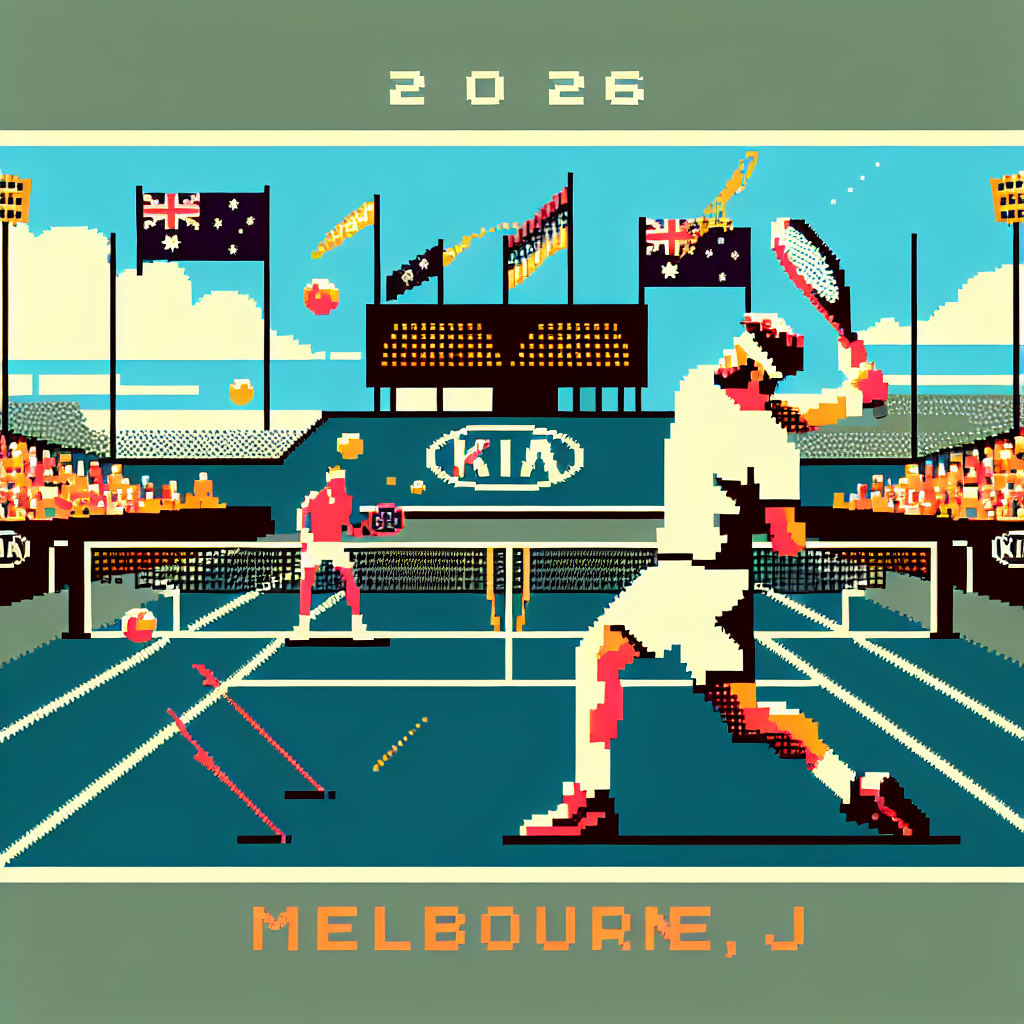
A slow burn that ignited: Djokovic steals the show as Melbourne readies a blockbuster finish
The lights had been low on drama for much of this year's Australian Open, until one long night changed the feel of the tournament. Two marathon semis, a medical-timeout controversy and Novak Djokovic reminding everyone why he is still the storybook headline maker — suddenly Melbourne is buzzing again.
This felt like a tournament that teased and withheld. Then, on Day 13, the stakes, the spectacle and the raw emotion arrived all at once.
What happened (the highlights)
- Carlos Alcaraz survived an epic five-set war with Alexander Zverev — a 5-hour, 27-minute classic — to reach his first Australian Open final. The match was dramatic not just for the tennis but for a contentious medical timeout when Alcaraz appeared to cramp. (theguardian.com)
- A few hours later Novak Djokovic produced a performance that stole headlines, toppling Jannik Sinner in a late-night thriller and preserving his bid for a record 25th Grand Slam. The Serbian's fight, craft and late-evening flourish turned a slow tournament into something compelling. (au.sports.yahoo.com)
Why this night mattered
- Momentum swing: Through most of the second week the event had been, by many accounts, underpowered — top players cruising, few classic matches. That changed with back-to-back epics that transformed the narrative from "slow start" to "final-week fireworks." (au.sports.yahoo.com)
- Generations colliding: The looming Djokovic–Alcaraz final is more than a matchup on paper. It’s an archetypal clash — the enduring supreme champion against the sport’s incandescent young star — and it now carries history-making implications on both sides. (apnews.com)
- Drama beyond the scoreboard: The controversy over Alcaraz’s medical timeout — Zverev publicly angry that the stoppage for cramp (typically not eligible for timeouts) was allowed — added an edge of debate about rules, discretion and on-court fairness. It’s the kind of subplot that keeps fans talking long after the final is played. (theguardian.com)
The players at the centre
- Novak Djokovic
- Age and legacy now part of the headline: at 38 he remains the defining opponent for anyone chasing tennis immortality. His deep-rally defence, serve when it mattered and match-craft late into the night gave Melbourne something spectacular to remember. (au.sports.yahoo.com)
- Carlos Alcaraz
- The world No.1 showed grit, athleticism and toughness — but the medical timeout raised eyebrows and headlines. He insists it wasn’t simple cramping and credited the physio’s judgement; critics pointed to rules around cramp and recovery windows. Either way, the performance under physical strain was heroic. (theguardian.com)
- Alexander Zverev and Jannik Sinner
- Both pushed huge favourites to the limit. Zverev’s frustration at the timeout decision softened later into respect for the quality of the contest; Sinner’s semifinal showed how margins, grit and Djokovic’s experience can decide outcomes even when raw numbers favour the challenger. (theguardian.com)
A few angles worth watching into the final weekend
- Physical toll vs. recovery: Both Djokovic and Alcaraz came through brutal semis. Who recovers better between a 5-hour slog and a late-night five-set thriller will be decisive.
- Rules and officiating debates: The Alcaraz cramp/timeout issue reopened discussion about medical discretion in Grand Slams — how much is the physio/doctor’s call, and should guidelines be clearer to avoid perceptions of favoritism? (theguardian.com)
- Narrative fuel: A Djokovic win would extend an already staggering record and reinforce his twilight-era dominance; an Alcaraz victory would underline the ascendancy of the next generation and a new chapter in men’s tennis. Both outcomes give fans a clear, dramatic storyline.
Late-night theatre and why tennis still sells it
One thing about tennis: form and script are fragile. A week that looked like it would pass with polite applause suddenly erupted into raw, exhausting drama. Two five-set wars, a rules kerfuffle and Djokovic’s late-night masterclass — that’s the kind of blend that converts casual viewers into obsessed fans. It’s also what the Australian Open needed to reassert its place on the calendar as the season’s emotional ignition point.
My take
This edition of the Australian Open was patient with its drama until it wasn’t — and when it finally arrived, it arrived in spectacular fashion. The controversies matter because they touch a nerve about fairness and transparency in sport; the tennis matters because legends and heirs keep producing moments you simply can’t script. Djokovic reminding the world he can still "steal the show" and Alcaraz surviving in painful, contentious fashion sets up a final that is both emotionally charged and historically significant.
No matter who lifts the trophy, Melbourne’s slow burn became a proper crescendo — and after nights like these, the “Happy Slam” is back to being must-watch.
Quick takeaways
- The tournament’s second week was quiet for quality until two marathon semis re-energised the event. (au.sports.yahoo.com)
- Alcaraz’s medical timeout for apparent cramping provoked debate about whether rules were applied correctly and who decides on-court medical interventions. (theguardian.com)
- Djokovic’s late-night win over Sinner shifted attention back to his quest for a record 25th Grand Slam and set up a high-profile final against Alcaraz. (au.sports.yahoo.com)
Final thoughts
Sport is at its best when the human elements — endurance, decision-making, controversy and sheer brilliance — collide. Melbourne delivered that collision when it mattered most: the semifinals turned the tournament from a steady hum into a roar. Whether you’re team Djokovic, team Alcaraz or just a lover of great matches, expect the final to carry the kind of drama that makes Grand Slams feel essential again.
Sources
- Djokovic steals show as Australian Open finally ignites — BBC Sport (report reproduced by Yahoo Sports)
- Alexander Zverev fumes over Alcaraz’s timeout for cramp in semi-final thriller — The Guardian
- Djokovic and Alcaraz have shots at tennis history in the Australian Open final — AP News
- Australian Open 2026: Alexander Zverev takes issue with Carlos Alcaraz's injury timeout — ABC News
Related update: We recently published an article that expands on this topic: read the latest post.
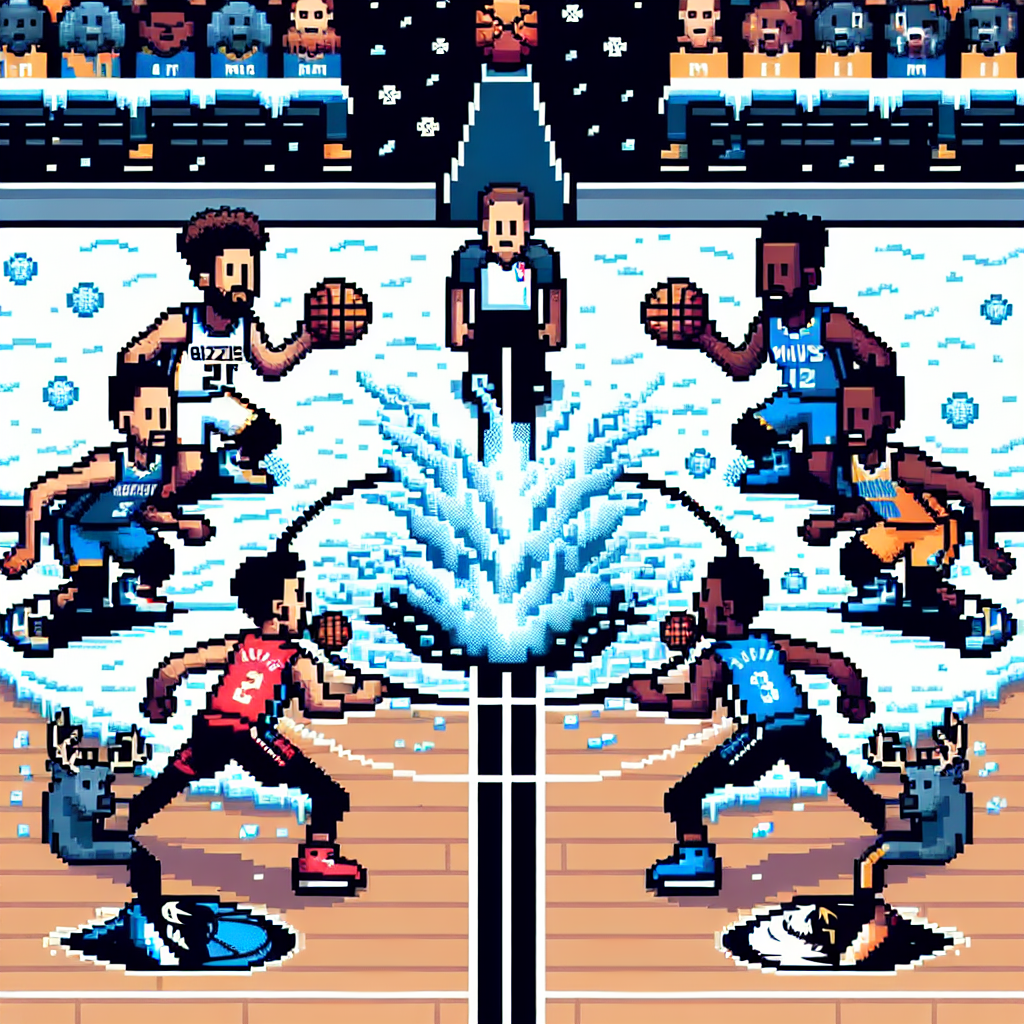
Snowed Out: When the NBA Hits the Brakes Because Mother Nature Shows Up
There’s something oddly humbling about a city full of jumbo screens and flight crews pausing because of snow. On January 25, 2026, the NBA postponed two games — Denver vs. Memphis and Dallas vs. Milwaukee — as a massive winter storm made travel unsafe across large swaths of the country. The league, teams and fans all had to reckon with a simple fact: some things are bigger than a game.
What happened (the short version)
- On January 25, 2026, the Denver Nuggets at Memphis Grizzlies game scheduled for FedExForum was postponed due to inclement weather in the Memphis area. The decision came less than three hours before tipoff after snow, sleet and freezing rain made conditions hazardous. (abcnews.go.com)
- The Dallas Mavericks’ trip to Milwaukee for a Sunday-night matchup with the Bucks was also postponed after the Mavericks were unable to complete flights to Milwaukee — despite two attempts — because of the storm and related travel issues. No reschedule dates were announced immediately. (cbssports.com)
Why this matters beyond the box score
- Travel and safety come first: Professional sports operate on tight schedules and expensive logistics, but the league’s decision underscores that player/staff safety and public safety still override TV windows and ticket sales.
- Scheduling ripple effects: Postponements create logistical headaches. Finding mutually available dates on two busy team calendars — particularly late in the season when back-to-backs and arena availability matter — is rarely simple.
- Competitive fairness and rhythm: Teams build routines around game flow. Sudden cancellations can give one team an unexpected rest day or disrupt momentum, which matters in tight playoff races.
- Fan experience and local economies: Last-minute postponements hit ticket holders, arena staff, local vendors and travel-dependent fans who planned around those games.
Scenes and logistics to imagine
- In Memphis, both teams and the officiating crew had already arrived. For fans who’d made plans for a Sunday night outing, the postponement was abrupt but clearly grounded in safety given the wintry mix and refreeze risk on roadways. (abcnews.go.com)
- In Milwaukee, the picture was different: the Mavericks tried twice to make the trip but couldn’t due to flight and de-icing or other operational issues. When teams can’t physically get to the arena, there’s no safe way to carry on with a professional game. (cbssports.com)
A few practical questions fans ask (and brief answers)
- Will the games be rescheduled soon?
- The league typically looks for an open date that fits both teams’ schedules and arena availability. Because schedules are crowded, especially late in January and February, it may take a while. The NBA announced the postponements and said reschedule dates would be announced later. (nba.com)
- What about broadcast and ticket refunds?
- Standard practice: broadcasters adjust programming and teams provide ticket exchange/refund options or reissue tickets for the rescheduled date. Check team and league communications for official details once reschedules are set. (Teams and the NBA handle these logistics directly.)
- Could postponements affect playoff seeding or rust for star players?
- Yes. Even minor disruptions can shift rest cycles and rehabilitation timelines. Coaches and staff must juggle minutes and workloads accordingly.
Broader context: weather, travel, and modern sports
Weather has always been an unpredictable opponent. But modern professional sports leagues run interdependent operations — charter flights, arena crews, broadcast windows and fans’ travel plans — that magnify the effects of any disruption. When a storm like the one on January 25, 2026, forces cancellations, it reveals how tightly choreographed the season is and how many moving parts depend on clear skies and open highways. (theguardian.com)
Key points to remember
- Safety first: League officials postponed the games because travel and local conditions were unsafe.
- Logistics follow: Rescheduling is complicated and may not happen immediately.
- Everyone feels it: Teams, broadcasters, arena workers and fans all face consequences when weather intervenes.
- It’s part of the game’s human element: Even the most high-tech sports world is still subject to nature.
My take
There’s an odd, almost democratic humility in seeing the NBA — a multibillion-dollar enterprise with meticulously planned travel — pause for snow. It’s a reminder that the game is played inside a larger world where safety, infrastructure and community well-being matter more than a perfectly timed TV slot. Fans disappointed by a canceled night can still appreciate that the decision likely prevented unsafe driving, stranded travelers, or worse. The league, teams and supporters all lose a planned moment of shared excitement, but they gain something more durable: the sensible prioritization of people over programming.
Sources
(For the most up-to-date reschedule information, check official team or NBA announcements on their websites or social feeds.)
Related update: We recently published an article that expands on this topic: read the latest post.
Related update: We recently published an article that expands on this topic: read the latest post.
Related update: We recently published an article that expands on this topic: read the latest post.

Ubisoft shutters freshly‑unionised Halifax studio — another rough turn for game workers
The headlines arrived fast: on January 7–8, 2026, Ubisoft announced it would close its Halifax studio, affecting 71 positions — just weeks after the team voted to unionize. The timing has sparked anger, suspicion and an immediate legal response from the union representing those workers. For anyone who cares about the future of games work, this is a story worth unpacking.
Why this feels raw
- The Halifax studio’s union vote was certified in December 2025 after months of organizing. Reports say roughly 74% of the staff voted in favour.
- Ubisoft’s official line: the closure is part of a multi‑year cost‑cutting and restructuring program decided “well before” the union vote, and unrelated to unionization. The company said it will provide severance and career support.
- The union and local labour groups aren’t satisfied. CWA Canada has demanded documents from Ubisoft and said it will pursue legal avenues to ensure workers’ rights weren’t violated.
That collision — a fresh union victory followed almost immediately by a shutdown — is what has made this more than another corporate layoff. It feels like a test of how companies will treat organizing in an industry that has seen a slow but growing wave of labour activity.
A bit of context
- Ubisoft Halifax began life through Longtail Studios and was acquired by Ubisoft in 2015. The team worked on mobile entries tied to major franchises, including Assassin’s Creed Rebellion and Rainbow Six Mobile, and also supported other Ubisoft projects.
- Ubisoft has been through repeated restructuring over the past two years, citing the need to streamline operations and reduce costs across the company. The Halifax closure is one in a string of workforce reductions and strategic moves aimed at reshaping the publisher.
- The industry backdrop matters: studios across gaming have seen union drives and, separately, high‑profile layoffs. Steamrolled timing between organizing wins and job cuts has raised alarm among labour advocates before — and now Halifax is another flashpoint.
Quick points that matter
- Date: the closure was publicly reported in the first week of January 2026 (announcements and union responses appear on January 7–8, 2026).
- Jobs affected: Ubisoft said 71 positions are impacted.
- Union: Halifax staff joined the Game & Media Workers Guild of Canada (affiliated with CWA Canada) in December 2025; the union vote was counted in mid‑December.
- Official claim: Ubisoft maintains the decision predates and is unrelated to the unionization process; union leaders are seeking documentary proof and legal redress.
What this says about unions and company restructuring
- Timing is everything. Even if a closure is genuinely planned months earlier, announcing it immediately after a union certification feeds distrust and raises legitimate legal and ethical questions. Labour law in Canada forbids closing a business because workers unionized, and the union is pursuing discovery to test Ubisoft’s timeline.
- Power dynamics in the games industry are shifting. Studios once run like tightly held creative collectives are now corporate assets within multinational strategies. That shift can incentivize hard cost‑cutting choices, but those choices collide with workers who are trying to secure predictable wages, clear policies and a voice in how their workplaces operate.
- Public perception matters. From a PR and recruitment standpoint, closing a newly unionized studio looks bad — and may accelerate broader industry conversations about whether union rights are truly protected in practice, not just on paper.
Ripple effects to watch
- Legal follow‑through: CWA Canada has demanded internal documents and indicated it will pursue legal avenues if necessary. The outcomes of any investigation or case could set local precedents.
- Industry organizing: unions and organisers will treat Halifax as a cautionary tale and likely adapt strategies (e.g., pushing for information rights, advance notice procedures and legal safeguards) to protect newly certified groups.
- Corporate behaviour: publishers and platform holders will ask themselves — privately or publicly — how to balance restructuring with labour risk. Some firms may change how and when they announce restructuring to avoid the appearance of retaliation; others may double down on cost programs.
A few practical angles for affected workers
- Document everything: emails, timelines, meetings and notices matter in any labour dispute.
- Seek legal and union counsel: local labour law is complex; unions and labour lawyers can help determine whether an unlawful motive can be proven.
- Public record: media coverage, social platforms and solidarity statements can raise pressure — but they’re not a substitute for formal legal steps.
My take
This hurts on a human level — 71 people suddenly out of work, communities and careers disrupted. It also matters politically and culturally. When a newly unionized team is shuttered so quickly after a victory, it sends a chilling message unless the company can transparently show the decision’s true timeline and rationale. Ubisoft’s statement that the closure was part of a two‑year streamlining program may be technically accurate, but timing shapes trust. If companies want to encourage stable workplaces and rebuild credibility after waves of restructuring, they’ll need more than assurances: they’ll need transparent processes and documented timelines that stand up to scrutiny.
If the union obtains documents that corroborate Ubisoft’s explanation, it will help settle the legal side — and the reputation damage might be limited. If the documents raise questions, Halifax could become a landmark case in how labour rights are enforced in the games sector.
What to watch next
- Any documents provided by Ubisoft to CWA Canada and what they reveal about the company’s timeline.
- Statements or follow‑ups from Ubisoft about how severance and career transition support will be delivered.
- Whether the Halifax closure changes union tactics or galvanizes more organizing across Canadian and North American studios.
- Coverage of legal action, which could take weeks or months to unfold.
Final thoughts
The Halifax closure is both a concrete loss and a symbolic moment for the games industry. It shows the tension between corporate restructuring and workplace organising — and the very real legal, ethical and public relations risks that arise when those forces collide. For workers, the lesson is stark: organising can win representation, but it also requires vigilance, legal support and public solidarity to ensure those rights are respected in practice. For companies, the lesson is equally clear: transparency matters. Without it, even defensible business decisions can fracture trust and fuel long sentences in the headlines.
Sources
Related update: We recently published an article that expands on this topic: read the latest post.
Related update: We recently published an article that expands on this topic: read the latest post.
Related update: We recently published an article that expands on this topic: read the latest post.
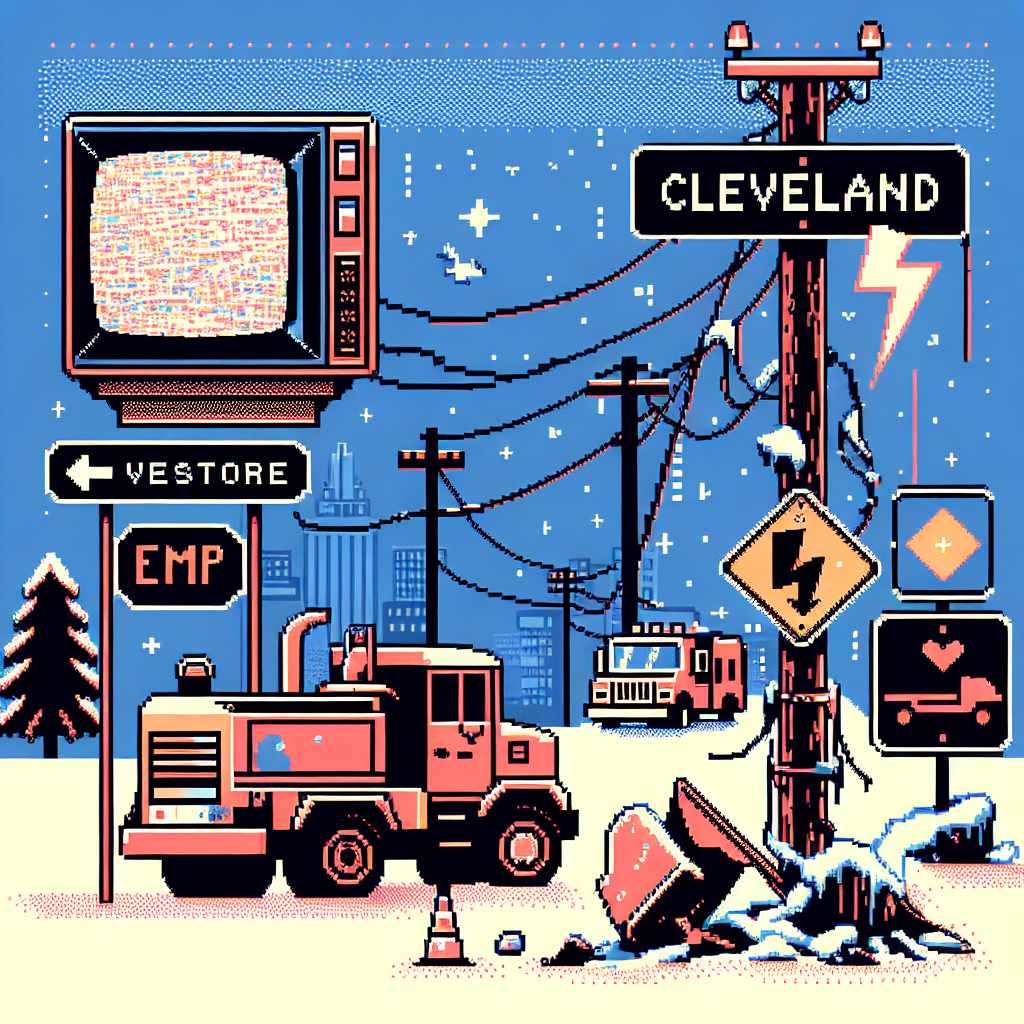
A plow truck, a snapped pole, and a neighborhood offline: what happened in Cleveland Heights
It was one of those small, aggravating disruptions that suddenly remind you how much of modern life runs on invisible lines. On January 2, 2026, a plow or salt truck struck a utility pole in Cleveland Heights and damaged fiber lines that carry internet and phone service for Spectrum customers. The result: pockets of northeast Ohio left without connectivity during a winter afternoon — a sharp inconvenience for remote workers, students, local businesses, and anyone trying to get basic information or call for help.
Why this matters more than a simple “outage” headline
- Internet and phone outages aren’t just about lost streaming or annoyance. They can interrupt work meetings or deadlines, halt online classes, prevent contact with emergency services, and disrupt businesses that depend on card payments or inventory systems.
- Fiber lines are often routed on the same poles that carry electricity and other utilities. Physical damage to a pole can therefore cascade into multiple systems going dark.
- Winter weather makes repairs slower and more dangerous. Crews need safe access, proper equipment, and sometimes coordination with power companies to de-energize lines before they can work.
What we know (the quick facts)
- Date of incident: January 2, 2026.
- Location: Cleveland Heights, northeast Ohio.
- Cause: A plow or salt truck hit a utility pole and damaged fiber lines.
- Company affected: Spectrum (service disruption to Cleveland-area customers).
- Response: Spectrum said crews responded immediately and were working to make repairs. Local news reported the developing situation and advised customers to check for updates. (cleveland19.com)
A closer look at the chain reaction
- A vehicle strikes a pole → pole shifts or breaks → attached fiber and copper lines are pulled or severed → signal loss for downstream customers.
- Even if the physical fiber is only partially damaged, signal quality can drop or intermittent outages can occur until full repairs are completed.
- Utilities and ISPs often must coordinate: electrical crews may need to ensure a safe work environment before telecom technicians can access damaged lines.
How outages hit different people
- Remote workers: missed calls, lost VPN access, inability to join video meetings.
- Students: interrupted online classes, lost assignments or test access during timed exams.
- Small businesses: card machines and POS systems may fail, causing revenue loss.
- Vulnerable households: medical devices that rely on internet/phone service or inability to reach caregivers/emergency responders.
- Community hubs: libraries and warming centers often provide connectivity — when they’re affected, residents lose fallback options.
Practical steps for residents (short, useful checklist)
- Check official outage pages and local news for updates. Spectrum posted that crews were working to restore services; official channels are the best source for timelines. (cleveland19.com)
- Use cellular data as a temporary fallback; if your mobile plan allows, create a hotspot for critical tasks.
- If power is out, conserve mobile battery: lower screen brightness, close unused apps, use low-power mode.
- For prolonged outages, seek local warming centers, libraries, or businesses that still have power and connectivity.
- Report your outage to your provider so they have accurate counts and locations — aggregated customer reports help prioritize repairs.
What this says about infrastructure resilience
This incident is a reminder that our communications infrastructure is vulnerable to everyday accidents — not just cyberattacks or massive storms. As communities and utilities upgrade networks, there’s growing emphasis on:
- Hardening critical poles and rerouting fiber underground where feasible (costly but reduces weather and accident risk).
- Better coordination and mutual-aid agreements between utilities and ISPs to speed safe access for repairs.
- Local contingency planning so residents without backups aren’t left stranded during transient events.
Spectrum and other providers often open public Wi‑Fi access points and issue advisories during wide outages; those measures help, but they’re stopgaps until physical repairs are finished. (spectrumlocalnews.com)
Neighborhood voices
On community forums and local social feeds, residents reported varying outage durations: some saw service restored within hours, others were offline longer. Those firsthand accounts show two things: (1) outage boundaries are often patchy and unpredictable, and (2) people rely on neighborhood networks — checking with neighbors, sharing battery packs, or pooling resources when needed. (reddit.com)
My take
Small incidents like a plow hitting a pole make for big-picture questions. How quickly can essential services be restored when the unexpected happens? Are there better ways to shield critical communications from routine roadway accidents? And how can communities plan so outages don’t become emergencies for vulnerable residents?
Practical investments — from targeted undergrounding in critical corridors to faster inter-agency coordination and community-level backup plans — won’t eliminate risk, but they make neighborhoods more resilient. In the meantime, keep a simple preparedness kit: phone charger, portable battery, and a plan for where to go if connectivity or power goes out.
Sources
Related update: We recently published an article that expands on this topic: read the latest post.

End of an era: the Star Tribune shuts its Minneapolis printing plant
There’s a particular sound and smell to a morning newspaper — the whirr of presses, the crinkle of fresh pages, the ink-scented air in a loading bay. This December, that sensory thread that tied generations of Minneapolis readers to their daily paper was cut. The Minnesota Star Tribune announced it will close its Heritage printing facility in Minneapolis and move production to a Gannett-operated plant in Des Moines, ending local printing that traces back 158 years.
Why this matters
- The closure is more than a cost-cutting move; it marks a shifting relationship between newsrooms and their communities.
- About 125 workers face layoffs, and the change reshapes how and when news physically reaches readers.
- The decision reflects long-term declines in print circulation and the economics of modern news publishing, but it also raises questions about local control, local jobs, and the symbolism of a city losing a part of its media infrastructure.
What happened
- In September 2025 the Star Tribune announced the Heritage printing plant in Minneapolis would close at year’s end and that printing would be outsourced to Des Moines. (startribune.com)
- The company said the plant was operating at roughly 18% capacity, that moving production would save “several million dollars” annually, and that print subscribers should not experience delivery interruptions. (startribune.com)
- State filings and later local reporting indicated the number of affected workers may be higher than early estimates, with updated WARN notices showing additional job losses tied to the closure. (patch.com)
The human side: workers and rituals
There’s a reason these stories hit hardest when they’re about presses and parking lots. Printing plants are workplaces with long memories — multi-generational jobs, early-morning rituals, a culture all their own. Workers laid off from specialized roles like press operators and maintenance technicians face an uncertain market; their skills don’t always transfer easily to other industries.
Local reporters who’ve covered the plant described the closure as “an end of an era” — not just an operational change but the loss of a neighborhood landmark where the city’s news was literally produced. Editors and production staff will also adapt: earlier deadlines, different workflows, and the psychological shift of no longer seeing the physical paper roll off the presses down the street. (startribune.com)
The broader context: why newspapers outsource printing
- Print circulation has been declining for decades; production facilities increasingly run well below capacity.
- Outsourcing to shared-print facilities is a common consolidation strategy to reduce overhead while preserving print editions.
- The tradeoff is local jobs and control over production timing; outsourcing often means earlier editorial deadlines and potential delays for late-breaking coverage in print. (startribune.com)
What this means for readers and local journalism
- Readers may see digital-first delivery for late-night developments, since physical production will be farther away and print deadlines earlier.
- Cost savings can free money for digital investments — but only if savings are actually reinvested in reporting capacity rather than serving short-term financial targets.
- The symbolic loss — a physical newsroom and press in the city — can weaken civic ties. Local infrastructure matters: producing news in a community strengthens accountability and presence in ways remote production does not.
Lessons from other closures
- Other newspapers that consolidated printing often preserved daily print availability while shrinking local staffing and logistics. The result frequently includes a leaner local footprint and increased reliance on digital platforms for breaking coverage. (gxpress.net)
- Labor and community responses vary. Some communities mobilize to demand reinvestment in local journalism; others accept the shift as inevitable and work to preserve coverage via nonprofit or alternative news models.
Things to watch next
- How the Star Tribune allocates the projected savings: staffing, reporting budgets, or only operational balance sheets.
- Whether delivery times or print quality change and how subscribers react.
- Local economic ripple effects from job losses and the future use (or sale) of the Heritage plant property.
Key takeaways
- The Star Tribune’s printing shift ends 158 years of locally printed newspapers in the Twin Cities and closes a long-standing Minneapolis facility. (startribune.com)
- About 125 workers were initially reported affected; state filings later suggested higher figures as the timeline for layoffs became clearer. (patch.com)
- The move is financially driven by steep capacity underuse and declining print readership; it saves money but costs local jobs and local production presence. (startribune.com)
My take
Change in the news business has long been incremental; this felt abrupt because it carries visible, local consequences. Outsourcing printing makes economic sense in an industry under pressure, yet each consolidation chips away at the ecosystem that supports robust local reporting. If savings result in stronger investigative work, more local beats, and better digital storytelling, the decision could be framed as pragmatic reinvention. If the savings simply shore up short-term balance sheets while newsroom capacity erodes, the community loses twice: jobs now, and scrutiny later.
A city loses more than a building when its presses stop rolling — it loses a place where stories were made tangible. That makes it all the more important for news organizations, civic leaders, and residents to pay attention to whether the next chapter strengthens the local journalism the community still needs.
Sources
Related update: We recently published an article that expands on this topic: read the latest post.

When Google Stumbles: What Happened When Drive, Docs and Sheets Glitched
A mid-day scramble. Students frantic over unsaved essays. Teams stuck at a meeting because a shared slide wouldn’t load. On Wednesday, November 12, 2025, thousands of users around the world discovered what many of us have been trained not to think about: what happens when the cloud hiccups.
This wasn’t a mysterious one-off. Reports spiked on outage trackers, Google acknowledged an incident on its Workspace status dashboard, and social feeds filled with the familiar mix of annoyance and resigned humor. Here’s a quick, readable walk-through of what happened, why it matters, and what you can do when the tools you rely on take an unscheduled break.
Quick summary
- The incident began around 09:00 PDT (17:00 UTC) on November 12, 2025 and affected Google Drive, Docs, Sheets (and related Workspace apps).
- Thousands of user reports—peaking in the low thousands on platforms like Downdetector—described connection failures, SSL errors (ERR_SSL_PROTOCOL_ERROR), and difficulty accessing files.
- Google posted updates on the Workspace Status Dashboard saying engineers were investigating and later reported mitigation and restoration steps.
- By late afternoon/evening the bulk of reports had fallen as services came back, but the outage lasted several hours for many users.
Why this felt so disruptive
- Google Workspace is deeply embedded in how people work and study: documents, slide decks, spreadsheets and collaboration are frequently accessed in real time. A partial or full outage pauses workflows.
- The error many users saw—SSL/secure-connection failures—reads like a network problem even when the root cause is on the service side, which makes troubleshooting confusing for non-technical users.
- Even short outages can cascade: scheduled meetings stall, automated workflows fail, and those “I’ll just grab it from Drive” moments turn into tense attempts to recover local copies.
A concise timeline
- Nov 12, 2025 ~09:00 PDT: Users begin reporting access issues for Google Drive, Docs and Sheets.
- Early afternoon: Downdetector and other services register a spike—several thousand reports at the peak.
- Google posts an incident on the Google Workspace Status Dashboard: “We are investigating access issues…” and notes symptoms including SSL errors.
- Over the afternoon: Google updates the dashboard as engineers identify and mitigate the problem; user reports decline as services are restored.
(Sources below include Google’s official incident page and independent outage trackers.)
What users reported and how Google responded
- User reports described inability to open files, “Error making file offline,” and secure-connection messages in browsers and mobile apps.
- Downdetector-style trackers captured the volume and geography of complaints in near real time, which amplified the sense of a broad outage.
- Google’s Workspace Status Dashboard confirmed the issue, described the symptoms, and provided ongoing status updates while its engineers worked on mitigation. At one point Google suggested routine troubleshooting (like rebooting routers or trying mobile access) as possible temporary workarounds for some users.
Practical tips for when cloud services fail
- Don’t panic — look for official signals:
- Check Google Workspace’s Status Dashboard for verified updates.
- Consult outage aggregators (Downdetector, StatusGator) to see if others are affected.
- Workarounds while services are down:
- Use local copies: if you have Drive for Desktop, check whether local sync copies exist.
- Try mobile vs. desktop; sometimes authentication or routing differences let one platform work while another doesn’t.
- If you’re on a team: switch to phone or another messaging platform to coordinate while Docs/Slides are unavailable.
- Longer-term resilience:
- Keep important files mirrored offline (periodic exports, local backups).
- For critical workflows, consider multi-cloud or multi-format backups (e.g., export important Google Docs to .docx or PDF periodically).
- Educate teams on outage protocols—who to contact, where to find status updates, and temporary communication plans.
What this outage says about cloud dependence
We love the instant collaboration cloud services enable. But every incident like this is a reminder that “always available” is a design goal, not a guarantee. Large providers generally have strong redundancy and rapid incident response, yet software, configuration or certificate issues can still ripple across millions of users.
The good news: major providers are transparent about incidents, and community signals (social media, Downdetector) help surface problems quickly. The practical lesson is not to distrust the cloud, but to plan for its rare failures—so one outage doesn’t become a full-blown crisis for your work or class.
My take
Outages are uncomfortable but useful wake-up calls. They refocus attention on simple, often neglected practices: keep local copies of mission-critical work, agree on fallback communication channels, and treat status dashboards as a standard bookmark for admin teams. The cloud makes life easier most of the time—when it trips, a little preparedness keeps you moving.
Sources
Related update: We recently published an article that expands on this topic: read the latest post.
Related update: We recently published an article that expands on this topic: read the latest post.
Related update: We recently published an article that expands on this topic: read the latest post.
Related update: We recently published an article that expands on this topic: read the latest post.
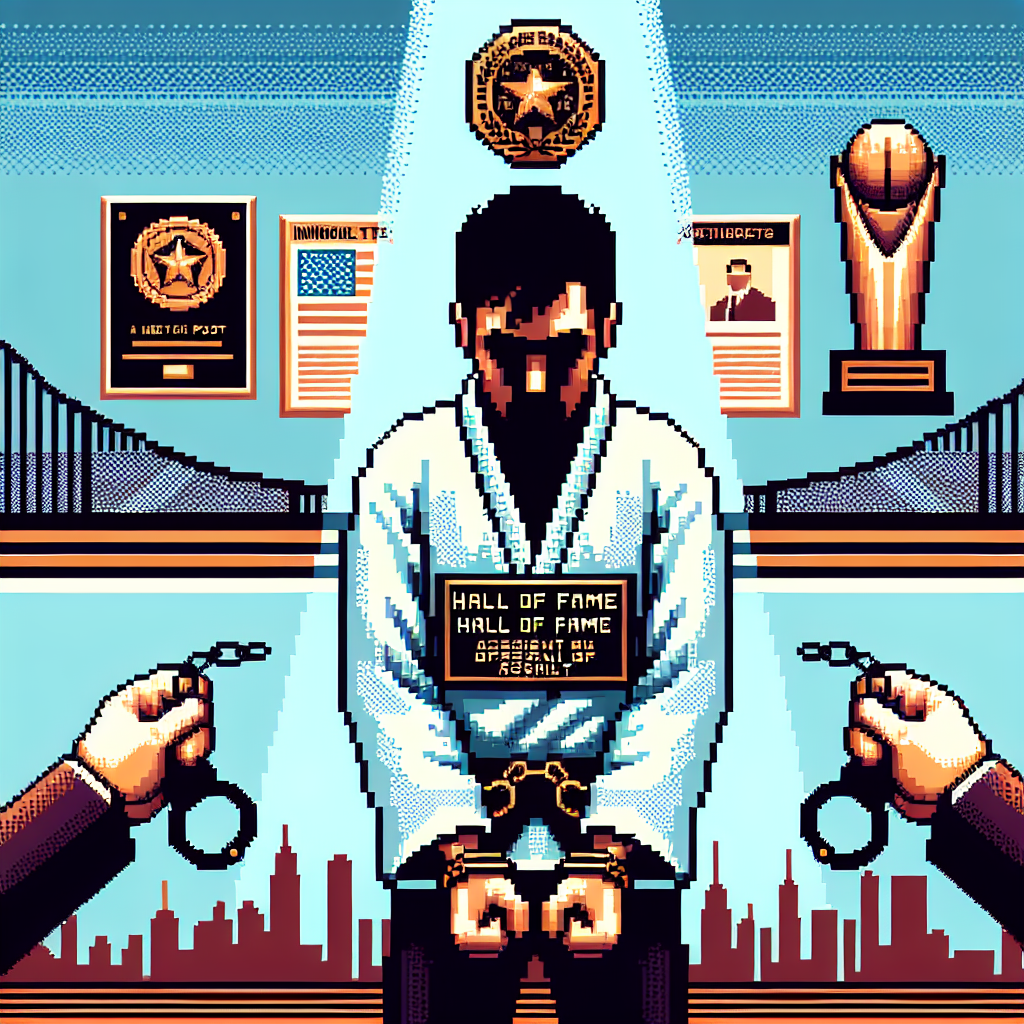
A fallen champion: B.J. Penn’s latest arrest and what it reveals
The image of B.J. Penn — quick, fearless, the first non‑Brazilian to win the World Jiu‑Jitsu Championship black‑belt division and a two‑division UFC champion — is seared into fight fans’ memories. That image is now colliding with a troubling string of real‑world headlines. On the morning of November 4, 2025, police in Hilo say they responded to an assault and later arrested Penn; authorities located him at 11:50 a.m. and took him into custody without incident, charging him with third‑degree assault. The incident adds to a year of repeated legal and mental‑health concerns that have increasingly overshadowed the legacy of one of MMA’s most talented fighters.
Quick context you should know
- The alleged assault occurred in Hilo, Hawai‘i, at about 1:00 a.m. on November 4, 2025, when a 45‑year‑old man reported being punched and kicked and later sought medical care.
- Police say they located Penn on Lehua Street at 11:50 a.m. and arrested him without incident; bail was set at $1,000, which he posted.
- Penn is scheduled to make an initial court appearance on December 2, 2025, in Hilo District Court.
- This is at least the sixth arrest involving Penn during 2025, most incidents tied to family disputes and a restraining order filed by his mother; courts have ordered mental‑health evaluations amid the legal proceedings.
What happened — the facts
- Hawai‘i Island police responded to an assault call early on November 4, 2025. The reported victim told officers he was punched and kicked multiple times before escaping and calling for help.
- The victim later went to Hilo Benioff Medical Center for treatment.
- Officers located Penn at 11:50 a.m., arrested him without incident, charged him with third‑degree assault, and set bail at $1,000. Penn posted bail the same day.
- Local authorities and multiple sports outlets have reported that the case will proceed in December and that it sits alongside several other legal matters involving Penn this year, including family‑related incidents and court orders for mental‑health evaluation. (Sources below.)
Why this matters beyond the headline
- Loss of trust and legacy: Penn’s achievements in MMA are undeniable, but repeated legal troubles risk permanently reshaping public memory of his career. For many athletes, the court of public opinion weighs as heavily as any official record — and patterns of behavior matter.
- Mental health in pro sports: Several reports this year have cited concerns about Penn’s mental state, including claims by family members that he believes relatives have been “replaced” by impostors (a description consistent with Capgras‑like delusions). That raises challenging questions about how legal systems, medical professionals, and sports communities support figures who may be struggling psychologically.
- Accountability and care: Arrests and court dates are part of the legal process, but policymakers and communities must balance accountability with pathways to treatment when illness appears to be a factor.
Takeaways for readers who follow sports and society
- This is not an isolated headline: the November 4 incident fits a pattern of run‑ins and family disputes for Penn in 2025.
- Mental‑health concerns are central to this story; several court actions and media reports reference evaluations and allegations that point beyond simple criminality.
- The legal timeline is concrete: initial hearing set for December 2, 2025, and possible future evaluations or proceedings could shape outcomes.
- For fans and observers, it’s a reminder that athlete legacies are complex — athletic brilliance can coexist with serious personal struggles.
My take
There’s a sad, almost tragic element to watching a once‑dominant athlete unravel in public. B.J. Penn’s career highs — world jiu‑jitsu success, two UFC titles, Hall of Fame induction — are real and impressive. But repeated arrests and the specter of untreated or poorly managed mental illness change the conversation from nostalgia to concern. Ideally, the legal process will ensure safety and accountability for any victim while also directing Penn toward meaningful psychiatric care if that’s needed. For a community that lionizes toughness, this should be a wake‑up call: strength also includes getting help.
Sources
Related update: We recently published an article that expands on this topic: read the latest post.
Related update: We recently published an article that expands on this topic: read the latest post.
Related update: We recently published an article that expands on this topic: read the latest post.
Tom Brady cloned his dead dog — and it reads like a billionaire’s PR move
You know when a celebrity announcement lands and you can’t tell if it’s sincere grief, a flex, or a marketing stunt? Tom Brady’s recent revelation that his current dog Junie is a genetic clone of his late dog Lua checks all three boxes — and then some. The news landed alongside a corporate update from Colossal Biosciences, the biotech firm Brady has invested in, and set off a predictable storm of fascination, skepticism, and ethical hand-wringing. (defector.com)
Why this feels less like a private family moment and more like a brand activation
- Tom Brady’s announcement coincided with Colossal Biosciences’ acquisition of Viagen Pets and Equine — a company that does commercial pet cloning — making the reveal read like a perfectly timed PR play. (statesman.com)
- Brady is publicly invested in Colossal, so his glowing comments about cloning double as social proof for a company aiming to normalize high-profile animal cloning and sell an ambitious public story about “de‑extinction” and conservation. (people.com)
- The optics are weirdly modern-feudal: a billionaire uses cutting-edge biotech to buy back what death took, then makes the purchase part of the company narrative. People notice when private grief overlaps with corporate messaging. (defector.com)
A quick primer: what actually happened (the short version)
- Lua, a pit-bull mix that belonged to Brady’s family, died in December 2023. A blood draw taken before her death was used to preserve her DNA. (people.com)
- Colossal Biosciences — which Brady has invested in — says it used non-invasive cloning technology to create Junie, an animal with the same genetic makeup as Lua. The announcement coincided with Colossal’s purchase of Viagen, a company known for cloning celebrity pets. (statesman.com)
- Commercial pet cloning typically carries high price tags (public reports have cited something like $50,000 for cats or dogs through Viagen), and it’s not cheap or frictionless. (statesman.com)
Science, limits, and the “it’s not the same dog” argument
Genetic identity is not identity-of-experience. Cloning gives you the same genome, not the same life history. Personality, temperament, and quirks result from interactions with environment, maternal conditions in utero, early socialization, and random developmental events — all things a clone will experience differently. Scientists and animal cognition experts have made this clear repeatedly: clones resemble but do not replicate lived personality. (defector.com)
There are also practical realities of pet cloning:
- Success rates for dog cloning have improved since the early, painstaking work (Snuppy in 2005), but cloning remains technically demanding and often involves low yield and surrogate animals. (defector.com)
- The procedure carries ethical questions about the use of surrogates and the fate of embryos and failed attempts, plus animal welfare concerns around the whole process. (defector.com)
The larger story: investors, de‑extinction, and PR theater
Colossal markets itself as a company that can revive extinct species and help conserve endangered ones. Pet cloning is an immediately marketable, emotionally resonant offshoot that also generates headlines and revenue. Having a celebrity investor publicly clone a beloved pet offers three benefits:
- It humanizes and legitimizes a controversial technology.
- It ties a sentimental narrative to a corporate milestone (the Viagen deal).
- It creates cultural conversation — which is cheap PR when coordinated around celebrity announcements. (people.com)
That coordination is why many readers called Brady’s announcement a “brand activation”: the timing and the corporate connection make it hard to read as purely private grief. For public-facing biotech, headlines and cultural cachet can be as valuable as scientific progress, and celebrities are unusually effective at generating both.
Social reaction and cultural vibes
Responses have been all over the map:
- Some people find cloning comforting — a chance to spend more time with an animal that was deeply loved. (people.com)
- Others see it as tone-deaf (given high numbers of shelter animals), ethically fraught, or simply emotionally misguided — a replacement, not a resurrection. Online reactions skewed skeptical and at times outraged. (defector.com)
A few practical questions this raises
- What does a clone cost an average owner versus what Brady likely paid (or leveraged through investment ties)? Public numbers for Viagen services have circulated, but celebrity deals can blur price transparency. (statesman.com)
- How does commercial pet cloning affect shelter adoption rates and resources? If cloning normalizes “buying back” pets, it could have ripple effects in how people view and source companion animals.
- Where do we draw ethical lines between conservation goals and consumerized cloning for grief or vanity? Colossal’s stated conservation ambitions invite scrutiny when the company also markets celebrity pet cloning. (defector.com)
Things to remember
- A clone is a genetic twin, not a memory machine. Expect resemblance, not reincarnation. (defector.com)
- Celebrity announcements that align closely with a company’s corporate milestones should be read with a PR-skeptical eye. Timing matters. (defector.com)
My take
Grief is complicated and people find comfort in different ways. If cloning a beloved pet genuinely helped Brady’s family, that human element deserves empathy. But when the personal becomes entangled with investments and corporate narrative, we should scrutinize the optics and the industry incentives.
This isn’t just a weird rich-guy anecdote — it’s a cultural touchpoint for how emerging biotech will be marketed, normalized, and regulated. Celebrity validation can accelerate adoption, for better or worse, so the conversation we have now about ethics, transparency, and animal welfare matters.
Where to read more
- Defector’s take on the timing, optics, and irony of Brady’s announcement. (defector.com)
- People’s reporting on Brady’s statement and Colossal’s role in cloning Junie from Lua’s preserved blood sample. (people.com)
- Local coverage on Colossal’s involvement and Viagen’s cloning services and pricing. (statesman.com)
Sources
Related update: We recently published an article that expands on this topic: read the latest post.
Related update: We recently published an article that expands on this topic: read the latest post.
Related update: We recently published an article that expands on this topic: read the latest post.
Related update: We recently published an article that expands on this topic: read the latest post.

When was the last time Apple launched new products in November? A quick history as we wait for Apple TV, AirTag, and more
Apple fans have gotten very used to a cadence: big iPhone and Apple Watch news in September, occasional Mac and iPad moments in October, and then the company fades into a quieter holiday rhythm. So when rumors start swirling in late October about a new Apple TV, a HomePod mini 2, or AirTag 2, the question naturally follows — how often does Apple actually drop new hardware in November?
Below I walk through the recent history, call out the most notable late‑year launches, and offer a perspective on whether November 2025 could really be the month Apple surprises us again.
Why November feels surprising
- Apple’s publicity machine is built around big, planned events. September has been the home for flagship iPhone launches for years, and October has been the fallback for Macs, iPads, and some Apple Services reveals.
- November is often a shipping or retail month — announced products that trickle into stores, rather than brand‑new unveilings. That makes a fresh product announcement in November feel like a break from the pattern.
- Still, Apple has used late‑year timing when it mattered: supply chains, software readiness, or pandemic delays have all shifted release calendars before.
Recent late‑year Apple product launches
- November 10, 2020 — Apple unveiled the first M1 Macs (MacBook Air, 13‑inch MacBook Pro, Mac mini). That was a major architectural shift and one of Apple’s most consequential late‑year announcements in recent memory. (9to5mac.com)
- December 2020 — AirPods Max were introduced via a press release in December 2020 (announced later in the year rather than at a major event). This illustrates Apple sometimes prefers quiet, non‑event rollouts late in the year. (9to5mac.com)
- November 13, 2019 — Apple released the 16‑inch MacBook Pro in mid‑November, another example of a significant product arriving outside the usual September/October window. (9to5mac.com)
- Other late releases have included products that were announced earlier and shipped in November or December (for example, the M4 Macs shipped in November after an October announcement). That pattern makes November a shipping month more than an unveiling month most years. (9to5mac.com)
What the rumors say for November 2025
- Multiple outlets (including 9to5Mac, MacRumors, and coverage of Mark Gurman’s reporting) suggest Apple could be preparing new hardware in November 2025: a refreshed Apple TV 4K with a faster chip (reportedly A17 Pro), a second‑generation HomePod mini, and possibly AirTag 2 with improved Ultra Wideband and security features. These are described as likely “coming soon” or “in the coming months,” and several reports point to mid‑November retail refresh activity around November 11, 2025. (9to5mac.com)
- Retail overnight store refreshes (an internal Apple practice ahead of product rollouts or merch changes) are often a hint but not definitive proof of a product launch. Apple has used this approach for both product introductions and seasonal store updates. (macrumors.com)
What history suggests about the chances of a November unveiling
- Uncommon but not unprecedented: Major, headline‑making November launches are rare (2020 and 2019 stand out), but November product introductions do happen, especially when timing or logistics push Apple off its usual calendar. (9to5mac.com)
- Apple’s habits favor September/October announcements, then November as a month to ship announced products or refresh retail displays. If Apple does announce an Apple TV, HomePod mini 2, or AirTag 2 in November 2025, it will be notable only because it bucks that trend — but the trend is not a rule.
- Leaks and supply signals matter: limited availability of current models and internal retail plans increase the odds that something is imminent. Still, leaks can be wrong or refer only to shipping schedules rather than announcement events. (macrumors.com)
What to watch this November
- November 11, 2025 — multiple reports flagged this date as a likely overnight store refresh. Keep an eye on Apple Store pages and press releases around that date. (macrumors.com)
- Software release cadence — Apple often aligns hardware availability with software updates. The iOS/tvOS/wide system updates expected in early November could be paired with hardware availability or new product support notes. (9to5mac.com)
- Short, quiet press releases — not every Apple product gets a keynote. AirPods Max and a few other products launched via press release or small announcements late in the year. Watch Apple’s Newsroom for those. (apple.com)
What this means for buyers and fans
- If you want the rumored Apple TV 4K or AirTag 2, be ready for two possibilities:
- A quick, quiet Apple announcement (press release and product page) in November with immediate preorders or shipments.
- A short announcement that the product will ship later (December or early 2026), which is Apple’s typical holiday logistics play.
- Holiday shopping windows could push Apple to time product availability for November even if the formal unveiling happened earlier — that’s why stock and shipping updates can be as telling as announcements.
Notable dates to remember
- November 10, 2020 — M1 Macs unveiled. (9to5mac.com)
- November 13, 2019 — 16‑inch MacBook Pro announced/arrived. (9to5mac.com)
- November 11, 2025 — rumored retail refresh date many outlets flagged as a possible product timing hint. (timesofindia.indiatimes.com)
Quick takeaways
- Apple launching hardware in November is uncommon but has happened in recent years (notably 2020 and 2019). (9to5mac.com)
- November is more often a shipping or retail refresh month than a debut month, but supply cues and internal retail scheduling can presage real product drops. (9to5mac.com)
- For November 2025 there are credible signals (rumors, retail refresh plans, and supply scarcity) that Apple could introduce or make available Apple TV 4K, HomePod mini 2, and AirTag 2 — but nothing is confirmed until Apple’s Newsroom or product pages change. (9to5mac.com)
Final thoughts
Apple doesn’t have to follow a calendar — and sometimes the company’s most interesting moves arrive when we least expect them. Historically, November announcements are rarer, but when they happen they’re often meaningful (we’re still feeling the impact of the M1 Macs announced on November 10, 2020). Keep an eye on Apple’s official channels and the November 11 retail timing that reporters are watching. Whether Apple surprises us with a shiny new Apple TV or quietly drops updated AirTags, the end of the year is a great time to revisit how Apple times product launches for market, shipping, and holiday reasons.
Sources
Related update: We recently published an article that expands on this topic: read the latest post.