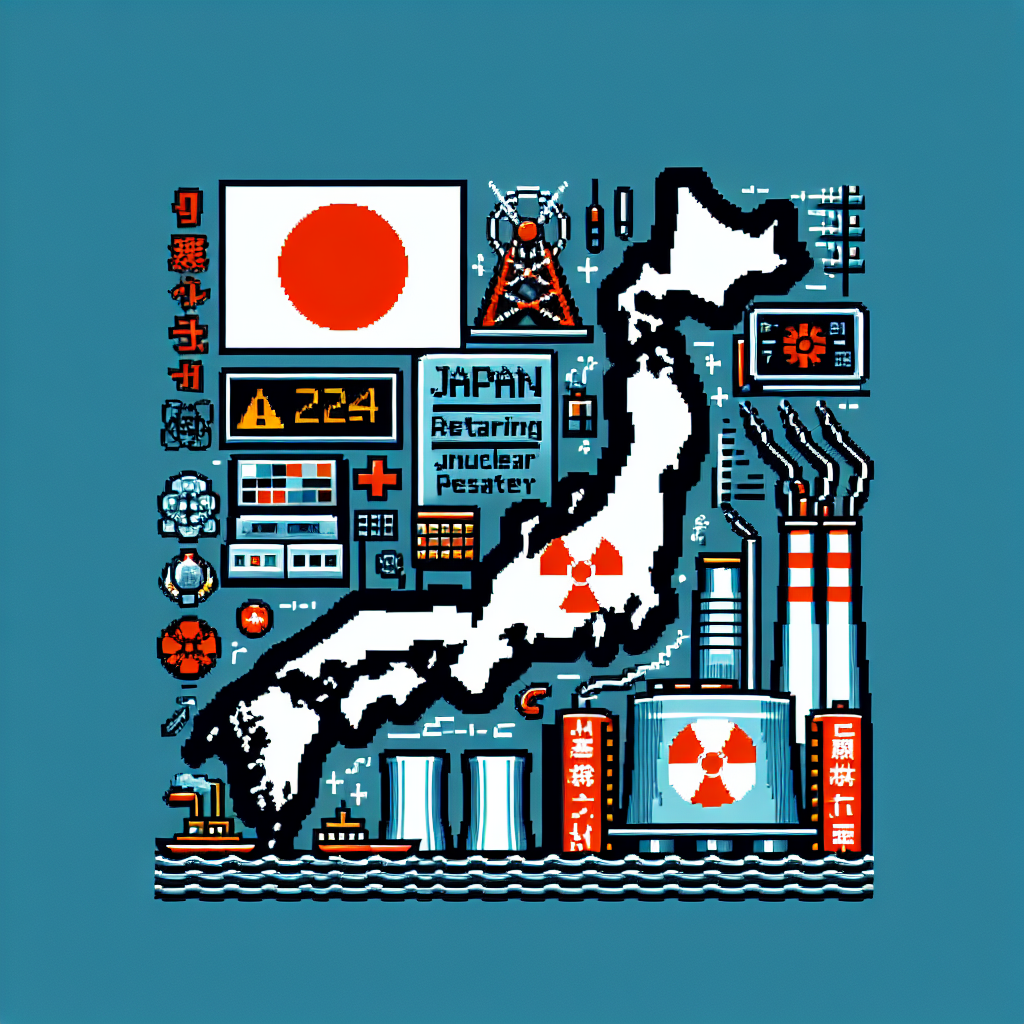
Japan Restarts Worlds Largest Nuclear | Analysis by Brian Moineau

A reactor returns after 15 years: what Japan’s restart really means

Japan’s energy landscape flickered back to life this week when Tokyo Electric Power Company (TEPCO) restarted Reactor No. 6 at the Kashiwazaki-Kariwa nuclear power plant — the first time a TEPCO-run reactor has been brought back into operation since the 2011 Fukushima disaster. The move is heavy with symbolism: nearly 15 years after one of the worst nuclear accidents in modern history, Japan is again turning toward large-scale nuclear generation to meet climate and energy-security goals. (ans.org)

Quick takeaways

  • The No. 6 reactor at Kashiwazaki-Kariwa was restarted on 21 January 2026; the operator later suspended operations briefly after a control-rod-related glitch, saying there was no immediate safety impact. (ans.org)
  • Kashiwazaki-Kariwa is the world’s largest nuclear generating complex by capacity; restarting even one unit adds substantial output to Japan’s grid. (ans.org)
  • Restarts reflect a national policy pivot: Japan is re-embracing nuclear power to cut emissions and reduce reliance on imported fossil fuels, even as local opposition and seismic safety concerns persist. (theguardian.com)

The moment and the backdrop

On 21 January 2026 TEPCO withdrew control rods from Unit 6, bringing the reactor to criticality and initiating the carefully staged process of producing steam and testing systems before commercial operation. The plant — located in Niigata prefecture on the Sea of Japan coast — has seven reactors and a combined potential capacity that makes it the largest single nuclear site in the world. (ans.org)

That scale matters politically and practically. Japan’s energy mix has been reshaped by the 2011 earthquake, tsunami and ensuing meltdown at Fukushima Daiichi; nearly all reactors were shut down for safety overhauls, public trust eroded, and the country leaned on imported gas and coal. In recent years, under pressure from high fossil-fuel costs and climate targets, Tokyo has shifted back toward reactivating reactors that meet updated safety rules. (theguardian.com)

Why this restart matters

  • Energy and emissions: Restarting Unit 6 can add gigawatts of low-carbon baseload power to the grid, helping the government pursue carbon neutrality goals while reducing costly fuel imports. That’s a major driver of the policy reversal toward “maximizing” nuclear capacity through 2040. (theguardian.com)
  • TEPCO’s reputation and finances: TEPCO still manages the long, expensive Fukushima decommissioning. Bringing a flagship plant back online helps its bottom line — but also reopens questions about the company’s stewardship and transparency. (apnews.com)
  • Local trust and seismic risk: Many residents near Kashiwazaki-Kariwa oppose the restart; surveys and protests reflect anxieties about earthquakes, evacuation readiness and whether local communities truly consented. Seismic safety remains a top concern in any Japanese nuclear debate. (aljazeera.com)

The hiccup: why the suspension matters

Hours after the restart began, TEPCO suspended operations to investigate an electrical malfunction related to control-rod equipment. The company emphasized the reactor remained stable and there was no release or visible safety threat — but the interruption underlines two realities: nuclear systems require near-perfect coordination of complex controls, and public confidence is fragile; even small technical issues are newsworthy and politically charged. (aljazeera.com)

That suspension won’t be judged solely on engineering grounds. In the court of public opinion, it feeds narratives on whether nuclear restarts truly resolved the problems that followed Fukushima: maintenance rigor, independent oversight, and evacuation planning.

Broader implications

  • Energy security vs. social license: Japan faces a classic policy trade-off: nuclear offers reliable, low-carbon power but requires broad local trust and robust safety culture. The national goal of increasing nuclear’s share by 2040 makes restarts politically attractive — but local opposition and history complicate implementation. (theguardian.com)
  • Global ripple effects: Japan is the world’s third-largest economy. Its nuclear policy choices influence global markets for LNG and coal, and signal how advanced economies balance decarbonization with energy resilience. (theguardian.com)
  • Technical and regulatory watch: The Nuclear Regulation Authority and TEPCO will be scrutinized at every step — from post-restart inspections to the ramp-up to commercial operation — and any further malfunctions could stall public and political support. (ans.org)

My take

Restarting Unit 6 at Kashiwazaki-Kariwa is not just a technical milestone; it’s a test of whether Japan can reconcile climate goals, energy security and community consent after a traumatic chapter in its modern history. The engineering checks and regulatory approvals matter — but so do transparent communication, honest acknowledgement of past failures, and demonstrable local protections. If Japan’s next steps prioritize both rigorous safety and genuine engagement with affected communities, this restart could be part of a pragmatic, low-carbon pathway. If not, it risks reopening the social wounds left by Fukushima while adding political volatility to the energy transition.

What to watch next

  • TEPCO’s investigation results and whether the reactor resumes stable operation and moves to commercial generation (TEPCO had signalled a target for commercial operation after additional checks). (ans.org)
  • Niigata local politics and any legal or regulatory challenges from citizen groups and prefectural bodies. (theguardian.com)
  • Japan’s national energy roadmap and whether the government adjusts timelines or safety conditions in response to operational lessons and public feedback. (theguardian.com)

Sources

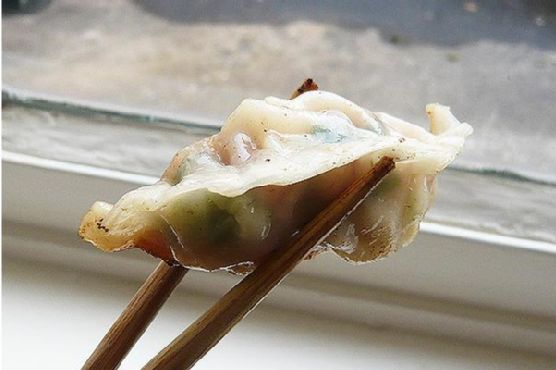
Japanese Gyoza Pot Stickers | Made by Meaghan Moineau

Japanese Gyoza Pot Stickers

Intro

There’s something incredibly comforting about a plate of perfectly cooked gyoza, or Japanese pot stickers, their crispy bottoms contrasting with a tender, juicy filling. I remember visiting my grandmother’s house on weekends, the kitchen filled with the aromatic scent of sizzling gyoza. She would always let me assist, my small hands struggling to pleat the delicate wrappers just right. It was in those moments that I learned the art of cooking and the love that goes into each fold. Today, I’m excited to share this cherished recipe with you, bringing a piece of my childhood into your home.

Why You’ll Love It

This Japanese Gyoza recipe is a delightful blend of savory, spicy, and aromatic flavors. The combination of ground beef, cabbage, and spices wrapped in a delicate shell is truly irresistible. Whether you’re a seasoned cook or a beginner, these pot stickers are easy to make and perfect for any occasion. Plus, you can customize them with ingredients you love or have on hand!

Ingredients

  • 1/2 teaspoon black pepper
  • 2 cups finely chopped cabbage
  • 1 teaspoon chili sesame oil
  • 1/2 cup dried mushrooms, soaked in warm water and chopped
  • 2 teaspoons grated ginger root
  • 3 to 4 green onions, chopped
  • 1/2 pound ground beef
  • 2 tablespoons salad oil
  • 1 tablespoon sesame oil
  • 2 tablespoons Kikkoman soy sauce
  • 1 tablespoon cooking wine
  • Gyoza wrappers

Instructions

  1. Chop the cabbage finely, place it in a colander, and pour boiling water over it. Allow it to cool to the touch, then squeeze the cabbage well to remove excess water.
  2. In a large bowl, mix the cabbage, chopped green onions, chopped mushrooms, and grated ginger.
  3. In a separate bowl, combine the ground beef, cooking wine, soy sauce, sesame oil, and black pepper. Add this mixture to the bowl of vegetables and mix well.
  4. Place about 1 teaspoon of filling in the center of a gyoza wrapper. Fold the wrapper in half and pleat the edges to seal. If the edges don’t stick, dampen the inside edge with a little water, then pleat.
  5. Heat 2 tablespoons of salad oil in a large skillet over medium heat. Place the gyoza into the skillet, flat side down, and cook until the bottoms are golden brown.
  6. At the edge of the pan, carefully pour in a little water, up to 1/4 of the depth of the pot stickers. Cover the skillet, turn the heat to low, and simmer until the water has evaporated.

Tips

For best results, make sure to squeeze out as much water from the cabbage as possible to prevent the filling from becoming too wet. Also, when pleating the gyoza, try to make small, even pleats to ensure they cook uniformly and look appealing.

Variations & Substitutions

If you’re looking to switch things up, consider these variations:

  • Vegetarian: Replace the ground beef with finely chopped tofu or tempeh.
  • Spicy: Add a dash of chili flakes or a bit more chili sesame oil for an extra kick.
  • Different Proteins: Try ground pork or chicken instead of beef for a different flavor profile.

Storage

Leftover gyoza can be stored in an airtight container in the refrigerator for up to 3 days. To reheat, simply pan-fry them again to regain their crispy texture. You can also freeze uncooked gyoza for up to a month; just be sure to place them in a single layer on a baking sheet to freeze initially before transferring to a freezer bag.

FAQ

Can I use store-bought gyoza wrappers?

Absolutely! Store-bought gyoza wrappers are a convenient option and work perfectly for this recipe. Just be sure to keep them covered with a damp cloth to prevent them from drying out while you work.

How do I prevent the gyoza from sticking to the pan?

Make sure your pan is well-oiled and preheated before adding the gyoza. Adding water to the pan and covering it helps to steam the gyoza, which also prevents sticking. If they still stick, let them sit for a moment after cooking to allow them to release naturally.

Nutrition

While exact nutritional values can vary, each gyoza pot sticker typically contains around 70-80 calories, with a good balance of protein from the beef and vegetables. This makes them a tasty yet relatively light appetizer or main dish. For those watching their sodium intake, be mindful of the soy sauce content, or opt for a low-sodium version.

Conclusion

Japanese Gyoza Pot Stickers are a delightful treat that brings warmth and joy to any meal. Whether you’re making them for a family gathering, a dinner party, or simply to enjoy a taste of Japan at home, these pot stickers promise to be a hit. I hope this recipe brings the same joy to your kitchen as it has to mine. Happy cooking!

Related update: Japanese Gyoza Pot Stickers

Related update: Vegetarian Ratatouille

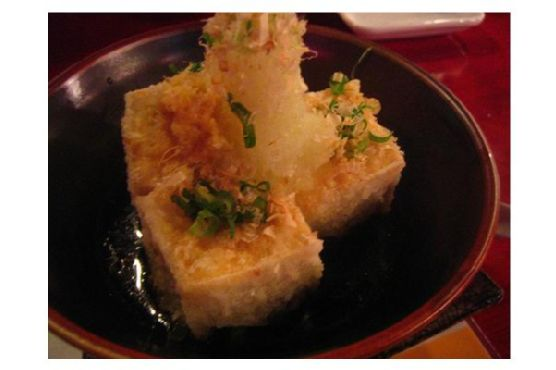
Agedashi Tofu | Made by Meaghan Moineau

Agedashi Tofu: A Crispy Delight with a Silken Heart

Intro

There’s something magically comforting about a perfectly prepared dish of Agedashi Tofu. I remember the first time I encountered this delightful appetizer at a cozy Japanese restaurant tucked away in a busy Tokyo street. The warmth of the tofu, crisp on the outside and soft within, felt like a welcoming embrace. As the waiter set down the plate, the steam rose into the air, carrying the tantalizing aroma of fried goodness mixed with a hint of the savory hoisin sauce. That experience is forever etched in my memory as a moment of pure culinary joy. Today, I’m excited to share with you a simple yet authentic recipe for Agedashi Tofu, allowing you to recreate this beautiful dish in your own kitchen.

Why You’ll Love It

Agedashi Tofu is a dish that truly delights the senses. Its crispy exterior gives way to a soft, creamy interior, creating a contrast that’s both exciting and comforting. The sprinkle of fresh green onions adds a burst of color and a fresh, zesty flavor that complements the rich hoisin sauce perfectly. This recipe is straightforward and quick to prepare, making it an excellent choice for both weekday dinners and special occasions. Whether you’re a seasoned tofu lover or new to this versatile ingredient, this dish is sure to win you over.

Ingredients

  • 1 block silken tofu
  • Cornstarch, for dredging
  • Oil, for frying
  • 2 green onions, finely chopped
  • Hoisin sauce, for drizzling

Instructions

  1. Cut the tofu into 12 equal-sized cubes, handling gently to avoid breaking.
  2. Place the cornstarch on a plate or in a shallow bowl. Dredge each tofu cube in the cornstarch, ensuring all sides are coated thoroughly.
  3. In a medium-sized frying pan, heat enough oil so that the tofu cubes will be half-submerged when placed in the pan. The oil should be hot but not smoking.
  4. Fry the tofu cubes in the hot oil for 3 to 5 minutes on each side, or until they are golden brown and crispy. Avoid overcrowding the pan to ensure even frying.
  5. Once fried, remove the tofu cubes and let them drain on paper towels to remove excess oil.
  6. Place the tofu cubes on a serving dish. Sprinkle the chopped green onions over the top and drizzle with hoisin sauce.
  7. Serve immediately while the tofu is still warm and crispy.

Tips

For the best results, use silken tofu, which provides a creamy texture that contrasts beautifully with the crispy exterior. Be gentle when handling the tofu to keep it from breaking apart. Ensure your oil is hot enough to achieve that perfect crispiness without absorbing too much oil. A quick test is to drop a small piece of tofu into the oil; if it sizzles and rises to the surface, the oil is ready.

Variations & Substitutions

If you’re looking to add a twist to this classic dish, consider these variations:

  • Spicy Kick: Add a dash of chili oil or sprinkle some red pepper flakes on the tofu for a spicy version.
  • Gluten-Free: Substitute the hoisin sauce with a gluten-free alternative or tamari sauce.
  • Extra Flavor: Add a splash of soy sauce or ponzu to the hoisin for additional depth of flavor.

Storage

Agedashi Tofu is best enjoyed fresh for maximum crispiness. However, if you have leftovers, store them in an airtight container in the refrigerator for up to two days. Reheat in a hot pan with a little oil to restore some of the crispiness before serving. Avoid microwaving as it can make the tofu soggy.

FAQ

Can I use firm tofu instead of silken tofu?

While the recipe traditionally uses silken tofu for its creamy texture, you can use firm tofu if you prefer a slightly denser texture. The cooking method remains the same, but you might find the firm tofu easier to handle without breaking.

What oil is best for frying tofu?

Use a neutral oil with a high smoke point, such as vegetable oil, canola oil, or peanut oil. These oils will ensure your tofu crisps up nicely without imparting any unwanted flavors.

Is hoisin sauce necessary, or can I use something else?

Hoisin sauce adds a sweet and savory flavor that complements the tofu well. However, if you prefer a different taste, you can use soy sauce, teriyaki sauce, or even a splash of your favorite dipping sauce to customize the dish to your liking.

Nutrition

This delightful dish is not only tasty but also relatively low in calories, especially when compared to other fried foods. Tofu is a great source of protein and contains essential amino acids. It also provides iron, calcium, and other important minerals, making it a nutritious choice for vegetarians and meat-eaters alike. The key to keeping this dish healthy is to enjoy it in moderation and to thoroughly drain the tofu after frying to remove excess oil.

Conclusion

Agedashi Tofu is a beloved dish in Japanese cuisine, celebrated for its textural contrast and simple yet satisfying flavors. By following this recipe, you can bring a taste of Japan into your home and share a dish that’s sure to become a favorite at your dining table. Whether you’re reminiscing about a past trip or creating new memories with loved ones, this Agedashi Tofu recipe is a warm, inviting choice that promises to delight with every crispy bite. Enjoy!

Related update: Agedashi Tofu

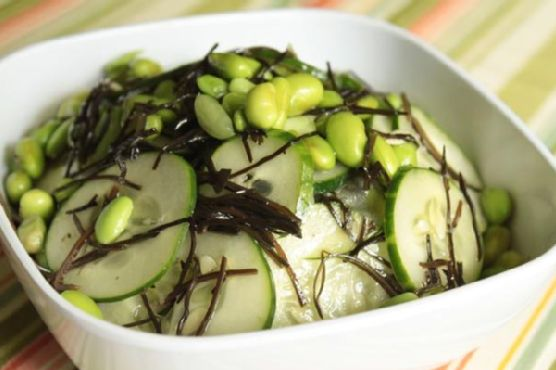
Arame Edamame Cucumber Salad | Made by Meaghan Moineau

Arame Edamame Cucumber Salad

Intro

There’s something truly magical about a dish that can transport you back in time. For me, it’s the Arame Edamame Cucumber Salad. I remember the first time I tasted this salad at a quaint little Japanese restaurant during a family vacation when I was a child. The fresh, crisp cucumbers paired with the nutty edamame and the slightly sweet, earthy taste of arame made a lasting impression. It was a simple dish, yet it encapsulated the essence of that warm summer evening, eating outdoors under paper lanterns with the soft hum of conversation around us. Today, I’ve recreated that nostalgic dish in my own kitchen, and I’m excited to share it with you.

Why You’ll Love It

This Arame Edamame Cucumber Salad is not just a delight for the taste buds; it’s a celebration of textures and flavors. You’ll love the harmony of the soft, chewy arame with the crunchy cucumbers and the creamy edamame. The dressing, a blend of extra virgin olive oil, rice vinegar, sesame oil, and soy sauce, adds a subtle yet complex taste that ties all the components together beautifully. Not only is this salad refreshing and delicious, but it’s also incredibly nutritious, making it a perfect choice for a light lunch or a side dish at dinner.

Ingredients

  • 1 cucumber, finely sliced
  • 1 cup edamame, boiled and shelled
  • 2 tablespoons extra virgin olive oil
  • 2 tablespoons rice vinegar
  • 1 tablespoon sesame oil
  • 1 tablespoon soy sauce
  • 1/4 cup arame
  • 2 cups water (for soaking arame)

Instructions

  1. Add 2 cups of water to the arame and leave it soaking for 5 minutes. After soaking, drain the water thoroughly.
  2. Boil the edamame in salted water for roughly 5 minutes until tender. Drain and set aside.
  3. Finely slice the cucumber. Using a mandolin can help achieve evenly thin slices.
  4. In a small jar, combine the extra virgin olive oil, rice vinegar, sesame oil, and soy sauce. Cover the jar and shake well to mix the dressing.
  5. In a large bowl, combine the soaked arame, boiled edamame, and sliced cucumber. Pour the dressing over the mixture and toss well to ensure all ingredients are evenly coated.

Tips

For the best results, be sure to soak the arame for the full 5 minutes. This rehydrates it and enhances its flavor. When boiling edamame, don’t overcook them; you want them tender but still slightly firm to the bite. If you don’t have a mandolin, carefully slice the cucumber as thinly as possible with a sharp knife to maintain the salad’s texture.

Variations & Substitutions

If you’re looking to switch things up, try adding some toasted sesame seeds on top for an extra nutty flavor. You could also substitute the arame with wakame or hijiki, which are also types of seaweed with slightly different flavors and textures. For a spicy kick, add a dash of chili oil to the dressing. If soy sauce isn’t your thing, tamari makes a great gluten-free alternative.

Storage

This salad is best enjoyed fresh. However, if you have leftovers, store them in an airtight container in the refrigerator for up to two days. Keep in mind that the cucumbers may lose some of their crispness over time, so enjoy the salad sooner rather than later for the best experience.

FAQ

Can I make this salad ahead of time?

Yes, you can prepare the components of the salad ahead of time. Soak the arame, boil the edamame, and slice the cucumbers, but keep them separate until you’re ready to serve. Mix everything together and add the dressing just before serving for maximum freshness.

What can I serve with Arame Edamame Cucumber Salad?

This salad pairs wonderfully with grilled fish, chicken, or tofu. It can also be served alongside a bowl of miso soup for a light and balanced meal.

Is this salad vegan?

Yes, this Arame Edamame Cucumber Salad is completely vegan, making it a great option for plant-based diets.

Nutrition

This salad is not only delicious but also packed full of nutrients. Edamame is a great source of plant-based protein, while arame provides essential minerals such as iodine and calcium. Cucumbers are hydrating and low in calories, making this dish a healthy choice for any meal.

Conclusion

The Arame Edamame Cucumber Salad is a delightful blend of flavors and textures that is sure to become a favorite in your household. Whether it’s the nostalgic memories it invokes or the fresh taste of each ingredient, this salad is a testament to the beauty of simple, wholesome food. I hope you enjoy making and eating this dish as much as I do. Share it with family and friends, and perhaps it will create its own special place in your culinary memories.

Related update: Arame Edamame Cucumber Salad

Related update: Watercress Salad With Miso-Lime Dressing

Japan inflation comes in at 3.6%, surpasses BOJ target for three straight years – CNBC | Analysis by Brian Moineau

Japan inflation comes in at 3.6%, surpasses BOJ target for three straight years - CNBC | Analysis by Brian Moineau

Japan's Inflation Odyssey: The Land of the Rising Prices

Japan, a nation renowned for its cherry blossoms, cutting-edge technology, and rich cultural tapestry, is now also notable for its inflation rates surpassing the Bank of Japan's (BOJ) target for three consecutive years. According to a recent CNBC report, Japan's inflation grew 3.6% year on year in March, marking a significant departure from the BOJ's long-standing 2% target. But what does this mean for Japan and the global economic landscape?

The Inflation Conundrum

For years, Japan grappled with deflation—a persistent decline in prices that stymied economic growth and stifled consumer spending. The BOJ's 2% inflation target was established as a remedy, intended to stimulate the economy by encouraging spending and investment. However, overshooting this target presents its own set of challenges.

The current 3.6% inflation rate, while modest compared to the double-digit figures seen in some other parts of the world (such as Argentina, where inflation exceeded 100% in 2023), is significant for Japan. It suggests that the country's economy is heating up faster than anticipated. This raises the question: how will policymakers respond to this continued rise in prices?

A Global Perspective

Japan's inflationary pressures are not occurring in isolation. Around the world, countries are grappling with the economic ripple effects of the COVID-19 pandemic, supply chain disruptions, and geopolitical tensions. For instance, the war in Ukraine has led to increased energy prices globally, affecting nations far beyond Europe. Similarly, the U.S. has experienced rising inflation rates, prompting the Federal Reserve to increase interest rates—a potential move Japan might consider, though it could have complex implications for its economy.

Interestingly, in an era where many countries are tightening monetary policy to combat inflation, Japan's approach has remained relatively accommodative. The BOJ continues to maintain low interest rates, prioritizing economic growth and stability over aggressive inflation control. This divergence in strategy highlights the unique economic landscape in Japan, where decades of economic stagnation have fostered a cautious approach to monetary policy adjustments.

Cultural and Economic Impacts

For the average Japanese citizen, rising inflation can have tangible impacts on daily life. From increased grocery bills to higher costs for everyday goods and services, the effects of inflation are felt most acutely by consumers. Yet, there is also a cultural dimension at play. Japan's aging population and shrinking workforce present additional economic challenges, leading to debates about immigration policies, workforce participation, and technological innovation as potential solutions.

A Lighthearted View

Despite the serious economic implications, there's an opportunity to find some levity in the situation. As Japan continues to navigate these inflationary waters, perhaps it's time for some creative thinking. Imagine a world where inflation is met with humor—where economists become stand-up comedians, turning complex economic theories into punchlines, and where inflation indices are humorously compared to sumo wrestling matches, with the yen battling it out on the global stage.

Final Thoughts

Japan's inflation journey is a testament to the complexities of managing an economy in a rapidly changing world. While the 3.6% inflation rate surpasses the BOJ's target, it also reflects broader global trends and challenges. As Japan charts its course forward, balancing growth and stability will be key. And who knows, maybe a little humor along the way will provide the resilience needed to weather the economic storms.

For more insights on Japan's economic landscape, check out the full [CNBC article](https://www.cnbc.com).

Read more about AI in Business

Read more about Latest Sports Trends

Read more about Technology Innovations

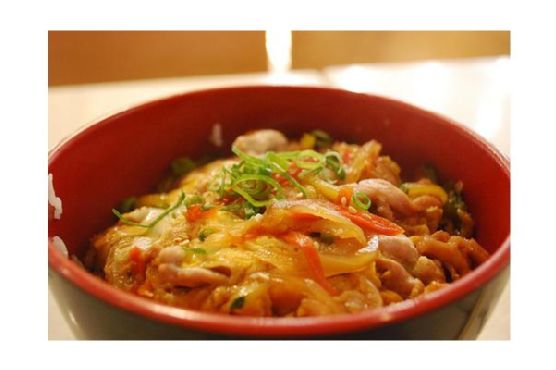
Japanese Chicken Donburi | Made by Meaghan Moineau

Japanese Chicken Donburi | Made by Meaghan Moineau

A Taste of Tradition: Reliving Memories with Japanese Chicken Donburi


Description: Dive into a heartwarming culinary journey with Japanese Chicken Donburi, a classic dish that combines tender chicken, fresh spinach, and a delightful egg mixture over a bed of fluffy rice. This main dish, rated 5/10 in difficulty, is perfect for those seeking a flavorful meal that's both comforting and easy to prepare. Join me as I share a cherished family memory that makes this dish even more special.

---


Japanese Chicken Donburi: A Bowl of Comfort and Tradition


There's something incredibly comforting about a warm bowl of Japanese Chicken Donburi. The tender chicken, the freshness of baby spinach, and the richness of the egg mixture create a symphony of flavors that dance on your palate. But for me, this dish is more than just a meal; it's a bridge to cherished family memories and a reminder of the warmth that comes from shared moments around the dinner table.


Ingredients:

- 1 tablespoon salad oil
- 1 onion, thinly sliced
- 1 tablespoon fresh ginger, grated
- 1/2 cup fat-skimmed chicken broth
- 3 tablespoons soy sauce
- 1 tablespoon sugar
- 1 boned, skinned chicken breast, thinly sliced
- 2 cups baby spinach leaves
- 4 eggs
- Cooked rice
- 1 diced roma tomato

Instructions:

1. Prepare the Aromatics: In a deep 10-inch or 12-inch frying pan over high heat, stir together the salad oil, onion, and fresh ginger until the onion is lightly browned, about 2 minutes.
2. Simmer the Broth: Add the chicken broth, soy sauce, and sugar to the pan. Stir until combined, then add the sliced chicken breast. Bring the mixture to a boil.
3. Integrate the Spinach: Add the baby spinach to the pan, cover, and cook until the spinach is wilted, about 1 minute.
4. Create the Egg Mixture: In a small bowl, beat the eggs until blended. Reduce the heat to low, evenly distribute the mixture in the pan, and pour in the eggs.
5. Cook with Care: Using a spatula, gently push the vegetables aside so the egg mixture can flow through the sauce. Cover and cook just until the eggs are softly set, about 2 to 2 1/2 minutes.
6. Assemble the Donburi: Meanwhile, spoon the cooked rice into bowls. Top each serving equally with the egg-spinach mixture, including the flavorful juices. Sprinkle with diced roma tomato for a fresh finish.

A Nostalgic Family Memory


Growing up, weekends at my grandmother's house were a whirlwind of laughter, stories, and the irresistible aroma of her cooking. One of the highlights was her Japanese Chicken Donburi, a dish that seemed to capture the essence of her warmth and generosity. I remember sitting at her kitchen table, eagerly watching as she expertly stirred the pan, her stories intertwining with the sizzle of the ingredients.


Grandma had a way of making even the simplest meals feel like a grand celebration. As we gathered around the table, bowls of steaming donburi in hand, she'd recount tales of her own childhood, painting vivid pictures of her adventures and lessons learned. Each bite was a journey, a connection to a time and place where love was the secret ingredient.


Even now, as I prepare this dish in my own kitchen, I feel her presence. The fragrant blend of soy sauce and ginger transports me back to those cherished Saturdays, and with each spoonful, I am reminded of the enduring power of family and tradition.


Conclusion


Japanese Chicken Donburi is more than just a main dish; it's a taste of nostalgia, a reminder of the simple joys found in the company of loved ones. Whether you're recreating a family favorite or discovering it for the first time, this dish promises warmth, comfort, and a flavorful embrace of tradition.


So, gather your ingredients, and let the aromas whisk you away to your own treasure trove of memories. Enjoy the rich flavors, and perhaps, create new stories to savor for years to come.

Read more about Appetizers

Read more about Main Dishes

Read more about Desserts