Capitals Rally to Topple Islanders 4-1 | Analysis by Brian Moineau

Capitals 4, Islanders 1 — When “biggest game of the season” actually feels that big

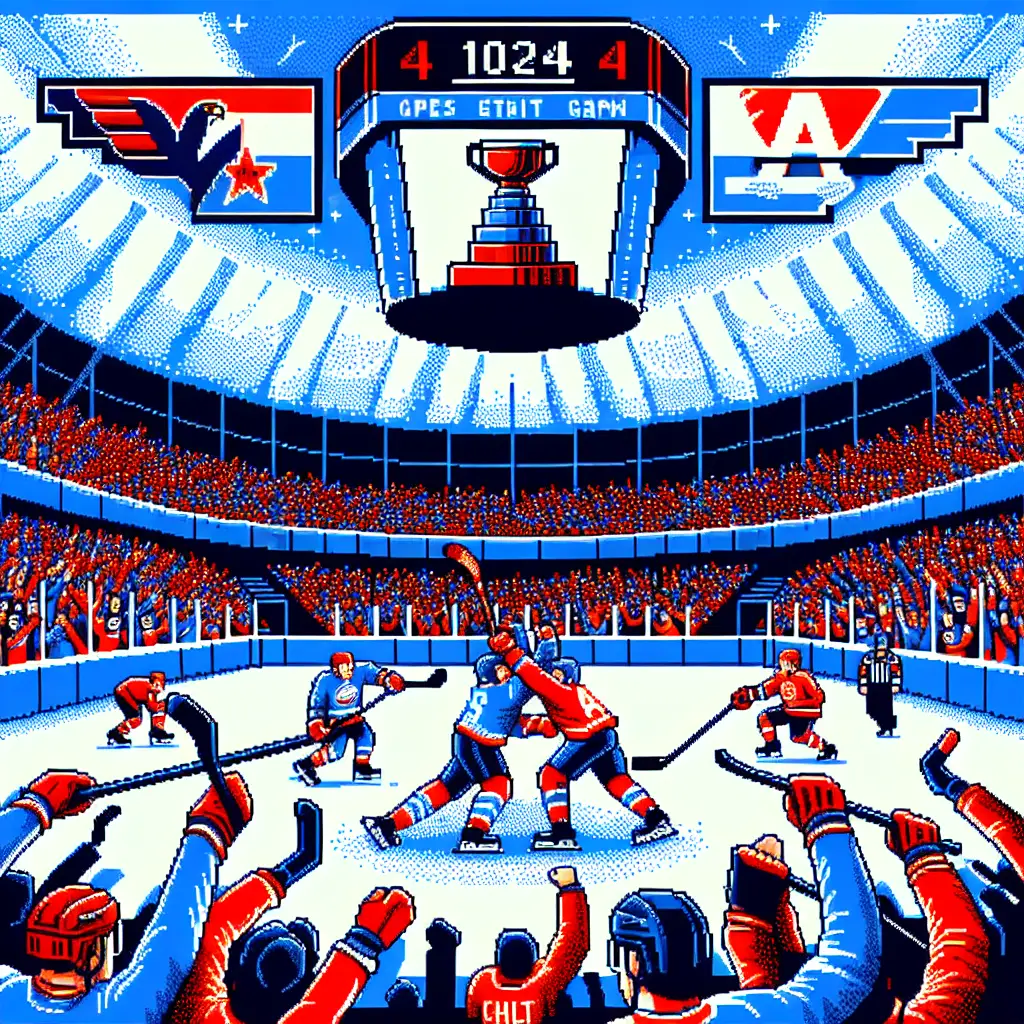
There’s something delicious about a team answering the noise. On Monday night at Capital One Arena the Washington Capitals faced the New York Islanders in what every local outlet and fan chat had already labeled “the biggest game of the season.” The hype felt earned: two Metro Division rivals separated by four points in the standings, both jockeying for position before the Olympic break. The final score — Capitals 4, Islanders 1 — tells a tidy story, but the way Washington manufactured it says more about identity, depth and momentum than a box score ever could.

Why this mattered more than one scoreboard

  • Both clubs were tight in the Metropolitan Division standings; a home win meant Washington cut the gap and put real pressure on an Islander club that had been playing well.
  • The Caps did it without their top two goalies available, relying on Clay Stevenson — in only his third NHL appearance — to steady the ship.
  • It wasn’t pretty for 60 minutes, but the result was the kind you accept when the playoff picture is on the line: two points and a nudge toward relevance.

What happened, in plain terms

  • Mathew Barzal punished a Tom Wilson turnover late in the first to give the Islanders a 1-0 lead.
  • Early in the second the Caps flipped the script: Martin Fehérváry scored on a give-and-go with Wilson, and 31 seconds later Anthony Beauvillier jammed one home to put Washington up.
  • Nic Dowd added a fortunate — but timely — third in the third period when his pass intended for Alex Ovechkin deflected in, and John Carlson iced it with an empty-netter.
  • Clay Stevenson made 29 saves and looked composed. David Rittich stopped 20 for the Isles.
  • Nic Dowd’s goal came in his 500th game with the franchise, and Ovechkin recorded an assist that moved a franchise-only points metric into rare territory.

(Recaps and box scores from NHL.com and ESPN confirm the sequence and outcomes.) (nhl.com)

Three reasons this win matters beyond the scoreboard

  • Momentum before the Olympics: NHL teams often treat the pre-Olympic stretch as a sprint; winning a divisional “measuring stick” game gives Washington psychological lift and tangible ground in the Metro race. RMNB framed it exactly that way — a huge intra-division victory that reshapes the short-term landscape. (russianmachineneverbreaks.com)
  • Depth showing up: With Logan Thompson and Charlie Lindgren sidelined, Stevenson’s calm performance removed a major worry. When a team can absorb injuries to prime goalies and still get two points, it bodes well as the grind intensifies. Multiple outlets noted Stevenson’s poise and the team’s ability to protect him. (espn.com)
  • Special teams and small margins still matter: Washington’s power play remains a sore point — commentators and analysts keep pointing out how many potential points that unit has cost the Caps this season. But even with a sputtering man advantage, Washington found ways to manufacture offense at even strength and get timely bounces. RMNB’s postgame bluntly called out the Caps’ power-play woes while celebrating the win’s impact. (russianmachineneverbreaks.com)

Standout moments and human color

  • Fehérváry’s goal had an emotional subtext: he scored just days after becoming a father, and the “dad-strength” narrative leapt straight from the crowd to social timelines. RMNB leaned into the storytelling element — newly minted fatherhood and a goal to match. (russianmachineneverbreaks.com)
  • Nic Dowd’s 500th-game bounce: sometimes hockey gives you moments you can’t script. Dowd’s goal — courtesy of an Islanders’ own-unlucky deflection — doubled as a feel-good marker in a veteran’s milestone night. ESPN and the AP noted the milestone alongside the goal. (espn.com)
  • Clay Stevenson’s calmness under pressure: thrust into the spotlight with two goalies out, Stevenson didn’t melt. Multiple recaps highlighted how his steady 29-save night turned a potentially nervy situation into a confidence-building performance. (nhl.com)

What this game doesn’t fix

  • The power play still needs help. Washington’s special teams slowness is a recurring theme; wins like this paper over the weakness briefly, but the math of standings over a full season eventually punishes those inefficiencies.
  • Aesthetic consistency. RMNB and others called the game “not the prettiest win.” That’s a fair description: sloppy zone exits, neutral-zone turnovers (a costly Wilson turnover started the Isles’ only goal), and defensive pinch timing that could have opened bigger holes if not for Stevenson’s saves. (russianmachineneverbreaks.com)

The bigger picture for both clubs

  • Capitals: This feels like a get-right stretch. A three-game winning streak and a resilient performance without top netminders suggests Washington can keep chipping at the Metro cluster. If they can fix special teams and maintain consistency, the team can quietly climb into a meaningful playoff position after the Olympic break. (espn.com)
  • Islanders: Losing two straight after a little winning streak is a reminder that momentum is fragile. They still sit ahead in the standings, but goaltending rotation choices (Rittich getting starts over Ilya Sorokin in some spots) and an inability to prevent quick concession moments (two goals in 31 seconds) are issues to iron out. (nhl.com)

My take

This was the kind of win that feels essential even when it isn’t pretty. Washington didn’t dazzle; they answered. That’s a hallmark of teams that turn close seasons into meaningful ones. The Caps showed depth (Stevenson), veteran grit (Dowd, Carlson), and the kind of timely bounces that define NHL runs. If they can pair nights like this with improved special-teams play and fewer sloppy turnovers, they’ll be more than a feel-good story — they’ll be a force in a crowded division.

Sources


Related update: We recently published an article that expands on this topic: read the latest post.


Related update: We recently published an article that expands on this topic: read the latest post.
Cooper Channels Cuban Flair at Stadium | Analysis by Brian Moineau

Havana Nights on the Ice: Jon Cooper’s Stadium Series Look Wrapped in Tampa Flavor

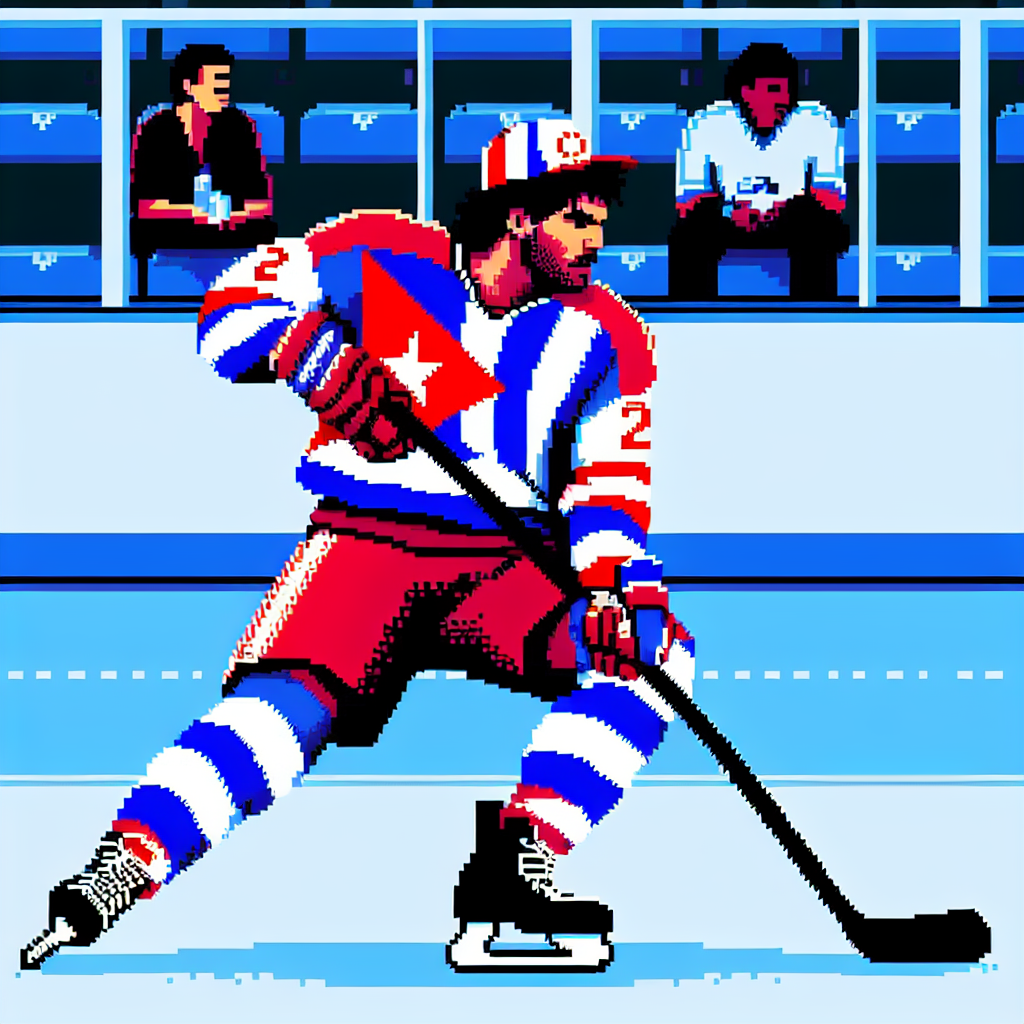
There’s outdoor hockey, and then there’s a theatrical performance that just happens to end with a 6-5 shootout. At the 2026 Navy Federal Credit Union NHL Stadium Series in Tampa, Lightning head coach Jon Cooper turned a pregame stroll into a moment that felt equal parts hometown salute and movie-set cameo — a white suit, matching hat, red undershirt and gold chain that leaned into Tampa’s Cuban heritage and the festive spirit of Raymond James Stadium.

Why the outfit mattered

This wasn’t just a costume. It was a small cultural wink from a coach who has long embraced Tampa as home. Ybor City — the historic Cuban enclave that helped shape Tampa’s identity — was the clear inspiration, and Cooper didn’t hide it. He later described the look as a “tip of a cap” to that heritage, even joking about staff outings to Ybor for cigars. The visual landed perfectly amid pyrotechnics, pirate-themed pageantry and the Bucs’ presence on the field earlier that day. (nhl.com)

  • The Lightning arrived earlier in Bucco-centric full Buccaneers gear, and local NFL ties were highlighted when quarterback Baker Mayfield and tackle Tristan Wirfs escorted the team into the stadium. (nhl.com)
  • The opposing Bruins leaned into a Revolutionary War-era theme, matching their NFL city counterparts (the Patriots) for pregame theatrics. (nhl.com)

The setting: outdoor spectacle meets local culture

The Stadium Series is designed to be more than a hockey game — it’s a spectacle that leans into place and personality. In Tampa, that meant merging the pageantry of Raymond James Stadium (pirates, pyrotechnics, creamsicle jerseys) with the city’s cultural threads. Cooper’s outfit was an accessible, playful bridge between team identity and community flavor: an on-ice nod to place that felt authentic rather than gimmicky. (nhl.com)

The game — a dramatic backdrop

If the pregame visuals set the tone, the game itself delivered on drama. The Lightning rallied from a four-goal deficit for a historic comeback and ultimately prevailed in a shootout — the kind of finish that makes these outdoor events linger in memory. Against that electric canvas, Cooper’s look reads as more than a fashion flourish; it was part of a larger chapter that fans will replay and recount. (nhl.com)

Notes on tone and intent

  • Cooper framed the choice as celebratory and light. He acknowledged the cultural reference while keeping the mood playful — “dressing like this probably doesn’t come around very often either,” he said. The reception from teammates and local observers was largely positive, treating it as a respectful, festive homage rather than appropriation. (nhl.com)
  • In the era of social media clips and highlight reels, a coach’s pregame look can become as viral as a highlight goal. Cooper leaned into that moment and let it amplify the event’s atmosphere.

Quick takeaways from the night

  • The outfit doubled as hometown tribute and headline-grabbing theater, showing how personality plays in modern pro sports.
  • Stadium Series events thrive on local flavor; Tampa’s Cuban heritage and Buccaneers connections gave this one a distinct identity.
  • The on-ice product matched the spectacle: a historic comeback and shootout win ensured the visuals would stick.

My take

Sports moments are rarely only about what happens on the scoreboard. They’re about memory-making — the smell of the arena, the pageantry, the tiny details that anchor a night in time. Jon Cooper’s look at Raymond James Stadium did more than get a few laughs and photos: it tied a franchise moment to the community that hosts it. It felt intentional, rooted and — most importantly — fun. In an age when authenticity matters, a coach wearing a white suit and tipping his hat to the city felt like a small but meaningful way to say, “This one’s for Tampa.”

Sources


Related update: We recently published an article that expands on this topic: read the latest post.


Related update: We recently published an article that expands on this topic: read the latest post.
Nylander’s Return Ignites Maple Leafs Rise | Analysis by Brian Moineau

Smile, Shift, Score: Nylander’s Return Sparks Maple Leafs’ Ascent

There are comebacks, and then there’s William Nylander walking back onto the ice after a six-game absence and immediately reminding everyone why the Maple Leafs have leaned on him all season. He didn’t sneak in quietly — a goal, two assists, and a beaming postgame moment that felt like a punctuation mark on Toronto’s recent run. The Leafs blanked the Vancouver Canucks 5-0 on January 10, 2026, and extended a point streak to nine games. That night felt less like a single win and more like a collective exhale.

Why this mattered beyond one box score

  • A top-line playmaker returning healthy is always a lift, but Nylander’s impact was more than offensive. Coach Craig Berube and teammates praised his defensive work, backchecking and willingness to do the gritty stuff — the kind of detail that helps a team sustain winning stretches.
  • The Leafs didn’t crumble during his absence (4-0-2 without him), which makes his return less about rescuing the team and more about adding a finishing touch to a group that’s clicking.
  • With Toronto sitting in the playoff conversation — 22-15-7 and within striking distance of a wild-card spot — reintegrating a 29-year-old producer like Nylander provides both immediate scoring juice and deeper lineup balance for the grind ahead.

The game that announced his return

  • Nylander finished with three points (1 G, 2 A) and a +2 rating in the 5-0 win. Joseph Woll made 29 saves for his second shutout of the season, while Matias Maccelli, Max Domi, John Tavares and Nick Robertson also scored.
  • The key sequence: a late-first-period solo move that pushed Toronto up 3-0 — a tidy bit of individual skill made possible by an excellent feed from Steven Lorentz and Nylander’s composure in tight.
  • Vancouver’s goaltender Thatcher Demko was pulled after giving up three first-period goals, and the Canucks dropped their sixth straight game, underscoring how momentum can swing quickly when a team is struggling and the opponent is humming.

How Nylander fits into the bigger Leafs picture

  • Production and presence: Nylander’s 15 goals and 29 assists in 34 games (44 points) make him one of Toronto’s primary offensive catalysts. Restoring him to the lineup places pressure on opponents to defend more than one dangerous line.
  • Depth validated: The Leafs’ ability to go unbeaten in regulation over his six-game absence says a lot about the roster’s depth and coaching adjustments. That balance is crucial for playoff pushes when injuries and fatigue pile up.
  • Playoff implications: Reinforcements like Nylander arriving midseason can be the difference between a tight wild-card scramble and locking down a seed. His playmaking and chemistry with linemates like John Tavares and Auston Matthews amplify Toronto’s scoring threats.

What to watch next

  • Can Nylander sustain this level after a lower-body injury and a brief layoff? Look for how he manages minutes, his physicality over a road trip, and whether his defensive engagement remains consistent.
  • Line combinations: Will Berube keep the same deployment to maximize chemistry, or will he tweak minutes to ride matchups and manage workload?
  • Special teams: Nylander’s return could improve power-play dynamics; watch if Toronto’s PP becomes more dangerous with him back in the rotation.

Quick takeaways

  • The Leafs’ nine-game point streak proves this is a team effort, not a one-man story.
  • Nylander’s 3-point return was both stylish and substance — scoring, playmaking, and defensive grind.
  • Depth carried Toronto through his absence; he elevates an already hot roster heading into the second half.
  • Momentum matters: timely returns and reliable goaltending (Woll’s shutout) can tilt close playoff races.

My take

This felt like a turning-point night for a team that’s slowly consolidating identity and confidence. Nylander’s return wasn’t just a stats boost — it was a reminder that Toronto can blend star talent with a committed supporting cast. If the Leafs manage to keep this connection between lines and maintain defensive responsibility (and goaltending like Woll’s), they’ll be a tough out in the push to the playoffs. Nights like January 10 are small but tangible building blocks for the kind of deep runs a roster like this covets.

Sources


Related update: We recently published an article that expands on this topic: read the latest post.


Related update: We recently published an article that expands on this topic: read the latest post.

Sprint to Milan: NHL’s High-Stakes Stretch | Analysis by Brian Moineau

NHL ramps up before the Milan Olympics — a midseason sprint with big storylines

The holiday lull is over and the NHL hits the gas. Between a first-ever Winter Classic in Florida, milestone chases, the World Juniors and the long-awaited return of NHL players to the Olympics, the next six weeks feel like the sport’s own sprint to the finish before Milan. If you love narratives — comebacks, records, outdoor theatrics and international stakes — this stretch is a confection of them all.

What to watch now that play resumes

  • The league begins a concentrated run of games that ends with NHL players heading to the Milano Cortina 2026 Winter Olympics (Feb 6–24, 2026). Expect coaches to juggle short-term playoff pushes with managing minutes for guys bound for the Italian ice. (Dec 25, 2025). (nhl.com)

  • The 2026 Discover NHL Winter Classic lands in Miami on Jan. 2, 2026 — the first NHL outdoor game in Florida. The New York Rangers meet the Florida Panthers at loanDepot park (with the retractable roof planned to be open), and the event brings with it big fan programming and a docuseries look behind the scenes. It’s a sea change in venue thinking and a test of outdoor hockey in a warm-weather market. (nhl.com)

  • Olympic rosters are being finalized (rosters due Dec. 31, 2025). The NHL’s decision to permit its players back into the Olympics for the first time since 2014 reintroduces the high-stakes international element to the season. Watch how teams manage travel, rest and risk. (nhl.com)

  • Keep an eye on milestone chases: Patrick Kane is within striking distance of 500 career goals and a U.S.-born scoring record; Auston Matthews and Steven Stamkos are closing in on franchise and historical goal marks; Anze Kopitar is on track for his 1,500th game. Those narratives deliver emotional moments and shift midseason storylines. (nhl.com)

  • The 2026 IIHF World Junior Championship — hosted partly in Minnesota — features returning U.S. talent and top draft prospects. That tournament can reshape futures and introduce new names to watch as teams plan for both short- and long-term roster construction. (nhl.com)

Why the Winter Classic in Miami matters

This isn’t just another outdoor game. Staging the Winter Classic at loanDepot park does several things at once:

  • Expands the NHL’s brand experiment with non-traditional markets, testing how outdoor spectacle performs in a warm-weather media market.
  • Lets the Panthers showcase a franchise narrative: from recent contenders to an outdoor-stage experiment — a symbolic “arrival” for the club.
  • Offers broadcast and fan-festival opportunities (including Stanley Cup appearances and concerts) that turn a regular-season game into a multi-day event for casual and die-hard fans alike. (nhl.com)

There are operational challenges, too — ice quality, logistics with a retractable roof and late-December weather — but the NHL has leaned into spectacle before and will treat this as a marquee TV moment.

The Olympic wildcard: ice safety and logistics

The NHL’s return to the Olympics carries baggage: organizers must deliver safe, NHL-caliber rinks. Media reports and league statements in December 2025 raised concern about construction timelines for the main Milan arena; the NHL has made participation conditional on safe, playable ice. That dynamic adds an edge to the next two months — teams and players are preparing for Olympic travel, but final assurances are still being watched closely. (nhl.com)

Teams to watch (who might change the narrative)

  • Florida Panthers: Hosting the Winter Classic and balancing superstar returns (e.g., Matthew Tkachuk’s recovery timeline) while sustaining a long playoff window.
  • New York Rangers: A franchise comfortable on outdoor stages and positioned to use the Winter Classic momentum.
  • Detroit Red Wings (Patrick Kane): A veteran chase that draws attention whenever it nears a historic plateau.
  • Toronto Maple Leafs (Auston Matthews): Potential franchise record chase that spikes local and national interest.
  • U.S. World Junior team: A chance to keep winning streaks and cement futures for prospects.

Headlines that can swing momentum

  • Major milestones achieved (500th goal, 1,500th game) become national news and can help teams ride emotional momentum.
  • Olympic roster announcements and any late changes will prompt strategic NHL responses (resting players, minute-management).
  • Outdoor-game weather/ice stories — anything from pure spectacle to operational headaches — will dominate sports media cycles the week of Jan. 2 and Feb. 1.

What fans should expect at home and in the stands

  • Big TV windows with cross-platform coverage and event-style production around the Winter Classic and Stadium Series.
  • Narrative-rich broadcasts: expect heavy features on milestone chase stories and human-interest pieces leading into Olympic rosters.
  • For the casual fan, these events are accessible hooks; for die-hards, they matter for playoff positioning and international bragging rights.

Quick takeaways

  • The NHL’s pre-Olympic stretch is part spectacle (Winter Classic in Miami) and part consequence (Olympic roster and arena readiness).
  • Individual milestones (Kane, Matthews, Kopitar, Stamkos) will punctuate the calendar and shape headlines.
  • The international element — returning NHL players to the Olympics — creates both excitement and logistical uncertainty centered on ice safety in Milan. (nhl.com)

My take

This next block of the season feels like a compressed version of why we love hockey: high-stakes individual stories, team pageantry, and national pride all folded into the same calendar. The Winter Classic in Miami is ambitious and symbolic of the NHL’s appetite to push boundaries. The Olympic return adds real drama — it’s a welcome risk, but only if organizers deliver safe, fair ice. If they do, fans get a rare midseason festival: outdoor glamour, milestone theatrics, and an Olympic curtain call.

Sources


Related update: We recently published an article that expands on this topic: read the latest post.


Related update: We recently published an article that expands on this topic: read the latest post.

Pesce Returns: Devils vs. Golden Knights | Analysis by Brian Moineau

Devils vs. Golden Knights: Pesce’s Return and a Week of Ripples Across the NHL

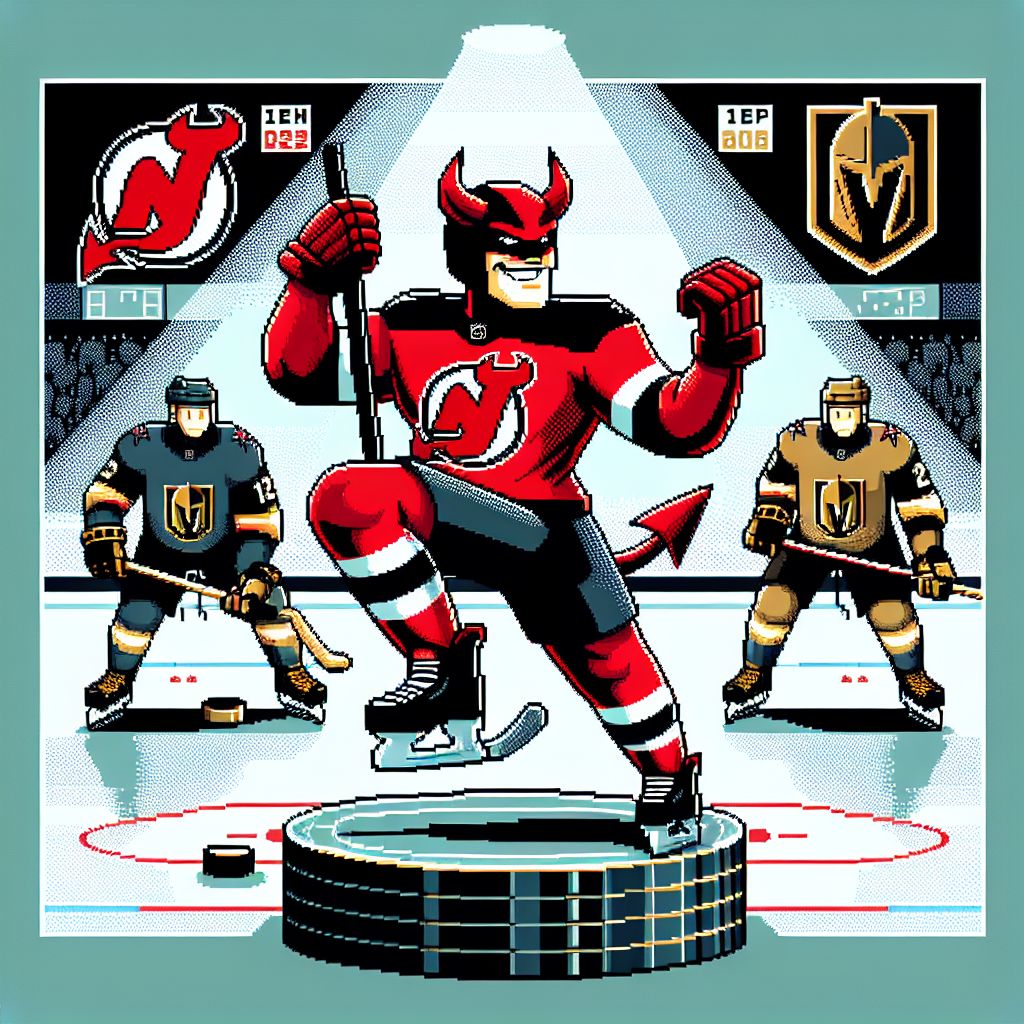
A game-changing lineup note can feel small on paper — a defenseman sketching his name back onto the roster sheet — but it can also tilt momentum, chemistry and confidence. That’s the vibe coming out of the NHL’s latest status report: Brett Pesce is back with the New Jersey Devils for their showdown with the Vegas Golden Knights, while elsewhere the league is navigating absences that matter — Darcy Kuemper to injured reserve for the Los Angeles Kings and Jack Eichel and Shea Theodore sidelined for Vegas.

Why this matters beyond one game

  • The Devils get a reliable, puck-moving right-shot defenseman back in their top-four pairing; that’s not just defensive depth, it’s a strategic reset for breakout plays and power-play support.
  • For Vegas, missing Eichel and Theodore in the same night forces lineup shifts and tests the depth that has been their identity since the club’s first run.
  • The Kings’ placing Darcy Kuemper on IR is a reminder of how fragile goaltending depth can be — and how quickly team plans pivot when a veteran netminder hits the shelf.

These pieces interact league-wide: a returned defenseman affects matchups; a star out changes the opponent’s scouting report; a goalie on IR forces AHL call-ups and can reshape division standings over a month.

The immediate headlines

  • Brett Pesce returned from a hand injury and was in the Devils’ lineup for their game against Vegas after practicing earlier in the week. He hadn’t played since October 26 and had been paired with Luke Hughes when active. (NHL.com) (nhl.com)
  • The Golden Knights were missing Jack Eichel (illness) and Shea Theodore (upper-body injury) for that matchup, a significant dent given Eichel’s role as the team’s driving offensive center and Theodore’s importance on the right side of the Vegas blue line. Coach Bruce Cassidy labeled both as day-to-day. (Reuters / The Hockey News) (reuters.com)
  • Darcy Kuemper of the Kings was placed on injured reserve after taking a blow to the head in a game vs. Dallas; the IR designation sidelines him for at least seven days and prompted the Kings to recall depth goaltenders. (Reuters) (reuters.com)

How Pesce’s return changes the Devils

  • Stabilizes a top-four role: Pesce brings a steady right-side presence who can log heavy minutes against opponents’ top lines.
  • Improves transition play: Pesce’s mobility and outlet passing help New Jersey move the puck quickly out of danger — important against teams that pressure high and force turnovers.
  • Short-term boost to confidence and matchup flexibility: even a single healthy defenseman returning lets the coach stagger minutes differently, shelter younger d-men and create fresher matchups late in games.

If Pesce can pick up where he left off — averaging close to 20 minutes a night this season before injury — the Devils get a measurable upgrade in both five-on-five defense and special teams options.

What Vegas loses (and how they cope)

  • Losing Jack Eichel for a game or two creates an immediate offensive vacuum. He’s not only a point producer but a center who controls tempo and draws opponents’ top defenders.
  • Shea Theodore’s absence undermines Vegas’ transitional game and their power-play quarterbacking from the right point.
  • Coach Bruce Cassidy’s “shuffle the lines” approach (moving veterans into different roles, sliding other blueliners up) is sensible short-term, but sustained absences would force long-term lineup changes and increased minutes for depth pieces like Braeden Bowman or retooled forward lines.

Depth is the Golden Knights’ historical strength, but stars like Eichel and Theodore are the difference-makers in tight games and playoff scenarios.

The Kings and the ripple effects of goaltender injuries

  • Kuemper’s IR placement after a head blow leaves Los Angeles relying on backups who haven’t carried the same workload or statistical consistency this season.
  • Goaltending injuries create immediate roster churn: recalls, emergency starts, and, at worst, a stretch where defensive systems must compensate for a less consistent netminder.
  • The Kings’ short-term objectives become preserving points while protecting their starter’s recovery timeline — and that can influence in-game risk tolerance (less aggressive pinch play, more conservative breakouts).

Even when the skater landscape feels noisy, the goaltender’s health often determines whether a team can stay competitive through a streaky month.

A few practical reading points for fans and bettors

  • Watch first-period matchups: With Pesce back, Devils’ defensive zone pairings and matchup decisions will change. That affects puck possession and early shot suppression metrics.
  • Track Vegas’ special teams: Without Theodore and Eichel, see how the Golden Knights reassign power-play duties and who quarterbacking from the point — that will indicate whether they can maintain their penalty efficiency.
  • Monitor Kings’ netminder starts: Kuemper’s return-to-play date is not fixed; short-term results under the backup can swing LA’s place in the standings quickly.

Quick takeaways

  • Pesce’s return gives the Devils an upgrade on the right side of their defense and immediate matchup flexibility. (nhl.com)
  • Vegas missing Eichel and Theodore in the same game is significant; their day-to-day status could affect short-term results and lineup chemistry. (reuters.com)
  • Kuemper on IR forces the Kings to rely on depth goalies, which can expose defensive vulnerabilities until he’s cleared to return. (reuters.com)

My take

This is the kind of week that separates team depth from team identity. The Devils get a measured upgrade with Pesce back — it won’t single-handedly change their season, but it makes life easier for Luke Hughes and the forwards relying on steady exits. Vegas’ versatility will be tested without Eichel and Theodore, and how they respond will tell us whether their depth remains as formidable as advertised. As for the Kings, protecting Kuemper’s recovery is priority one; riding a backup through December can be survivable, but the calendar doesn’t pause for goaltender injuries.

Sources


Related update: We recently published an article that expands on this topic: read the latest post.
Bedard Injury Sidelines Chicago | Analysis by Brian Moineau

When a Single Second Changes Everything

The final horn had barely sounded when one second — 0.8 seconds, to be exact — rewrote the script for the Blackhawks. Connor Bedard, the 20-year-old whirlwind who has been carrying Chicago’s offense, left Friday night’s loss to St. Louis in visible pain after a last‑second faceoff. By the time the Hawks returned home, the team had already announced he would not play Saturday against Detroit. That tiny slice of time suddenly felt enormous.

Why that moment matters

  • Bedard isn’t just another young prospect. He’s the face of Chicago’s fast-moving rebuild and the team’s leading point producer this season.
  • The injury happened during the final faceoff with 0.8 seconds left — a play that, under normal circumstances, is a desperation attempt to spark something. Instead it produced an immediate and worrying absence.
  • Early comments from coach Jeff Blashill called the play a “freak accident,” and the organization pushed updates to Monday. For now it’s a short‑term absence but an ominous, uncertain one.

The scene: what happened

With the Blackhawks trailing late, Bedard tried to win the draw that would give Chicago one last crack at tying the game. As the puck dropped, he and Blues center Brayden Schenn engaged; Bedard fell awkwardly and grabbed at his right shoulder, then skated off escorted by trainers. He had assisted on both Chicago goals earlier in the night, and his loss was felt immediately as the Hawks prepared to face Detroit the next day without their star center. (bleachernation.com)

How teams react to sudden losses of a star

  • Short-term lineup moves: expect a forward from Rockford or a depth recall to take Bedard’s spot on the roster sheet. The Hawks will lean on secondary scoring, sheltered minutes for their top wingers, and tactical shifts on faceoffs.
  • Tactical escalation: opponents will test Chicago’s depth and defensive structure, particularly in the middle, to exploit a team that’s suddenly missing its primary playdriver.
  • Psychological ripple: losing a 20-year-old who sparks energy changes team morale and fan expectation. Games that felt winnable with Bedard on the ice suddenly take on a different feel.

What this means for larger storylines

  • Playoff race and standings: Bedard is a key contributor to Chicago’s offensive production; missing him even briefly can impact results and points in a tight race.
  • Olympic ambitions: media and fans immediately noted the potential Olympic implications — a serious shoulder injury could jeopardize Bedard’s availability for international play should Canada call. Bleacher Nation flagged that concern in its post‑game notes. (bleachernation.com)
  • Player development and durability narrative: Bedard’s early career has been meteoric. How the Hawks handle recovery and load management will shape debate about preserving franchise cornerstones.

Quick reads — what the outlets are saying

  • Bleacher Nation reported the moment as a sudden turning point and emphasized the immediate practical impact (he won’t play Detroit; team awaiting further tests). (bleachernation.com)
  • Reuters and ESPN provided succinct game‑and‑status updates, quoting coach Jeff Blashill calling it a “freak accident” and noting that the club expects to have more information after further evaluation. (reuters.com)

Three short takeaways

  • A single second in hockey can be decisive not just for a play but for a season’s momentum.
  • The Hawks will shuffle lines and likely call up depth, but Bedard’s unique impact is not easily replaced.
  • The team’s communication timeline matters: cautious wording from coaches and a Monday update window signal prudence — and uncertainty.

My take

I hate that sports conversations sometimes reduce injuries to bullet points, but there’s a deeper thread here about how modern teams protect and manage their young stars. Bedard has been handled carefully as he’s climbed into superstar territory; the immediate priority should be clarity on the injury, prudent medical care, and resisting any rush back that sacrifices long‑term availability for a single game or a short streak of wins. For the Blackhawks, this is a test of organizational depth and temperament — can they steady the ship and keep competing while they wait for news?

Sources


Related update: We recently published an article that expands on this topic: read the latest post.


Related update: We recently published an article that expands on this topic: read the latest post.

Penguins’ Collapse: One Second Again | Analysis by Brian Moineau

One second, one collapse: How the Penguins handed away a win and another headache

The puck sits in the neutral zone. The clock flashes 0:01. The arena breathes a collective sigh of relief — this one is effectively over. Then chaos. A shorthanded dagger. A scramble in front. A puck that should never have crossed the line, and suddenly the scoreboard reads a tie. For the Pittsburgh Penguins, that slice of time — fractions of a second, really — has become maddeningly familiar.

On December 9, 2025, the Penguins watched a 4-3 lead evaporate with 0.1 seconds left as the Anaheim Ducks forced overtime and eventually won in the shootout. It wasn’t just a bad bounce or an unlucky tip. It was a failure of situational defense, personnel choices, and the recurring theme of “so close, yet not.” Players and coaches left the ice visibly disgusted — and with reason. This wasn’t an isolated heartbreak; it fits into a pattern that’s dogged the team since last season.

What happened in the final second

  • The Penguins led late and were on a power play. Conventional thinking: a team with possession and the man advantage should be able to protect a one-goal lead for the final seconds.
  • Instead, a shorthanded rush off a Penguins turnover culminated in Beckett Sennecke scoring with 0.1 seconds remaining to force overtime. The goal exposed defensive breakdowns — notably from Kris Letang and Erik Karlsson — who ended up out of position and was involved in the defensive collapse that preceded the finish. (pittsburghhockeynow.com)
  • The game proceeded to overtime and then a shootout, where the Ducks needed only one conversion to take the extra point.

Why this stings beyond a single loss

  • Frequency. This was the 11th time since last season the Penguins surrendered a late lead or loss in a shootout/OT situation — a pattern, not a fluke. Repetition reveals process problems. (pittsburghhockeynow.com)
  • Defensive configuration. Head coach Dan Muse trusted his top offensive defensemen in a late, delicate sequence. Letang and Karlsson are elite puck movers and play critical minutes in all situations — but when the scoreboard and clock demand conservative clearing and body-on-body coverage, their offensive instincts can leave seams exposed. Muse later acknowledged the tradeoff: on paper it’s defensible, in practice it proved costly. (pittsburghhockeynow.com)
  • Execution under pressure. The Penguins dominated play — a season-high 48 shots and lopsided expected-goal numbers — yet failed to bury enough of their chances and, crucially, failed to protect a lead in the final laps. High-quality play for long stretches doesn’t absolve mistakes at game-defining moments. (pittsburghhockeynow.com)

The bigger context: trending headaches for Pittsburgh

  • This outcome isn’t unique to one game. Media coverage and advanced stats have repeatedly flagged Pittsburgh’s difficulty closing games and their tendency to lose leads — a narrative that stretches back through the 2024–25 season and beyond. The trend appears both tactical and personnel-driven: defensive structure late in games, certain defensive pairings on the ice, and inconsistent finishing by the forward corps. (thehockeynews.com)
  • The coaching transition and lineup evolution complicate matters. Dan Muse is new-ish, bringing different habits and line preferences. Early evidence shows him empowering players and leaning on his top defenders — a modern approach — but one that requires precise execution and risk management in the waning seconds. When a coach is still building trust and identity, these late-game decisions carry an outsized effect. (pittsburghhockeynow.com)

Where the Penguins should look for fixes

  • Re-think who’s on the ice in the final 15–20 seconds. Possession plus a one-goal lead should prioritize stick-on-stick, body-on-body defending, and clearing lanes over offensive creativity. That probably means at least one more defensive-minded presence alongside whichever puck-handler is tasked with time-killing. (pittsburghhockeynow.com)
  • Drill the two-minute/closing sequences until they’re muscle memory. Cleaning up turnovers, location discipline, and small-stick plays near the net are teachable. They’re also repeatable under pressure if rehearsed. Players like Kris Letang and Erik Karlsson can still be used — but with explicit, simplified roles in those moments. (pittsburghhockeynow.com)
  • Clarify personnel matchups on special teams and late situations. If a defense pairing has shown “creative risk” tendencies, give them fewer matchups where a blown play immediately costs a game. Trust is earned; situational restraint can be temporary and tactical. (pittsburghhockeynow.com)
  • Convert more high-quality chances into goals. The Penguins out-chanced Anaheim 43–19 and created far more dangerous opportunities — but didn’t produce the necessary finishing. That’s a complementary problem: create the pressure and then finish it off so late-game slips are less impactful. (pittsburghhockeynow.com)

A few player grades (snap impressions from the game)

  • Arturs Silovs: Solid but unremarkable. Stopped what he needed to, but the team’s end-of-game collapse overshadowed his work. (pittsburghhockeynow.com)
  • Tommy Novak: One of his best games in a Penguins uniform — active, driving to the net, good shot totals. (pittsburghhockeynow.com)
  • Kris Letang / Erik Karlsson: Both gifted, both culpable in the final sequence. The moment exposed the risk of pairing two offensively minded defenders in the most dangerous seconds of a game. (pittsburghhockeynow.com)

My take

You can build teams a dozen ways, and modern NHL coaching often prizes versatility: offensive defensemen logging key minutes, forwards who can carry both zone starts, and hypothesized lineup continuity. But the scoreboard is the final arbiter. When a club repeatedly coughs up leads in the closing moments, it reveals where philosophical ideals bump into the reality of execution.

Dan Muse has earned latitude — he’s changing culture and getting results in many stretches — but trusting the same high-event defenders in every late-game scenario has shown a tangible downside. This is fixable. It’s not a roster meltdown or existential crisis; it’s attention to detail, coaching clarity, and a few shifts in end-game personnel and habits. The next time the clock hits :15 and the puck is in the Penguins’ hands, the margin between a win and a deflating “what-if” will be determined by choices that can be coached and practiced.

Final thoughts

Losing one like this is infuriating, especially when the team dominated most of the game. The good news: the underlying process — puck control, zone entries, shot volumes — often looked very good. The bad news: bad habits at the end of games have a way of eroding momentum and morale faster than an opponent’s comeback. If Pittsburgh addresses its late-game structure with urgency and practical adjustments, they’ll keep reaping the benefits of their strong play without handing away the final moments.

Sources


Related update: We recently published an article that expands on this topic: read the latest post.


Related update: We recently published an article that expands on this topic: read the latest post.

Penguins’ Streak Survives Chaotic Philly | Analysis by Brian Moineau

Penguins-Flyers ended bonkers: Two overturned OT goals, a post-horn scrum, and a shootout
If you thought the Battle of Pennsylvania might have mellowed with time, Tuesday night in Philadelphia was your reminder that this rivalry still cooks. The Penguins extended their point streak with a 3-2 shootout loss to the Flyers, but the path there? Pure chaos, right down to an overtime that saw goals wiped off for both teams and a scrum that left Sidney Crosby ineligible for the shootout.

Context and what set the stage

  • Form and stakes: Pittsburgh came in rolling, 5-0-2 in their previous seven and 7-2-2 overall after this one—banking points during a dense stretch of three games in four nights. Philadelphia, meanwhile, has been sturdy at home and looking to cement an early-season identity under Rick Tocchet.
  • The script: Justin Brazeau opened for the Pens with his sixth of the season, continuing a productive start for Pittsburgh’s “Big Boy Line” with Anthony Mantha and Evgeni Malkin. Special teams tilted the middle frames: the Flyers answered on a power play and then again shortly after a kill to go up 2-1.
  • Crosby’s equalizer: Because of course—No. 87 banked one in during the third to make it 2-2, the latest chapter in a career-long habit of tormenting Philly.
  • The wild overtime: Pittsburgh appeared to win it, but the goal was erased because Malkin hopped on early during a delayed penalty situation. Later, the Flyers’ would-be winner was overturned for offside. Then the horn. Then the scrum. Multiple misconducts on both sides meant several stars—including Crosby—couldn’t participate in the shootout.
  • The finish: Philadelphia converted twice in the skills contest; only Malkin scored for Pittsburgh. Still, the Penguins pocketed a road point behind a strong night from Arturs Silovs, who steadied them while they found their legs.

Why it mattered
Beyond the rivalry drama, this game offered a reality check and a roadmap. Pittsburgh didn’t have its best in the first 40 but tightened up in the third, leaned on goaltending, and found a way to stretch the game—exactly the kind of bank-a-point mentality that pays off later. It also spotlighted how thin the margins are when special teams and reviews swing outcomes.

Key takeaways

  • Penguins extend point streak despite the loss: 5-0-2 in their last seven, now 7-2-2 overall—valuable standings math on a back-to-back.
  • Goaltending stole the show for Pittsburgh: Arturs Silovs was the primary reason they escaped with a point after a choppy first two periods.
  • Crosby keeps setting the tone: His third-period equalizer reinforced a scorching start after recently hitting 1,700 career points.
  • Details decide overtime: One erased Penguins goal for an early change on a delayed penalty; one Flyers goal overturned for offside—discipline and video reviews loomed large.
  • Rivalry energy is alive: A multi-player scrum at the horn left key names, including Crosby, unavailable for the shootout—a tangible reminder of the series’ edge.

Final thought
If you’re Mike Sullivan, you don’t love the second period, but you love the response: structure in the third, poise in bedlam, and a point in the bank. If you’re a neutral, you loved every bit of the chaos. And if you’re a Penguins or Flyers fan, circle the rematch—these two just turned up the heat again.

Sources


Related update: We recently published an article that expands on this topic: read the latest post.


Related update: We recently published an article that expands on this topic: read the latest post.

Carter Hart Joins Vegas Golden Knights | Analysis by Brian Moineau

Carter Hart Joins the Vegas Golden Knights: What This Means for the Team

In the fast-paced world of the NHL, changes occur in the blink of an eye, and the recent announcement from the Vegas Golden Knights is a perfect example of that. After the National Hockey League (NHL) and the National Hockey League Players’ Association (NHLPA) reached a significant decision regarding player reinstatements, goaltender Carter Hart is set to join the Golden Knights organization. So, what does this mean for the team and the league? Let’s break it down.

Context: A Shift in Goaltending Dynamics

Carter Hart, known for his impressive skills between the pipes, has had quite the journey in the NHL. Drafted in 2016 by the Philadelphia Flyers, Hart made a name for himself with his stellar performances, earning him the reputation of a rising star. However, his path hasn’t been without its bumps; injuries and inconsistent play have challenged his trajectory. Now, with his reinstatement, Hart is looking to kickstart a new chapter in his career with the Vegas Golden Knights.

The Golden Knights, known for their competitive spirit and playoff aspirations, have made a strategic move by bringing Hart on board. This decision not only strengthens their goaltending lineup but also reflects the team’s commitment to building a solid foundation as they pursue their championship dreams.

Key Takeaways

Reinstatement Announcement: The NHL and NHLPA’s agreement has cleared the way for Carter Hart to join the Golden Knights, marking a significant moment for both the player and the franchise. – Strengthening the Roster: Hart’s addition aims to enhance the Golden Knights’ goaltending capabilities, providing them with more reliable options as they aim for postseason success. – Career Revival Opportunity: For Hart, this move represents an opportunity to revitalize his career and demonstrate his skills on a larger stage, especially in a competitive Western Conference. – Team Dynamics: The integration of a new goaltender will require adjustments within the team, fostering growth and collaboration among players. – Fan Excitement: The Golden Knights’ fanbase is buzzing with excitement, eager to see how Hart can contribute to the team’s success moving forward.

Concluding Reflection

Carter Hart’s transition to the Vegas Golden Knights signifies more than just a roster change; it’s a testament to the ever-evolving nature of the NHL and the potential for athletes to rise again after facing challenges. As Hart steps onto the ice in a Golden Knights jersey, fans, teammates, and analysts alike will be watching closely to see how this new chapter unfolds. Will Hart reclaim his former glory and help propel the Golden Knights to new heights? Only time will tell, but one thing is for certain: the excitement surrounding this development is palpable.

Sources

– NHL.com. “Statement from the Vegas Golden Knights.” [NHL.com](https://www.nhl.com/news) – ESPN. “Carter Hart Joins the Vegas Golden Knights.” [ESPN](https://www.espn.com/) – Sportsnet. “What Carter Hart Brings to the Golden Knights.” [Sportsnet](https://www.sportsnet.ca/)

By analyzing this move and its implications, we can appreciate the strategic decisions teams make in the pursuit of victory. Keep an eye on Hart and the Golden Knights; this season may just be one for the books!


Related update: We recently published an article that expands on this topic: read the latest post.


Related update: We recently published an article that expands on this topic: read the latest post.

Panthers Trim Roster: Season Outlook Ahead | Analysis by Brian Moineau

Florida Panthers Trim Roster: What It Means for the Upcoming Season

As the excitement of the NHL season approaches, fans are buzzing with anticipation. The Florida Panthers recently made headlines by trimming their training camp roster down to 29 players, a strategic move that sets the stage for what promises to be an exhilarating season. With a roster consisting of 18 forwards, eight defensemen, and three goaltenders, the Panthers are shaping up as serious contenders. Let’s dive into the implications of these changes and what they might mean for the team’s performance this year.

Context: A New Season and Fresh Aspirations

The Florida Panthers are coming off a strong season, where they showcased their potential and made a deep playoff run. With the addition of some key players over the offseason, including exciting rookies and seasoned veterans, the team’s management is keen to refine their lineup during training camp. The recent roster reduction is part of the natural progression towards finalizing a team that can compete at the highest level.

Reducing the training camp roster is not just a matter of numbers; it’s about finding the right chemistry among players and honing in on strategies that will maximize performance. With the NHL season kicking off soon, the Panthers are focused on building a cohesive unit that can withstand the rigors of a long campaign.

Key Takeaways

Roster Composition: The final roster now consists of 18 forwards, eight defensemen, and three goaltenders, indicating a balanced approach to team structure.

Focus on Chemistry: With fewer players to evaluate, coaching staff can concentrate on building line combinations and defensive pairings that work well together.

Player Development: The reduction allows younger players to get more ice time and experience during training, which is crucial for their development.

Strategic Depth: The Panthers are investing in depth at all positions, which will be key in managing injuries and fatigue throughout the season.

Increased Competition: The trimmed roster heightens competition among players, motivating them to elevate their game and secure a spot in the final lineup.

Conclusion: Looking Ahead

As the Florida Panthers finalize their training camp roster, fans have every reason to be optimistic. The strategic cuts not only clarify the team’s direction but also set the tone for the upcoming season. With a blend of skill, youth, and experience, the Panthers are well-positioned to make a significant impact. As we gear up for puck drop, let’s keep an eye on how these roster decisions play out on the ice. The anticipation is palpable, and the journey ahead is sure to be thrilling!

Sources

– Florida Panthers Reduce Training Camp Roster to 29 Players – NHL.com [https://www.nhl.com/panthers/news/florida-panthers-reduce-training-camp-roster-to-29-players/c-325138232](https://www.nhl.com/panthers/news/florida-panthers-reduce-training-camp-roster-to-29-players/c-325138232)


Related update: We recently published an article that expands on this topic: read the latest post.


Related update: We recently published an article that expands on this topic: read the latest post.

Ducks Sign Dostal to Five-Year Contract – NHL.com | Analysis by Brian Moineau

Ducks Sign Dostal to Five-Year Contract - NHL.com | Analysis by Brian Moineau

Ducks' Five-Year Commitment: A New Dawn with Dostal


In a move that signals a promising future for the Anaheim Ducks, the team has inked goaltender Lukas Dostal to a five-year contract. This isn't just another signing; it's a declaration of faith in a young talent who has shown immense potential since being drafted in 2018. Dostal's journey with the Ducks has been nothing short of impressive, with 121 appearances and a standout performance in the 2024-25 season where he led the team in wins and appearances.

The Rise of Lukas Dostal


Lukas Dostal's trajectory in the NHL has been similar to witnessing a well-scripted underdog movie, where the protagonist overcomes odds with sheer talent and determination. Hailing from the Czech Republic, Dostal was drafted by the Ducks in the third round of the 2018 NHL Draft. Since then, he has developed into a cornerstone for the team, consistently proving his mettle on the ice. His agility and sharp reflexes make him a formidable opponent for any team facing the Ducks.

Dostal's rise can draw parallels with other young stars making waves in their respective fields. Consider Emma Raducanu, the tennis prodigy who took the world by storm with her US Open victory in 2021. Like Raducanu, Dostal has shown that age is just a number when it comes to making a significant impact in professional sports. Both have demonstrated an uncanny ability to perform under pressure, a trait that separates the good from the great.

The Ducks' Strategy


Anaheim's decision to lock in Dostal for five years reflects a broader strategy of building a team around young, dynamic players. This approach is reminiscent of how other sports teams, such as the NBA's Oklahoma City Thunder, have focused on nurturing young talent to create a competitive team for the future. The Ducks are clearly playing the long game, investing in players who can grow with the franchise and potentially lead them to championship glory.

Moreover, the Ducks' commitment to Dostal comes at a time when the NHL is witnessing a shift towards younger goaltenders taking the lead. With veterans like Henrik Lundqvist and Pekka Rinne having recently retired, the league is seeing a new crop of talented young goaltenders stepping up, and Dostal is right in the mix.

A New Chapter for Anaheim


The Ducks' faith in Dostal is not just about the present; it's about crafting a new era for Anaheim hockey. As the team looks to climb back into playoff contention, having a reliable and talented goaltender is crucial. Dostal's presence between the pipes provides a solid foundation on which the team can build its future success.

In the world of sports, stories of perseverance and growth resonate across disciplines. Dostal's journey is a testament to the idea that hard work, combined with opportunity, can lead to remarkable achievements. As the Ducks embark on this new chapter, fans can look forward to watching a young star continue to rise, game after game.

Final Thoughts


Lukas Dostal's five-year contract with the Anaheim Ducks is more than just a business transaction; it's a commitment to a shared vision of success. As Dostal continues to develop and make his mark in the NHL, the Ducks are poised to benefit from his talents for years to come. With Dostal in goal, Anaheim fans have every reason to be optimistic about the future. Here's to hoping this new chapter brings with it the excitement and triumphs that have been long-awaited by the loyal Ducks fanbase.

Read more about AI in Business

Read more about Latest Sports Trends

Read more about Technology Innovations

Misa out to ‘prove myself’ to Sharks at development camp – NHL.com | Analysis by Brian Moineau

Misa out to ‘prove myself’ to Sharks at development camp - NHL.com | Analysis by Brian Moineau

Chasing Greatness: Celebrating Misa’s Journey to the Sharks

In the ever-evolving world of sports, every now and then, a star emerges who captures the imagination and hearts of fans. For hockey enthusiasts, that star is Michael Misa, the promising young talent recently selected as the No. 2 pick in the 2025 NHL Draft. As Misa heads to the San Jose Sharks' development camp, the excitement surrounding his journey is palpable. His recent stint in the Ontario Hockey League (OHL), where he led with an astounding 134 points last season, has set the stage for what promises to be a thrilling career.

Misa's numbers are not just impressive; they are reminiscent of some of the greatest to ever grace the ice. Drawing comparisons to past OHL legends like Connor McDavid and Mitch Marner, Misa's exceptional performance places him in elite company. This development camp represents not just a chance to showcase his skills but an opportunity to solidify his place among the future stars of the NHL.

The Journey to the Sharks

Joining the Sharks, a team known for its passionate fan base and storied history, Misa is stepping into a legacy that has seen players like Joe Thornton and Patrick Marleau leave indelible marks. These are big skates to fill, but Misa seems unfazed by the pressure. His composure and determination are reminiscent of a young Sidney Crosby, who once attended a development camp with eager eyes and a burning desire to prove himself.

Development camps are a unique blend of pressure and opportunity. For Misa, this is about more than just a chance to showcase his skills; it’s a proving ground. Just as the tech world is abuzz with innovations from young prodigies, the hockey world is watching Misa with the same hopefulness and expectation.

Beyond the Ice

Off the rink, Misa's story is one of resilience and dedication. With a strong support system and a grounded perspective, he approaches the game with maturity beyond his years. This mindset will be crucial as he navigates the pressures of professional sports, where the spotlight is as relentless as it is bright.

In a world where young athletes like Naomi Osaka and Jaden Smith are redefining what it means to be successful, Misa is a testament to the power of passion and perseverance. His journey is a reminder that talent, when paired with hard work, can lead to extraordinary achievements.

A Broader Perspective

Misa’s entrance into the NHL also comes at a time when the league is experiencing a wave of change. With increasing emphasis on diversity and inclusion, Misa represents a new generation of players who are not only skilled but also embody the values of the modern athlete. His presence adds to the growing narrative of hockey becoming a global and welcoming sport for all.

Final Thoughts

As Misa embarks on this new chapter with the San Jose Sharks, hockey fans worldwide are tuning in with anticipation. His story is still in its early chapters, but if his OHL performance is any indicator, we are witnessing the rise of a future icon. Whether you're a die-hard hockey fan or a casual observer, Misa’s journey is one to watch. His time at the Sharks' development camp is just the beginning, and if there’s one thing we know about beginnings, it’s that they often lead to spectacular stories. So, here's to Misa—may his skates carve paths into the history books, and may his journey inspire the next generation of dreamers and doers.

Read more about AI in Business

Read more about Latest Sports Trends

Read more about Technology Innovations

NHL Free Agent Tracker – NHL.com | Analysis by Brian Moineau

NHL Free Agent Tracker - NHL.com | Analysis by Brian Moineau

Title: Navigating the NHL Free Agency: A Season of Surprises and Strategy

Ah, the exhilarating time of year when hockey fans eagerly hit the refresh button on their browsers, hoping for the latest scoop on who’s moving where in the NHL. Yes, it's free agency season, my friends, and NHL.com’s comprehensive Free Agent Tracker is the treasure map guiding us through the labyrinth of signings, available players, and the ever-dynamic strategies being employed across the league.

As we delve into the intricacies of this year’s NHL free agency, let’s take a moment to appreciate the strategy and suspense that come with it. It's a bit like playing chess, but instead of knights and bishops, we have enforcers and snipers. Teams are not just filling gaps; they're crafting masterpieces, hoping their new additions will lead them to the Stanley Cup.

Take the Toronto Maple Leafs, for example. A team perennially under the microscope, they’re looking to bolster their blue line and add some grit to their forward lines. With signings like Tyler Bertuzzi, known for his fearless play and tenacity, the Leafs are clearly aiming to add more bite to their bark. It's like when you’re hosting a dinner party and you decide that, yes, you do need just one more cheese for the platter—everything needs to be just right.

Meanwhile, the New York Rangers are playing a game of high-stakes poker. With a mix of seasoned veterans and promising young talent, their off-season moves will determine if they can capitalize on the momentum built last season. Their situation reminds me of the broader economic landscape—where emerging startups challenge established giants, and the right strategic moves can lead to unprecedented success.

And speaking of challenges, isn’t it interesting how the sports world often mirrors the larger global narrative? Just as countries are navigating post-pandemic realities, NHL teams are adapting to new salary cap constraints and the ever-evolving style of play. It's a dance of adaptation and foresight, whether you're managing a national economy or a hockey team roster.

Let’s not forget the stories behind the players themselves. Many are making moves not just for contracts, but for a chance to be part of something bigger—a championship run, a career renaissance, or simply the joy of playing in a hockey-crazed market. Players like Patrick Kane, a free agent this year, embody this spirit. Kane, with his dazzling stickhandling and scoring prowess, is not just looking for a team—he’s looking for the right fit, a place where his talents can shine brightest.

As we follow the free agent tracker, it’s also worth remembering the human side of these transactions. For every trade or signing, there’s a player uprooting their life, a family adjusting to a new city, and fans welcoming—or bidding farewell to—a beloved athlete. It’s a reminder that sports, at its core, is about community and connection.

In conclusion, the NHL Free Agency period is more than just a shuffle of names and numbers; it's a testament to the strategic brilliance and emotional depth of the sport. Whether you're a die-hard fan dissecting every move or a casual observer enjoying the spectacle, there’s something undeniably thrilling about this season of change. So, as the signings roll in and the rosters reshape, let’s sit back, enjoy the ride, and look forward to the puck dropping on another unforgettable NHL season. After all, in hockey, just like in life, the only constant is change.

Read more about AI in Business

Read more about Latest Sports Trends

Read more about Technology Innovations