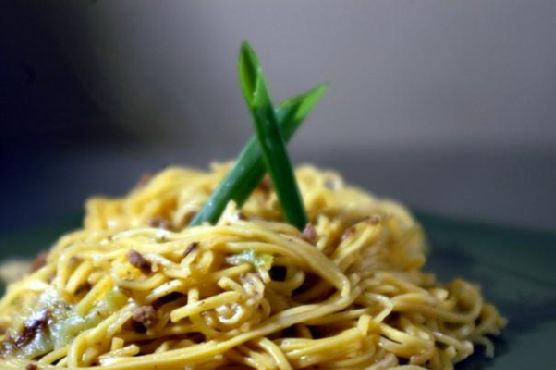
Beef Lo Mein Noodles | Made by Meaghan Moineau

Beef Lo Mein Noodles

Intro

There’s something incredibly comforting about a warm bowl of noodles, and for me, Beef Lo Mein Noodles is a dish that’s steeped in nostalgia. I remember the first time I tasted this delightful dish. It was at a small family gathering, hosted by my grandmother. The aroma of garlic and ginger filled the air as she expertly tossed the noodles in her old, well-seasoned wok. Her kitchen was always a magical place, a haven where flavors came alive and stories were shared over food. Today, I want to share this special recipe with you, hoping it brings to your table the same warmth and joy it has brought to mine.

Why You’ll Love It

This Beef Lo Mein Noodles recipe is a perfect blend of savory flavors and satisfying textures. The dish is quick and easy to prepare, making it ideal for a weeknight dinner or a spontaneous gathering. The tender beef, flavorful sauce, and perfectly cooked noodles create a harmony that will leave you craving more. It’s a versatile dish that can be adapted to suit your taste preferences, and its hearty nature makes it a crowd-pleaser for both young and old alike.

Ingredients

  • Dried soba noodles
  • Lean flank steak
  • Oyster sauce
  • Chicken stock
  • Soy sauce
  • Sesame oil
  • Vegetable oil
  • Garlic
  • Ginger
  • Green onions

Instructions

  1. Drop noodles into a large quantity of boiling water and cook for 3-5 minutes, until barely tender to the bite. Drain, rinse with cold water, and reserve.
  2. In a bowl, combine the beef and oyster sauce; stir to coat and let stand for 10 minutes.
  3. In another bowl, combine the chicken broth, soy sauce, and sesame oil. Set aside.
  4. Heat a wok over high heat. When hot, add the vegetable oil, swirling to coat the sides.
  5. Add the garlic, ginger, and green onions and cook, stirring until fragrant, about 30 seconds.
  6. Add the beef and cook, stirring constantly, about 1 minute.
  7. Add the sauce and noodles. Gently toss until heated through and sauce has thickened. Serve immediately.

Tips

For the best results, use fresh ingredients and prepare everything ahead of time since the actual cooking process is quick. Make sure your wok is very hot before you start cooking to ensure a good sear on the beef. If you want to add more flavor, marinate the beef longer for deeper infusion. Lastly, always taste and adjust the seasoning before serving.

Variations & Substitutions

This recipe is highly adaptable. You can substitute soba noodles with any other type of noodles you prefer, such as egg noodles or udon. If you don’t have flank steak, you can use chicken or tofu for a different protein option. For a vegetarian version, replace the oyster sauce with a vegetarian oyster sauce or mushroom soy sauce. Feel free to add more vegetables like bell peppers, mushrooms, or snap peas to increase the nutritional value and add more texture.

Storage

Beef Lo Mein Noodles can be stored in an airtight container in the refrigerator for up to 3 days. To reheat, you can use a microwave or stir-fry in a pan. If reheating on the stove, add a splash of water or broth to prevent the noodles from drying out.

FAQ

Can I make this dish ahead of time?

Yes, you can prepare the components ahead of time. Cook the noodles and marinate the beef in advance, but it’s best to stir-fry everything just before serving to maintain the texture and flavor.

Is this dish spicy?

No, this Beef Lo Mein Noodles recipe is not inherently spicy. However, you can add a bit of heat by including some red pepper flakes or a dash of hot sauce if you like it spicy.

What can I serve with Beef Lo Mein Noodles?

This dish pairs well with a simple side salad or steamed vegetables. You could also serve it alongside dumplings or spring rolls for a more substantial meal.

Nutrition

This dish is a good source of protein and carbohydrates. The addition of green onions and ginger provides vitamins and minerals. To reduce the sodium content, consider using low-sodium soy sauce and chicken broth.

Conclusion

Beef Lo Mein Noodles is a classic dish that brings together comfort and flavor in every bite. It’s a recipe cherished for its simplicity and the joy it brings to the dining table. Whether you’re making it for a special occasion or a weekday meal, I hope this dish becomes a staple in your home, creating memories and stories of its own. Enjoy!

Related update: Beef Lo Mein Noodles

Related update: Creamy Vegan Coleslaw Dressed with Avocado

Related update: Classic French Onion Soup
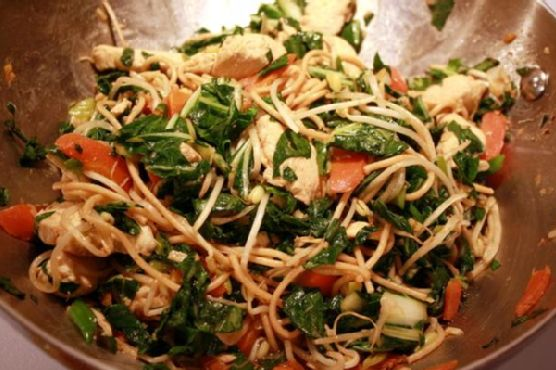
Chicken Lo Mein | Made by Meaghan Moineau

Chicken Lo Mein: A Delightful Homemade Classic

Intro

Growing up, one of my fondest memories is gathering around the kitchen table with my family every Friday night for our traditional takeout meal. Among the array of dishes, chicken lo mein was always the first to disappear. The way the flavors melded together in a harmonious blend of savory and slightly sweet was pure magic. Eventually, I set out to recreate this beloved dish at home, giving it my own twist while keeping it true to the flavors I cherished. Today, I’m excited to share with you this recipe for Chicken Lo Mein, a delightful dish that has become a staple in my home, brimming with vibrant vegetables and succulent chicken. Let’s dive into how you can bring this classic into your own kitchen.

Why You’ll Love It

This Chicken Lo Mein recipe is a perfect balance of taste and simplicity, making it an ideal choice for both busy weeknights and weekend feasts. Here are some reasons you’ll fall in love with this dish:

  • Quick and Easy: From start to finish, this dish comes together in just about 20 minutes, making it a lifesaver on hectic days.
  • Flavorful: The aromatic combination of ginger and garlic sets the stage for a deliciously savory dish that’s complemented by the gentle sweetness of sautéed vegetables.
  • Customizable: This recipe is highly adaptable to whatever you have on hand or prefer, making it perfect for using up leftover vegetables or trying new ingredients.
  • Healthier Takeout: With low sodium options and fresh ingredients, you can enjoy a meal that’s not only tasty but also better for you.

Ingredients

  • 1 tablespoon peanut oil
  • 1 tablespoon fresh ginger, minced
  • 2 cloves garlic, minced
  • 1 pound skinless boneless chicken breast, thinly sliced
  • 1 large carrot, julienned
  • 1 cup mushrooms, sliced
  • 1 cup bok choy, chopped
  • 1 cup bean sprouts
  • 4 scallions, sliced
  • 1 cup low sodium chicken broth
  • 2 tablespoons low sodium soy sauce
  • 8 ounces cooked spaghetti

Instructions

  1. In a large nonstick skillet, heat the peanut oil over medium heat.
  2. Add the minced ginger and garlic, cooking for about 1 minute until fragrant.
  3. Increase the heat to medium-high and add the sliced chicken and julienned carrot to the skillet. Cook, stirring occasionally, until the chicken is lightly browned, about 2-3 minutes.
  4. Add the sliced mushrooms, chopped bok choy, bean sprouts, and scallions to the skillet. Cook, stirring constantly, until the carrot is tender-crisp and the vegetables are just beginning to soften, about 3 minutes.
  5. Pour in the chicken broth and soy sauce, stirring well to combine with the chicken and vegetables.
  6. Finally, stir in the cooked spaghetti, tossing everything together to ensure the noodles are well-coated and heated through, about 1 minute.
  7. Serve immediately, garnished with extra scallions if desired.

Tips

  • Prep in Advance: Have all your ingredients chopped and ready to go before you start cooking. This will make the process seamless and stress-free.
  • Cooking Noodles: Cook the spaghetti just until al dente, as it will continue to cook a bit when you toss it with the hot ingredients.
  • High Heat: Stir-frying typically requires high heat. Make sure your pan is hot enough to quickly sear the chicken and vegetables.

Variations & Substitutions

This Chicken Lo Mein is wonderfully flexible. Here are some ideas to make it your own:

  • Vegetable Swaps: Feel free to add or substitute with bell peppers, snap peas, or broccoli for more variety.
  • Protein Options: You can replace the chicken with shrimp, beef, or tofu for a different protein source.
  • Noodle Alternatives: Try using rice noodles, udon, or whole wheat spaghetti for a different texture or dietary preference.

Storage

Leftover Chicken Lo Mein can be stored in an airtight container in the refrigerator for up to 3 days. To reheat, simply warm it in a skillet over medium heat, adding a splash of broth or water to loosen the noodles if necessary. Avoid microwaving as it can make the chicken rubbery and the noodles mushy.

FAQ

Can I make this dish vegetarian?

Absolutely! To make a vegetarian version, simply omit the chicken and replace the chicken broth with vegetable broth. You can add more vegetables or use tofu as a protein substitute.

What can I serve with Chicken Lo Mein?

Chicken Lo Mein is a complete meal on its own, but you can complement it with a side of egg rolls, dumplings, or a simple Asian cucumber salad for added freshness.

Is it okay to use pre-cooked chicken?

Yes, you can use pre-cooked chicken if you have leftovers or want to save time. Simply add the cooked chicken towards the end of the cooking process when you add the noodles to avoid overcooking.

Nutrition

While nutritional values can vary, a typical serving of Chicken Lo Mein is a good source of protein and provides essential vitamins and minerals from the vegetables. Opting for low sodium broth and soy sauce helps keep the sodium content in check, making this a healthier alternative to traditional takeout.

Conclusion

This Chicken Lo Mein recipe is a wonderful way to savor the delicious flavors of a beloved takeout dish while making it at home with wholesome ingredients. It’s quick, easy, and packed with flavor, ensuring it becomes a favorite in your kitchen just as it has in mine. So gather your ingredients, fire up the skillet, and enjoy the comforting taste of homemade Chicken Lo Mein. Whether it’s for a family dinner or a solo meal indulgence, this dish promises satisfaction in every bite.

Related update: Chicken Lo Mein

Related update: Indian Butter Chicken

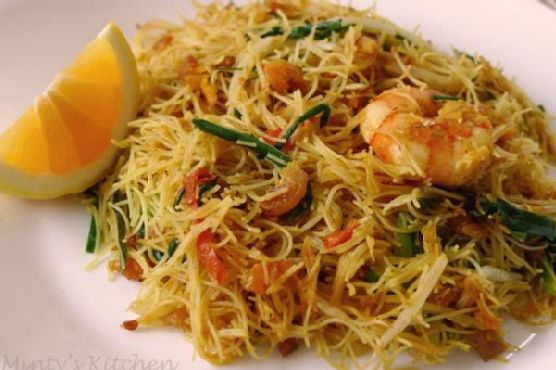
Siamese Fried Noodle (Mee Siam) | Made by Meaghan Moineau

Siamese Fried Noodle (Mee Siam)

Intro

There’s a certain magic that happens in the kitchen when you recreate a beloved dish from your childhood. For me, Siamese Fried Noodle, or Mee Siam, is that recipe. I remember the aroma wafting from my grandmother’s kitchen as she effortlessly tossed the noodles in her well-seasoned wok, each ingredient dancing in harmony. The taste was a beautiful blend of tangy, sweet, and spicy, a symphony of flavors that I have tried to replicate ever since. Today, I want to share this treasured recipe with you, hoping it brings a piece of my cherished memories into your home.

Why You’ll Love It

  • Authentic Flavor: Mee Siam offers a unique blend of Southeast Asian spices and flavors.
  • Versatile: You can adjust the spice level and ingredients to suit your taste.
  • Quick and Easy: Despite its complex flavors, this dish can be prepared in under an hour.
  • Perfect for Any Occasion: Whether it’s a family meal or a friendly gathering, Mee Siam never fails to impress.

Ingredients

  • Rice vermicelli – soaked in water
  • Prawns
  • Tofu
  • Beansprouts
  • Chives
  • Dried shrimps
  • Shredded kaffir lime leaves
  • Oil
  • Garlic
  • Shallots
  • Fresh turmeric
  • Bird’s eye chillies
  • Candlenuts
  • Lemongrass
  • Ginger flower
  • Sugar
  • Chicken stock granules
  • Pepper
  • Fish sauce
  • Soy sauce
  • Tamarind paste
  • Water

Instructions

  1. Heat oil in a frying pan.
  2. Lightly fry the chopped dried shrimps and tofu separately. Dish out and leave aside.
  3. Stir fry the pounded ingredients and kaffir lime leaves until aromatic.
  4. Add prawns and fry until they are half-cooked. Dish out the prawns and set aside.
  5. Add in seasonings and bring to the boil.
  6. Add meehoon and stir fry.
  7. Mix in dried shrimps, tofu slices, prawns, chives, and beansprouts. Toss well.
  8. Serve hot with a drizzle of lime or lemon juice.

Tips

For the best results, ensure your rice vermicelli is well-soaked but not overly soft before cooking. The key to a good Mee Siam is in the balance of flavors, so taste as you go and adjust the seasonings to your preference. Also, prepare all the ingredients in advance to make the cooking process smoother and quicker.

Variations & Substitutions

Feel free to get creative with Mee Siam. If you’re not a fan of prawns, chicken or tofu can be excellent substitutes. For a vegetarian version, simply omit the seafood and use vegetable stock instead of chicken stock. You can also experiment with different vegetables like bell peppers or carrots for added color and nutrition.

Storage

Mee Siam can be stored in an airtight container in the refrigerator for up to 3 days. Reheat it gently on the stove or in the microwave, adding a splash of water to prevent it from drying out. However, it’s best enjoyed fresh to savor the full spectrum of flavors.

FAQ

Can I make Mee Siam less spicy?

Absolutely! If you prefer a milder dish, reduce the number of bird’s eye chillies or omit them entirely. You can also serve extra lime wedges on the side to add a refreshing tang without additional heat.

What can I serve with Mee Siam?

Mee Siam is quite satisfying on its own, but you can pair it with a side of fresh cucumber salad or a simple clear soup for a complete meal. It’s also delightful with some crispy prawn crackers for an added crunch.

Nutrition

This dish is a balanced meal with protein from the prawns and tofu, carbohydrates from the noodles, and a variety of vitamins and minerals from the fresh herbs and vegetables. For a healthier version, you can use less oil and more vegetables, and opt for low-sodium soy sauce.

Conclusion

Mee Siam is more than just a dish; it’s a culinary journey that captures the essence of Southeast Asian cuisine. With its vibrant flavors and simple preparation, it’s no wonder that it holds a special place in many hearts and homes. I hope this recipe brings as much joy and nostalgia to your table as it does to mine. Enjoy your cooking adventure, and remember, the best recipes are those you make your own. Happy cooking!

Related update: Siamese Fried Noodle (Mee Siam)

Related update: Salmon with roasted vegetables

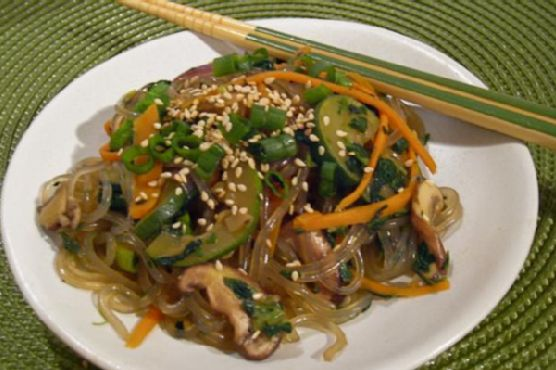
Chapchae (Korean Stir-Fried Noodles) | Made by Meaghan Moineau

Chapchae (Korean Stir-Fried Noodles)

Intro

Chapchae, or Korean stir-fried noodles, has always been a beloved dish in our family. I remember as a child, watching my grandmother expertly toss the noodles with colorful vegetables in her large wok, the aroma of sesame oil and soy sauce filling the kitchen. It was a dish we often enjoyed during family gatherings and special occasions, a symbol of celebration and togetherness. The combination of sweet potato vermicelli noodles, fresh vegetables, and savory flavors makes it a comforting and satisfying meal. Whether you’re new to Korean cuisine or a seasoned enthusiast, Chapchae is sure to become a favorite in your household as well.

Why You’ll Love It

This Chapchae recipe is not only delicious but also incredibly versatile. It’s a perfect balance of sweet and savory, with a delightful mix of textures from the chewy noodles and crisp-tender vegetables. You’ll love how easy it is to customize with your favorite vegetables or protein, making it adaptable to your taste preferences and dietary needs. Plus, it’s a fantastic make-ahead dish that tastes even better the next day as the flavors meld together.

Ingredients

  • 200g sweet potato vermicelli noodles
  • 1 sweet onion, thinly sliced
  • 2 cloves garlic, minced
  • 2 cups baby spinach
  • 1 carrot, julienned
  • 2 scallions, sliced
  • 1 cup mushrooms, sliced
  • 1 zucchini, julienned
  • 2 tablespoons olive oil
  • 2 tablespoons sesame oil, divided
  • 3 tablespoons soy sauce
  • 1 tablespoon sugar
  • Salt, to taste

Instructions

  1. Cook the sweet potato vermicelli noodles according to the package directions. Drain and set aside.
  2. In a large pan or wok over medium heat, heat the olive oil and 1 tablespoon of sesame oil.
  3. Add the onion slices and minced garlic, sautéing for about 1 minute until fragrant.
  4. Add the rest of the vegetables: spinach, carrots, scallions, mushrooms, and zucchini. Cook for 4-5 minutes, until the vegetables are half-cooked and still a bit crispy.
  5. Turn the heat to low and add the cooked noodles, soy sauce, sugar, and the remaining sesame oil to the pan.
  6. Mix everything to combine and cook for another 2 minutes, allowing the flavors to meld.
  7. Season with salt or more soy sauce if needed. If you prefer a slightly sweeter taste, add a touch more sugar.
  8. If using sesame seeds, sprinkle them on top just before serving.

Tips

To ensure your Chapchae is a success, here are a few tips:

  • Use high-quality sesame oil and soy sauce for the best flavor.
  • Don’t overcook the vegetables; they should remain slightly crisp for the best texture.
  • If you’re adding protein, such as beef or chicken, cook it separately before adding it to the noodles.
  • For an authentic touch, garnish with sesame seeds and a sprinkle of sliced red chili for a bit of heat.

Variations & Substitutions

Chapchae is highly adaptable, so feel free to make it your own:

  • Vegetables: Use any vegetables you have on hand, such as bell peppers, broccoli, or bok choy.
  • Protein: Add beef, chicken, or tofu for extra protein. Simply cook it separately before mixing it with the noodles.
  • Sauce: For a gluten-free version, use tamari instead of soy sauce. You can also add a splash of rice vinegar for a tangy twist.

Storage

Chapchae can be stored in an airtight container in the refrigerator for up to 3 days. To reheat, simply warm it in a pan over medium heat, adding a splash of water or soy sauce if needed to prevent sticking. It’s an excellent option for meal prep, as the flavors continue to develop over time.

FAQ

Can I make Chapchae ahead of time?

Absolutely! Chapchae is a fantastic make-ahead dish. Prepare it up to a day in advance and store it in the refrigerator. Reheat gently before serving, and enjoy the enhanced flavors.

What can I serve with Chapchae?

Chapchae can be a standalone dish, but it also pairs well with other Korean dishes like kimchi, Korean BBQ, or a simple side salad. It’s versatile enough to complement a variety of meals.

Nutrition

Chapchae is a nutritious dish rich in fiber from the vegetables and sweet potato noodles. It’s naturally gluten-free when using gluten-free soy sauce and can be easily adapted to be vegan or vegetarian. The sesame and olive oils provide healthy fats, making it a well-rounded meal.

Conclusion

Chapchae is a delightful dish that brings a taste of Korean cuisine to your table. With its colorful array of vegetables and the unique texture of sweet potato noodles, it’s sure to impress family and friends alike. Whether you’re making it for a special occasion or a simple weeknight dinner, Chapchae is a versatile and delicious option. Give this recipe a try, and let it become a cherished part of your culinary repertoire, just as it has in mine.

Related update: Chapchae (Korean Stir-Fried Noodles)

Related update: A Post Thanksgiving “sopa De Tortilla”

Related update: Flemish Style Asparagus Side Dish

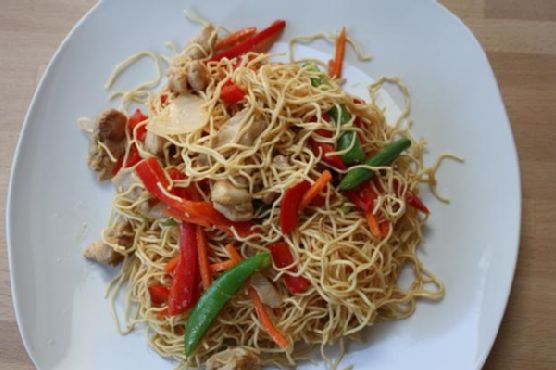
Chinese Style Chicken and Noodle Stir Fry | Made by Meaghan Moineau

Chinese Style Chicken and Noodle Stir Fry | Made by Meaghan Moineau

Title: Savory Memories: A Journey to the Heart of Chinese Style Chicken and Noodle Stir Fry


Description:

Dive into the flavors of a cherished family tradition with our Chinese Style Chicken and Noodle Stir Fry. Discover the perfect balance of savory and sweet with this mouthwatering main dish, and relive the nostalgia of family gatherings filled with laughter and delightful aromas. Rated 6/10 in difficulty, this recipe is both a culinary adventure and a heartwarming memory waiting to be recreated in your kitchen.

---


A Taste of Nostalgia: Chinese Style Chicken and Noodle Stir Fry


In every family, there are dishes that transcend the act of eating and enter the realm of cherished memories. For me, Chinese Style Chicken and Noodle Stir Fry is one such dish. Its vibrant colors, enticing aromas, and harmonious flavors remind me of the many Sunday afternoons spent in my grandmother's bustling kitchen. This recipe was a staple at our family gatherings, a dish that brought everyone together around the table, sharing stories and laughter.


Ingredients:

- Chow mein noodles


- Chicken broth


- Sugar


- Oyster sauce


- Soy sauce


- Water


- Vegetable oil


- Garlic, minced


- Ginger, minced


- Skinless boneless chicken thighs, sliced


- Onion, sliced


- Red bell pepper, julienned


- Carrots, julienned


- Sugar snap peas


Instructions:
1. Prepare the Noodles: Begin by soaking the chow mein noodles in hot water until softened, about 5 minutes. Drain and set them aside. This simple step is the foundation of our flavorful stir fry.
2. Create the Sauce: In a small bowl, combine chicken broth, sugar, oyster sauce, soy sauce, and water. Set this aside as it will tie all the flavors together beautifully.
3. Sauté Aromatics: Heat vegetable oil in a wok over medium-high heat. When the oil is hot, add minced garlic and ginger, cooking until they release their fragrance, about 30 seconds. This is where the magic begins, as these aromatics form the base of our dish.
4. Cook the Chicken: Add sliced chicken thighs to the wok, cooking until they are done. The chicken absorbs the flavors of garlic and ginger, creating a savory depth that will resonate through the dish.
5. Add Vegetables: Introduce the onion, red bell pepper, carrots, and sugar snap peas to the wok. Cook until the vegetables are tender-crisp, about 4-5 minutes. Their vibrant colors and fresh crunch are what make this stir fry so visually appealing and delicious.
6. Combine and Serve: Pour in the chicken broth mixture and stir in the drained noodles. Cook until everything is heated through, about 2 minutes. Toss everything together to ensure the noodles are well coated with the sauce. Serve hot and enjoy the blend of textures and flavors that dance in every bite.
A Family Tradition:

Every time I cook this dish, I'm transported back to my childhood, watching my grandmother expertly wield her wok with a grace that seemed almost magical. She would often share stories about her own childhood, cooking alongside her mother, and it felt like a culinary baton was being passed down through generations. This dish was more than just a meal; it was a way of preserving family history, a delicious tapestry woven with love, culture, and tradition.


Difficulty Rating: 6/10
Classification: Main Dish

Crafting this Chinese Style Chicken and Noodle Stir Fry is more than just following a recipe; it’s about embracing a tradition and creating memories. Whether you're sharing it with family or introducing it to friends, this dish promises a delightful experience that bridges past and present, one flavorful bite at a time.

Read more about Appetizers

Read more about Main Dishes

Read more about Desserts

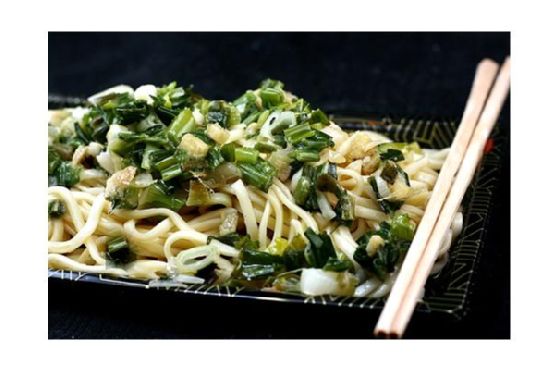
Not Momofuku Ginger Scallion Noodles | Made by Meaghan Moineau

Not Momofuku Ginger Scallion Noodles | Made by Meaghan Moineau

**Title: A Taste of Nostalgia: Not Momofuku Ginger Scallion Noodles**


**Description:** Dive into the comforting embrace of Not Momofuku Ginger Scallion Noodles, a delightful dish packed with vibrant flavors and warm memories. This recipe is your gateway to a symphony of taste and nostalgia, blending simple ingredients into a soul-soothing experience. Perfect for a cozy dinner, this dish will transport you back to cherished family gatherings, making it a must-try for any home cook.


---


**Blog Post:**


There's something magical about a recipe that evokes cherished memories with every bite. For me, Not Momofuku Ginger Scallion Noodles is more than just a dish; it's a bridge to my past, a flavorful reminder of family gatherings filled with laughter, love, and of course, delightful aromas wafting from the kitchen.


**Ingredients:**


- Soba noodles


- 1/4 cup grapeseed oil


- 2 cups green onions, finely chopped


- 2 tablespoons ginger, minced


- 4 cloves garlic, minced


- 2 shallots, thinly sliced


- 2 tablespoons fish sauce


- 1 tablespoon sesame seed oil


- 1 tablespoon rice wine vinegar


- 2 tablespoons wheat-free tamari sauce


- 1 tablespoon honey


- 1 red chile pepper, crushed


- Himalayan salt, to taste


**Instructions:**


1. Heat the grapeseed oil in a saucepan over high heat until shimmering and hot, but not smoking. This is where the magic begins.


2. Carefully add the green onions, ginger, garlic, and shallots to the pan. Watch as the ingredients sizzle and the aroma fills your kitchen, instantly transforming the space into a fragrant haven. The onions will wilt and turn a vibrant green almost immediately.


3. Remove the pan from the heat and stir the mixture with a wooden spoon. Feel the warmth of the moment as you add the fish sauce, sesame seed oil, rice wine vinegar, tamari sauce, honey, crushed red chile pepper, and Himalayan salt. Allow the sauce to sit for 15 minutes, letting the flavors meld together.


4. Toss with your favorite noodles. While I used fresh Chinese egg noodles for a traditional touch, soba noodles offer a splendid alternative, absorbing the sauce beautifully.


**A Nostalgic Connection:**


This dish always takes me back to my grandmother's kitchen. As a child, I spent countless weekends there, perched on a stool, watching her deftly chop green onions and ginger while regaling me with stories of her own childhood. She had a way of making the simplest ingredients sing, turning every meal into an event. The aroma of sizzling onions and ginger would fill the house, drawing everyone to the kitchen like moths to a flame. Every bite of her noodles was a testament to her love; a warm, comforting embrace on a plate.


**Difficulty Rating: 3/10**


Classified as a **Main Dish**, Not Momofuku Ginger Scallion Noodles is surprisingly straightforward to prepare, making it an ideal choice for both novice cooks and seasoned chefs alike. Its simplicity is its strength, allowing each ingredient to shine while wrapping you in a blanket of nostalgia and flavor.


---


There's an undeniable comfort in recreating a recipe that has stood the test of time in your family. Not Momofuku Ginger Scallion Noodles is more than just a meal; it's a journey back to those precious moments spent with loved ones. Whether you're cooking for a crowd or just for yourself, this dish is sure to bring a smile to your face and warmth to your heart. So, gather your ingredients, ignite your stove, and let the magic of nostalgia fill your kitchen once more.

Read more about Appetizers

Read more about Main Dishes

Read more about Desserts