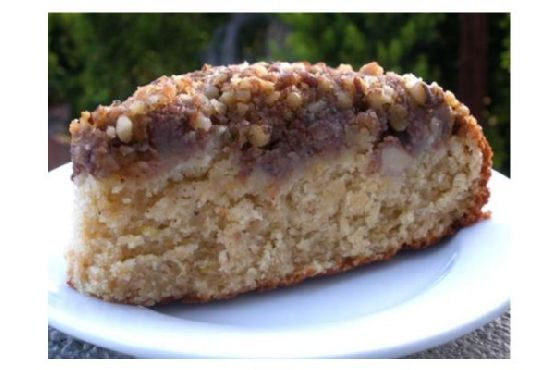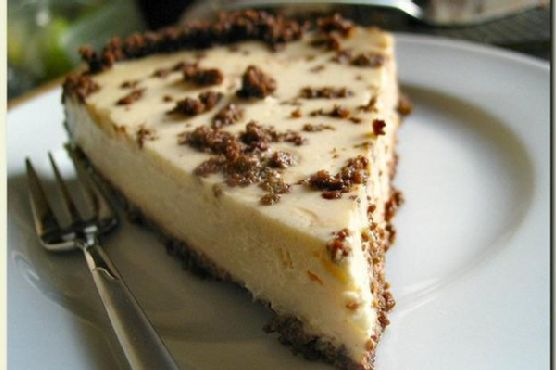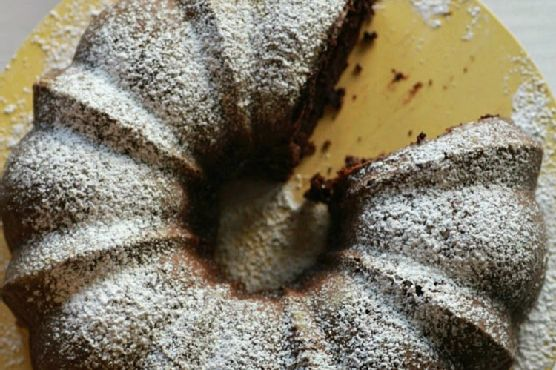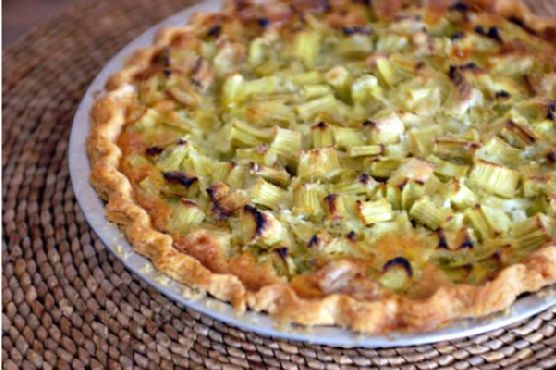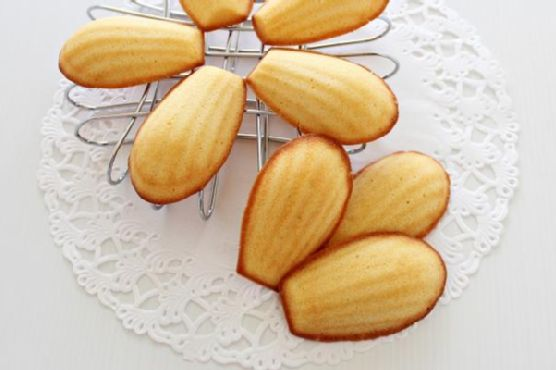
Croissants With Sesame Seeds (Kifli) | Made by Meaghan Moineau

Croissants With Sesame Seeds (Kifli): A Taste of Home

Intro

There’s something deeply satisfying about baking, a process that transforms humble ingredients into something truly special. For me, making croissants with sesame seeds—or kifli as my grandmother called them—evokes a nostalgic warmth that harks back to bustling family kitchens filled with chatter and the comforting aroma of freshly baked goods. I remember watching my grandmother skillfully roll the dough, her fingers working with practiced ease as she shared stories of her childhood. These croissants are not just a treat; they are a bridge to the past, a delightful experience to be shared with loved ones.

Why You’ll Love It

These croissants with sesame seeds are a delightful twist on a classic pastry. They are light, flaky, and topped with crunchy sesame seeds that add an extra layer of flavor. Whether you’re enjoying them fresh out of the oven with a cup of coffee or as a savory snack throughout the day, these kifli are sure to become a family favorite. Plus, the process of making them can be a rewarding experience, allowing you to slow down and enjoy the art of baking.

Ingredients

  • 1 cup lukewarm milk
  • 1 tablespoon dry active yeast
  • 2 tablespoons sugar
  • 6 cups flour, plus extra for kneading
  • 1 teaspoon baking powder
  • 1 teaspoon salt
  • 1/2 cup vegetable oil
  • 4 eggs, separated
  • 1/2 cup margarine
  • Sesame seeds for topping

Instructions

  1. In a large, deep mixing bowl, pour in the lukewarm milk. Stir in the sugar, 2 tablespoons of flour, and the yeast. Let it stand for ten minutes to allow the yeast to activate.
  2. Add in the baking powder, salt, vegetable oil, egg whites, and 6 cups of flour. Stir with a wooden spoon until the mixture is well incorporated. As the dough comes together, you may need to use your hands to ensure it is thoroughly mixed.
  3. Transfer the dough to a lightly floured surface and knead it for 10 minutes until smooth and elastic.
  4. Place the dough in a large bowl, cover it with a clean kitchen towel, and let it rise for one hour in a warm place.
  5. Preheat your oven to 375°F (190°C).
  6. After the dough has risen, return it to your working area and knead it again for another 5 minutes to remove any air bubbles.
  7. Form the dough into a log and cut it into 5 or 6 equal pieces. Keep the pieces you are not currently working with covered with a kitchen towel to prevent them from drying out.
  8. Take one piece of dough and roll it out to the size of a medium pizza. Use a knife to cut the rolled-out dough into 8 equal slices.
  9. Starting at the widest part of each slice, roll it towards the narrowest point to form croissants. Place them on a lightly greased baking sheet.
  10. In a small mixing bowl, whisk the egg yolks and brush each croissant with the egg yolk mixture. Sprinkle sesame seeds over the top of each croissant.
  11. Add 4 or 5 small pieces of margarine around the baking sheet for added flavor and moisture.
  12. Bake the croissants for 15 to 20 minutes, or until they are golden brown. Cover them with a kitchen towel while they cool to keep them soft.
  13. Serve immediately or store in an airtight container to maintain freshness.

Tips

For the best results, ensure that your ingredients are at room temperature before you start baking. This will help the dough rise more effectively. Additionally, be gentle when kneading to avoid overworking the dough, which can make the croissants tough. If you’re new to baking, don’t worry if your croissants aren’t perfect the first time; practice makes perfect!

Variations & Substitutions

If you’re looking to mix things up, consider adding a filling to your croissants before rolling them up. Cheese, chocolate, or a sweet jam can add a delightful surprise to each bite. For a dairy-free version, substitute the milk with almond or soy milk and use a vegan margarine. You can also experiment with different seeds or toppings, such as poppy seeds or coarse sea salt, for a unique flavor twist.

Storage

To keep your croissants fresh, store them in an airtight container at room temperature for up to two days. If you want to keep them longer, consider freezing them. Wrap each croissant in plastic wrap and place them in a freezer-safe bag. When you’re ready to enjoy them, simply reheat in the oven at 350°F (175°C) until warm and crispy.

FAQ

Can I make the dough ahead of time?

Yes, you can prepare the dough in advance. After kneading, cover the dough and refrigerate it overnight. Let it come to room temperature and rise before proceeding with the recipe.

What can I do if my dough doesn’t rise?

If your dough doesn’t rise, it could be due to inactive yeast. Make sure your yeast is fresh and that the milk is warm but not hot, as high temperatures can kill yeast. If the dough still doesn’t rise, you might need to start over with fresh yeast.

Can I use butter instead of margarine?

Absolutely! Butter can be used in place of margarine if you prefer. It will add a richer flavor to the croissants, which many people enjoy.

Nutrition

While these croissants are a treat, it’s helpful to know what you’re enjoying. Each croissant contains approximately 200 calories, depending on the size and any additional fillings or toppings added. They also provide a modest amount of protein and carbohydrates, making them a satisfying snack or breakfast option.

Conclusion

Baking croissants with sesame seeds is more than just making a delicious treat; it’s an opportunity to connect with tradition and savor the simple joys of life. Whether you’re sharing them with family, enjoying them alone as a peaceful moment of indulgence, or gifting them to friends, these kifli are sure to bring warmth and happiness. So, gather your ingredients, roll up your sleeves, and enjoy the delightful journey of baking these irresistible croissants.

Related update: Croissants With Sesame Seeds (Kifli)
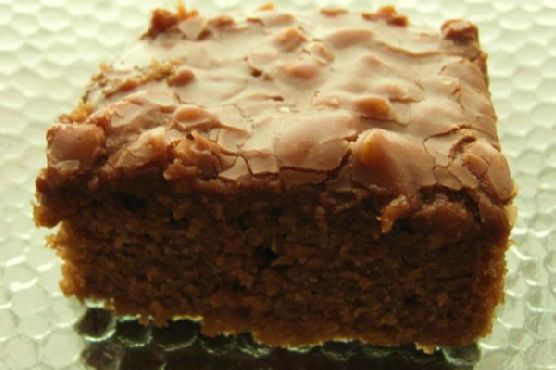
Gooey Chocolate Buttermilk Sheet Cake | Made by Meaghan Moineau

Gooey Chocolate Buttermilk Sheet Cake

Intro

There’s something magical about a chocolate cake that instantly brings back a flood of childhood memories. I recall spending countless afternoons in my grandmother’s kitchen, eagerly awaiting the moment when I could lick the spoon clean of any remaining batter. The aroma of chocolate wafting through the house was a promise of the indulgent treat to come. This Gooey Chocolate Buttermilk Sheet Cake is a tribute to those cherished days, combining rich cocoa flavors with a tender crumb that only buttermilk can provide. Whether it’s for a birthday, a family gathering, or just a midweek pick-me-up, this cake promises to delight and satisfy.

Why You’ll Love It

This cake isn’t just about chocolate; it’s about creating moments. Its melt-in-your-mouth texture and rich, gooey frosting make it an instant hit at any gathering. You’ll love how easy it is to make, with simple ingredients that come together to create something extraordinary. The buttermilk adds a subtle tanginess that perfectly complements the sweetness of the chocolate, while the frosting is a luscious dream that you’ll want to eat straight from the pan.

Ingredients

  • 2 cups all-purpose flour
  • 2 cups sugar
  • 1 teaspoon baking soda
  • 1/2 teaspoon salt
  • 1 cup butter (or margarine)
  • 1/4 cup cocoa powder
  • 1 cup water
  • 1/2 cup vegetable oil
  • 1/2 cup buttermilk
  • 2 large eggs, beaten
  • 1 teaspoon vanilla extract
  • 1/2 cup milk
  • 4 cups icing sugar
  • Optional: chopped nuts for topping

Instructions

  1. Preheat your oven to 350°F (180°C).
  2. In a large saucepan, bring to a boil the water, cocoa powder, oil, and butter or margarine.
  3. In a separate large mixing bowl, combine the flour, sugar, salt, and baking soda.
  4. Whisk the hot cocoa mixture into the dry ingredients and mix well.
  5. Add the buttermilk, vanilla extract, and beaten eggs to the batter; continue mixing until smooth.
  6. Pour the batter into a greased and floured 9″x13″ oblong baking pan.
  7. Bake in the preheated oven for approximately 20 minutes, or until a toothpick comes out clean when inserted in the middle.
  8. Remove the cake from the oven and prepare the frosting while the cake is still warm.
  9. For the frosting, set a large pan over medium heat and melt the butter with the cocoa powder and milk.
  10. Stir in the icing sugar and vanilla extract; whisk until smooth.
  11. Add the chopped nuts if desired, then stir well and spread the frosting on the warm cake.
  12. Let the cake cool before serving.

Tips

To ensure your cake remains moist, avoid overbaking. Keep a close eye on it towards the end of the baking time. If you want a deeper chocolate flavor, consider using Dutch-processed cocoa powder. For a nut-free option, simply omit the nuts from the frosting.

Variations & Substitutions

If you’re out of buttermilk, you can make a quick substitute by adding a tablespoon of lemon juice or white vinegar to a cup of milk and letting it sit for 5 minutes. For a more decadent version, fold in chocolate chips or swirl in some peanut butter before baking. If you prefer a lighter frosting, you can reduce the icing sugar by a cup.

Storage

This cake can be stored at room temperature, covered, for up to 3 days. If you live in a particularly warm climate, consider refrigerating it to preserve the frosting. For longer storage, wrap individual slices in plastic wrap and freeze them for up to two months. Thaw at room temperature before enjoying.

FAQ

Can I make this cake ahead of time?

Absolutely! This cake can be made a day in advance. Just ensure it’s stored properly to maintain its moist texture. You can frost it on the day you plan to serve for optimal freshness.

Can I use margarine instead of butter?

Yes, margarine can be used in place of butter in both the cake and the frosting. However, butter will provide a richer flavor and texture.

Can I add coffee to enhance the chocolate flavor?

Definitely! Adding a tablespoon of instant coffee granules to the boiling cocoa mixture will deepen the chocolate flavor without making the cake taste like coffee.

Nutrition

This cake is a treat and should be enjoyed as such. Each serving contains approximately 350 calories, with 15g of fat, 50g of carbohydrates, and 4g of protein. Keep in mind that these values may vary based on portion size and specific ingredients used.

Conclusion

This Gooey Chocolate Buttermilk Sheet Cake is more than just a dessert; it’s a delightful experience that brings joy with every bite. Whether you’re rekindling fond memories or creating new ones, this cake is sure to become a beloved staple in your recipe collection. So preheat that oven, gather your ingredients, and enjoy the sweet satisfaction of homemade goodness.

Related update: Gooey Chocolate Buttermilk Sheet Cake

Related update: Classy Poached Pear In Spicy Mango Nectar With Mango Ice Cream

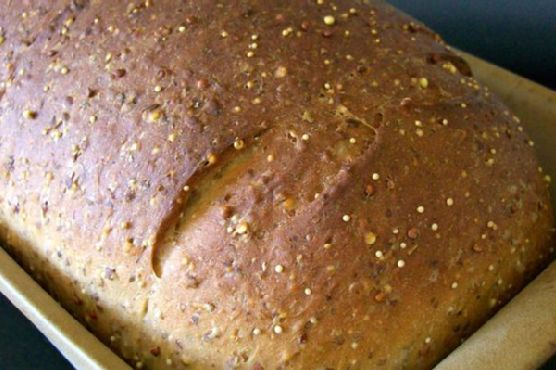
Ancient Grains Bread | Made by Meaghan Moineau

Ancient Grains Bread: A Taste of Tradition

Intro

There’s something incredibly comforting about the smell of freshly baked bread wafting through the house. It’s a scent that takes me back to my grandmother’s kitchen, where she would spend hours kneading dough by hand, humming softly to herself. Her bread was always a family favorite, packed with hearty grains and a touch of sweetness. Inspired by her timeless recipes, I’ve crafted this Ancient Grains Bread to bring a slice of that nostalgia to your own table. This bread, rich with history and flavor, combines the best of old-world grains with modern baking techniques for a loaf that is both wholesome and delicious.

Why You’ll Love It

This Ancient Grains Bread is not just a treat for the taste buds but also a wholesome addition to your diet. Packed with a variety of nutritious grains, this bread offers a delightful texture and a rich, earthy flavor. Each bite provides a satisfying chew, a hint of sweetness from the honey, and the comforting aroma of a well-baked loaf. Whether you’re making sandwiches, toast, or enjoying it plain with a pat of butter, this bread is versatile enough to complement any meal.

Ingredients

  • 2 teaspoons yeast
  • 2 cups all-purpose flour
  • 1 cup whole wheat flour
  • 1/4 cup rye flakes
  • 2 tablespoons ground flaxseed
  • 2 tablespoons amaranth grain
  • 2 tablespoons quinoa
  • 2 tablespoons soy flour
  • 1 tablespoon vital wheat gluten
  • 1/4 cup skim milk powder
  • 2 teaspoons salt
  • 1 1/2 cups warm water
  • 2 tablespoons honey

Instructions

  1. In a large bowl or stand mixer, whisk together the yeast, all-purpose flour, whole wheat flour, rye flakes, ground flaxseed, amaranth grain, quinoa, soy flour, vital wheat gluten, skim milk powder, and salt.
  2. Stir in the warm water and honey, mixing thoroughly to form a cohesive, fairly firm but workable dough.
  3. Turn the dough out onto a floured board or knead it with the dough hook for about 12 minutes until it becomes very elastic and smooth.
  4. Place the dough into a bowl, cover, and allow it to rest for 30 minutes.
  5. Roll the rested dough into a log shape and tuck it into a greased loaf pan.
  6. Cover the pan with a clean towel and allow the dough to rise for 50-60 minutes.
  7. Preheat your oven to 350°F (175°C).
  8. Slash the top of the loaf 2-3 times with a sharp knife or lame to allow the bread to expand properly in the oven.
  9. Bake the loaf for about 40 minutes until it is golden brown and sounds hollow when tapped on the bottom.
  10. Turn the bread out of the pan immediately and cool on a rack before slicing.

Tips

For the best results, make sure your water is warm, not hot, to activate the yeast without killing it. If you have time, let the dough rise in a warm, draft-free area. This will give the yeast the best environment to work its magic, resulting in a lighter loaf.

Variations & Substitutions

Feel free to experiment with this recipe by adding seeds like sunflower or pumpkin seeds for additional crunch and flavor. If you have dietary restrictions, you can substitute the honey with agave syrup or maple syrup. For a gluten-free version, replace the flours and vital wheat gluten with your favorite gluten-free blend, though be aware that the texture may vary.

Storage

Store your Ancient Grains Bread in an airtight container or wrapped in a clean kitchen towel at room temperature for up to 3 days. For longer storage, slice and freeze the bread, then toast slices directly from the freezer as needed.

FAQ

Can I make this recipe without a stand mixer?

Absolutely! While a stand mixer makes the process easier, you can knead the dough by hand. Just ensure you knead it long enough to achieve a smooth and elastic texture, which is key for a good rise.

What can I use if I don’t have rye flakes?

If you don’t have rye flakes on hand, you can substitute them with rolled oats or simply omit them from the recipe. The bread will still be delicious and hearty.

Nutrition

This bread is rich in fiber and protein thanks to the mix of ancient grains, making it a nutritious choice for your meals. Each slice provides a balance of carbohydrates, healthy fats, and plant-based proteins.

Conclusion

Baking this Ancient Grains Bread is like baking a piece of history. With each slice, you’ll enjoy a medley of flavors and textures that only ancient grains can offer. Whether you’re a seasoned baker or a newcomer to bread making, this recipe is straightforward and rewarding. Share it with loved ones and let it become a staple in your kitchen, just as it has in mine. Happy baking!

Related update: Ancient Grains Bread

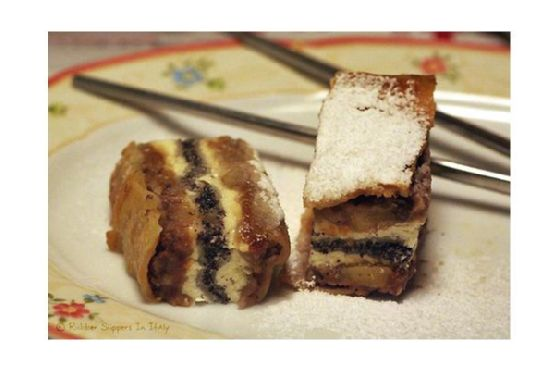
Layered Poppy Seed Pastries | Made by Meaghan Moineau

Layered Poppy Seed Pastries

Intro

There’s something truly magical about the smell of freshly baked pastries wafting through the house. It brings back memories of my grandmother’s kitchen, where she would whip up delightful treats that danced between the layers of sweet and savory. One of my fondest memories is of the layered poppy seed pastries she would make during the holiday season. The combination of buttery pastry, rich poppy seed filling, and a hint of lemon zest was a symphony of flavors that never failed to bring joy to our family gatherings. Today, I’m excited to share this treasured recipe with you, so you too can create cherished memories with your loved ones.

Why You’ll Love It

This recipe for Layered Poppy Seed Pastries is a celebration of texture and flavor. The delicate layers of pastry are both crisp and tender, providing the perfect vessel for the rich, nutty poppy seed filling. Here are a few reasons why you’ll fall in love with this recipe:

  • Traditional Charm: This recipe has been passed down through generations, capturing the essence of time-honored baking techniques.
  • Make-Ahead Friendly: These pastries can be prepared in advance and stored in the freezer, making them a convenient treat for any occasion.
  • Versatile Serving Options: Whether as a delightful breakfast, a sweet afternoon snack, or a gift for loved ones, these pastries are perfect for any time of day.

Ingredients

  • 1 packet dry yeast
  • 1 cup warm milk
  • 1 tablespoon sugar
  • 4 cups flour
  • 1 teaspoon baking powder
  • 1 teaspoon salt
  • 1 tablespoon lemon zest
  • 1 cup butter, cold and cut into pieces
  • 1 whole egg plus 1 egg yolk, beaten
  • 1 teaspoon vanilla extract
  • 1 can poppy seed filling
  • 1 cup ground walnuts
  • 1/4 cup sugar
  • Dash of sugar for yeast mixture
  • Water

Instructions

  1. In a small bowl, mix warm milk, sugar, and yeast until the yeast dissolves. Set aside to proof.
  2. In a large bowl, blend flour, baking powder, salt, and lemon zest. Add butter and mix until the mixture is crumbly.
  3. Beat the egg, egg yolk, and vanilla extract in a small bowl. Add to the flour mixture alternately with the milk mixture. Blend until the dough comes together.
  4. Transfer the dough to a floured board and divide it into 4 parts. Knead each part into a flat disc, then wrap in plastic wrap and refrigerate for 1 hour.
  5. Spoon the poppy seed filling into a pastry bag. In a small bowl, blend sugar and ground walnuts.
  6. Roll each disc of dough into a thin sheet large enough to fit into a 13×9-inch baking dish. Trim each sheet to fit the dish.
  7. Arrange one sheet of dough in the bottom of the baking dish. Pipe or spread half of the poppy seed filling evenly over the dough.
  8. Cover with a second sheet of dough and sprinkle with 1 cup of the walnut filling.
  9. Arrange a third sheet of dough on top and repeat with another layer of poppy seed filling.
  10. Top with the remaining sheet of dough. Cover with a kitchen towel and let stand for 30 minutes.
  11. Brush the top with the remaining egg yolk mixture. Bake at 350°F until golden brown, about 45 minutes.
  12. While hot, cut into 24 squares. Allow to cool in the pan.

Tips

  • Chill the Dough: Chilling the dough helps in handling and rolling it out more easily.
  • Even Layers: For a clean and professional look, try to spread the fillings as evenly as possible between the layers.
  • Bake Until Golden: Ensure the pastries are a lovely golden brown to guarantee a crispy texture.

Variations & Substitutions

Feel free to get creative with these pastries! Here are some ideas to switch things up:

  • Alternate Fillings: Swap the poppy seed filling for a sweet ricotta or fruit preserve for a different flavor profile.
  • Nuts: If walnuts aren’t your favorite, try using almonds or pecans instead.
  • Glaze: Drizzle a light lemon or vanilla glaze on top for added sweetness and decoration.

Storage

These pastries are perfect for making ahead and storing:

  • Room Temperature: Store in an airtight container for up to 3 days.
  • Freezer: Wrap each pastry in plastic wrap, then foil, and place in resealable plastic bags. They can be frozen for up to 3 months. Just defrost and enjoy!

FAQ

Can I make the dough in advance?

Yes, you can prepare the dough and keep it wrapped in the refrigerator for up to 24 hours before rolling it out and assembling the pastries.

What if I don’t have a pastry bag?

No worries! You can simply use a spoon to spread the poppy seed filling evenly over the dough layers.

Can I make these pastries gluten-free?

While I’ve not tested this recipe with gluten-free flour, a 1:1 gluten-free baking flour might work as a substitute. Just be aware that the texture may vary slightly.

Nutrition

This recipe yields 24 pastries. Each pastry contains approximately:

  • Calories: 180
  • Fat: 10g
  • Carbohydrates: 19g
  • Protein: 3g

Conclusion

There you have it, a delightful recipe for Layered Poppy Seed Pastries that is sure to become a favorite in your home. Whether you’re creating new traditions or celebrating old ones, these pastries are a testament to the joy of baking. I hope this recipe brings warmth and happiness to your table, just as it has to mine. Happy baking!

Related update: Layered Poppy Seed Pastries

Related update: Croissants With Sesame Seeds (Kifli)
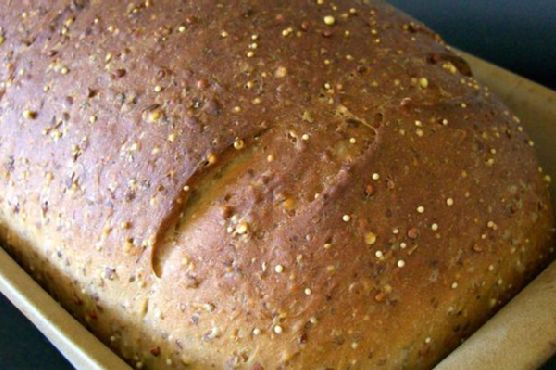
Acorn Squash Biscuits with Sage & Gruyere | Made by Meaghan Moineau

Acorn Squash Biscuits with Sage & Gruyere

Intro

As the crisp air of autumn settles in, my heart often wanders back to the cozy kitchen of my grandmother’s house. The warmth from her oven, the laughter echoing through the room, and the delightful aroma of her baking have left an indelible mark on my soul. One of my most cherished memories is of her acorn squash biscuits, a recipe she lovingly crafted to celebrate the bounties of fall. These Acorn Squash Biscuits with Sage & Gruyere are a tribute to those fond memories, blending the comforting flavors of roasted squash with the savory notes of Gruyere and sage.

Why You’ll Love It

These biscuits are more than just a side dish; they are a celebration of autumnal flavors and textures. The acorn squash adds a subtle sweetness and moisture, creating a tender crumb that is perfectly complemented by the nutty richness of Gruyere cheese. Fresh sage brings an earthy aroma that elevates the biscuits to gourmet status. Whether you’re serving them at a holiday gathering or enjoying them with a simple bowl of soup, these biscuits are sure to become a seasonal favorite.

Ingredients

  • 2 cups all-purpose flour
  • 2 tablespoons cornstarch
  • 2 tablespoons light brown sugar
  • 1 tablespoon baking powder
  • 1/2 teaspoon baking soda
  • 1 teaspoon salt
  • 6 tablespoons unsalted butter, chilled and cut into pieces
  • 2 tablespoons vegetable shortening, chilled
  • 1 cup mashed roasted acorn squash
  • 1 tablespoon apple cider vinegar
  • 1 cup shredded Gruyere cheese
  • 2 tablespoons chopped fresh sage
  • Optional: whole sage leaves for garnish

Instructions

  1. Preheat your oven to 425°F (220°C) and adjust the oven rack to the middle position. Line a large baking sheet with parchment paper.
  2. In the work bowl of a food processor, combine the flour, cornstarch, brown sugar, baking powder, baking soda, and salt. Pulse a couple of times to combine.
  3. Scatter the chilled butter and shortening over the top of the flour mixture. Pulse a few times until the mixture resembles coarse meal.
  4. In a large bowl, mix the mashed acorn squash with the apple cider vinegar. Stir in the Gruyere cheese and chopped sage.
  5. Add the flour and butter mixture to the squash mixture, stirring until just combined.
  6. Turn the dough out onto a lightly floured surface and knead a few times to bring the dough together. Pat the dough into a round about 1-inch thick.
  7. Using a 2 1/4-inch biscuit cutter, cut out the biscuits, dipping the cutter in flour to prevent sticking. Gather the scraps and continue cutting until all dough is used.
  8. Place the biscuits evenly spaced on the prepared baking sheet. If garnishing with sage leaves, dip your finger in beaten egg and dot a small amount on the center of each biscuit. Place a sage leaf on top, pressing lightly to affix.
  9. Brush the biscuits with melted butter and bake until golden brown, about 18-22 minutes.
  10. Let the biscuits cool for 15 minutes before serving. Enjoy warm or at room temperature.

Tips

For the best results, ensure your butter and shortening are well-chilled before you begin. This helps create a flaky texture. If you don’t have a food processor, you can use a pastry cutter or your fingers to break down the butter into the flour mixture. Be careful not to overwork the dough to keep your biscuits tender.

Variations & Substitutions

If you can’t find Gruyere, feel free to substitute with sharp cheddar or another melting cheese of your choice. For a twist on flavor, try adding a pinch of nutmeg or cinnamon to the dry ingredients. If acorn squash is unavailable, butternut squash or pumpkin puree can work as a substitute.

Storage

Store any leftover biscuits in an airtight container at room temperature for up to 2 days. For longer storage, freeze them in a single layer on a baking sheet, then transfer to a freezer-safe bag or container. Reheat in a 350°F (175°C) oven until warmed through.

FAQ

Can I make the dough ahead of time?

Yes, you can prepare the dough a day in advance. Wrap it tightly in plastic wrap and store it in the refrigerator. When ready to bake, let the dough sit at room temperature for a few minutes before cutting and baking.

Can I use dried sage instead of fresh?

While fresh sage provides the best flavor, you can use dried sage in a pinch. Use about 1 tablespoon of dried sage in place of the fresh sage leaves.

What can I serve with these biscuits?

These biscuits are a versatile side that pairs well with soups, stews, or roasted meats. They also make a delightful addition to a brunch spread or holiday meal.

Nutrition

This recipe yields approximately 12 biscuits. Each biscuit contains an estimated 180 calories, 9g of fat, 20g of carbohydrates, 5g of protein, and 1g of fiber. It’s a delicious indulgence that fits well into a balanced diet when enjoyed in moderation.

Conclusion

These Acorn Squash Biscuits with Sage & Gruyere not only fill your kitchen with the comforting aroma of fall but also offer a nostalgic nod to the warm memories of family gatherings. Whether you’re a seasoned baker or a novice in the kitchen, this recipe is simple yet rewarding, making it a perfect addition to your autumnal culinary repertoire. So gather your ingredients, roll up your sleeves, and bake a batch of these delightful biscuits to share with loved ones, creating new memories that will be cherished for years to come.

Related update: Acorn Squash Biscuits with Sage & Gruyere

Related update: Sardine Croquettes (Croquetas De Sardinas)

Related update: Strawberry Basil Italian Ice

Ancient Grains Bread | Made by Meaghan Moineau

Ancient Grains Bread: A Nourishing Journey Back in Time

Intro

There’s something incredibly comforting about the aroma of freshly baked bread wafting through the house. It transports me back to my grandmother’s kitchen, where the clatter of vintage pots and the warmth of her old oven created a sanctuary of love and nourishment. Her bread, always an eclectic mixture of grains, was not just food, but a testament to resilience and tradition. Today, I want to share with you a recipe that echoes those cherished memories: Ancient Grains Bread. This hearty loaf combines the wholesome goodness of grains rooted in history, offering a taste that’s both rustic and refined.

Why You’ll Love It

This Ancient Grains Bread isn’t just any bread; it’s a journey through time. Each bite is packed with nutrients and flavors that tell a story of ancient civilizations and traditional baking methods. You’ll love it for its rich, earthy taste and delightful texture that pairs beautifully with both sweet and savory toppings. Plus, it’s a versatile addition to any meal, whether you’re toasting it for breakfast or serving it alongside a comforting soup for dinner.

Ingredients

  • 2 teaspoons yeast
  • 2 1/2 cups flour
  • 1 cup whole wheat flour
  • 1/2 cup rye flakes
  • 1/4 cup ground flaxseed
  • 1/4 cup amaranth grain
  • 1/4 cup quinoa
  • 1/4 cup soy flour
  • 2 tablespoons vital wheat gluten
  • 2 tablespoons skim milk powder
  • 1 1/2 teaspoons salt
  • 1 1/2 cups warm water
  • 2 tablespoons honey

Instructions

  1. In a large bowl or stand mixer, whisk together the yeast, flours, rye flakes, flaxseed, amaranth, quinoa, soy flour, wheat gluten, skim milk powder, and salt.
  2. Stir in the warm water and honey, mixing thoroughly to form a cohesive, fairly firm (but workable) dough.
  3. Turn out onto a floured board or knead with the dough hook for 12 minutes, until very elastic and smooth.
  4. Place into a bowl, cover and allow to rest for 30 minutes.
  5. Roll rested dough into a log shape and tuck it into a greased loaf pan.
  6. Cover with a clean towel and allow to rise for 50-60 minutes.
  7. Preheat the oven to 350°F (175°C).
  8. Slash the top of the loaf 2-3 times with a sharp knife or lame.
  9. Bake for 40 minutes.
  10. Turn out of the pan immediately and cool on a rack before slicing.

Tips

For the best results, make sure your yeast is fresh and active. If you’re unsure, proof it by dissolving it in a small amount of warm water with a pinch of sugar. It should become foamy within a few minutes. Additionally, be patient with the kneading process; it’s essential to develop the gluten network that gives this bread its wonderful texture.

Variations & Substitutions

Feel free to get creative with the grains and flours in this recipe. You can substitute spelt flour for the whole wheat flour or add a handful of sunflower seeds for extra crunch. If you prefer a gluten-free version, experiment with gluten-free flour blends and adjust the liquid as needed to achieve the right dough consistency.

Storage

Store your Ancient Grains Bread in a bread box or wrapped in a clean kitchen towel at room temperature for up to 3 days. For longer storage, slice the bread and freeze it in an airtight container or bag. Simply toast the slices straight from the freezer when you’re ready to enjoy them.

FAQ

Can I make this bread without a stand mixer?

Absolutely! While a stand mixer simplifies the process, you can knead the dough by hand. It might take a bit longer, but the therapeutic rhythm of kneading can be quite rewarding. Aim for a smooth and elastic dough, which should take about 12-15 minutes of hand kneading.

What can I use instead of honey?

If you prefer not to use honey, maple syrup or agave nectar are excellent substitutes that will provide similar sweetness and moisture to the dough.

Is it necessary to slash the top of the loaf?

Slashing the top of the loaf is not strictly necessary, but it allows the bread to expand evenly during baking and gives it a rustic look. If you skip this step, the loaf may crack unpredictably.

Nutrition

Each slice of this Ancient Grains Bread is a powerhouse of nutrition. Packed with fiber, protein, and essential vitamins and minerals, it’s a fantastic way to support a balanced diet. The incorporation of whole grains and seeds provides sustained energy and aids digestion.

Conclusion

Baking Ancient Grains Bread is more than crafting a loaf; it’s about connecting with the past and savoring the simple pleasures of homemade goodness. Whether you’re a seasoned baker or a curious beginner, this recipe invites you to explore the rich textures and flavors of ancient grains. So, tie on your apron, dust your counter with flour, and embark on this delightful baking journey. Your kitchen will soon be filled with the heartwarming aroma of tradition and love.

Related update: Ancient Grains Bread

Related update: Ancient Grains Bread

Brown sugar & Spice Sugar cookie frogs | Made by Meaghan Moineau

Brown Sugar & Spice Sugar Cookie Frogs

Intro

There is something magical about the aroma of freshly baked cookies wafting through the house. It reminds me of my childhood, when my grandmother would let me sneak a taste of cookie dough while she carefully rolled and cut the cookies, her hands perfectly steady despite her age. Over the years, I have carried forward her tradition of baking for every special occasion, but with my own twist. These Brown Sugar & Spice Sugar Cookie Frogs are a tribute to those cherished memories. The warm spices combined with the sweetness of brown sugar create a delightful cookie that both kids and adults will love.

Why You’ll Love It

These cookies are not only cute and whimsical, but they’re also packed with flavor. The combination of cinnamon, ginger, nutmeg, and allspice gives them a warm, cozy spice, perfect for any season. The brown sugar adds a depth of sweetness that pairs beautifully with the buttery richness of the cookie. Plus, they’re incredibly fun to make, especially with little helpers who will enjoy cutting out the frog shapes. Whether you’re baking for a family gathering, a holiday, or just because, these cookies are sure to bring smiles to everyone who tries them.

Ingredients

  • 2 1/2 cups unbleached all-purpose flour
  • 1 teaspoon baking powder
  • 1 teaspoon ground cinnamon
  • 1/2 teaspoon ground ginger
  • 1/4 teaspoon ground nutmeg
  • 1/4 teaspoon ground allspice
  • 3/4 cup granulated sugar
  • 3/4 cup light brown sugar, packed
  • 1 cup unsalted butter, softened
  • 1 large egg
  • 1 teaspoon vanilla extract

Instructions

  1. Whisk the flour, baking powder, cinnamon, ginger, nutmeg, and allspice together in a medium bowl. Set aside.
  2. In a large bowl, cream the granulated sugar, brown sugar, and butter together until light and fluffy.
  3. Add the egg and vanilla extract to the butter mixture and mix until well-blended.
  4. Gradually add the flour mixture to the wet ingredients, beating just until combined. Be sure to scrape down the sides and bottom of the bowl to incorporate all ingredients. If necessary, knead in any stray bits of flour by hand.
  5. Roll the dough out on a floured surface to about 1/4 inch thickness. Cut into frog shapes using a cookie cutter.
  6. Place the cookies on parchment-lined baking sheets, leaving a bit of space between them.
  7. Bake in a preheated oven at 350°F (175°C) for 9-12 minutes, depending on the size of your cutters, until the edges are lightly golden.
  8. Let the cookies sit on the baking sheet for a few minutes before transferring them to a cooling rack to cool completely.

Tips

For the best results, make sure your butter is softened to room temperature before you start. This will help it cream more easily with the sugars, creating a smooth and fluffy texture. If the dough feels too sticky when rolling, lightly flour your rolling pin and work surface. Lastly, be sure to chill the dough for about 30 minutes if it’s too soft to handle; this will make cutting the shapes much easier.

Variations & Substitutions

If you want to switch things up, try adding some finely chopped nuts for a bit of crunch, or substitute part of the flour with whole wheat flour for a nuttier flavor. You can also experiment with different shapes if frogs aren’t your style—stars and hearts are always popular choices. For a holiday twist, add a pinch of cloves to the spice mix, or glaze the cookies with a simple icing made from powdered sugar and milk after they’ve cooled.

Storage

Store these cookies in an airtight container at room temperature for up to a week. If you want to keep them longer, you can freeze the baked cookies in a freezer-safe container for up to three months. Just make sure to separate layers with parchment paper to prevent sticking. To enjoy, simply thaw at room temperature.

FAQ

Can I make the dough ahead of time?

Yes, you can prepare the dough in advance. Wrap it tightly in plastic wrap and store it in the refrigerator for up to two days. When you’re ready to bake, let it sit at room temperature for a few minutes to make it easier to roll out.

What can I use if I don’t have a frog-shaped cookie cutter?

No worries! You can use any cookie cutter shape you like, or even cut the dough into squares or circles using a knife or a glass. The taste will be just as delightful, no matter the shape.

Can I use dark brown sugar instead of light brown sugar?

Yes, you can use dark brown sugar if that’s what you have on hand. It will give the cookies a slightly deeper molasses flavor, which can be a lovely variation.

Nutrition

These cookies contain approximately 150 calories per serving (2 cookies), with 8g of fat, 20g of carbohydrates, and 2g of protein. They are a delightful treat best enjoyed in moderation.

Conclusion

These Brown Sugar & Spice Sugar Cookie Frogs not only bring a touch of whimsy to your table but also fill your home with the comforting aroma of spices and sweetness. They’re easy to make, delightfully customizable, and perfect for sharing with loved ones. I hope this recipe becomes a cherished part of your baking traditions, just as it has in mine. Happy baking!

Related update: Brown sugar & Spice Sugar cookie frogs

Related update: Shortbread Lemon Bars

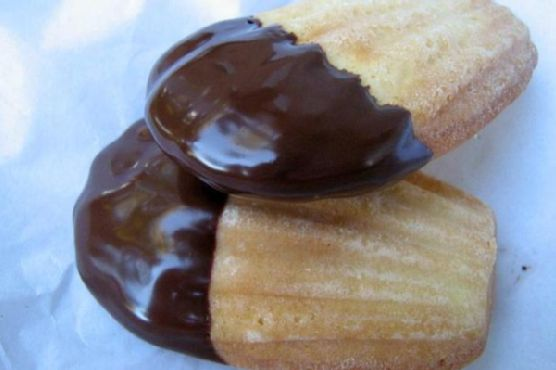
Chocolate Orange Madeleines | Made by Meaghan Moineau

Chocolate Orange Madeleines

Intro

Ah, the aroma of freshly baked Madeleines! It takes me back to Sunday mornings at my grandmother’s house, where the comforting scent of chocolate and citrus wafted through the air. These Chocolate Orange Madeleines are a cherished twist on the classic French treat that my grandmother used to make. With every bite, I’m reminded of those carefree days spent in her cozy kitchen, eagerly waiting for the Madeleines to cool just enough to dip into a glass of milk. Now, I want to share this delightful recipe with you, so you can create your own warm memories with your loved ones.

Why You’ll Love It

These Chocolate Orange Madeleines are a perfect combination of flavors and textures. The subtle citrus from the orange zest and juice complements the rich, dark chocolate beautifully. The madeleines are light and airy, with a delicate crumb that melts in your mouth. Plus, they’re dipped in melted chocolate for an extra touch of indulgence. Whether you’re an experienced baker or a novice, you’ll find this recipe both rewarding and straightforward. They’re great for special occasions or just a sweet afternoon treat with a cup of tea.

Ingredients

  • 1 cup all-purpose flour
  • 1 teaspoon baking powder
  • 1/4 teaspoon sea salt
  • 1/2 cup dark chocolate, melted
  • 2 large eggs
  • 1/2 cup granulated sugar
  • 2 tablespoons orange juice
  • 1 tablespoon orange zest

Instructions

  1. Preheat the oven to 374°F (190°C). Generously grease and liberally flour a madeleine cookie tin.
  2. In a small bowl, combine the flour, baking powder, and sea salt. Whisk together and set aside.
  3. In a medium bowl, beat the sugar and eggs on medium/high speed until the volume triples in size. This may take several minutes, and you should have a beautiful thick ‘ribbon’ of batter when you lift the beaters out of the bowl.
  4. Stir in the orange juice and orange zest.
  5. Beginning with the flour mixture, alternate adding to the egg/sugar batter with the melted butter. Mix only until just combined.
  6. Refrigerate the batter for about 45 minutes to an hour.
  7. Drop by rounded teaspoonfuls into the center of the madeleine molds. Leave the batter mounded; do not spread it out. Adjust the amount of batter depending on your mold size.
  8. Bake for 10-12 minutes or until the edges just start to turn golden and the center of the cookies spring back when lightly touched.
  9. Remove from the oven and immediately tap the tin on the counter to loosen the cookies. Carefully remove the cookies and allow them to cool completely.
  10. Melt the chocolate in a saucepan and pour it into a deep dish or cup with a wide mouth. Dip half or 1/4 of each cookie into the chocolate and place on a piece of parchment paper until the chocolate is set.

Tips

For the best results, make sure your eggs are at room temperature before beating them. This helps them whip up to the right volume. Also, be gentle when folding in the flour to maintain the airiness of the batter. If you don’t have a madeleine pan, mini muffin pans can be a good alternative, though they won’t have the classic shell shape.

Variations & Substitutions

If you’re not a fan of dark chocolate, feel free to substitute it with milk or white chocolate. You could also add a hint of spice by incorporating a pinch of cardamom or cinnamon into the batter. For a nutty twist, sprinkle some finely chopped almonds or pistachios over the chocolate before it sets.

Storage

Store these Chocolate Orange Madeleines in an airtight container at room temperature for up to three days. If you want to keep them longer, you can freeze them for up to a month. Just make sure to place parchment paper between layers to prevent sticking, and allow them to come to room temperature before serving.

FAQ

Can I make these ahead of time?

Yes, you can prepare the batter a day in advance and keep it refrigerated. This makes it even easier to have fresh madeleines whenever you need them.

Do I need a special pan for Madeleines?

While a madeleine pan is ideal for achieving the classic shell shape, you can use a mini muffin tin in a pinch. The texture and taste will remain delightful.

Nutrition

Each madeleine is approximately 90 calories, depending on the exact size and amount of chocolate used. They contain about 4g of fat, 12g of carbohydrates, and 1g of protein each. Perfect for a light indulgence!

Conclusion

Chocolate Orange Madeleines are a delightful treat that combines the best of both worlds: the rich, comforting taste of chocolate with the refreshing zing of orange. Whether you’re making them for a special occasion or just because, they are sure to be a hit. I hope this recipe brings a touch of nostalgia and warmth to your kitchen, just as it does to mine. Happy baking!

Related update: Chocolate Orange Madeleines

Related update: Banana Pudding Cake

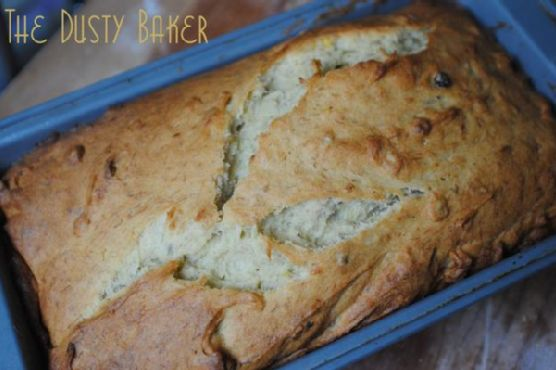
Curious George’s Gluten-Free Banana Nut Bread | Made by Meaghan Moineau

Curious George’s Gluten-Free Banana Nut Bread

Intro

Welcome to my kitchen! Today, we’re diving into a recipe that’s as delightful as it sounds: Curious George’s Gluten-Free Banana Nut Bread. I remember as a child, curling up with a Curious George book while the warm, comforting aroma of banana bread wafted through the house. It’s one of those cherished memories that I hold dear. The smell, the taste, and the joy of a simple slice of banana bread brings such warmth and nostalgia. I’m thrilled to share this gluten-free version with you, perfect for those who need or choose to avoid gluten without sacrificing flavor or texture.

Why You’ll Love It

This banana nut bread is a game-changer for several reasons. First, it’s gluten-free, making it accessible to those with dietary restrictions while still being incredibly moist and flavorful. The combination of very browned bananas and a touch of lemon juice adds a tangy sweetness that’s simply irresistible. Plus, the ground walnuts offer a delightful crunch that compliments the soft, tender bread. Whether you’re enjoying it as a breakfast treat, a snack, or a dessert, this banana bread is sure to become a household favorite.

Ingredients

  • 1/4 cup shortening
  • 1/4 cup unsalted butter
  • 1 cup canned raw dried sugar
  • 3 very browned bananas, mashed
  • 1 tablespoon lemon juice
  • 2 large eggs
  • 2 cups gluten-free flour
  • 1 teaspoon baking powder
  • 1/2 teaspoon salt
  • 1 cup ground walnuts

Instructions

  1. Preheat your oven to 350°F (175°C). Grease a loaf pan and set aside.
  2. In a medium bowl, combine the gluten-free flour, baking powder, and salt. Set aside.
  3. In a large bowl, cream together the shortening, unsalted butter, and canned raw dried sugar until the mixture is light and fluffy.
  4. Add the mashed bananas, lemon juice, and eggs to the creamed mixture. Beat until all the ingredients are well incorporated.
  5. Gradually add the dry ingredients to the wet mixture, beating slowly until just combined.
  6. If using, spread the ground walnuts on a cookie sheet and toast in the oven for about 4 minutes, checking every minute, until they are slightly browned.
  7. Fold the toasted walnuts into the batter, stirring gently to distribute evenly.
  8. Pour the batter into the prepared loaf pan and flatten the top slightly with a spatula.
  9. Bake for 75 to 90 minutes or until the top is golden brown and the bread gives a little under your touch.
  10. Let the bread cool in the pan for about 10 minutes before transferring it to a wire rack to cool completely.

Tips

Here are some helpful tips to ensure your banana nut bread turns out perfectly every time:

  • Use very ripe bananas; the riper they are, the more natural sweetness they provide.
  • Check the bread around the 75-minute mark to avoid over-baking. A toothpick inserted in the center should come out clean.
  • Allow the bread to cool completely before slicing to prevent it from crumbling.

Variations & Substitutions

If you want to put your own twist on this classic recipe, consider these variations and substitutions:

  • Nut-Free Option: Omit the walnuts or replace them with chocolate chips for a sweet alternative.
  • Dairy-Free: Substitute the butter with a dairy-free alternative like coconut oil or a vegan butter spread.
  • Sugar Substitute: Use coconut sugar or a sugar substitute like erythritol for a lower glycemic index.

Storage

To keep your banana nut bread fresh, wrap it tightly in plastic wrap or store it in an airtight container. It can be kept at room temperature for up to 3 days. For longer storage, refrigerate it for up to a week or freeze it for up to 3 months. If freezing, slice the bread first for easy, single-serving portions.

FAQ

Can I use regular flour instead of gluten-free flour?

Yes, you can substitute regular all-purpose flour in equal amounts if you don’t need a gluten-free option. Just make sure to monitor the baking time, as it might vary slightly.

What can I use instead of butter?

If you’re looking for a dairy-free alternative, you can replace the butter with coconut oil or a vegan butter substitute. This will still give you a moist and delicious bread.

Nutrition

While I don’t have the exact nutrition breakdown for this recipe, it does contain healthy fats from walnuts and bananas, which are rich in potassium. Using a gluten-free flour blend ensures that those with gluten sensitivities can also enjoy a slice without concerns. As always, moderation is key!

Conclusion

There you have it—Curious George’s Gluten-Free Banana Nut Bread, a delightful and nostalgic treat that’s perfect for any occasion. Whether you’re enjoying a slice with a cup of coffee in the morning or as a cozy evening snack, this bread is sure to bring warmth and joy to your home. I hope this recipe becomes a beloved staple in your kitchen, just as it has in mine. Happy baking!

Related update: Curious George’s Gluten-Free Banana Nut Bread

Related update: Oven Roasted Pears With Blackberry Sauce

Related update: Chocolate Orange Madeleines

Related update: Butternut Squash Frittata

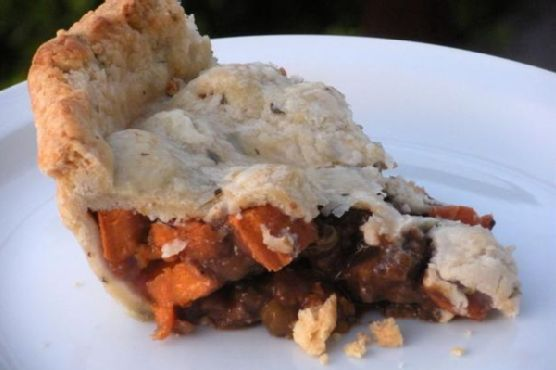
Lamb & Sweet Potato Pot Pie | Made by Meaghan Moineau

Lamb & Sweet Potato Pot Pie

Intro

There’s something magical about the aroma of a pot pie baking in the oven. It takes me back to my childhood, to the small, cozy kitchen in my grandmother’s house. She would make her famous pot pies on chilly autumn afternoons, and the scent of savory herbs and buttery crust would fill the air. Today, I’m excited to share with you a special recipe that’s dear to my heart: Lamb & Sweet Potato Pot Pie. This dish combines tender lamb, sweet potatoes, and a medley of delightful ingredients to create a comforting meal that’s perfect for any occasion.

Why You’ll Love It

This Lamb & Sweet Potato Pot Pie is a beautiful fusion of flavors and textures. The rich, savory lamb pairs perfectly with the sweetness of the potatoes, while the herbs add a fragrant touch to the dish. The pie crust is buttery and flaky, providing the perfect vessel for the delicious filling. Whether you’re preparing it for a special family dinner or simply craving a comforting meal, this pot pie is sure to become a favorite in your household.

Ingredients

  • 2 lbs lamb, cubed
  • 1 ½ tsp kosher salt
  • ½ tsp black pepper
  • 1 tsp caraway seeds
  • 2 cloves garlic, minced
  • 2 tbsp flour
  • 2 tbsp olive oil
  • 1 red onion, chopped
  • 2 celery stalks, diced
  • 1 cup red wine
  • 1 cup demi glace
  • 1 bay leaf
  • 1 cup frozen peas
  • 2 sweet potatoes, peeled and diced
  • 1 tbsp cornstarch
  • 1/4 cup water
  • Zest of 1 lemon
  • Zest of 1 orange
  • 1 tbsp fresh rosemary, chopped
  • 1 tbsp fresh thyme, chopped
  • 2 ½ cups flour
  • 1 tbsp sugar
  • 1 tsp kosher salt
  • 1 cup butter, chilled and cubed
  • ½ cup shortening, chilled
  • ½ cup ice water
  • Milk for brushing

Instructions

  1. Start with the crust. Combine flour, sugar, rosemary, thyme, and salt in a large bowl. Add chilled butter and combine with a pastry blender.
  2. Add shortening and combine to cut into the flour and butter mixture until it resembles coarse cornmeal.
  3. Slowly add ice water by tablespoons, mixing well after each addition until the dough begins to stick together.
  4. Place dough on a flat surface and divide into two even pieces. Roll into balls, dust lightly with flour, and wrap in plastic. Refrigerate for at least an hour.
  5. Toss lamb with salt, pepper, caraway seeds, garlic, and flour, then set aside.
  6. As the dough chills, heat olive oil in a wide, deep pan. When sizzling, add lamb pieces and cook on medium heat until just browned. Remove and set aside.
  7. If necessary, add more olive oil to the same pan and scrape up all the drippings. Add onion and celery, cooking until soft and translucent.
  8. Pour in wine and demi glace, stirring well, then add lamb back to the pan along with peas and bay leaf. Cover, turn down to a simmer, and cook for about 15 minutes.
  9. Mix water and cornstarch, then pour into the lamb and veggies, mixing well. Add sweet potatoes and cook for another 5-7 minutes. Remove from heat and cool completely. Remove the bay leaf.
  10. Once the filling has cooled, roll one dough ball on a floured surface for the bottom crust layer. Place in a 9-inch pie dish and trim edges, then refrigerate.
  11. Roll the second piece of dough for the top crust. Remove the bottom crust from the fridge, pour in the filling, and top with the second layer. Trim and seal edges.
  12. Chill assembled pie briefly if the dough feels soft. Just before baking, brush milk over the top crust.
  13. Bake in a preheated oven at 375°F for 45-50 minutes or until golden brown.
  14. For early preparation, let the filling cool completely, assemble the pie, and chill until ready to bake.

Tips

For the best results, ensure all your crust ingredients are cold before you start mixing. This will help achieve that flaky texture we all love in a pie crust. If the dough becomes too warm while working with it, place it back in the fridge for a quick chill. Also, avoid skipping the step of letting the filling cool completely before assembling the pie; this prevents the crust from becoming soggy.

Variations & Substitutions

If lamb isn’t your preference, you can substitute it with beef or chicken. For a vegetarian version, skip the meat and add more vegetables like mushrooms or bell peppers. To add more depth of flavor, consider incorporating different herbs such as sage or adding a touch of smoked paprika for a smoky taste.

Storage

This pot pie can be stored in the refrigerator for up to 3 days. If you have leftovers, consider reheating them in the oven to preserve the crust’s texture. Alternatively, you can freeze the assembled, unbaked pie for up to a month. When ready to bake, allow it to thaw in the refrigerator overnight before baking as directed.

FAQ

Can I make the dough ahead of time?

Yes! The pie dough can be made up to two days in advance. Simply wrap it tightly in plastic wrap and store it in the refrigerator. You can also freeze the dough for up to a month. Just let it thaw in the fridge overnight before using.

What if I don’t have demi glace?

If you don’t have demi glace on hand, you can use beef broth as a substitute. Just be sure to reduce the amount of salt you add to the filling, as broth is saltier than demi glace.

How do I prevent the crust from getting soggy?

Ensuring the filling is completely cooled before assembling the pie is crucial. Additionally, baking the pie in the lower third of the oven can help the bottom crust cook more evenly and prevent sogginess.

Nutrition

While I haven’t provided specific nutritional information for this recipe, it is a hearty and filling dish that’s rich in protein and nutrients from the lamb and vegetables. If you’re watching your calorie intake, consider using less butter or replacing some of the pastry ingredients with whole wheat flour for a lighter alternative.

Conclusion

There you have it—a delightful Lamb & Sweet Potato Pot Pie that brings warmth and comfort to any table. Whether you’re reminiscing about childhood memories or creating new ones with loved ones, this recipe is sure to become a cherished favorite. I hope you enjoy making and sharing this dish as much as I do. And remember, the secret to the perfect pot pie lies in the love and care you put into each step. Happy cooking!

Related update: Lamb & Sweet Potato Pot Pie

Related update: Havarti and Asparagus Quiche

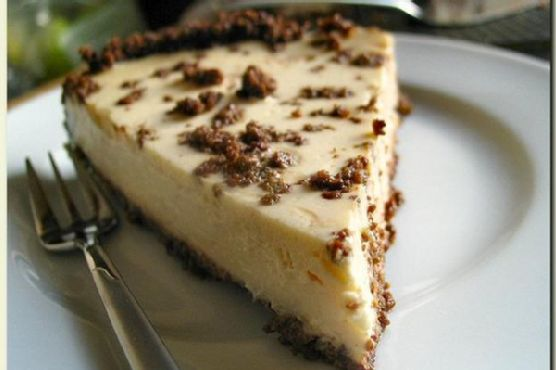
Dulce De Leche Cheesecake | Made by Meaghan Moineau

Dulce De Leche Cheesecake

Intro

There’s something magical about the rich, creamy texture of a well-made cheesecake. As a child, I remember watching my grandmother expertly whip together her signature desserts in our sunlit kitchen, the smell of caramel and vanilla swirling in the air. Her dulce de leche cheesecake was a family favorite, a decadent treat that brought us all together around the dining table. Inspired by those cherished memories, this Dulce De Leche Cheesecake recipe is a modern homage to her traditional creation, capturing the same warmth and sweetness that defined my childhood.

Why You’ll Love It

This Dulce De Leche Cheesecake is the perfect blend of creamy indulgence and subtle sweetness. You’ll appreciate the harmonious balance of flavors, from the smooth creaminess of the Philadelphia Balance cream cheese to the luscious caramel notes of the dulce de leche. The almond cookie crust adds a delightful crunch, contrasting beautifully with the velvety filling. Whether you’re a cheesecake connoisseur or a dessert novice, this recipe is sure to impress with its simple preparation and stunning results.

Ingredients

  • 200g almond cookies, crushed
  • 2 tbsp cornstarch
  • 500g Philadelphia Balance cream cheese, softened
  • 1 cup dulce de leche
  • 3 large eggs
  • 2 tbsp lemon juice
  • 1/2 tsp salt
  • 1 cup sugar
  • 100g unsalted butter, melted
  • 1/2 cup plain yogurt

Instructions

  1. In a mixing bowl, toss the almond cookie crumbs with the melted butter until well combined. Reserve 1 tablespoon of the mixture for the topping.
  2. Press the remaining mixture onto the bottom and up 3cm high of a greased 24cm springform pan. Chill until ready for use.
  3. Using an electric mixer, beat the Philadelphia Balance cream cheese and sugar in a large mixing bowl until smooth.
  4. Add yogurt and eggs, beating until just blended.
  5. Stir in cornstarch, dulce de leche, lemon juice, and zest until blended.
  6. Pour the mixture into the prepared crust and sprinkle the top with the reserved cookie crumbs.
  7. Steam bake the cheesecake at 165°C/330°F for 65 minutes until almost set.
  8. Turn the oven off and leave the cake inside with the oven door ajar for 1 hour.
  9. Cool the cheesecake completely and chill for at least 4 hours or overnight until firm.

Tips

Ensure all your ingredients are at room temperature before you begin mixing to achieve a smoother batter. For an even bake, use a water bath to prevent the cheesecake from cracking. Simply place the springform pan into a larger pan and fill the outer pan with hot water until it reaches halfway up the sides of the springform pan.

Variations & Substitutions

This recipe is highly adaptable to suit your taste preferences. Substitute almond cookies with graham crackers or digestive biscuits for a different flavor profile. If you prefer a more intense dulce de leche flavor, swirl additional dulce de leche into the top of the cheesecake batter before baking. For a zesty twist, incorporate orange zest instead of lemon.

Storage

Store the cheesecake in the refrigerator, covered, for up to 5 days. For longer storage, wrap it tightly in plastic wrap and aluminum foil, then freeze for up to 2 months. Thaw overnight in the refrigerator before serving.

FAQ

Can I make this cheesecake gluten-free?

Yes, you can make this cheesecake gluten-free by using gluten-free almond cookies or another gluten-free cookie alternative for the crust.

How do I know when the cheesecake is done baking?

The cheesecake is done when the edges are set and the center is slightly jiggly. It will continue to set as it cools in the oven with the door ajar.

What is a steam bake?

A steam bake involves placing the springform pan in a larger pan with water, creating a moist environment in the oven. This technique helps prevent cracks and ensures an even bake.

Nutrition

While exact nutrition can vary based on specific ingredients and portion sizes, a typical slice of this cheesecake provides a rich source of calcium and protein from the cream cheese and yogurt. However, it’s also high in sugar and fats, so it’s best enjoyed in moderation as part of a balanced diet.

Conclusion

Whether you’re baking for a special occasion or simply to satisfy a sweet craving, this Dulce De Leche Cheesecake is sure to become a new favorite. Its creamy texture, delightful flavor, and beautiful presentation make it a show-stopping dessert that’s surprisingly easy to prepare. Gather your ingredients, follow these simple steps, and soon you’ll be enjoying a slice of pure indulgence. Remember, the best recipes are those shared with loved ones, creating new memories that are as sweet as the dessert itself.

Related update: Dulce De Leche Cheesecake

Related update: Strawberry Basil Italian Ice

Triple Chocolate Whoppers | Made by Meaghan Moineau

Triple Chocolate Whoppers

Intro

There’s something magical about the aroma of freshly baked cookies wafting through the house, transporting us back to simpler times. My grandmother’s kitchen was a haven of warmth and delectable scents, and her Triple Chocolate Whoppers were the stars of many family gatherings. These cookies are an ode to those cherished memories, where the richness of chocolate intertwined with laughter and love. I recall sneaking into the kitchen, hoping to snag a warm cookie before they disappeared into the hands of eager family members. Now, I’m thrilled to share this recipe with you, ensuring that the legacy of these delightful treats continues to bring joy and sweetness to your home.

Why You’ll Love It

This recipe is a chocolate lover’s dream come true! The combination of semisweet baking chocolate, unsweetened chocolate chunks, and semisweet chocolate chips offers a deep and satisfying chocolate flavor that is hard to resist. The added espresso powder enhances the chocolate’s richness, while the pecans and walnuts provide a delightful crunch. These cookies are both gooey and chewy, with a perfect balance of sweet and savory. Perfect for any occasion, they are sure to impress your friends and family.

Ingredients

  • 4 ounces semisweet baking chocolate
  • 1 teaspoon baking powder
  • 1 cup brown sugar
  • 4 ounces unsweetened chocolate, chopped into chunks
  • 2 large eggs
  • 2 teaspoons espresso powder
  • 1/2 cup chopped pecans
  • 1/2 teaspoon sea salt
  • 1 cup semisweet chocolate chips
  • 3/4 cup unbleached all-purpose flour
  • 1/4 cup unsalted butter
  • 1 teaspoon vanilla extract
  • 1/2 cup chopped walnuts

Instructions

  1. Preheat your oven to 325 degrees F (163 degrees C). Lightly grease two baking sheets and set them aside.
  2. In a double boiler, combine the semisweet chocolate, unsweetened chocolate chunks, and butter. Melt the chocolate over low heat, stirring occasionally until just melted. Be careful not to burn the chocolate. Remove from heat and stir to blend the butter and chocolate. Set aside.
  3. In a large bowl, combine the eggs, espresso powder, and vanilla extract. Cream together using an electric mixer. Add the brown sugar and mix until creamy.
  4. In a separate bowl, sift together the flour, baking powder, and sea salt. Set aside.
  5. Add the melted chocolate and butter to the egg mixture and blend together using an electric mixer.
  6. Gently stir in the flour mixture by hand just until the dry ingredients are moist.
  7. Fold in the chopped nuts and chocolate chips into the dough gently. Note that the dough will be relatively soft.
  8. Drop large tablespoonfuls of the dough onto the greased baking sheets, leaving at least 3 inches of space between them. For uniform cookies, use a 2 oz. cookie or ice cream scoop.
  9. Bake immediately to prevent the chocolate from hardening, for 10 to 12 minutes. Rotate the pan halfway through the baking time. The cookies will still be very soft and sticky inside, but do not overcook them; they should remain chewy.
  10. Cool the cookies for 10 minutes on the baking sheets before gently transferring them to a baking rack to cool completely.

Tips

To achieve the best results, use high-quality chocolate for a richer flavor. If possible, allow the eggs and butter to reach room temperature before mixing; this helps in achieving a smooth batter. Be cautious not to over-mix the dough once the flour is added, as this can make the cookies tough. Finally, ensure that the cookies have enough space in between them on the baking sheet to spread evenly.

Variations & Substitutions

Feel free to get creative with these cookies! Substitute the pecans and walnuts with your favorite nuts or omit them altogether if you prefer a nut-free version. For an extra kick, consider adding a pinch of cayenne pepper to the dough. If you’re a fan of white chocolate, replace some of the semisweet chocolate chips with white chocolate chips for a delightful twist. For a gluten-free option, use a 1:1 gluten-free flour blend in place of the all-purpose flour.

Storage

Store your Triple Chocolate Whoppers in an airtight container, separating the layers with wax paper to prevent them from sticking together. They will stay fresh at room temperature for up to a week. For longer storage, freeze the cookies for up to three months. Thaw at room temperature before serving for best results.

FAQ

Can I use regular coffee instead of espresso powder?

While espresso powder intensifies the chocolate flavor, you can substitute it with instant coffee granules. The result will be similar, although the coffee flavor might be slightly less pronounced.

Can I make the dough ahead of time?

Yes, you can prepare the dough ahead of time. Store it in the refrigerator for up to two days. When you’re ready to bake, let the dough sit at room temperature for a few minutes before scooping and baking as directed.

What can I do if I don’t have a double boiler?

If you don’t have a double boiler, you can use a heatproof bowl set over a pot of simmering water, ensuring the bowl does not touch the water. Alternatively, you can melt the chocolate and butter in the microwave, stirring every 15-20 seconds to prevent burning.

Nutrition

Each cookie contains approximately 250 calories, 14g of fat, 30g of carbohydrates, 4g of protein, and 18g of sugar. Please note that these values are estimates and may vary based on specific ingredients used.

Conclusion

These Triple Chocolate Whoppers are a testament to timeless recipes that bring joy to every occasion. The rich chocolate flavor, combined with the perfect chewy texture, makes these cookies irresistible. Whether you’re baking for a family gathering, a special occasion, or simply because you’re craving something sweet, these cookies are sure to delight. I hope they bring as much happiness to your home as they have to mine. Happy baking!

Related update: Triple Chocolate Whoppers

Related update: Dulce De Leche Cheesecake

Related update: Cinnamon & Sugar Roasted Chickpeas

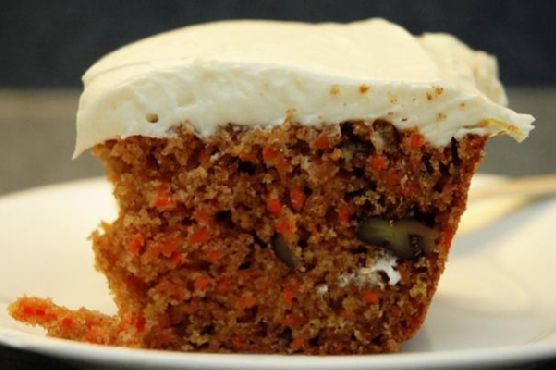
Classic Carrot Cake With Cream Cheese Frosting | Made by Meaghan Moineau

Classic Carrot Cake With Cream Cheese Frosting

Intro

There’s something magical about the aroma of a freshly baked carrot cake wafting through the kitchen. It takes me back to my grandmother’s cozy kitchen, where I first learned to bake. I remember the sound of her gentle voice guiding me as we grated the carrots together, my small hands eager to help. She would always let me lick the spoon, a sweet reward that made those afternoons unforgettable. This classic carrot cake with cream cheese frosting is a tribute to those cherished moments, combining tender, moist cake layers with the rich tang of cream cheese frosting.

Why You’ll Love It

This carrot cake is a timeless dessert that never goes out of style. It’s perfect for any occasion, from birthdays to casual get-togethers. Here’s why you’ll fall in love with this recipe:

  • Moist and Flavorful: The combination of buttermilk, vegetable oil, and freshly grated carrots ensures a moist cake that’s bursting with flavor.
  • Simple Ingredients: You likely have most of the ingredients in your pantry already.
  • Rich Cream Cheese Frosting: The tangy frosting perfectly complements the sweetness of the cake.
  • Versatility: Whether you’re making a layer cake or cupcakes, this recipe adapts beautifully.

Ingredients

  • 2 cups all-purpose flour
  • 2 teaspoons baking powder
  • 1 teaspoon baking soda
  • 1/2 teaspoon salt
  • 2 teaspoons ground cinnamon
  • 1 cup vegetable oil
  • 1 cup buttermilk
  • 4 large eggs
  • 2 cups sugar
  • 1 teaspoon vanilla extract
  • 3 cups shredded carrots
  • 1 cup chopped pecans
  • 1/2 cup unsalted butter, softened
  • 8 ounces cream cheese, softened
  • 4 cups confectioners’ sugar
  • 1 teaspoon vanilla extract

Instructions

  1. Preheat your oven to 350°F (175°C). Grease and flour two 9-inch round cake pans.
  2. In a medium bowl, whisk together the flour, baking powder, baking soda, salt, and cinnamon.
  3. In a large bowl, combine the vegetable oil, buttermilk, eggs, sugar, and vanilla extract. Beat until well mixed.
  4. Gradually add the dry ingredients to the wet ingredients, mixing until just combined.
  5. Fold in the shredded carrots and chopped pecans.
  6. Divide the batter evenly between the prepared pans and smooth the tops with a spatula.
  7. Bake for 30 to 35 minutes, or until a toothpick inserted into the center comes out clean.
  8. Allow the cakes to cool in the pans for 10 minutes, then turn them out onto a wire rack to cool completely.
  9. For the frosting, beat the softened butter and cream cheese in a large bowl until creamy and smooth.
  10. Gradually add the confectioners’ sugar, beating until well combined. Stir in the vanilla extract.
  11. Once the cakes are completely cool, spread a layer of frosting on top of one cake. Place the second cake on top and frost the top and sides of the cake.
  12. Decorate with additional pecans if desired. Serve and enjoy!

Tips

  • Make sure the cream cheese and butter are softened to room temperature for a smoother frosting.
  • To prevent the cake from sticking, line the bottom of the cake pans with parchment paper.
  • For extra flavor, toast the pecans before adding them to the batter.

Variations & Substitutions

If you’re looking to switch things up, here are some variations and substitutions:

  • Raisins or Pineapple: Add 1/2 cup of raisins or crushed pineapple for a fruity twist.
  • Whole Wheat Flour: Substitute half of the all-purpose flour with whole wheat flour for a nuttier taste.
  • Walnuts: Use walnuts instead of pecans for a different nutty flavor.

Storage

Store any leftover carrot cake in an airtight container in the refrigerator for up to 5 days. You can also freeze the unfrosted cake layers by wrapping them tightly in plastic wrap and aluminum foil for up to 3 months. Thaw overnight in the refrigerator before frosting and serving.

FAQ

Can I make this carrot cake gluten-free?

Yes, you can replace the all-purpose flour with a gluten-free flour blend. Make sure to choose a blend that contains xanthan gum or add it separately to help bind the cake.

How can I make this recipe vegan?

To make a vegan carrot cake, substitute the eggs with flax eggs (1 tablespoon of flaxseed meal mixed with 2.5 tablespoons of water per egg), use a plant-based milk with a tablespoon of vinegar instead of buttermilk, and replace the cream cheese and butter with vegan alternatives.

Can I make this cake ahead of time?

Absolutely! You can bake the cake layers a day in advance and store them in the refrigerator. Frost the cake just before serving for the best texture.

Nutrition

While I always encourage indulging in moderation, here’s a rough estimate of the nutritional content per serving (based on 12 servings):

  • Calories: 450
  • Protein: 5g
  • Fat: 22g
  • Carbohydrates: 58g
  • Sugar: 43g
  • Fiber: 2g

Conclusion

Our classic carrot cake with cream cheese frosting is more than just a dessert; it’s a celebration of flavors and memories wrapped into one delicious treat. Whether you’re savoring a slice with a cup of tea or sharing it with loved ones, this cake is sure to bring joy and nostalgia to your table. Happy baking!

Related update: Classic Carrot Cake With Cream Cheese Frosting

Related update: Triple Chocolate Whoppers

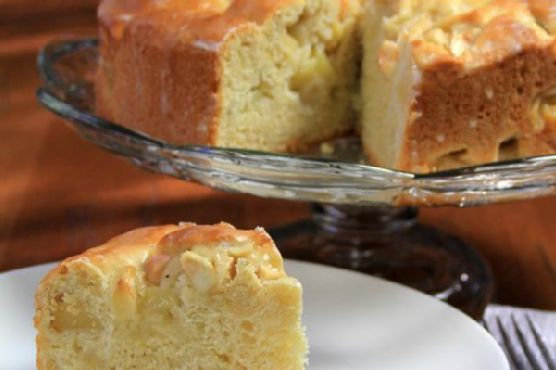
Fall Apple Yeast Bread | Made by Meaghan Moineau

Fall Apple Yeast Bread

Intro

As the leaves turn golden and the air becomes crisp, there’s nothing quite like the aroma of freshly baked bread wafting through the house. Growing up, my grandmother’s kitchen was the heart of our home, especially during the fall. She would often prepare her famous apple yeast bread, filling the space with the sweet and spicy scent of cinnamon and baked apples. The warmth of the oven and the comforting smell always signaled that the holidays were near. I carry on this tradition by baking my own version of Fall Apple Yeast Bread. It’s a recipe filled with love, memories, and the delightful flavors of the season.

Why You’ll Love It

This Fall Apple Yeast Bread is a perfect blend of soft, fluffy dough and sweet, spiced apples. The combination of apple cider, cinnamon, and orange zest gives the bread a unique depth of flavor that captures the essence of autumn. Whether you’re enjoying it as a breakfast treat or a cozy afternoon snack, this bread is sure to bring warmth and joy to your table.

Ingredients

  • 1 cup warm water
  • 1/4 cup vegetable oil
  • 1/4 cup runny honey
  • 2 1/4 teaspoons dried/instant yeast
  • 2 large eggs
  • 4 cups all-purpose flour
  • 1 teaspoon salt
  • 1/4 cup sugar
  • 1 teaspoon vanilla extract
  • Zest of one orange
  • 2 teaspoons ground cinnamon
  • 3 cups apples, peeled and chopped
  • 1/4 cup apple cider
  • 1/2 cup powdered sugar

Instructions

  1. Mix the warm water with the vegetable oil, honey, and yeast. Allow it to foam for 10 minutes.
  2. Add the eggs, flour, salt, sugar, vanilla extract, and orange zest to the yeast mixture.
  3. Mix and then knead the dough using a mixer with a bread hook, or by hand, until you have a soft, smooth, and elastic dough (about 8-10 minutes).
  4. Place the dough in an oiled bowl and let it rise, covered, for 2 hours or until it’s puffy and nearly doubled in size.
  5. Lightly grease a 9-inch round cake pan that’s at least 2 inches deep.
  6. Toss the apple chunks with the sugar and cinnamon.
  7. Gently deflate the dough, transfer it to a lightly greased work surface, and flatten it into a rough rectangle, about 8 x 10 inches.
  8. Spread half the apple chunks in the center of the dough.
  9. Fold a short edge of the dough over the apple, patting firmly to seal the apples and spread the dough a bit.
  10. Spread the remaining apple atop the folded-over dough.
  11. Cover the apples with the other side of the dough, patting firmly.
  12. Cut the apple-filled dough into 16 pieces. This will be messy, but don’t worry about making all the pieces the same size.
  13. Lay the dough chunks into the pan, crowding them so they fit in a single tight layer. Tuck in any fallen apple chunks.
  14. Cover the dough with lightly greased plastic wrap or a damp towel and let it rise for about 1 to 1 1/2 hours, until it’s a generous 2 inches high.
  15. Preheat the oven to 325°F twenty minutes before the end of the rising time.
  16. Place the bread in the lower third of the oven and bake for 55 minutes, or until the top is light golden brown.
  17. Remove the bread from the oven, and after 5 minutes, loosen the edges and carefully transfer it to a rack to cool completely.
  18. Whisk together the apple cider and powdered sugar, then brush it over the top of the cooled bread, allowing it to drizzle down the sides.

Tips

For best results, make sure your yeast is fresh and active. If the yeast mixture doesn’t foam, it may be inactive, and you’ll need to start over with new yeast. Additionally, using a kitchen thermometer to check the temperature of your water can help ensure it’s the right warmth to activate the yeast without killing it.

Variations & Substitutions

You can substitute whole wheat flour for up to half of the all-purpose flour for a heartier texture. If you prefer a different spice profile, try adding nutmeg or allspice to the cinnamon. For a nutty twist, fold in a handful of chopped walnuts or pecans with the apple filling.

Storage

Store the Fall Apple Yeast Bread in an airtight container at room temperature for up to three days. For longer storage, wrap the bread tightly in plastic wrap and aluminum foil, then freeze for up to three months. Thaw at room temperature before serving.

FAQ

Can I make this bread ahead of time?

Yes, you can prepare the dough a day in advance. After kneading the dough, cover it tightly and refrigerate overnight. The next day, allow it to come to room temperature before proceeding with the recipe.

What type of apples should I use?

For the best flavor, use a mix of sweet and tart apples, such as Granny Smith and Honeycrisp. This combination provides a nice balance of flavors and textures in the bread.

Can I use fresh apple juice instead of apple cider?

Yes, fresh apple juice can be used as a substitute for apple cider. However, cider typically has a more concentrated flavor, so consider simmering the juice to reduce and intensify its flavor before using it in the recipe.

Nutrition

This Fall Apple Yeast Bread serves approximately 12 slices. Each serving contains around 200 calories, 5g of fat, 35g of carbohydrates, 2g of fiber, and 4g of protein. It’s a delightful treat that offers a comforting taste of fall.

Conclusion

Fall Apple Yeast Bread is more than just a delicious seasonal treat; it’s a way to bring warmth and nostalgia to your home. As you bake this bread, take a moment to savor the process and create new memories with your loved ones. Whether you enjoy it fresh from the oven or as a cozy afternoon snack, this bread is sure to be a favorite in your autumn baking repertoire. Happy baking!

Related update: Fall Apple Yeast Bread

Pear and Walnut Coffee Cake | Made by Meaghan Moineau

Pear and Walnut Coffee Cake

Intro

There’s something magical about the aroma of freshly baked goods wafting through the house, especially on a crisp autumn morning. Growing up, Sunday mornings were a special time in my household. My grandmother would put on her well-worn apron and start baking her famous coffee cake. The sweet and spicy scent of cinnamon mingled with the warmth of baked pears would gently coax everyone out of bed. This Pear and Walnut Coffee Cake carries that same nostalgic warmth and is sure to become a cherished favorite in your home.

Why You’ll Love It

Our Pear and Walnut Coffee Cake is a delightful blend of rich flavors and comforting textures. Whether you’re serving it as a breakfast treat or a cozy dessert, this cake is sure to impress. Here’s why you’ll love it:

  • Flavorful Layers: The combination of juicy pears, crunchy walnuts, and a spiced crumble topping creates a symphony of flavors in every bite.
  • Moist and Tender: Thanks to the sour cream and butter in the batter, this cake stays incredibly moist.
  • Perfect for Any Occasion: This cake is versatile enough for a casual brunch or a festive holiday gathering.

Ingredients

  • 1 cup brown sugar
  • 1 teaspoon ground cinnamon
  • 1/2 teaspoon ground ginger
  • 1/4 teaspoon ground cardamom
  • 1/4 teaspoon ground allspice
  • 1/2 cup flour
  • 1/4 cup wheat germ
  • 1/2 cup walnuts
  • 1/2 cup diced unsalted butter
  • 2 cups flour
  • 1 teaspoon baking powder
  • 1/2 teaspoon baking soda
  • 1/4 teaspoon kosher salt
  • 1/2 cup unsalted butter, softened
  • 1 cup brown sugar
  • 2 large eggs
  • 1 teaspoon vanilla extract
  • 1/2 cup sour cream
  • 3 pears, diced
  • Juice of 1 lemon
  • Zest of 1 lemon

Instructions

  1. Start the topping by putting brown sugar, cinnamon, ginger, cardamom, allspice, flour, wheat germ, walnuts, and diced butter in a food processor. Blend until crumbly. Cover and place in the fridge to keep cold.
  2. Grease a 10-inch springform pan with butter, then lightly dust with flour and tap out the excess. Set aside.
  3. Toss diced pears with lemon juice and set aside.
  4. With an electric mixer, beat softened butter, brown sugar, and lemon zest for the cake batter until fluffy, approximately 3-5 minutes.
  5. Add eggs and vanilla extract to the butter mixture and mix until combined.
  6. In a separate bowl, whisk together the flour, baking soda, baking powder, and salt.
  7. Starting with the sour cream, alternately add it to the cake batter along with the dry ingredients, mixing until just combined.
  8. Pour the cake batter into the prepared pan. Top with the lemon-tossed pears and sprinkle the crumble topping over the fruit.
  9. Bake in a preheated oven at 350°F (175°C) for 40-50 minutes or until a tester comes out clean.
  10. Remove from the oven and cool in the pan for at least 20-25 minutes before serving.

Tips

  • Ensure your butter is at room temperature for a smoother batter.
  • Use ripe but firm pears for the best texture and flavor.
  • Toasting the walnuts before adding them to the topping enhances their flavor.

Variations & Substitutions

Feel free to get creative with this recipe! Here are a few ideas:

  • Fruit Variations: Substitute apples or peaches for the pears if desired.
  • Nuts: Pecans can be used in place of walnuts for a different nutty flavor.
  • Spices: Adjust the spices to your liking, or try adding nutmeg for an additional warm note.

Storage

This coffee cake can be stored at room temperature in an airtight container for up to 3 days. For longer storage, keep it in the refrigerator for up to a week. It also freezes well; simply wrap individual slices in plastic wrap and store them in a freezer-safe bag for up to 3 months.

FAQ

Can I use canned pears instead of fresh ones?

While fresh pears are recommended for the best flavor and texture, canned pears can be used in a pinch. Just make sure to drain them well and pat them dry before using.

What is the best way to serve this cake?

This cake is delightful on its own, but you can also serve it with a dollop of whipped cream or a scoop of vanilla ice cream for an extra treat.

Nutrition

This Pear and Walnut Coffee Cake is a treat best enjoyed in moderation. It contains wholesome ingredients like fresh fruit and nuts, but also has butter and sugar. If you’re mindful of your sugar intake, consider reducing the amount of sugar in the topping or cake batter.

Conclusion

Baking this Pear and Walnut Coffee Cake is more than just making a delicious dessert—it’s about creating an experience filled with warmth and joy. Whether you’re looking to impress guests or simply enjoy a quiet moment with a slice and a cup of coffee, this cake delivers in every way. So gather your ingredients, preheat your oven, and let the comforting aroma of spices and baked pears fill your home. Here’s to creating new memories with a recipe that’s sure to become a family favorite!

Related update: Pear and Walnut Coffee Cake

Related update: Fall Apple Yeast Bread

Dulce De Leche Cheesecake | Made by Meaghan Moineau

Dulce De Leche Cheesecake

Intro

There’s something magical about the moment when you take your first bite of a perfectly crafted cheesecake. For me, it brings back memories of sitting in my grandmother’s cozy kitchen, watching her create the most delightful desserts with her loving touch. Her signature Dulce De Leche Cheesecake was always a family favorite, and I’m thrilled to share this cherished recipe with you. It’s a creamy, indulgent treat that will transport you to a place of warmth and sweetness.

Why You’ll Love It

This Dulce De Leche Cheesecake is the epitome of comfort and indulgence. The rich, creamy texture paired with the sweet, caramel-like flavor of dulce de leche creates an irresistible dessert experience. Whether you’re serving it at a dinner party or enjoying a slice with your afternoon coffee, this cheesecake is sure to impress.

  • The combination of almond cookie crust and luscious filling is a match made in heaven.
  • It’s a make-ahead dessert, perfect for entertaining or a special occasion.
  • The recipe is straightforward, making it accessible even for novice bakers.
  • Each bite offers a perfect balance of sweetness and tanginess, thanks to a hint of lemon.

Ingredients

  • 200g almond cookies, crushed
  • 2 tablespoons cornstarch
  • 400g Philadelphia balance cream cheese
  • 1 cup dulce de leche
  • 3 large eggs
  • 1 tablespoon lemon juice
  • 1 teaspoon lemon zest
  • 1/4 teaspoon salt
  • 1/2 cup sugar
  • 100g unsalted butter, melted
  • 1/2 cup plain yogurt

Instructions

  1. Preheat your oven to 165°C (330°F) and grease a 24cm springform pan.
  2. In a mixing bowl, toss the crushed almond cookies with the melted butter until well combined. Reserve 1 tablespoon of the mixture for the topping.
  3. Press the remaining mixture into the bottom and 3cm up the sides of the prepared springform pan. Chill in the refrigerator until ready to use.
  4. In a large mixing bowl, beat the cream cheese and sugar with an electric mixer on medium speed until smooth and creamy.
  5. Add the yogurt and eggs, one at a time, beating until just blended after each addition.
  6. Stir in the cornstarch, dulce de leche, lemon juice, and zest until everything is well combined.
  7. Pour the cream cheese mixture into the prepared crust, smoothing the top with a spatula.
  8. Sprinkle the reserved cookie crumbs over the top of the cheesecake.
  9. Place the cheesecake in a larger baking pan and fill the outer pan with hot water, about halfway up the side of the springform pan, to create a water bath.
  10. Bake for 65 minutes or until the edges are set but the center still jiggles slightly.
  11. Turn the oven off and leave the cheesecake in the oven with the door ajar for 1 hour to cool gradually.
  12. Remove the cheesecake from the oven and let it cool completely on a wire rack.
  13. Chill the cheesecake in the refrigerator for at least 4 hours or overnight until firm.

Tips

  • Ensure all ingredients are at room temperature for a smoother batter.
  • To prevent cracks, avoid overmixing the batter and ensure a gradual cooling process.
  • Use a water bath to maintain even baking and prevent the cheesecake from drying out.

Variations & Substitutions

  • Crust: Substitute almond cookies with graham crackers or digestive biscuits for a different flavor.
  • Dulce De Leche: Swap with caramel sauce if preferred, but note that the flavor profile will change slightly.
  • Yogurt: Greek yogurt or sour cream can be used as substitutes for a creamier texture.

Storage

Store any leftover cheesecake in the refrigerator, covered, for up to 5 days. For longer storage, wrap individual slices tightly in plastic wrap and place them in an airtight container in the freezer for up to 2 months. Thaw in the refrigerator before serving.

FAQ

Can I make this cheesecake ahead of time?

Absolutely! This cheesecake is perfect for making ahead. Prepare and chill it the day before serving to allow the flavors to meld beautifully.

What is the best way to slice the cheesecake?

To achieve clean slices, use a sharp knife dipped in hot water and wiped dry between cuts. This prevents the filling from sticking to the knife.

How can I tell when the cheesecake is done baking?

The cheesecake is done when the edges are set, and the center jiggles slightly when gently shaken. It will continue to firm up as it cools.

Nutrition

Each serving of Dulce De Leche Cheesecake offers a delightful combination of flavors with approximately 420 calories, 25g fat, 40g carbohydrates, and 8g protein. Enjoy this treat in moderation as part of a balanced diet.

Conclusion

This Dulce De Leche Cheesecake is more than just a dessert; it’s a piece of nostalgia and a testament to the joy of sharing sweet moments with loved ones. Whether you’re a seasoned baker or trying your hand at cheesecake for the first time, this recipe promises to deliver a delightful experience with every bite. Serve it with love, and watch as it becomes a cherished favorite in your home, just as it has in mine. Enjoy!

Related update: Dulce De Leche Cheesecake

Related update: Creamsicle Cookies

Delicious Triple Chocolate Bundt Cake | Made by Meaghan Moineau

Delicious Triple Chocolate Bundt Cake

Intro

There’s something magical about the aroma of chocolate wafting through the house. It takes me back to my childhood, where Sunday afternoons were dedicated to baking with my grandmother. Her kitchen was a treasure trove of sweet delights, but nothing compared to her decadent chocolate creations. This Delicious Triple Chocolate Bundt Cake is a homage to those cherished memories. Rich, moist, and incredibly chocolaty, it’s a treat that’s sure to win over the hearts of everyone who tastes it. Whether you’re a seasoned baker or a novice, this recipe is simple to follow and guarantees a show-stopping dessert every time.

Why You’ll Love It

This cake is a chocolate lover’s dream come true. Here’s why you’ll fall head over heels for this delightful dessert:

  • Triple Chocolate Goodness: The combination of devil’s food cake mix, chocolate fudge pudding mix, and milk chocolate chips makes this cake irresistibly rich and flavorful.
  • Moist and Tender: The addition of sour cream ensures that every bite is moist and tender, melting in your mouth.
  • Simple and Quick: With just a few ingredients and straightforward steps, you can have this cake ready in no time.
  • Versatile: Perfect for any occasion, whether it’s a family gathering, a birthday celebration, or simply a treat-yourself moment.

Ingredients

  • 1 box devil’s food cake mix
  • 1 package chocolate fudge pudding mix
  • 1 cup milk chocolate chips
  • 1 cup sour cream

Instructions

  1. Preheat your oven to 350 degrees Fahrenheit.
  2. In a large mixing bowl, prepare the devil’s food cake mix as directed on the package.
  3. Add the chocolate fudge pudding mix and sour cream to the bowl. Mix well until the batter is smooth and well combined.
  4. Gently fold in the milk chocolate chips, ensuring they are evenly distributed throughout the batter.
  5. Generously spray a bundt pan with non-stick spray and coat with flour. This will help the cake release easily after baking.
  6. Pour the batter into the prepared bundt pan, smoothing the top with a spatula.
  7. Bake in the preheated oven for 50 minutes or until a toothpick inserted into the center comes out clean.
  8. Allow the cake to cool in the pan for 5 minutes before inverting it onto a cooling rack to cool completely.
  9. Optional: Serve warm slices with a drizzle of Dove milk chocolate ice cream topping and a scoop of vanilla ice cream for an extra indulgent treat.

Tips

  • Coat the Chocolate Chips: Toss the chocolate chips in a little flour before adding them to the batter. This will help prevent them from sinking to the bottom of the cake.
  • Check for Doneness: Every oven is different, so start checking the cake at around 45 minutes. The cake is done when a toothpick comes out with a few moist crumbs.
  • Cooling Time: Allow the cake to cool slightly in the pan before inverting it. This prevents the cake from breaking apart.

Variations & Substitutions

If you’re looking to put your own spin on this classic, here are some variations and substitutions you can try:

  • White Chocolate Chips: Swap out the milk chocolate chips for white chocolate chips for a twist on the original.
  • Dark Chocolate Lovers: Use dark chocolate chips and add a tablespoon of instant espresso powder to the batter for an intensified chocolate flavor.
  • Gluten-Free Option: Use a gluten-free cake mix and pudding mix to accommodate dietary restrictions.

Storage

Store any leftover cake in an airtight container at room temperature for up to three days. If you’d like to keep it fresh for longer, refrigerate it for up to a week. To freeze, wrap the cake tightly in plastic wrap and then in foil. It will keep well in the freezer for up to three months. When ready to enjoy, thaw at room temperature or warm individual slices in the microwave.

FAQ

Can I make this cake ahead of time?

Absolutely! This cake is perfect for making ahead. You can bake it a day or two before serving. Just be sure to store it properly to maintain its freshness.

What can I use instead of sour cream?

If you don’t have sour cream on hand, plain Greek yogurt is a great substitute. It will provide the same moisture and tanginess to the cake.

Nutrition

While this cake is undeniably indulgent, you can enjoy it in moderation. Each serving (without the optional toppings) contains approximately:

  • Calories: 320
  • Fat: 15g
  • Saturated Fat: 8g
  • Carbohydrates: 45g
  • Sugar: 30g
  • Protein: 4g

Conclusion

This Delicious Triple Chocolate Bundt Cake is more than just a dessert; it’s a celebration of flavor and a testament to the simple joys of baking. Whether you’re making it to share with loved ones or to treat yourself, this cake is sure to bring smiles to the table. Happy baking, and may each bite transport you to a world of chocolatey bliss!

Related update: Berry & Ricotta Danishes

Related update: Classic Carrot Cake With Cream Cheese Frosting

Delicious Rhubarb Custard Pie | Made by Meaghan Moineau

Delicious Rhubarb Custard Pie

Intro

There’s something magical about the smell of a freshly baked pie wafting through the house. It takes me back to my grandmother’s cozy kitchen, where I spent countless Sundays as a child. My grandmother always had a pie cooling on the windowsill, and her rhubarb custard pie was a family favorite. The tangy rhubarb paired with the creamy custard is a match made in dessert heaven. Today, I’m thrilled to share this timeless recipe with you, hoping it brings as much joy to your table as it has to mine.

Why You’ll Love It

This rhubarb custard pie is a delightful combination of flavors and textures. The tartness of the rhubarb perfectly balances the sweetness of the custard, and the buttery crust adds a lovely crunch. It’s a simple yet elegant dessert that’s perfect for any occasion, whether it’s a family gathering or a potluck with friends. Plus, it’s a great way to use up that rhubarb from your garden or local farmers’ market. You’ll love how easy it is to make, and your guests will love how delicious it tastes.

Ingredients

  • 1 pre-baked pie crust
  • 3 cups raw rhubarb, chopped
  • 1 cup sugar
  • 3 tablespoons all-purpose flour
  • 1/2 teaspoon nutmeg
  • 1/4 teaspoon salt
  • 3 large eggs, beaten
  • 1/4 cup butter, melted

Instructions

  1. Preheat your oven to 400°F (220°C).
  2. In a large bowl, combine the chopped rhubarb, sugar, flour, nutmeg, and salt. Mix well until the rhubarb is evenly coated.
  3. Pour the rhubarb mixture into the pre-baked pie crust, spreading it out evenly.
  4. Beat the eggs in a separate bowl until well combined, then pour them over the rhubarb mixture in the pie crust.
  5. Drizzle the melted butter evenly over the top of the pie to add richness and flavor.
  6. Make sure all the rhubarb is covered with the egg and butter mixture, pressing down gently if needed.
  7. Cover the edges of the pie crust with aluminum foil to prevent them from over-browning.
  8. Bake the pie in the preheated oven for 50 minutes, or until the custard is set and the top is golden brown.
  9. Allow the pie to cool on a wire rack before serving. This will help the custard firm up, making it easier to slice.

Tips

For the best results, use fresh rhubarb that’s firm and brightly colored. If your rhubarb is particularly tart, you can adjust the sugar to suit your taste. To prevent a soggy bottom crust, make sure your pie crust is fully baked before adding the filling. If you find that your pie is browning too quickly, you can tent a piece of foil over the top to slow down the browning process.

Variations & Substitutions

If you’re looking to mix things up, consider adding a teaspoon of vanilla extract or a pinch of cinnamon to the custard mixture for a different flavor profile. You can also substitute half of the rhubarb with strawberries for a classic strawberry-rhubarb combination. For a gluten-free version, use a gluten-free pie crust and substitute the all-purpose flour with a gluten-free flour blend.

Storage

This pie is best enjoyed fresh, but it can be stored in the refrigerator for up to three days. Simply cover the pie with plastic wrap or aluminum foil to keep it fresh. If you want to freeze the pie, wrap it tightly in plastic wrap and foil, and store it in the freezer for up to two months. Thaw it in the refrigerator overnight before serving.

FAQ

Can I use frozen rhubarb instead of fresh?

Yes, you can use frozen rhubarb if fresh is not available. Just make sure to thaw it completely and drain any excess liquid before using it in the pie to prevent a watery filling.

How can I tell when the pie is done?

The pie is done when the custard is set in the center and the top is lightly browned. You can gently jiggle the pie; if the center is firm and doesn’t wobble, it’s ready. If using a thermometer, the internal temperature of the custard should be around 180°F (82°C).

Can I make this pie ahead of time?

Yes, you can make the pie a day in advance. Once baked and cooled, cover it with plastic wrap and store it in the refrigerator. This allows the flavors to meld together, making it even more delicious.

Nutrition

This rhubarb custard pie is a delightful treat, but it is indulgent. Each slice contains approximately 300 calories, 15 grams of fat, 40 grams of carbohydrates, and 5 grams of protein. Enjoy it in moderation as part of a balanced diet.

Conclusion

There you have it, a delightful rhubarb custard pie that’s sure to be a hit at your next gathering. Whether you’re a rhubarb lover or new to this unique ingredient, this pie is a fantastic way to enjoy its distinctive flavor. I hope this recipe brings a touch of nostalgia to your home and becomes a cherished favorite. Happy baking!

Related update: Delicious Rhubarb Custard Pie

Yoghurt Honey Madeleines | Made by Meaghan Moineau

Yoghurt Honey Madeleines

Intro

There’s something magical about the delicate, shell-shaped madeleines that transport me back to my grandmother’s cozy kitchen. As a child, I would sit on a high stool, eagerly watching her expertly prepare these delightful French treats. The sweet aroma of honey and the comforting scent of butter would envelop the room, creating a warm and inviting atmosphere. Today, I’m excited to share this cherished recipe with you, adding a twist of natural yoghurt for an extra touch of moisture and tang.

Why You’ll Love It

Yoghurt Honey Madeleines are a delightful blend of classic French pastry with a modern twist. Here’s why they’ll win you over:

  • Moist and Tender: The addition of natural yoghurt ensures each bite is perfectly moist and tender.
  • Sweet and Subtle: The honey adds a delicate sweetness that pairs beautifully with the buttery richness.
  • Simple Ingredients: You likely have most of these ingredients in your pantry already.
  • Quick to Bake: With just a short baking time, these madeleines are perfect for a quick treat.
  • Elegant Presentation: Their unique shape and golden hue make them an impressive addition to any dessert table.

Ingredients

  • 1 egg
  • 2 tablespoons honey
  • 50g sugar
  • 50g natural yoghurt
  • 100g plain flour
  • 1 teaspoon baking powder
  • 100g butter, melted
  • Extra soft butter for greasing

Instructions

  1. Preheat your oven to 180°C (356°F). Grease your madeleine mould with some soft butter and set aside.
  2. In a mixing bowl, gently whisk the egg. Add in the sugar and honey, and continue whisking until the sugar has dissolved.
  3. Add the natural yoghurt to the mixture and whisk vigorously until the batter becomes foamy.
  4. Sift the plain flour and baking powder together, then gradually add them into the batter, mixing until combined and the mixture becomes a thick paste.
  5. Slowly incorporate the melted butter into the batter in two batches, ensuring it is mixed well with each addition.
  6. Using a spoon, scoop the batter into the prepared madeleine moulds.
  7. Bake in the preheated oven for about 12 minutes or until a skewer inserted comes out clean.
  8. Remove the madeleines from the mould and place them on a wire rack to cool.

Tips

For the best results, here are some tips to consider:

  • Use Room Temperature Ingredients: This ensures better mixing and a smoother batter.
  • Don’t Overfill the Moulds: Fill each mould about 3/4 full to allow room for the madeleines to rise.
  • Chill the Batter: For a more pronounced hump, chill the batter for at least 30 minutes before baking.
  • Be Gentle: When incorporating the flour, fold gently to keep the batter light and airy.

Variations & Substitutions

Feel free to experiment with these variations and substitutions to suit your taste:

  • Flavored Yoghurt: Try using flavored yoghurt, such as vanilla or lemon, for an extra layer of flavor.
  • Spices: Add a pinch of cinnamon or nutmeg for a warm, spiced version.
  • Gluten-Free: Substitute the plain flour with a gluten-free flour blend to accommodate dietary needs.
  • Citrus Zest: Add a teaspoon of lemon or orange zest to the batter for a zesty twist.

Storage

Store your Yoghurt Honey Madeleines in an airtight container at room temperature for up to 2 days. For longer storage, you can freeze them for up to a month. When ready to enjoy, thaw them at room temperature and warm slightly in the oven for that fresh-baked feel.

FAQ

Can I make the batter ahead of time?

Yes, you can prepare the batter a day in advance. Simply cover the bowl with plastic wrap and refrigerate. When you’re ready to bake, let the batter come to room temperature before scooping it into the moulds.

Why didn’t my madeleines rise properly?

If your madeleines didn’t rise, it might be due to insufficient baking powder or overmixing the batter. Ensure your baking powder is fresh and be gentle when folding in the flour to maintain airiness in the batter.

How can I achieve the classic madeleine hump?

To achieve the classic hump, chill the batter for at least 30 minutes before baking. The contrast between the cold batter and hot oven helps create that signature rise.

Nutrition

Each Yoghurt Honey Madeleine contains approximately 90 calories, 5g of fat, 10g of carbohydrates, and 2g of protein. These values are estimates and can vary based on ingredient brands and measurements.

Conclusion

Yoghurt Honey Madeleines are a delightful fusion of tradition and a modern twist, perfect for any occasion. Whether you’re enjoying them with a cup of tea or as a sweet treat after a meal, these madeleines are sure to impress with their moist texture and subtle sweetness. I hope this recipe brings as much joy to your kitchen as it does to mine. Happy baking!

Related update: Yoghurt Honey Madeleines

Related update: Blueberry Almond Crescent Rolls

Related update: Tart Raspberry Sorbet with a Hint of Heat

Lavender Tea With Lemon French Macarons | Made by Meaghan Moineau

Lavender Tea With Lemon French Macarons

Intro

There’s something undeniably magical about French macarons. These delicate, airy confections have an exquisite texture that melts in your mouth. I remember the first time I tasted a macaron; it was a crisp autumn afternoon in Paris, and I was sitting in a quaint little café, watching the world go by. The macaron was lavender with a hint of lemon, and it was love at first bite. Ever since that day, I’ve been on a mission to recreate that perfect macaron, and I’m thrilled to share my Lavender Tea with Lemon French Macarons recipe with you.

Why You’ll Love It

This recipe captures the essence of a sunny afternoon spent in a fragrant, blooming garden. The floral notes of the lavender pair beautifully with the zesty lemon, creating a macaron that’s both refreshing and indulgent. Whether you’re hosting a tea party or simply treating yourself to a moment of bliss, these macarons are sure to impress.

Ingredients

  • 1 cup almond flour
  • 1/4 teaspoon cream of tartar
  • 3 large egg whites
  • 1 tablespoon dried lavender
  • 1 tablespoon lemon zest
  • 1 3/4 cup powdered sugar
  • 1/4 cup white sugar
  • Yellow food coloring

Instructions

  1. Pulse the almond flour and powdered sugar until blended, then sift twice to ensure all larger pieces of almond are separated out and the flour is blended well. Add the lemon zest and lavender to the flour mixture and set aside.
  2. Pulse the white sugar in a processor until very fine.
  3. In the large bowl of a standing mixer or by hand, start whipping the egg whites until foamy. Add a pinch of cream of tartar, and whip until soft peaks form.
  4. Reduce speed to low and add the fine white sugar one tablespoon at a time. When fully incorporated, increase speed to medium and then to high, and whip until stiff peaks form. Timing varies on this, and this is where practice makes perfect. Add your food coloring gel when almost completely done whipping.
  5. Sift 1/3 of the flour mixture into the egg whites and fold in completely. Repeat until all the flour is incorporated. You want to fold in until the batter is smooth, but still light.
  6. Spoon into a pastry bag fitted with a large tip. Pipe 1-inch rounds onto parchment-lined baking sheets, pulling the tip to the side to avoid leaving a peak mark.
  7. Tap the pan somewhat assertively on the counter to remove any trapped air and help the batter settle. Let sit for 30 minutes to 2 hours, until a shell forms on the top and a finger pressed lightly doesn’t leave a mark.
  8. Preheat your oven to around 300°F. Bake macarons in the fully preheated oven for 5 minutes, turn the pan, and bake for around 8 more minutes, or until the feet of the macaron are a bit sturdier than soft.
  9. Cool on sheets for two minutes, then remove to a rack to cool completely.
  10. Fill with prepared lemon curd and refrigerate to harden. Serve at room temperature with tea.

Tips

  • Ensure that all your mixing bowls and utensils are clean and dry before starting. Any grease or moisture can prevent the egg whites from whipping properly.
  • Practice makes perfect. Macarons can be finicky, so don’t be discouraged if your first batch isn’t perfect. Keep trying, and you’ll get the hang of it!
  • Use a silicone baking mat or parchment paper to prevent the macarons from sticking to the baking sheet.

Variations & Substitutions

If you’re looking to switch things up, consider these variations:

  • Flavor Variations: Swap the lemon zest and lavender for other flavors like orange zest and vanilla, or raspberry and rose.
  • Nut-Free Option: Substitute the almond flour with sunflower seed flour for a nut-free version.
  • Color Customization: Use different food coloring gels to create macarons in a rainbow of colors.

Storage

Macarons are best enjoyed fresh, but they can be stored in an airtight container in the refrigerator for up to 5 days. For longer storage, you can freeze them for up to a month. Just be sure to thaw them at room temperature before serving.

FAQ

Why are my macarons cracked?

Cracked macarons can be caused by under-mixing the batter or not allowing the shells to dry properly before baking. Make sure you fold the batter until it flows like lava, and let the shells rest until they form a skin on top.

How do I know when my egg whites are whipped enough?

The egg whites should be whipped until they form stiff peaks. When you lift the whisk, the peaks should stand straight up without drooping. Be careful not to over-whip, as this can cause the macarons to become dry.

Can I use liquid food coloring?

It’s best to use gel food coloring, as liquid food coloring can alter the consistency of the batter and affect the final texture of the macarons.

Nutrition

While these macarons are a delightful treat, it’s important to enjoy them in moderation. Each macaron is approximately 100 calories, with most of the calories coming from sugar and fat. They are naturally gluten-free, making them a great option for those with gluten sensitivities.

Conclusion

Baking macarons is both an art and a science, and it requires patience and practice. But once you master the technique, you’ll be able to create these delightful confections with ease. The combination of lavender and lemon in this recipe offers a unique twist on classic macarons, bringing a touch of elegance to any occasion. So, put on your apron, brew a pot of your favorite tea, and indulge in the simple pleasure of homemade macarons. Bon appétit!

Related update: Lavender Tea With Lemon French Macarons

Related update: Three Ingredient Frozen Pina Colada

Related update: Vegan Dirty Chai Pudding