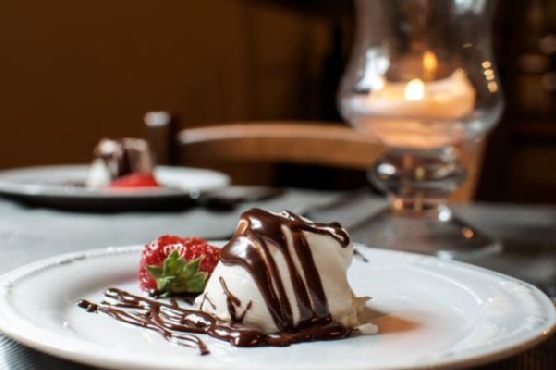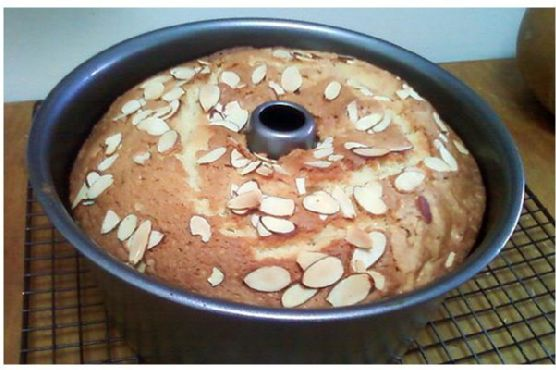
Buttermilk Pound Cake | Made by Meaghan Moineau

Buttermilk Pound Cake

Intro

There’s something timeless about a classic buttermilk pound cake. It takes me back to my grandmother’s cozy kitchen, where the aroma of fresh-baked cake would waft through the air, inviting everyone in the house to gather around the table. Her secret ingredient? Buttermilk, which added a tangy richness to the cake, making it irresistibly moist and flavorful. Today, I’m thrilled to share this cherished family recipe with you, hoping it brings as much joy to your home as it has to mine.

Why You’ll Love It

This buttermilk pound cake is a delightful combination of simplicity and elegance. The creamy texture and subtle hints of lemon zest and nutmeg make it a versatile dessert for any occasion. Whether you’re enjoying a slice with your morning coffee or serving it as a centerpiece at a dinner party, this cake is sure to impress. Plus, the recipe is straightforward enough for both seasoned bakers and novices alike. Let’s dive into why this cake will become a staple in your baking repertoire:

  • Rich Flavor: The combination of butter, vanilla, and buttermilk creates a deeply flavorful cake.
  • Perfect Texture: Achieves a moist, tender crumb that’s never dry or crumbly.
  • Easy to Make: Simple ingredients and step-by-step instructions ensure success every time.
  • Versatile: Serve it plain, with a dusting of powdered sugar, or topped with fresh berries.

Ingredients

  • 2 cups all-purpose flour
  • 1/2 teaspoon baking soda
  • 1/4 teaspoon salt
  • 1 cup unsalted butter, softened
  • 2 cups white sugar
  • 4 large eggs
  • 1 tablespoon lemon zest
  • 1/4 teaspoon ground nutmeg
  • 2 teaspoons vanilla extract
  • 1 cup buttermilk

Instructions

  1. Preheat your oven to 325°F (163°C). Butter one 9- or 10-inch tube pan. Line the bottom with parchment paper, and butter the bottom again. If desired, coat the sides with sugar for a sweet crust.
  2. In a medium bowl, sift together the flour, baking soda, and salt. Set aside.
  3. In a large mixing bowl, beat the softened butter and sugar together until creamy, about 5 minutes. This step is crucial for a light texture.
  4. Add the eggs one at a time, beating well after each addition. Ensure the mixture is smooth and fully combined.
  5. Stir in the lemon zest, nutmeg, and vanilla extract.
  6. Alternately add the flour mixture and buttermilk to the batter, starting and ending with the flour mixture. Mix well after each addition to ensure a smooth batter.
  7. Pour the batter into the prepared pan, smoothing the top with a spatula.
  8. Bake in the preheated oven for 60-70 minutes, or until a toothpick inserted into the center comes out clean.
  9. Allow the cake to cool in the pan for 15 minutes before transferring it to a wire rack to cool completely.
  10. Slice and serve as desired. Enjoy!

Tips

For the best results, ensure your ingredients are at room temperature before you begin. This helps create a smooth, even batter. Additionally, don’t rush the creaming process for the butter and sugar; this step is key to achieving a light and fluffy cake. Lastly, don’t overmix once you add the flour, as this can result in a dense cake.

Variations & Substitutions

This recipe is wonderfully versatile. If you prefer a more citrusy flavor, try adding the zest of an orange or lime. For a spiced version, increase the nutmeg or introduce a pinch of cinnamon. If you’re out of buttermilk, you can make a substitute by mixing 1 cup of milk with 1 tablespoon of lemon juice or white vinegar and letting it sit for 5 minutes. For a dairy-free option, use a plant-based butter and a buttermilk substitute made from non-dairy milk.

Storage

Store your buttermilk pound cake in an airtight container at room temperature for up to 3 days. If you wish to keep it longer, wrap it tightly in plastic wrap and aluminum foil, then freeze it for up to 3 months. Thaw at room temperature before serving.

FAQ

Can I use a different type of pan?

Yes, while a tube pan is traditional, you can also use a bundt pan. Ensure it’s well-greased and floured to prevent sticking, and adjust baking time if necessary.

Why did my cake turn out dense?

A dense cake can result from overmixing the batter after adding the flour or using cold ingredients. Ensure all ingredients are at room temperature, and mix just until combined.

Can I add frosting?

Absolutely! While delicious on its own, a simple glaze or cream cheese frosting can elevate this cake. For a lighter option, a dusting of powdered sugar works beautifully.

Nutrition

This cake is a rich and indulgent treat. Each slice (1/12 of the cake) is approximately 320 calories, with 16g of fat, 40g of carbohydrates, and 5g of protein. Please note these values are approximate and can vary based on specific ingredients used.

Conclusion

Our buttermilk pound cake is a testament to the magic of simple ingredients coming together to create something truly special. With its moist texture and delightful flavor, it’s a cake that speaks to the heart, evoking memories of cherished family gatherings and celebrations. Whether you’re baking it for a special occasion or just because, I hope this recipe brings warmth and joy to your kitchen. Happy baking!

Related update: Buttermilk Pound Cake
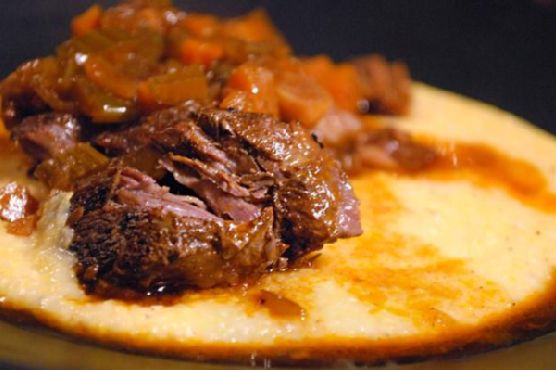
Beef Braised In Red Wine | Made by Meaghan Moineau

Beef Braised In Red Wine

Intro

There’s something magical about the aroma of a hearty stew simmering gently in the oven. It always takes me back to my grandmother’s kitchen, where the scent of herbs and red wine would fill the room, promising a meal that warmed the soul as much as it did the body. This Beef Braised in Red Wine recipe is my homage to those cherished days. The tender beef, the rich sauce, and the earthy vegetables create a symphony of flavors that feels both nostalgic and comforting. Join me as we explore this classic dish that is perfect for cozy family dinners or special occasions.

Why You’ll Love It

This dish is a celebration of deep, robust flavors that develop beautifully over a few hours of slow cooking. The beef becomes exceptionally tender, practically melting in your mouth, while the red wine sauce is rich and velvety, with hints of rosemary and thyme. Whether you’re a seasoned chef or a home cook looking to impress, this recipe is straightforward yet delivers restaurant-quality results. Plus, the delicious aroma while it cooks will make your home feel warm and welcoming.

Ingredients

  • Bacon
  • Boneless beef chuck roast
  • Carrot
  • Celery
  • Dry red full-bodied wine
  • Garlic cloves
  • Olive oil
  • Onion
  • Pepper
  • Rosemary
  • Salt
  • Thyme
  • Tomato paste
  • Water

Instructions

  1. Put the oven rack in the middle and preheat the oven to 325°F (163°C).
  2. Heat oil in a large Dutch oven until hot but not smoking.
  3. Meanwhile, pat the beef dry and season with salt and pepper.
  4. Brown the beef on both sides, about 10 minutes total. If the bottom of your pan starts to scorch, turn down the heat slightly.
  5. Remove the beef from the pan and let it rest on a plate.
  6. Add bacon to the pan and sauté until browned.
  7. Add the carrot, celery, and onion, cooking until they are softened and golden brown.
  8. Add garlic, thyme, and rosemary, sautéing for 1 minute.
  9. Add tomato paste, stirring in and cooking for 1 minute.
  10. Add wine, and boil until the liquid is reduced by half.
  11. Add water to the pan and bring to a simmer.
  12. Return the beef and any juices to the pan.
  13. Cover the pot with the lid and transfer to the oven.
  14. Cook for 2 1/2 to 3 hours, or until the beef is very tender.
  15. Remove beef from the pan and slice across the grain.
  16. Serve beef on top of potatoes or grits, topped with sauce from the pan.

Tips

For best results, choose a full-bodied red wine, like Cabernet Sauvignon or Merlot, which will enhance the flavor of the dish. Make sure to brown the beef properly to develop a deep flavor base. If you find the sauce too thin after cooking, you can reduce it further on the stovetop.

Variations & Substitutions

If you prefer, you can substitute the beef chuck roast with beef short ribs for a different texture. For a non-alcoholic version, replace the wine with a mixture of beef broth and a splash of balsamic vinegar. To add a touch of sweetness, consider adding a handful of dried fruit, like prunes or raisins, during the braising process.

Storage

This dish stores beautifully and tastes even better the next day. Keep leftovers in an airtight container in the refrigerator for up to 3 days. To reheat, gently warm on the stovetop or in the oven until heated through. You can also freeze the beef and sauce for up to 3 months; just ensure it’s fully cooled before transferring to freezer-safe containers.

FAQ

Can I make this dish in advance?

Absolutely! In fact, the flavors deepen and improve if made a day ahead. Simply prepare the dish, allow it to cool to room temperature, and store it in the refrigerator. Reheat gently before serving.

What side dishes pair well with beef braised in red wine?

This dish pairs wonderfully with creamy mashed potatoes, polenta, or crusty bread to soak up the rich sauce. Steamed green beans or a simple salad also make for a refreshing contrast.

Is it possible to use a slow cooker instead of an oven?

Yes, after browning the beef and sautéing the vegetables, transfer everything to a slow cooker. Cook on low for 6-8 hours or until the beef is tender. Adjust the sauce consistency as needed before serving.

Nutrition

This dish is rich and hearty, so a little goes a long way. While specific nutrition can vary based on portion sizes and specific ingredients used, beef braised in red wine is a good source of protein and iron. For those watching their intake, consider serving smaller portions with plenty of vegetables on the side.

Conclusion

Beef Braised in Red Wine is more than a meal; it’s an experience. The deep, complex flavors and tender beef create a dish that feels like a warm embrace on a chilly evening. Whether for a special occasion or simply to indulge in a comforting classic, this recipe is a keeper. I hope it brings as much joy to your table as it has to mine over the years. Enjoy every savory, satisfying bite!

Related update: Beef Braised In Red Wine

Julia Child’s Vichyssoise | Made by Meaghan Moineau

Julia Child’s Vichyssoise: A Timeless Classic for Every Season

Intro

There’s something incredibly comforting about a bowl of soup, particularly one that carries the rich history and culinary expertise of a legend like Julia Child. When I was a child, my grandmother would often make vichyssoise on Sunday afternoons, filling the kitchen with its soothing aroma. Sitting at the kitchen table, I would eagerly watch her every move, fascinated by how a few simple ingredients transformed into a luxurious dish. This soup not only warms the belly but also the heart, evoking memories of family gatherings and laughter. Today, I share with you the recipe for Julia Child’s Vichyssoise, a chilled soup that’s perfect for any season and situation.

Why You’ll Love It

Julia Child’s Vichyssoise is more than just a soup; it’s a culinary experience. Here’s why you’ll love making and eating it:

  • Simple Ingredients: This recipe uses basic, easily accessible ingredients, making it convenient for any home cook.
  • Rich and Creamy: The combination of leeks and potatoes creates a perfectly smooth and creamy texture.
  • Versatile: Whether served hot or cold, this soup is delightful in any weather.
  • Elegant Presentation: With a simple garnish of chives or parsley, it’s an impressive dish for entertaining.
  • Nostalgic Comfort: Each spoonful is a trip down memory lane for those who grew up with classic French cuisine.

Ingredients

  • White leeks
  • Diced baking potatoes (recommended)
  • Water
  • Salt
  • Sour crème fraîche
  • Fresh chives

Instructions

  1. Bring the leeks, potatoes, and water to the boil in a saucepan.
  2. Salt lightly, cover partially, and simmer for 20-30 minutes, or until the vegetables are tender.
  3. Puree the soup if you wish for a smoother texture.
  4. Taste and correct the seasoning as needed.
  5. Chill the soup thoroughly.
  6. Once chilled, stir in a little more crème fraîche if desired.
  7. Taste carefully again and correct the seasoning.
  8. Top each serving with a sprinkle of chives or parsley and a drizzle or dollop of crème fraîche.

Tips

To ensure your Vichyssoise is perfect every time, keep these tips in mind:

  • Use Fresh Ingredients: The flavor of your soup depends heavily on the freshness of your leeks and potatoes.
  • Chill Thoroughly: For the best flavor, make sure the soup is well chilled before serving.
  • Adjust Consistency: If the soup is too thick, you can thin it out with a bit more water or broth.

Variations & Substitutions

While Julia Child’s original recipe is a classic, there are endless ways to make it your own:

  • Herbs: Add fresh herbs like thyme or basil for an additional layer of flavor.
  • Dairy-Free: Substitute the crème fraîche with a plant-based cream to make the soup vegan-friendly.
  • Broth: Swap water for chicken or vegetable broth for a richer taste.

Storage

This soup is perfect for make-ahead meals. Store it in an airtight container in the fridge for up to three days. If you want to enjoy it later, freeze it for up to two months. Just be sure to thaw it in the fridge overnight before reheating.

FAQ

Can I use other types of potatoes?

Yes, absolutely! While baking potatoes are recommended for their texture, you can use any type of potatoes you have on hand. Just be aware that the texture and flavor may vary slightly.

Is it necessary to puree the soup?

Pureeing the soup is optional but recommended for a smooth, creamy texture. If you prefer a chunkier soup, you can skip this step.

How can I make this recipe vegetarian or vegan?

This recipe is naturally vegetarian if you use vegetable broth in place of water. To make it vegan, replace the crème fraîche with a non-dairy alternative. The rest of the ingredients are already plant-based.

Nutrition

Vichyssoise is a nutritious option, thanks to its vegetable-rich base. While precise nutritional values depend on the specific quantities and brands used, a serving typically contains around 150-200 calories, with a healthy amount of vitamins and minerals derived from the leeks and potatoes. For a lighter version, reduce or omit the crème fraîche.

Conclusion

Julia Child’s Vichyssoise is a testament to the beauty of simplicity in cooking. It’s a dish that transcends time and trends, offering a luxurious yet comforting experience with every spoonful. Whether you’re revisiting childhood memories or creating new ones, this recipe is sure to become a beloved staple in your home. So, gather your ingredients, channel your inner Julia Child, and savor the delight of homemade vichyssoise.

Related update: Julia Child’s Vichyssoise

Related update: Pulled Pork Sandwich with Mango BBQ sauce

Related update: Grilled Guacamole with Pistachios

Related update: Loaded Baked Potato Soup with Crispy-Fried Potato Skins

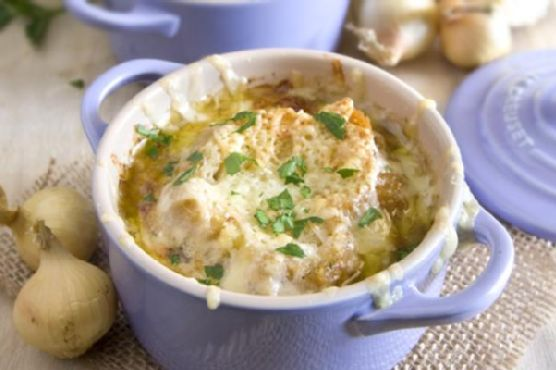
Classic French Onion Soup | Made by Meaghan Moineau

Classic French Onion Soup

Intro

Ah, the comforting allure of a steaming bowl of Classic French Onion Soup! This dish is more than just a meal; it’s a hug in a bowl, a testament to time-honored culinary tradition, and a beloved recipe that’s been passed down through generations. I still remember the first time I tasted this rich, savory soup. It was in my grandmother’s cozy kitchen, during a chilly winter evening. The aroma of caramelized onions mingling with the earthy scent of thyme filled the air, wrapping us in warmth and comfort. Every spoonful was a revelation, and I knew then that this was a dish I would cherish forever.

Why You’ll Love It

This Classic French Onion Soup is the epitome of simplicity and elegance. Its rich and deeply flavored broth, the sweetness of slow-cooked onions, and the delightful combination of crispy bread and melted Gruyere cheese create a symphony of flavors and textures. Here’s why it deserves a special place in your recipe repertoire:

  • Rich Flavor: The slow-cooked onions develop a deep, caramelized sweetness that blends perfectly with the savory beef broth.
  • Comforting: A warm, hearty bowl of this soup is perfect for cold, rainy days or as a cozy dinner option.
  • Impressive Yet Simple: Despite its luxurious taste, the recipe is straightforward, making it the perfect dish to impress guests with minimal effort.
  • Versatile: Easily adaptable with various herbs or cheese options to suit your taste.

Ingredients

  • 2 tablespoons salted butter
  • 4 large yellow onions, thinly sliced
  • 1 tablespoon flour
  • 1/2 cup sherry
  • 6 cups beef broth
  • 1 teaspoon fresh thyme
  • 2 tablespoons fresh parsley, chopped
  • 1 bay leaf
  • Salt and pepper to taste
  • 1 French crusty baguette, sliced
  • 2 cups shredded Gruyere cheese

Instructions

  1. Preheat your oven to 400°F (200°C).
  2. In a large Dutch oven, melt the butter over medium heat. Add the sliced onions to the pot and sprinkle them with flour. Stir well to coat the onions.
  3. Reduce the heat to medium-low and cook the onions for 45 minutes, stirring occasionally. If the onions are cooking too quickly, lower the heat further.
  4. Once the onions are tender and golden brown, deglaze the pan with the sherry, scraping up all the flavorful bits from the bottom.
  5. Pour the beef broth into the pot and bring the mixture to a boil over medium heat.
  6. Add the thyme, parsley, and bay leaf, and season with salt and pepper to taste. Reduce the heat and let the soup simmer for 15 minutes.
  7. While the soup is simmering, prepare the bread. Spray a cookie sheet with cooking spray. Butter the slices of French bread and bake them in the oven for 5-10 minutes until they are very dry. Set aside.
  8. Remove the herb stalks and bay leaf from the soup. Ladle soup portions into four oven-safe ramekins.
  9. Top each ramekin with a slice of the crusty French bread and generously sprinkle with Gruyere cheese.
  10. Place the ramekins on a cookie sheet and bake uncovered at 400°F (200°C) for 5-10 minutes, or until the cheese is bubbling.
  11. For an extra golden top, broil the soup for one more minute.
  12. Serve warm and enjoy the comforting flavors of this classic soup.

Tips

  • Onion Choice: Yellow onions are ideal for their balance of sweetness and flavor, but feel free to experiment with other varieties for a different taste.
  • Slow Cooking: Patience is key. Cooking the onions slowly is essential to developing their sweet, caramelized flavor.
  • Cheese: Gruyere is classic, but you can also try Swiss or Emmental for a variation.

Variations & Substitutions

  • Vegetarian Version: Substitute the beef broth with vegetable broth for a vegetarian-friendly option.
  • Wine Substitute: If you don’t have sherry, a dry white wine or even a splash of balsamic vinegar can work as a substitute.
  • Herb Alternatives: Experiment with rosemary or sage for a different herbal note.

Storage

Leftover French Onion Soup can be stored in an airtight container in the refrigerator for up to 3 days. Reheat it gently on the stovetop, adding a bit of water if necessary to achieve the desired consistency. The bread and cheese topping should be added fresh when reheating to maintain its texture and flavor.

FAQ

Can I make French Onion Soup in advance?

Absolutely! You can prepare the soup base a day in advance and store it in the refrigerator. When ready to serve, reheat the soup, prepare the bread and cheese topping, and finish it off in the oven.

What can I serve with French Onion Soup?

This soup is hearty enough to be a meal on its own, but it pairs beautifully with a light green salad or roasted vegetables for a well-rounded dinner. For an indulgent option, serve it alongside a steak or a roast chicken.

Nutrition

This soup is rich in flavor and makes for a satisfying meal. While it’s not a low-calorie dish, it provides a good source of protein and calcium from the beef broth and Gruyere cheese. The onions add a dose of antioxidants and dietary fiber.

Conclusion

If there’s one recipe that embodies comfort, elegance, and a touch of nostalgia, it’s Classic French Onion Soup. Whether you’re hosting a dinner party or simply looking to warm up on a chilly night, this dish promises to delight the senses and bring a smile to your face. I hope you find as much joy in making and sharing this recipe as I have over the years. Bon appétit!

Related update: Classic French Onion Soup

Related update: Pasta with Spicy Sausage & Rapini

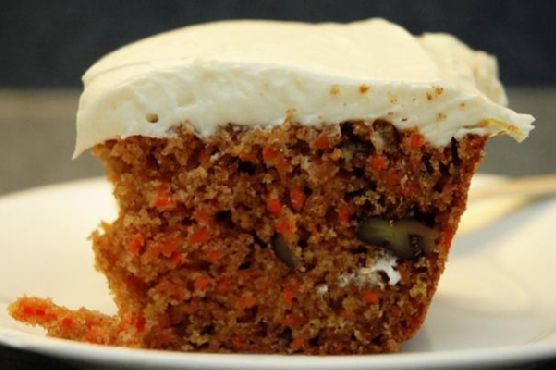
Classic Carrot Cake With Cream Cheese Frosting | Made by Meaghan Moineau

Classic Carrot Cake With Cream Cheese Frosting

Intro

There’s something magical about the aroma of a freshly baked carrot cake wafting through the kitchen. It takes me back to my grandmother’s cozy kitchen, where I first learned to bake. I remember the sound of her gentle voice guiding me as we grated the carrots together, my small hands eager to help. She would always let me lick the spoon, a sweet reward that made those afternoons unforgettable. This classic carrot cake with cream cheese frosting is a tribute to those cherished moments, combining tender, moist cake layers with the rich tang of cream cheese frosting.

Why You’ll Love It

This carrot cake is a timeless dessert that never goes out of style. It’s perfect for any occasion, from birthdays to casual get-togethers. Here’s why you’ll fall in love with this recipe:

  • Moist and Flavorful: The combination of buttermilk, vegetable oil, and freshly grated carrots ensures a moist cake that’s bursting with flavor.
  • Simple Ingredients: You likely have most of the ingredients in your pantry already.
  • Rich Cream Cheese Frosting: The tangy frosting perfectly complements the sweetness of the cake.
  • Versatility: Whether you’re making a layer cake or cupcakes, this recipe adapts beautifully.

Ingredients

  • 2 cups all-purpose flour
  • 2 teaspoons baking powder
  • 1 teaspoon baking soda
  • 1/2 teaspoon salt
  • 2 teaspoons ground cinnamon
  • 1 cup vegetable oil
  • 1 cup buttermilk
  • 4 large eggs
  • 2 cups sugar
  • 1 teaspoon vanilla extract
  • 3 cups shredded carrots
  • 1 cup chopped pecans
  • 1/2 cup unsalted butter, softened
  • 8 ounces cream cheese, softened
  • 4 cups confectioners’ sugar
  • 1 teaspoon vanilla extract

Instructions

  1. Preheat your oven to 350°F (175°C). Grease and flour two 9-inch round cake pans.
  2. In a medium bowl, whisk together the flour, baking powder, baking soda, salt, and cinnamon.
  3. In a large bowl, combine the vegetable oil, buttermilk, eggs, sugar, and vanilla extract. Beat until well mixed.
  4. Gradually add the dry ingredients to the wet ingredients, mixing until just combined.
  5. Fold in the shredded carrots and chopped pecans.
  6. Divide the batter evenly between the prepared pans and smooth the tops with a spatula.
  7. Bake for 30 to 35 minutes, or until a toothpick inserted into the center comes out clean.
  8. Allow the cakes to cool in the pans for 10 minutes, then turn them out onto a wire rack to cool completely.
  9. For the frosting, beat the softened butter and cream cheese in a large bowl until creamy and smooth.
  10. Gradually add the confectioners’ sugar, beating until well combined. Stir in the vanilla extract.
  11. Once the cakes are completely cool, spread a layer of frosting on top of one cake. Place the second cake on top and frost the top and sides of the cake.
  12. Decorate with additional pecans if desired. Serve and enjoy!

Tips

  • Make sure the cream cheese and butter are softened to room temperature for a smoother frosting.
  • To prevent the cake from sticking, line the bottom of the cake pans with parchment paper.
  • For extra flavor, toast the pecans before adding them to the batter.

Variations & Substitutions

If you’re looking to switch things up, here are some variations and substitutions:

  • Raisins or Pineapple: Add 1/2 cup of raisins or crushed pineapple for a fruity twist.
  • Whole Wheat Flour: Substitute half of the all-purpose flour with whole wheat flour for a nuttier taste.
  • Walnuts: Use walnuts instead of pecans for a different nutty flavor.

Storage

Store any leftover carrot cake in an airtight container in the refrigerator for up to 5 days. You can also freeze the unfrosted cake layers by wrapping them tightly in plastic wrap and aluminum foil for up to 3 months. Thaw overnight in the refrigerator before frosting and serving.

FAQ

Can I make this carrot cake gluten-free?

Yes, you can replace the all-purpose flour with a gluten-free flour blend. Make sure to choose a blend that contains xanthan gum or add it separately to help bind the cake.

How can I make this recipe vegan?

To make a vegan carrot cake, substitute the eggs with flax eggs (1 tablespoon of flaxseed meal mixed with 2.5 tablespoons of water per egg), use a plant-based milk with a tablespoon of vinegar instead of buttermilk, and replace the cream cheese and butter with vegan alternatives.

Can I make this cake ahead of time?

Absolutely! You can bake the cake layers a day in advance and store them in the refrigerator. Frost the cake just before serving for the best texture.

Nutrition

While I always encourage indulging in moderation, here’s a rough estimate of the nutritional content per serving (based on 12 servings):

  • Calories: 450
  • Protein: 5g
  • Fat: 22g
  • Carbohydrates: 58g
  • Sugar: 43g
  • Fiber: 2g

Conclusion

Our classic carrot cake with cream cheese frosting is more than just a dessert; it’s a celebration of flavors and memories wrapped into one delicious treat. Whether you’re savoring a slice with a cup of tea or sharing it with loved ones, this cake is sure to bring joy and nostalgia to your table. Happy baking!

Related update: Classic Carrot Cake With Cream Cheese Frosting

Related update: Triple Chocolate Whoppers

Polla alla Parmigiana: Chicken Parmesan | Made by Meaghan Moineau

Polla alla Parmigiana: Chicken Parmesan

Intro

There’s something truly magical about the aroma of a classic Chicken Parmesan wafting through the kitchen. As a child, Sundays at Nonna’s house meant gathering around the table for a meal that always included her famous Polla alla Parmigiana. The sizzle of the chicken frying, the rich, tangy tomato sauce, and the gooey, melted mozzarella all combined to create a dish that was more than just food—it was a symbol of love and family. Today, I’m thrilled to share this recipe with you so that you can bring a piece of that cherished tradition into your own home.

Why You’ll Love It

This recipe for Chicken Parmesan is a true classic, beloved for its crispy exterior and tender, juicy chicken inside. It’s a versatile dish that can be served over pasta, alongside a fresh salad, or even in a hearty sandwich. The combination of flavors from the seasoned breadcrumbs, the herb-infused tomato sauce, and the creamy mozzarella cheese make it a guaranteed crowd-pleaser. Plus, it’s easier to make than you might think, and with a few simple tips, you’ll have a restaurant-quality dish ready in no time.

Ingredients

  • 1 cup dry bread crumbs
  • 2 eggs
  • 1/2 cup flour
  • 1 teaspoon dry marjoram
  • 8 ounces fresh mozzarella, sliced
  • 1/4 cup oil (vegetable or olive oil)
  • 1/2 cup panko breadcrumbs
  • 1/4 cup grated parmesan cheese
  • 1 bell pepper, diced (optional)
  • Salt to taste
  • 4 skinless, boneless chicken breasts
  • 2 cups tomato sauce

Instructions

  1. Preheat your oven to 350°F (175°C).
  2. Pound the chicken breasts until they are even and about 1/2 inch thick.
  3. In a shallow dish, combine the flour, salt, and pepper.
  4. In a second dish, beat the eggs with 1 tablespoon of water.
  5. In a third dish, combine the bread crumbs, panko, marjoram, and parmesan cheese.
  6. Coat the chicken on both sides with the flour mixture, shaking off any excess.
  7. Dip both sides of the chicken into the egg mixture.
  8. Dredge both sides in the bread crumbs mixture, pressing lightly to adhere.
  9. Heat the oil in a large sauté pan over medium-high heat.
  10. Cook the breaded chicken for 2 to 3 minutes on each side, until golden brown.
  11. Remove the chicken and place it on a baking sheet.
  12. Smear tomato sauce over each piece of chicken and top with a slice of mozzarella.
  13. If using, sprinkle the diced bell pepper over the top for added flavor.
  14. Bake in the oven until the mozzarella has melted, about 10-15 minutes.

Tips

For the crispiest Chicken Parmesan, make sure not to overcrowd the pan while frying. This ensures that the chicken cooks evenly and maintains its crispy coating. When choosing mozzarella, fresh mozzarella will give you the best texture and flavor, but pre-sliced mozzarella can work in a pinch. Don’t forget to let the chicken rest for a few minutes before serving, as this helps retain juices and enhances the overall flavor.

Variations & Substitutions

If you’re looking to switch things up, try adding a layer of sautéed mushrooms or spinach between the chicken and the tomato sauce for added depth. For a gluten-free version, substitute the regular breadcrumbs and panko with gluten-free versions. You can also replace the chicken with eggplant slices for a vegetarian take on this classic dish.

Storage

Leftover Chicken Parmesan can be stored in an airtight container in the refrigerator for up to 3 days. To reheat, place it in a preheated oven until warmed through. Avoid microwaving, as it can cause the breading to become soggy. If you plan to freeze it, it’s best to do so before adding the tomato sauce and cheese. Simply freeze the breaded chicken, and when ready to eat, add the sauce and cheese before baking.

FAQ

Can I use chicken thighs instead of breasts?

Yes, you can use chicken thighs if you prefer. Just make sure they are boneless and pounded to an even thickness for even cooking.

What type of tomato sauce should I use?

Feel free to use your favorite store-bought tomato sauce or make your own if you have time. A sauce with garlic and basil works particularly well with this dish.

How can I make this dish healthier?

For a lighter version, try baking the breaded chicken instead of frying it. You can also use whole wheat breadcrumbs and low-fat mozzarella to reduce calories.

Nutrition

While exact nutritional content can vary based on specific ingredients and portion sizes, a typical serving of Chicken Parmesan (including sauce and cheese) contains approximately 400-500 calories, 30g of protein, 20g of fat, and 30g of carbohydrates. Keep in mind that these values can change based on any variations or substitutions you make.

Conclusion

Polla alla Parmigiana, or Chicken Parmesan, is more than just a meal—it’s a delightful experience that brings people together. Whether you’re cooking for a special occasion or simply enjoying a comforting dinner at home, this recipe is sure to impress with its rich flavors and satisfying textures. I hope this family favorite finds a place at your table and brings as much joy to your home as it has to mine. Buon appetito!

Related update: Polla alla Parmigiana: Chicken Parmesan

Related update: Japanese Mabo Tofu With Eggplant

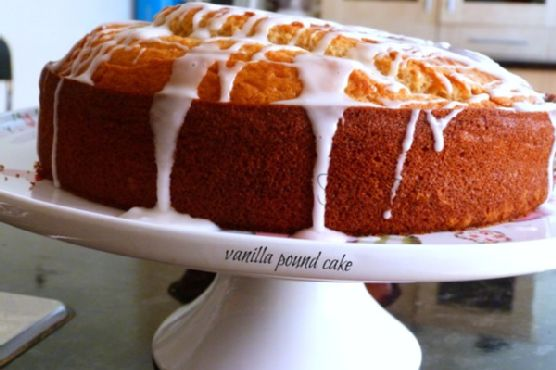
Vanilla Pound Cake | Made by Meaghan Moineau

Vanilla Pound Cake

Intro

There’s something magical about the aroma of a freshly baked cake wafting through the house. It takes me back to Sunday afternoons spent in my grandmother’s cozy kitchen. I remember standing on a stool, eagerly watching as she mixed ingredients with love and care. Her vanilla pound cake was always my favorite—a simple yet indulgent treat that brought smiles to our faces. Today, I’m sharing her cherished recipe with you, so you can create sweet memories of your own.

Why You’ll Love It

This vanilla pound cake is the epitome of comfort and simplicity. With its buttery texture and rich vanilla flavor, it’s perfect for any occasion. Whether you’re enjoying it with a hot cup of tea or serving it as a dessert at a family gathering, this cake is sure to impress. You’ll love how easy it is to prepare, and your loved ones will adore every bite.

Ingredients

  • 1 cup plain flour
  • 1 teaspoon baking powder
  • 1/4 teaspoon salt
  • 1/4 teaspoon nutmeg
  • 1/2 cup butter, softened
  • 1 cup canned granulated sugar
  • 2 large eggs
  • 1 teaspoon vanilla extract
  • 1/2 cup fat free natural yogurt
  • 1/4 cup milk

Instructions

  1. With the aid of a sifter, sift the dry ingredients (flour, baking powder, salt, nutmeg) into a bowl and set aside.
  2. Grease the cake pan and dust with flour. Preheat your oven to 180 degrees Celsius.
  3. In a large mixing bowl, cream the butter and sugar together until light and fluffy.
  4. Add the eggs, one at a time, beating well after each addition. Stir in the vanilla extract.
  5. Mix in the yogurt until well combined.
  6. Gradually add the dry ingredients to the wet mixture, alternating with the milk. Mix until just combined.
  7. Pour the batter into the prepared cake pan and smooth the top with a spatula.
  8. Bake in the preheated oven for 45-50 minutes, or until a toothpick inserted into the center comes out clean.
  9. Allow the cake to cool in the pan for 10 minutes before transferring it to a wire rack to cool completely.

Tips

For the best results, ensure all your ingredients are at room temperature before you begin. This helps with even mixing and a smoother batter. Additionally, avoid over-mixing, as this can lead to a dense cake. A light hand yields the fluffiest results!

Variations & Substitutions

If you’re feeling adventurous, consider adding a tablespoon of lemon or orange zest for a citrus twist. You can also substitute half of the plain flour with almond flour for a nutty flavor. For a dairy-free version, replace the butter with coconut oil and the yogurt with a plant-based alternative.

Storage

This vanilla pound cake keeps well at room temperature for up to three days when stored in an airtight container. For longer storage, wrap individual slices in plastic wrap and freeze for up to two months. Thaw at room temperature before serving.

FAQ

Can I use salted butter instead of unsalted?

Yes, you can use salted butter if that’s what you have on hand. Just omit the added salt in the recipe to balance the flavors.

How can I tell if my cake is done?

The best way to check doneness is by inserting a toothpick into the center of the cake. If it comes out clean or with a few crumbs clinging to it, your cake is ready. It should also have a golden-brown top and start to pull away from the sides of the pan.

Nutrition

Each slice of this sumptuous vanilla pound cake is approximately 250 calories, providing a delightful balance of carbohydrates, fats, and proteins that are perfect for a treat. Keep in mind that nutritional values may vary slightly based on specific ingredient brands and measurements.

Conclusion

Baking a vanilla pound cake is more than just combining ingredients; it’s an opportunity to create warmth and joy in your home. Whether you’re baking for yourself, your family, or friends, this classic recipe is sure to become a staple in your baking repertoire. I hope it brings as much happiness to your table as it has to mine over the years. Happy baking!

Related update: Vanilla Pound Cake

Related update: 5-Minute Rocky Road Fudge

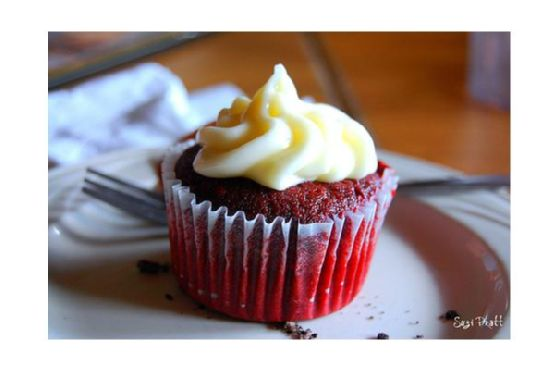
Red Velvet Cupcake | Made by Meaghan Moineau

Red Velvet Cupcake Recipe

Intro

There’s something magical about a batch of red velvet cupcakes, with their rich, velvety texture and striking color. Growing up, my grandmother would often bake these delightful treats for special occasions, and the aroma of vanilla and cocoa would fill her cozy kitchen. It was a time when the whole family would gather around, eagerly waiting to taste the first cupcake, topped with a generous swirl of cream cheese frosting. Today, I’m excited to share this cherished recipe with you, so you can create your own sweet memories.

Why You’ll Love It

These red velvet cupcakes are not just beautiful to look at, but they also offer a perfect balance of flavors. The subtle hint of cocoa, combined with the tanginess of the buttermilk and cream cheese frosting, creates a taste that is both unique and irresistible. They’re perfect for any celebration or just a cozy afternoon tea. Plus, the recipe is simple enough for even novice bakers to master.

Ingredients

  • Baking soda
  • ¾ cup unsalted butter
  • Buttermilk
  • Cake flour
  • Cider vinegar
  • Cream cheese
  • Eggs
  • Powdered sugar
  • Red food coloring
  • Salt
  • Sugar
  • Unsalted butter
  • Unsweetened cocoa
  • Vanilla
  • Vanilla extract

Instructions

  1. Preheat your oven to 350°F (175°C). Grease and lightly flour two cupcake pans to make 24 cupcakes.
  2. In a small bowl, sift the cake flour and set it aside.
  3. In a large bowl, use the medium speed of an electric mixer to cream the butter and sugar until very light and fluffy, about 5 minutes.
  4. Add the eggs, one at a time, beating well after each addition.
  5. In a small bowl, whisk together the red food coloring, cocoa, and vanilla. Add this mixture to the batter and beat well.
  6. In a measuring cup, stir the salt into the buttermilk. Add this to the batter in three parts, alternating with the flour. With each addition, beat until the ingredients are incorporated, but do not overbeat.
  7. In a small bowl, stir together the cider vinegar and baking soda. Add this to the batter and mix well.
  8. Using a rubber spatula, scrape down the batter in the bowl, ensuring the ingredients are well blended and the batter is smooth.
  9. Divide the batter among the prepared pans.
  10. Arrange the oven racks in the upper and lower thirds of the oven. Bake the cupcakes, switching positions of the pans halfway through baking, until a tester comes out clean, about 20 minutes.
  11. Cool the cupcakes in the pan for 10 minutes, then remove them from the pan and cool completely on a rack before icing.
  12. To make the frosting, combine butter, salt, and cream cheese in a mixer and beat on medium speed for 2-3 minutes. Add sugar until just incorporated. Do not over mix. It should be thick but not fluffy. Add vanilla. If necessary, add milk to thin.
  13. To ice, mound about a cup of frosting on top of each cupcake and use an icing spatula to make a swirl on top. If desired, decorate with colored sprinkles.

Tips

For the best results, ensure all your ingredients are at room temperature before starting. This helps them blend more smoothly. Also, be gentle when mixing the batter to keep the cupcakes light and fluffy. Finally, don’t skip the step of switching the pans halfway through baking; it ensures even cooking.

Variations & Substitutions

If you’re looking to make these cupcakes a tad healthier, consider using whole wheat pastry flour in place of cake flour. For a fun twist, you can add a teaspoon of orange zest to the batter for a citrusy kick. If you prefer a less sweet frosting, reduce the powdered sugar by half and add a splash of lemon juice for a tangy flavor.

Storage

These cupcakes are best enjoyed fresh, but they can be stored in an airtight container at room temperature for up to two days. If you need to keep them longer, store them in the fridge for up to a week. Just bring them to room temperature before serving for the best texture and flavor. You can also freeze them without frosting for up to three months.

FAQ

Can I use all-purpose flour instead of cake flour?

While cake flour gives these cupcakes their tender crumb, you can substitute all-purpose flour if needed. Just be sure to measure carefully and sift it to ensure a light texture.

What can I use instead of buttermilk?

If you don’t have buttermilk on hand, you can make a quick substitute by adding one tablespoon of lemon juice or vinegar to one cup of milk. Let it sit for about 5 minutes before using it in the recipe.

How do I know when the cupcakes are done?

The cupcakes are done when a toothpick inserted into the center comes out clean or with just a few moist crumbs. If the toothpick is wet with batter, give them a few more minutes.

Nutrition

Each red velvet cupcake is approximately 250 calories, with 12g of fat, 33g of carbohydrates, and 3g of protein. These values can vary slightly based on specific ingredients used and portion sizes.

Conclusion

Red velvet cupcakes are a classic treat that never fails to impress. Whether you’re baking them for a special occasion or just because, they’re sure to bring smiles to everyone who tastes them. I hope this recipe brings as much joy to your kitchen as it has to mine. Happy baking!

Related update: Red Velvet Cupcake

Related update: Red Velvet Cupcake

Eggs Florentine | Made by Meaghan Moineau

Eggs Florentine | Made by Meaghan Moineau

Eggs Florentine: A Culinary Classic with a Nostalgic Twist


Description:

Delight in the timeless elegance of Eggs Florentine, a dish that marries the creamy richness of hollandaise sauce with the freshness of sautéed spinach and perfectly poached eggs. This classic recipe not only tantalizes your taste buds but also evokes cherished memories of family gatherings and Sunday brunches. Dive into the recipe and discover the warmth of tradition and the joy of creating a masterpiece in your own kitchen.

---


Ingredients:

- 8 eggs

- 4 English muffins


- 4 tablespoons butter


- 1 pinch cayenne pepper


- 1 pinch kosher salt


- 2 tablespoons lemon juice


- 2 cups fresh spinach


- 1 cup water


Instructions:


Preparing the Spinach and Muffins:

1. Sauté the Spinach: In a sauté pan, melt a tablespoon of butter over medium heat. Add the spinach and cook until wilted, about 2-3 minutes. Set aside.
2. Poach the Eggs: Bring a pot of water to a simmer. Carefully crack each egg into the simmering water and poach until the whites are set but the yolks remain runny, approximately 3-4 minutes.
3. Toast the Muffins: Split the English muffins and toast them until golden brown.

Assembling the Dish:

1. Build the Base: Place a toasted muffin half on each serving plate. Top generously with sautéed spinach.
2. Add the Eggs: Gently place a poached egg on top of the spinach.

Crafting the Hollandaise Sauce:

1. Melt the Butter: In a small saucepan, melt the remaining butter and keep it warm.
2. Prepare the Lemon Juice: Warm the lemon juice slightly in a separate small pan.
3. Whisk the Egg Yolks: Place the top of a double boiler over hot water. Add 3 egg yolks and whisk until they begin to thicken.
4. Incorporate Water: Gradually add 1 tablespoon of boiling water at a time, whisking continuously until the sauce begins to thicken.
5. Blend in Lemon and Butter: Stir in the warmed lemon juice. Remove from heat and slowly whisk in the melted butter until the sauce is thick. Season with kosher salt and cayenne pepper.

Serve:

- Drizzle the hollandaise sauce generously over each poached egg. Serve immediately for the best taste.

---


A Nostalgic Family Memory:

Eggs Florentine has always held a special place at our family table, reminiscent of leisurely Sunday brunches at Grandma's house. I remember the warmth of her kitchen, the tantalizing aroma of butter and lemon mingling with the earthy scent of fresh spinach. Grandma, with her gentle hands and patient spirit, would guide me through the delicate process of making the hollandaise sauce, teaching me the importance of timing and the art of whisking just right.

As we gathered around the table, each bite was a celebration of love and tradition. The creamy sauce, the perfectly poached eggs, and the crunch of toasted muffins were more than just flavors—they were the essence of family togetherness. This dish, rich with history and flavor, continues to be a beloved centerpiece at our family gatherings, a testament to the timeless bonds we share.


Difficulty Rating: 7/10

Classification: Main Dish

---


Eggs Florentine is more than just a meal; it's a journey into the past, a blend of flavors that tells a story. Whether you're gathering with family or exploring the joys of culinary creation, this dish promises to be a delightful experience. Enjoy the process, savor the taste, and cherish the memories it brings to your table.

Read more about Appetizers

Read more about Main Dishes

Read more about Desserts

Vanilla Panna Cotta with Chocolate Ganache | Made by Meaghan Moineau

Vanilla Panna Cotta with Chocolate Ganache | Made by Meaghan Moineau

Title: A Sweet Symphony: Vanilla Panna Cotta with Chocolate Ganache
Description: Experience the perfect balance of creamy vanilla panna cotta and rich chocolate ganache with this elegant dessert recipe. A touch of nostalgia, a dash of sophistication, and a whole lot of flavor await you in this culinary journey.

---


When it comes to creating a dessert that is both elegant and comforting, few dishes can match the allure of Vanilla Panna Cotta with Chocolate Ganache. This classic Italian dessert, with its silky texture and harmonious flavors, is the perfect way to end a meal on a high note. In this blog post, I'll walk you through the process of making this delightful treat, while sharing a personal family memory that makes this dish even more special.


Ingredients:

- Gelatin

- Milk


- Vanilla bean


- Cream


- Sugar


- Chocolate bar


Instructions:


1. Prepare the Gelatin: Begin by filling a bowl with water and adding the gelatin. Let it soak until it becomes soft and pliable.
2. Heat the Milk: Pour the milk into a pan and bring it to just below simmering. It's crucial not to let it boil, as boiling can ruin the delicate texture of your panna cotta. Once the milk is heated, remove the pan from the heat.
3. Incorporate the Gelatin: Drain and squeeze out the gelatin, then add it to the warm milk, stirring until completely dissolved.
4. Flavor with Vanilla: In another pan, pour the cream and add sugar along with a split vanilla bean. Bring this mixture to a gentle boil over low heat, stirring constantly to infuse the cream with the vanilla's sweet aroma. Once it begins to boil, remove from heat and discard the vanilla bean.
5. Combine and Chill: Stir the milk mixture into the cream. Rinse your chosen ramekins or molds in ice-cold water, shaking out any excess, and fill them with the panna cotta mixture. Chill in the refrigerator for at least 3-4 hours, or until set.
6. Prepare the Chocolate Ganache: Using a double boiler, melt a chocolate bar until completely smooth. Gradually whisk in cream until you reach the desired consistency for your ganache.
7. Serve with Elegance: Once the panna cotta is set, gently turn it out onto a serving dish. Drizzle the luxurious chocolate ganache over the top just before serving.

A Slice of Nostalgia:


Every time I make this Vanilla Panna Cotta with Chocolate Ganache, I'm transported back to my grandmother's cozy kitchen. I recall a chilly winter evening when the family gathered around her rustic dining table, eagerly anticipating the dessert she'd promised. She was a maestro in the kitchen, turning simple ingredients into spectacular creations. That night, the panna cotta she served was a revelation—its creamy richness perfectly complemented by the decadent chocolate ganache. As we savored each bite, the room was filled with stories, laughter, and the warmth of family. It was one of those evenings that felt like a scene from a movie, and it's a memory I cherish every time I recreate this dish.


Difficulty Rating: 5/10


Classification: Dessert


This Vanilla Panna Cotta with Chocolate Ganache is a dessert that combines simplicity with sophistication. Whether you're hosting a dinner party or simply treating yourself, this recipe is sure to impress. So, gather your ingredients, embrace the nostalgia, and enjoy the sweet symphony of flavors in every bite.

Read more about Appetizers

Read more about Main Dishes

Read more about Desserts